7 Things to Know Before Buying a Living Christmas Tree to Replant in Your New York Yard
A six-foot evergreen with its roots wrapped in burlap can weigh 250 pounds or more. I learned that fact the hard way, while two friends and I wrestled one up my front steps.
That heavy holiday guest also has a strict schedule, because warm rooms can wake it from its winter rest. Most experts suggest keeping it indoors for only about a week, sometimes even less.
I have to admit, the idea of decorating a tree that later shades my yard feels wonderful. You get holiday sparkle in December, then years of birds and greenery outside your New York window.
Still, the frozen ground in New York does not care about your festive plans or your good intentions. So what separates a thriving backyard spruce from a sad brown souvenir that never quite recovers?
1. Pick A Spruce Or Fir That Fits Your Hardiness Zone
Hardiness zones across New York range from chilly 4a up north to milder 7b near the coast. That spread means the perfect tree for Buffalo might not match a backyard on Long Island.
Before shopping, I always look up my zone on the USDA map using my zip code. You should do the same, since a tree that suits your winters will settle in faster.
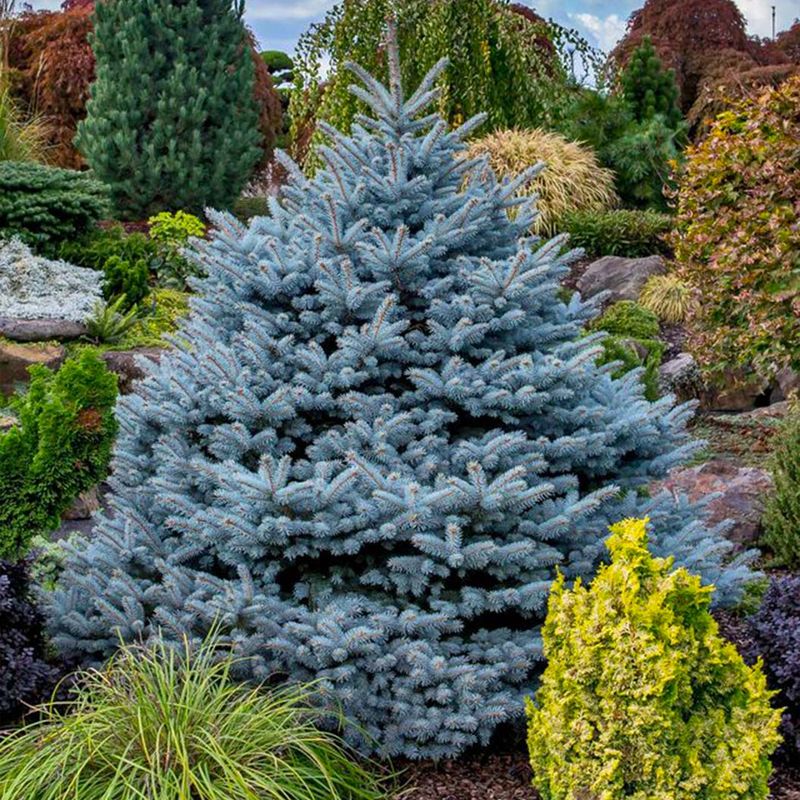
Norway spruce is a sturdy favorite that handles cold winds and many soil types quite well. Colorado blue spruce brings that frosty silver color, though it prefers sunny spots with good drainage.
Eastern white pine is native here and grows soft, long needles in bundles of five. Douglas fir also performs well in many yards, and it offers a sweet smell when needles get crushed.
Balsam fir and Canaan fir are popular local choices with that classic holiday scent in every room. Fraser fir looks lovely, but it often struggles at lower elevations where summers turn warm and humid.
Size matters too, because these trees grow much larger than their cute garden center height suggests. A white pine can reach 80 feet or more, so plan for plenty of room overhead.
Look up before planting and check for power lines, roof edges, and nearby walls near your chosen spot. Giving your evergreen space now saves you from painful pruning headaches many years down the road.
2. Check The Burlap Root Ball For Firm Moist Soil

Squeeze a branch tip at the nursery and listen closely for a satisfying bend instead of a crisp snap. Flexible branches and rich green needles usually tell you the tree has stayed well hydrated.
Run your hand gently along a branch to see whether needles stay put or fall in a shower. A few loose inner needles are normal, but heavy shedding signals stress you should avoid buying.
Now crouch down and give the root ball a careful inspection, because it matters more than the branches. The soil should feel firm and moist, with no cracks, crumbles, or dry loose chunks falling away.
Size matters here as well, since a cramped root ball means fewer roots to support the tree. A tree around five or six feet tall should carry a root ball near 22 inches across.
Remember that weight warning from earlier, because a six-foot tree can easily top 250 pounds with soil. Bring helpers, a sturdy hand truck, and a vehicle that can safely handle that heavy load.
Honestly, smaller trees in containers are much easier to move, and they often adapt well after planting. If you ask me, a four-foot tree makes a smart first attempt for most families.
Ask the nursery staff when the tree was dug and how it has been stored since then. Fresh stock kept cool and shaded usually gives you the strongest start once spring finally rolls around.
3. A Short Indoor Stay Keeps Your Evergreen Sleeping
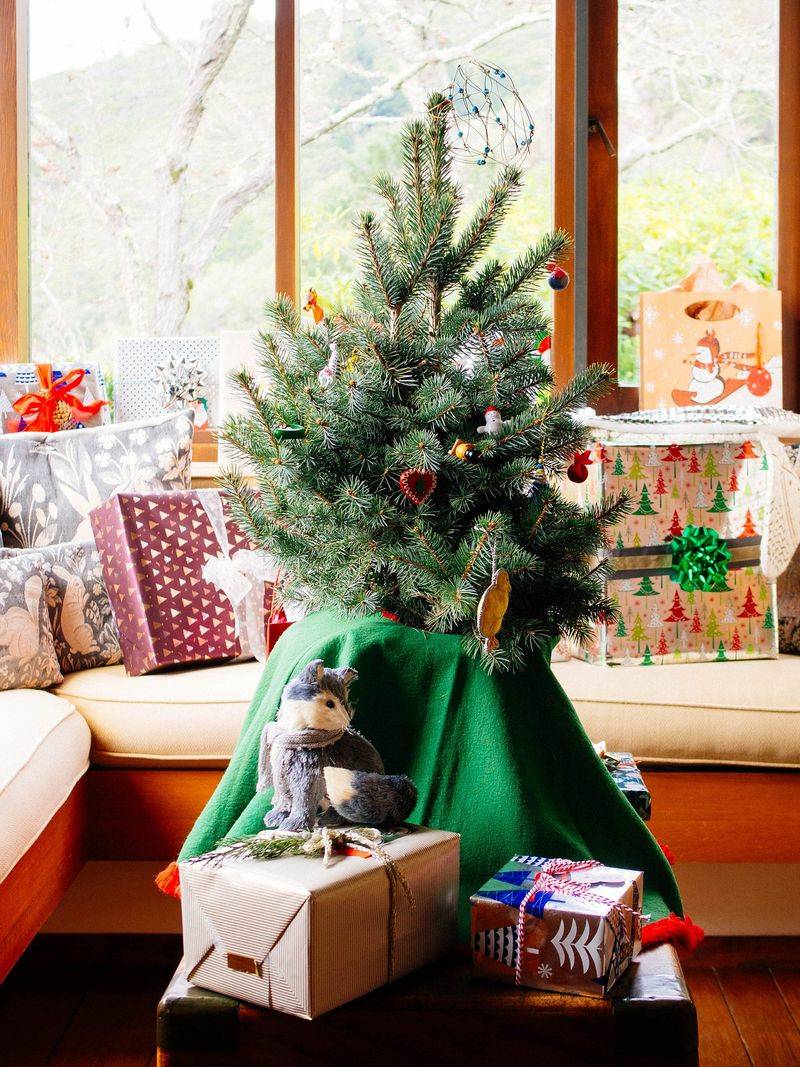
Your living tree is basically napping through winter, and a warm living room acts like a loud alarm clock. Heat can trick it into waking early, which leaves new growth exposed once you move it outside.
Most experts suggest keeping the tree indoors for no more than seven to ten days. Some even recommend just four or five days, which honestly feels short but gives the tree much better odds.
Looking back, I should have waited longer before bringing my first tree inside for the holidays. I set it up early in December, and it looked tired and dull by the new year.
Plan your schedule around the holiday itself instead of the first chilly weekend that inspires you. Bringing the tree inside a few days before Christmas keeps the magic going while protecting its winter rest.
Keep the room as cool as you comfortably can, ideally under 65 degrees while the tree stays inside. Place it far from heat vents, fireplaces, and sunny windows that quickly pull moisture from the needles.
Low-heat LED lights are a smart swap, since older incandescent bulbs warm and dry the foliage over time. Lighter ornaments also help, because heavy decorations can bend young branches that you want growing straight.
Treat the indoor visit like a quick holiday sleepover rather than a long stay at a relative’s house. Your tree will thank you later with steady growth and healthy color once spring warms the yard.
4. Water The Root Ball Daily And Catch The Drips
Dry indoor air can pull moisture from a living tree surprisingly fast, especially when the furnace keeps running. A thirsty root ball shrinks and pulls away from its burlap, and damaged roots struggle to recover.
Make checking the soil part of your morning routine, right alongside coffee and letting the dog out. Push a finger into the top inch, and water thoroughly whenever that layer starts feeling dry.
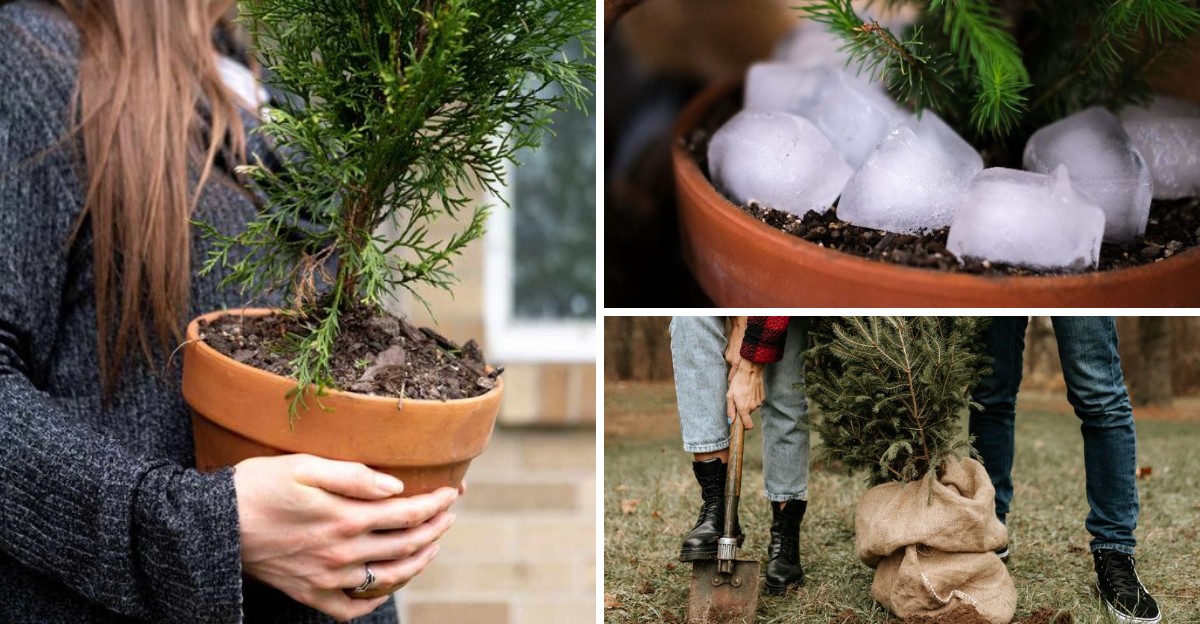
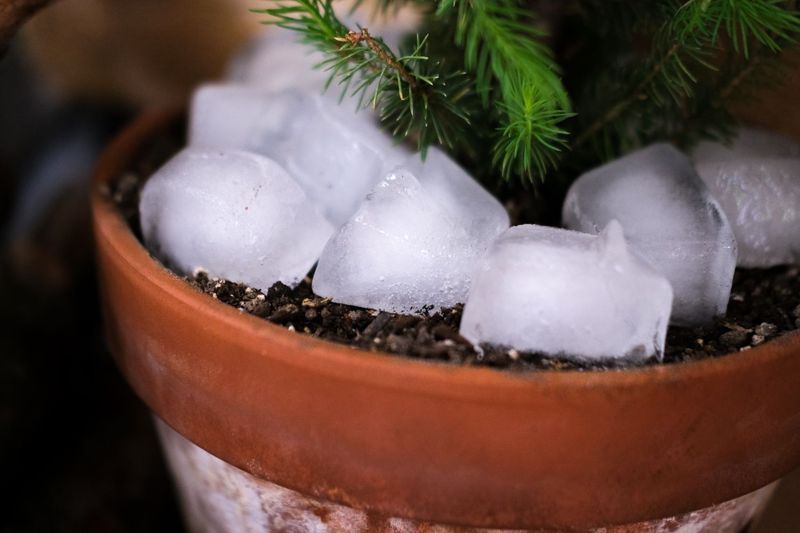
Crushed ice is a clever trick that many growers suggest for slow, steady moisture without sudden flooding. Spread a few handfuls across the root ball, then let it melt gradually into the soil over time.
For what it is worth, I set my tree inside a large plastic tub lined with an old towel. That simple setup saved my wood floor from soggy stains during a very busy holiday week.
Drainage still matters, because roots sitting in standing water can rot and weaken before planting day arrives. Empty the saucer or tub after watering so the bottom of the root ball does not stay soggy.
Some gardeners also mist the branches lightly, though watering the soil does far more good overall. Focus your effort where it counts, and the needles should stay supple and fragrant through the celebration.
Keep a watering can parked near the tree so the chore feels easy and quick each day. Kids often enjoy this job too, and it gives them a fun way to care for the tree.
5. An Unheated Garage Helps The Tree Adjust Slowly
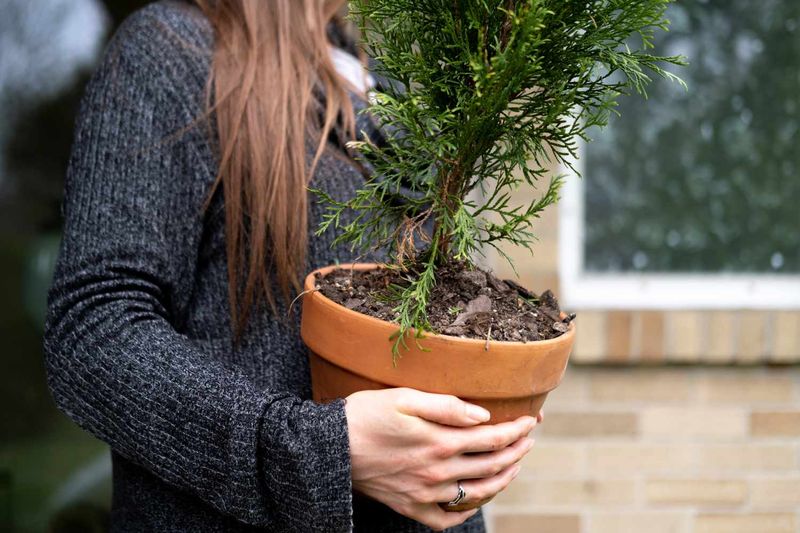
Moving a tree straight from a frozen yard into a toasty house is a big shock for its system. A short stop in an unheated garage or porch gives it a gentle middle step between extremes.
Plan on two to five days in that cool space before the tree finally comes inside for decorating. Water the root ball deeply during this time so it enters your home well hydrated and ready.
Let us just say my garage turned into a tree hotel that week, and the car stayed outside. Clearing a corner ahead of time makes everything smoother, especially when you are moving such a heavy load.
After the holidays, reverse the process and return the tree to that same cool spot for several days. Two to seven days usually helps it readjust before heading back into colder outdoor conditions near your planting hole.
Anti-desiccant sprays like Wilt-Pruf can reduce moisture loss from the needles during these transitions between spaces. Many growers apply a coat before and after the indoor stay, following the label directions closely.
Keep watering during the garage stay, since roots in a burlap ball dry out faster than roots in ground. Check the soil every couple of days, and add water whenever it feels dry near the surface.
Watch the weather too, because a mild stretch makes the final move outdoors much easier on everyone. Patience during these short steps usually pays off with a healthier tree when spring finally arrives.
6. Dig The Planting Hole Before The Ground Freezes
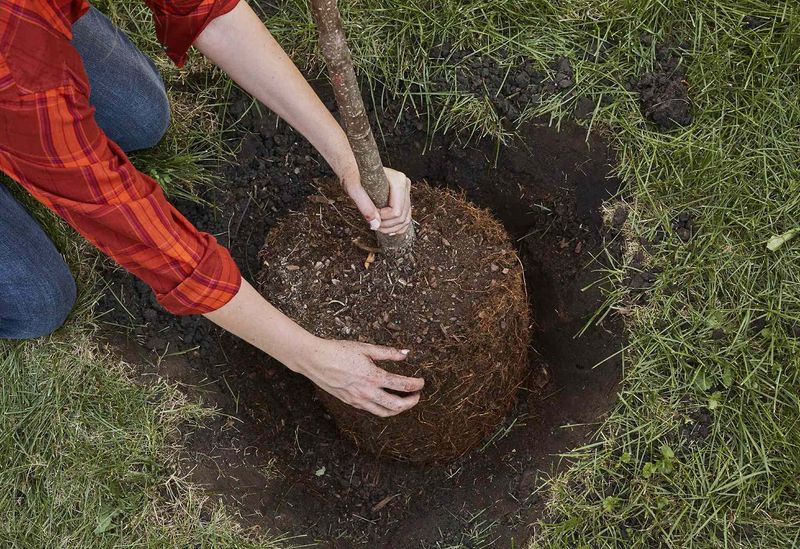
Swinging a shovel at frozen January soil feels a lot like chipping at a concrete sidewalk with a spoon. Digging your hole in late fall, before the ground hardens, solves that problem before it even starts.
Make the hole two to three times wider than the root ball, but only as deep as the ball itself. Wide holes let new roots spread easily into loosened soil, which helps the tree establish more quickly.
Depth matters a lot, because planting too deep can suffocate roots and slowly weaken the whole tree. The root flare, where the trunk widens at its base, should sit at or slightly above ground level.
Save the soil you dig out, and store it somewhere it will not freeze into a solid lump. An unheated garage works well, or you can pile it on a tarp covered with straw and leaves.
Fill the empty hole with leaves or straw to insulate the bottom and keep water from collecting there. Covering it with a board or marker also helps prevent anyone from accidentally stepping in after a snowfall.
Choose a sunny spot with decent drainage, since most spruces and firs dislike soggy feet all winter long. Before digging, call 811 so utility lines get marked, which is a free service and a smart safety step.
My garden taught me that this fall chore turns a stressful January task into something surprisingly simple and quick. Your future self will be grateful when planting day finally comes.
7. Mulch And Burlap Wraps Protect Your Newly Planted Tree
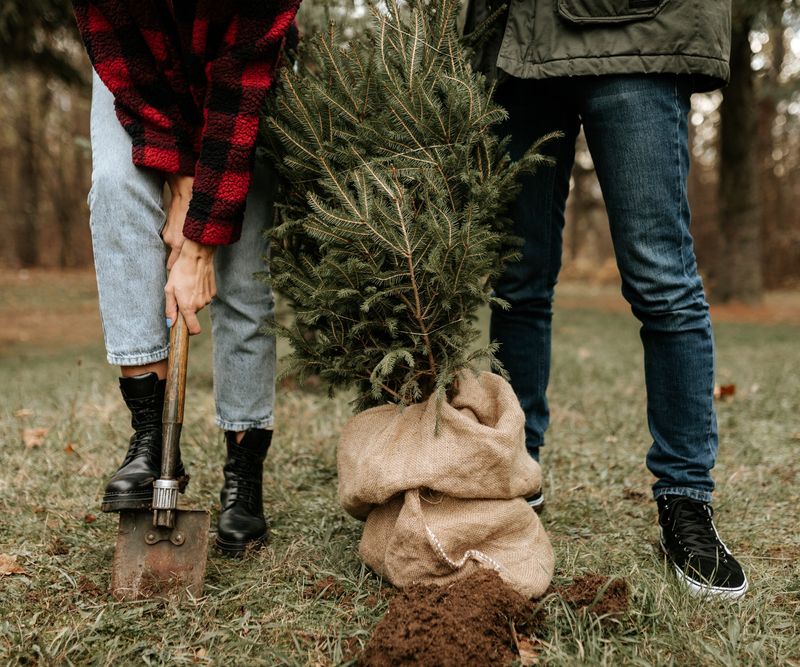
Planting day feels like a small victory, even when your fingers are cold and the yard looks gray. Pick a mild afternoon, then carefully lower the root ball into the hole you prepared months earlier.
Remove twine, wire baskets, and any synthetic burlap, since these materials can choke growing roots over time. Natural burlap can be folded down, but synthetic wraps should come off before you start backfilling.
Backfill with your saved soil, pressing it gently around the root ball to remove hidden air pockets. Then water deeply, letting the moisture soak down and settle the soil firmly around those roots.
Spread two to four inches of organic mulch around the base, keeping it a few inches from the trunk. Mulch holds moisture and evens out soil temperatures, which helps young roots through freezing and thawing cycles.
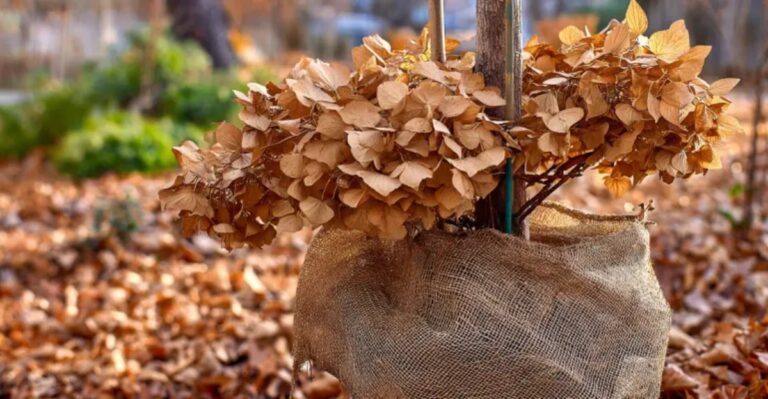
Winter winds in New York can dry out evergreen needles quickly, especially on exposed hillsides or open lawns. A burlap screen on stakes around the tree gives helpful shelter during that first tough season.
Once spring arrives, keep watering consistently, aiming for about an inch each week through the first two years. Rain counts toward that total, so a simple rain gauge in the yard helps you track it easily.
What surprises me most is how quickly a small holiday tree becomes part of the family landscape. Every December, you can step outside and admire a living reminder of a happy celebration.