What Maryland Homeowners Can Do When A Neighbor’s Fire Pit Smoke Drifts Into Their Home
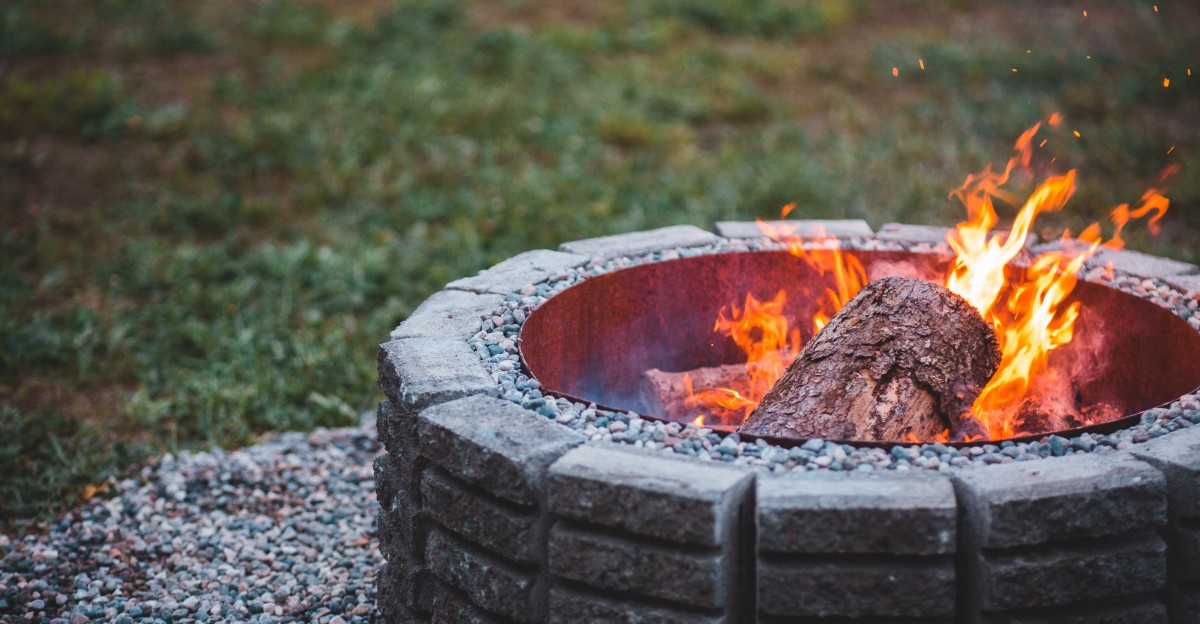
The smoke specks sneaking through your window screen are about 30 times thinner than a human hair. That is why they slip past screens, door gaps, and even your nose’s natural defenses.
I’m a sucker for a crackling fire on a cool evening. Funny thing is, I feel very differently when someone else’s fire fills my kitchen with a gray haze. The curtains smell like a campsite for days.
Here in Maryland, plenty of us garden, grill, and relax outside from spring through late fall. Our neighbors do the same, and their fire pits often sit just a few yards from our bedroom windows. Fair warning, some of the rules surprised me.
Handling this without starting a backyard feud takes a friendly chat, a state agency, a box fan trick, and a surprising court case about secondhand cigarette smoke.
That Drifting Fire Pit Smoke Carries More Than A Campfire Smell

Wood smoke smells cozy, but your lungs see it differently. Burning wood releases fine particles called PM2.5, along with gases like carbon monoxide, benzene, and formaldehyde.
Those particles are small enough to travel deep into your lungs. Some can even pass into your bloodstream, which is why health agencies link smoke exposure to heart and breathing problems.
I used to brush off a smoky evening as a simple annoyance. Then a friend with asthma spent a night wheezing after her neighbor’s bonfire, and my view changed fast.
Some people feel the effects more than others. Young children, older adults, pregnant people, and anyone with asthma, COPD, or heart disease tend to react first.
Watch for clues like coughing, itchy eyes, a scratchy throat, headaches, or tightness in the chest. If symptoms show up every time the fire pit gets lit, that pattern matters.
Knowing the health side also helps later. It gives you a calm, solid reason to bring up the problem, and it shows officials this is more than a dislike of a smell.
Take symptoms seriously, especially in kids. A quick call to your doctor is a smart move if breathing trouble keeps returning.
A Friendly Chat Over The Backyard Fence Solves More Smoke Problems Than You’d Expect
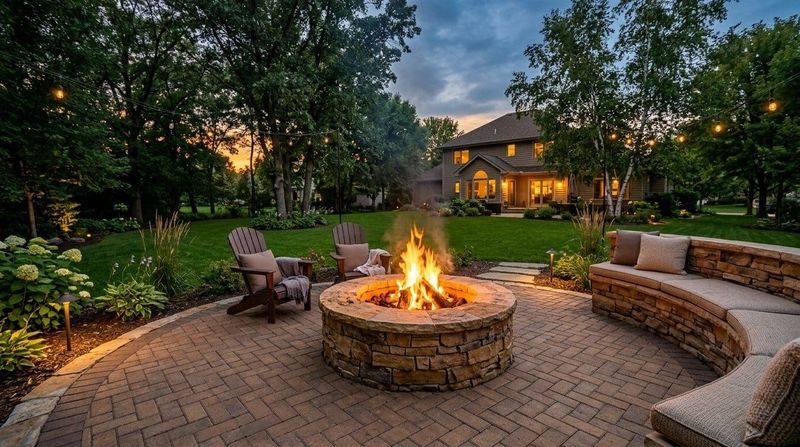
Most fire pit owners have no clue their smoke is drifting your way. From their lawn chair, the breeze carries it off, and the problem simply disappears.
That is why a friendly talk is usually the fastest fix. Pick a calm moment, not the middle of a fire, and lead with something kind before you mention the haze.
Try something like, ‘We love seeing you enjoy the yard, but the smoke has been getting into our bedroom at night.’ Short and specific works better than a long list of complaints.
Then offer easy solutions. Your neighbor could move the pit a few feet, skip fires on breezy evenings, or burn only dry, seasoned firewood, which makes far less smoke than damp logs.
I’m the first to admit this conversation feels awkward. Still, asking for a quick text before they light up lets you close windows ahead of time, and that small courtesy changes a lot.
A smokeless fire pit is another idea worth sharing. Models with double walls and airflow holes burn hotter and cleaner.
Keep the tone light, and follow up with a thank-you if things improve. Good neighbors are worth more than a perfect evening.
Maryland Fire Pit Rules Spell Out What Your Neighbor Can Burn
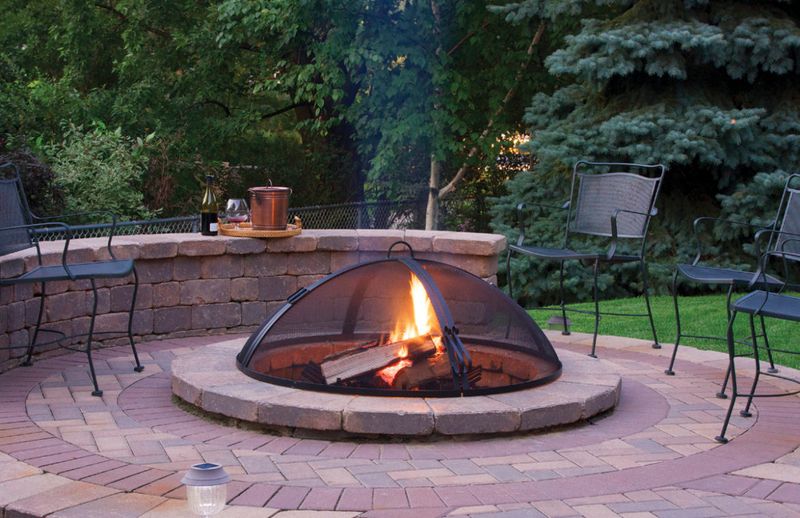
Backyard fires are not a free-for-all. Maryland’s open burning regulations, found in COMAR 26.11.07 and enforced by the Maryland Department of the Environment, set the basic ground rules.
Small recreational fires, like a family fire pit for warmth or roasting marshmallows, are generally allowed. The catch is what goes in them and how they are managed.
Only clean, dry, natural wood belongs in a fire pit. Burning trash, leaves, yard waste, painted or treated lumber, plastics, or construction scraps is not allowed, and those materials create thick, foul smoke.
A responsible adult also needs to watch the fire until it is fully out. Many counties and towns add their own setback rules, often requiring fire pits to sit 15 to 25 feet from homes, decks, and fences.
Not going to lie, I had to read my own county’s code twice. Rules vary from place to place, so check your county fire marshal or city website for exact distances and size limits.
Once you know the rules, you can tell whether your neighbor is breaking one. Trash smoke or a fire hugging your fence line is a very different conversation than a small, clean wood fire.
Summer Burn Bans And Town Ordinances Can Shut Down Backyard Fire Pits
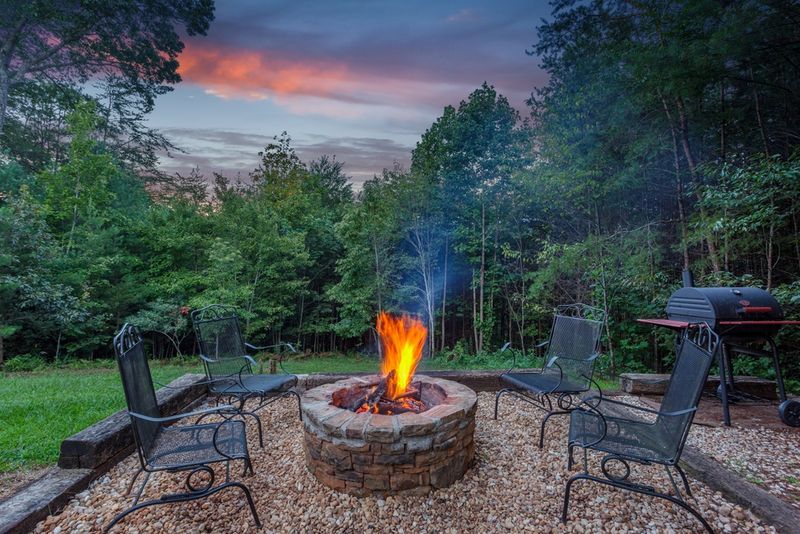
Summer adds another twist. Each year from June 1 through August 31, open burning is banned in a group of central Maryland counties and Baltimore City to help control ground-level ozone.
That ban targets larger open burning, and how it applies to small backyard fire pits depends on local rules. A quick call to your county fire marshal clears up the details.
Burn bans can also pop up during dry, windy spells, especially in spring and fall. When forestry or fire officials announce one, even recreational fires may be off limits.
Cities and towns pile on their own rules too. Some municipalities limit fire size to about three feet across, restrict burning hours, or ban outdoor fires except for cooking.
Funny thing is, many neighbors don’t realize their town has stricter rules than the county. Homeowners associations can add another layer, since some HOA covenants limit or prohibit fire pits.
Bookmark your county and town code pages. Checking them before you complain helps you speak with facts, and it keeps the discussion focused on rules instead of feelings.
Air quality alerts matter as well. On Code Orange or Code Red days, many local agencies ask residents to skip outdoor burning.
A Smoke Complaint To The State Environment Department Gets Real Attention
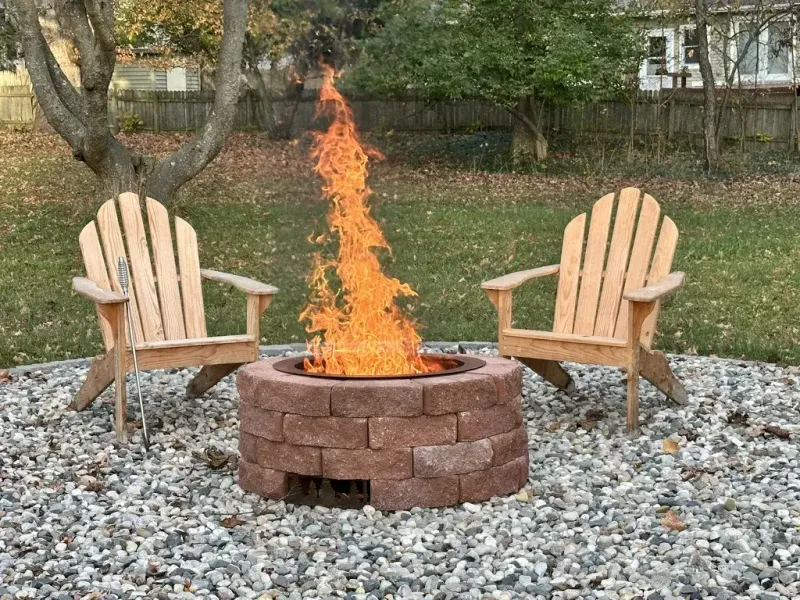
A polite talk did not work? You still have backup. The Maryland Department of the Environment handles air pollution complaints, including smoke and open burning problems.
You can file a complaint through the MDE website or by phone. Share the address, the dates and times the smoke appeared, what was being burned if you could tell, and how it affected your home.
For fires that seem dangerous right now, such as flames spreading or burning near a structure, skip the paperwork. Call 911 or your local fire department instead.
Your county fire marshal and local code enforcement office are also good contacts. They often handle setback distances, fire size limits, and local burning ordinances that the state does not cover.
Trust me on this one, details make a difference. A complaint that says ‘smoke at 8 p.m. on three Fridays, smelled like burning plastic’ gives inspectors something they can act on.
Many agencies keep the complainant’s name private when possible, but ask about that up front if you are worried about tension. You can also check whether anonymous reports are accepted.
Patience helps here. Inspectors may need to see a violation in progress, so repeat reports over time can build a clearer case.
A Smoke Diary With Dates, Photos, And Wind Notes Builds Your Case
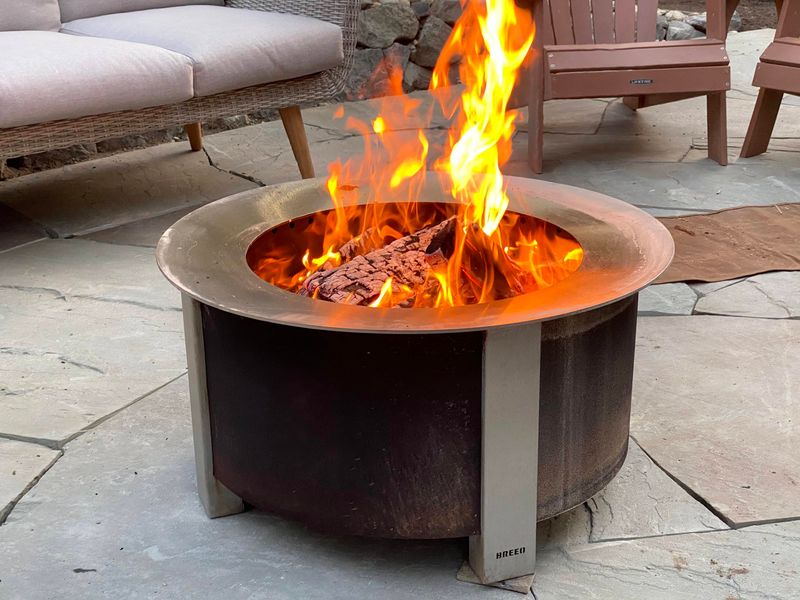
Memory is fuzzy, but a notebook is not. Keeping a simple smoke diary turns a frustrating feeling into clear evidence.
Each time smoke drifts in, write down the date, start time, end time, and how strong the smell was inside. Note which rooms were affected and whether anyone coughed, wheezed, or had headaches.
Wind direction is a useful detail. A free weather app shows it, and it helps prove the smoke came from next door rather than a distant wildfire or a chimney down the street.
Photos and short videos help too. Capture the smoke crossing the property line, haze inside your home, or any trash or treated wood you can see burning.
I didn’t expect a cheap indoor air quality monitor to be so helpful. Many consumer models track PM2.5, so you can show readings spiking within minutes of a fire starting next door.
Save doctor notes if smoke worsens a health condition. Medical records carry real weight with officials and, if it comes to that, in court.
Keep everything in one folder, paper or digital. Try to stay accurate and avoid exaggeration, since honest notes build trust with anyone reviewing them.
Nuisance Lawsuits Over Fire Pit Smoke Face A Surprisingly High Bar
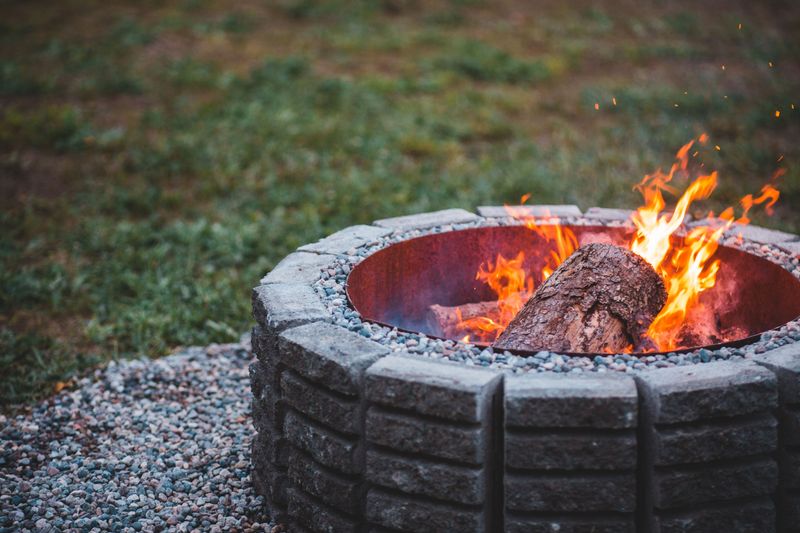
Courts call it private nuisance, and the idea is fairly old. A nuisance is a substantial and unreasonable interference with your use and enjoyment of your own property.
In Maryland, judges look at whether the problem would bother a typical person, not just someone extra sensitive. They also weigh how often it happens, how long it lasts, and how severe it is.
One case is worth knowing. In 2013, a state appeals court agreed secondhand cigarette smoke could be a nuisance in theory, but said the neighbor suing had not shown the interference was substantial and unreasonable.
That ruling shows the bar is high. Occasional weekend fires usually won’t qualify, while frequent, heavy smoke or illegal burning gives you a stronger claim.
I get it, a lawsuit can feel tempting after the tenth smoky night. Still, legal action costs money and can sour a neighborhood for years.
Before going that route, consider community mediation. Many counties offer free or low-cost mediation centers that help neighbors reach written agreements, often covering fire nights, hours, or pit placement.
If you do talk to a lawyer, bring your smoke diary. A local attorney can tell you whether your situation truly fits the law.
HEPA Air Purifiers And Closed Windows Keep Your Bedroom Breathable
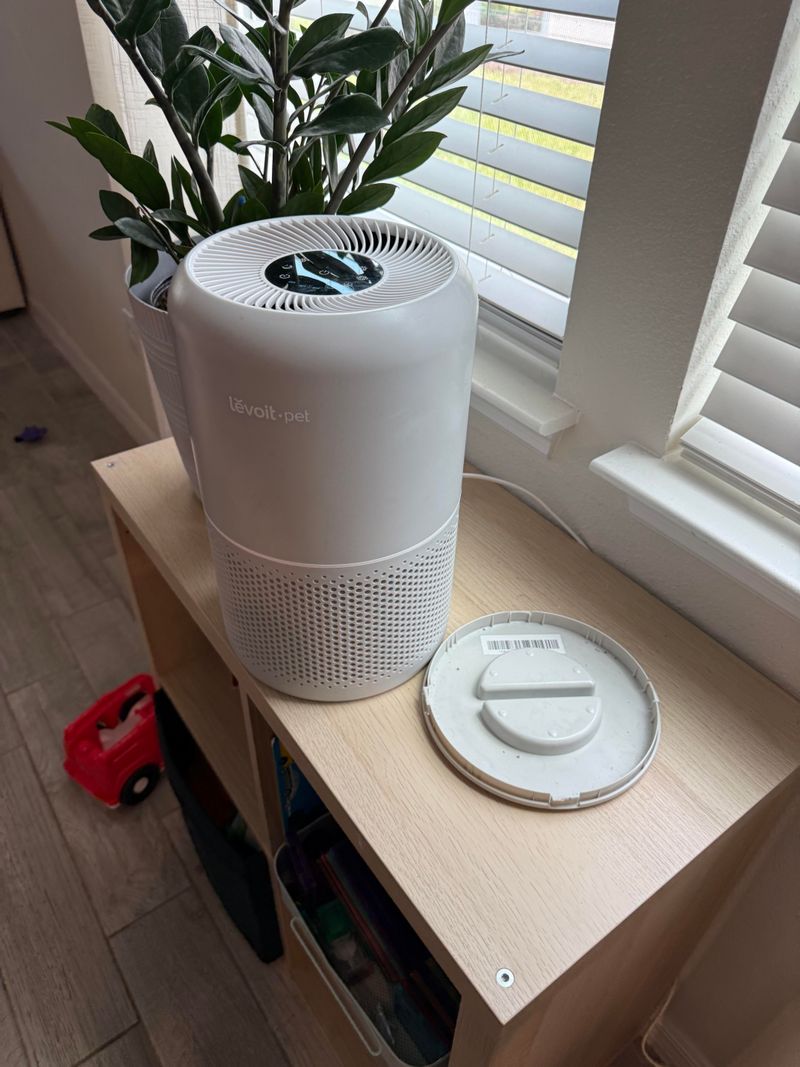
While the bigger issue gets sorted out, your home can still be a clean-air zone. A few simple habits make a noticeable difference on smoky evenings.
Close windows and doors as soon as you catch the scent. If you have central air, set it to recirculate and use a filter rated MERV 13 or higher, which traps many fine smoke particles.
A portable air purifier with a true HEPA filter is another strong tool. Place it in the bedroom, since that is where you spend the most hours breathing.
No budget for a purifier? The EPA and university researchers have described DIY air cleaners made from a box fan and MERV 13 filters, and they work surprisingly well for the price.
Longer term, a row of native evergreens like eastern red cedar or American holly can add privacy and may help break up drifting smoke. Both handle our hot summers and chilly winters with ease.
The best takeaway is balance. Fire pits and clean air can share a neighborhood when folks know the rules, talk early, and protect their own spaces too.