The Pale Spider Crawling On Maryland Walls At Night Is Behind Many “Mystery Bites”
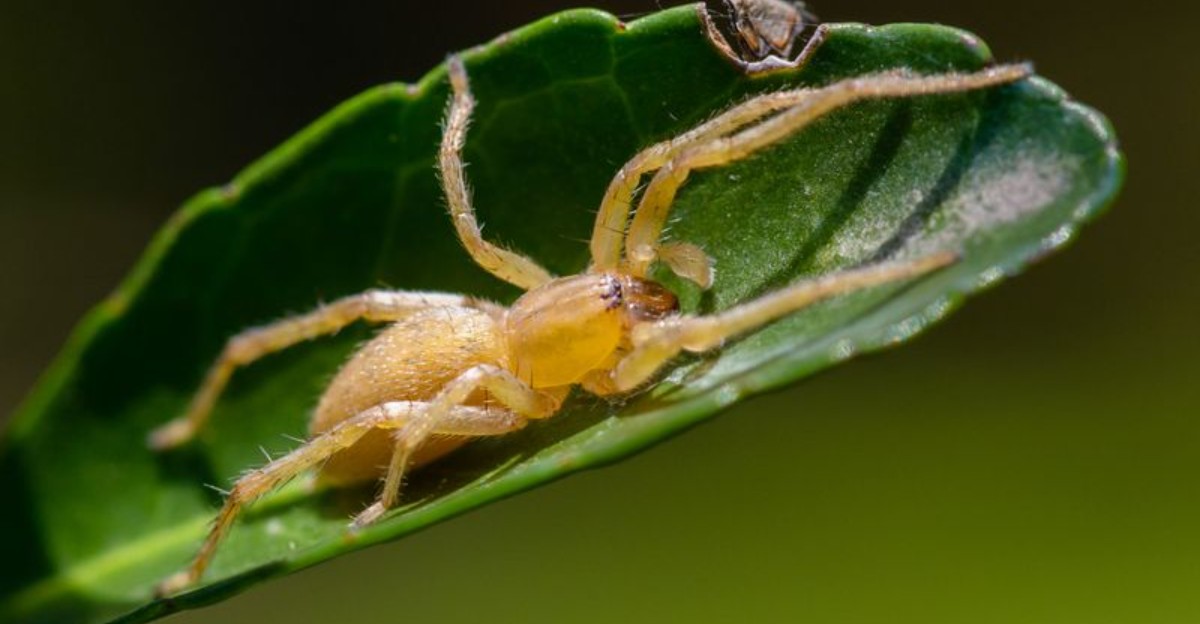
A spider the color of weak tea spends its days zipped inside a tiny silk pouch where your ceiling meets the wall. After dark, it unzips and goes hunting across your bedroom.
Not going to lie, I learned this after waking up with a sore red welt on my arm and no culprit in sight. My first guess was something far scarier, and my second guess was bed bugs. Both were wrong.
This little wanderer does not wait in a web for dinner. It roams, it climbs, and it sometimes crawls into sleeves, sheets, and shoes we forget to shake out.
Homes across Maryland see more of these night walkers once the weather cools and they slip in from shrubs and leaf piles. Just who is sharing your walls after the lights go out, and how worried should you be?
That Pale Spider On Your Ceiling Has A Secret Daytime Hideout
Look up at the corner above your bed tomorrow morning. You might spot a small, flat puff of white silk about the size of a fingertip, tucked right where the ceiling meets the wall.
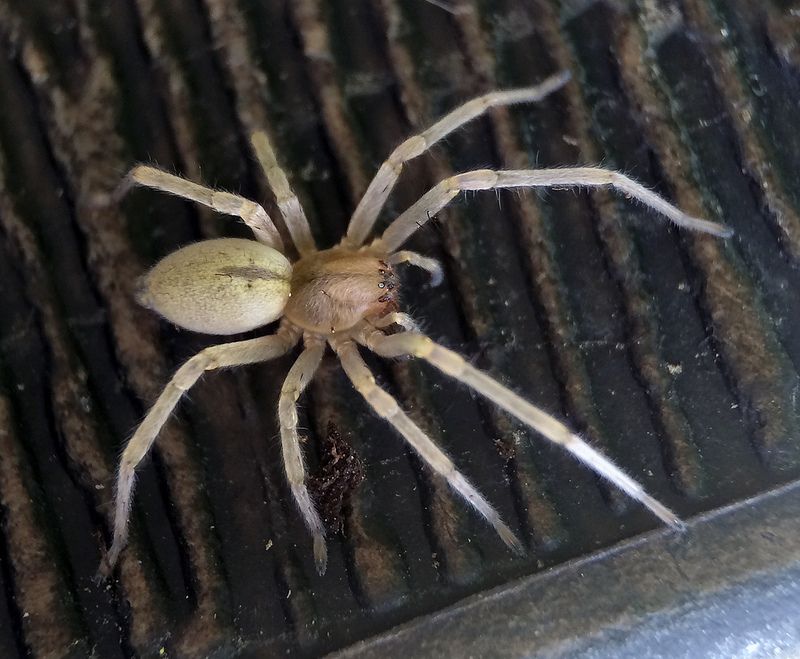
That pouch belongs to a yellow sac spider, the pale wanderer behind many unexplained welts. Two kinds show up around homes in the Mid-Atlantic. The agrarian sac spider, Cheiracanthium inclusum, is native and mostly lives outdoors, while the long-legged sac spider, Cheiracanthium mildei, is an introduced species that likes living indoors.
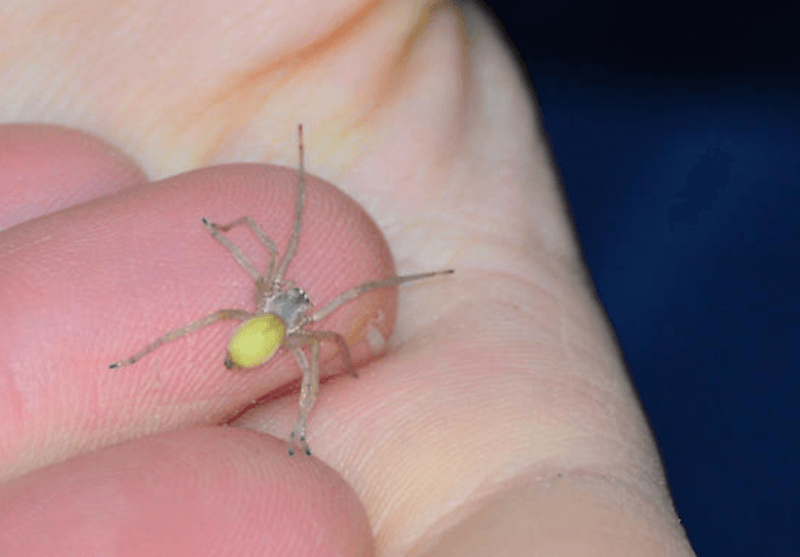
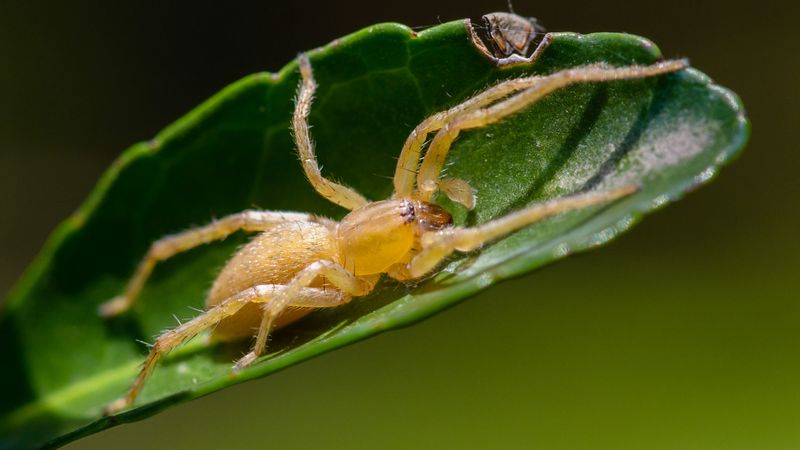
Both look almost see-through in the right light. Their bodies range from straw yellow to pale green or light tan, often with darker brown jaws and feet. Adults are small, roughly a quarter to three-eighths of an inch long.
The front legs are noticeably longer than the rest, which gives them a quick, reaching walk. Picture frames, curtain folds, and cracks near window trim also make cozy daytime shelters.
Spotting the silk sac is often easier than spotting the spider itself. If you find one, gently vacuum it up during the day, when the spider is most likely still resting inside. A dusty corner with a sac is a strong clue about who visits at night.
Night Hunting Sac Spiders Bump Into Sleeping People
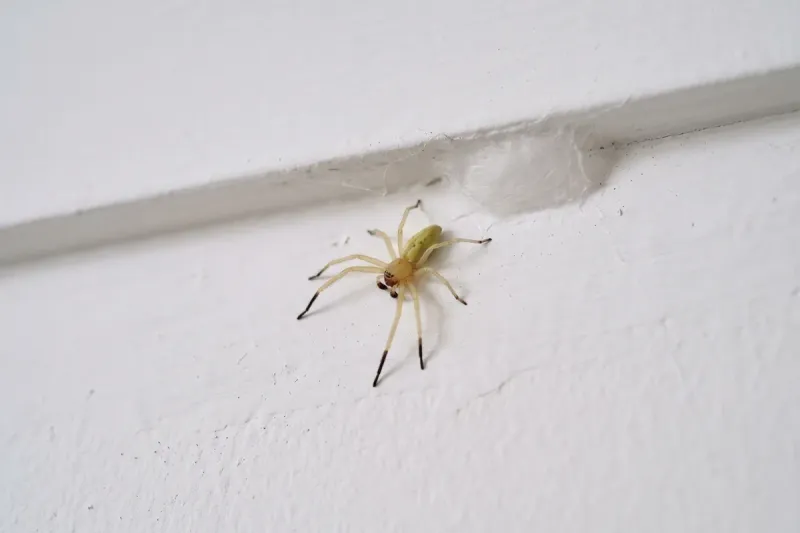
Most spiders sit still and let their webs do the work. Sac spiders skip the web and go hunting, roaming walls, floors, and furniture after dark in search of small insects.
Those midnight patrols explain a lot. A roaming spider eventually wanders across pillows, blankets, and clothing piles, and you happen to be lying right there. When a sleeper rolls over and presses one against the skin, the spider bites in self-defense.
Pest experts and extension entomologists list yellow sac spiders among the more common sources of real spider bites inside homes. Many people never see the spider at all, which is why the bite feels like a mystery the next morning.
Shoes, gloves, and garden jackets are other trouble spots. A spider tucked into a sleeve overnight can nip when an arm suddenly slides in.
Here are simple habits that help:
Shake out clothes and shoes that sat on the floor. Keep bedding off the floor and pull beds a few inches away from walls. Avoid stacking laundry beside the bed overnight.
None of this requires sprays. It simply removes the easy hiding spots where a hunting spider and a sleeping human end up meeting.
A Sac Spider Bite Usually Stings More Than It Harms
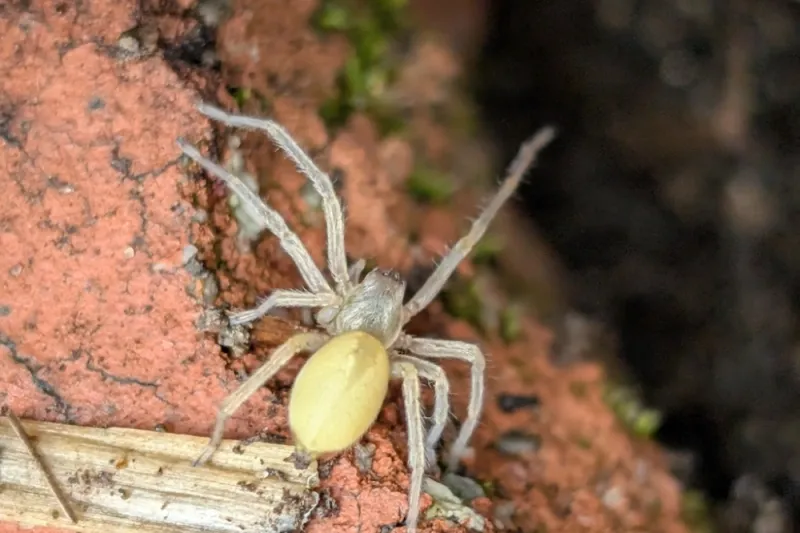
Ouch is usually the first word. A sac spider bite tends to sting right away, a bit like a bee, and then turn red, puffy, and itchy.
Some people get a small blister or a slow-healing sore in the middle. Years ago, these spiders were blamed for skin-damaging wounds, but newer research has mostly cleared them of that reputation. Most bites are mild and fade with simple home care.
Care at home is pretty basic. Wash the spot with soap and water, then hold a cool cloth or wrapped ice pack on it for ten minutes at a time. An over-the-counter antihistamine or anti-itch cream can calm the itching.
Try not to scratch. Broken skin lets bacteria in, and an infection can make a small bite look much worse than it really is.
Keep an eye on it for a few days. Pain, redness, and swelling from most spider bites settle within a couple of days.
A small number of people react more strongly because of allergies. Hives, facial swelling, or trouble breathing call for emergency help right away. Those reactions are uncommon, but they are worth knowing about before you need the information.
Bed Bugs, Fleas, And Mites Often Leave The Same Itchy Bumps
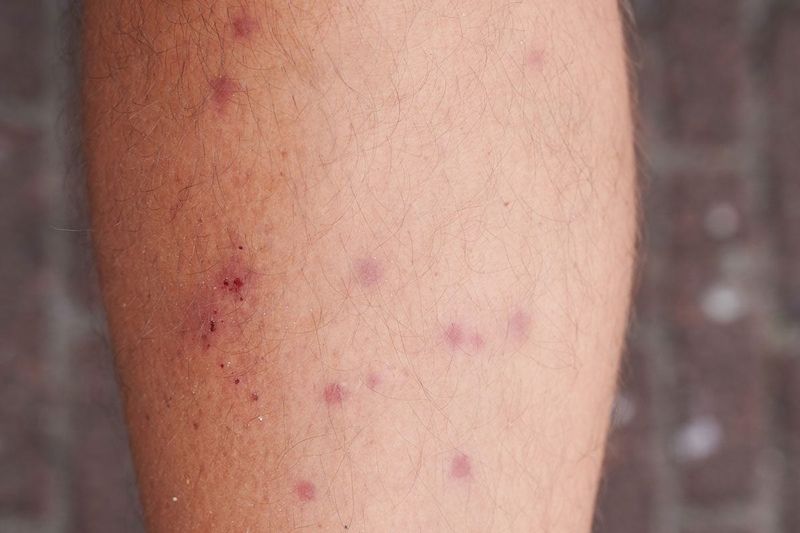
Funny thing is, the spider is not always the culprit. Many so-called spider bites turn out to come from much smaller pests.
Bed bugs are a big one, and Baltimore regularly ranks among the bed bug hot spots in the country. Their bites often show up in lines or clusters on arms, necks, and shoulders. Check mattress seams for tiny rust-colored spots, shed skins, or flat brown insects about the size of an apple seed.
Fleas usually bite around ankles and lower legs. Pets that scratch a lot are a strong hint.
Chiggers love sock lines and waistbands after a summer walk through tall grass. Ticks attach and stay put, so they are easier to identify.
Bird mites and rodent mites are sneakier. They can wander indoors after birds leave a nest in a gutter or attic, or after mice are removed. Suddenly the tiny mites go looking for a new host.
A key clue is the number of bites. One sore spot points toward a spider, while many fresh bites showing up night after night usually suggest insects or mites. That pattern is worth sharing with a pest professional who can track down the real source.
Some Red Bumps Blamed On Spiders Are Skin Infections Instead
Doctors see this all the time. A patient walks in convinced a spider bit them, and the swollen red bump turns out to be a bacterial skin infection.
MRSA, cellulitis, and boils can look a lot like bites at first. They often start as a small, tender pimple or bump that grows larger, warmer, and more painful over a day or two. Pus or drainage is another sign that bacteria are involved.
Brown recluse spiders get blamed for these sores often, yet they are not native to the state and are rarely found here. Researchers have shown that many recluse bite reports across the country are actually infections that needed different care.
That mix-up matters. Treating an infection like a simple bite can let it spread, while the right treatment helps it heal faster.
Get medical care if you notice any of these signs:
Redness spreading outward, growing pain, pus, fever or chills, or no improvement within a day or two.
If you did catch the spider, bring it along in a sealed jar. A clear identification helps your doctor rule things in or out much faster.
Black Widows Are The Spiders Worth Taking Seriously Here
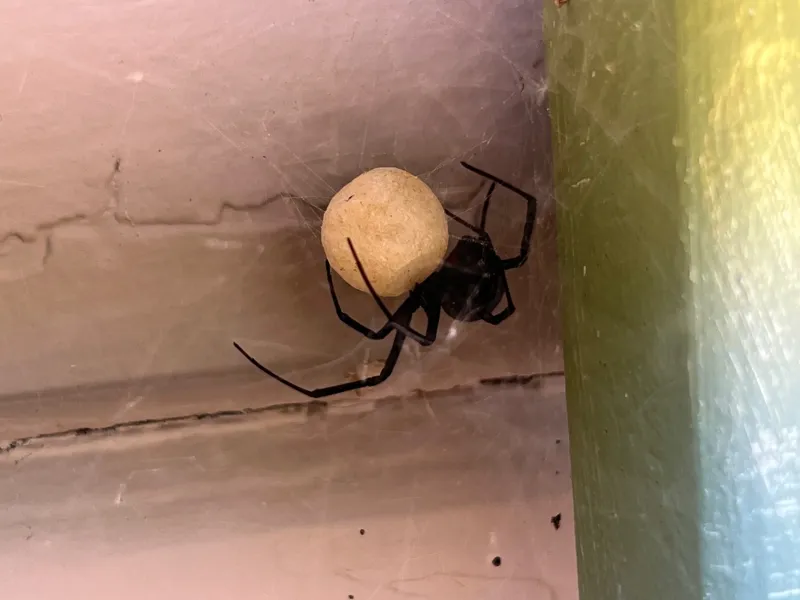
Only one native spider in the Old Line State poses a real medical concern, and it looks nothing like the pale wanderer on your walls. The black widow is glossy black with a red hourglass on its belly.
Widows mostly stay outdoors. They like woodpiles, crawl spaces, stone walls, sheds, and the undersides of flowerpots and garden furniture. They rarely come into living areas.
As gardeners, we are the ones most likely to meet them. Reaching blindly under a stack of pots or grabbing firewood barehanded is how most surprises happen.
A widow bite can cause muscle cramps, especially in the belly, back, or chest, along with sweating and nausea. Anyone with those symptoms after a bite should get medical attention promptly. Children and older adults may react more strongly.
A few easy habits lower the risk:
Wear sturdy gloves when moving wood, rocks, and pots. Keep firewood stacked away from the house and off the ground. Bring only the logs you plan to burn indoors.
Compared with that profile, the sac spider is far more of a nuisance than a threat. Knowing the difference helps you react with calm instead of panic.
Your Shrubs And Leaf Piles Send Sac Spiders Toward The House
Every fall, I notice more pale spiders in the house right after I clean up the garden. That timing is no accident.
Outdoors, yellow sac spiders live in shrubs, trees, tall plants, leaf litter, and debris piles. As nights turn cool, many look for sheltered spots, and a warm house is very appealing. They slip in through loose window screens, gaps under doors, and small cracks around pipes and siding.
Landscaping can make the trip easy. Branches touching the walls work like bridges, and thick mulch or leaf piles against the foundation offer cover right next to the entry points.
A few changes can help a lot:
Trim shrubs so they sit at least a foot or two away from siding. Rake leaf piles and stack debris away from the foundation instead of against it.
Patch torn screens and add door sweeps. Seal cracks around windows, vents, and utility lines with caulk.
You do not have to give up leaf litter in garden beds, which helps pollinators and other wildlife. Simply keep those cozy layers back from the walls, so the spiders stay in the garden where they eat plenty of pests.