How To Protect Your Texas Mulch And Slopes From Flash Flooding
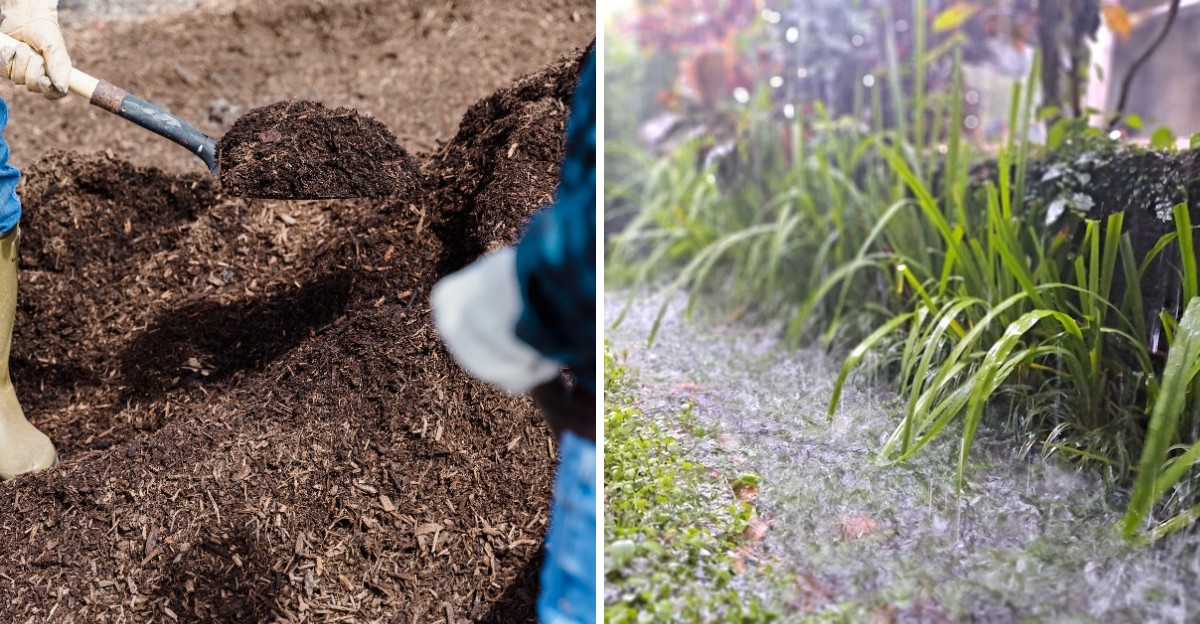
Central Texas sits in one of the most flash-flood-prone regions in North America, and parts of the Hill Country have soaked up more than 20 inches of rain in a single storm.
Much of that water lands on thin soil over limestone and caliche. It has nowhere to go but sideways, and it moves fast.
I learned this the hard way after one wild spring storm. My fresh mulch ended up in a neat brown pile against the neighbor’s fence, and my sloped bed looked like a tiny canyon.
Nobody warned me that a single downpour could undo a whole weekend of work. To my surprise, the fix was not more mulch, but smarter layers, better roots, and a few clever tricks for slowing water down.
1. Fluffy Mulch Floats Away Faster Than You Expect
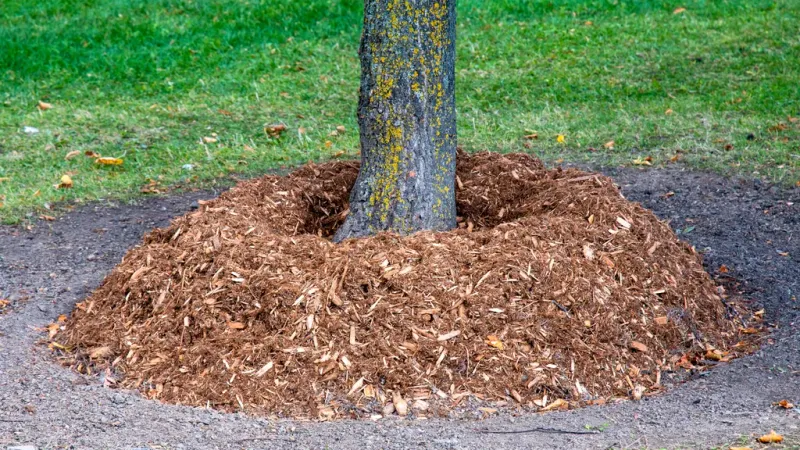
Light, chunky mulch acts a lot like a raft. Pine bark nuggets and loose wood chips are buoyant, so moving water lifts them and carries them downhill.
That is why your bed may look scraped bare after a storm while the street gutter looks freshly landscaped. Once the mulch leaves, raindrops hit bare soil directly, knock it loose, and start the erosion chain.
The fix starts with choosing the right material. Shredded hardwood mulch, sometimes called double-shredded, has stringy fibers that knit together as they settle. That tangled mat resists floating much better than smooth nuggets.
Aim for a layer around 2 to 3 inches deep. Thinner layers wash away easily, and much thicker piles can smother roots and trap soggy conditions.
Personally, I water new mulch lightly after spreading it. The moisture helps the pieces lock together before the first big rain arrives.
Keep mulch a few inches back from stems and trunks too. Piled mulch against bark invites rot and pests.
Fun fact for Texas gardeners. Many local yards sell native cedar or mixed hardwood mulch made from regional trees, and its rough, fibrous texture tends to stay put better than imported bark chips.
2. Erosion Control Compost Grips Steep Beds Like Velcro
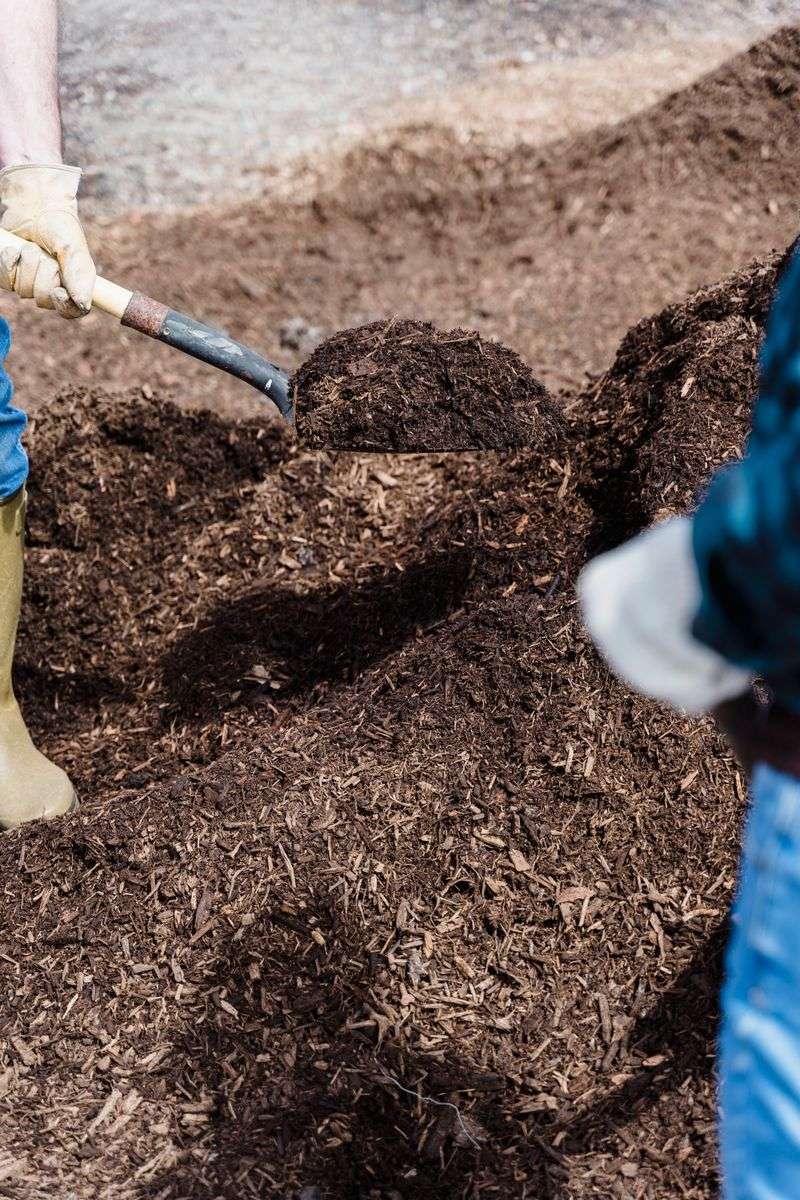
Road crews across the state have a secret weapon for bare hillsides. The Texas Department of Transportation uses a material called erosion control compost, a blend of compost and wood chips spread like a blanket over slopes.
Homeowners can borrow the same idea. The mix holds rain like a sponge, cushions falling drops, and feeds the soil as it breaks down.
Guidance from transportation and extension sources says this blanket works well on slopes up to about 1 foot of rise for every 3 feet of run. Steeper spots usually need extra help, like walls or terraces.
Spread the blend roughly 2 inches thick across the slope, not just at the bottom. Then seed it with native grasses or tuck plants right into it.
I like how this approach handles two jobs at once. It protects the surface now and builds a better home for roots later.
Look for local suppliers that sell compost meeting Texas specifications, or ask a landscape materials yard for a coarse compost and chip blend.
Avoid fine, powdery compost by itself on a slope. Without the woody pieces, it can slide downhill during a heavy storm.
3. Deep-Rooted Native Grasses Hold Hillsides Together

Mulch is a bandage. Roots are the real stitches. Native Texas grasses grow dense, fibrous root systems that wrap around soil particles and keep them from sliding.
Switchgrass and indiangrass can send roots several feet down, which anchors a slope far better than shallow turf. Here are a few favorites that handle both downpours and drought:
Sideoats grama, the official state grass, forms tidy clumps with charming seed heads. Inland sea oats love shady slopes and creek banks. Gulf muhly and Lindheimer muhly add soft texture and tough roots.
Plant them in staggered rows across the slope, like a checkerboard. That pattern breaks up the path water takes, so it slows down instead of racing in straight lines.
Fall and early spring are good planting windows in much of the state. Cooler temperatures and seasonal rain help young roots settle in before summer heat.
Give new plants regular water for the first season. After that, most of them get by on rainfall in many regions.
Believe it or not, a slope full of native grasses also supports pollinators and birds. Seed heads feed finches and sparrows through winter.
4. Terraces And Retaining Walls Break Up Racing Runoff

A long, steep slope gives water a running start. Every foot it travels adds speed, and speed is what tears soil loose.
Terraces solve this by turning one big hill into a series of flat steps. Each level catches rain, lets it soak in, and passes only the extra water down gently.
In the Hill Country, native limestone blocks make handsome terrace walls that look right at home. Timber and interlocking concrete blocks also work for shorter walls.
Drainage behind the wall matters most. Gravel backfill and a perforated drain pipe let trapped water escape, because waterlogged soil pushes hard and can make a wall bulge or collapse.
Keep do-it-yourself walls low, usually under 3 or 4 feet. Many cities require permits or an engineer for taller walls, so check your local rules before building.
I truly believe terraces are one of the most satisfying slope projects. You gain level planting space, and your mulch finally has a flat place to rest.
Tilt each terrace slightly back toward the hill. That small angle keeps water from spilling over the front edge during a storm.
5. Swales And Berms Steer Stormwater Where You Want It
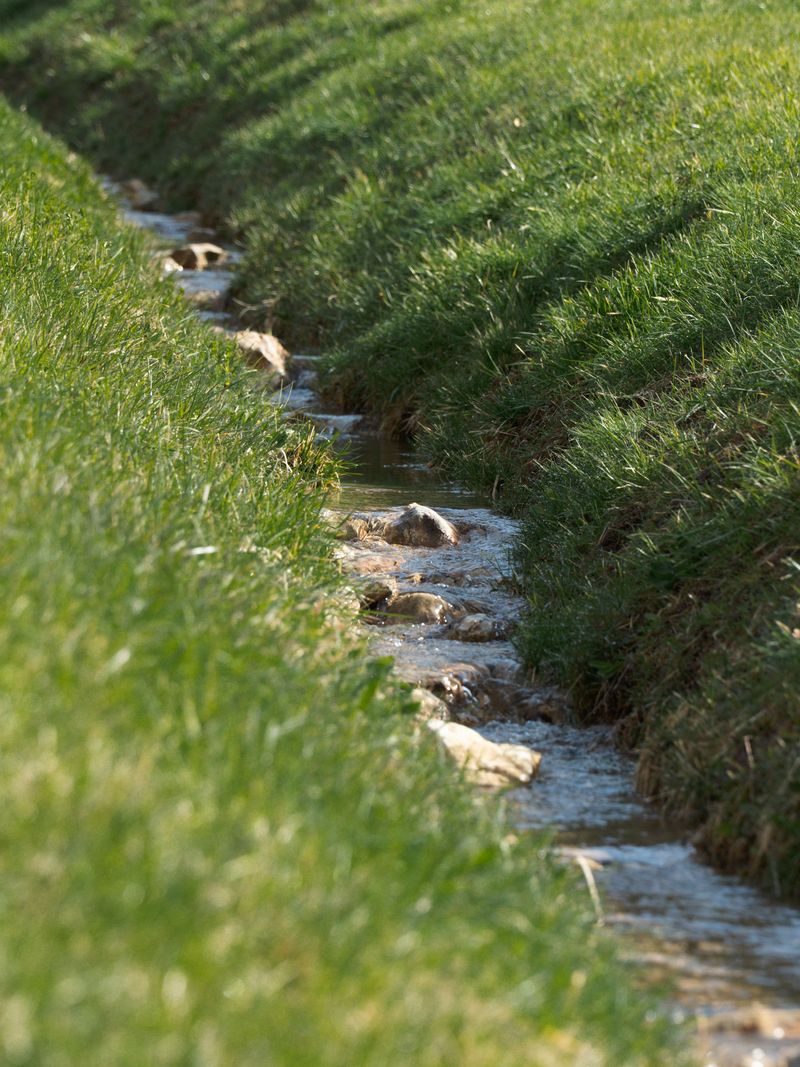
Water follows the easiest path, so give it one. A swale is a shallow, gently sloped channel that guides runoff along a planned route instead of letting it cut through your beds.
A berm is the opposite, a low mound of soil that blocks or redirects flow. Together they act like traffic signals for stormwater.
Build swales across the slope on a slight grade so water moves slowly. Line them with grass or deep-rooted plants to keep the channel itself from eroding.
Where water rushes hard, like below a downspout or a steep driveway, organic mulch will float away. Rock-lined channels or riprap work better there because heavy stones armor the soil and resist scouring.
Plant the berms too. Native grasses or groundcovers keep the mound from melting away in the next downpour.
Grab a shovel and watch your yard during the next heavy rain. Notice where puddles form and where water races, because those clues show you exactly where a swale belongs.
Steer flow away from your foundation and your neighbor’s property. Many Texas cities have rules about redirecting drainage onto adjacent lots.
6. A Rain Garden Turns Floodwater Into A Bonus
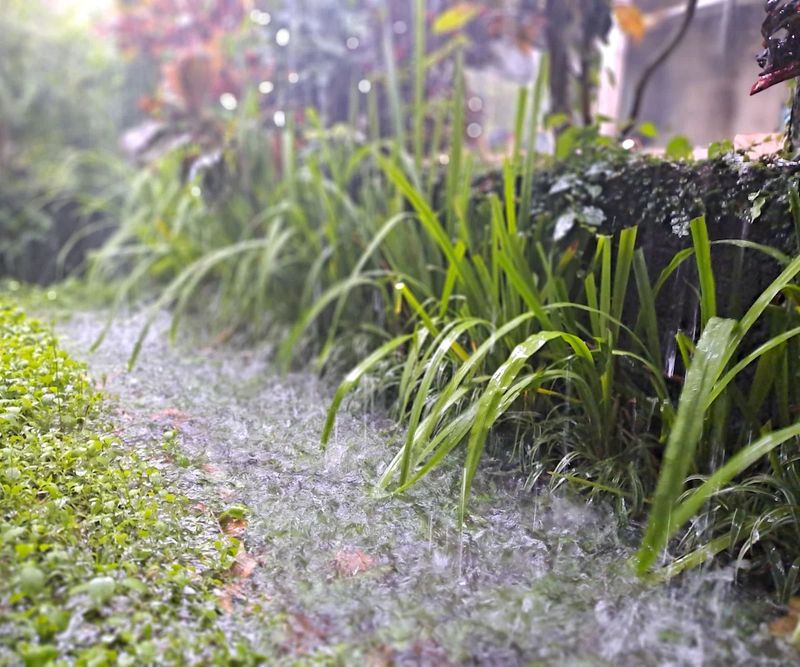
Some of my favorite spots in the yard used to be problem puddles. A rain garden flips that soggy low area into a planted basin that catches runoff and lets it soak in slowly.
Texas A&M AgriLife Extension promotes rain gardens as a simple way to reduce runoff and filter pollutants. They also give stormwater time to recharge the ground instead of rushing into streets.
Place yours at least 10 feet from your home’s foundation. Choose a spot where water naturally flows, but avoid areas over septic systems or utility lines.
Dig a shallow bowl, usually 4 to 8 inches deep, and mix in compost to help water drain. Clay soils may need a larger basin since they absorb water slowly.
Fill it with plants that tolerate both wet feet and dry spells. Turk’s cap, inland sea oats, and switchgrass are reliable picks in many Texas regions.
Top it with shredded hardwood mulch, not light bark. A rock-lined inlet keeps mulch from washing out where water enters.
Most well-built rain gardens drain within a day or two, so mosquitoes rarely have time to breed.
7. Healthier Soil Soaks Up More Rain Before It Runs

Hard, crusty ground acts like a parking lot during a storm. Rain hits the surface and slides right off, carrying mulch along for the ride.
Compost changes that story. It loosens heavy clay common in places like Dallas and Houston, and it helps sandy soils hold onto moisture and nutrients.
Better soil structure means more tiny pores for water to enter. More water soaking in means less water racing downhill.
Work 2 to 3 inches of compost into the top several inches of soil when you build or renovate a bed. On existing slopes, topdress with compost each year instead of digging, since tilling a slope exposes soil to erosion.
Here’s a fun twist. Earthworms love compost, and their tunnels act like natural drainage pipes that carry rain deeper.
Skip walking on wet beds whenever you can. Footsteps squeeze air out of soggy soil and undo your hard work.
If a big flood has already swept through, consider a soil test through Texas A&M AgriLife. Floodwater can leave sediment, shift nutrients, or bring contaminants, and test results guide what to add before replanting.
8. Redirect Those Downspouts Before The Next Big Storm
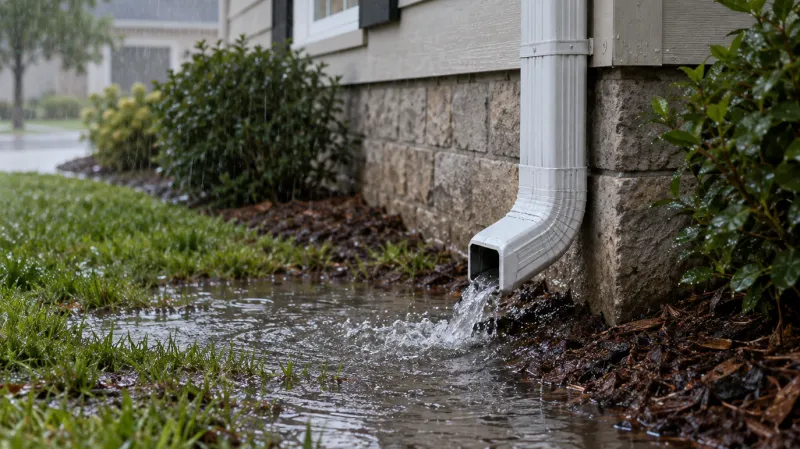
One roof can shed a surprising amount of water. A 1,000-square-foot roof sheds roughly 600 gallons from just 1 inch of rain.
When a downspout dumps that flood straight onto a sloped bed, mulch has no chance. Your easiest win might be a simple extension pipe.
Point downspouts away from slopes and planting beds. Send the water into a rain barrel, a rain garden, a swale, or a lawn area that can handle it.
Rain barrels are a smart Texas habit for summer dry spells too. Just remember one barrel fills fast during a heavy storm, so give the overflow a safe route.
Now for the ongoing chores. Clear leaves and debris from gutters, swales, and French drains a few times a year, especially before spring and fall storm seasons.
Walk your yard after every big rain. Patch bare spots quickly with compost, seed, or plants, since exposed soil erodes fastest.
You’ll wonder why you didn’t try this sooner. A few small habits, plus strong roots and smart water paths, keep your mulch where it belongs and your slopes standing strong.