Do These Things To Your North Carolina Tomatoes In June Before The Heat Gets Unmanageable
There’s a narrow window in June where your tomato plants are strong, the fruit is setting, and the worst of summer hasn’t arrived yet. Once temperatures start pushing past 90 degrees day after day, tomatoes get stubborn.
Blossoms drop. Fruit development slows. Plants that weren’t prepared for that stress really start to struggle. Most gardeners wait until they see a problem before they act, but by then the heat has already done its work.
A few targeted tasks done now, before that brutal stretch of July heat, can completely change how your plants hold up.
North Carolina summers aren’t for the faint of heart, and your tomatoes need the same kind of preparation you’d want before a long, hard stretch of demanding work ahead.
1. Water Deeply At The Root Zone
Shallow watering is one of the biggest mistakes tomato growers make in early summer. When you only wet the top inch or two of soil, roots stay near the surface where they dry out fast and struggle during heat waves.
Deep watering encourages roots to grow further down into the soil, where moisture sticks around much longer even on scorching days.
In North Carolina, June mornings are the best time to water. The air is cooler, the sun is lower, and the water has time to soak in before afternoon heat speeds up evaporation.
Aim for at least one to two inches of water per week, and always water at the base of the plant rather than overhead. Wet foliage invites fungal problems that spread quickly in humid Southern summers.
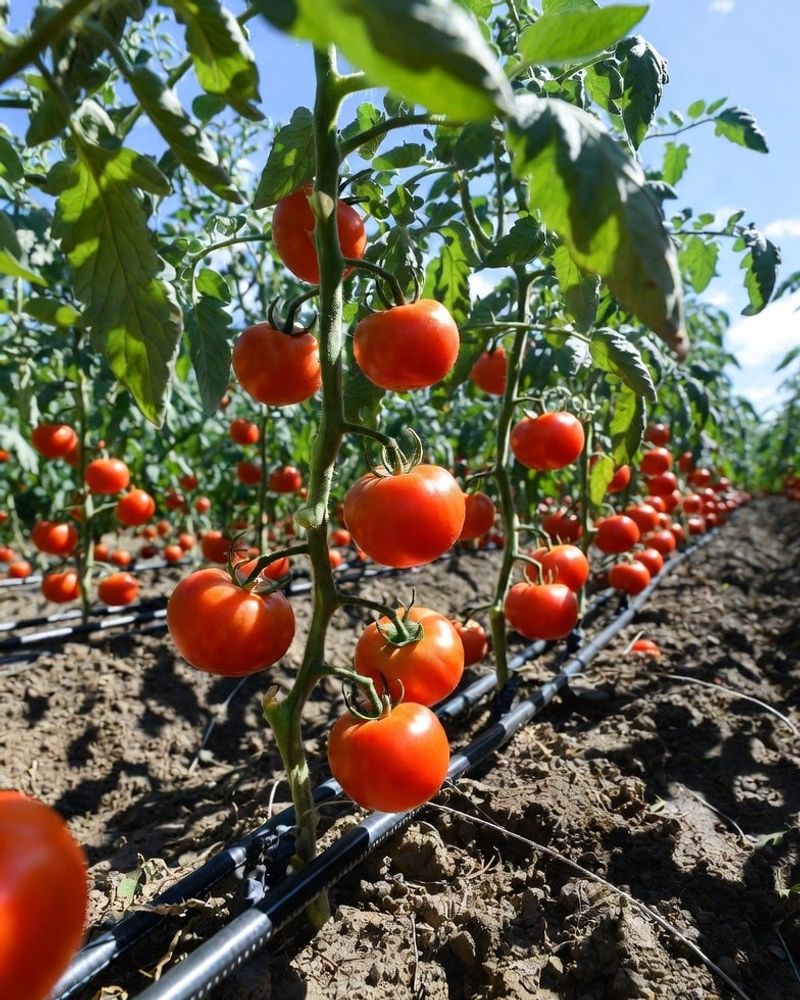
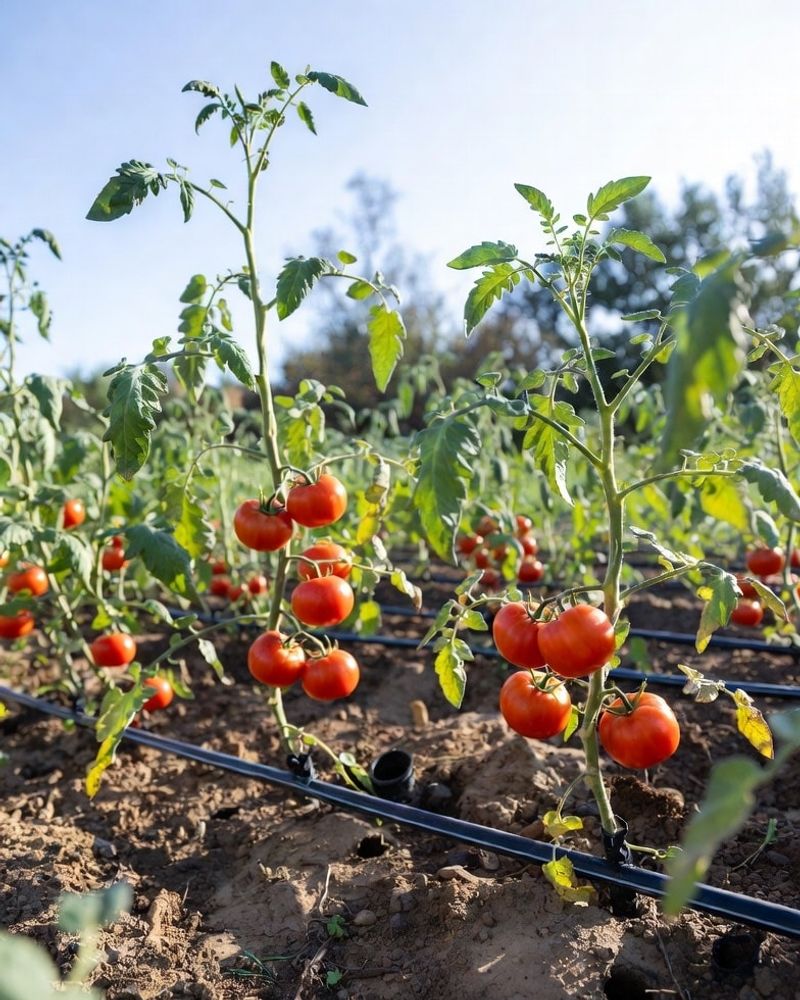
A slow, steady soak works far better than a quick sprinkle. Drip irrigation or a soaker hose laid at the base of each plant is a smart investment that pays off all season.
If you water by hand, let the hose run slowly for several minutes so the water has time to move deep into the root zone. Consistent deep watering now sets your plants up to handle the intense heat that arrives in July and August without skipping a beat.
2. Add Mulch Before Soil Temperatures Climb Higher
Bare soil in a North Carolina summer garden is like a frying pan left on the stove. Without protection, soil temperatures can soar well above 100 degrees Fahrenheit, stressing roots and slowing nutrient uptake.
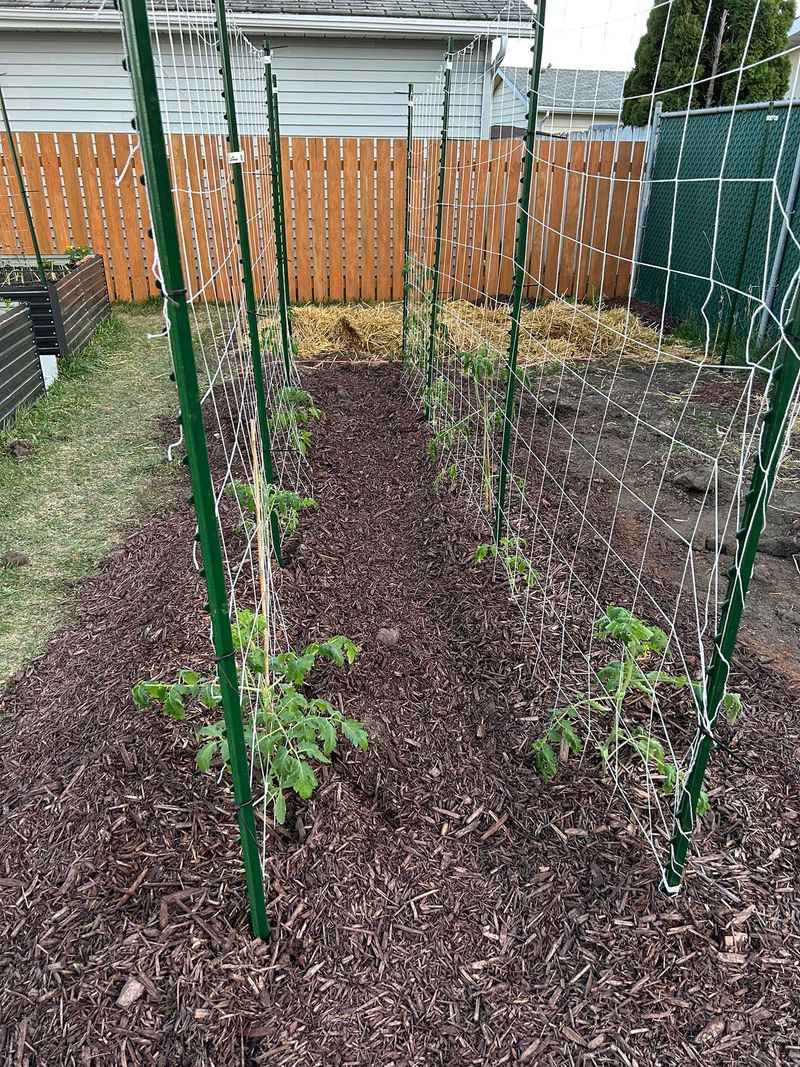
A thick layer of mulch acts like a blanket, keeping the ground cool, moist, and comfortable for your tomato plants even when the sun beats down hard.
Straw is one of the most popular mulch options for vegetable gardens because it is lightweight, affordable, and widely available across North Carolina.
Spread it three to four inches deep around each plant, keeping it a couple of inches away from the main stem to allow airflow.
Wood chips, shredded leaves, and pine straw also work well and break down over time to add organic matter back into the soil.
Beyond temperature control, mulch slows moisture evaporation so your watering efforts go further. It also suppresses weeds that compete with your tomatoes for nutrients and water, which is a huge bonus during the busiest weeks of summer.
Your North Carolina Garden Changes Every Week. Your Plan Should Too.
Gardening in North Carolina changes quickly throughout the season. Every Friday you’ll receive a simple weekly plan showing exactly what to plant, prune, fertilize, harvest, and protect so you never miss the right timing.
Studies from North Carolina State University Extension confirm that mulched tomato plants consistently outperform unmulched ones in hot-weather conditions.
June is the right month to get mulch down before soil temperatures become truly difficult to manage. Do it now and your plants will reward you generously through the summer harvest season.
3. Remove Lower Leaves Touching The Soil
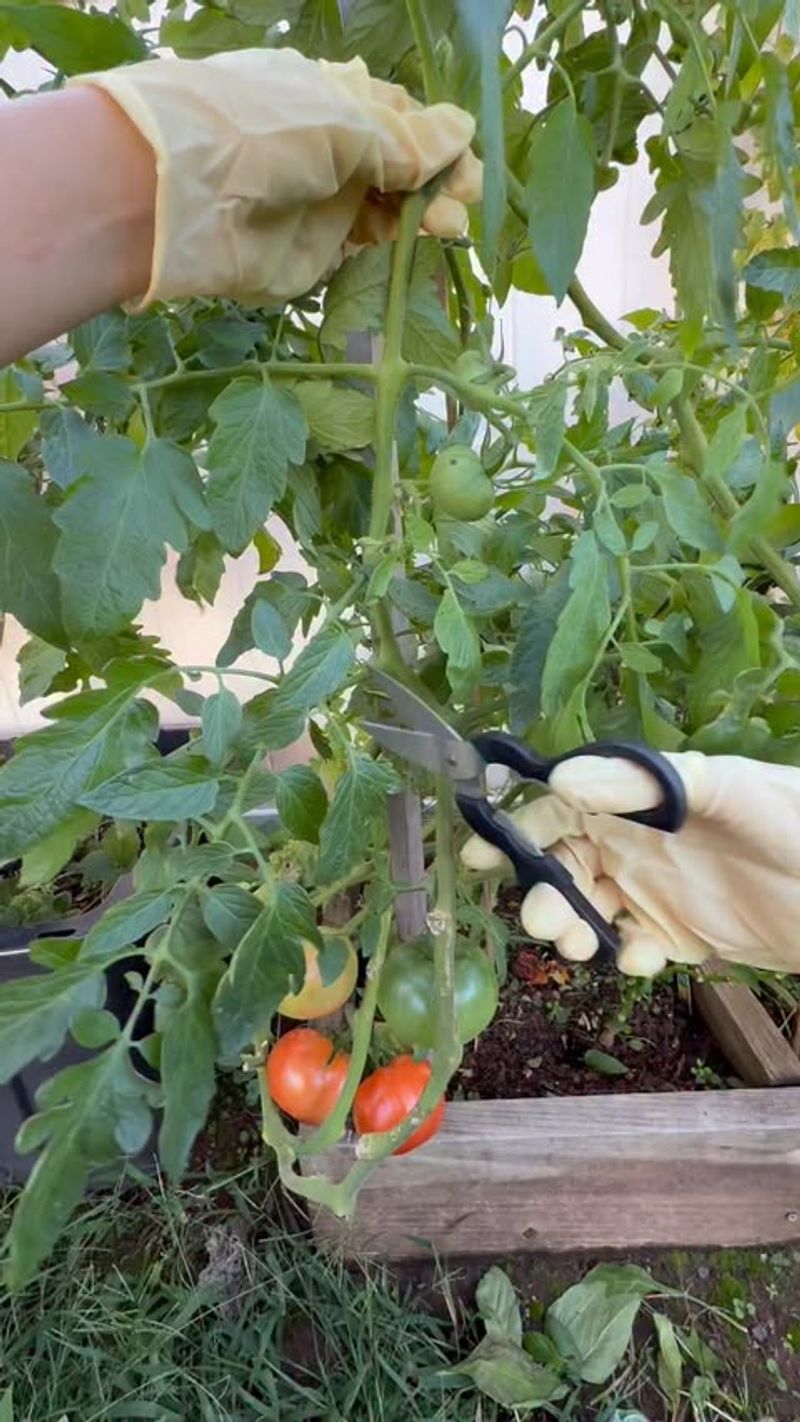
Humidity in North Carolina during June creates the perfect storm for fungal diseases. When lower tomato leaves touch moist soil, they become a direct pathway for soil-borne pathogens to travel up into the plant.
Removing those bottom leaves is one of the simplest and most effective things you can do to keep your plants healthy through the summer.
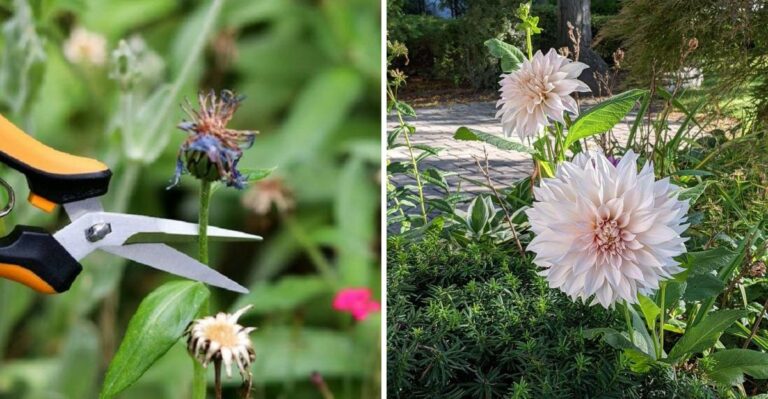
Start by removing any leaves within six to eight inches of the ground. Use clean, sharp pruning shears or scissors and wipe the blades with rubbing alcohol between plants to avoid spreading any potential infection.
The cuts should be clean and close to the main stem without leaving long stubs where moisture can collect and cause problems.
Beyond disease prevention, this step also improves airflow around the base of the plant. Better airflow means foliage dries faster after rain or morning dew, which dramatically reduces the chances of fungal issues taking hold.
Many experienced North Carolina gardeners make this a weekly habit throughout June and July, removing any new low-growing leaves as the plant continues to grow upward. It takes only a few minutes per plant but makes a noticeable difference in overall plant health.
Pair this habit with mulching and proper watering, and you have built a solid foundation for a productive, disease-resistant tomato garden all season long.
4. Tie Vines Before They Sprawl
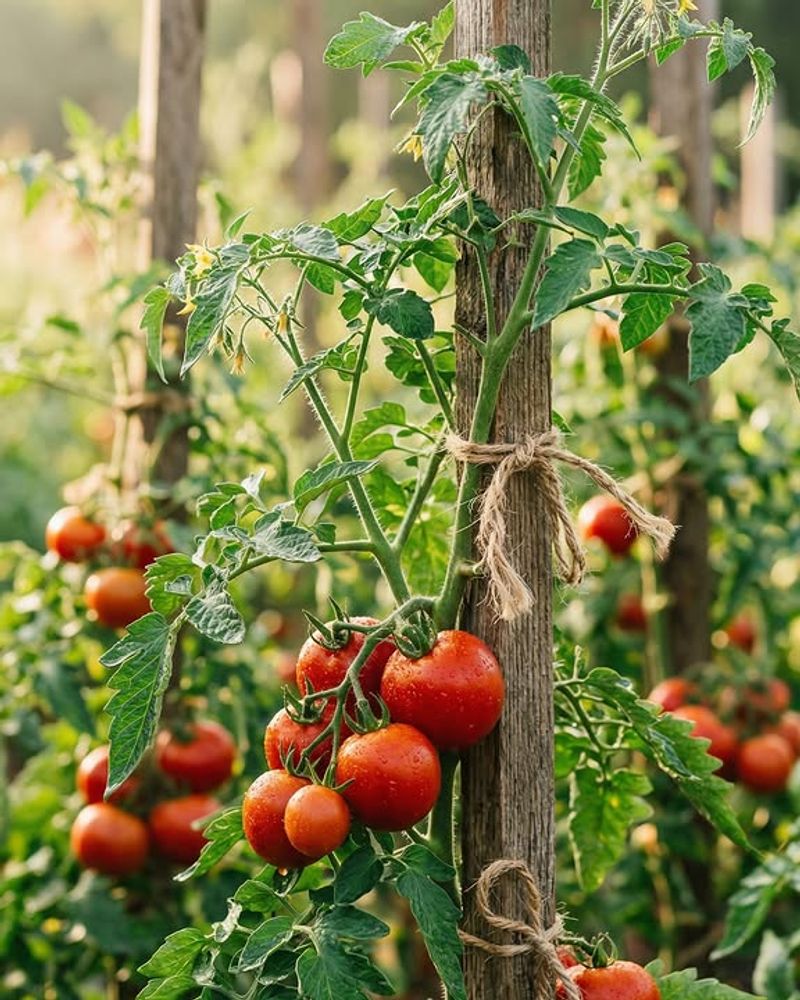
Tomato vines grow fast in June, and if you blink, they are flopped over on the ground or leaning dangerously to one side.
Once a heavy vine tips over under the weight of developing fruit, stems can snap and fruit can end up resting in the soil where rot and pests move in quickly.
Getting ahead of this problem by tying your plants now is one of the smartest moves you can make this month.
Indeterminate tomato varieties, which are extremely common in North Carolina home gardens, keep growing and setting fruit all season. That means they need ongoing support as they gain height and weight.
Use soft garden ties, strips of old t-shirts, or tomato clips to gently secure vines to stakes or a sturdy cage. Avoid anything that cuts into the stem, like wire or thin string pulled tight, as that can damage the plant over time.
Check your support structures before tying to make sure they are firmly anchored. Summer storms in the Piedmont and coastal regions of North Carolina can bring strong winds that easily topple unsupported plants.
Tall wooden stakes or heavy-duty metal cages driven at least a foot into the ground provide the best stability. Tie loosely in a figure-eight pattern so the stem has a little room to move without being strangled.
Keeping vines upright helps fruit ripen evenly and makes harvesting much easier all summer.
5. Improve Airflow Between Plants
North Carolina summers are famously humid, and that moisture-heavy air is a breeding ground for fungal diseases like early blight, Septoria leaf spot, and gray mold.
Crowded tomato plants trap humid air between them, creating exactly the conditions those diseases love.
Opening up space between your plants is one of the most powerful preventive steps you can take before the hottest weeks arrive.
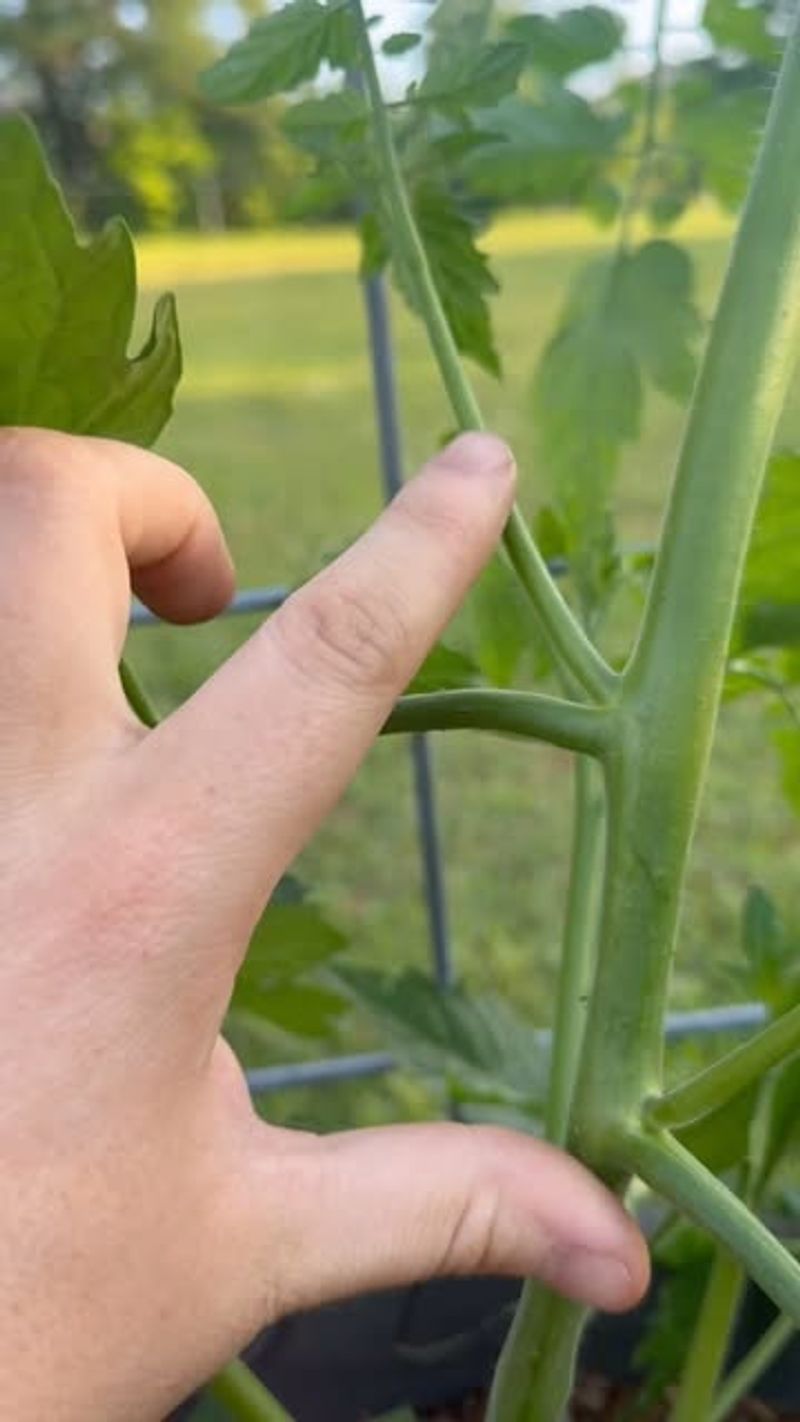
Start by removing any suckers that have grown into large secondary stems in the lower half of the plant. Suckers are the small shoots that sprout in the crotch between the main stem and a branch.
Left unchecked, they turn into full-sized stems that crowd the plant and reduce airflow significantly. Pinching them off while they are still small is easy and causes very little stress to the plant.
If your plants are growing in rows, make sure you can walk between them comfortably and that air moves freely from one end to the other. Prune off any crossing branches that rub against each other or push into neighboring plants.
Thinning out a few interior leaves to let light and air reach the center of the plant also helps. Think of it like giving your tomatoes a little breathing room.
Plants that get good airflow dry off faster after rain, stay healthier longer, and consistently produce better yields than those packed tightly together without space to breathe.
6. Watch For Early Blight On Lower Leaves
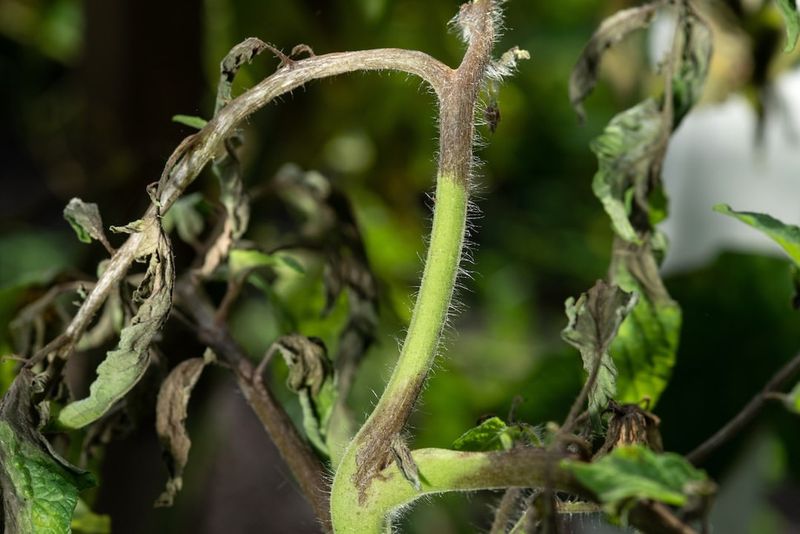
Early blight is one of the most common tomato problems across North Carolina, and June is exactly when it tends to show up. It starts on the oldest, lowest leaves as small brown spots surrounded by yellow halos.
Those spots grow and eventually cause the leaf to turn fully yellow and drop off. If you catch it early, you can slow its spread and protect the rest of the plant.
Walk your garden every few days and flip over lower leaves to check the undersides where spots often appear first. As soon as you spot the telltale brown rings, remove the affected leaves immediately and place them in a bag rather than composting them.
The fungus that causes early blight, Alternaria solani, spreads through spores that can survive in soil and plant debris, so keeping infected material out of the garden is essential.
Copper-based fungicide sprays are a widely used and effective option for managing early blight organically. North Carolina State University Extension recommends beginning preventive sprays before symptoms appear if your garden has a history of the disease.
Make sure to coat both the tops and undersides of leaves for the best protection. Removing lower leaves as described earlier in this list also helps significantly, since those are the first leaves the disease targets.
Staying alert and acting fast in June gives your plants a much better chance of staying productive well into late summer.
7. Pick Off Hornworms Early
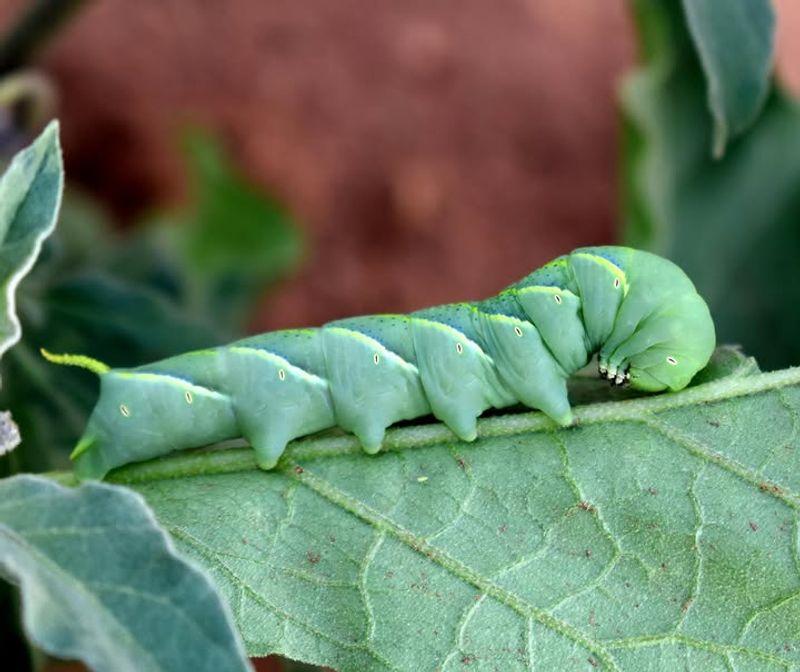
Tomato hornworms are masters of disguise. These large, bright green caterpillars blend into tomato foliage so well that many gardeners walk right past them without noticing.
By the time you spot the damage, a single hornworm can have stripped entire branches bare in just a day or two. June is when the first generation of hornworms appears in North Carolina, making early detection absolutely critical.
Look for the warning signs before you look for the worm itself. Chewed stems, missing leaves, and small dark droppings on lower leaves or the soil below are all signs a hornworm is nearby.
Once you spot those clues, check the stems and undersides of leaves carefully. The worms can grow up to four inches long, so while they are hard to spot by color, their size eventually gives them away.
Hand-picking is the most reliable removal method for small gardens. Drop them into a bucket of soapy water or relocate them far from your garden.
Wearing gloves makes the process more comfortable since the worms grip tightly. For larger infestations, Bacillus thuringiensis, commonly called Bt, is an organic spray that targets caterpillars without harming beneficial insects.
Check plants every two to three days throughout June and July since hornworm populations can build quickly in warm weather.
Catching them while they are still small makes removal faster and prevents the kind of widespread leaf damage that stresses plants heading into peak summer heat.
8. Harvest Nearly Ripe Tomatoes Before Extreme Heat
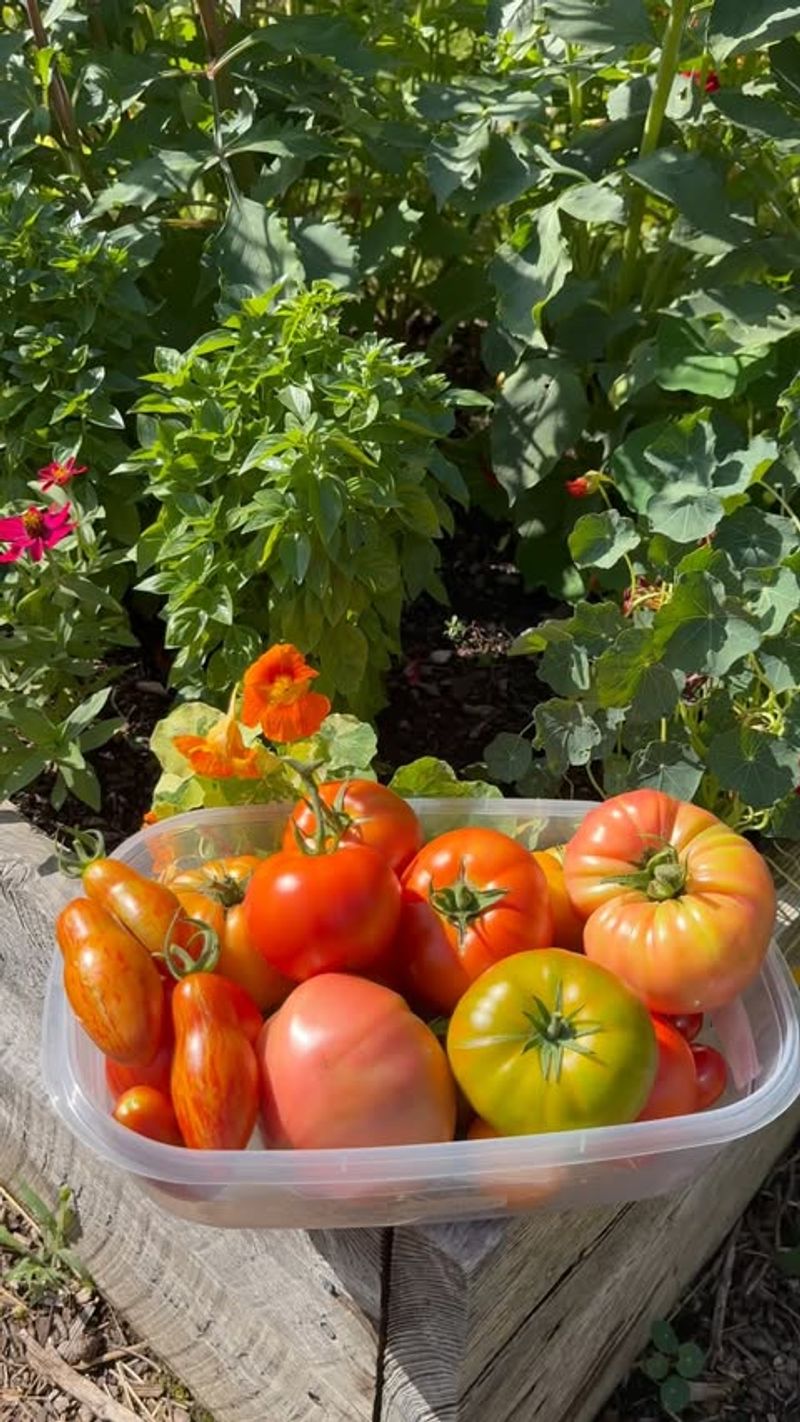
Most people wait until a tomato is fully red and soft before picking it, but that strategy can backfire badly when a heat wave is on the way.
Once temperatures consistently stay above 95 degrees Fahrenheit, tomatoes stop producing lycopene, the pigment that makes them turn red.
Fruit left on the vine during extreme heat can end up pale, mealy, and flavorless even if it eventually changes color.
The good news is that tomatoes ripen perfectly well off the vine once they reach what growers call the breaker stage. A breaker-stage tomato has just begun to show a blush of color, usually pink or orange, at the blossom end.
At that point, the fruit has already developed its full complement of sugars and will continue ripening on its own at room temperature without any loss of flavor or texture.
Before a heat wave hits, go through your garden and pick every tomato showing even the slightest color change. Bring them inside and set them stem-side down on a counter away from direct sunlight.
Never refrigerate unripe tomatoes since cold temperatures break down the texture and dull the flavor significantly. Within a few days, they will be just as delicious as anything ripened on the vine.
This simple habit also reduces the load on your plants during heat stress, allowing them to focus energy on surviving the heat and setting new fruit for the next round of harvest.
9. Keep Watering Consistent To Reduce Fruit Cracking
Cracked tomatoes are one of the most frustrating sights in a summer garden, especially when the fruit looks so close to perfect.
Cracking happens when a tomato absorbs water too quickly after a period of dryness, causing the inside of the fruit to expand faster than the skin can stretch.
The result is radial cracks spreading out from the stem or concentric rings circling the shoulder of the fruit.
North Carolina June weather can be unpredictable, with stretches of dry days followed by heavy afternoon thunderstorms. That boom-and-bust moisture pattern is exactly what triggers cracking.
The best defense is keeping soil moisture as even as possible so the plant never goes through extreme wet-dry cycles. Mulch helps enormously here by slowing evaporation between rain events and buffering the soil from sudden moisture swings.
Drip irrigation or a soaker hose on a timer is the gold standard for consistent moisture delivery. If you water by hand, aim for the same amount at the same time each day rather than skipping days and doubling up.
During dry spells, do not wait for plants to show signs of wilting before watering since by then the fruit has already been stressed.
Some tomato varieties are naturally more crack-resistant than others, so if cracking is a recurring problem in your garden, look for varieties labeled crack-resistant when you shop for next season.
Consistency now means more beautiful, uncracked fruit at harvest time.
10. Remove Weeds Competing For Moisture
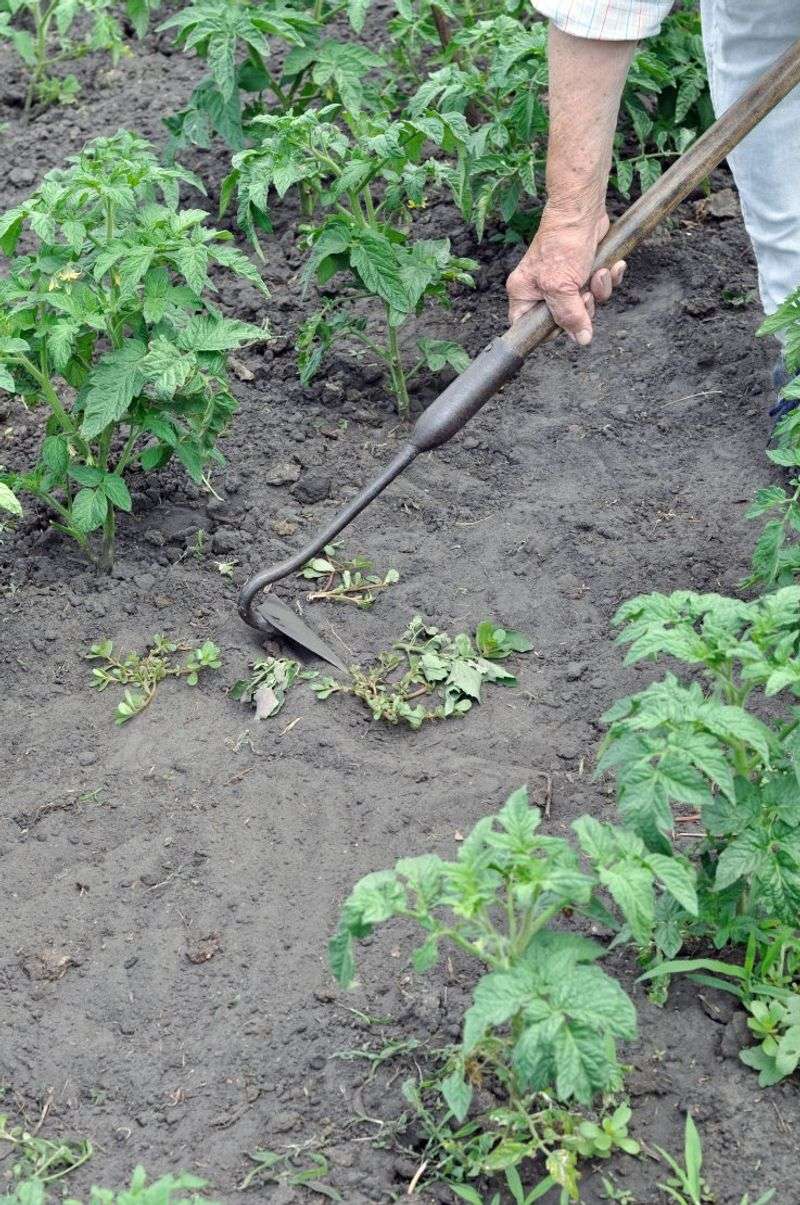
Weeds are sneaky competitors. They look harmless enough when they are small, but every weed growing near your tomato plants is actively pulling moisture and nutrients away from the roots that need them most.
In June, when North Carolina soil is warm and conditions favor rapid growth, weeds can go from seedlings to full-sized plants in a matter of days if you let them go unchecked.
Make weeding a weekly task rather than something you tackle only when the garden looks out of control. Pulling weeds when they are young and small is far easier than wrestling with established plants that have deep root systems.
Early morning is the best time to weed since the soil is often slightly moist from overnight humidity, which makes roots slip out more cleanly.
Use a hoe or hand cultivator to loosen soil around small weeds rather than pulling by hand every time, which saves your back during long weeding sessions.
A thick layer of mulch is your best long-term ally against weeds because it blocks sunlight from reaching weed seeds in the soil. Even with mulch in place, some persistent weeds find a way through, especially along the edges of beds.
Stay on top of those spots with regular checks. Keeping the area around your tomatoes weed-free not only conserves moisture during the driest stretches of summer but also improves airflow at ground level, which ties directly back to disease prevention.
A clean garden bed in June means far less work and far better results by August.