Don’t Give These Ohio Spring-Flowering Shrubs A Fall Haircut
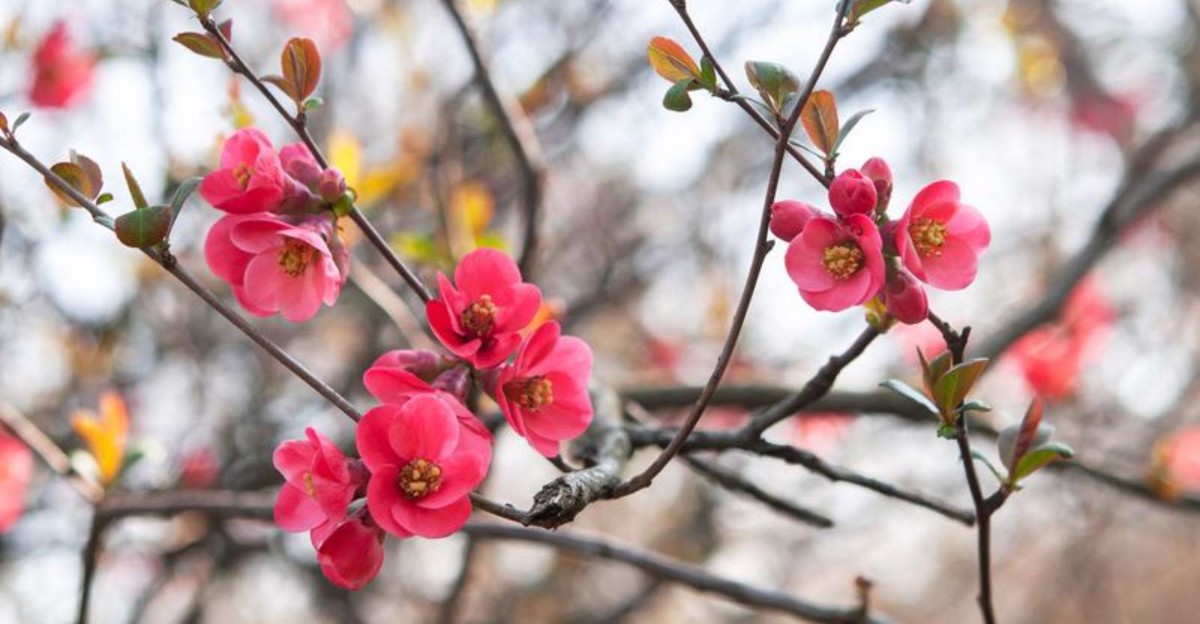
Your shears have probably been itching to tackle that overgrown shrub by the porch, the one that’s gotten a little wild since spring. Fall feels like a reasonable time to finally clean it up before winter.
For certain shrubs, that instinct backfires badly. Spring bloomers set next year’s flower buds by mid to late summer, tucked into wood that already looks dormant.
Cut now, and those buds go straight into the yard waste bin along with the branches. The shrub won’t show any damage right away.
It leafs out fine, grows normally, then just skips the blooms almost entirely come spring, and by then there’s no fixing it or even tracing it back to a single afternoon with the shears.
Ohio’s cooling weather makes fall feel like the obvious cleanup window. For these particular shrubs, that instinct is exactly what wipes out next year’s color before it has a chance to show up.
1. Leave Lilacs Alone Until After Their Spring Show
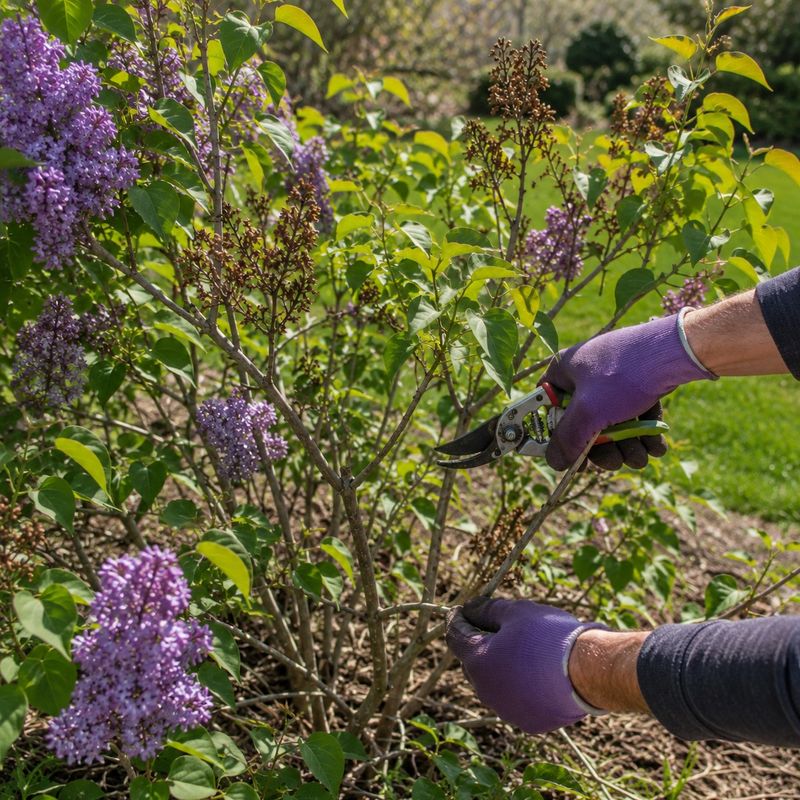
Grandma’s lilac by the back fence has a secret: the flowers you will smell next May were already decided back in August. Those buds sit on old wood, the stems that grew last year.
Cut lilac branches in October and you are carrying next spring’s perfume off to the compost pile. The shrub itself will be fine, but the blossoms simply will not show up.
Ohio gardeners get the best results by pruning right after the flowers fade, usually soon after the flowers fade in late spring. Work fast while the spent blooms are still brown and obvious, snipping them just above a pair of healthy leaves.
The safest rule is simpler: finish routine pruning soon after flowering and avoid late-season shaping that removes newly formed flower buds. Anything later risks trimming off the buds that formed during the warm weeks of summer.
If your lilac has grown tall and leggy with all the flowers up near the sky, renewal pruning helps. Remove some of the oldest, thickest canes at ground level, repeating the process over successive years rather than stripping the shrub all at once.
Fall is still a fine time to pull weeds around the base, add a couple inches of mulch, and clip out any broken or rubbing stems. Small cleanup, big patience, fragrant reward.
2. Let Forsythia Keep Its Bud-Filled Stems
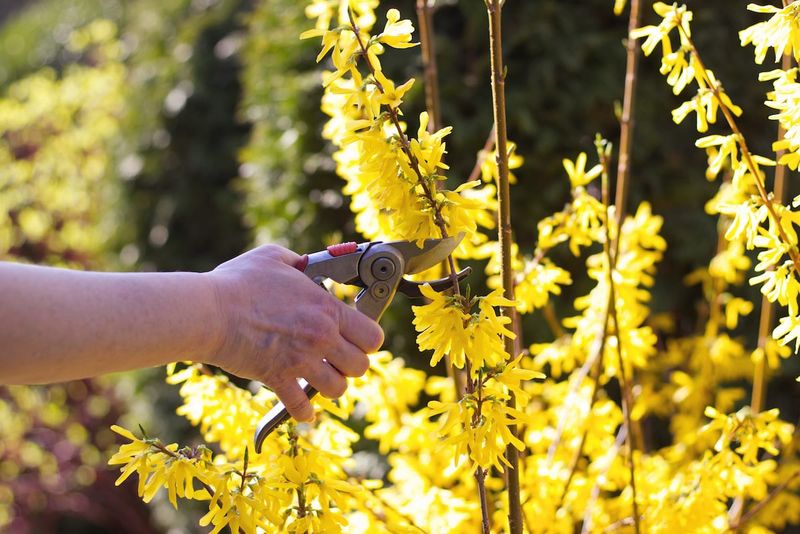
Forsythia is the shrub that shouts spring before anything else dares to. Those neon yellow branches show up in April while the lawn is still dull brown.
Here is what many folks miss. Forsythia sets its flower buds as early as midsummer, so by autumn every arching stem is loaded with tiny packages waiting on warm weather.
Shearing that shrub into a tidy green meatball in September or October strips those packages right off. Spring arrives and you get leaves, plenty of leaves, and barely a flicker of gold.
Prune instead in May or early June, just as the last blossoms drop. Follow the natural fountain shape rather than fighting it, since forsythia looks best when its branches are allowed to arch.
Your Ohio Garden Changes Every Week. Your Plan Should Too.
Gardening in Ohio changes quickly throughout the season. Every Friday you’ll receive a simple weekly plan showing exactly what to plant, prune, fertilize, harvest, and protect so you never miss the right timing.
For overgrown plants, reach into the center and cut the oldest woody canes down near the soil. Younger stems flower far more generously, and this trick keeps the shrub producing them.
A fun bit of history: forsythia was named for William Forsyth, a Scottish gardener from the 1700s. The plant has been cheering up cold climates ever since.
One bonus for the impatient. Clip a few budded stems in February, bring them indoors in water, and watch them bloom weeks early on your kitchen table.
3. Protect Azaleas From Fall Shearing
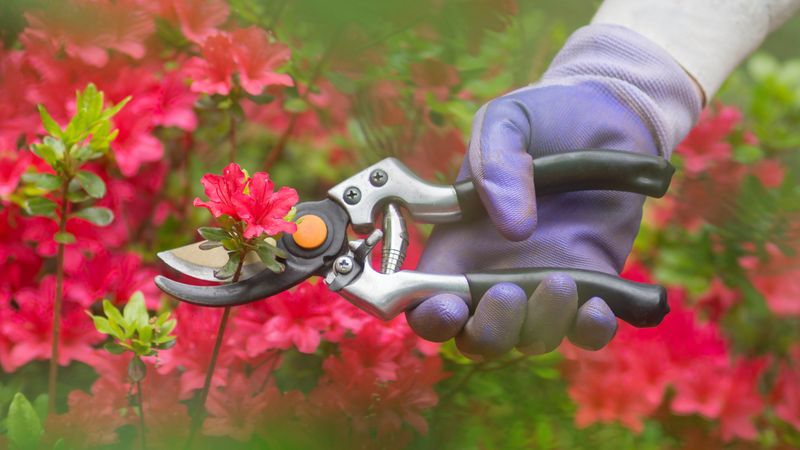
Azaleas keep an unusual calendar. Sometime between July and September, they quietly build the flower buds meant for the following spring.
That means an autumn haircut is really a bud harvest. The plant looks neat through winter, then sits there in May with nothing to show for itself.
Timing matters more than technique with these shrubs. Prune from late spring through roughly the end of July, right after the color show winds down, and the plant still has time to build buds before cool weather settles in.
Light hand-pruning beats power shears every time. Reach in, cut individual stems back to a joint or branching point, and the shrub keeps a soft, natural outline instead of a stiff wall of leaves.
Heavy rejuvenation is possible in late winter or very early spring while the plant is dormant, though expect a thinner bloom that first season. Sometimes that trade is worth it for a plant that has outgrown its spot.
Ohio azaleas appreciate acidic soil, dappled shade, and steady moisture, especially near foundations where soil can turn alkaline from concrete. A layer of pine needles or shredded bark in fall protects shallow roots through freeze and thaw cycles.
Skip the shears, keep the flowers, and let the plant do its own thing.
4. Keep Fall Clippers Away From Rhododendrons
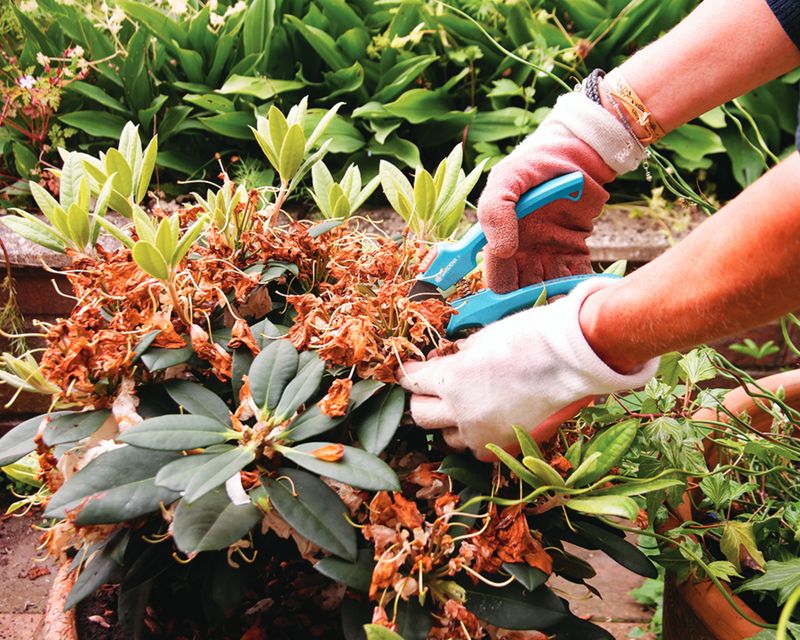
Take a close look at a rhododendron in November and you will spot fat, pointed buds sitting right at the tips of the stems. Those are next spring’s flower trusses, already formed and standing in plain sight.
Trim those tips off during fall cleanup and the message is clear enough: no buds, no blooms. Rhododendrons flower on growth from the previous season, so the tips carry all the good stuff.
Give your clippers a rest until shortly after the spring flowers fade. That window lets the shrub push fresh growth and set new buds on schedule.
Trimming is a gentle exception. Snap or snip the spent flower cluster just above the little whorl of new growth buds, being careful not to damage them, and the plant channels energy into leaves instead of seeds.
For leggy, oversized plants, cut back to a visible growth node or dormant bud on the woody stem. Rhododendrons often resprout from those nodes, though patience is required since recovery can take a season or two.
In Ohio winters, drying winds cause more leaf damage than any pruning mistake. A burlap screen on the windy side, plus deep watering in late fall before the ground freezes, helps those broad evergreen leaves ride out February in better shape.
5. Preserve Koreanspice Viburnum’s Spring Buds
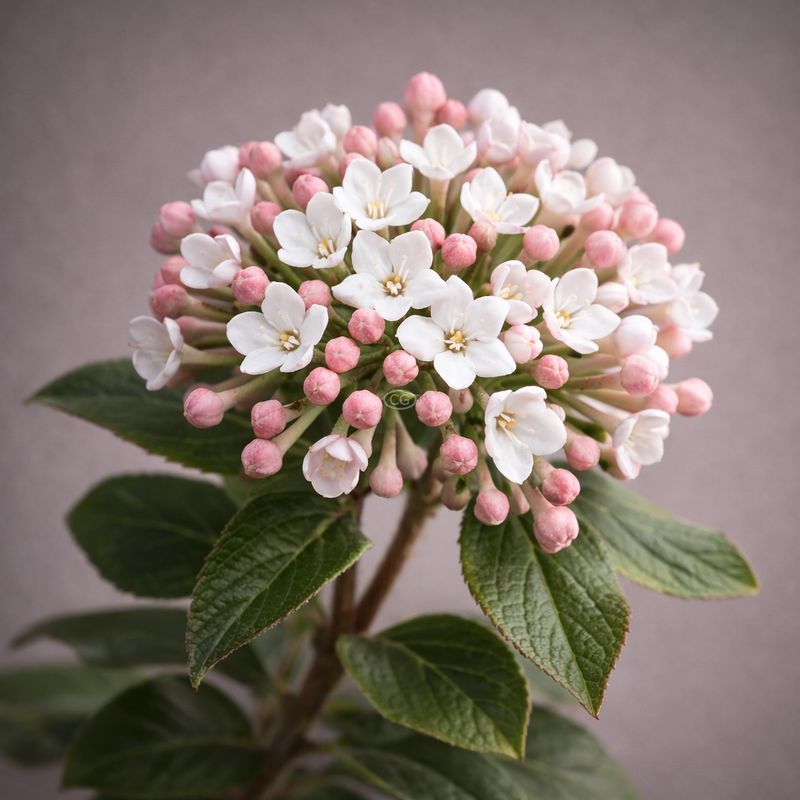
If a plant could bottle and sell its fragrance, Koreanspice viburnum would be rich. Those rounded clusters open pink and fade to white, throwing sweet clove-like scent across the whole yard in April.
All that perfume rides on old wood. Buds form during summer and autumn, then wait quietly through Ohio’s freeze and thaw weather.
Autumn pruning trims those buds away without any warning sign. You will not notice a thing until spring shows up scentless.
Best practice is simple. Prune as soon as the flowers finish, which gives the shrub a full growing season to rebuild buds for the following year.
Most Koreanspice viburnums need very little cutting anyway. They grow into a substantial rounded shrub, so thinning a few crowded interior branches is often plenty.
Should you need to reduce size, remove entire older stems at the base rather than shortening every branch tip. Shortened tips create a dense, twiggy shell, while thinning keeps air moving through the plant.
Fall chores that help instead of hurt: rake up fallen leaves, refresh mulch out to the drip line, and water during dry stretches in October. Come April, stand near it with a cup of coffee and thank yourself for leaving the pruners in the shed.
6. Wait To Shape Mockorange Until After Bloom
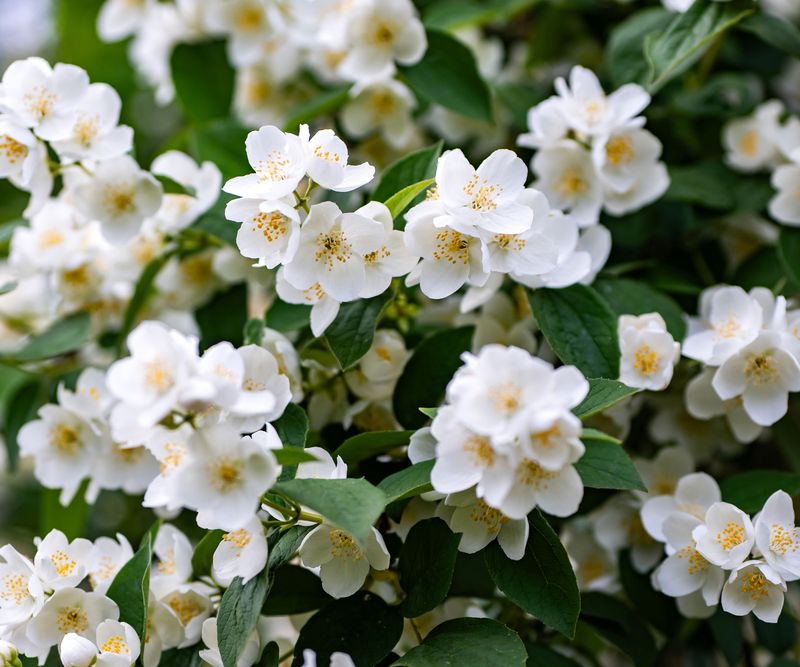
For a few weeks in June, mockorange smells exactly like citrus blossoms, which is how it earned its odd name. The white four-petaled flowers cover the shrub so thickly that the leaves nearly vanish.
Those flowers come from old wood, with buds set during late summer. Pruning in fall or winter cuts them away and leaves you a perfectly shaped shrub with almost nothing to look at in spring.
Aim for late May or June, right as the last blossoms brown and drop. Mid-July is a sensible cutoff, since anything later starts overlapping with bud formation.
Mockorange responds well to honest renewal work. Take out the thickest, grayest canes at ground level, keep the vigorous younger shoots, and the shrub stays productive instead of turning into a hollow thicket.
Gardeners sometimes complain their mockorange stopped flowering altogether. Nine times out of ten the culprit is a well-meaning autumn trim or too much shade from a maturing tree nearby.
Plant it where the fragrance can be appreciated, near a patio, a bedroom window, or a walkway you use every day. The bloom season is short, so position matters.
Fall is fine for mulching and for snipping out any broken or crossing stems. Save the real shaping for after the show.
7. Give Weigela Its Trim After Flowering
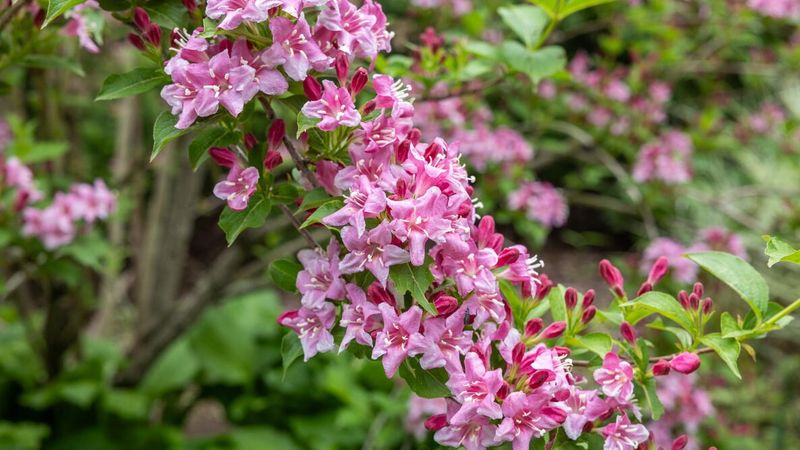
Hummingbirds have excellent taste, and they head straight for weigela’s rosy trumpet flowers every spring. That heavy first flush comes almost entirely from last year’s wood.
Prune in fall, or even wait until early spring, and you risk snipping off the buds that were supposed to feed those hummingbirds. Late-season cutting also pushes out soft new shoots that have little time to toughen up before Ohio’s cold sets in.
Weigela can already show some winter tip damage on its own, so adding a fall haircut stacks the odds against it. Better to let the stems harden naturally.
Mark your calendar for late spring or early summer, just as the final flowers fade. Cut back long, wandering stems to a side branch and remove a few of the oldest canes near the soil to keep the plant full.
Reblooming types give you some flexibility. A light trim after the first flush often encourages a second round of flowers, and a bigger reshaping can happen in late winter or very early spring if you accept a lighter first bloom.
In autumn, limit yourself to cleanup. Clear fallen leaves, pull competing weeds, and inspect for broken branches from summer storms.
Come May, the hummingbirds will let you know the strategy worked.
8. Hold Off On Spring-Blooming Spirea
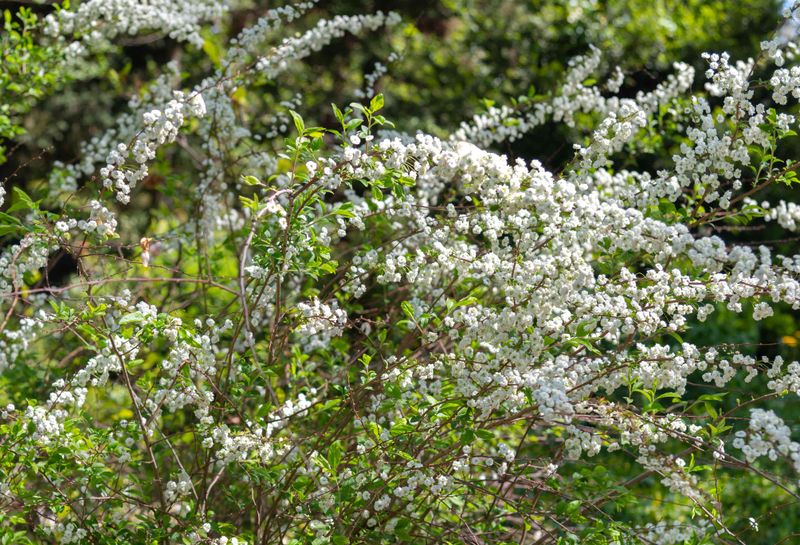
Bridal Wreath spirea earned its name honestly. In May, its arching branches drip with clusters of tiny white flowers that look like lace tossed over the shrub.
Spring-blooming spireas flower on old wood, building buds through late summer and autumn. Trim in fall, winter, or early spring and that lacy effect thins out to a few scattered blossoms.
This is where confusion sneaks in. Summer-blooming spireas, the pink and rosy types like Japanese spirea, bloom on new wood and do welcome an early spring cut.
Knowing which one you own changes everything. White flowers in May usually mean old wood, so prune between late May and early July, right after the petals fall.
Shaping matters with these fountain-shaped plants. Shearing the tops flat ruins the graceful arch, so thin out older canes at the base and shorten wayward stems to a lower branch instead.
Older Bridal Wreath plantings, especially along fences and driveways in established Ohio neighborhoods, often have decades of woody growth inside. Removing about a third of the oldest stems each year after bloom gradually brings back the flowering vigor.
Autumn jobs for spirea are easy. Rake leaves, topdress with compost, and keep the pruners in the drawer until the flowers have had their moment.
9. Save Flowering Quince Pruning For Post-Bloom
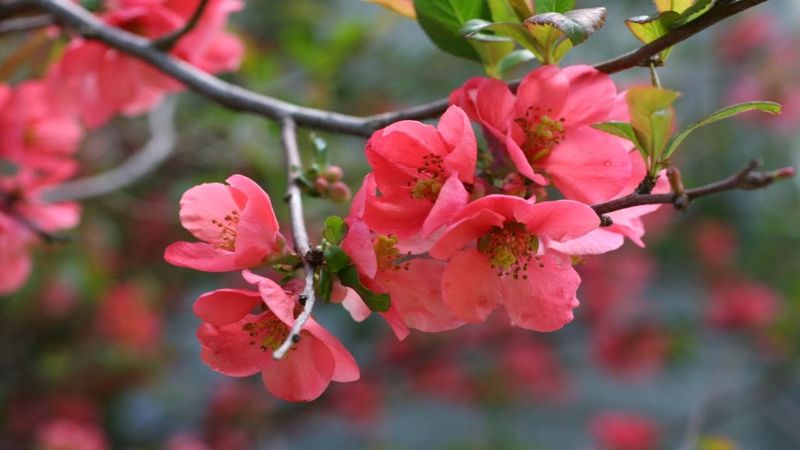
Flowering quince does something bold: it opens coral-red blossoms on bare, thorny branches before the leaves even show up. In a gray Ohio March, that splash of color feels almost unfair.
Those blossoms come from one-year-old growth, meaning the buds sit on stems that grew during the previous season. Cutting in fall or winter removes them along with the show.
Prune within about two weeks after the flowers fade for the cleanest results. Light shaping belongs in that same window.
Quince has a habit of throwing up suckers and forming a dense, tangled thicket. Thinning the oldest stems at ground level opens the plant up and encourages fresh, flower-bearing shoots.
Wear thick gloves. The thorns are no joke, which is also why this shrub makes a surprisingly effective informal barrier along a property line.
Here is a bonus most people miss: the shrub produces small, hard, aromatic fruits in late summer. They are too tart to eat raw but cook down into a fragrant jelly, so leaving a few branches unpruned pays off in the kitchen.
Like the rest of this group, quince asks only for patience in autumn. Clear away debris, mulch the roots, and let those buds ride out winter untouched for an early spring payoff.