Never Ignore Thrashing Worms In Your Ohio Garden Soil
You kneel in the garden, trowel in hand, expecting a calm, quiet Ohio afternoon with the dirt. Then the soil suddenly starts wiggling like it drank three espressos.
Something in there is flipping, snapping, and thrashing wildly like a tiny rubber band gone rogue. You jump back fast, and your knees make their own crunching sound.
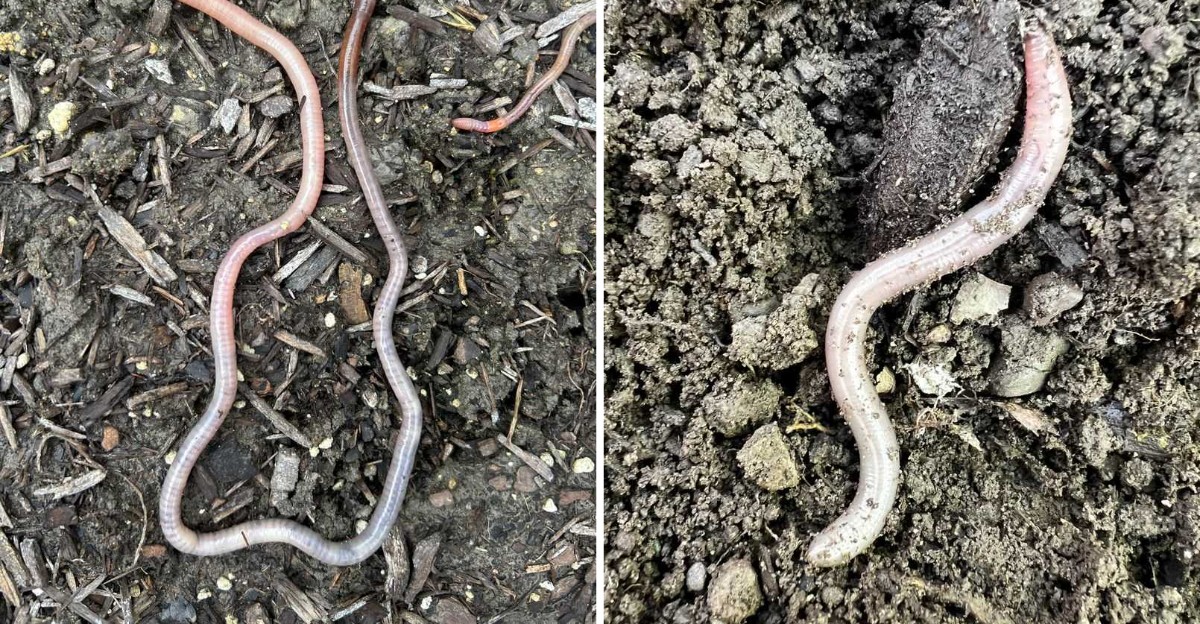
The dirt itself looks strange too, loose and grainy like spilled coffee grounds. It crumbles right through your fingers instead of holding together the way good soil should.
Most gardeners just chuckle, shrug, and go back to planting mums for fall. That little shrug, sadly, can cost you a lot of beautiful beds.
Your garden may be hosting a wild little dance party without your permission. And frankly, the uninvited guests did not bring snacks for anyone.
Invasive Jumping Worms Behind The Thrashing
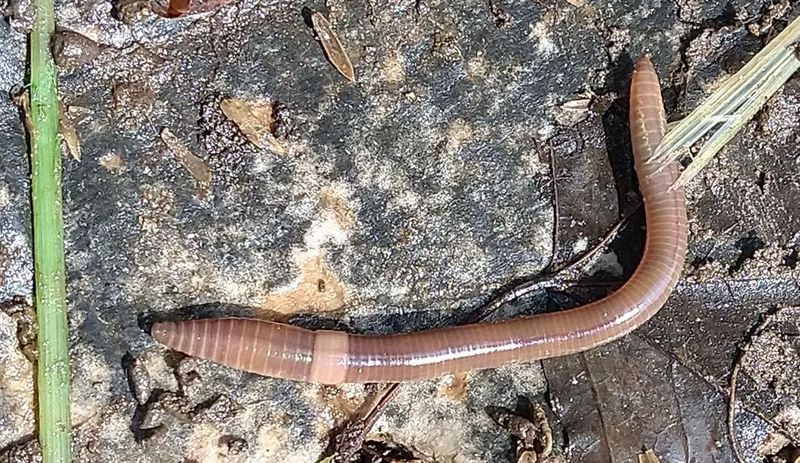
Picture a worm that acts like a snake caught in a sneeze. That frantic flipping is the calling card of jumping worms, an invasive group from East Asia.
Ohio has confirmed these wrigglers in many counties, and they keep spreading each year. Common garden nightcrawlers move slowly, but jumping worms thrash, snap, and sometimes shed their tails.
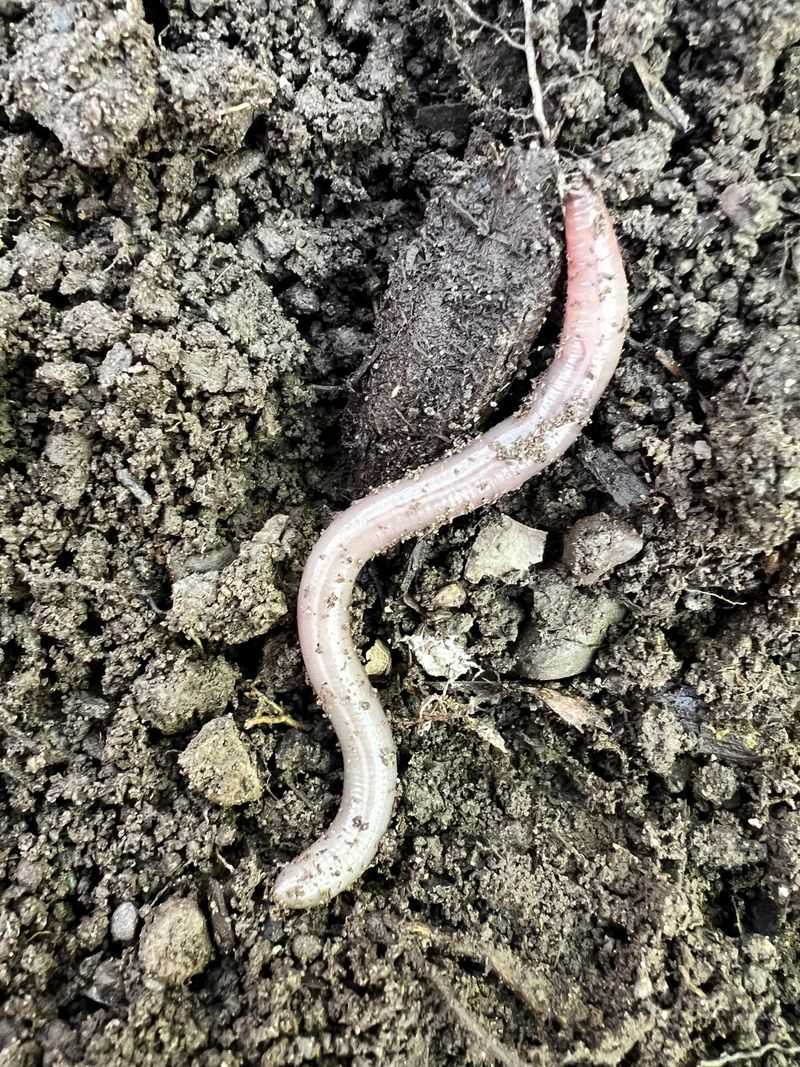
You can spot them by a smooth, milky white band circling the body near the head. Their skin also looks glossy, almost metallic, with a gray or brownish tone.
Scientists group them under names like Amynthas and Metaphire, but most gardeners just call them crazy worms. Some folks even say Alabama jumpers or snake worms.
Here is the tricky part for Ohio yards. Our native forests and gardens grew up without these creatures, so plants are not prepared for their fast feeding.
Unlike helpful earthworms, jumping worms gobble the top layer of organic matter at record speed. They leave behind loose, grainy soil that cannot hold water or nutrients well.
So when a worm leaps off your trowel, treat it as a warning bell. Catching the problem early gives your garden its best shot at staying lush.
Fun fact to share with friends: a jumping worm can drop its own tail when grabbed. The wriggling piece distracts predators while the rest of the worm slips away.
A quick photo helps too, since Ohio State University Extension tracks sightings through its reporting page. Your report may help neighbors protect their own beds this fall.
Soil Damage That Looks Like Coffee Grounds
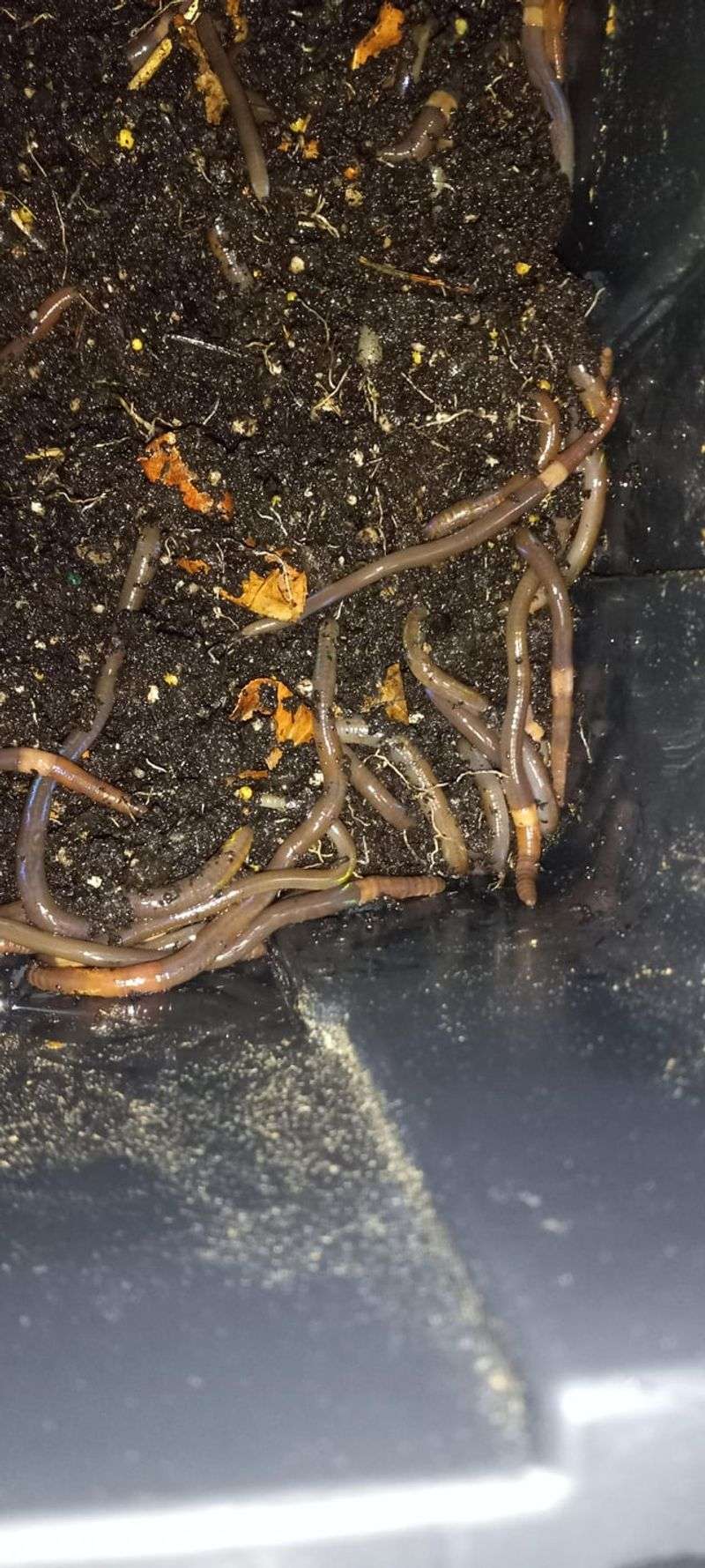
Grab a handful of healthy Ohio soil and it should feel spongy, dark, and a little sticky. Infested soil feels different, like dry granola crumbling through your fingers.
Those little pellets are worm castings, and jumping worms produce them in huge amounts. The top few inches can turn into a loose layer that looks like used coffee grounds.
Sounds harmless, right? Sadly, this texture changes how your whole garden works below the surface.
Grainy castings dry out fast and wash away during heavy rain. Roots lose their grip, so perennials and young shrubs may wobble or tip over.
Nutrients also race through the soil too quickly for plants to use them. Your hostas, ferns, and wildflowers may look pale, stunted, or thin by late summer.
Your Ohio Garden Changes Every Week. Your Plan Should Too.
Gardening in Ohio changes quickly throughout the season. Every Friday you’ll receive a simple weekly plan showing exactly what to plant, prune, fertilize, harvest, and protect so you never miss the right timing.
In wooded backyards, the damage spreads even further. Jumping worms devour the leaf litter that trilliums, mayapples, and tree seedlings need to sprout each spring.
Birds that forage on the forest floor lose shelter and food as that leafy blanket vanishes. Salamanders and beneficial insects suffer too, since their cozy hiding spots disappear.
A simple test can confirm your suspicions this September. Pour a mustard solution of one third cup dry mustard in a gallon of water over the soil.
Jumping worms will squirm to the surface within minutes if they are hiding below. Seeing the coffee ground texture plus thrashing visitors tells you exactly what you face.
Snap photos of the soil before you change anything. Comparing pictures next year shows whether your repair work is paying off.
Late Summer Peak In Ohio Gardens
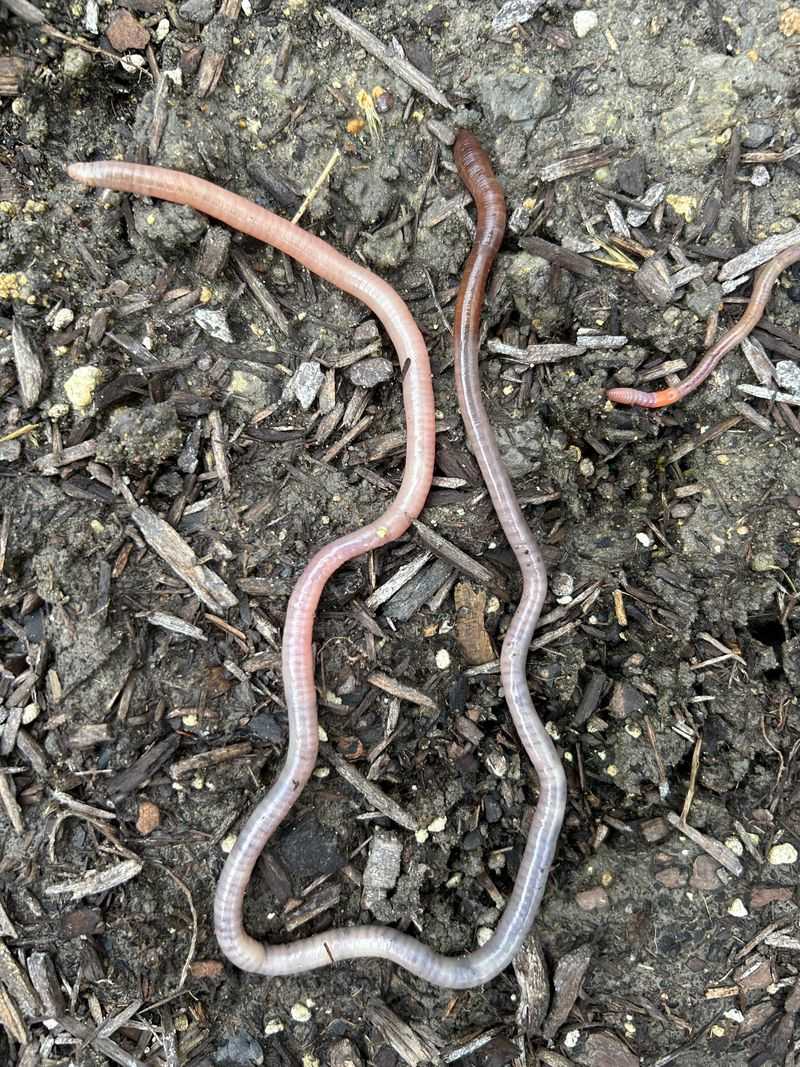
September is showtime for jumping worms across the Buckeye State. After hatching in late spring, the young worms spend all summer eating and growing.
By now, most have reached full adult size, often four to eight inches long. That is why thrashing feels more dramatic when you dig fall bulb beds.
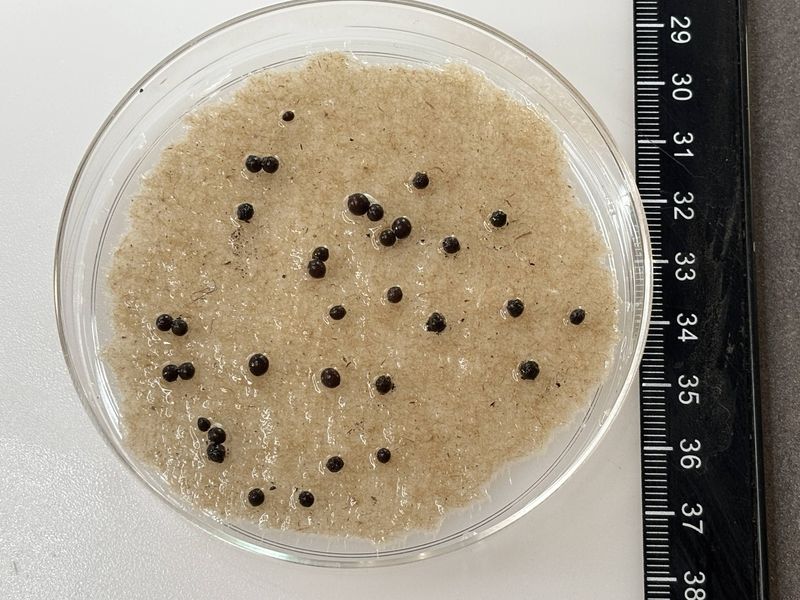
Adults are also busy producing cocoons right now. Each cocoon is tiny, about the size of a mustard seed, and blends perfectly with the dirt.
Here is a surprising twist about their life cycle. Jumping worms reproduce without mates, so a single worm can start a whole new colony.
Once hard frosts arrive in late October or November, the adults disappear for the season. Their cocoons, however, sit safely in the soil through the long Ohio winter.
Come May or June, a brand new batch hatches and starts the cycle again. Gardeners who wait until spring often face double the trouble.
That makes early fall your golden window for action. Removing adults now means fewer cocoons get tucked away for next year.
Try checking under mulch, compost piles, and leaf heaps on warm, damp mornings. Jumping worms love these spots and tend to gather right near the surface.
Keep a bucket and a pair of garden gloves handy while you work. Every worm you collect in September is one less parent for next spring.
Think of it as fall cleanup with a bonus mission. Your future flower beds will thank you with sturdier roots and richer blooms.
The Costly Mistake Of Sharing Plants
Nothing feels friendlier than swapping daylilies with the neighbor down the street. Unfortunately, that generous pot of dirt may carry unwanted hitchhikers.
Jumping worms rarely travel far on their own, moving only a few feet per year. People are the real delivery service, spreading them through plants, mulch, and compost.
Cocoons are so small that nobody spots them in a clump of soil. One innocent gift can introduce an entire population to a clean garden.
Plant sales, community swaps, and even big garden centers can accidentally move infested soil. Bagged mulch that was not heated properly may also contain living cocoons.
Another sneaky culprit is muddy equipment. Shovels, tillers, and boot treads can carry cocoons from one yard to the next.
Some folks even buy jumping worms as fishing bait without realizing it. Dumping leftover bait in the garden or woods helps the invaders spread.
Before accepting a shared plant, gently wash the roots and replant it in fresh potting mix. Bare root sharing is far safer than passing along a pot of garden soil.
Buy mulch and compost from suppliers who heat their material to at least 131 degrees for three days. That temperature destroys cocoons and keeps products clean.
Rinse tools and boots after working in another person’s yard. A quick scrub with a stiff brush and hose takes only a minute.
Kindness in the garden still matters, of course. It just works best with a little caution mixed into every friendly exchange.
Practical Fixes For An Infested Bed
Good news first, because every gardener deserves some. While no magic cure exists yet, several simple steps can shrink jumping worm numbers in your beds.
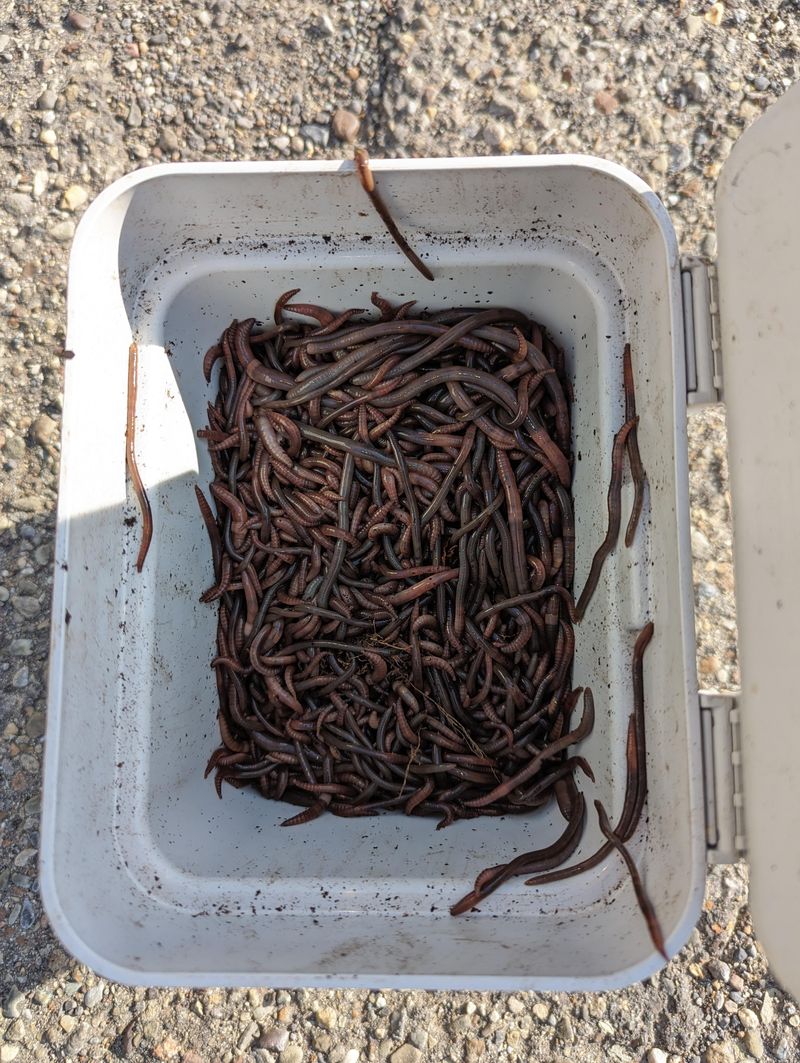
Hand picking works better than you might expect. Scoop up the thrashing worms, seal them in a plastic bag, and leave the bag in bright sun.
After a few days, toss the bag in the trash, not the compost bin. Home compost piles rarely get hot enough to destroy cocoons.
A mustard pour, mentioned earlier, drives hidden worms to the surface for easy collection. It irritates their skin but will not harm your plants.
Solarizing is another handy trick for small beds. Water the soil, cover it with clear plastic, and let September sunshine bake it for two weeks.
Soil temperatures above 105 degrees for three days can wipe out many cocoons. Clear plastic traps heat much better than black plastic for this job.
Researchers are also testing products containing saponin, a natural compound from tea seed meal. Check with your county extension office before trying any treatment.
Ohio State University Extension offices offer free advice and can confirm your worm identification. Their staff know which methods work best in local soils.
Patience matters here more than perfection. Repeated efforts over several seasons lower worm numbers and give plant roots a fighting chance.
Keep notes on which beds show the most activity. Tracking progress turns a frustrating chore into a satisfying garden science project.
Replanting with tough natives like goldenrod or asters can help too. Their deep, strong roots hold loose soil better than shallow annuals.
Healthier Ohio Soil For Years To Come
Imagine next September, kneeling in soil that feels rich, dark, and pleasantly squishy again. Prevention is the path that gets you there.
Start by protecting clean areas of your yard. Keep infested beds separate, and work in those spots last so you avoid dragging cocoons around.
Choose leaf mulch carefully. Shredded leaves from your own worm-free yard make a better choice than bulk loads from unknown sources.
Adding compost you made at high heat helps rebuild lost organic matter. Healthy structure returns slowly as roots, fungi, and friendly soil life settle back in.
Consider planting ground covers and native grasses that tolerate grainy soil. Little bluestem, wild ginger, and sedges form dense root mats that hold everything together.
Share what you learn with your neighbors and garden club. When whole streets watch for thrashing worms, the invaders struggle to spread.
Report sightings through Ohio State University Extension or your local extension office. Every report helps scientists map the spread and test new solutions.
Keep checking your beds each spring and fall with a quick mustard test. Early detection makes small problems far easier to handle.
Some gardeners even keep a simple soil journal with dates, photos, and notes. Looking back at progress feels surprisingly rewarding after a tough season.
Healthy soil is the foundation of every thriving Ohio garden. With steady care, your beds can bounce back and stay strong for many years.
Plant fall garlic or spring bulbs in your cleanest beds this month. Watching them rise next year will prove your hard work paid off.