8 Ways To Protect Outdoor Faucets And Pipes From A Texas Freeze
Dallas once recorded a low of minus two degrees during the February 2021 storm, its coldest morning since 1949. Plumbers across Texas answered calls for weeks afterward, and plenty of that trouble began just outside the walls.
Water grows about nine percent bigger when it turns to ice, and that push can split copper or plastic. Strangely, the crack often shows up after the thaw, once water starts flowing again through the damaged line.
I skipped a few simple chores before one January cold snap, and my garden spigot paid the price. You build your winter routine one small habit at a time, and most habits take only minutes.
Our homes here in Texas were mostly built for heat, so a sudden hard freeze catches plenty of us off guard. Which easy steps keep your faucets and pipes safe before the next blue norther rolls across the yard?
1. Unhook Every Garden Hose Before The First Frost Night
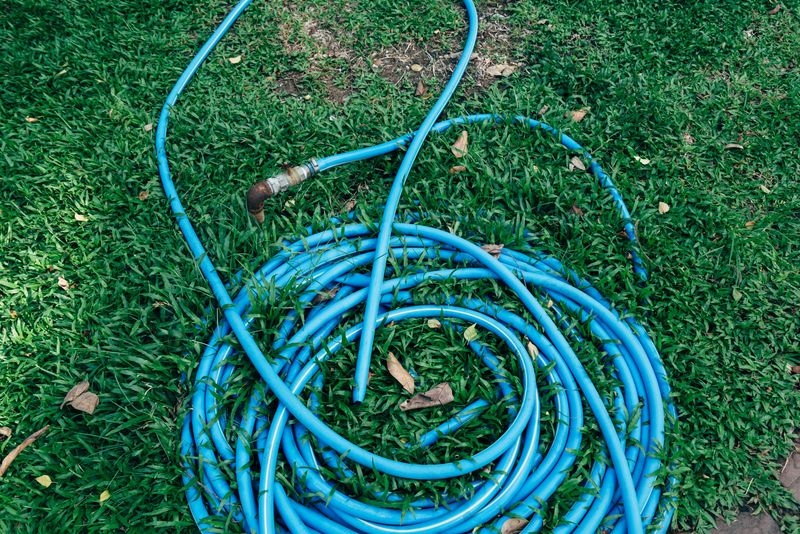
A garden hose left screwed onto a spigot acts like a cork, trapping water right where ice forms first. I learned that lesson the hard way, staring at a split pipe behind my tomato bed one chilly morning.
When that trapped water freezes, it expands backward into the pipe that hides inside your wall. Plumbers often name an attached hose as one of the most common reasons for winter leaks.
Unscrew each hose as soon as forecasts show nights reaching 32 degrees or lower in your area. Even frost-free spigots need the hose removed, because those designs only drain when the end stays open.
Next, stretch the hose down a gentle slope so gravity can pull leftover water out the far end. Lifting one end above your head and walking it hand over hand works nicely on flat lawns.
Coil the drained hose loosely and store it in a garage or shed, away from biting wind. Cold vinyl gets stiff and cracks easily, so a sheltered spot helps your hose last more seasons.
Remember any splitter or hose timer too, since those little gadgets can hold a surprising amount of water. I toss mine in a bucket by the door, so they stay together until spring planting begins.
Honestly, this five-minute chore saves more headaches than any fancy gadget you can buy at the hardware store. Make it your first move whenever a cold front shows up on the evening weather map.
2. Snug Foam Covers Keep Outdoor Hose Bibs Cozy
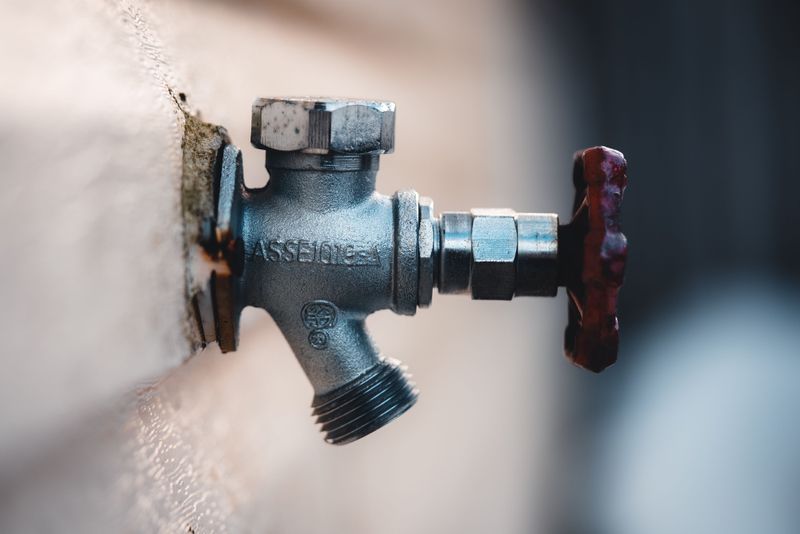
Those little foam domes look like plastic igloos, and I grin every time I spot one on a neighbor’s wall. Silly as they seem, they trap air around the faucet and slow the heat loss from your house.
Outdoor faucets sit right in the wind, so they often fail first when temperatures crash overnight. A good cover blocks that breeze and holds onto a bit of warmth seeping through the wall.
Fit matters more than price, because a loose cover lets icy air sneak in around the edges. Press the foam ring flat against the siding, then tighten the strap or loop until it feels firm.
Fabric pouches with thick padding work well too, especially on rough stone walls where rigid domes may not sit flush. Shop early, since covers and pipe foam tend to sell out quickly once freeze warnings hit the news.
If you get caught without one, wrap the spigot in old towels and cover them with a plastic bag. Duct tape around the bottom keeps the bundle tight and stops rain from soaking the fabric underneath.
During a really hard freeze, some plumbers suggest tucking a wool sock or foam scrap under the cover first. That extra layer gives the faucet a better chance when the mercury stays low for days.
Covers help a lot, but they work best alongside the other steps in this list, not alone. Think of them as a warm winter hat, not a full snowsuit for your backyard plumbing.
3. Wrap Exposed Pipes In Foam Sleeves And Tape
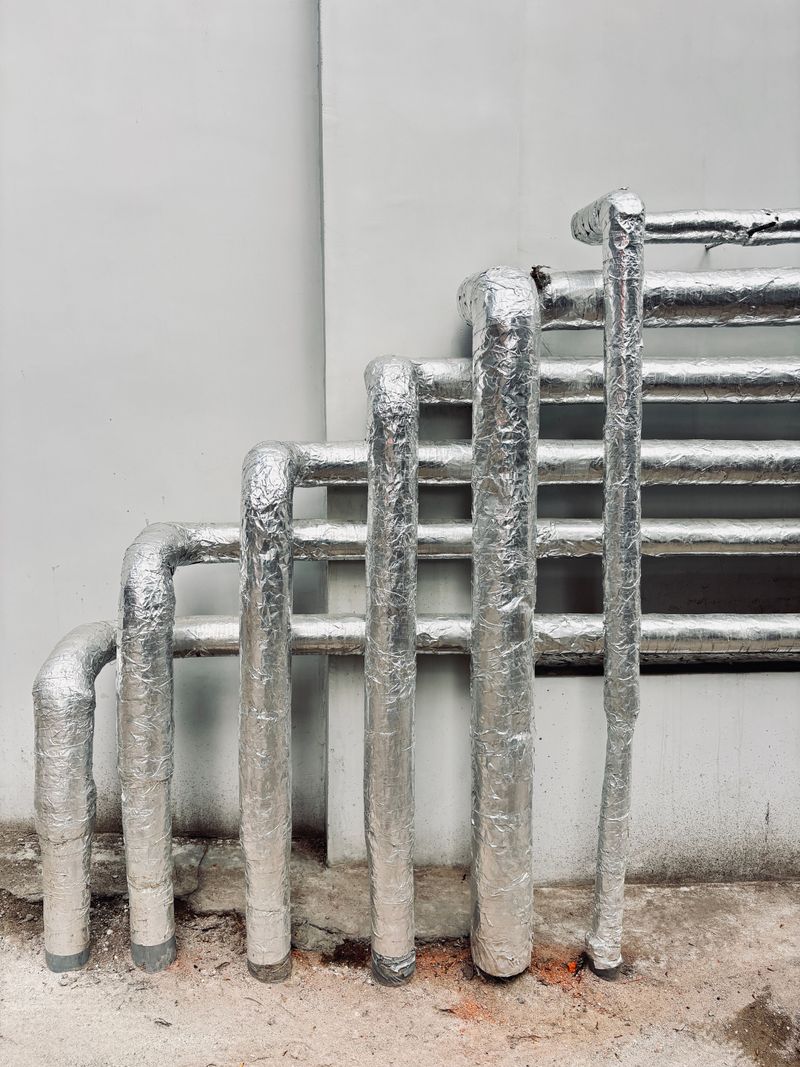
Gray foam pipe sleeves look a lot like pool noodles, and they install with about the same ease. I bought a handful last fall and covered every bare pipe along my garden shed before lunch.
Pipes running through garages or crawl spaces face cold air with very little help from your furnace. Lines tucked along exterior walls are vulnerable too, especially on the north and west sides of a house.
Those two sides usually catch the harshest winter winds, and wind chill speeds up how fast pipes freeze. Plumbers say trouble climbs once outdoor temperatures drop to about 20 degrees, especially for several hours straight.
Measure the pipe diameter first, because sleeves come in sizes and a loose one leaves chilly gaps. Slip the slit sleeve over the pipe, then press the seam closed along its full length.
Valves and elbows are sneaky weak spots, so cut small pieces to fit snugly around each bend. Wrap duct tape every foot or so, and add extra tape wherever two foam pieces meet.
Fiberglass pipe wrap works as well, though you should wear gloves since the fibers can itch your skin. Cover fiberglass with a plastic outer layer outdoors, since wet insulation loses much of its warming power.
Insulation slows heat loss rather than creating warmth, so it buys time instead of offering a guarantee. Still, that extra time is often enough to carry your pipes through a short southern cold snap.
4. Turn Off The Indoor Valve Feeding Your Outdoor Spigot
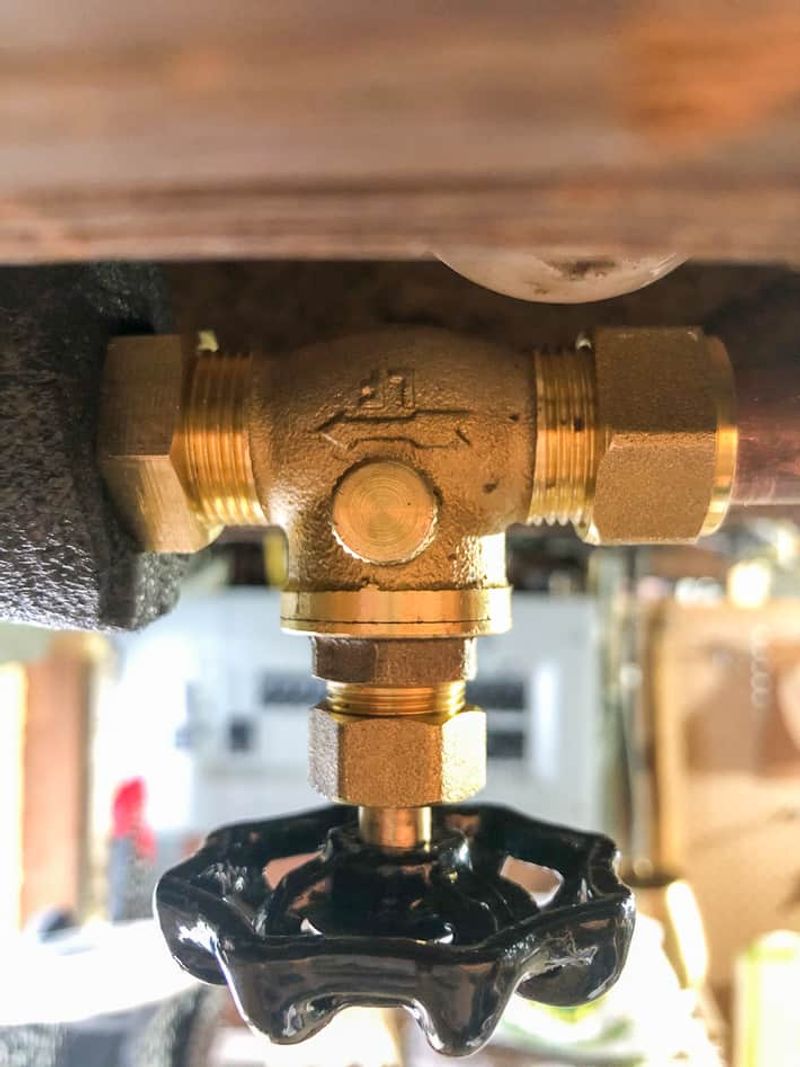
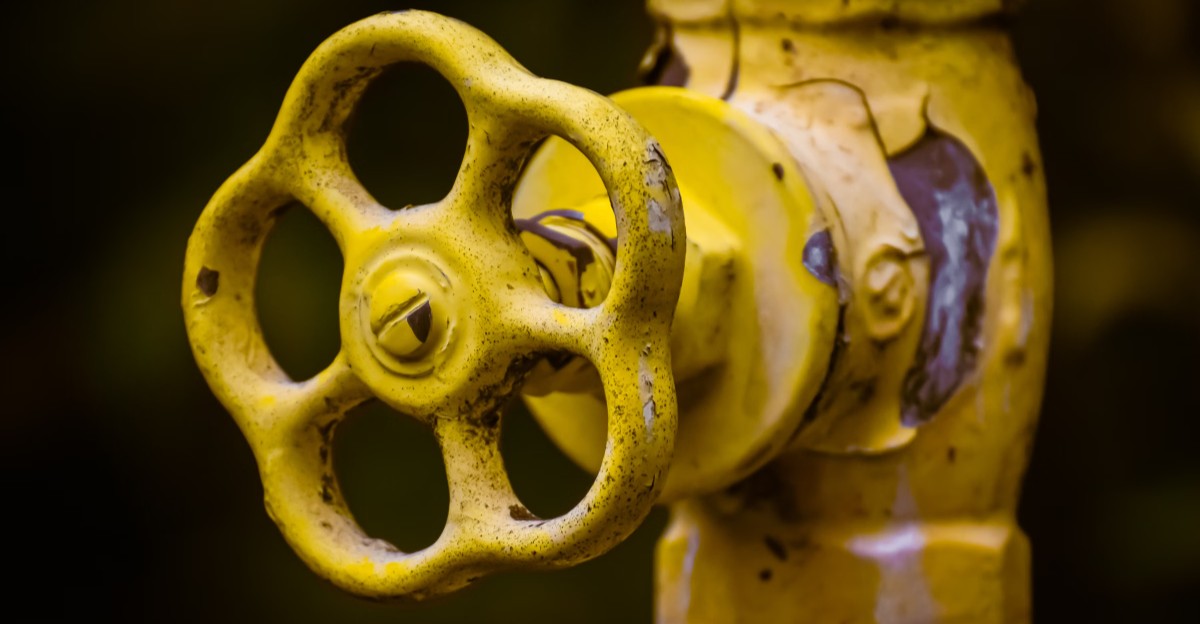
Somewhere inside many older homes hides a small valve that controls water flowing to the backyard faucet. Finding mine felt like a treasure hunt, and it ended under a dusty laundry room shelf.
Shutting that valve stops fresh water from reaching the outdoor line, so there is little left to freeze. Check nearby utility closets or crawl spaces close to the wall where your spigot pokes outside.
Turn the handle clockwise until it stops, using gentle pressure rather than muscle on older fittings. Then head outside and open the spigot, letting any leftover water trickle out onto the mulch.
Leave that outdoor handle slightly open through the cold spell, so any remaining water has room to escape. Some indoor valves also have a tiny drain cap, which lets you empty the short pipe between them.
Plenty of newer houses skip these valves, which surprised me when I helped a friend prepare her place. If yours lacks one, a licensed plumber can usually add a dedicated shut-off in a single visit.
That small upgrade costs far less than repairing soggy drywall after a split pipe floods a closet. Ask about frost-free hose bibs at the same time, since many plumbers install both upgrades together.
Once spring arrives, close the outdoor faucet first and then slowly reopen the valve inside the house. Watch for drips around the spigot that first morning, because they can hint at hidden freeze damage.
5. Shut Down And Drain The Lawn Sprinkler System
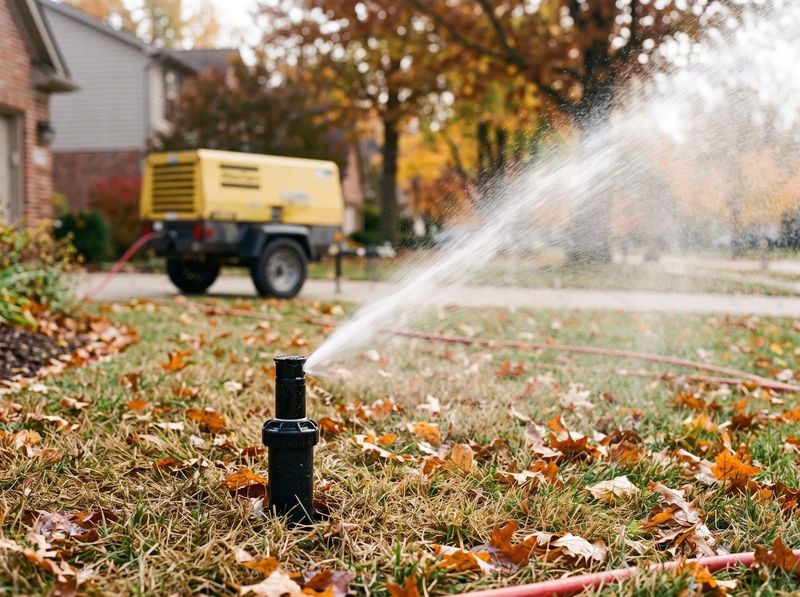
Sprinkler systems spend summer saving our lawns, yet a single frosty night can crack their buried plumbing. I once watched a broken sprinkler head bubble like a fountain after a surprise freeze, which hurt my wallet.
Start by finding the irrigation ball valve, usually near the main water line or the backflow preventer. Turn that valve off, which cuts water to every zone without touching the rest of your house.
Next, run each zone from the controller for about twenty or thirty seconds to release built-up pressure. That quick pass helps push out leftover water still sitting inside the valves and lines underground.
The backflow preventer sits above ground, so it needs insulation or a thick towel topped with a plastic bag. Wrap any exposed pipe near it as well, then secure everything snugly with duct tape or sturdy zip ties.
Set the controller to off or rain mode, so it cannot surprise you by watering a frozen yard at dawn. Sprinklers spraying in freezing weather can also coat sidewalks with slick ice that trips up neighbors.
Some folks use an air compressor to blow out the lines, which drains them more thoroughly. Many southern systems were not built for that method, so leave blowouts to an experienced irrigation pro.
Dormant warm-season grasses need very little water during winter anyway, so a pause rarely hurts the lawn. Tackle these steps before the first hard freeze, and your system should wake up happy in spring.
6. Find The Main Water Shut Off Valve Before Trouble Starts
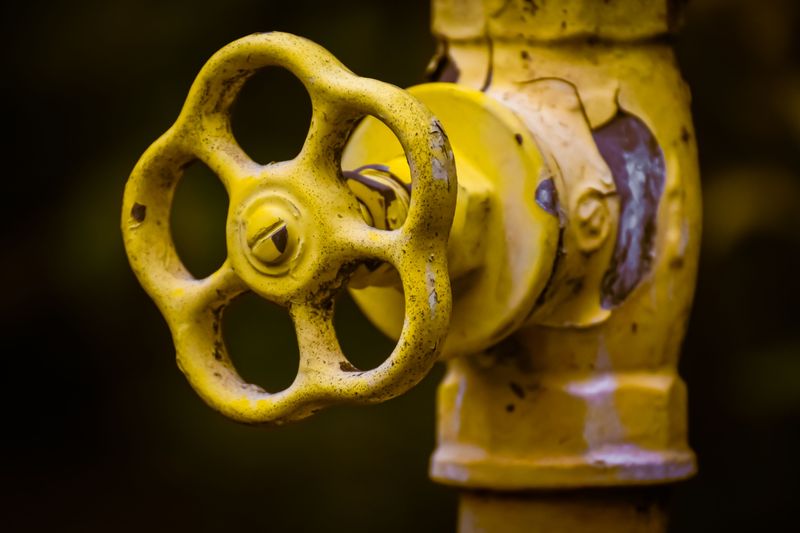
Plenty of folks across Texas cannot point to their main water valve, and I was one of them until a scary weekend. Water was spraying from a pipe while I hunted through the yard with a flashlight and pounding heart.
Every minute counts once a pipe bursts, because gallons can soak floors and walls surprisingly fast. Knowing exactly where to go turns a potential disaster into a manageable mess you can mop up.
Look where the main line enters your house, often near the garage or a front outdoor wall. Some Texas homes keep the valve in a small buried box between the house and the street.
The valve inside the water meter box usually belongs to the city, so leave that one alone. Only city crews or licensed plumbers should operate it, according to many local water utilities in Texas.
Once you find your own valve, test it gently and stop if the handle feels stiff or crusty. Forcing a corroded valve can snap it, so call a plumber about a quick replacement instead.
Tie a bright ribbon nearby and clear away any plants or clutter blocking quick access in winter. I also keep a meter key hanging in the garage, since some valves need one to turn.
If a pipe does burst, shut off the main first, then open faucets to drain leftover water. Flushing toilets helps empty the system too, which eases pressure while you wait for help to arrive.
7. Let Indoor Faucets Drip Slowly On The Coldest Nights
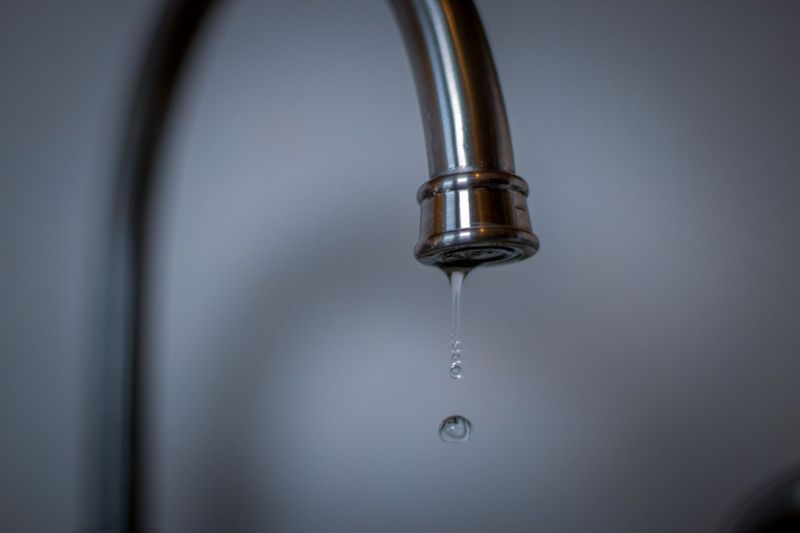
Dripping faucets feel like an old family ritual, and my grandmother swore by it every January. Moving water resists freezing a bit longer, and a drip also relieves pressure if ice starts forming.
Advice has shifted lately, though, and some Texas cities now discourage routine dripping during big freezes. Thousands of open taps can drain water towers quickly, which strained public supplies during the 2021 storm.
Many utilities suggest dripping mainly for homes with exposed or poorly insulated pipes, or during power outages. Some guidance points to nights staying below 28 degrees for four hours or longer as the trigger.
Keep the flow tiny, roughly the width of a pencil lead, rather than a steady stream. Choose the faucet farthest from where water enters your home, so movement reaches the whole system.
Open the cabinet doors under sinks on outside walls, too, so warm room air reaches those pipes. Move cleaning supplies up high first if you have curious kids or pets wandering the kitchen.
Outdoor spigots are a different story, and plumbers advise against leaving them dripping during a freeze. Water trickling outside can form ice on the faucet itself and create slick patches on walkways.
Curious gadget lovers might enjoy freeze protection valves, which open automatically as temperatures near freezing and release a small drip. Check with your local water utility before each storm, since their advice can change with conditions.
8. Seal Drafty Cracks And Keep The Thermostat At 55 Degrees
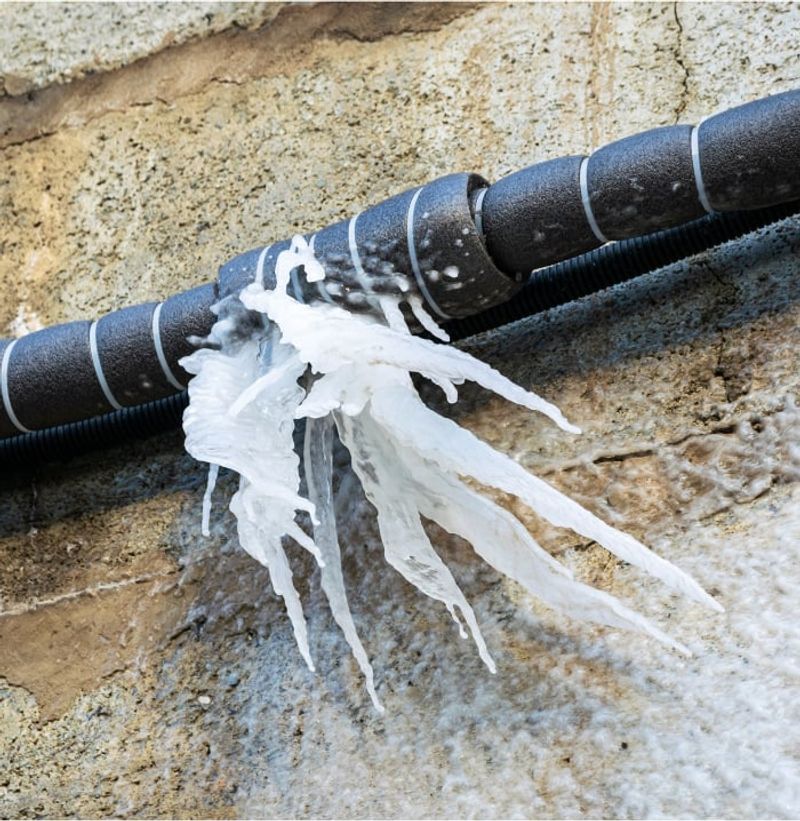
A whistling draft near my back door turned out to be the reason my laundry pipes froze one winter. Tiny gaps let icy wind pour straight onto plumbing hidden inside walls, and you rarely notice until spring.
Walk around your house on a breezy day and feel for cold spots where pipes enter the walls. Fill those openings with caulk or expanding foam, which costs little and takes only an afternoon.
Crawl space vents help in summer, but closing them during a freeze keeps frigid air away from pipes. Foam vent covers or simple cardboard squares work fine, as long as you remember to reopen them later.
Garage doors matter too, especially when water lines or a water heater share that chilly space. Keep the big door closed during cold snaps, even if you are just popping out for groceries.
Inside, set your thermostat to at least 55 degrees, even when you leave town for a holiday trip. That steady warmth spreads through the house and helps protect pipes tucked deep inside exterior walls.
Turning the heat way down at night might save a few dollars, but a burst pipe costs far more. Keep a few extra blankets handy instead, and let the house stay comfortably warm for everyone.
After the 2021 storm, I started keeping caulk and foam sleeves in my garden shed year round. Texas weather loves a surprise, so a little early prep lets you sleep soundly when the next norther blows in.