The Native Colorado Flower Hummingbirds Can’t Stay Away From
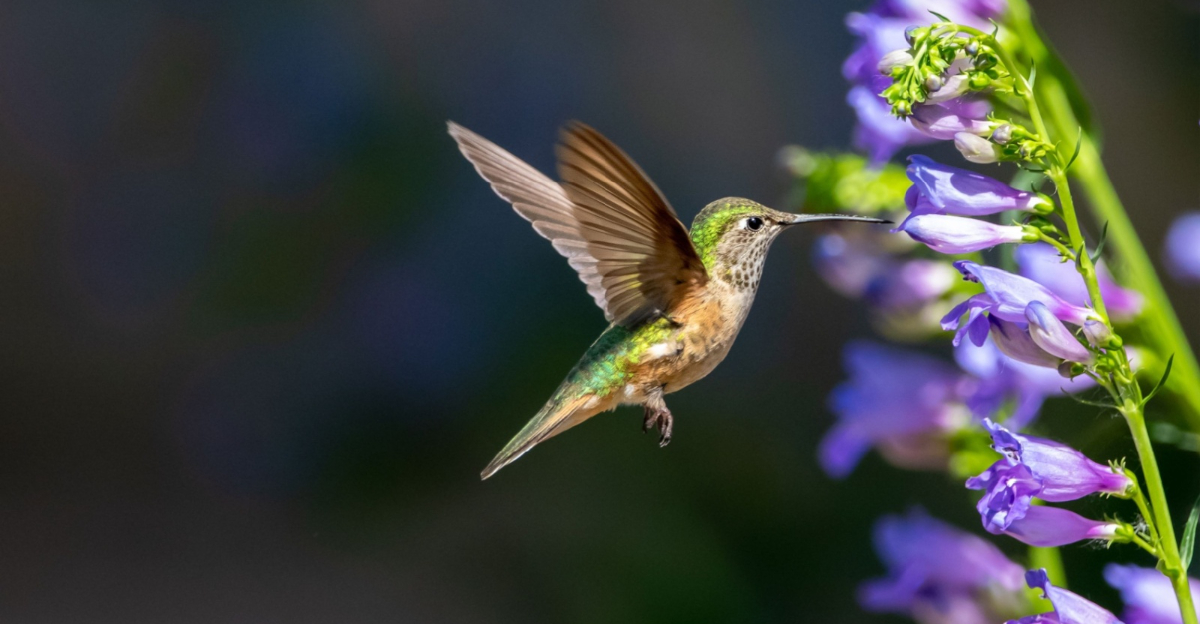
There is a native Colorado plant so irresistible to hummingbirds that they will abandon a perfectly good feeder the moment it blooms. Once you see it in action, you will wonder how your yard ever managed without it.
It grows wild across Colorado’s hillsides, meadows, and rocky slopes. Every summer, it sends up tall spikes of tubular purple and blue flowers that are practically engineered for a hummingbird’s beak.
No wonder the birds keep coming back, hover after hover, visit after visit. The best part is that this plant is genuinely tough.
It evolved at high elevation, which means it handles Colorado’s dry spells, thin soils, and temperature swings without much complaint.
For gardeners who want a yard full of life without constant maintenance, this native wildflower is a seriously smart place to start.
Meet The Hummingbird’s Favorite Colorado Native
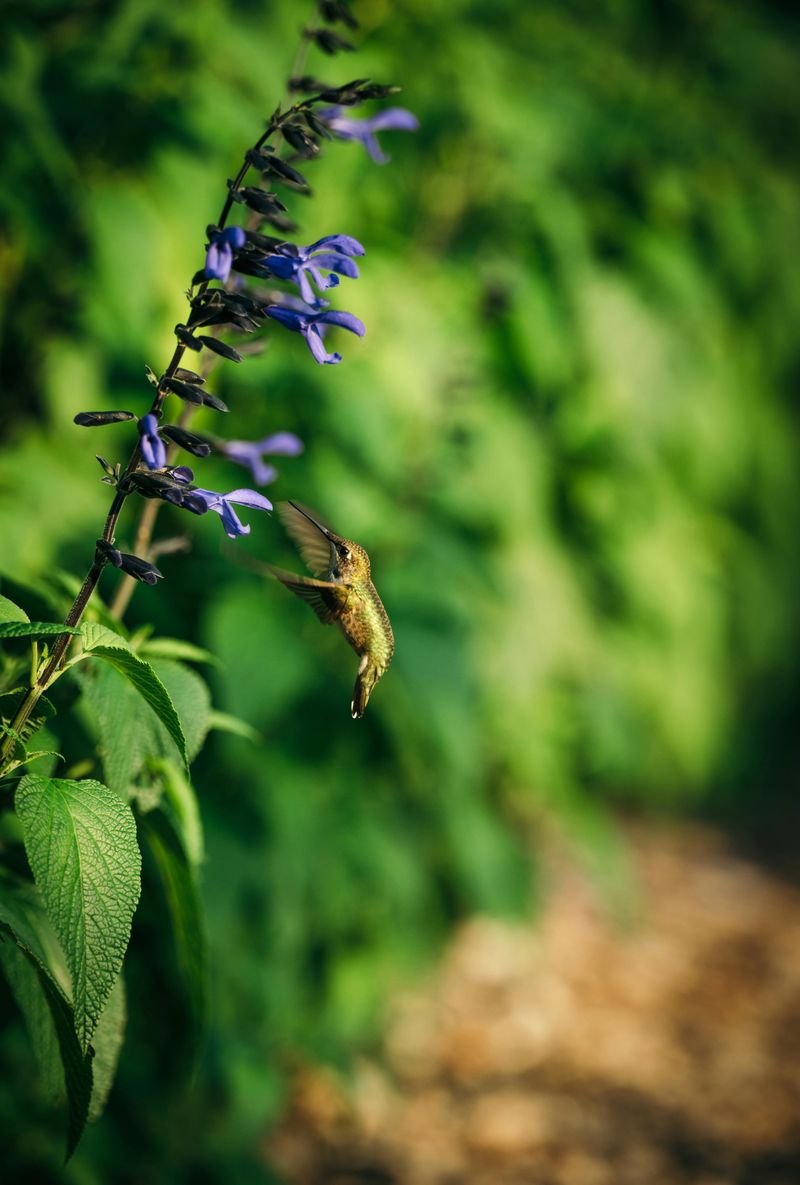
Picture a hummingbird hovering in slow motion, beak pointed directly at a cluster of tubular purple blooms. That is Rocky Mountain Penstemon in action, and it happens in Colorado yards every single summer.
This native wildflower, known scientifically as Penstemon strictus, has been growing across the Rocky Mountain region long before anyone planted a garden here. It belongs to the landscape the way elk belong to the meadows.
The blooms are a rich violet-blue, shaped like narrow tubes that seem custom-made for a hummingbird’s long beak. No other common garden flower quite matches that shape or that color in the same effortless way.
What makes this plant so special is that it evolved alongside the hummingbirds that visit it. The two have a relationship built over thousands of years.
That connection shows every time a broad-tailed or rufous hummingbird zeroes in on the blooms.
Beyond the hummingbird factor, Rocky Mountain Penstemon is simply a stunning plant. Tall spikes of flowers rise above blue-green foliage that stays attractive even when the blooms fade.
Gardeners who grow it often say the same thing: once you plant it, you wonder why you waited so long. It asks for almost nothing.
What it gives back is color, wildlife, and the electric feeling of watching nature do exactly what it was designed to do.
The Shape Of This Flower Is A Hummingbird’s Dream
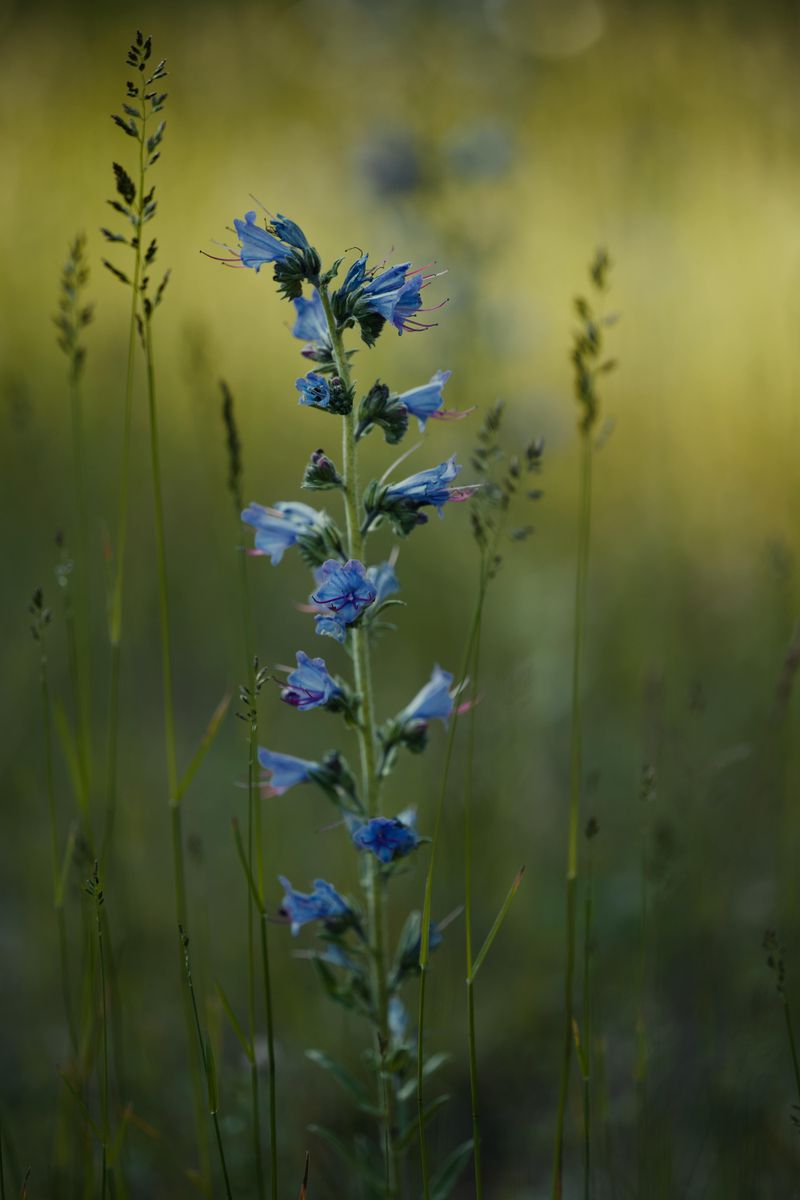
Hummingbirds are built for one thing: reaching deep into narrow flowers for nectar. Rocky Mountain Penstemon has a tubular shape that fits a hummingbird’s bill like a key fits a lock.
Long-tongued bees and hummingbirds are especially well-suited to the tubular flowers. That means the plant essentially reserves its reward for hummingbirds, making the relationship between bird and bloom almost exclusive.
Each flower is about an inch long, flaring slightly at the tip with two upper petals and three lower ones. The inside is often streaked with purple lines that act as a landing guide, drawing the bird straight to the nectar source.
Color plays a huge role too. Hummingbirds are strongly attracted to blue, violet, and red tones, and Penstemon strictus sits right in that sweet spot with its deep blue-purple hue.
Your Colorado Garden Changes Every Week. Your Plan Should Too.
Gardening in Colorado changes quickly throughout the season. Every Friday you’ll receive a simple weekly plan showing exactly what to plant, prune, fertilize, harvest, and protect so you never miss the right timing.
The blooms practically advertise themselves to passing birds.
When a hummingbird pushes into the flower for nectar, pollen brushes onto its forehead and bill. The bird carries that pollen to the next bloom, completing a pollination cycle the plant depends on for survival.
This is not just a pretty flower sitting passively in your yard. It is an active participant in a wildlife system that feeds birds, supports pollinators, and keeps the local ecosystem running smoothly.
Planting it means joining that system in the best possible way.
Rocky Mountain Penstemon’s Sweet Spot In A Colorado Yard
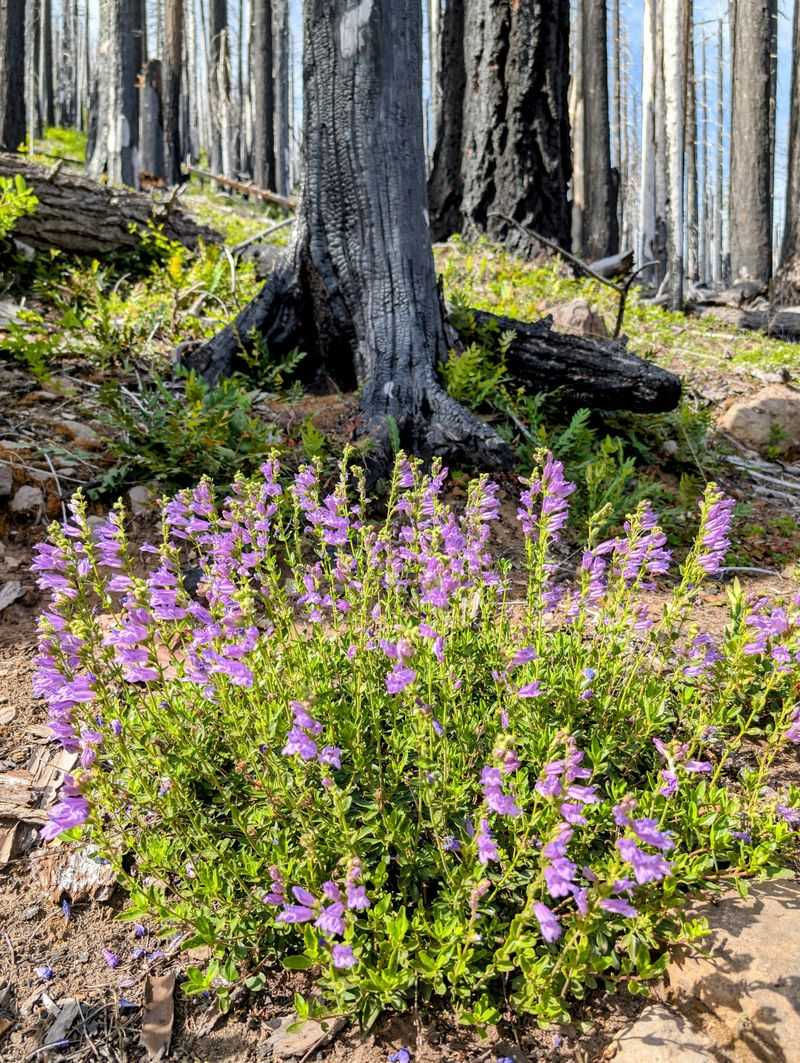
Sun is non-negotiable for this plant. Rocky Mountain Penstemon wants full sun, at least six hours a day, and it will reward you generously when it gets that light.
The soil needs to drain well. Clay-heavy soil that holds water can rot the roots and significantly shorten the plant’s life.
Sandy, gravelly, or loamy soil works best, which is great news because much of the Front Range has exactly that kind of ground.
Elevation is not a barrier here. This species grows naturally from around 5,000 feet up to nearly 11,000 feet, so whether you garden in Denver, Colorado Springs, or a mountain town, it can handle your altitude without complaint.
Slopes and raised beds are ideal planting spots because they naturally improve drainage. A south or west-facing slope in your yard mimics the plant’s native habitat almost perfectly.
Avoid planting it in low spots where water collects after rain or snow melt. Standing water is the one thing this drought-tolerant native cannot tolerate, even briefly during spring thaw.
Once established, Rocky Mountain Penstemon handles dry spells with ease. It was built for the semi-arid climate of the high plains and mountain foothills, so it actually performs better with less water than most garden plants.
Give it the right spot and it will come back stronger every spring, pulling hummingbirds into your yard like a magnet set in the ground.
Planting It The Right Way
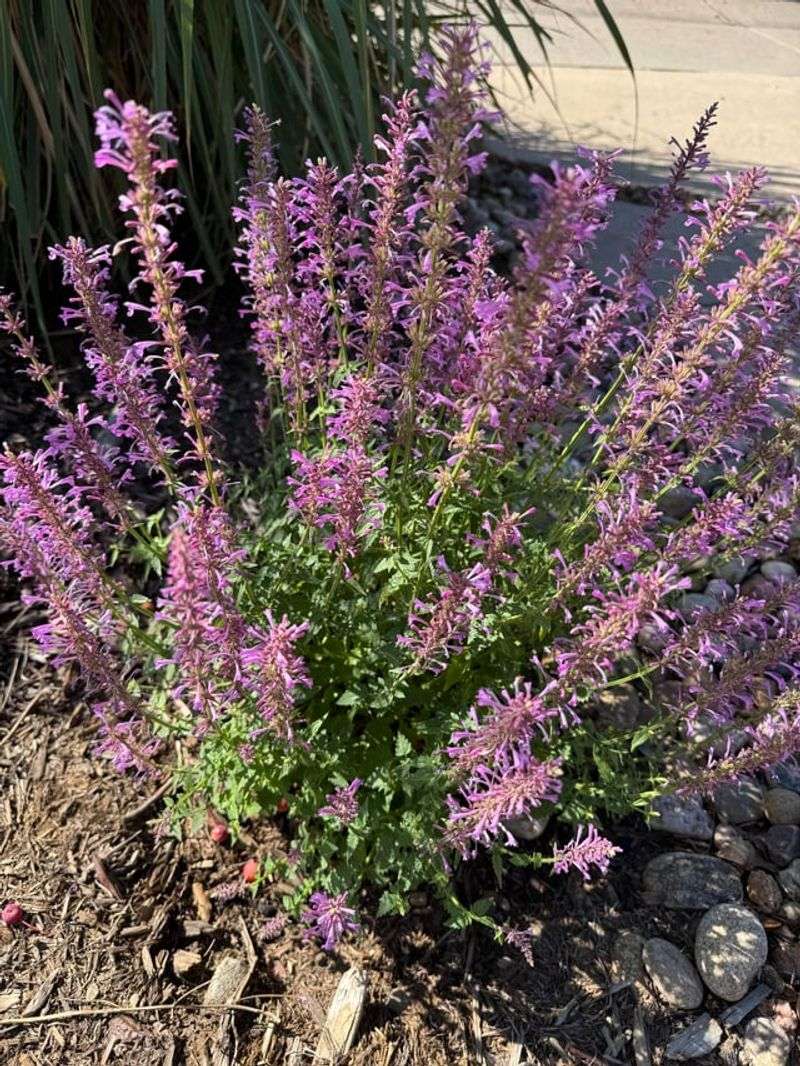
Starting from seed is the most rewarding route, but it takes patience. Seeds need a cold stratification period, which means storing them in a damp paper towel inside the fridge for four to six weeks before planting.
Spring planting works well once the soil can be worked and frost risk drops. You can also plant transplants from a local native plant nursery, which skips the seed stage entirely and gets you blooms faster.
Dig a hole just slightly larger than the root ball. Avoid adding compost or fertilizer to the planting hole because this plant actually prefers lean soil.
Rich soil can encourage leafy growth over flowers and cause the plant to flop over.
Space plants about 18 to 24 inches apart. They spread slowly over time and form attractive clumps, so giving them room now prevents crowding later.
Good air circulation also reduces the risk of fungal issues.
Water the plant in well after planting, then pull back. During the first season, water once a week if rain is scarce.
After the first full growing season, established plants need minimal supplemental watering. Mulch lightly around the base with gravel rather than wood chips.
Gravel mulch reflects heat, keeps moisture off the crown, and mimics the rocky habitat this plant evolved in. Get the planting right once and it will reward you for years.
Blooms That Last And Keep Hummingbirds Coming Back
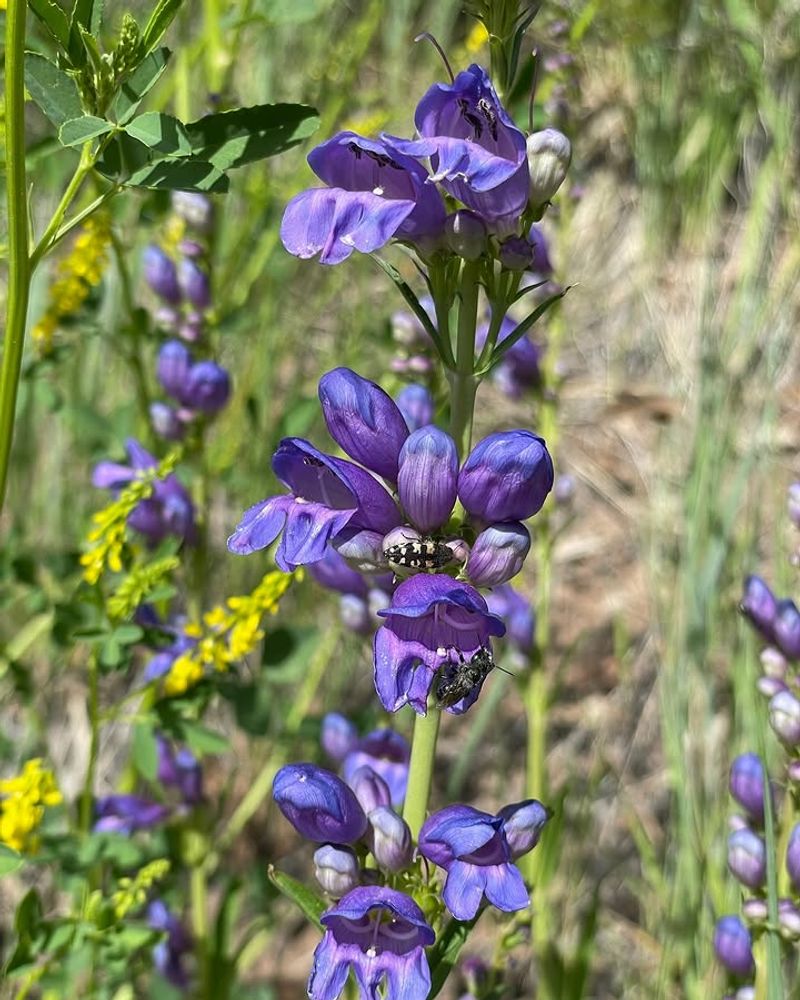
The bloom season for Rocky Mountain Penstemon runs from late May through July, sometimes stretching into early August depending on elevation and weather. That is a solid six to ten weeks of color and hummingbird activity in your yard.
Each flower spike produces dozens of individual blooms that open gradually from bottom to top. This staggered opening extends the show and keeps nectar available over a longer stretch of time, which hummingbirds absolutely love.
After the blooms fade, seed heads form along the stalks. Leaving those seed heads in place through fall provides food for small birds like finches and sparrows, extending the plant’s wildlife value well beyond summer.
Removing spent spikes right after bloom can encourage a second flush of flowers on some plants. Clip the spent spike back to a side shoot and watch for new buds to form within a few weeks.
Hummingbirds remember reliable food sources and return to the same spots season after season. Once they discover your Penstemon patch, they will make it a regular stop on their daily feeding route.
Rocky Mountain Penstemon fills the midsummer gap perfectly. It bridges early bloomers and late-season flowers, keeping hummingbirds fed all the way to migration.
Colorado Natives That Look Great Next To Penstemon
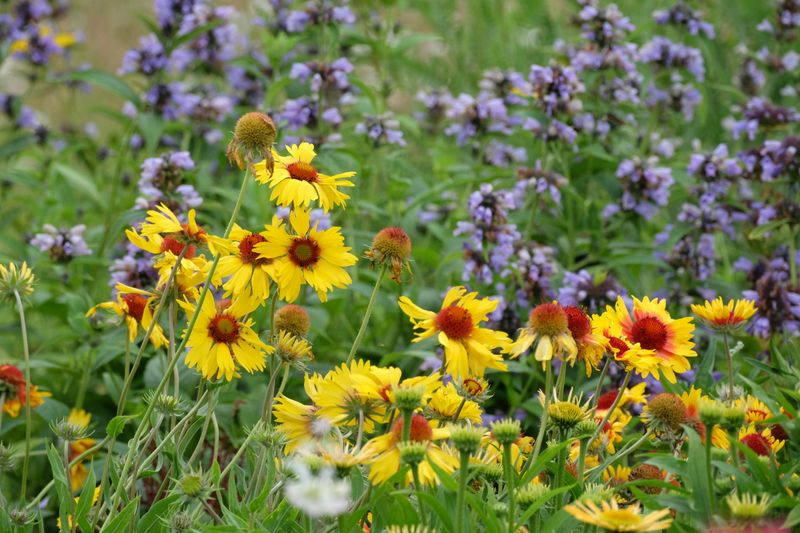
Native companions make Penstemon even better. These regional plants share its love of sun and well-drained soil, and together they create a garden that looks intentional and works hard for local wildlife.
Blue Flax is a natural partner. Its sky-blue blooms complement the deeper violet of Penstemon perfectly, and both flower at the same time for a layered, effortless look.
Scarlet Gilia, also called Skyrocket, adds a bold red spike that hummingbirds go absolutely wild for. Planting it alongside Penstemon doubles the hummingbird draw and extends the color palette from red through violet in one sweep.
Golden Banner brings bright yellow into the mix with early-season blooms that feed pollinators before the Penstemon opens. The contrast between yellow and purple is one of nature’s most striking combinations.
Prairie Smoke offers feathery, smoke-like seed heads that add texture after its early blooms fade. It stays low and compact, filling in the base of taller Penstemon spikes without competing for attention.
Blanket Flower, or Gaillardia, blooms from midsummer all the way into fall and keeps hummingbirds and butterflies visiting long after the Penstemon season winds down. Mixing these natives together creates a layered, season-long garden that feels alive from May through September.
Rocky Mountain Penstemon is the anchor, but these companions make the whole picture complete and compelling.
More Colorado Gardens Should Have Rocky Mountain Penstemon
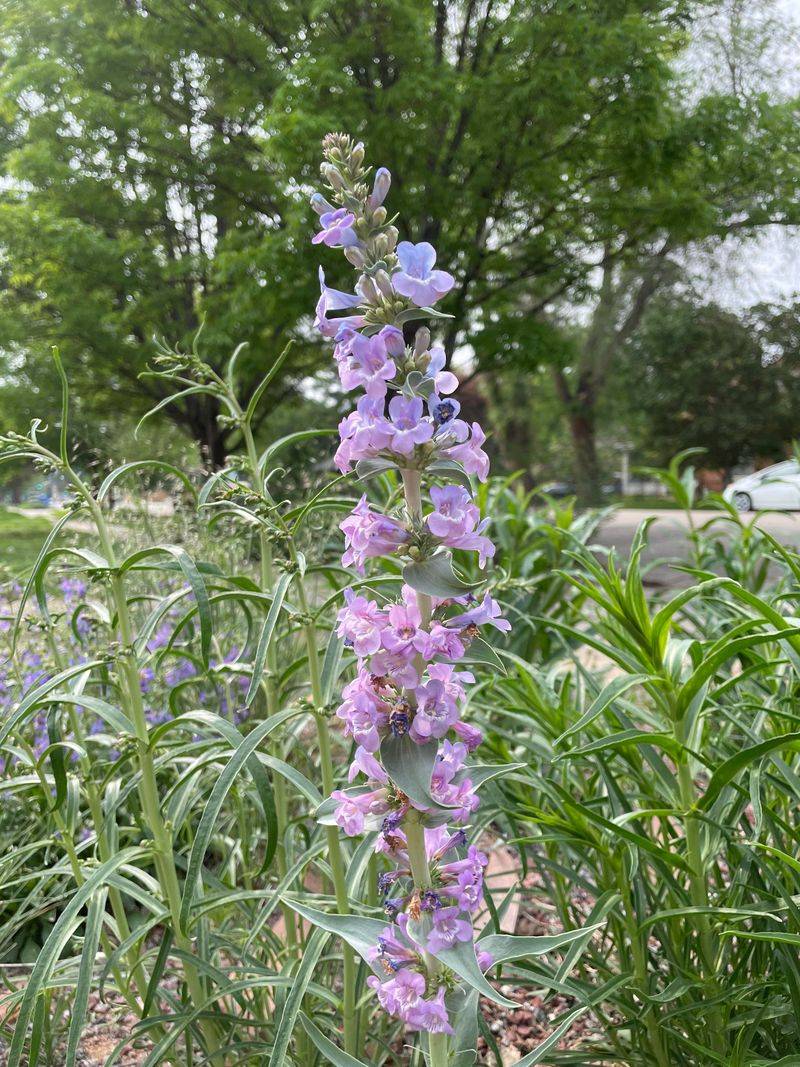
Some plants earn their place through sheer beauty alone. Rocky Mountain Penstemon earns it on every level, and the hummingbirds will make sure you never forget it.
Water conservation is a serious concern across the region, and this plant addresses that directly. Once established, it survives on natural rainfall in most years, cutting down on irrigation time and water bills without sacrificing any visual impact.
It also supports native bees, not just hummingbirds. Bumblebees and other large native bees are strong enough to force their way into the tubular blooms, making this plant a pollinator powerhouse from multiple angles.
Deer usually pass it by, which is a welcome bonus for gardeners in areas where deer pressure is high. The slightly bitter foliage seems to discourage browsing, though no plant is completely deer-proof.
The plant is also long-lived when sited correctly. A well-placed Penstemon clump can persist and expand for a decade or more, slowly spreading into a bold, showy mass that anchors a garden bed with confidence.
If feeders and generic plantings have let you down, Rocky Mountain Penstemon is worth trying. It speaks the language hummingbirds understand instinctively, shaped by thousands of years of shared evolution in the mountain west.
Plant it once and watch your yard transform into a place hummingbirds simply cannot pass by.