This Native Michigan Shrub Roots Wherever It Touches The Ground (And That’s Actually A Good Thing)
Most plants that spread on their own in a Michigan yard get treated as problems to manage. This one is worth a second look.
A native Michigan shrub has the useful habit of sending down roots wherever its branches make contact with the soil, gradually expanding outward and filling in space in a way that looks completely natural rather than invasive.
For slopes, bare banks, difficult shady areas, and spots where nothing else wants to establish, that self-layering habit is genuinely valuable.
The plant anchors soil, provides cover for ground nesting birds, supports pollinators during its bloom period, and handles our winters without any protection.
Gardeners who planted one at the edge of a problem area and simply let it do its thing have ended up with something that looks like it belongs there, because it does.
1. Northern Bush Honeysuckle
Picture a shrub that asks for almost nothing but gives back more than you expect.
Northern Bush Honeysuckle, known scientifically as Diervilla lonicera, is a compact native shrub that grows naturally across Michigan and much of the northeastern United States.
It typically reaches two to four feet tall and spreads gradually through a process called layering, where stems that touch the soil send down roots and form new plants.
For Michigan homeowners, that spreading habit is genuinely useful. On a sloped backyard or a tricky hillside where grass struggles to hold, Diervilla quietly gets to work anchoring soil with its expanding root network.
Unlike invasive shrubs that take over aggressively, this one spreads at a pace you can actually manage.
Sun or shade, clay or rocky ground, it adapts well across a wide range of yard conditions. Full sun encourages more flowers, while partial or full shade suits spots under tree canopies where few other shrubs thrive.
Planting in groups of three or five creates a natural-looking hedge that fills in over a few seasons without constant attention.
Deer tend to avoid it, pollinators love the bright yellow flowers, and the plant requires almost no intervention once it settles in.
For gardeners who want a native shrub with real ecological value and genuine practicality, Northern Bush Honeysuckle checks every box. It earns its place in any landscape with surprisingly little effort on your part.
2. Spreads Slowly But Reliably
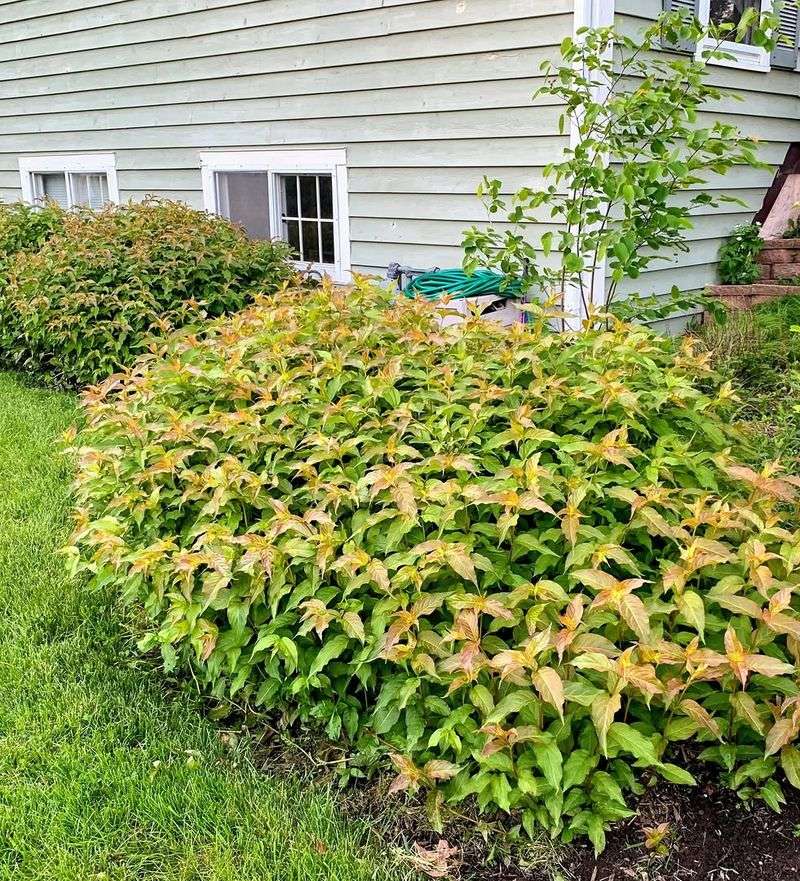
Slow and steady wins the race, and Northern Bush Honeysuckle takes that idea seriously.
Unlike some spreading shrubs that charge through a garden bed and become a headache within a single season, Diervilla lonicera expands at a pace that actually feels manageable.
Its stems arch outward, and when the tips make contact with the soil, they root naturally in a process called tip layering. New shoots emerge from those contact points, gradually widening the plant’s footprint without turning into a takeover situation.
For Michigan gardeners, this controlled growth pattern is genuinely practical. You can plant a few shrubs along a fence line or at the base of a slope and expect them to fill the space over two to four years without constant monitoring.
Your Michigan Garden Changes Every Week. Your Plan Should Too.
Gardening in Michigan changes quickly throughout the season. Every Friday you’ll receive a simple weekly plan showing exactly what to plant, prune, fertilize, harvest, and protect so you never miss the right timing.
There is no need to divide the plant aggressively or pull it back every spring the way you might with a faster-spreading ground cover.
The key difference between Diervilla and truly invasive shrubs is intention. Its spread is purposeful and proportional, filling gaps where you want coverage rather than overwhelming neighboring plants.
If you want to encourage faster coverage, gently press a few arching stems into the soil and secure them with a small stone or garden pin. Roots typically form within one growing season.
That predictability makes Diervilla lonicera especially appealing for naturalized borders and low-maintenance landscape areas.
Once you understand how it grows, you can work with it rather than against it, letting the plant do exactly what it was designed to do.
3. Thrives In Varied Conditions
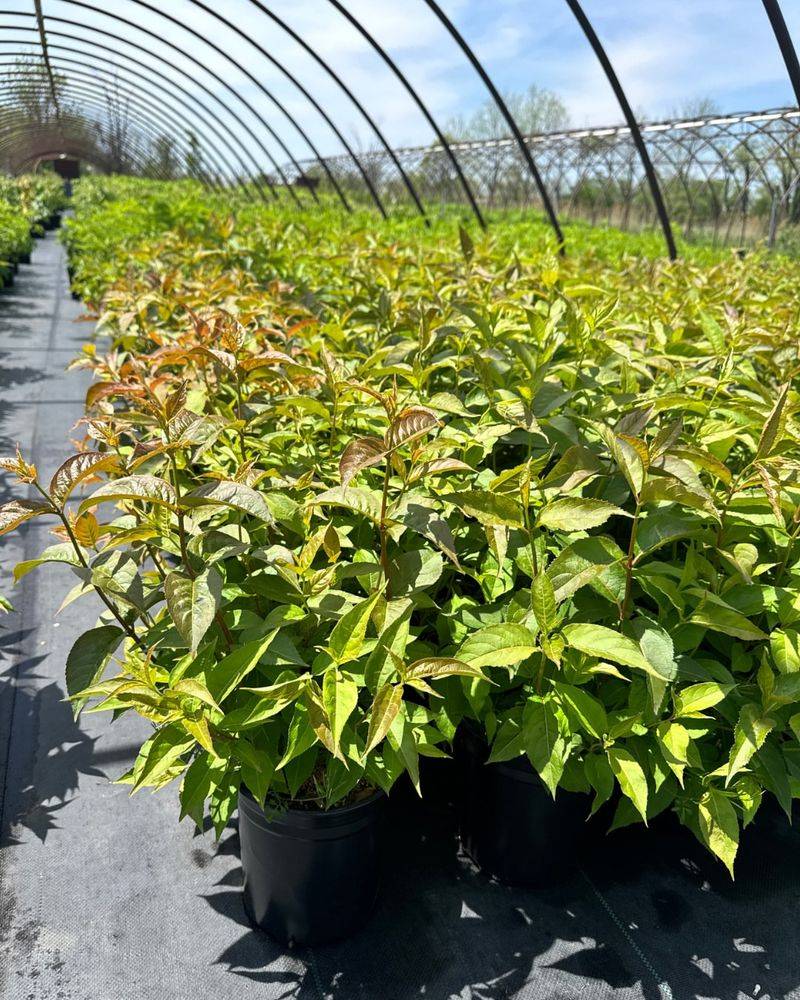
Not every corner of a Michigan yard gets ideal sun or has perfect garden soil, and that is exactly where Diervilla lonicera starts to shine. This shrub handles a surprisingly wide range of growing conditions without complaint.
It grows well in full sun, partial shade, and even fairly deep shade, which makes it one of the few flowering shrubs that works under tree canopies where most plants simply give up.
Soil flexibility is another strong point. Michigan yards often include heavy clay, compacted ground, or rocky patches left over from construction or natural glacial deposits.
Diervilla tolerates all of these conditions reasonably well. While it does appreciate decent drainage and will grow more vigorously in loamy or amended soil, it does not demand perfection.
Adding a few inches of compost at planting time helps it establish faster, especially in clay-heavy beds where water can pool.
For shadier spots, choose a planting location that still receives some dappled light during the day. Dense, unbroken shade will reduce flowering, but the foliage remains lush and the plant still spreads and provides ground coverage.
In sunnier areas, make sure the soil does not dry out completely during hot July and August stretches, particularly in the first two years after planting.
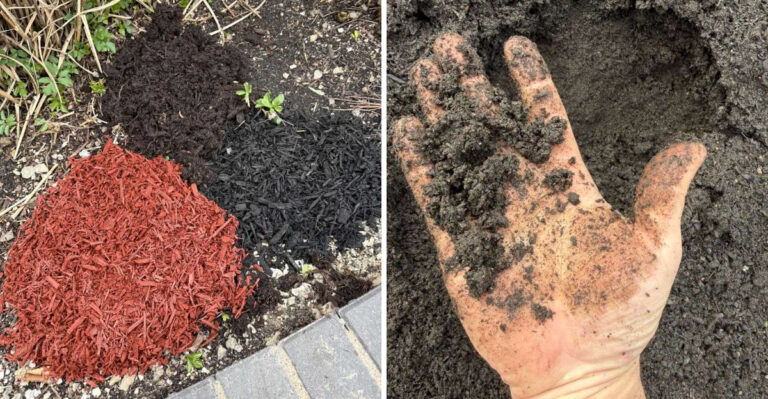
Mulching around the base with two to three inches of wood chips or shredded bark helps retain moisture, moderate soil temperature, and suppress weeds while the shrub establishes itself.
After that, Diervilla largely handles Michigan’s variable climate on its own terms.
4. Deer-Resistant Foliage
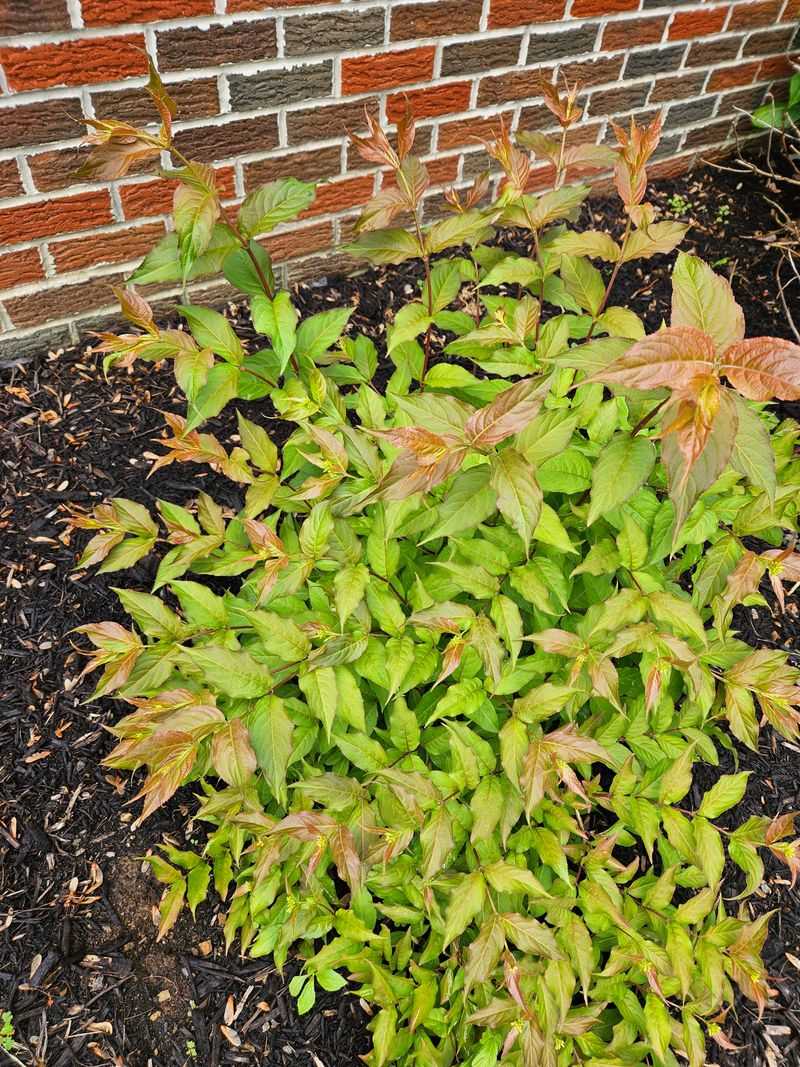
Anyone who gardens in Michigan near wooded areas knows the frustration of planting something beautiful only to find it browsed down to stubs by morning.
Deer pressure is a real challenge across much of the state, and choosing plants that deer tend to avoid is one of the smartest things a gardener can do.
Northern Bush Honeysuckle earns a solid reputation as a deer-resistant shrub, making it a reliable option for yards bordering forests, meadows, or open fields where deer traffic is common.
The foliage of Diervilla lonicera has a slightly bitter quality that deer generally find unappealing.
While no plant is completely deer-proof under every condition, especially during harsh winters when food becomes scarce, Diervilla holds up far better than many ornamental shrubs that deer target regularly.
Hostas, arborvitae, and many rose varieties get browsed heavily, but Northern Bush Honeysuckle tends to be left alone.
Placement matters when deer pressure is high. Planting Diervilla in front of more vulnerable plants can create a natural buffer that discourages browsing deeper into a garden bed.
Along property edges, fence lines, or the borders of wooded areas, it works well as a first line of defense while also providing ecological benefits for pollinators and soil stability.
For homeowners who have given up on shrubs in certain parts of the yard because of deer, Diervilla lonicera offers a genuinely refreshing option. It fills space, looks great, and stands a much better chance of surviving the season intact than many alternatives.
5. Attracts Pollinators
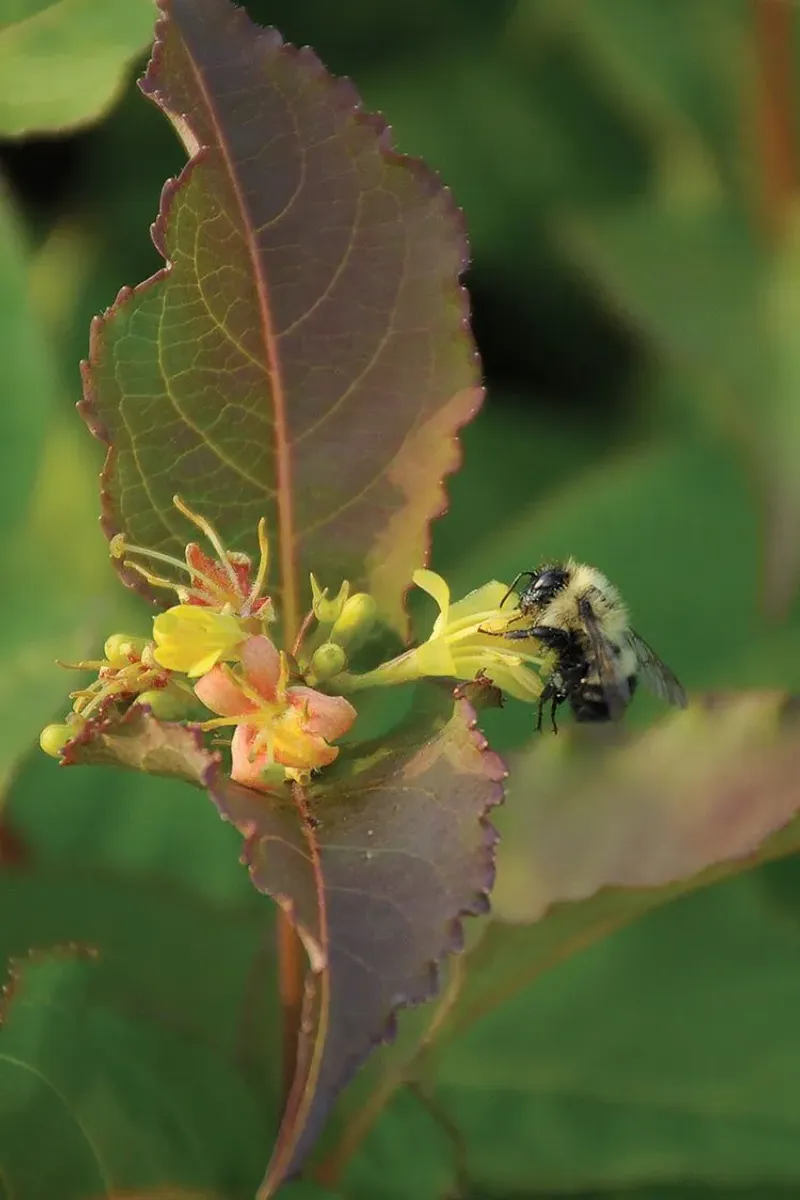
There is something genuinely exciting about watching a shrub buzz with activity on a warm July morning.
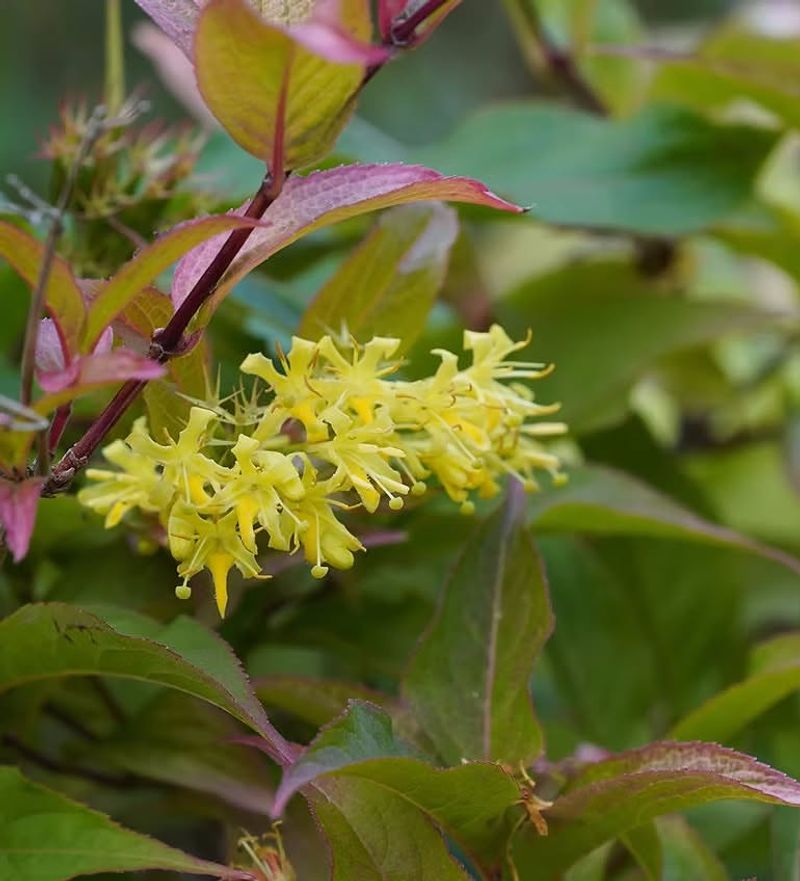
Northern Bush Honeysuckle produces clusters of small, tubular yellow flowers throughout the summer, typically peaking from late June through August in Michigan.
Those flowers are a magnet for native bees, bumblebees, butterflies, and a range of other beneficial insects that play a critical role in garden and ecosystem health.
The flower shape is particularly well-suited for bumblebees, which are strong enough to access the nectar efficiently.
Native sweat bees and small carpenter bees also visit regularly, making Diervilla a valuable addition to any pollinator-friendly planting plan.
Unlike some ornamental shrubs that look good but offer little for insects, this one provides real food value during the peak summer foraging season.
To maximize pollinator access, plant Diervilla lonicera in groupings rather than as isolated specimens.
A cluster of three or more shrubs creates a larger visual target for pollinators flying through the landscape and produces enough flowers to sustain insect activity over several weeks.
Pairing it with other native bloomers like coneflowers, black-eyed Susans, or wild bergamot extends the bloom window and keeps pollinators returning to that area of the garden throughout the season.
Avoid planting near areas where pesticides are applied regularly, since chemical exposure reduces the benefit of even the most pollinator-friendly plants.
Letting Diervilla grow naturally, without heavy pruning during bloom time, ensures the flowers remain accessible and productive for the insects that depend on them most.
6. Erosion Control
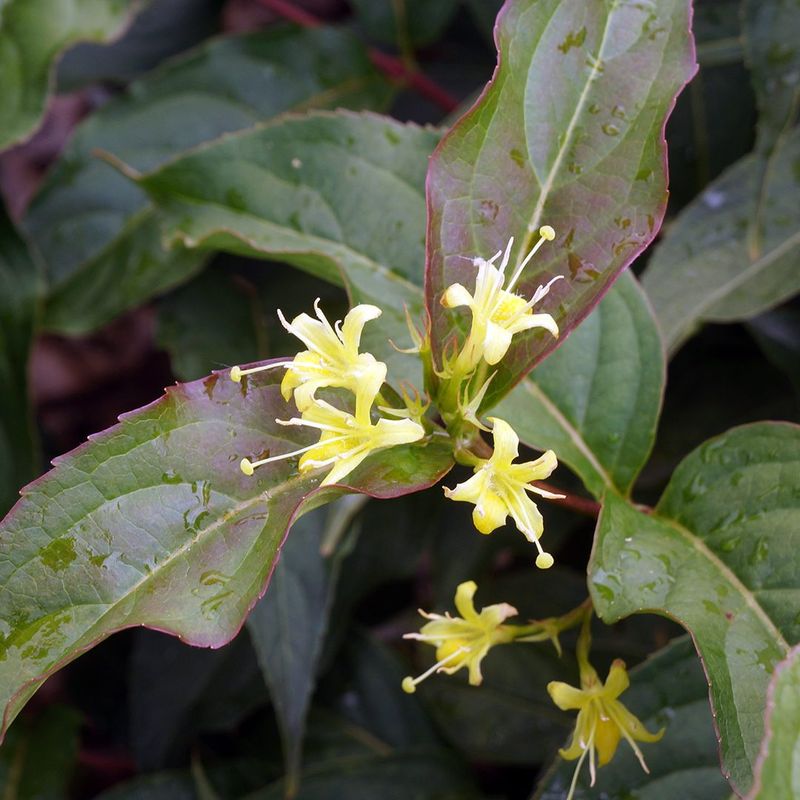
Slopes are one of the most challenging spots in any Michigan yard. Grass struggles to establish on steep grades, mulch washes downhill after every rain, and bare soil erodes steadily until something steps in to hold it together.
Northern Bush Honeysuckle is one of the most practical native solutions for exactly this kind of problem. Its rooting stems create a spreading mat of connected plants that anchors soil effectively, even on moderately steep inclines.
The way it works is straightforward. As Diervilla’s arching stems touch the ground, they root and produce new shoots.
Over time, those interconnected plants form a dense web of roots that holds soil in place during heavy rain events, which Michigan sees regularly from spring through early fall.
Unlike annual ground covers that need replanting, Diervilla persists and expands year after year, building stronger erosion control as the colony grows.
For best results on slopes, plant young shrubs at a spacing of about three feet apart and allow them to spread naturally. On steeper grades, you can encourage faster coverage by manually pinning a few arching stems to the soil surface with garden staples.
Within one to two seasons, the gaps between plants will fill in considerably.
Combining Diervilla with native grasses or sedges on particularly steep slopes adds another layer of root density and improves overall stability.
The shrub works well along drainage swales, road edges, and embankments where conventional lawn maintenance is impractical.
For homeowners dealing with erosion problems, it is one of the most sensible and ecologically sound choices available.
7. Low Maintenance Once Established
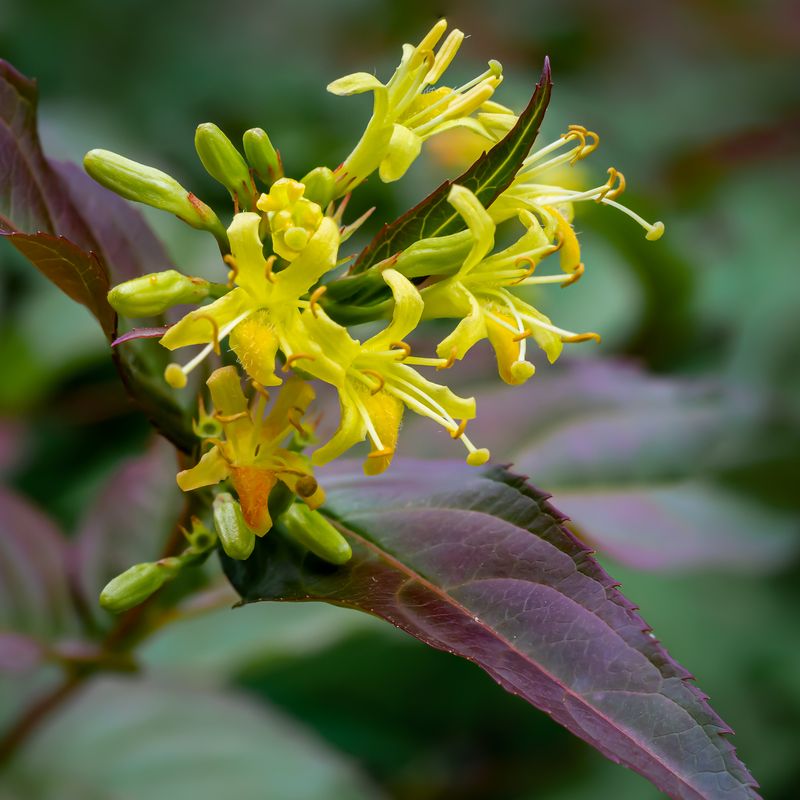
Some plants demand constant attention, and some just grow. Northern Bush Honeysuckle firmly belongs in the second category.
Once it establishes itself in your yard, typically within the first two growing seasons, it requires remarkably little ongoing care. No fertilizing schedule, no weekly watering routine, and no complicated pruning program.
For busy Michigan homeowners who want a beautiful, functional landscape without a heavy maintenance commitment, Diervilla lonicera is hard to beat.
Pruning, when needed at all, is simple. Every two to three years, you can cut the entire shrub back by about one-third in early spring before new growth emerges.
This encourages fresh, vigorous stems and keeps the plant looking tidy rather than woody and overgrown.
Because Diervilla blooms on new growth, a light spring trim actually improves flower production rather than reducing it. There is no complicated timing to worry about.
Occasional thinning helps if the colony becomes denser than you want in a particular area. Simply cut unwanted stems at the base or dig up rooted sections and transplant them elsewhere in the yard.
The plant responds well to this kind of management without losing vigor or slowing its overall growth.
Because Diervilla lonicera is native to Michigan, it is already adapted to the state’s cold winters, variable springs, and summer heat. It does not need winter protection, soil amendments year after year, or specialized care products.
That native resilience is what makes it genuinely low maintenance in a way that non-native ornamentals rarely achieve, even with significant effort and resources.
8. Seasonal Interest
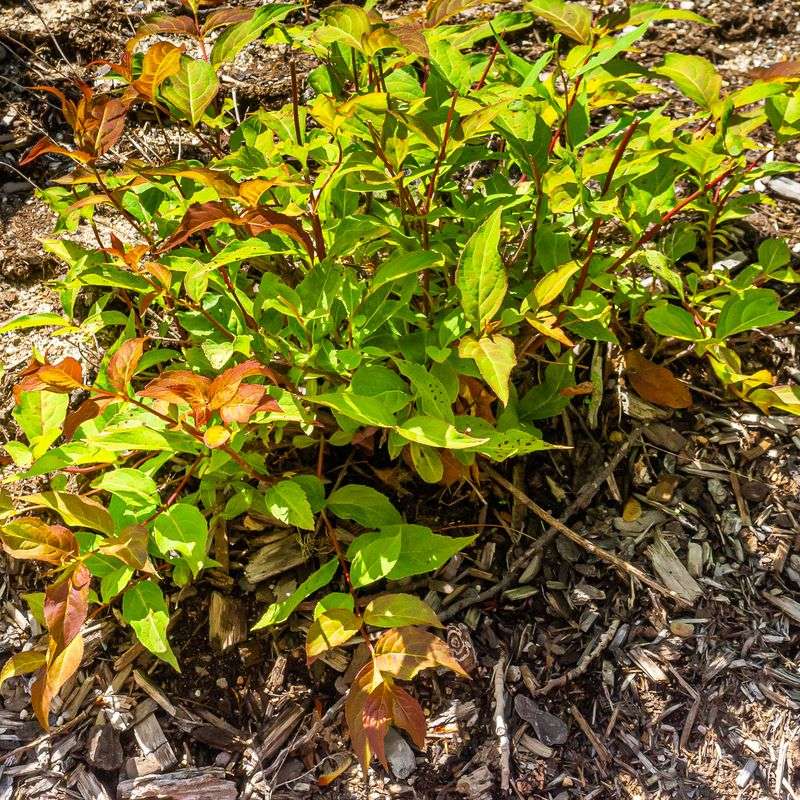
A shrub that looks interesting for only two weeks out of the year is hard to justify in a thoughtfully designed garden. Northern Bush Honeysuckle earns its space by delivering something worth noticing across nearly every season of the Michigan growing year.
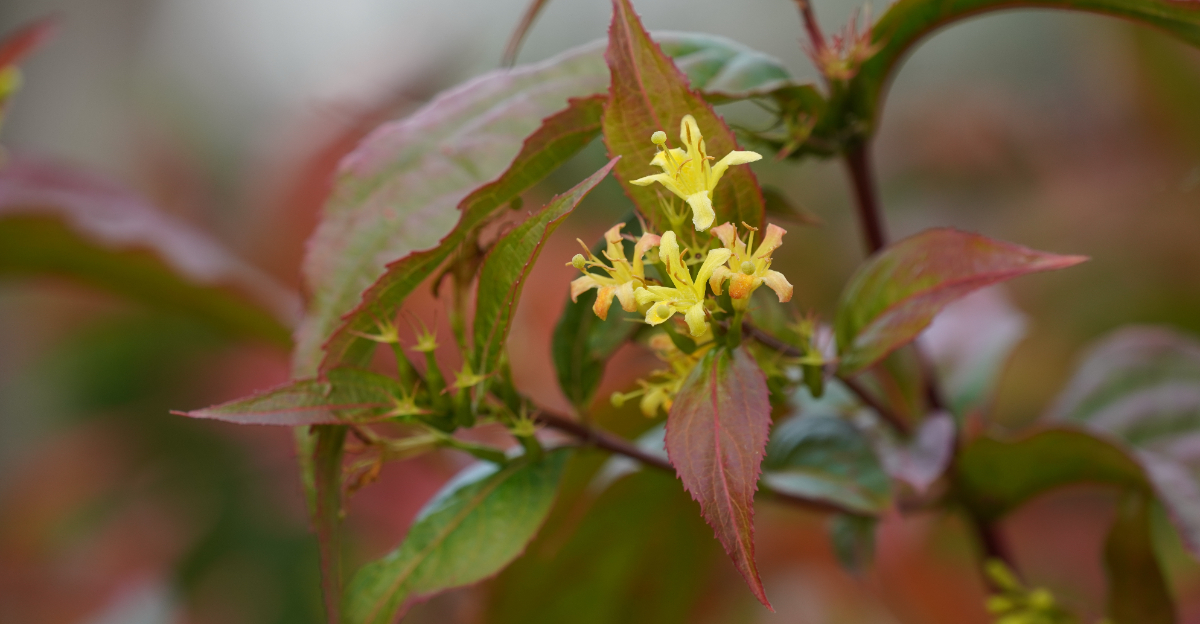
From early summer flowers to fall foliage that shifts into warm red and orange tones, Diervilla lonicera carries visual interest well beyond a single peak moment.
The yellow flowers appear in clusters from late June through August, brightening shaded spots and drawing pollinators throughout the warmest months.
As summer transitions into early fall, the spent flowers give way to small, elongated seed capsules that add subtle texture to the plant without looking untidy.
Birds occasionally visit to investigate the seed heads, adding another layer of wildlife activity to the garden.
Fall color is one of Diervilla’s most underappreciated qualities. The foliage, which stays a clean green through summer, shifts to shades of red, burgundy, and orange as temperatures drop in September and October.
In a Michigan fall landscape dominated by larger trees, this low shrub adds a warm splash of color at ground level that complements the broader seasonal display nicely.
Growth rate expectations matter here. In its first year, Diervilla focuses on root development rather than dramatic above-ground expansion.
By years two and three, coverage increases noticeably, and by year four or five, a well-placed grouping can create a dense, multi-season display that anchors a garden bed with both beauty and ecological purpose throughout the entire growing season.