June Is Turning Kentucky Lawns Brown And The Fix Is Simpler Than You Think
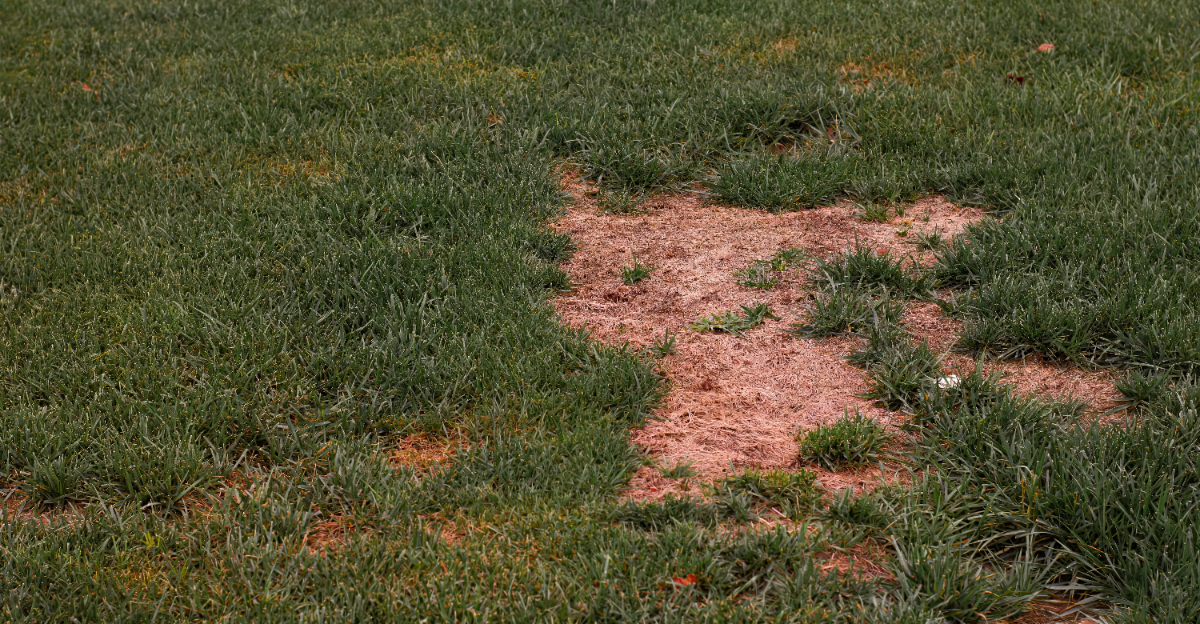
May was kind to your lawn. June is not. If your yard is fading from green to a dull, straw-like brown, you are not imagining it and you are definitely not alone.
Kentucky summers have a way of humbling even the most dedicated homeowners, and June is usually where it starts.
The grass types growing across most Kentucky yards are cool-season varieties. They thrive in spring and fall and quietly suffer when temperatures climb past 85°F.
By mid-June, that suffering becomes visible. Brown patches spread, the blades go limp, and suddenly your yard looks like something gave up.
But here is the thing, most of what is hurting your lawn right now is fixable. Some of it is already happening underground, and catching it early makes all the difference.
Stick around, because what comes next might change how you think about summer lawn care entirely.
Why Is June The Hardest Month For Kentucky Grass
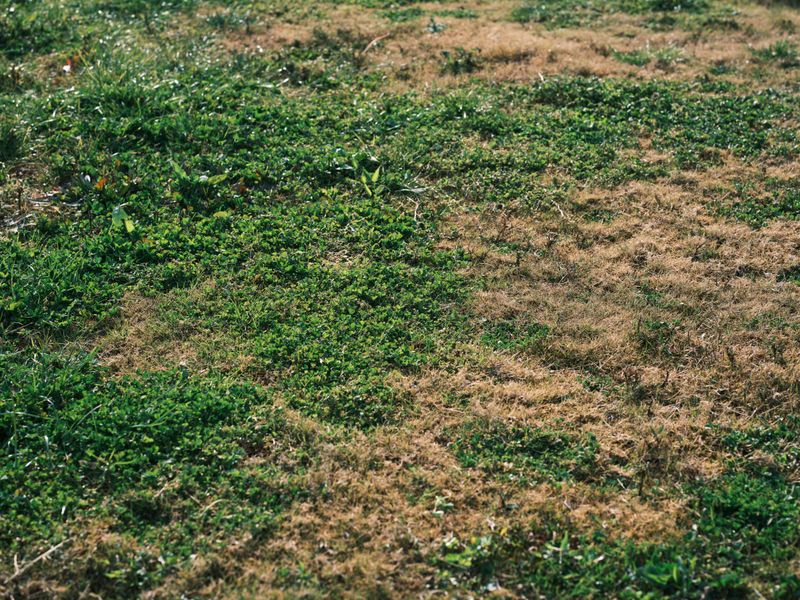
June feels like a betrayal for Kentucky homeowners. Your grass was thriving just weeks ago, and now it looks like it gave up entirely.
Most grass in Kentucky is cool-season turf, like tall fescue or bluegrass. These varieties love temperatures between 60 and 75 degrees Fahrenheit.
Once June pushes daytime temps past 85, the grass hits a wall. Growth slows down, root activity drops, and the blades start losing moisture faster than they can absorb it.
This isn’t a disease or a pest problem in most cases. It’s a natural stress response built into the grass itself.
Think of it like how you feel after working outside all afternoon in 90-degree heat. Your body slows down to protect itself, and grass does the same thing.
The scientific term is summer dormancy, but you don’t need the fancy label to understand what’s happening. Your lawn is essentially hitting pause to survive.
The tricky part is that dormancy and permanent damage look almost identical from the surface. Knowing the difference saves you from making expensive mistakes.
June also brings unpredictable rain patterns across the state. One week might bring heavy storms, and the next two weeks could be completely dry.
That inconsistency is brutal for cool-season grass trying to stay stable. Roots can’t build resilience when moisture swings wildly week to week.
Understanding this seasonal pressure is the foundation for every fix that comes later. Your lawn isn’t failing you; June is just the toughest test it faces all year.
Brown Lawns In Kentucky Have More Than One Cause
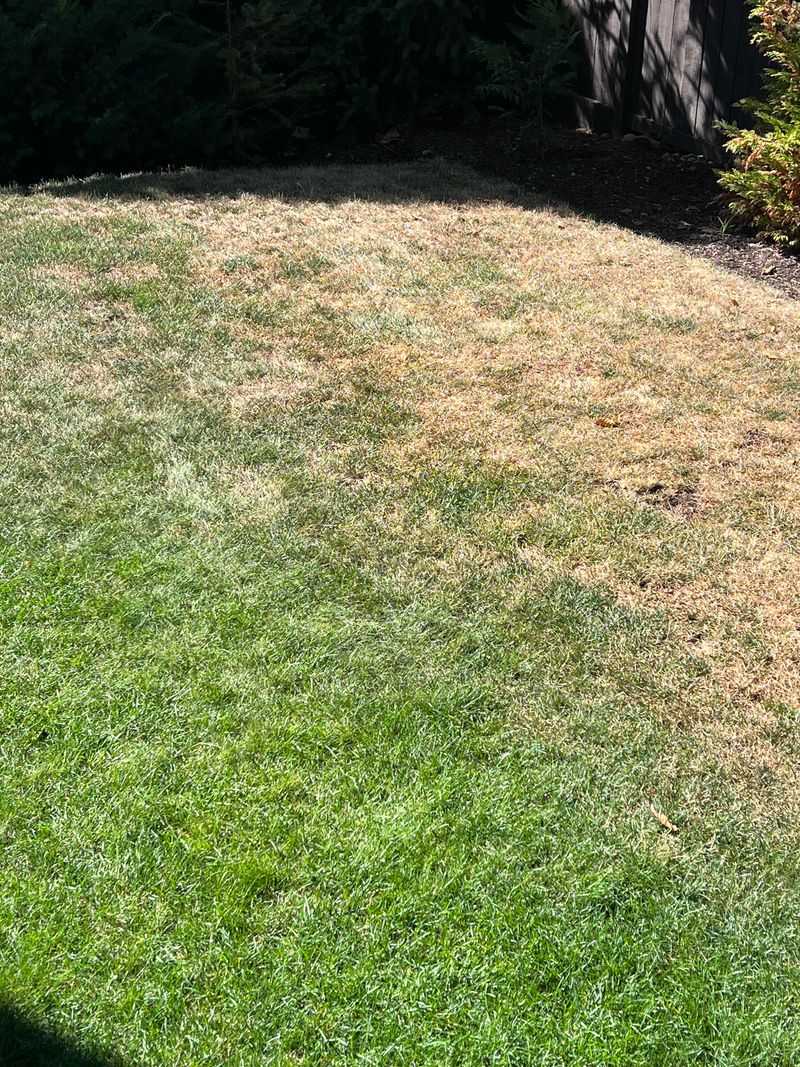
Not every brown patch tells the same story. Some patches mean drought stress, others mean something entirely different is going on underground.
Soil compaction is one of the sneakiest culprits in Kentucky yards. When soil gets packed too tight, roots can’t breathe or pull in water effectively.
Compacted ground turns water away like a parking lot during rain. The moisture runs off instead of soaking down where the roots actually need it.
Fungal issues are another major cause that often gets misread as drought. Brown patch disease, for example, creates circular tan spots with darker borders.
Your Kentucky Garden Changes Every Week. Your Plan Should Too.
Gardening in Kentucky changes quickly throughout the season. Every Friday you’ll receive a simple weekly plan showing exactly what to plant, prune, fertilize, harvest, and protect so you never miss the right timing.
If your brown areas have a distinct ring pattern, you’re likely dealing with a fungal problem rather than pure heat stress. Treating drought symptoms on a fungal lawn makes things worse, not better.
Grub damage from beetle larvae is a third possible cause. These insects feed on grass roots just below the surface during summer months.
A simple tug test reveals grub damage quickly. If the brown turf lifts up like loose carpet, grubs have probably been eating the roots underneath.
Thatch buildup can also choke your lawn from the top down. A thick layer of old organic material blocks water and air from reaching the soil.
Knowing which problem you’re facing is critical before spending money on any fix. Walk your yard slowly and look for patterns, textures, and shapes in the brown areas.
Each cause has its own solution, and guessing wrong wastes both time and money. A little detective work upfront saves a lot of frustration later.
Heat And Drought Stress Show Up Fast In Kentucky Yards
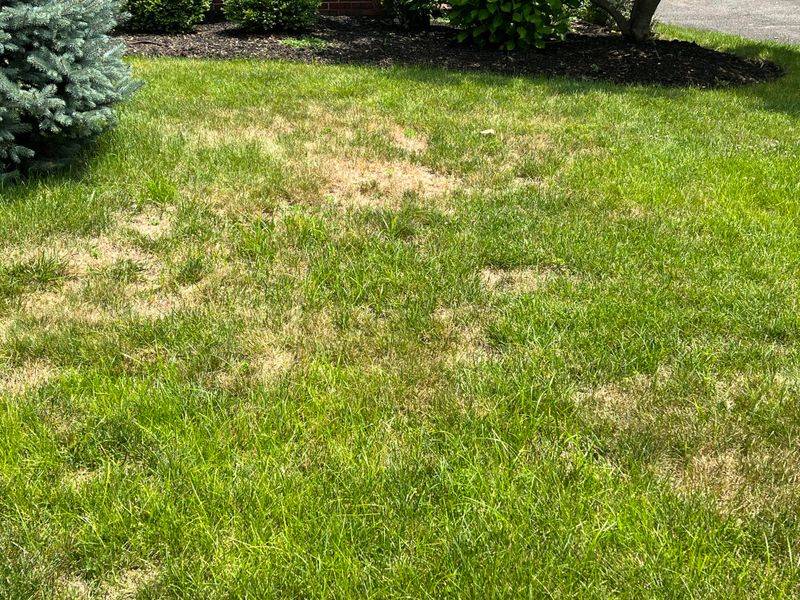
Grass sends you signals before it fully turns brown. Learning to read those early signs can save your lawn before serious damage sets in.
One of the first signs of heat stress is a blue-gray tint across the turf. Normally green blades start to look dull and slightly silvery when they’re losing moisture fast.
Footprints that stay visible for more than a few seconds are another early warning. Healthy grass springs back quickly after you walk on it.
When blades stay flattened after foot traffic, the plant doesn’t have enough water pressure in its cells to recover. That’s your cue to act before the browning begins.
Drought stress in Kentucky can escalate within just a few days during a heat wave. Tall fescue roots don’t run as deep as those of drought-tolerant grasses, leaving less access to deeper soil moisture.
This makes Kentucky lawns especially vulnerable during any stretch without rain.
The afternoon hours between 1 and 5 p.m. are the most damaging time of day for stressed turf. Solar radiation peaks then, and soil surface temperatures can reach 120 degrees or higher on dry, exposed ground.
Avoiding foot traffic on stressed grass during peak heat hours helps reduce additional damage. Even mowing during that window can set back a struggling lawn significantly.
Heat and drought stress are often the easiest problems to fix once you spot them early. Consistent moisture at the right time of day makes a bigger difference than any product you can buy.
Common Watering Mistakes Make Brown Patches Worse
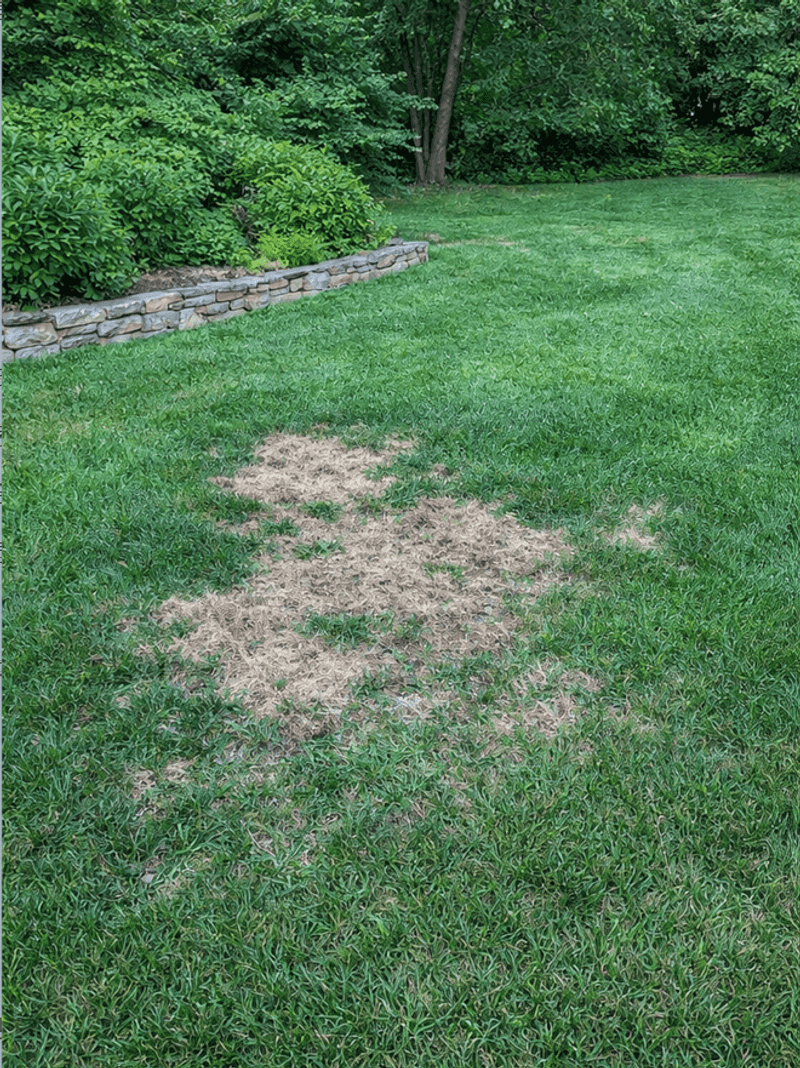
Watering your lawn every day sounds responsible, but it can actually cause more harm than good. Frequent shallow watering trains roots to stay near the surface.
Surface roots are the first to suffer when heat spikes. They have no depth to draw from when the top inch of soil bakes dry.
The better approach is deep, infrequent watering that pushes moisture down several inches. This encourages roots to follow water deeper into the soil profile.
Watering in the middle of the day is another mistake that costs you results. Most of the moisture evaporates before it ever reaches the root zone.
Early morning watering, between 5 and 9 a.m., gives water time to soak in before heat ramps up. It also reduces the risk of fungal growth that comes with wet grass overnight.
Evening watering leaves blades damp for too many hours in the dark. That moist environment can increase the risk of fungal spores spreading and taking hold.
Overwatering is just as damaging as underwatering for cool-season grass. Soggy soil pushes oxygen out and creates conditions where root rot can develop fast.
A simple screwdriver test tells you if your soil has enough moisture. Push a six-inch screwdriver into the ground; if it slides in easily, you’re in good shape.
Fixing your watering schedule costs nothing and often produces visible results within a week. It’s one of the highest-impact changes any homeowner can make this summer.
Healthy Kentucky Grass Has Specific Summer Needs
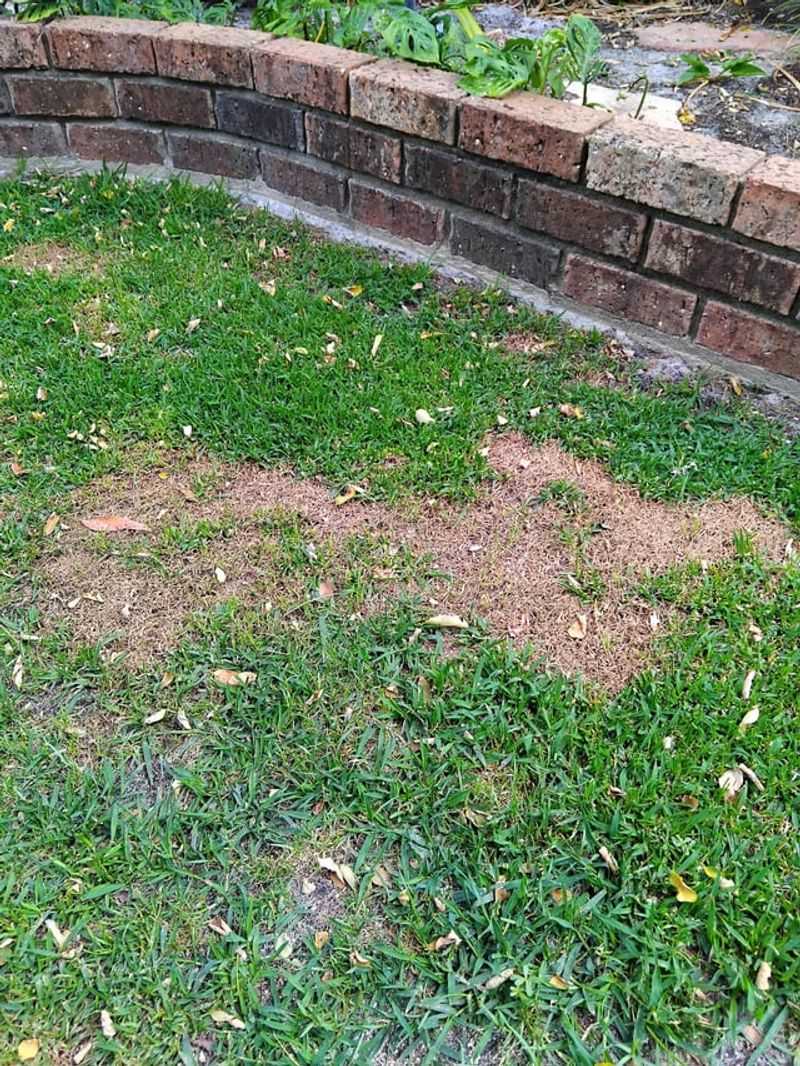
Keeping grass healthy through June takes more than just water. Mowing height, fertilizer timing, and soil health all play major roles in summer survival.
One of the biggest mistakes Kentucky homeowners make is cutting grass too short in summer. Taller blades shade the soil, which keeps ground temperatures lower and slows moisture loss.
Set your mower to cut at 3.5 to 4 inches during summer months. Shorter cuts stress the plant and expose soil to direct sun, making everything worse fast.
Never remove more than one-third of the blade in a single mowing session. That rule keeps the plant from going into shock after each cut.
Fertilizing during peak summer heat is another common error. Nitrogen-heavy fertilizers push new growth that the plant can’t sustain when it’s already under stress.
Hold off on fertilizing cool-season grass until September when temps begin to drop. Fall feeding supports root development during the recovery season after summer stress.
Soil pH matters more than most homeowners realize. Kentucky soils tend toward acidity, and grass struggles to absorb nutrients when pH falls too low.
A basic soil test from your local extension office costs almost nothing and gives you a clear picture. Lime applications can correct pH issues and unlock nutrients already present in the soil.
Healthy grass going into summer is far easier to maintain than stressed grass you’re trying to rescue. A little preparation in spring pays off in a big way by June.
Simple Steps Bring Your Lawn Back Before Summer Peaks
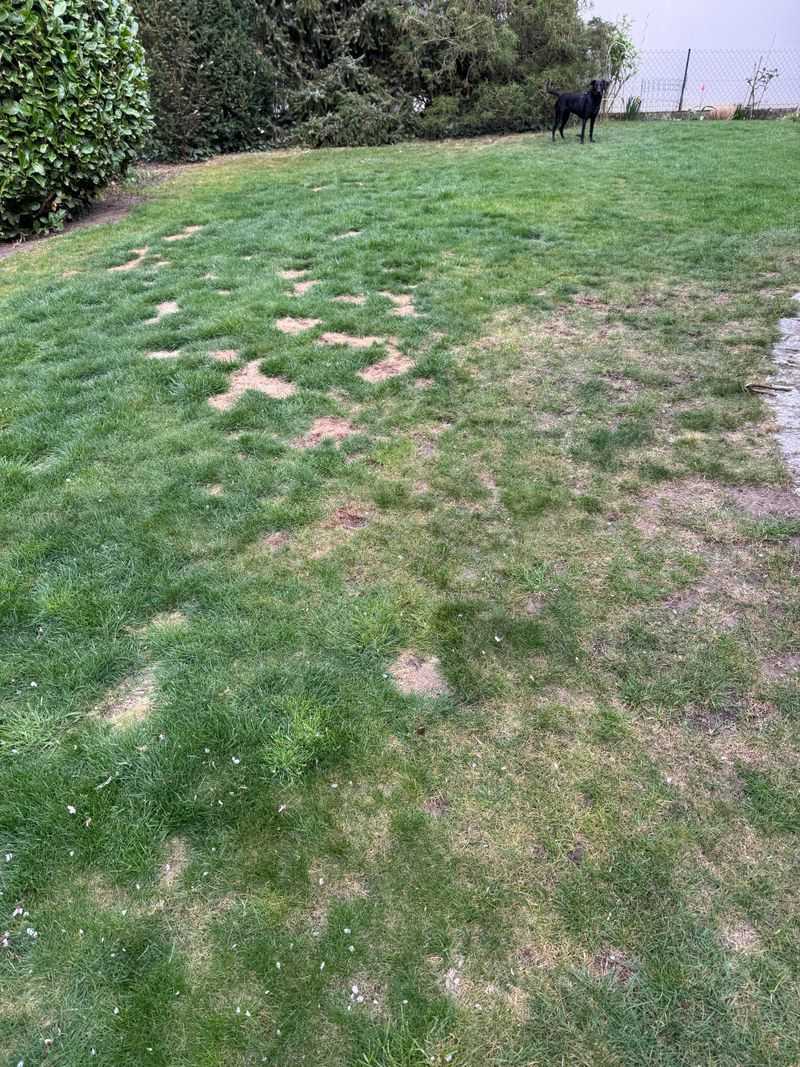
Recovery is very much possible, even after your lawn looks completely fried. The key is acting before the hottest weeks of July arrive.
Start by identifying the cause of browning using the detective approach from earlier sections. Treating the right problem makes every other step more effective.
If drought stress is the main issue, shift to deep watering three times per week. Apply about one inch of water per session, measured with a small container placed in the spray zone.
Aeration is a powerful tool for compacted soils that are blocking moisture. A core aerator pulls small plugs from the ground and opens channels for water and oxygen.
Renting an aerator for a weekend is relatively affordable at most hardware stores, though prices vary by location. That single afternoon of work can dramatically improve how well your lawn absorbs water going forward.
Overseeding thin or bare spots in late August sets up a strong fall recovery. Fresh seed needs cooler temps to germinate well, so timing matters a great deal.
Spot-treating fungal areas with a labeled fungicide stops the spread before it takes over more turf. Always follow label directions and avoid applying during extreme heat.
Grub damage requires a targeted grub control product applied in early summer. Waiting too long reduces effectiveness since larvae grow harder to reach as the season progresses.
June is turning Kentucky lawns brown across the state, but the fixes are within reach for any homeowner. A consistent, informed approach gets you back to green faster than you’d expect.