What It Means When Box Elder Bugs Appear Around Your Indiana Home
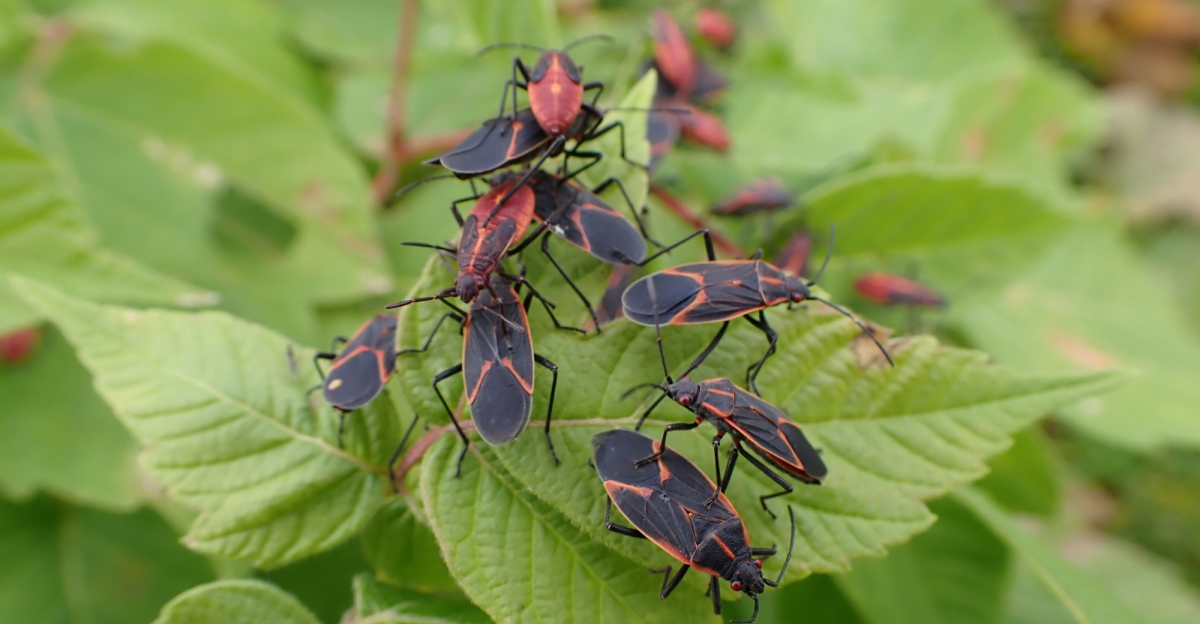
Nobody notices the first one. By the time you register what you are looking at, there are already fifty. Then two hundred.
Box elder bugs do not sneak up on Indiana homes exactly, but they accumulate faster than most people expect. A single warm wall becomes a congregation point.
It grows by the hour. These insects are mostly harmless. No bites, no structural concerns, nothing that threatens your health.
But they do find their way inside. They leave faint stains on fabrics and surfaces. And they have a way of signaling to next year’s population that your home is worth returning to. That is the part most people miss.
Their arrival each fall is less of an intrusion and more of a signal. Something specific about your property is drawing them in, and it plays out the same way every single year.
Indiana homeowners who recognize that pattern early are the ones who actually break the cycle.
They Are Looking For Warmth And Shelter In Your Indiana Home

Hundreds of bugs on your wall is not a coincidence. When box elder bugs appear around your Indiana home in large numbers, they are sending one clear signal: winter is coming, and they want in.
As temperatures drop in the fall, these insects instinctively search for warm spots to ride out the cold. Your home, especially sun-facing walls, is basically a giant heat magnet to them.
They press against warm siding, bricks, and window frames to absorb heat. They are not aggressive, and they do not bite. But their goal is to squeeze into tiny cracks and hibernate inside your walls until spring.
This behavior is called overwintering, and it is completely natural for this species. The problem is that your home becomes their chosen hotel, often without your permission.
Once inside, they stay dormant through the coldest months. When warmth returns, they wake up confused and start wandering through your living spaces.
Seeing them indoors in February is a direct result of what happened on your exterior walls back in October.
Stopping them at the source, before they find a way inside, is one of the most effective steps any homeowner can take when box elder bugs show up on the scene.
The Box Elder Bug Life Cycle And Why Indiana Attracts Them
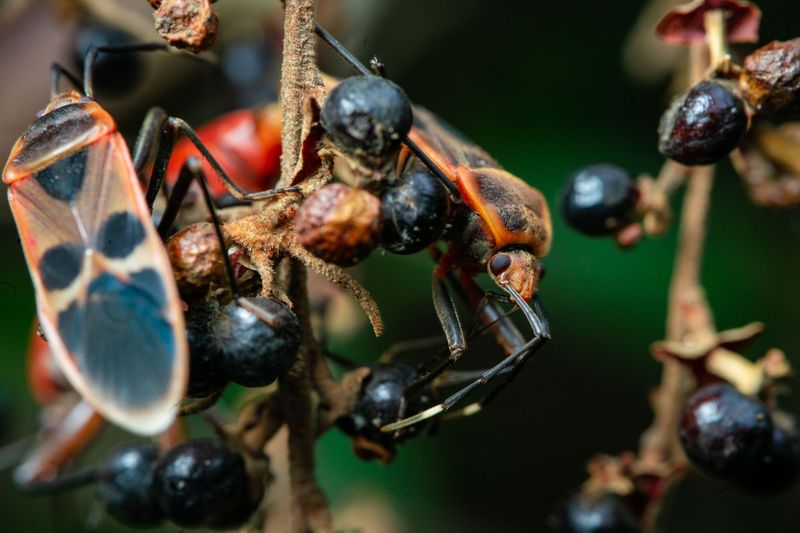
Box elder bugs have a surprisingly predictable rhythm. Understanding their life cycle explains exactly why your Indiana yard seems to attract them season after season.
Adults wait out the winter tucked inside walls, wood piles, and leaf litter. When spring arrives, they emerge and head straight for box elder trees, their primary food source.
Females lay eggs in the bark and leaves of these trees starting in mid-summer. Those eggs hatch into bright red nymphs that feed heavily through the summer months.
By late summer, a new generation of adults is fully formed and ready to eat. They feast on box elder seeds, maple trees, and sometimes fruit, building up energy reserves for the cold ahead.
Your Indiana Garden Changes Every Week. Your Plan Should Too.
Gardening in Indiana changes quickly throughout the season. Every Friday you’ll receive a simple weekly plan showing exactly what to plant, prune, fertilize, harvest, and protect so you never miss the right timing.
Indiana is practically a paradise for this species. The state is full of box elder trees, which grow naturally along rivers, streams, and in residential neighborhoods throughout the region.
Combine that with Indiana’s distinct four seasons and you have the perfect environment for box elder bugs to thrive year after year.
Each fall, the cycle resets, and a fresh wave of adults goes looking for a warm place to spend the winter. Your home just happens to be exactly what they are searching for.
Common Entry Points Box Elder Bugs Use To Get Inside
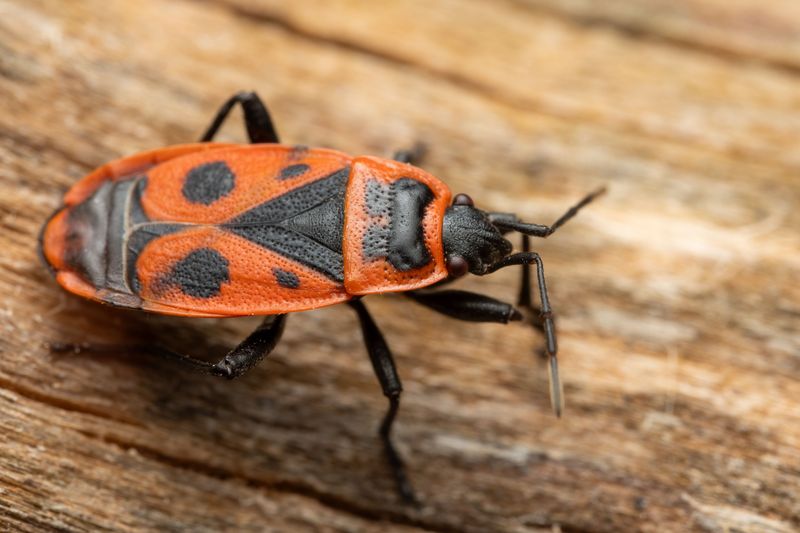
These bugs are small, flat, and surprisingly clever about finding gaps. A crack you would barely notice with your eyes is basically a welcome mat for a box elder bug.
Window frames are among the most common entry points. Old or dried-out caulking creates gaps that are easy for these insects to slip through without any effort.
Door frames are another favorite spot, especially where the frame meets the siding. Even a tiny separation can let dozens of bugs inside over the course of a single afternoon.
Utility penetrations are often overlooked by homeowners. Pipes, cables, and wires that pass through exterior walls leave small openings that bugs exploit with ease.
Roof soffits and fascia boards can also develop gaps over time, especially on older homes. Box elder bugs love high spots on a structure because warmth rises, making upper walls and rooflines especially appealing.
Garage doors are a surprisingly popular entry route as well. The rubber seal at the bottom wears out over time, leaving a gap wide enough for these flat-bodied insects to walk right through.
Doing a thorough inspection of your home’s exterior each September gives you a real advantage. Seal those gaps before the bugs arrive, and you cut off their access before they even get started.
The Nuisances Box Elder Bugs Can Cause If Left Unchecked

Let’s be honest: box elder bugs are not going to collapse your ceiling or chew through your wiring. But dismissing them as totally harmless would be a mistake worth avoiding.
Their most frustrating habit is leaving behind reddish-orange stains. When they are crushed or disturbed, their bodies release a pigment that can permanently mark curtains, upholstery, and painted walls.
Their excrement also leaves small reddish spots on surfaces. Over time, a large indoor population can create noticeable staining on light-colored walls, window sills, and fabric.
Outdoors, a heavy population feeding on your garden can cause minor damage to fruit crops. Apples, plums, and grapes are occasionally targeted when box elder tree seeds are not readily available nearby.
The bigger issue is often psychological. Walking into a room full of crawling insects is deeply unsettling, even if the bugs themselves pose no direct health risk to humans or pets.
Letting a small fall invasion go unaddressed can mean finding a noticeable number of bugs indoors once temperatures rise in spring.
Tackling the problem early keeps your home clean, comfortable, and free from those stubborn stains that are tough to remove later.
How To Spot A Box Elder Bug Infestation Early
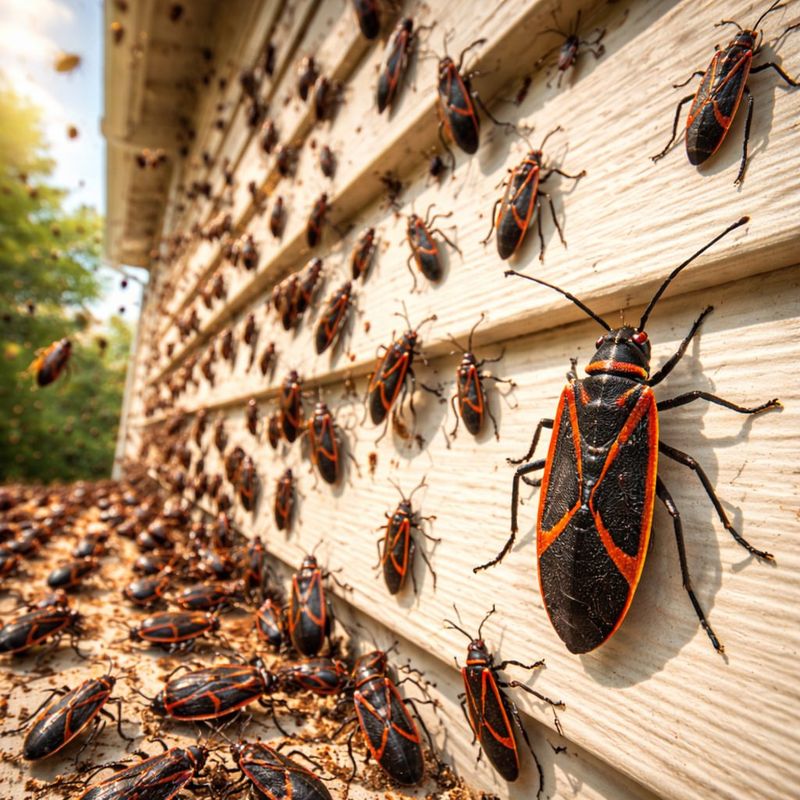
Catching a box elder bug problem early is mostly about knowing where to look. Most homeowners spot the signs without even realizing what they are seeing at first.
The earliest clue is usually a small cluster of bugs on a south or west-facing wall. These sides of the house get the most afternoon sun, making them prime gathering spots in early fall.
Look closely at window frames, door edges, and the corners where siding panels meet. Even ten or fifteen bugs in one spot is worth paying attention to right away.
Check nearby trees for signs of feeding activity. Wrinkled or discolored leaves on box elder or maple trees can indicate a population is already active and growing on your property.
Inside the home, early signs include a few bugs wandering near windows or on sunny interior walls. Finding one or two indoors in October suggests others have already found their way through the exterior.
Inspect your basement and attic as well. These quieter spaces are often where overwintering bugs settle in without being noticed until the population grows large enough to spill into living areas.
Spotting a box elder bug infestation in its early stages gives you a serious advantage. Act fast, and you can stop a handful of insects from becoming an overwhelming seasonal problem.
Effective Ways To Keep Box Elder Bugs Out Of Your Home
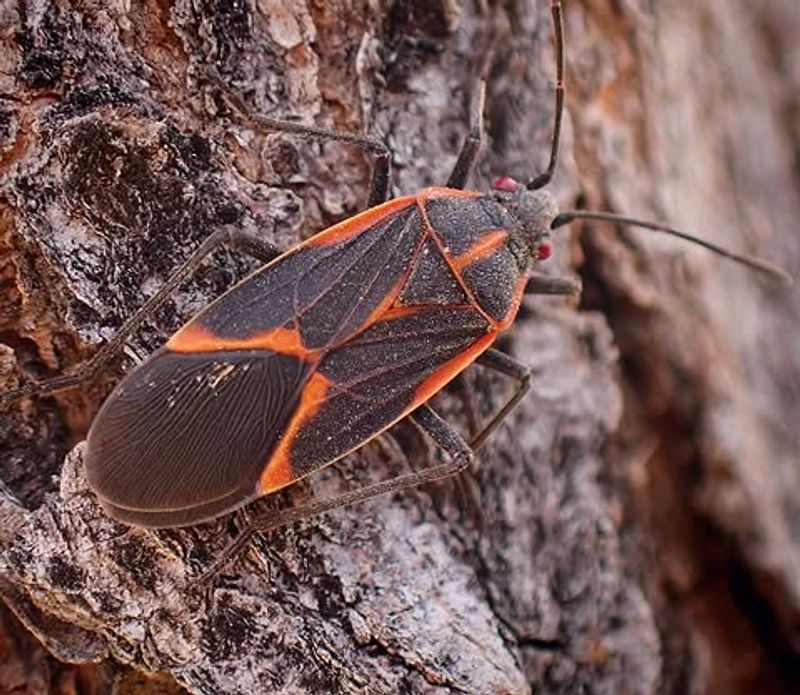
Good news: keeping box elder bugs out of your home is very achievable with the right approach. You do not need fancy equipment or expensive treatments to make a real difference.
Start with sealing. Walk the full perimeter of your home and apply fresh caulk around every window, door frame, and utility penetration you find. This one step blocks the most common entry routes.
Replace worn weatherstripping on all exterior doors. A tight seal at the bottom of each door eliminates one of the most frequently used bug highways into your living space.
Install or repair door sweeps on garage doors and basement entries. These inexpensive additions create a physical barrier that bugs simply cannot push past on their own. Consider removing or trimming box elder trees close to your home.
This can help reduce nearby populations, though keep in mind that box elder bugs can fly several miles to find a winter shelter, so results may vary depending on your neighborhood.
Vacuum up any bugs you find on exterior walls rather than crushing them. Crushing releases that staining pigment, while vacuuming removes them cleanly without leaving any marks behind.
A perimeter spray of a residual insecticide in early September can also help. Apply it around the foundation, window frames, and door edges before the bugs begin their annual migration toward warmth.
Staying consistent with these steps each fall gives you the best chance of keeping box elder bugs outside where they belong.
When To Call A Pest Control Professional In Indiana
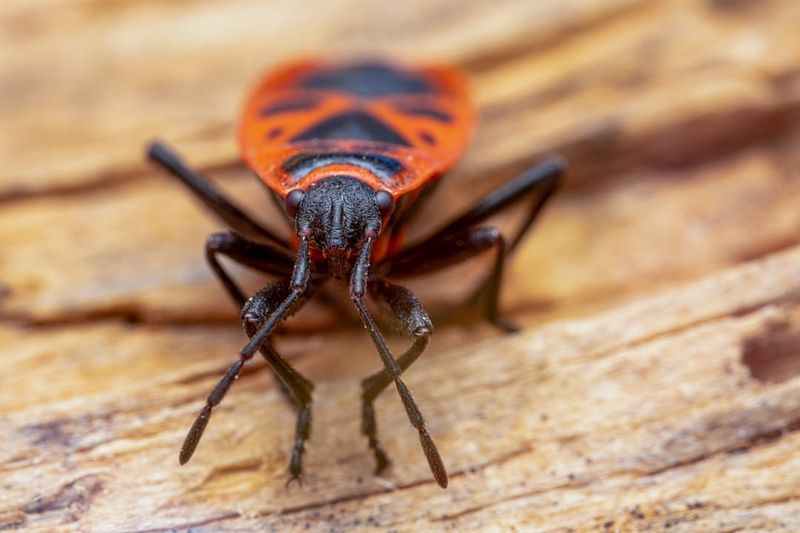
Sometimes the bugs win the first round, and that is completely okay. Knowing when a problem has grown beyond DIY solutions is a sign of smart homeownership, not defeat.
If you are finding large numbers of box elder bugs inside your home despite sealing efforts, a professional assessment is the right next move. A trained technician can identify hidden entry points you may have missed entirely.
Pest control professionals in Indiana have access to commercial-grade treatments that are significantly more effective than store-bought sprays. These products last longer and cover larger surface areas with better results.
If you have tried vacuuming, sealing, and perimeter sprays with little success, the bugs may have already settled into your wall voids for the season. That situation is often better handled by a professional.
Professionals can also treat box elder trees directly on your property, reducing the source population before it migrates toward your home each fall. This proactive approach makes each following season easier to manage.
Look for licensed pest control companies in Indiana with strong reviews and experience handling overwintering insects specifically. Not every company handles box elder bugs the same way, so ask direct questions before hiring.
When box elder bugs appear around your Indiana home in overwhelming numbers, a professional call is often the fastest path back to a comfortable, pest-free living space.