Maryland Native Plants Built For Both Soggy Springs And Dry Summers
Maryland does not do subtle when it comes to weather. Soggy spring soil can turn into cracked, thirsty ground by July, and most garden plants never adjust in time.
If you have babied a struggling perennial through that whiplash, you already know the drill: water, wait, watch it wilt anyway. Native plants skip that cycle entirely.
They spent thousands of years adapting to this exact push and pull between flood and drought, so a heavy April rain or a scorching August afternoon barely registers as a challenge.
Planting Maryland natives means fewer trips with the hose, fewer replacements each spring, and a yard that holds its shape no matter what the sky decides to do next. Consider this list as your shortcut to a garden that finally stops fighting the weather.
1. Switchgrass (Panicum Virgatum)
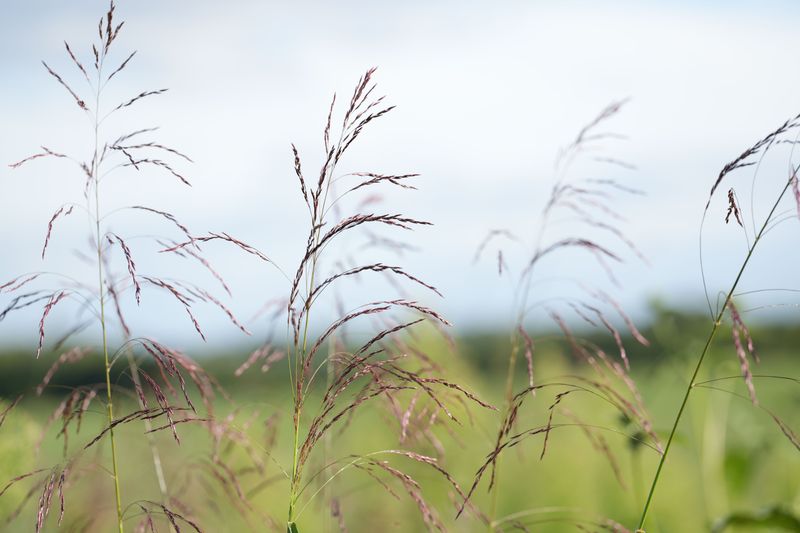
Switchgrass handles tough conditions with ease, standing tall through flooding rains and scorching dry spells alike.
This native grass is a true workhorse for Mid-Atlantic gardens. Its deep root system can reach six feet underground, pulling moisture from places most plants never touch.
In spring, Switchgrass handles soggy soil without rotting out. It keeps growing steadily while other plants sulk in waterlogged beds.
Come summer, those same deep roots anchor it through drought. You will not need to drag a hose out every evening just to keep it alive.
Switchgrass grows in clumps ranging from three to six feet tall. The feathery seed heads sway in the breeze, adding movement and texture to any planting bed.
Birds absolutely love the seeds that appear in fall. Goldfinches and sparrows treat a mature Switchgrass clump like a personal buffet.
It pairs beautifully with Black-Eyed Susans and native coneflowers. The contrast of fine grass texture against bold blooms creates a naturalistic look that feels polished.
Switchgrass also works as a privacy screen or windbreak along property edges. Plant it in masses for the biggest visual and ecological impact.
You can find it in several cultivars, including the popular Shenandoah with its red fall color. That seasonal color shift makes it a four-season plant worth every inch of garden space it takes up.
2. Swamp Milkweed (Asclepias Incarnata)
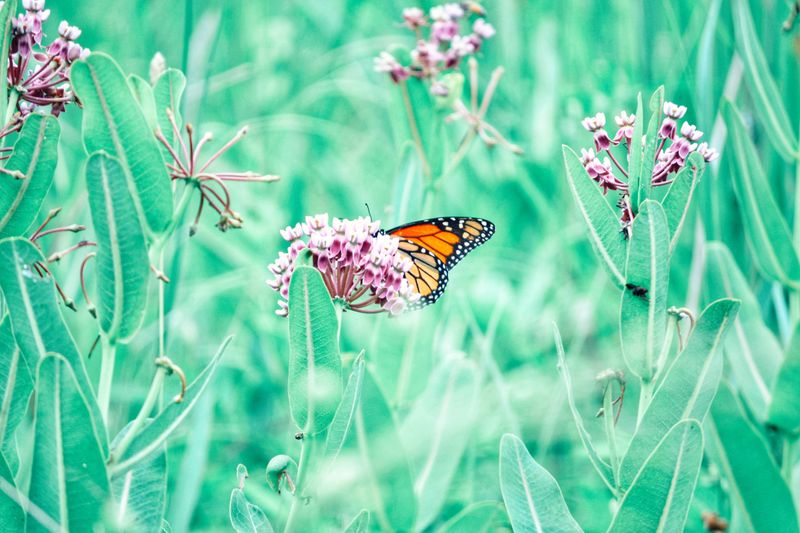
Monarch butterflies flock to this plant more than almost any other native bloom. Swamp Milkweed produces clusters of rosy-pink blooms that draw in monarchs and other pollinators all summer long.
Despite the name, Swamp Milkweed handles drier conditions better than most people expect. Once established, it tolerates summer drought without throwing a fit.
Its natural habitat includes stream banks and wet meadows across the Mid-Atlantic. That background means it genuinely shines in spots where water pools during spring rains.
The plant grows three to four feet tall with slender, upright stems. It fills vertical space in a garden without crowding out shorter neighbors below.
Blooms appear mid-summer and last for weeks. The sweet fragrance attracts not just monarchs but also swallowtails, fritillaries, and native bees.
After flowering, long seed pods form and split open in fall. The silky white seeds drift away on the wind in one of nature’s most satisfying shows.
Your Maryland Garden Changes Every Week. Your Plan Should Too.
Gardening in Maryland changes quickly throughout the season. Every Friday you’ll receive a simple weekly plan showing exactly what to plant, prune, fertilize, harvest, and protect so you never miss the right timing.
Swamp Milkweed grows best in full sun but tolerates partial shade. A spot near a rain garden or low-lying area suits it perfectly.
Unlike tropical milkweed sold at big-box stores, this native species goes dormant in winter. That natural cycle actually supports healthier monarch migration patterns.
Planting Swamp Milkweed is a meaningful way for any Maryland gardener to support local wildlife. Every bloom is a small act of conservation that makes a real difference in your backyard ecosystem.
3. Cardinal Flower (Lobelia Cardinalis)
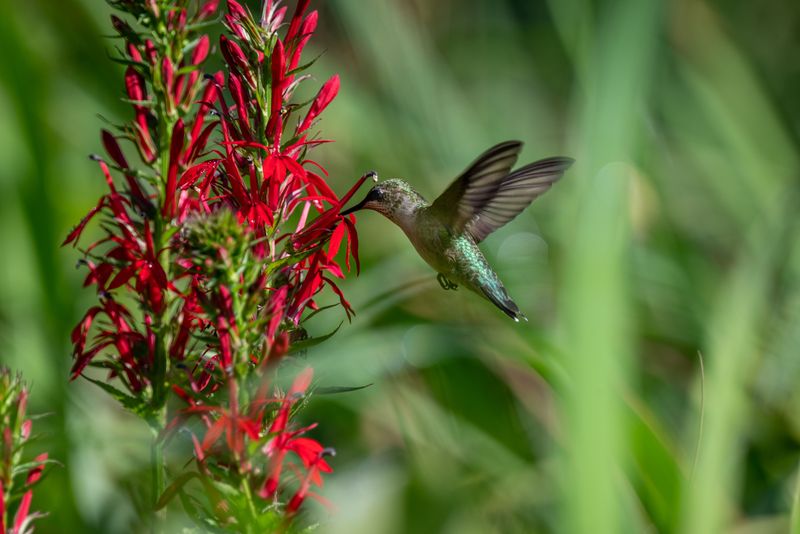
Imagine a flash of red so intense it stops a hummingbird mid-flight. That is exactly what Cardinal Flower does every summer in Maryland gardens.
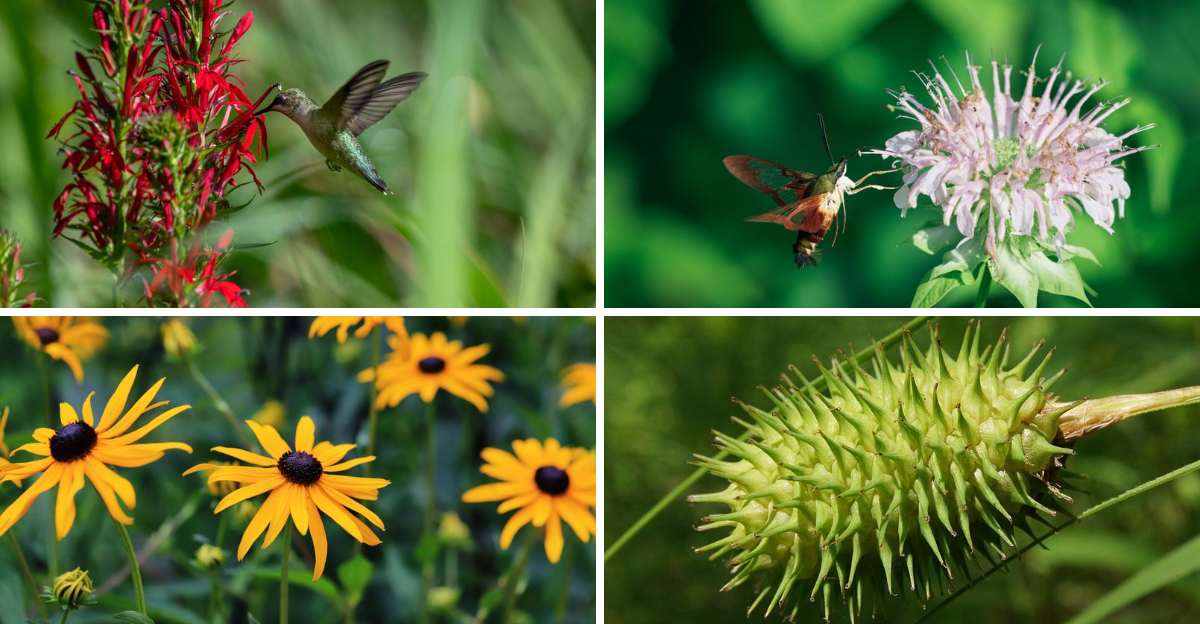
This native perennial produces tall spikes of scarlet blooms from July through September. Ruby-throated hummingbirds are its primary pollinators, and they will visit your yard repeatedly once they find it.
Cardinal Flower naturally grows along stream banks and wet woodland edges. It handles standing water and saturated spring soils with no trouble.
During summer, it prefers consistent moisture but manages short dry periods once roots are established. A layer of mulch around the base helps retain soil moisture during hot spells.
Plants grow two to four feet tall and prefer full sun to partial shade, though a little afternoon shade helps in hot spells. A spot under a high tree canopy near a downspout works incredibly well.
The blooms are tubular and perfectly shaped for hummingbird tongues. Bees and butterflies also visit, though they are not the primary guests at this particular party.
Cardinal Flower is a short-lived perennial, often lasting two to three years. It self-seeds readily though, so new plants pop up nearby each season.
Removing spent blooms encourages the plant to push out more flowers. Letting a few pods go to seed ensures the next generation keeps growing.
Few Mid-Atlantic natives combine this much drama with this much wildlife payoff, making Cardinal Flower a standout pick for unpredictable Maryland weather.
4. Blue Flag Iris (Iris Versicolor)
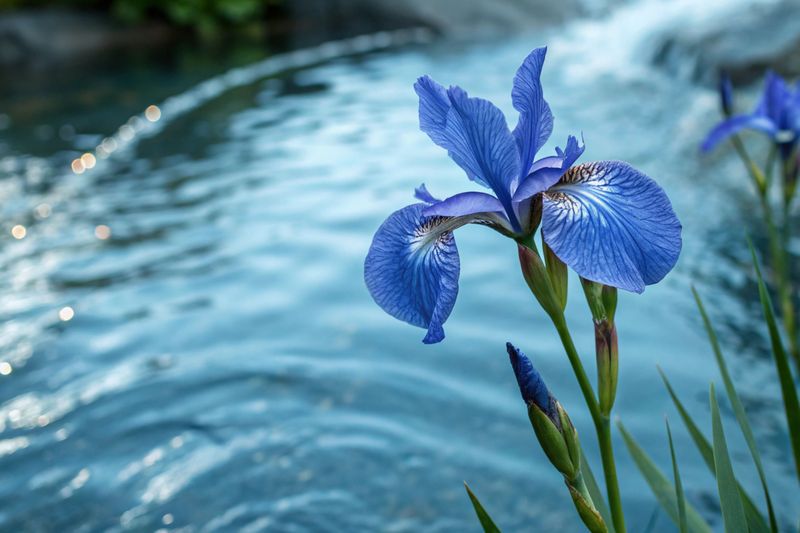
There is something almost magical about seeing a purple iris bloom at the edge of a pond. Blue Flag Iris brings that exact energy to wet Maryland landscapes every spring.
This native iris thrives in consistently moist to wet soils. Rain gardens, pond margins, and low-lying areas are its sweet spots in any landscape design.
The flowers are stunning, with deep violet-blue petals marked with yellow and white patterns. Blooms appear in late spring and last several weeks before giving way to attractive seed pods.
Blue Flag Iris grows two to three feet tall with upright, sword-shaped foliage. The bold leaf texture provides visual structure even when the plant is not in bloom.
After the wet spring season passes, it handles moderate summer dryness surprisingly well. The key is getting it established during its first growing season with consistent watering.
Native bees and bumblebees are frequent visitors to the flowers. The bloom structure guides pollinators directly toward the nectar in a clever natural design.
Blue Flag Iris spreads slowly by underground rhizomes. Over time, a single plant becomes a clump that fills a wet area with lush greenery.
It pairs naturally with Swamp Milkweed and Cardinal Flower in a rain garden planting. Together, those three plants create a layered, wildlife-friendly habitat that handles seasonal flooding with ease.
Dividing the clumps every three to four years keeps them vigorous. Share the divisions with neighbors who want tough, beautiful plants for their own wet spots.
5. Virginia Sweetspire (Itea Virginica)
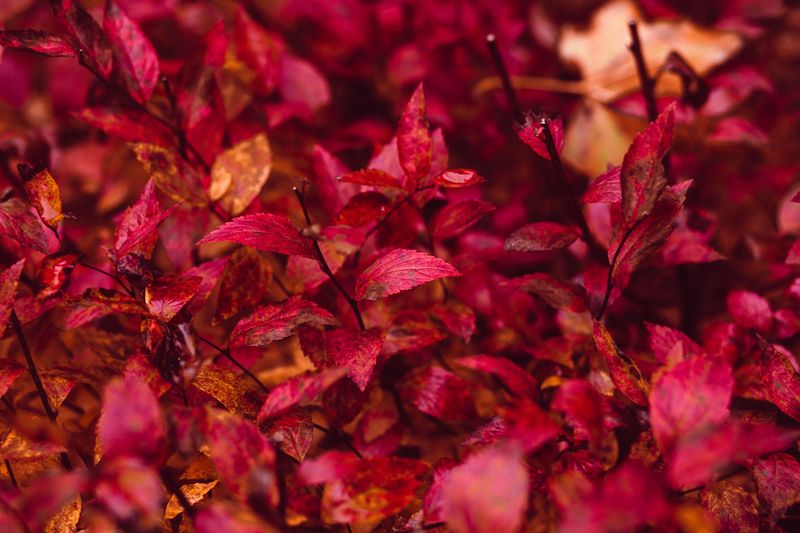
Few native shrubs pull double duty as well as Virginia Sweetspire. It blooms beautifully in summer and then sets your garden on fire with fall color.
White bottlebrush-shaped flower clusters appear in June and July. The blooms are sweetly fragrant, filling nearby air with a light, honey-like scent on warm evenings.
Virginia Sweetspire handles wet soils exceptionally well, making it a top pick for rain gardens. It also tolerates shade better than most flowering shrubs, opening up planting options under tree canopies.
Once established, it surprises gardeners with solid drought tolerance. The plant’s adaptability to both extremes is exactly what makes it so valuable in unpredictable Mid-Atlantic climates.
It grows three to five feet tall and spreads slowly by suckers. Over time it forms a graceful, arching mass of stems that adds natural structure to borders.
The fall foliage shifts through shades of orange, red, and burgundy, giving the garden one of its most reliable autumn displays.
Butterflies and native bees work the flowers heavily during bloom time. The nectar-rich blossoms support pollinators during a critical mid-summer gap when fewer plants are flowering.
Virginia Sweetspire works well along stream banks, pond edges, or anywhere soil stays moist. It holds soil on slopes, reducing erosion during heavy spring rains.
Low maintenance and high reward, this shrub deserves a spot in far more Maryland gardens than it currently gets.
6. Wild Bergamot (Monarda Fistulosa)
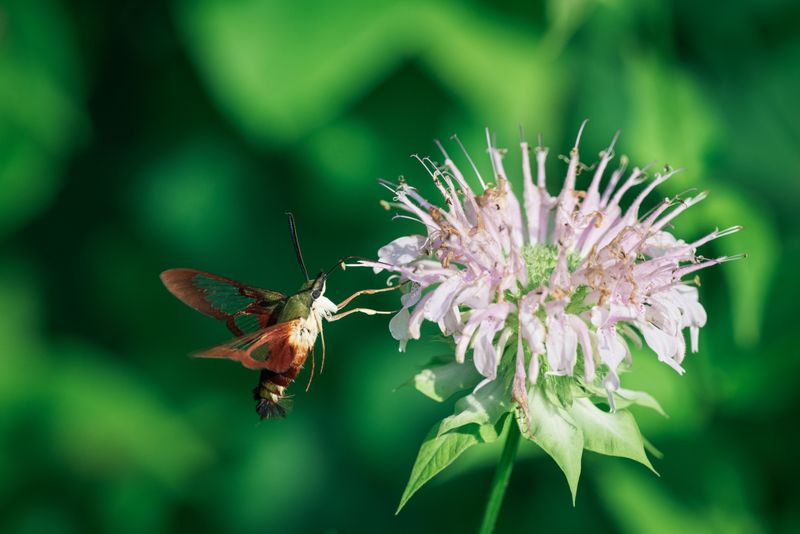
Wild Bergamot smells like a herb garden and looks like a wildflower painting. Crush a leaf between your fingers and you get a burst of oregano-like fragrance that is hard to walk away from.
This native perennial produces lavender-pink blooms from July through August. The shaggy, globe-shaped flower heads are a magnet for bumblebees, skippers, and hummingbird moths.
Unlike its cousin Bee Balm, Wild Bergamot is built for dry conditions. It thrives in well-drained soils and handles summer heat without needing supplemental irrigation.
Spring wet spells do not bother it either, as long as the soil drains reasonably well. Avoid planting it in areas that stay waterlogged for extended periods.
Plants grow two to four feet tall and spread slowly into loose colonies. That spreading habit fills gaps in a planting over time without becoming aggressive.
Powdery mildew can appear on leaves in humid summers. Choosing a well-ventilated planting location and avoiding overhead watering keeps that issue minimal.
Wild Bergamot pairs well with Switchgrass and Black-Eyed Susan in meadow-style plantings. The combination creates a layered, naturalistic look that requires very little upkeep once established.
Deer tend to avoid it, likely because of the strong aromatic oils in the foliage. That resistance makes it a smart choice for gardens in areas with heavy deer pressure.
Cutting plants back by half in late spring delays bloom time and prevents flopping. That simple trick extends the flowering season and keeps the plants looking tidy through late summer.
7. Black-Eyed Susan (Rudbeckia Hirta)
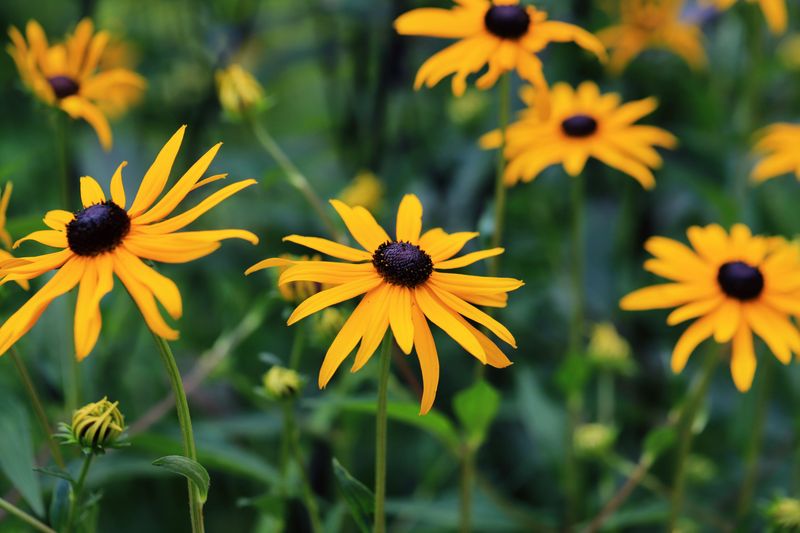
Black-Eyed Susan is not just a garden favorite in Maryland. It has been the state’s official flower since 1918.
Golden-yellow petals surrounding a dark brown center make this one of the most recognizable wildflowers in the region. Blooms appear from June through September, providing months of reliable color.
Black-Eyed Susan handles a wide range of soil conditions, including both wet spring soils and dry summer stretches. That flexibility is exactly why it appears in meadows, roadsides, and home gardens across the state.
It grows one to three feet tall and works in borders, containers, or naturalized plantings. The compact size makes it easy to layer with taller plants like Switchgrass or Swamp Milkweed.
Pollinators flock to the blooms in serious numbers. Native bees, butterflies, and beneficial wasps all visit regularly throughout the long flowering season.
As a biennial or short-lived perennial, Black-Eyed Susan self-seeds freely. New plants appear each season, keeping the display going without any replanting effort on your part.
Birds eat the seeds in fall and winter, so resist the urge to cut plants back too early. Leaving the seed heads standing provides food and winter texture in the garden.
Full sun brings out the best performance, though plants tolerate light shade. Richer soils can cause flopping, so lean, average ground actually suits this plant better.
For Maryland native plants built for both soggy springs and dry summers, Black-Eyed Susan remains the gold standard of low-effort, high-reward native gardening across the region.
8. Carex Sedges (Carex Socialis / Carex Laxiculmis)
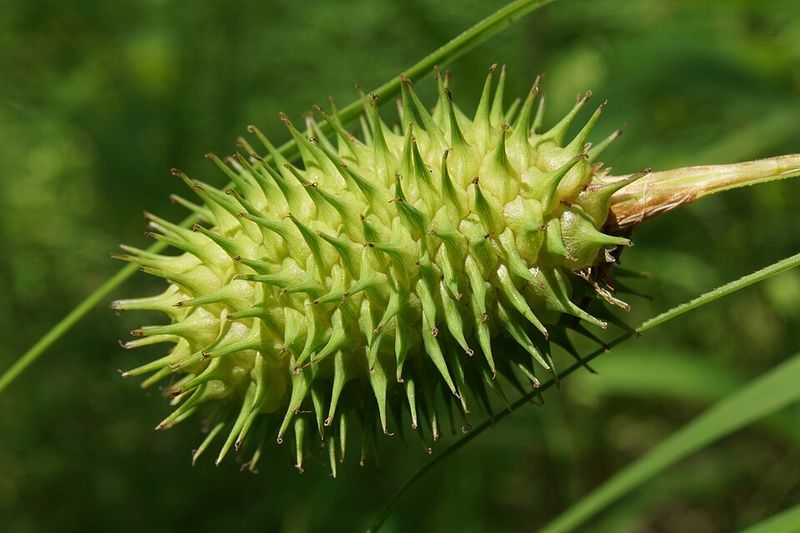
Shady spots with bad drainage used to be a gardener’s nightmare. Carex Sedges turned that problem into an opportunity that looks effortlessly natural.
These low-growing native sedges form soft, arching mounds of fine-textured foliage. They work as groundcovers under trees where grass refuses to grow and mulch keeps washing away.
Carex socialis spreads by stolons to form a dense, weed-suppressing mat. Carex laxiculmis stays in tighter clumps with broader, blue-green leaves that catch the eye even in deep shade.
Both species handle wet spring conditions without rotting out. Once the dry season arrives, their deep fibrous roots keep them going through extended dry stretches with minimal intervention.
They grow six to twelve inches tall, staying low enough to use as lawn alternatives. Some gardeners replace struggling turfgrass with sedge mixes for a softer, greener look year-round.
Maintenance is minimal once plants are established in the right spot. An annual trim in late winter keeps them looking fresh as new growth emerges in spring.
Wildlife benefits are real but subtle here. Ground-nesting birds and small mammals use sedge colonies for cover, and the seeds feed a variety of songbirds through fall.
Carex Sedges pair well with native ferns, Wild Ginger, and Virginia Sweetspire in shaded rain garden designs. That combination creates a layered understory planting that handles flooding and drought across every season.
For gardeners wrestling with difficult shady wet spots, these sedges offer a solution that is both practical and quietly beautiful in every season.