How Georgia Gardeners Can Keep Rabbits Out Of The Garden
Fresh growth always gives you a reason to smile because it shows your hard work is finally paying off. Then a plant suddenly looks shorter, and a few leaves have disappeared without any clear explanation.
That kind of surprise can leave you checking the same spot every day to see what happens next. It does not take much damage to realize something has started treating your garden like its own food supply.
The problem often becomes obvious long before you ever see what caused it.
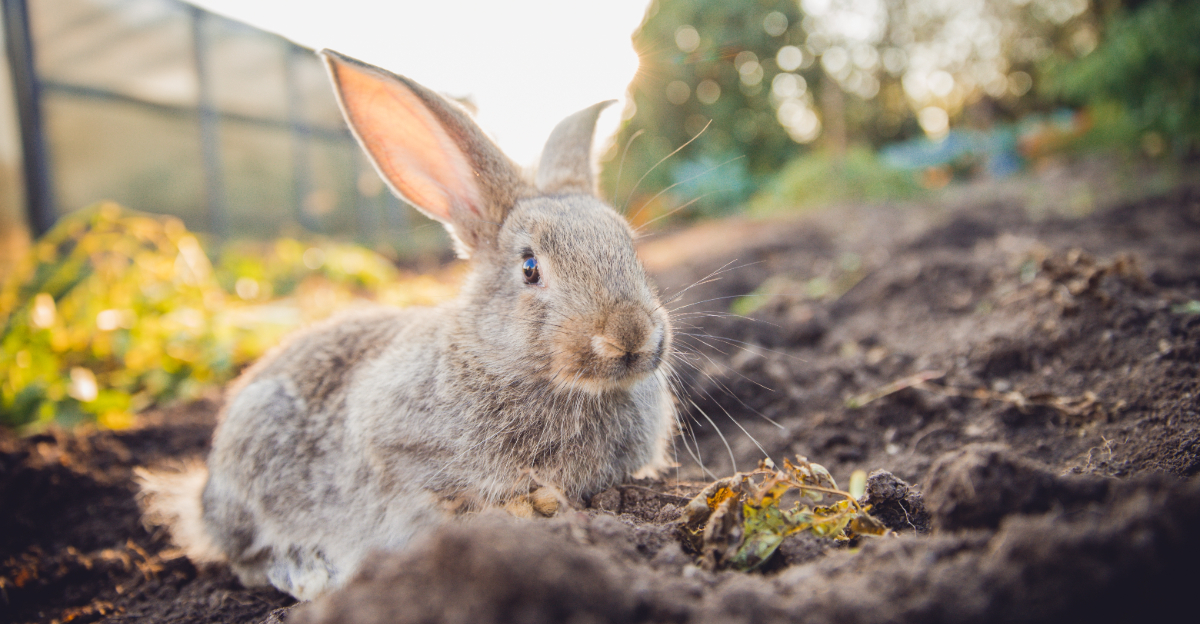
That situation is familiar to many gardeners in Georgia once the growing season gets underway. Rabbits may seem harmless from a distance, but they can quickly chew through tender plants and young vegetables.
A few simple changes can make your garden much less inviting and give your favorite plants a better chance to thrive all season long.
1. Choose Plants Rabbits Usually Avoid
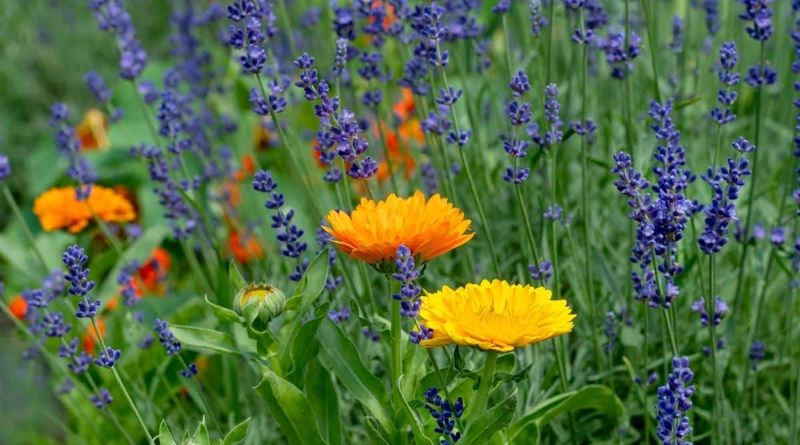
Planting smart is one of the most underrated moves a gardener can make. Certain plants have natural traits that rabbits tend to find unappealing.
Strong scents, rough textures, and bitter tastes all play a role in steering rabbits away from specific areas.
Lavender, rosemary, and sage are solid choices. Rabbits tend to avoid strong-smelling herbs, and these plants also add beauty and function to your garden.
Marigolds are another option worth considering, especially as border plants around vegetable beds.
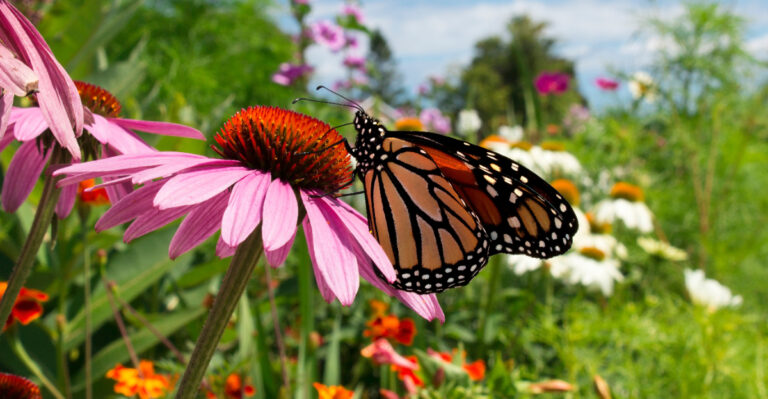
Foxglove, catmint, and yarrow are flowering plants that rabbits tend to pass over. Keep in mind that no plant is a foolproof solution.
A hungry rabbit during a dry season may nibble on plants it would normally skip.
Mixing rabbit-resistant plants with your vegetables can help reduce interest in the whole bed. It works best as part of a broader strategy rather than a standalone fix.
Rotate your plant selections each season and observe which ones rabbits leave alone in your specific yard. Local conditions, nearby food sources, and rabbit population density all influence what actually gets eaten.
Track what works over time and adjust your planting plan based on real results from your own space.
2. Wire Fencing Creates A Reliable Barrier
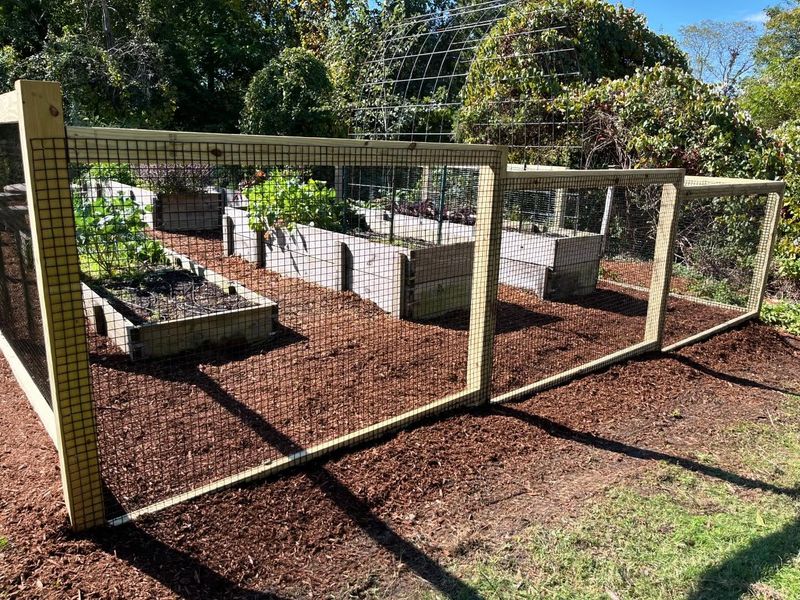
A well-installed fence is one of the most dependable ways to protect a garden from rabbits. Not every fence works, though.
Rabbits can squeeze through surprisingly small gaps, so the material and spacing matter a lot.
Hardware cloth or chicken wire with openings no larger than one inch is the standard recommendation. Smaller mesh means fewer opportunities for young rabbits to slip through.
Galvanized wire holds up better over time compared to basic chicken wire, especially in humid Southern climates.
Height matters too. A fence that stands at least two feet tall is a reasonable starting point.
Rabbits are not strong jumpers compared to deer, but they will find low or sagging sections and use them as entry points.
One detail many gardeners overlook is the bottom edge. Burying the fence about six inches underground, bent outward at the base, helps stop rabbits from digging underneath.
Without that buried edge, determined rabbits can burrow under within a single season.
Your Georgia Garden Changes Every Week. Your Plan Should Too.
Gardening in Georgia changes quickly throughout the season. Every Friday you’ll receive a simple weekly plan showing exactly what to plant, prune, fertilize, harvest, and protect so you never miss the right timing.
Fencing does not have to cover the entire yard. Focused protection around raised beds or high-value crops is often enough.
Check the fence line every few weeks for gaps, rust, or sections that have shifted. Small openings appear gradually and are easy to miss until the damage is already done.
A little routine maintenance keeps the barrier working season after season.
3. Young Plants Need The Most Protection
Seedlings are the most vulnerable stage of any plant’s life. Rabbits seem to know this.
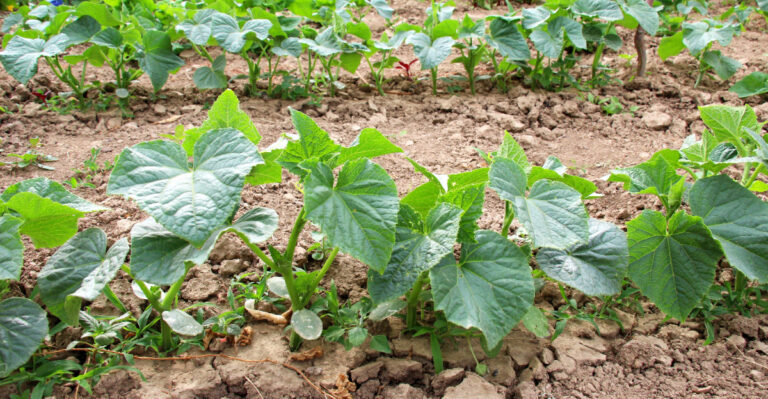
Soft, tender growth with high water content is exactly what they prefer, and a row of fresh transplants can disappear in a single night.
Row covers made of lightweight fabric offer solid short-term protection. They let in light and water while keeping rabbits out.
Use them right after transplanting and keep them in place until plants are established and growing strong.
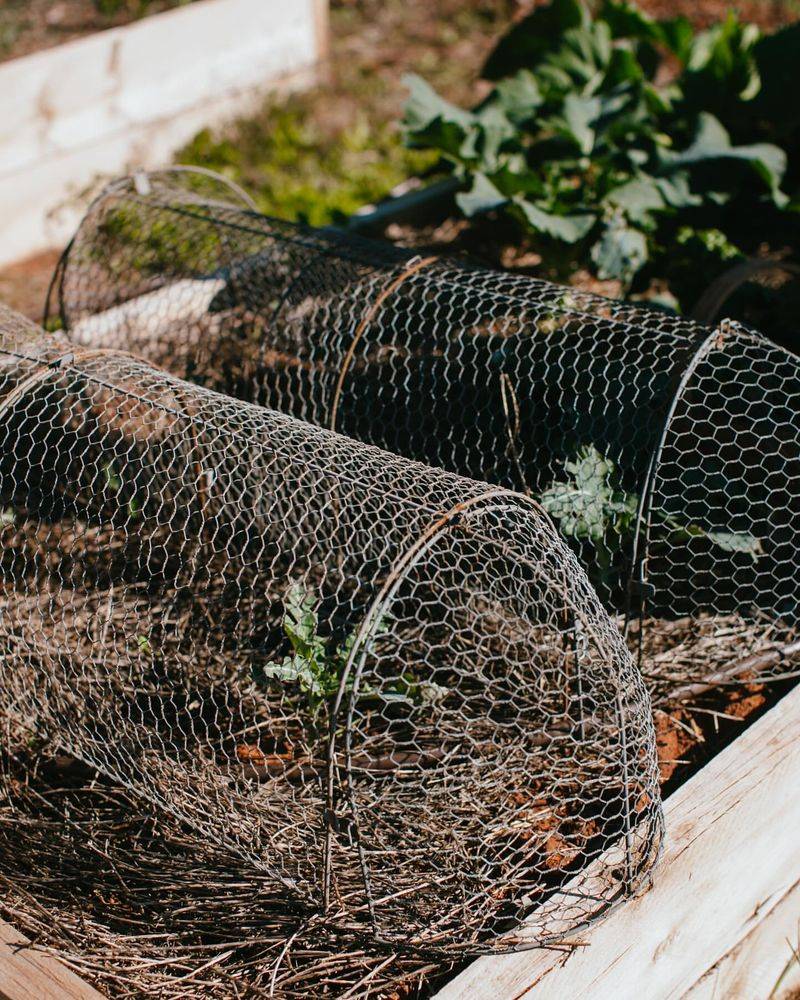
Wire cloches are another practical option. A simple wire frame placed over individual plants gives targeted protection without blocking sunlight.
They are easy to move around as needed, which makes them useful for rotating crops throughout the season.
Hardening off seedlings before moving them outdoors helps too. Plants that have been gradually exposed to outdoor conditions tend to grow faster and become less tender more quickly.
A faster transition from seedling to established plant means a shorter window of vulnerability.
Pay extra attention during the first two to three weeks after transplanting. That stretch is when rabbit pressure causes the most setbacks.
Check plants every morning if rabbits are active in your area. Early detection means you can respond before an entire row is gone.
Protecting young plants well at the start saves time and effort compared to replanting after a loss. A little extra care early in the season pays off consistently.
4. Brush Piles Give Rabbits A Place To Hide
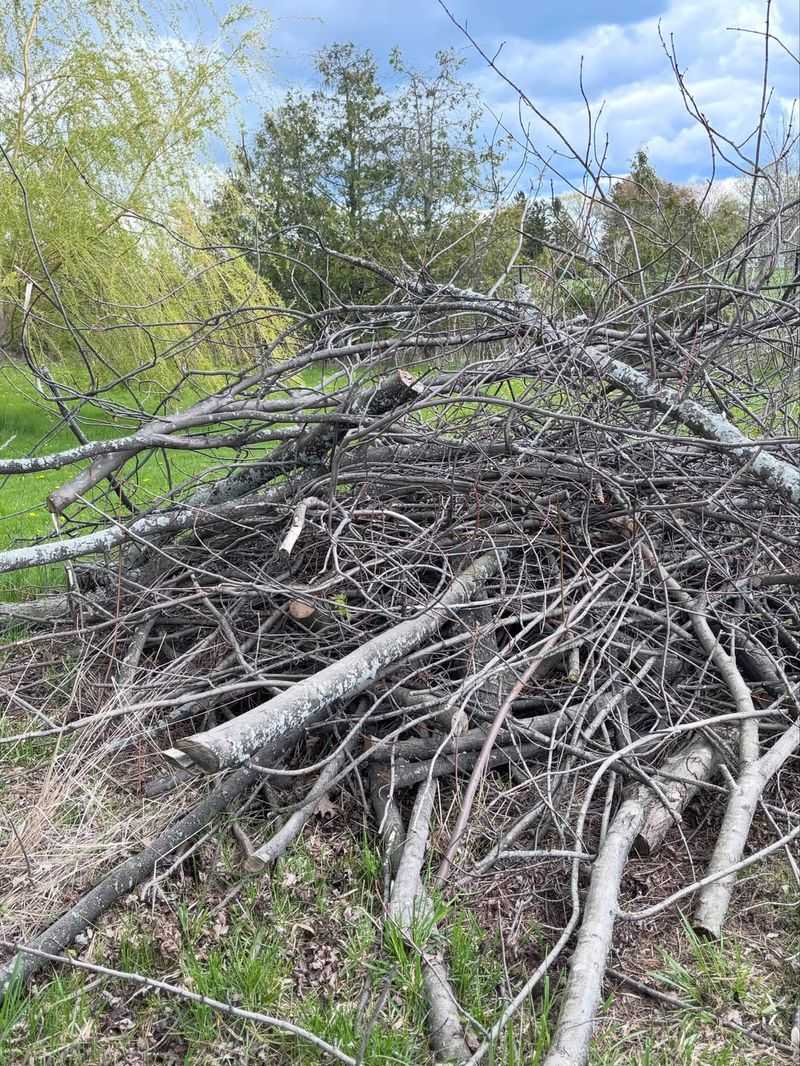
Rabbits do not spend much time in open spaces where predators can spot them easily. Cover is essential to how they move through a yard.
Brush piles, overgrown corners, and stacked debris are exactly the kind of shelter they look for near a food source.
Clearing brush piles from areas near your garden reduces the sense of safety rabbits feel when approaching. Without nearby cover, they are more exposed and less likely to linger.
This does not mean your entire yard needs to be spotless, but the area within about twenty feet of your garden matters most.
Old lumber stacks, leaf piles left against fences, and dense weedy patches all serve the same purpose as brush piles from a rabbit’s perspective. Addressing those spots can reduce how comfortable rabbits feel in your yard overall.
If you prefer to keep brush piles for wildlife or composting purposes, move them to the far edge of your property. Distance from the garden reduces the risk significantly.
Rabbits are opportunistic and tend to stay close to both cover and food at the same time.
Cleaning up around the garden perimeter in early spring, before rabbit activity picks up, is a practical timing choice.
A tidier garden border combined with other deterrents creates conditions that are simply less appealing to rabbits looking for a reliable feeding spot close to safe shelter.
5. Tall Grass Makes The Area More Inviting
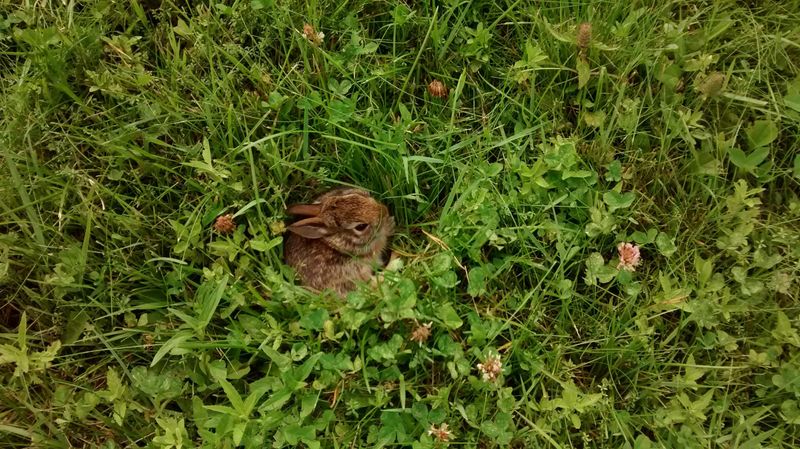
Tall grass around a garden sends the wrong message. Overgrown lawn creates exactly the kind of environment rabbits prefer.
It offers cover, feels safe, and puts them just steps away from your vegetables.
Keeping grass trimmed short around the garden perimeter reduces rabbit activity in that zone. Short grass offers less concealment, and rabbits are generally more cautious in exposed areas.
A mowed buffer of even five to ten feet can make a noticeable difference.
Weeds growing along fence lines are just as much of a concern as tall grass. Dense weed growth along a garden edge gives rabbits a hidden approach path.
Cutting those back regularly removes the corridor they use to move in close without being seen.
Consistent mowing through spring and summer is the practical solution. Rabbits are most active in the early morning and around dusk, so keeping vegetation low during those peak seasons matters most.
Letting grass go for even a couple of weeks during active rabbit season can invite more pressure on your plants.
Lawn maintenance is often overlooked as a rabbit deterrent, but it works alongside fencing and planting choices to create a less hospitable environment overall.
Combining a mowed perimeter with other strategies gives your garden better protection than any single method on its own.
Regular upkeep is the key, and the effort is relatively low compared to the results it can deliver in most yard situations.
6. Harvest Ripe Crops Without Delay
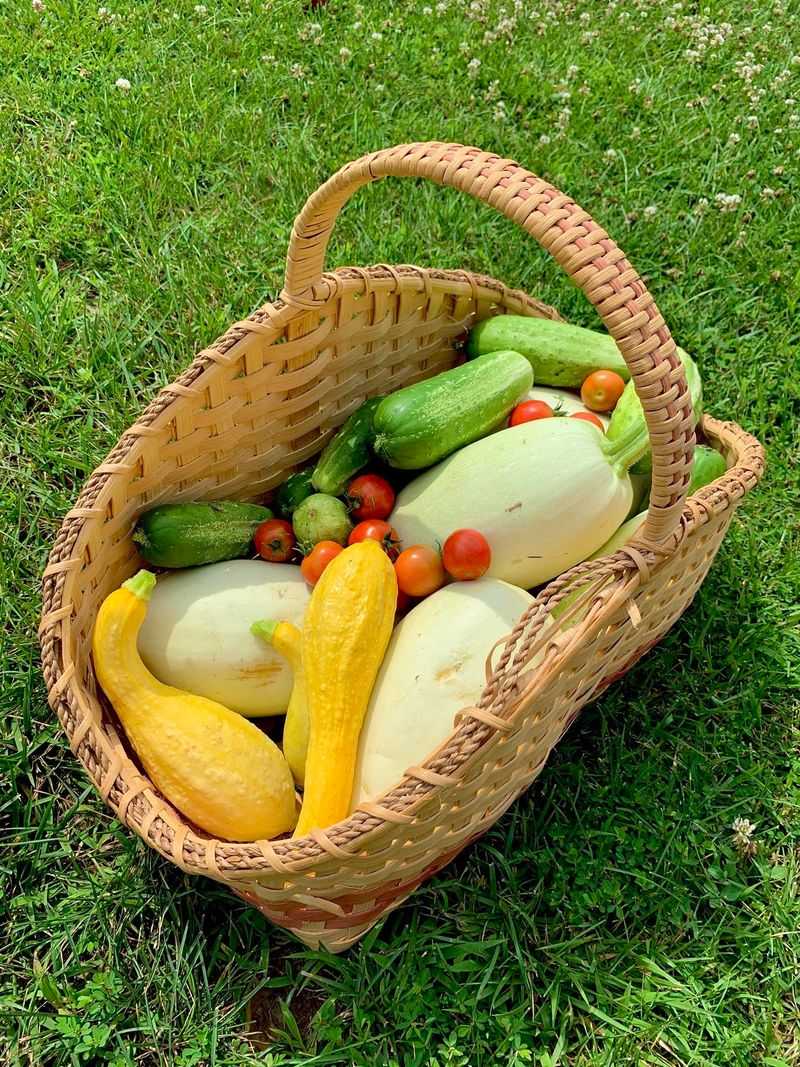
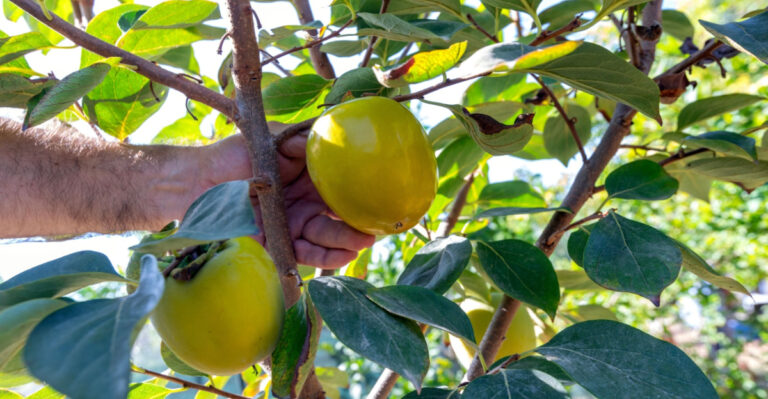
Leaving ripe produce on the vine is an open invitation. Rabbits are attracted to the scent of mature fruits and vegetables, and a garden full of ready-to-pick crops becomes a regular feeding stop if harvesting gets delayed.
Checking the garden every day or two during peak harvest season keeps ripe produce from sitting too long. Tomatoes, beans, squash, and leafy greens all need timely picking.
Beyond rabbit pressure, regular harvesting also encourages plants to keep producing.
Overripe produce that drops to the ground is especially problematic. Fallen fruits release strong scents that carry across a yard.
Rabbits and other wildlife follow those scent trails straight to your garden. Picking up anything that has dropped is just as important as harvesting what is still on the plant.
If your schedule makes daily checks difficult, try to at least clear out the most aromatic crops every two to three days. Herbs like basil and cilantro become very fragrant as they mature and bolt.
Harvesting them before they flower reduces both scent and the attraction they create.
Staying on top of harvesting also keeps the garden looking tidier, which discourages extended rabbit visits. A well-maintained garden with little leftover produce signals fewer rewards for rabbits returning to the same spot.
Over time, reduced payoff tends to shift their foraging patterns toward easier targets elsewhere in the neighborhood.
7. Keep The Garden Free Of Fallen Produce
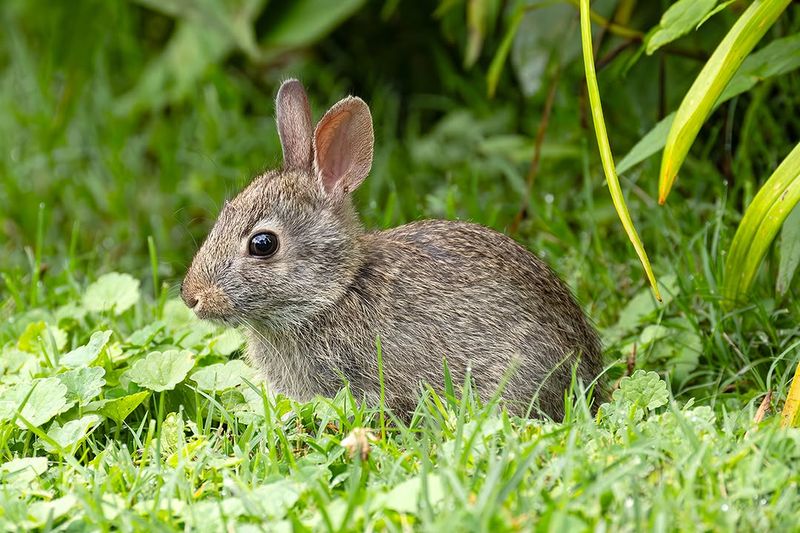
Fallen produce on the garden floor is a problem that builds quietly. A dropped tomato or a rotting squash does not seem like a big deal, but it draws attention from rabbits and other animals faster than most gardeners expect.
Decomposing fruits and vegetables release strong odors as they break down. Those smells carry well beyond the garden and act as a signal to nearby wildlife.
Once rabbits find a reliable food source, they return to the same spot repeatedly until that source is removed.
A quick walk-through of the garden every couple of days is enough to catch most fallen produce before it becomes a problem. Bring a small bucket and clear out anything that has dropped.
Toss it in a compost bin with a secure lid rather than leaving it in an open pile near the garden.
Open compost piles placed close to vegetable beds can create the same issue as fallen produce. Rabbit-proofing your compost setup is worth considering if you garden in an area with consistent rabbit pressure.
A covered bin or a compost area located farther from the main garden helps reduce the attraction.
Keeping the garden floor clean is one of the simplest habits to build and one of the most effective at reducing unwanted visitors. It costs nothing, takes very little time, and removes one of the main reasons rabbits keep coming back.
Clean garden floors genuinely make a practical difference in managing rabbit activity over a full growing season.