Why Georgia Holly Bushes Stay Berry-Free And What To Do About It
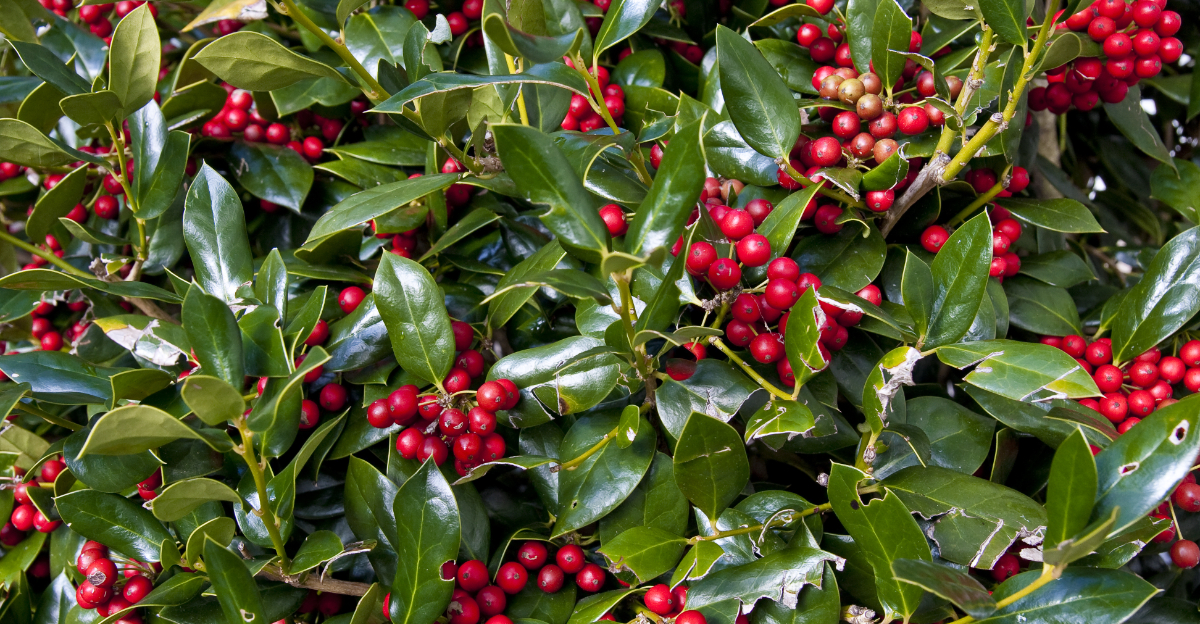
December rolls around in Georgia, and your holly bush looks lush, glossy, and perfectly healthy, but there is not a single red berry in sight.
You planted it expecting that classic winter pop of color, and instead you got a green shrub that looks like it missed the memo.
Most homeowners assume the problem is the soil, the weather, or some mysterious deficiency that requires a trip to the garden center for a fix.
The surprising truth is that the problem is almost always about pollination, and once you understand how holly plants actually work, the fix becomes much more straightforward than you expected.
Holly is not like most flowering shrubs. It has its own rules, its own social structure, and its own very specific requirements for producing fruit.
Getting berries is not a matter of luck or good timing. It is a matter of understanding what the plant needs and giving it exactly that.
Understanding why your holly stays berry-free is the first step toward fixing it, and the good news is that most causes are completely manageable with a few simple adjustments.
1. The Plant May Be Male
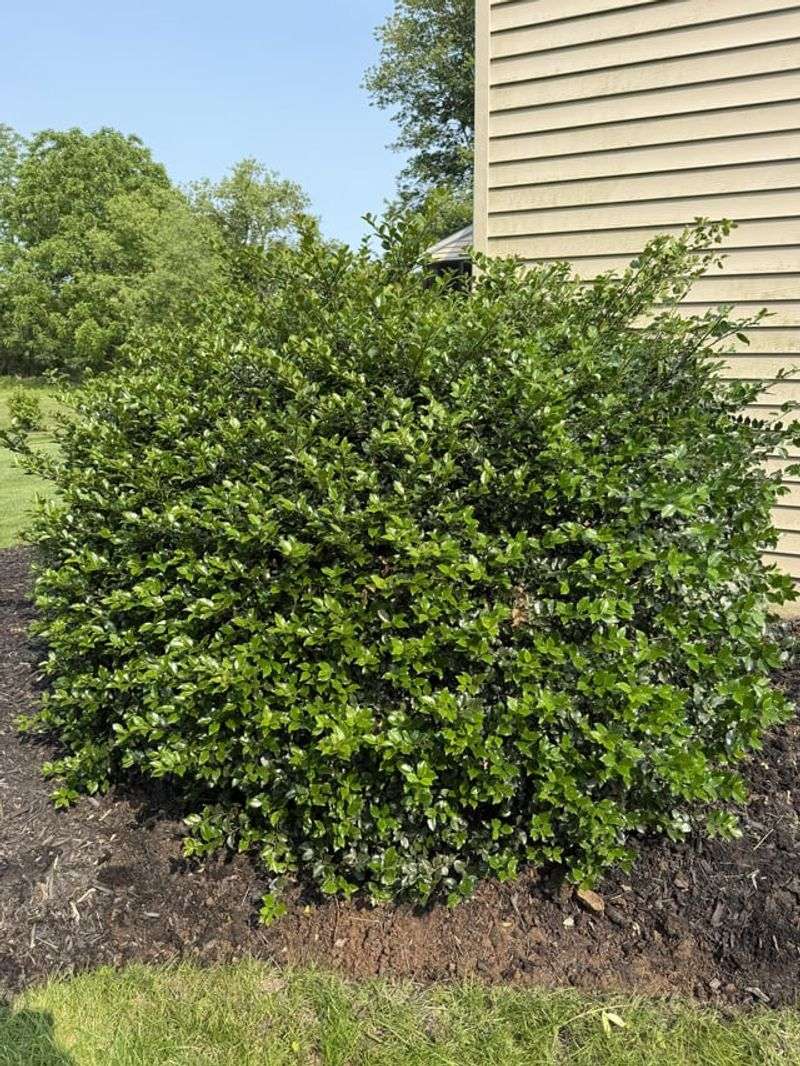
A bare holly in December is a mystery worth solving, and the answer might be simpler than you think.
Holly plants are not like most flowering shrubs.
They are dioecious, which is a fancy word meaning male and female flowers grow on completely separate plants.
If your holly has never produced a single berry, there is a real chance you are growing a male plant.
Male hollies bloom and provide pollen, but they never set fruit. That is just how they work.
Nurseries and garden centers sometimes sell male and female plants side by side without clearly labeling which is which.
Homeowners pick the healthiest-looking shrub, bring it home, and wait for berries that will never come.
Checking the plant tag is the fastest way to figure out what you have.
Look for cultivar names like Blue Prince, Jim Dandy, or Edward Stevens, which are well-known male varieties.
Male plants are genuinely useful in the landscape because they feed pollinators with pollen-rich blooms. They just will not give you that red berry show you were hoping for.
A male holly is not a failed plant. It is simply playing a different role.
Knowing what you have helps you make a smart plan, whether that means adding a female nearby or swapping the plant out entirely for a berry-producing variety that fits your Georgia landscape goals.
2. A Female Needs Nearby Pollen
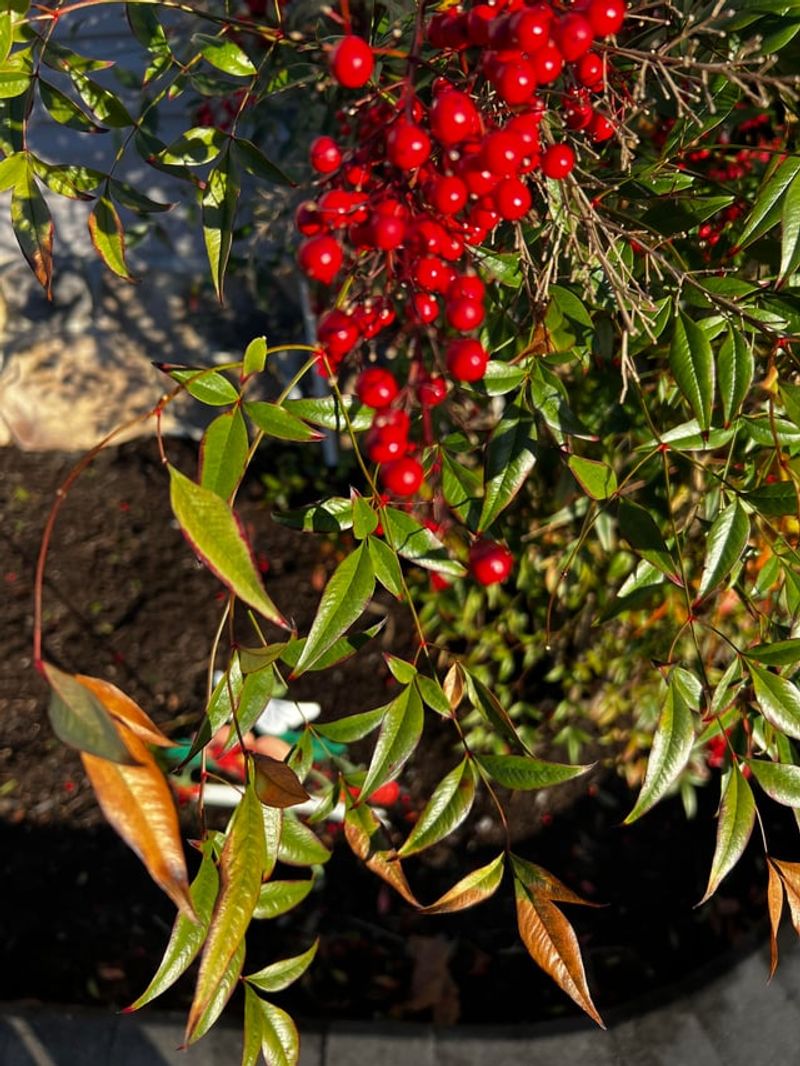
Berry production on a holly is not a solo act.
A female plant can look absolutely perfect, get plenty of sun and water, and still produce zero berries if there is no male holly close enough to share its pollen.
Cross-pollination is the engine that drives berry development, and without it, the whole show stalls.
Bees are the main delivery service for holly pollen.
They travel from male blooms to female blooms, picking up and dropping off pollen as they go. For this system to work, a male holly needs to be within roughly 50 feet of the female plant.
Your Georgia Garden Changes Every Week. Your Plan Should Too.
Gardening in Georgia changes quickly throughout the season. Every Friday you’ll receive a simple weekly plan showing exactly what to plant, prune, fertilize, harvest, and protect so you never miss the right timing.
Some gardeners stretch that distance a bit, but staying closer gives you a much better berry set each season.
Neighbors with hollies can sometimes help, but you cannot count on that.
If a compatible male is blooming across the fence at the right time, bees may carry pollen your way. That explains why some female hollies berry up beautifully one year and then go quiet the next, depending on what is happening in nearby yards.
The most reliable fix is planting your own male.
That way you control the timing, the proximity, and the compatibility.
UGA Extension recommends keeping a male within that 50-foot window as a solid general guideline for Georgia home landscapes.
One well-placed male can pollinate several female plants, making him a very productive member of your garden team.
3. Wrong Pairings Stop The Berries
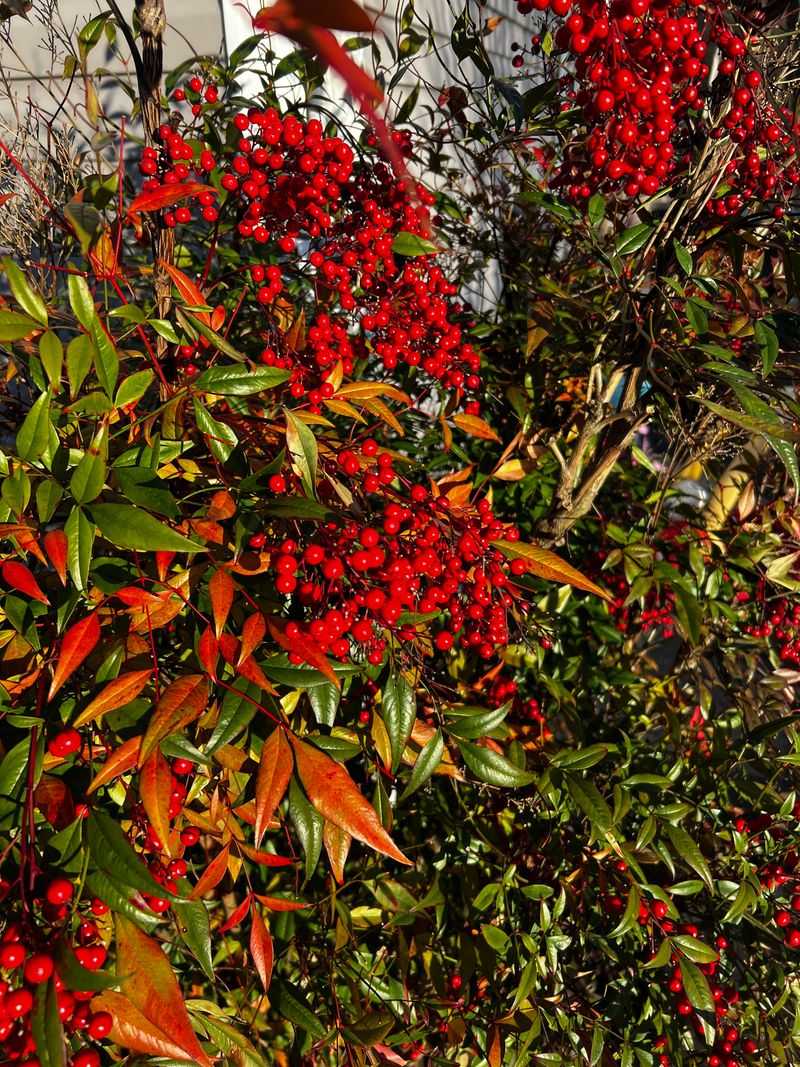
Not every male holly works with every female holly.
This is where a lot of well-meaning gardeners get tripped up.
You can have both a male and a female plant growing just a few feet apart and still get no berries if their bloom times do not line up or if they belong to incompatible species.
Holly taxonomy matters more than most people realize.
American holly females need American holly males. Inkberry females pair best with inkberry males. Japanese hollies and Chinese hollies each have their own compatible partners.
Mixing species from different groups usually means the pollen arrives at the wrong time or simply does not work with the female flowers.
Bloom timing is the other piece of the puzzle.
Male and female hollies must flower at the same time for bees to transfer pollen successfully. Even within the same species, some cultivars bloom earlier or later than others.
If the male finishes blooming before the female opens her flowers, the season ends without a single berry forming.
Before buying any holly, check reliable sources like UGA Extension or your local cooperative extension office for verified pairing recommendations.
Ask your nursery specifically which male cultivar pollinates the female you are buying.
Getting this right from the start saves you years of frustration and gives your Georgia holly garden the berry-packed winter display you actually wanted.
4. Too Much Shade Reduces Flowers
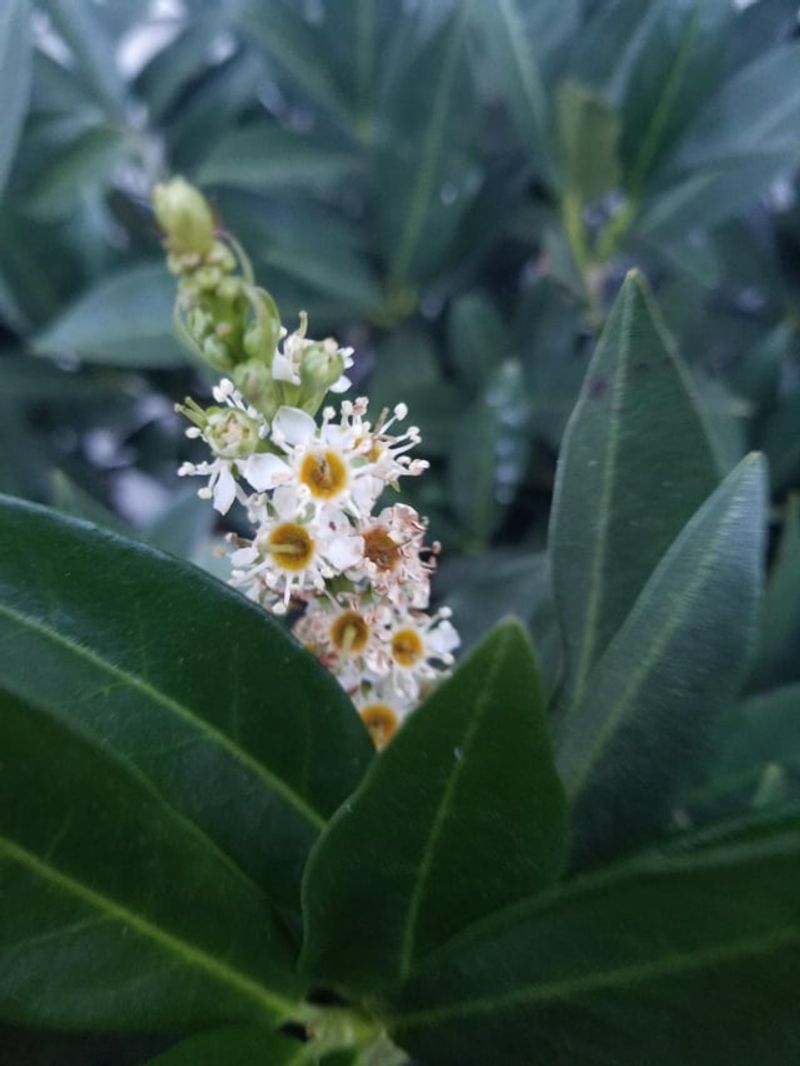
A shady corner of the yard might seem like a perfectly cozy spot for a holly, but too much shade is a quiet berry-blocker.
Hollies are adaptable shrubs, and many tolerate partial shade reasonably well.
The catch is that flower production drops significantly when sunlight becomes too limited, and fewer flowers means fewer berries.
Holly plants need their blooms to get pollinated, and blooms need sunlight to develop properly in the first place.
When a holly spends most of its day in deep shade, it puts energy into maintaining its leaves rather than producing flowers.
A shrub with few or no flowers has nothing for bees to visit and nothing to turn into berries come fall.
Most holly varieties do best with at least four to six hours of direct sunlight each day.
In Georgia, that is usually not hard to achieve, but mature trees, fences, and buildings can create surprisingly deep shade zones that change over the years as trees grow taller.
A spot that was sunny five years ago might now be blocking your holly from the light it needs.
If shade is the issue, selectively pruning nearby trees to let in more light can make a real difference.
Transplanting the holly to a sunnier location is also worth considering if the shade problem is severe.
Hollies generally transplant well in fall or early spring in Georgia, giving them time to settle in before the next bloom season rolls around.
5. Bad Pruning Removes Buds
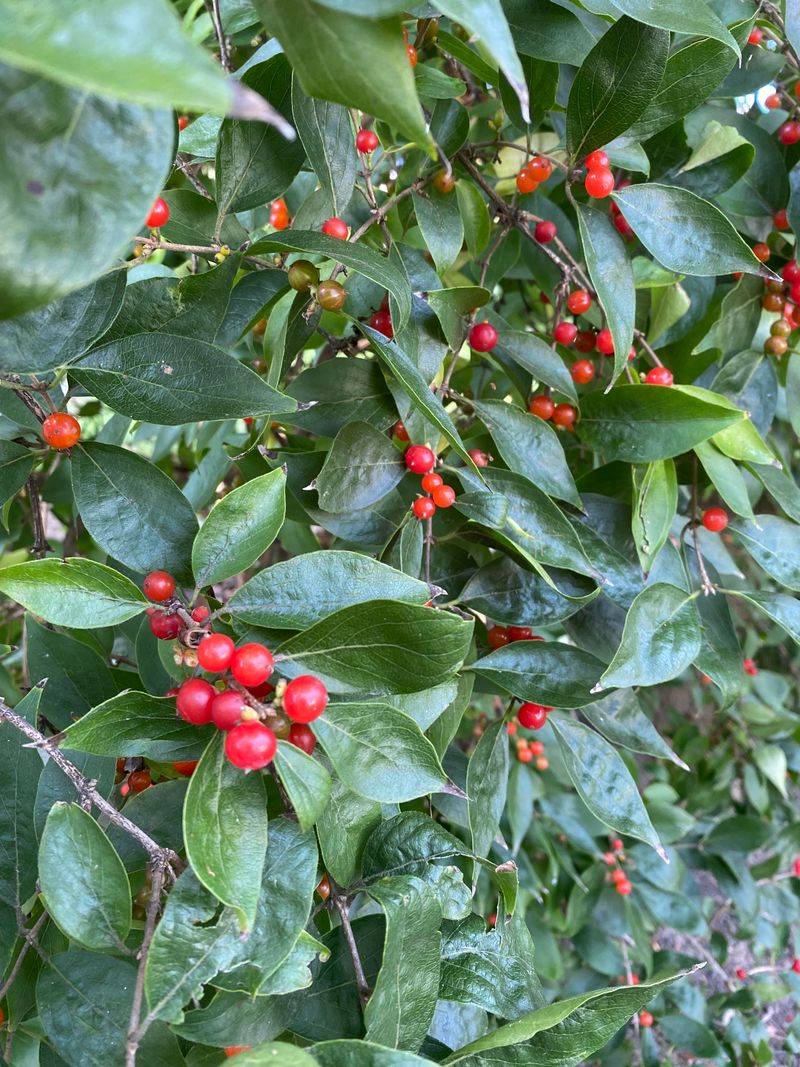
Pruning a holly at the wrong time is one of the most common reasons homeowners lose their berry crop without ever realizing it.
It feels productive to tidy up the shrub in late summer or early fall, but that timing is exactly when hollies are carrying the flower buds that will become next season’s berries.
Snip those buds off and the berries disappear before they ever had a chance.
Holly flower buds form on the current season’s growth.
By late summer, those buds are already set and waiting for the following spring. A hard pruning session in August or September removes them cleanly.
The plant looks neat and tidy, but the berry potential for the next season is gone.
The safest window for pruning hollies is right after the berries fade in late winter or very early spring, before new growth begins.
In Georgia, that typically means pruning in February or early March.
You can also do light shaping right after flowering in spring if you need to manage the plant’s size without sacrificing too much fruit.
Keep cuts moderate and targeted. Hollies do not need aggressive shaping every year.
Removing crossing branches, dead wood, and a few wayward stems is usually enough to keep things looking tidy.
Resist the urge to give your holly a dramatic haircut in the fall.
Patience pays off here, and your reward is a shrub absolutely loaded with bright red berries come December, which is a pretty great trade-off.
6. Drought Stress Limits The Show
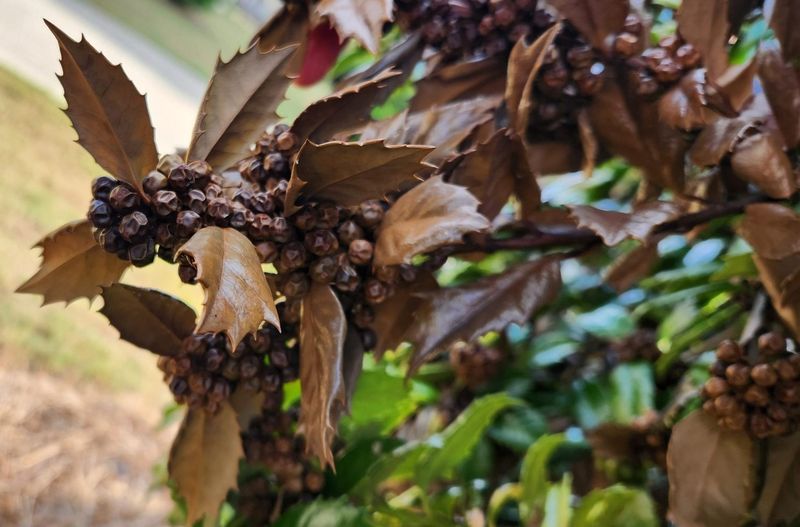
Georgia summers are no joke.
Heat, humidity, and stretches of dry weather can push plants to their limits, and holly bushes are not immune to drought stress.
When a holly struggles to find enough water during bloom time or early berry development, it often drops flowers or aborts developing fruit before they fully form.
Water stress hits hardest during two key windows.
The first is at bloom time in spring, when flowers need consistent moisture to open fully and attract pollinators.
The second is in summer, when tiny developing berries are bulking up and filling out. A dry spell during either of these periods can dramatically reduce your final berry count.
Established hollies have decent drought tolerance, but they still benefit from deep watering during extended dry stretches.
A slow, deep soak once or twice a week is more effective than frequent shallow watering.
Mulching around the base of the plant with two to three inches of wood chips or pine straw helps the soil hold moisture between rain events and keeps roots cooler during Georgia’s brutal summer heat.
Young hollies planted within the last two years need even more attention during dry spells.
Their root systems are still developing and cannot reach deep soil moisture the way established plants can.
Consistent watering during the first couple of summers gives your holly the foundation it needs to berry up reliably for years to come.
7. Bees Need Safe Bloom Time
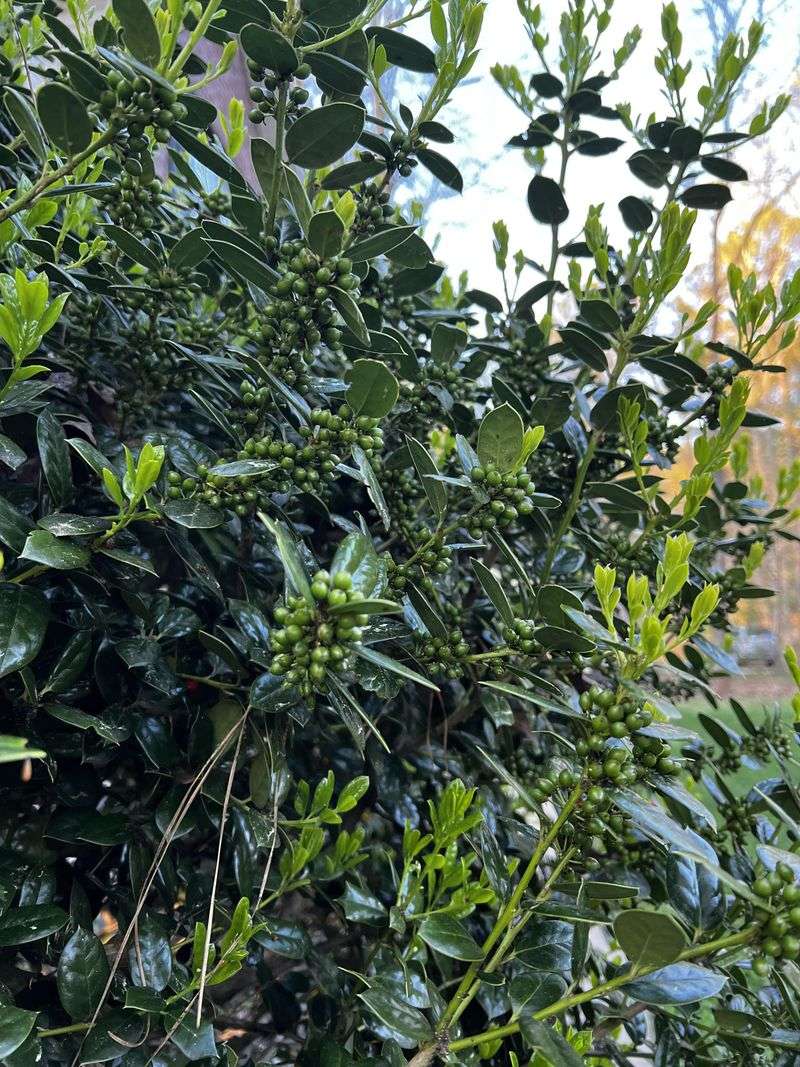
Holly flowers are small, easy to overlook, and absolutely critical.
Bees are the primary pollinators moving pollen from male to female plants, and without their work, even a perfectly matched male and female holly will produce very few berries.
Protecting pollinators during bloom time is one of the most practical things a Georgia homeowner can do to improve berry production.
The problem is that holly bloom season often coincides with the time of year when homeowners are busy spraying for mosquitoes, aphids, and other pests.
Many common insecticides are highly toxic to bees, and applying them while the hollies are in bloom can affect the local pollinator population right when it is needed most.
A quiet week of spraying can translate into a completely berry-free winter.
Avoiding pesticide applications during holly bloom time is the simplest solution.
Holly flowers typically open in spring, depending on the species and local conditions in Georgia. Watch your plants and hold off on any sprays while blooms are open.
If pest pressure is genuinely severe, apply treatments in the early morning or late evening when bee activity is lowest.
Encouraging a pollinator-friendly yard all season long also helps.
Planting native flowers near your hollies gives bees a reason to hang around the area.
A yard with steady food sources keeps bee populations strong and active, which means more visits to your holly blooms and a much better chance at a berry-covered shrub by the time the holidays roll around.
8. Add The Right Male Holly
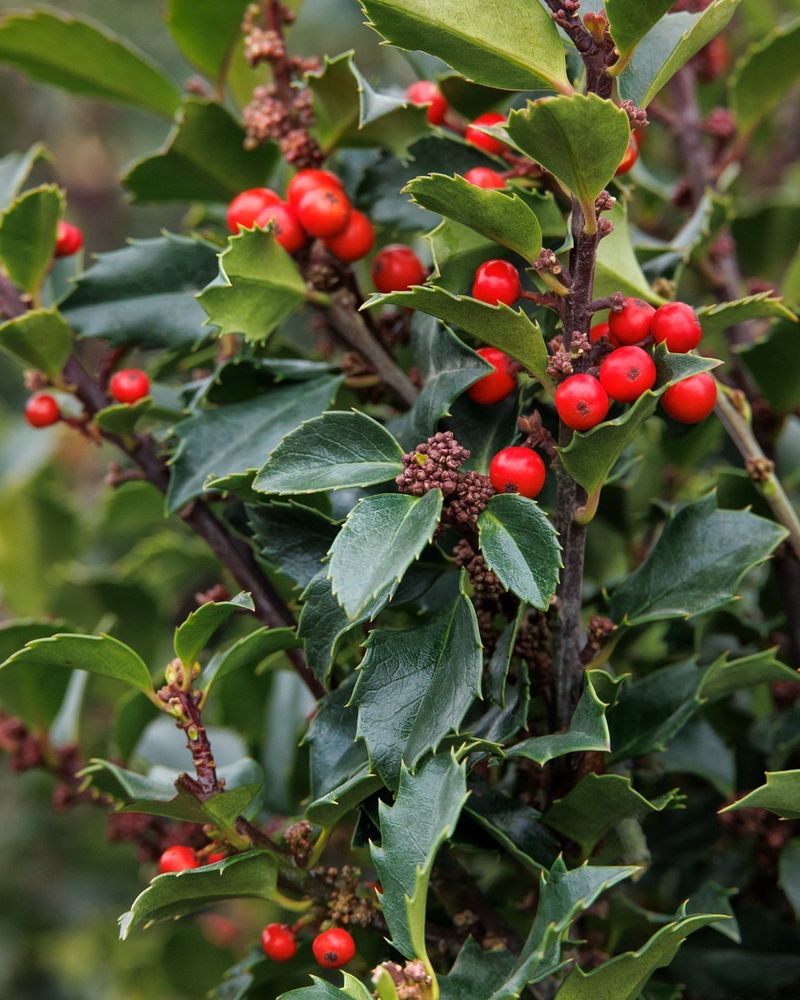
Ready to actually fix the problem?
Planting a compatible male holly nearby is the single most effective step you can take if your female holly has been sitting quietly without producing berries.
One well-chosen male plant can serve as the pollen source for multiple female hollies within a 50-foot radius, making it a high-impact addition with a relatively small footprint in the landscape.
Matching the right male to your female requires a little homework, but it is worth doing correctly.
For Savannah holly females, look for compatible male attenuata varieties. For American holly females, a male American holly with overlapping bloom time is the right call.
Always verify pairings through UGA Extension or a trusted local nursery before purchasing.
Plant your male holly in fall or early spring for the best establishment results in Georgia.
Choose a spot with similar light and soil conditions to your female plant. Keep it within that 50-foot window and let bees do the rest of the work for you.
Give both plants consistent water during their first two seasons.
Once established, a well-matched pair of hollies in a Georgia landscape can produce berries reliably year after year.
That bare December shrub can become a bright red showstopper that neighbors will actually stop to admire, and all it took was understanding what the plant needed and giving it exactly that.