Why California Wrens Are Tiny Pest-Control Helpers Worth Welcoming
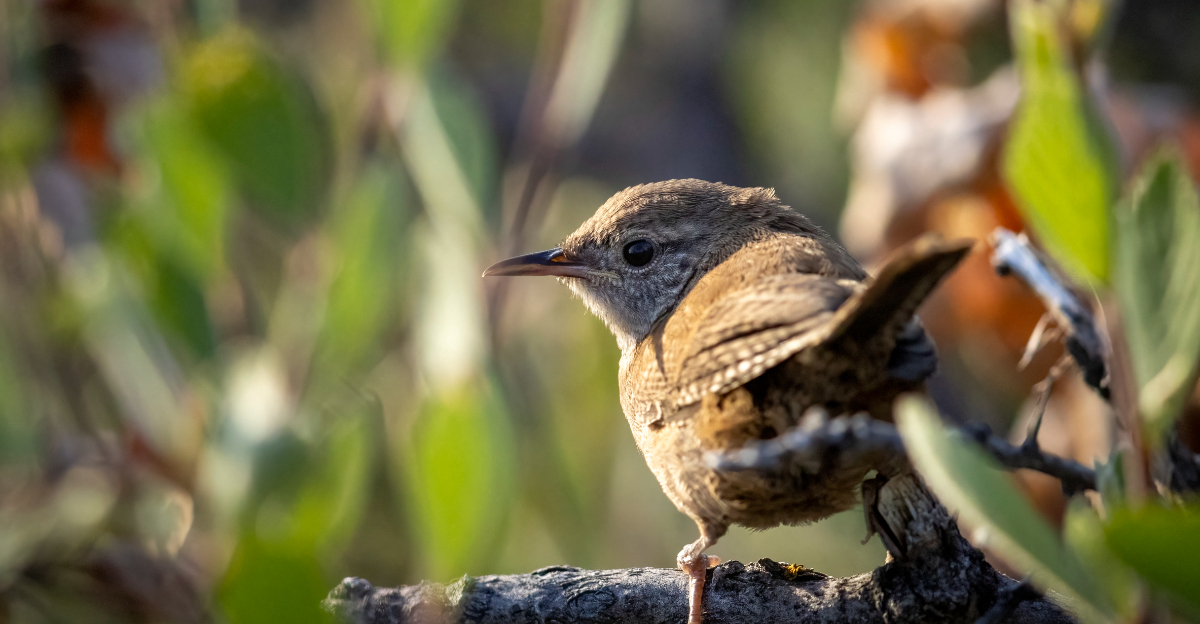
A wren may look like a tiny feathered comma with attitude, but do not underestimate it. In California yards, these little birds can be surprisingly useful guests.
They hop through shrubs, fences, and garden edges with serious purpose, hunting the small bugs homeowners would rather not host. Their pest-control help is not loud or dramatic, which is exactly why many people miss it.
One day you notice the quick tail flick, the sharp song, and the constant movement. Then you realize this tiny visitor may be doing more yard work than some humans.
Welcoming wrens is not about turning your garden wild or messy. It is about making room for a helpful neighbor that brings charm, energy, and a little natural balance.
1. Wrens Hunt Tiny Insects All Day
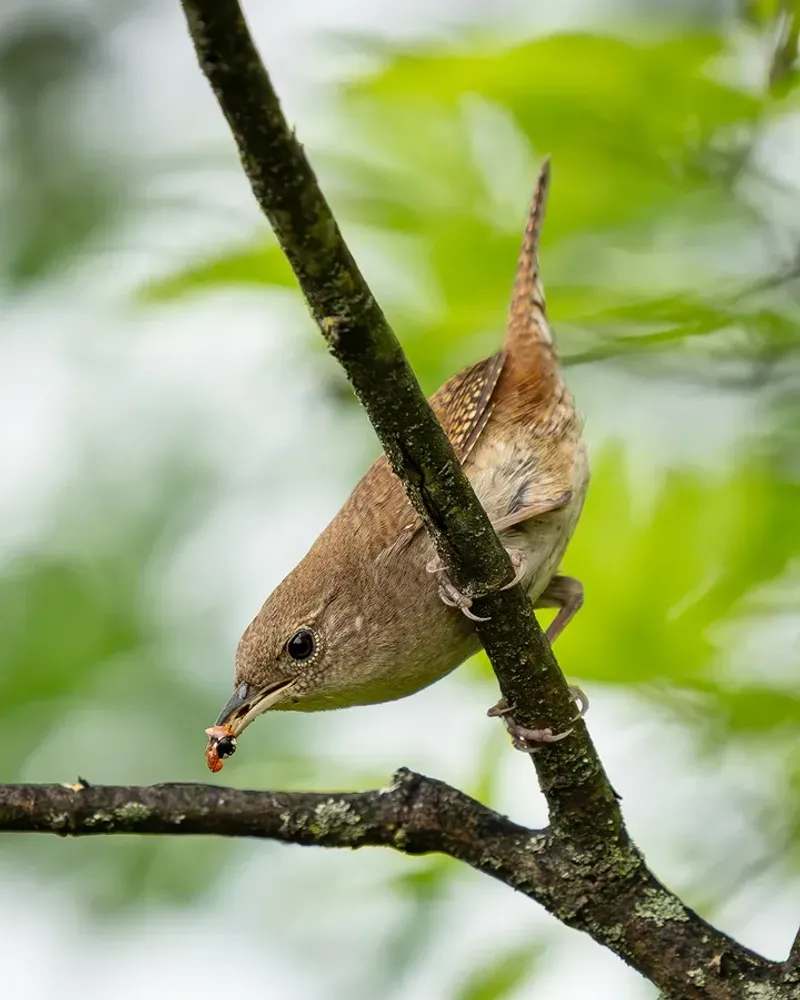
Few birds match the work rate of a wren on a warm morning. From the moment the sun comes up, these small birds are on the move, hopping low through plants and scanning every surface for food.
They do not take long breaks. They eat constantly because their small bodies burn energy fast.
Wrens mainly eat insects, spiders, beetles, ants, and caterpillars. A single wren can consume hundreds of these creatures in one day.
That adds up to thousands of pests removed from your garden every week without any effort from you.
Their hunting style is quick and precise. They poke their sharp beaks into cracks, under bark, and inside rolled leaves.
Nothing hidden is truly safe from a wren searching for its next meal.
What makes them especially helpful is that they target insects that are actively harmful to plants. Aphids, scale insects, and leaf-eating caterpillars are all on the menu.
Gardeners who host wrens often notice fewer chewed leaves and less plant damage overall.
You do not need to do anything fancy to benefit from their hunting. Simply making your yard a place where wrens feel safe is enough.
Dense low plantings and a water source are great starting points. Once wrens know your yard has food, they will return every single morning ready to work.
2. They Pick Pests From Leaves And Bark
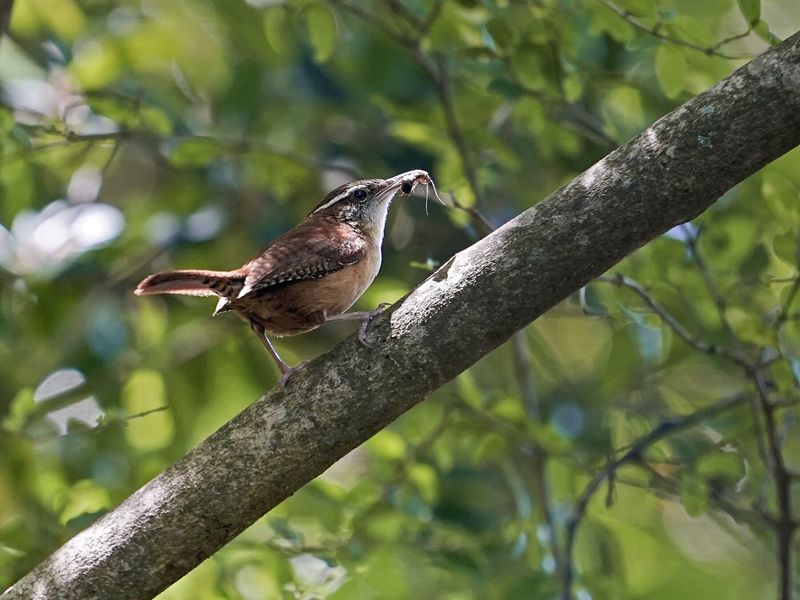
Bark and leaves might look clean to the human eye, but wrens know better. Tiny insect eggs, scale insects, and bark beetles hide in places most gardeners never think to check.
Wrens check them every single day.
Their beaks are slim and slightly curved, which makes them perfect tools for probing tight spaces. They can work their way along a branch, tapping and prying as they go.
It looks almost like they are reading the tree, searching for anything that does not belong.
Leaf undersides are another favorite hunting spot. Many pest insects lay their eggs there because it is sheltered and hard to spot.
Wrens flip leaves, peck along stems, and investigate every inch of a plant with real focus and determination.
This kind of detailed foraging helps your plants stay healthier over time. When pest populations are kept low early in the season, they never get the chance to build into a serious problem.
Your California Garden Changes Every Week. Your Plan Should Too.
Gardening in California changes quickly throughout the season. Every Friday you’ll receive a simple weekly plan showing exactly what to plant, prune, fertilize, harvest, and protect so you never miss the right timing.
A wren working your shrubs is like having a daily inspection service for free.
Fruit trees and roses benefit especially from wren activity. Both attract common pests that hide on bark and leaf surfaces.
Homeowners across the northern regions of California have noticed that yards with resident wrens tend to show less pest damage on these plants year after year. It is a quiet but powerful effect.
3. Dense Shrubs Give Them Safe Cover
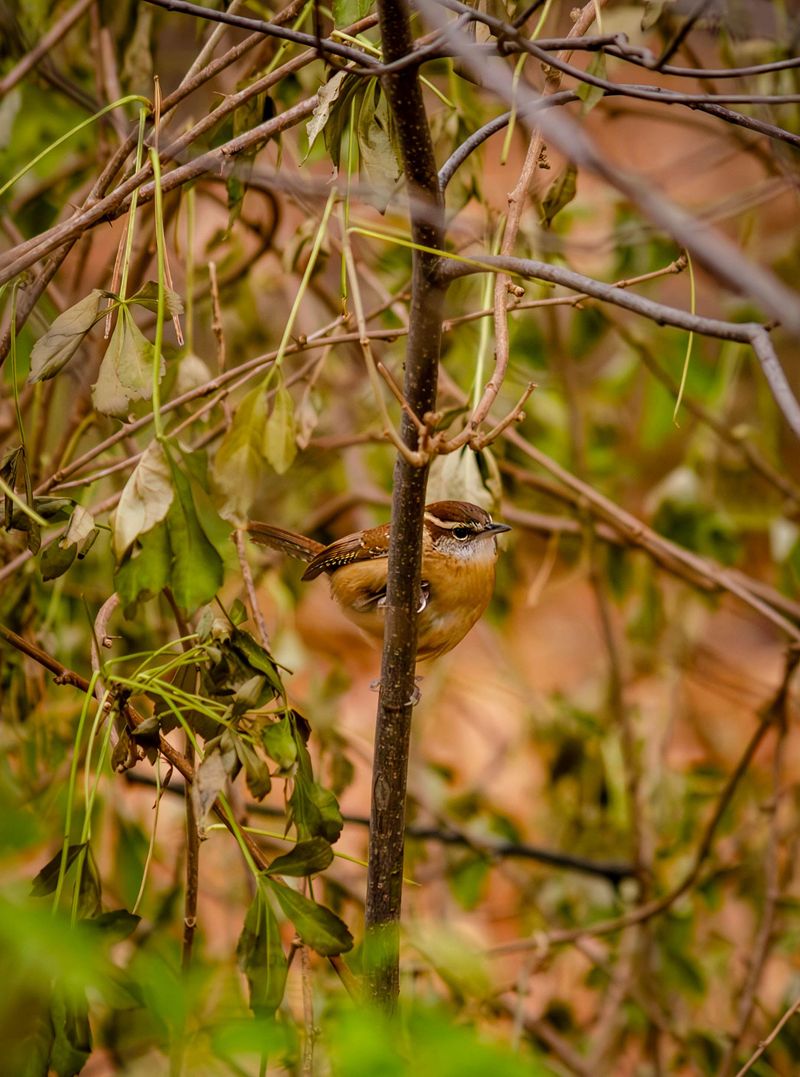
Wrens are bold hunters, but they are also cautious animals. They need cover to feel safe, and dense shrubs are exactly what they look for.
Without good hiding spots, wrens will simply move on to a yard that offers better protection.
Low, thick shrubs work best. Plants like toyon, coffeeberry, and coyote brush are excellent choices for California.
They grow dense enough to hide a small bird from hawks and cats while still offering easy access to the ground below.
When wrens have reliable cover nearby, they spend more time foraging in your garden. They dart out to grab an insect and then pull back into the shrub to stay safe.
This pattern repeats dozens of times an hour, which means more pests removed with every visit.
Shrubs also provide nesting sites. Wrens build their small, cup-shaped nests tucked deep inside dense branches.
If your shrubs are thick enough to nest in, you may end up with a breeding pair that raises chicks right in your yard. That means even more pest-hunting birds as the season goes on.
Planting shrubs in clusters works better than spacing them far apart. A connected stretch of dense planting gives wrens a safe corridor to move through.
They feel confident traveling between feeding spots when cover is continuous and close to the ground throughout your yard.
4. Brush Piles Make Better Wren Habitat
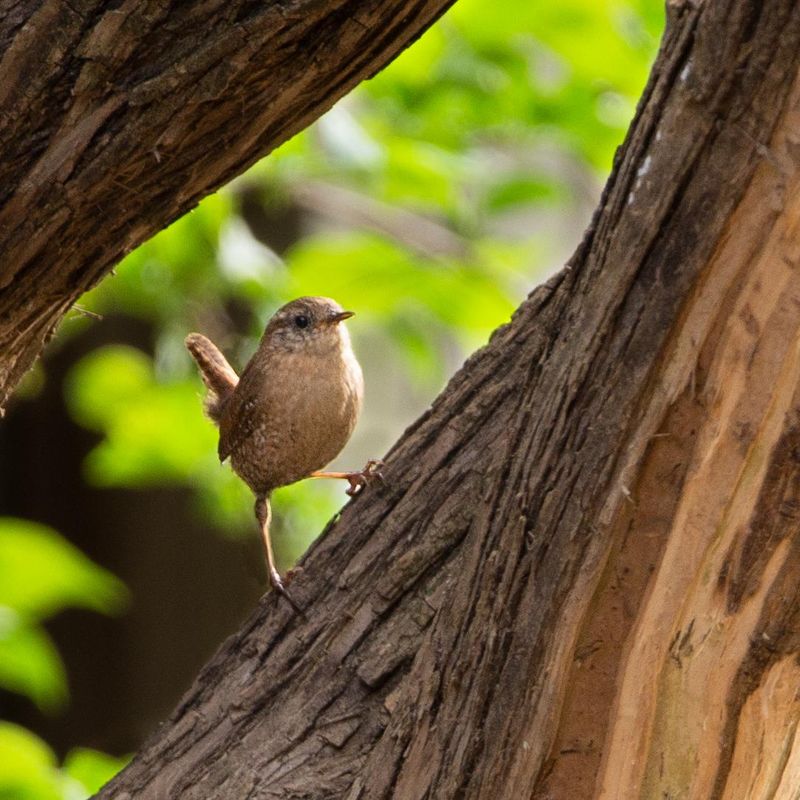
A brush pile might look messy to some, but to a wren it looks like paradise. Fallen branches, withered leaves, and tangled twigs create exactly the kind of environment these birds love most.
It is one of the easiest habitat improvements any gardener can make.
Brush piles hold insects. Beetles, pill bugs, earwigs, and spiders all shelter inside decomposing wood and leaf litter.
Wrens know this, and they work through brush piles methodically, turning over small pieces and probing into gaps to find every creature hiding inside.
Building a brush pile is simple. Stack fallen branches in a corner of your yard, add dried leaves, and let it settle over time.
You do not need to do anything else. The pile will naturally attract insects, and the insects will attract wrens.
Brush piles also give wrens a place to roost on cold nights. California can get surprisingly chilly in late fall and winter, especially in inland valleys and foothill areas.
A dense brush pile holds warmth and keeps small birds sheltered from wind and cold air.
Many people remove brush piles because they think the yard looks untidy. But even a small pile tucked behind a fence or in a back corner does real good.
You do not need a large one to make a difference. A pile about the size of a wheelbarrow is enough to start attracting wrens within just a few weeks.
5. Native Plants Bring More Insect Prey
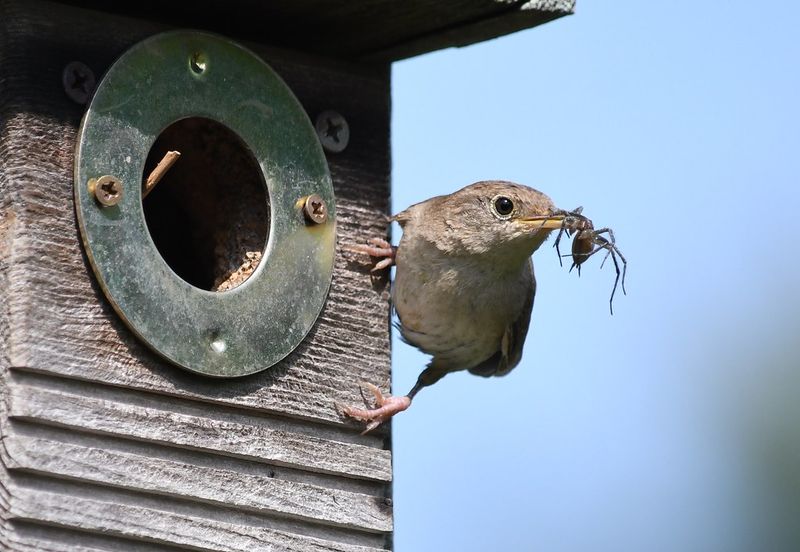
Here is something most people do not realize: native plants support far more insect life than non-native ornamentals. And more insects means more food for wrens.
It is a simple chain that starts with your plant choices.
Plants that evolved in California have deep relationships with local insects. Native bees, beetles, moths, and caterpillars have adapted to feed on native plants over thousands of years.
When you plant natives, you are essentially setting a table that local wildlife knows how to use.
Toyon, buckwheat, sagebrush, and native oaks all support large insect communities. These insects are not pests in a harmful sense.
Most of them are part of the food web that supports birds like wrens, flycatchers, and chickadees. They are food, not threats.
Non-native plants, even beautiful ornamental ones, often support very few insects. A yard full of exotic plants may look lush but offer very little for birds trying to find food.
Swapping even a few ornamentals for native species can make a noticeable difference in bird activity.
You do not need to overhaul your entire yard. Start with one or two native shrubs in a sunny spot.
Watch how quickly insects and birds respond. Many gardeners across the southern and central regions of California are surprised by how fast wrens show up once native plants go in.
The results come faster than most people expect.
6. Skip Pesticides That Remove Their Food
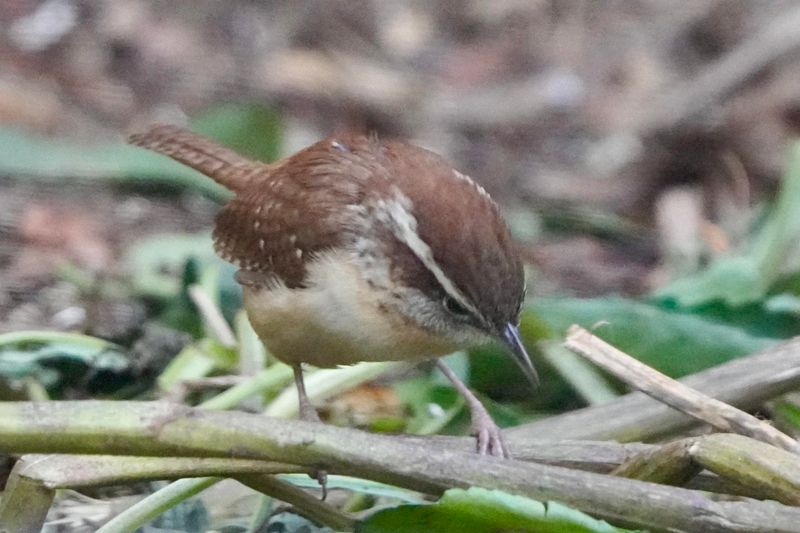
Pesticides are one of the biggest reasons wrens stop visiting a yard. When you spray for insects, you are not just targeting pests.
You are reducing the entire insect population that wrens depend on for food. Less food means fewer birds.
Many common garden pesticides linger on plant surfaces for days or even weeks. Wrens that eat treated insects can take in those chemicals too.
Over time, repeated exposure can affect their health and reduce their ability to raise chicks successfully.
The good news is that wrens are actually a better long-term solution than most sprays. A resident wren pair keeps pest populations naturally low throughout the season.
You get ongoing pest control without the cost, the smell, or the risk to other wildlife in your yard.
If you feel you need some kind of intervention for a specific pest problem, look for targeted options that do not affect the whole insect community. Sticky traps, physical barriers, and hand-removal are all methods that leave the general insect population intact for birds to hunt.
Gardeners who have made the switch away from broad pesticide use often say their yards feel more alive within just one season. More insects means more birds, more birds means fewer pests, and fewer pests means less need for any kind of spray.
It is a cycle that rewards patience and works better the longer you commit to it.
7. Wrens Work Quietly In Garden Corners
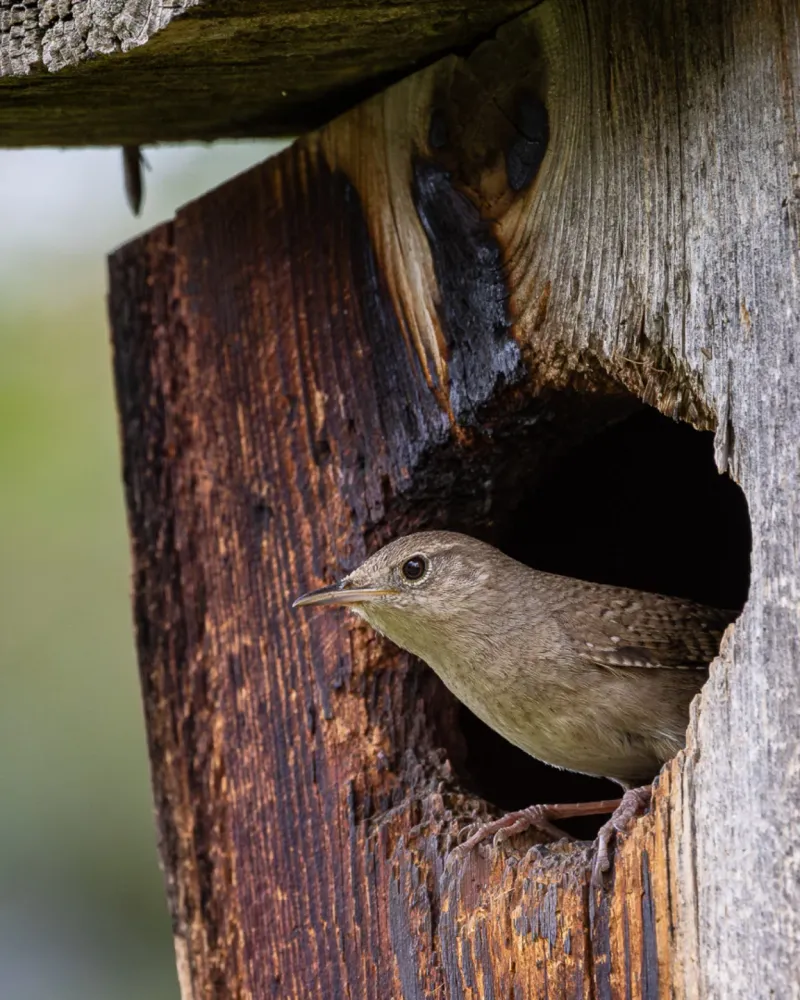
You might never notice a wren working in your yard unless you know what to look for. They do not perch in the open or sing constantly while they forage.
They slip through low plants, disappear under shrubs, and pop up again a few feet away like tiny brown ghosts.
This quiet style of hunting is actually what makes them so effective. They cover ground that other birds ignore.
The dark corners under dense shrubs, the space behind a garden bed, the gap between a fence and a compost bin. These are wren territory.
Insects that hide in low, dark spots have very few natural predators. Wrens fill that gap perfectly.
Their small size lets them get into spaces that larger birds simply cannot reach. A sparrow or a robin cannot do what a wren does in tight, cluttered spaces.
Watching a wren work is genuinely satisfying once you slow down enough to observe it. They move with purpose and speed, rarely stopping for more than a second before hopping to the next spot.
Their focus is total. Nothing in their path goes unchecked.
Adding a few garden features that create sheltered low spaces can encourage wrens to spend more time in your yard. Low rock borders, stacked logs, and ground-level plantings all create the kind of micro-habitat that wrens find irresistible.
Small changes add up to big results over a full growing season.
8. They Help More Than They Announce
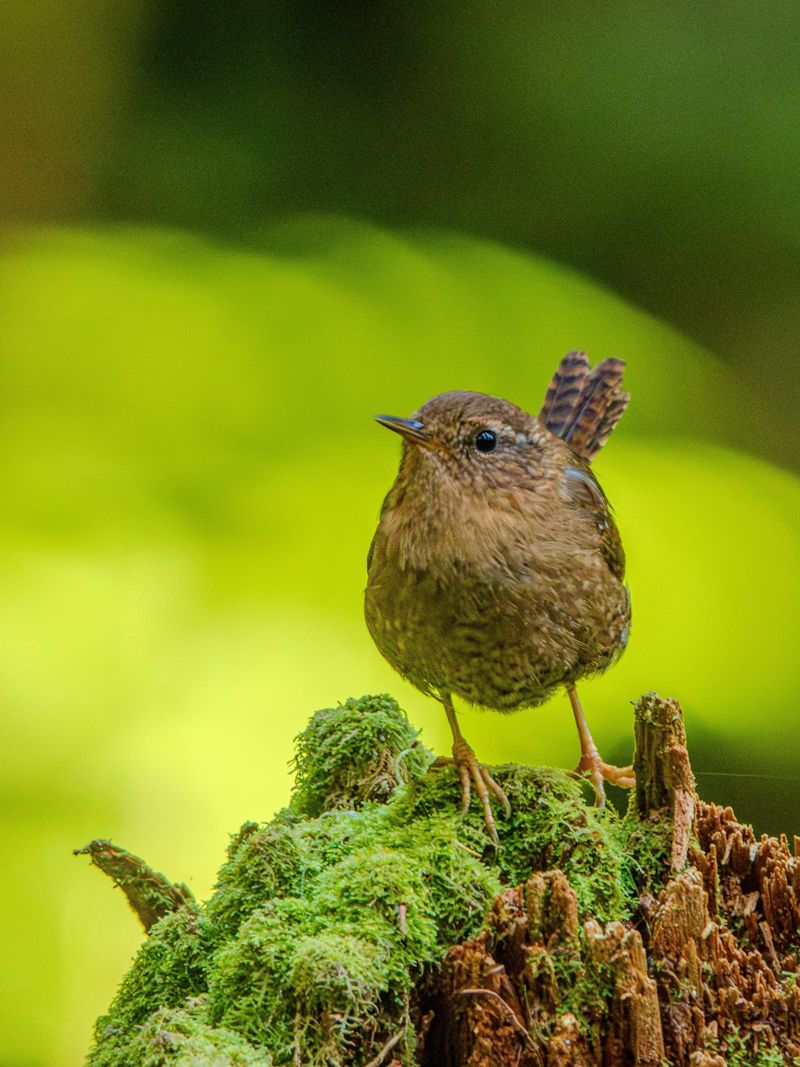
Wrens do not draw attention to themselves the way hummingbirds or bluebirds do. They do not have bright colors or dramatic displays.
Most people walk right past them without a second look. But the work they do is real, consistent, and valuable in ways that are easy to measure.
Studies on insectivorous birds show that their presence significantly reduces pest pressure in gardens and orchards. A pair of wrens raising two clutches of chicks in one season will consume enormous numbers of insects.
Each chick needs to be fed many times per hour, which means the parents are hunting almost without pause.
Over a full growing season, the pest reduction a resident wren family provides can rival what a homeowner might achieve with multiple spray applications. The difference is that wrens do it for free, without side effects, and they get better at it every year they stay in your yard.
Getting wrens to stay is mostly about making them feel comfortable and well-fed. Keep low shrubs, leave some leaf litter, avoid pesticides, and add a shallow water dish if you can.
These are small steps that cost very little but signal to wrens that your yard is a safe and productive place.
Across California, gardeners who have learned to appreciate wrens talk about them with real affection. They may be tiny and quiet, but their impact on a healthy garden is anything but small.
Give them a reason to stay and they will reward you every season.