Who Covers The Cost When A Shared Fence Collapses In Missouri

Overnight, a shared fence can collapse quietly before you even wake up. Confusion hits you first, followed by an awkward question.
Missouri law already answers that question clearly, though you probably never checked it. Ownership here depends on boundary lines, not your friendship. You need a survey before you trust any assumption about costs.
Courts across Missouri have settled disputes exactly like yours before. Neighbors assume shared costs automatically, yet you might owe nothing. Local statutes spell out obligations you never knew existed.
Old fences often predate your property records, adding confusion. Silence spreads between driveways while your repairs sit untouched. Money becomes the real conversation once your emotions settle.
Nobody wants disputes involved over boards you can replace yourself. Clarity exists, though it waits inside language you rarely read.
Understanding your obligations now saves you from bigger disagreements. Once you know the rule, ignoring it stops being an option.
What Missouri Law Says About Shared Fence Ownership

Missouri actually has a specific law about this. State statute 272.060 outlines how neighbors share responsibility for boundary fences, requiring written notice before construction or repair begins.
The law generally treats a fence on a shared property line as a joint responsibility. Both neighbors are expected to maintain it equally.
That sounds fair on paper, but things get messy fast in real life. The law does not always spell out who pays when a fence suddenly falls.
Missouri fence law generally expects each neighbor to maintain the portion of the fence on their side, which in practice often results in an equal cost split.
One important catch exists, though. The fence must actually sit on the boundary line to trigger shared ownership rules.
If the fence sits even a few inches inside one property, the rules shift dramatically. That neighbor may own it entirely and bear all costs.
Local ordinances can also override state-level rules in some cities, so it’s worth checking your specific city or county fence code before assuming anything.
Knowing the exact location of your property line is the smartest first move. A quick survey can save you from a costly assumption.
Who covers the cost when a shared fence collapses in Missouri often starts with this foundational question. Get the legal basics right, and everything else becomes clearer.
Determining Who Actually Built Or Paid For The Fence

Older fences often come with unclear ownership history, and that history can determine who pays today. The original builder often has a strong legal claim to ownership.
Check your closing documents from when you bought the house. Sometimes fence agreements are recorded right there in the title paperwork.
Receipts, permits, and old photos can all serve as proof of who paid originally. Neighbors who built a fence alone sometimes retained full ownership rights.
If your neighbor paid for the fence without asking you to chip in, they may own it outright. That changes the cost picture entirely when repairs come up.
Your Missouri Garden Changes Every Week. Your Plan Should Too.
Gardening in Missouri changes quickly throughout the season. Every Friday you’ll receive a simple weekly plan showing exactly what to plant, prune, fertilize, harvest, and protect so you never miss the right timing.
Oral agreements made years ago are notoriously hard to prove. Without written documentation, both sides end up arguing about something nobody can verify.
Some homeowners discover fence ownership details buried in HOA agreements or neighborhood covenants. Those documents often override informal arrangements between neighbors.
A title company or real estate attorney can help trace the ownership history. Spending a small fee upfront beats a big legal fight later.
Previous owners sometimes installed fences and made verbal deals that never transferred to new buyers. You may have inherited both the fence and a dispute you never knew existed.
Building permits are public records in Missouri counties. Pulling those records can quickly confirm who applied for the original fence installation.
Clarity on original ownership is one of the fastest ways to settle a disagreement before it escalates into something far more expensive and frustrating.
Why Boundary Line Agreements Matter In Fence Disputes

A boundary line agreement is basically a binding written agreement between neighbors. It locks in exactly where the property line sits and what each party agrees to do.
Without one, every fence dispute starts from scratch. You end up arguing about the same questions your predecessors argued about years ago.
Missouri allows neighbors to file these agreements with the county recorder’s office. Once recorded, the agreement travels with the property and binds future owners too.
That last part matters more than most people realize. Selling your home does not erase a boundary agreement you signed with your neighbor.
Boundary agreements can also specify cost-sharing terms for future repairs. Both parties agree upfront on percentages, materials, and timelines before any damage even happens.
Getting everything in writing prevents the classic he-said-she-said scenario. Judges tend to favor documented agreements over vague memories of old conversations.
A real estate attorney can draft a boundary line agreement for a few hundred dollars. That small investment protects you from the difficulty of recovering costs from a neighbor after the work is already done.
Some homeowners skip this step because they trust their neighbors completely. Trust is great, but neighbors move, and the next person may not honor informal deals.
Who covers the cost when a shared fence collapses in Missouri often hinges on whether a boundary agreement exists. A piece of paper today prevents a courtroom dispute tomorrow.
Start the conversation with your neighbor before a fence ever falls. Proactive agreements are always cheaper than reactive legal fights.
Repair And Replacement Costs Between Neighbors
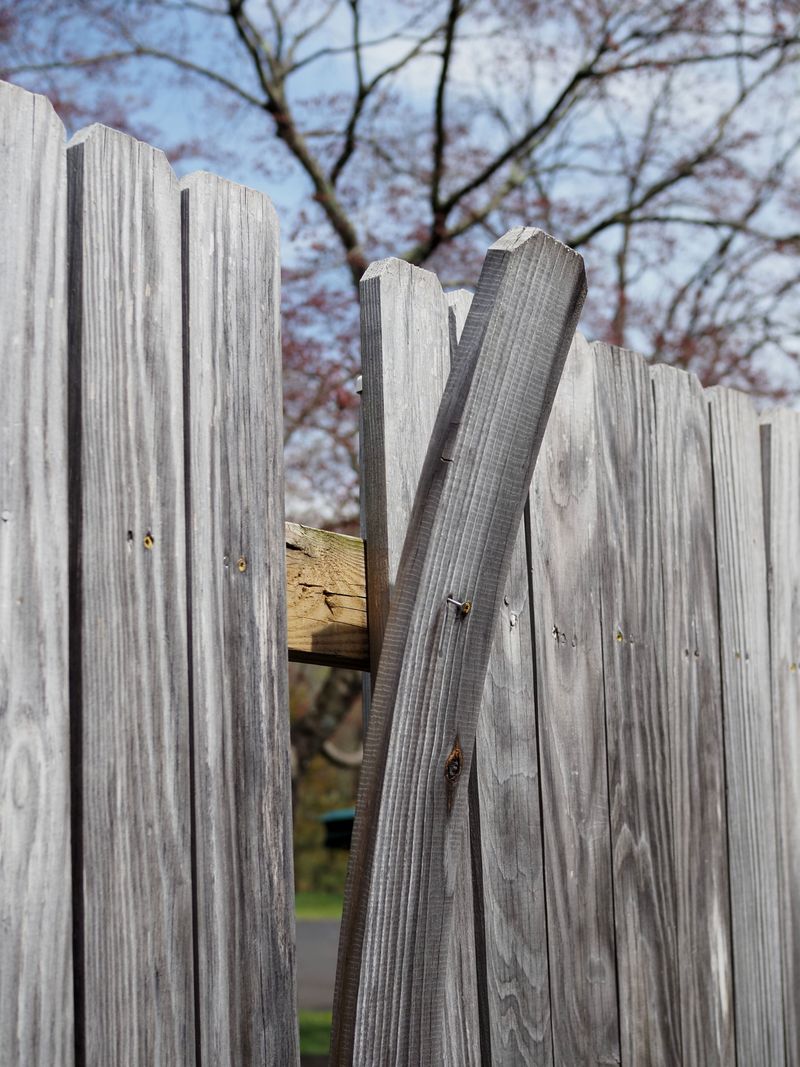
Splitting a fence repair bill sounds simple, but the details can get complicated quickly. Material choices, labor costs, and timing all become negotiating points.
Missouri fence law generally treats repair costs as an equal split between neighbors, though the actual outcome depends on notice, damage cause, and any existing agreement.
However, if one side caused the damage, the math changes fast. A tree falling from your yard onto a shared fence shifts more liability toward you.
Insurance can step in here in a meaningful way. Homeowner policies sometimes cover fence damage caused by storms, falling trees, or other covered events.
Filing a claim does not always make sense, though. If the repair cost sits near your deductible, paying out of pocket may be smarter.
Replacement costs run higher than most homeowners expect. A standard wood privacy fence in Missouri can vary significantly in cost per linear foot installed, depending on contractor, materials, and current market conditions.
Choosing materials together matters too. One neighbor wanting cedar while the other wants vinyl can create disagreement before work even begins.
A written estimate from a licensed contractor gives both parties a neutral starting point. Numbers on paper cool down emotional arguments faster than anything else.
Keep all receipts and communications in writing throughout the process. If the situation ever reaches a small claims court, documentation is your best friend.
Agreeing on a contractor and splitting costs upfront prevents the nightmare of chasing a neighbor for reimbursement after the work is already done.
What Happens When One Neighbor Refuses To Help
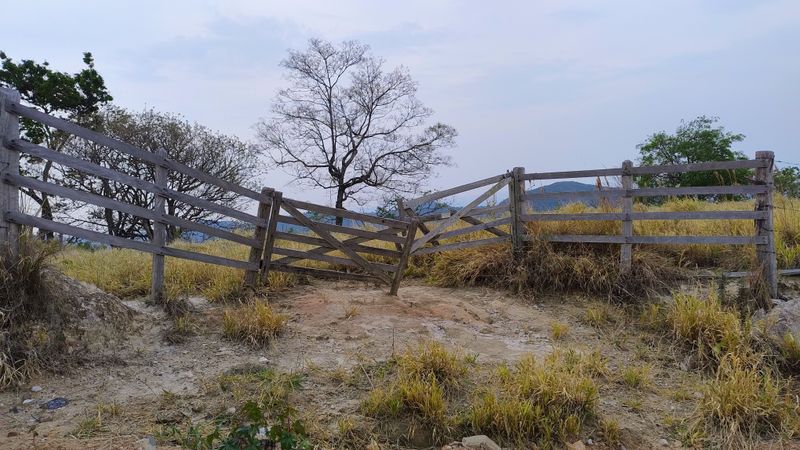
Not every neighbor plays fair, and some will flat-out refuse to pay their share. That is when Missouri law gives you a few options worth knowing.
Under Missouri fence law, if your neighbor ignores a written request for ninety days, you can seek a court order allowing you to build the fence yourself and bill your neighbor for half the cost, capped at the price of a standard lawful fence.
The catch is that you must give proper written notice before starting any work. Skipping that step could cost you your legal right to collect later.
Send a certified letter explaining the fence damage and your repair plan. Keep a copy and the delivery confirmation for your records.
If your neighbor ignores the letter and refuses to pay after repairs, small claims court is your next move. Missouri small claims court handles disputes up to five thousand dollars.
The process is designed for regular people, not just lawyers. Filing fees are low, and the hearings are relatively straightforward to navigate on your own.
Mediation is another option worth trying before court. Many Missouri counties offer free or low-cost mediation services specifically for neighbor disputes.
A mediator helps both sides reach an agreement without a judge deciding the outcome. It is faster, cheaper, and far less stressful than litigation.
Document every conversation, letter, and repair expense along the way. That paper trail becomes your entire case if things escalate.
Refusing to cooperate does not make the problem disappear for your neighbor. Missouri law has enough teeth to make non-cooperation a costly choice.
Steps To Resolve A Fence Dispute Without Going To Court

Most fence disputes never need a courtroom, and that is genuinely good news. A little strategy and patience can solve the problem faster than any judge ever could.
Start with a calm, face-to-face conversation before sending any letters. Tone matters enormously when you need ongoing cooperation from someone who lives next door.
Bring facts, not feelings, to that first conversation. Show your neighbor the damage, share a contractor estimate, and propose a fair split right away.
If talking does not work, move to written communication. A polite but firm letter documents your position and signals that you are serious about resolution.
Missouri has a network of community mediation centers available to homeowners. Many offer services at no charge for exactly these kinds of neighborhood disagreements.
A neutral third party changes the dynamic completely. People tend to listen differently when someone other than their neighbor is presenting the facts.
Check whether your HOA has a dispute resolution process if you live in a managed community. Many associations handle fence conflicts before they ever reach the legal system.
A real estate attorney can send a demand letter on your behalf for a flat fee. Sometimes a letter on official letterhead motivates action when nothing else has.
Who covers the cost when a shared fence collapses in Missouri often gets settled long before any courtroom drama unfolds. Most neighbors just need a clear process and a fair starting point.
Stay solution-focused throughout the entire process. The goal is a fixed fence and a workable relationship, not a win that damages neighborly relations long-term.