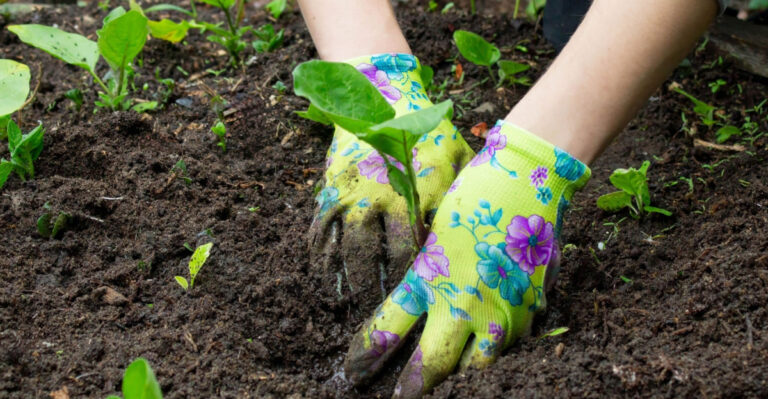
Why Desert Lavender Is Becoming A Favorite In Arizona Front Yards
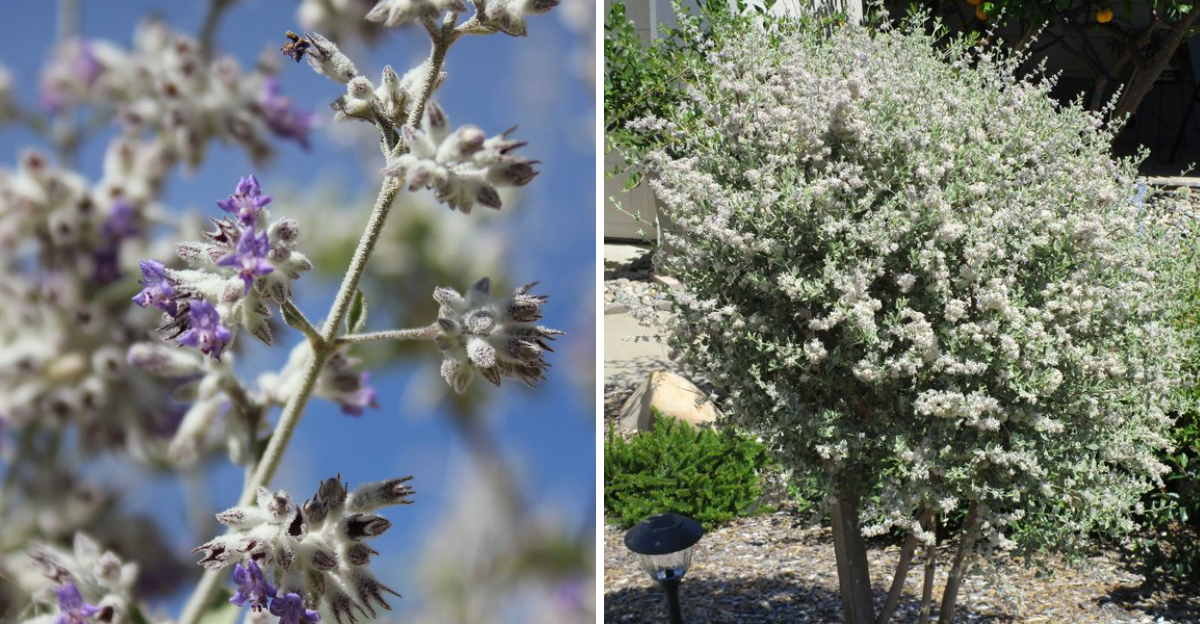
Some plants earn attention because they are flashy. Desert lavender is becoming a favorite for a different reason.
It simply works. More Arizona front yards are adding this native shrub because it looks beautiful without demanding constant care.
If you’re planning to refresh your landscape, don’t skip past this plant. Desert lavender brings soft purple blooms, fragrant foliage, and color that suits the desert naturally.
It also handles intense heat and dry conditions with impressive ease.
That combination is hard to ignore. Many popular shrubs need more water, more trimming, or more attention to stay attractive.
Desert lavender asks for far less while still creating a polished first impression. Once you see it growing in a front yard, it’s easy to understand why more homeowners are choosing it over higher-maintenance alternatives.
1. It Thrives With Very Little Water
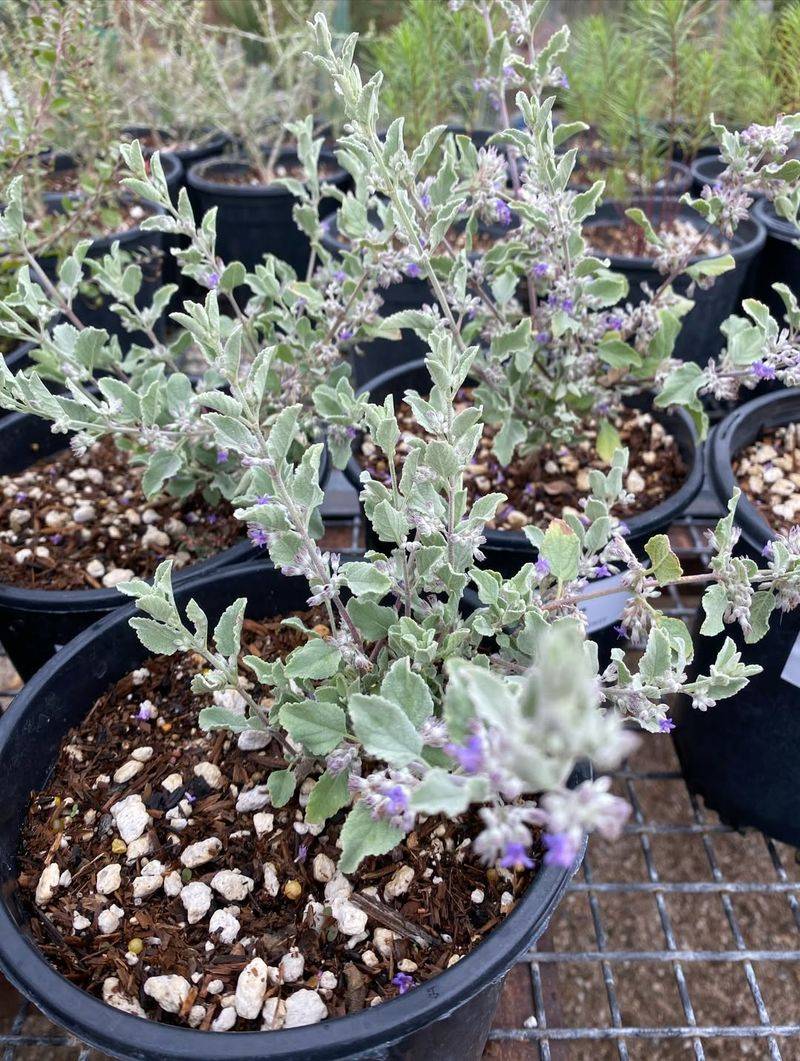
Forget dragging out the hose every other day. Desert lavender handles drought conditions better than most ornamental shrubs you will find at a nursery.
Once it gets established, which typically takes one full growing season, it can survive on rainfall alone in many desert climates. That said, giving it a deep soak every two to three weeks during summer heat can help it look its best rather than just survive.
Root depth plays a big role here. Desert lavender sends roots down deep into the soil, tapping into moisture that shallow-rooted plants cannot reach.
That natural adaptation makes it genuinely suited for low-water yards.
Water bills are a real concern for homeowners in hot, dry regions. Planting drought-tolerant shrubs like desert lavender can noticeably reduce outdoor water use over time, though exact savings depend on your overall landscape setup.
Young plants do need more consistent watering during their first summer. Skipping irrigation too early can stress the plant before roots have spread wide enough to support it.
Pair it with a layer of gravel or decomposed granite mulch around the base. That simple step slows evaporation and keeps soil moisture available longer between waterings.
2. Purple Flowers Attract Pollinators
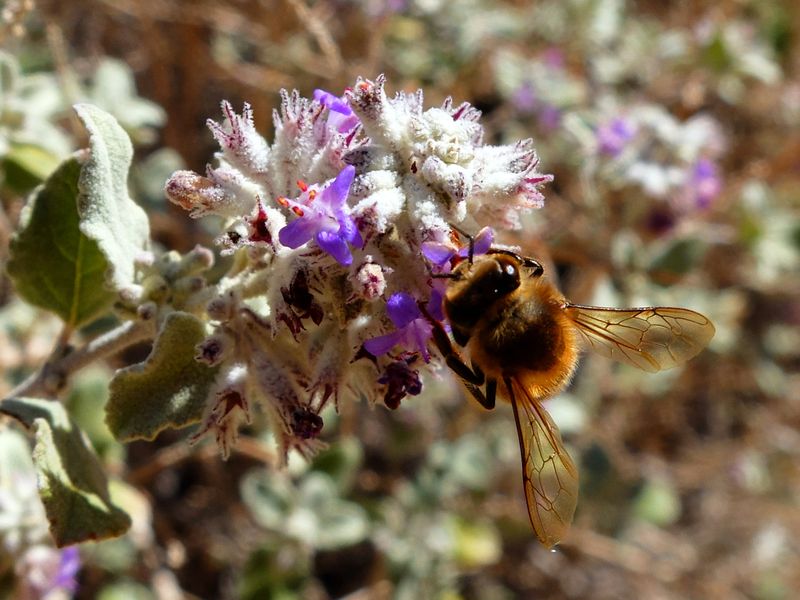
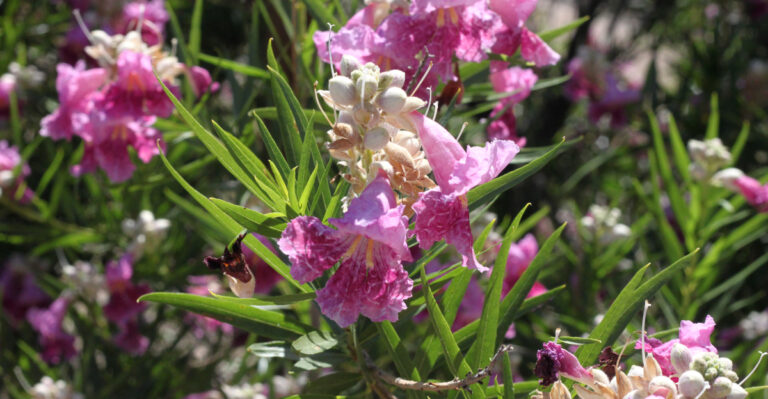
Bees show up before you even finish planting. Desert lavender produces slender spikes of purple-blue flowers that pollinators find genuinely irresistible.
Native bees, honeybees, and hummingbirds all visit regularly when the plant is in bloom. That kind of pollinator activity benefits not just your yard but neighboring gardens as well.
It creates a small, functional ecosystem right at your front door.
Bloom time typically runs from late winter into spring, with a second flush possible in fall depending on temperatures and moisture. That extended season gives pollinators a reliable food source when other plants may not be flowering yet.
Gardeners who grow vegetables or fruit trees nearby often notice improved pollination after adding desert lavender to their landscape. More bees in the area means more visits to flowering crops.
It is a practical benefit that goes beyond curb appeal.
The fragrance is a bonus. Desert lavender has a mild, pleasant scent that becomes noticeable on warm afternoons, adding another sensory layer to your outdoor space without being overpowering.
Your Arizona Garden Changes Every Week. Your Plan Should Too.
Gardening in Arizona changes quickly throughout the season. Every Friday you’ll receive a simple weekly plan showing exactly what to plant, prune, fertilize, harvest, and protect so you never miss the right timing.
If attracting wildlife is a goal, few plants in this size range deliver as consistently. Butterflies also stop by, particularly during peak bloom.
3. Its Silvery Foliage Stays Attractive Year Round
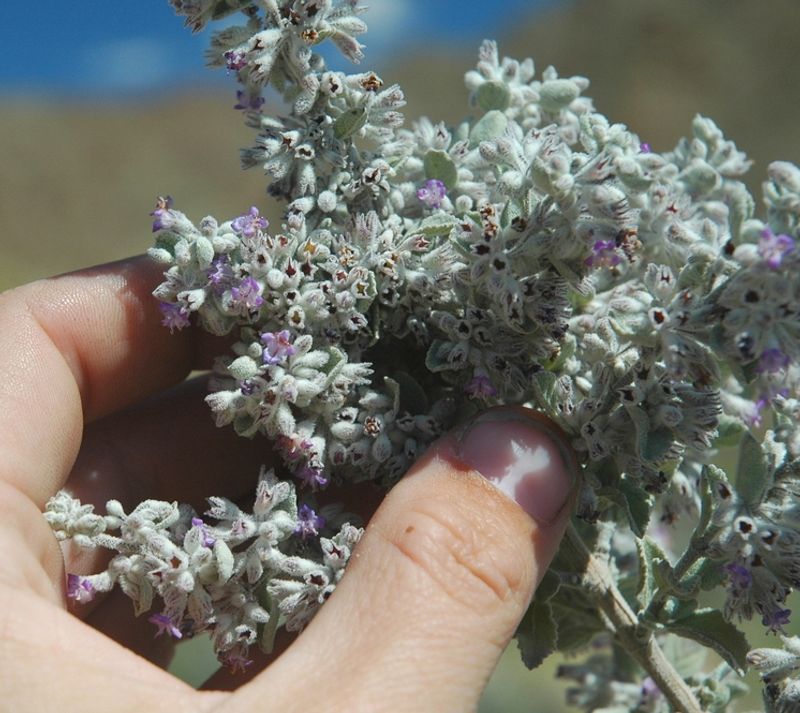
Most flowering shrubs look rough once blooms fade. Desert lavender keeps earning its place even when it is not flowering, thanks to its soft, silvery-gray leaves that hold color through every season.
That pale foliage works beautifully in desert landscapes. It contrasts sharply against red gravel, dark boulders, or terracotta pots, giving the yard structure and visual interest even in the middle of summer when little else is blooming.
Leaf texture matters too. Desert lavender has small, fuzzy leaves that catch light in a way that makes the whole plant seem to glow on bright days.
That subtle shimmer is part of why it photographs so well and draws compliments from neighbors walking by.
During winter, many desert plants drop leaves or look scraggly. Desert lavender usually keeps its shape through mild desert winters.
Hard freezes can damage some stems.
Pairing it with plants that have darker green or burgundy foliage creates strong contrast. That kind of intentional color layering makes a front yard look professionally designed without hiring a landscape architect.
Year-round visual appeal is a genuine advantage in a climate where many plants struggle through summer or look bare through winter. Desert lavender earns its space in the yard across all four seasons, not just during its peak bloom window.
4. Well Drained Soil Helps It Perform Best
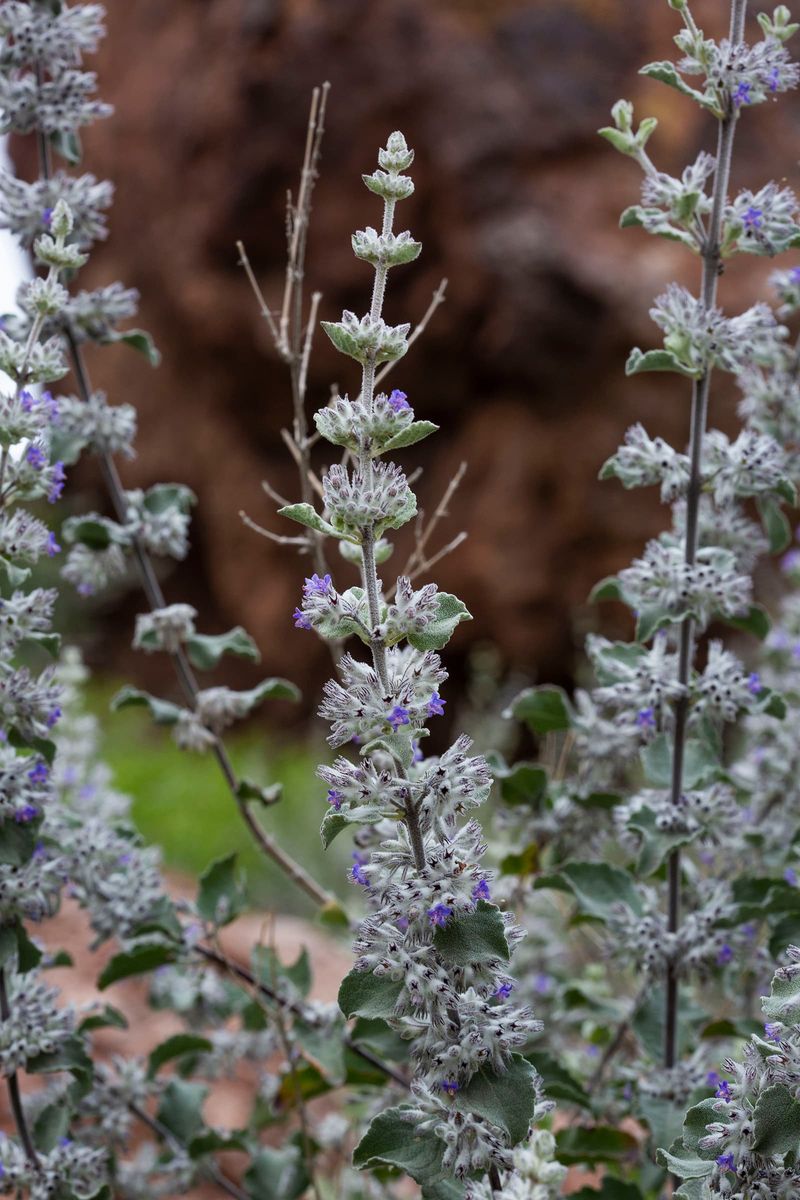
Standing water is the one thing desert lavender genuinely struggles with. Get the soil drainage right, and the plant rewards you with strong growth and consistent blooms.
Native desert soils are often sandy, rocky, or caliche-heavy. Desert lavender adapted to exactly those conditions over time, which is why it tends to underperform in clay-heavy soils that hold moisture too long around the roots.
Before planting, check how quickly water drains from your chosen spot. Dig a hole about twelve inches deep, fill it with water, and watch how fast it disappears.
If it drains within an hour, conditions are likely suitable. Slower drainage signals a potential problem worth addressing before planting.
Amending heavy soil with coarse sand or crushed granite can improve drainage, though results vary depending on how dense the existing soil is.
Raised planting areas or berms are another option worth considering if your yard has drainage challenges.
Avoid planting near irrigation zones designed for grass or other thirsty plants. Excess moisture from neighboring sprinkler systems can saturate soil around desert lavender roots and cause problems over time.
Gravel mulch around the base helps in two ways. It keeps surface soil from compacting after rain, and it prevents moisture from pooling right at the crown of the plant.
5. Full Sun Encourages Better Growth
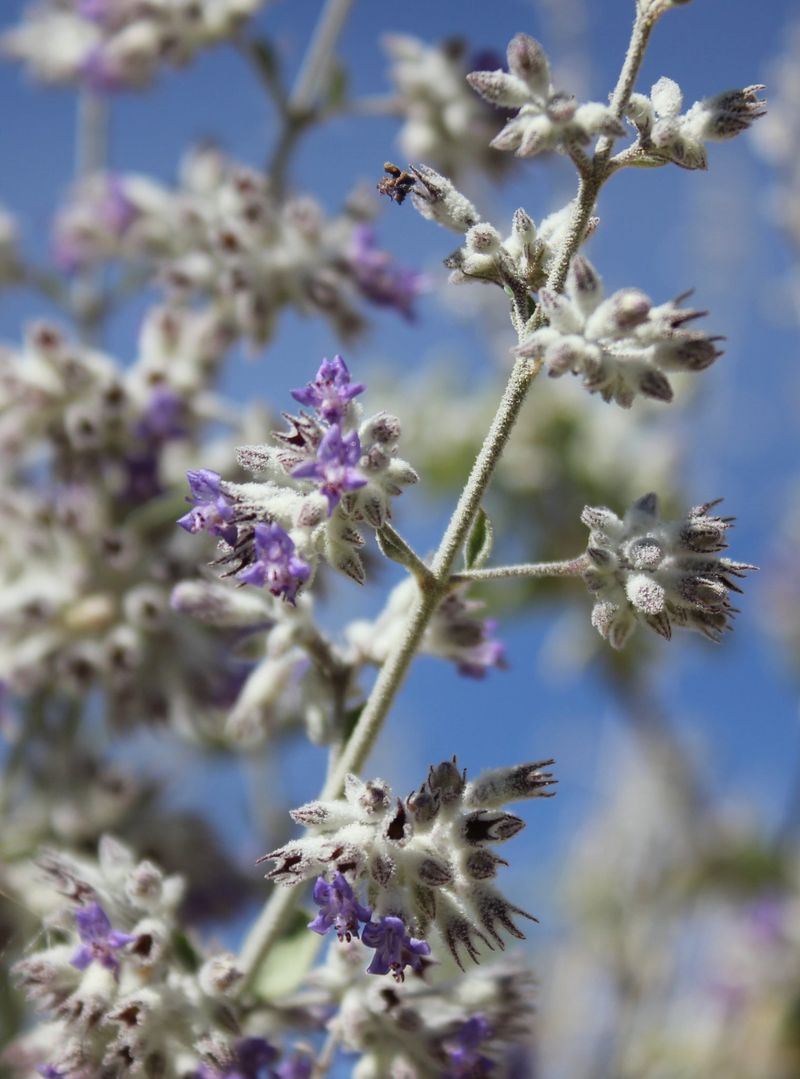
Shade is not this plant’s friend. Desert lavender grows tightest and blooms most reliably when it gets direct sun for most of the day, ideally six or more hours.
Partial shade can cause the plant to stretch and become leggy over time.
Stems spread out loosely rather than forming the compact, rounded shape that makes desert lavender look so sharp in a well-designed front yard.
South-facing and west-facing exposures work especially well in desert climates.
Plants positioned there get intense afternoon sun that many other shrubs cannot handle, but desert lavender manages it without significant stress once established.
Reflected heat from walls, driveways, or light-colored gravel can push temperatures even higher.
Surprisingly, desert lavender often handles those hot microclimates better than expected, though very young or recently transplanted plants may need a little extra water during their first intense summer in those spots.
If your front yard has a mix of sun and shade from a tree or structure, place desert lavender in the sunniest section. Positioning matters more than most people realize, and getting it right from the start saves a lot of frustration later.
Light also affects fragrance. Plants grown in full sun tend to produce more aromatic oils in their leaves, making the mild scent more noticeable on warm afternoons.
That is a small but enjoyable detail that full-sun placement delivers without any extra effort on your part.
6. Avoid Overwatering Established Plants
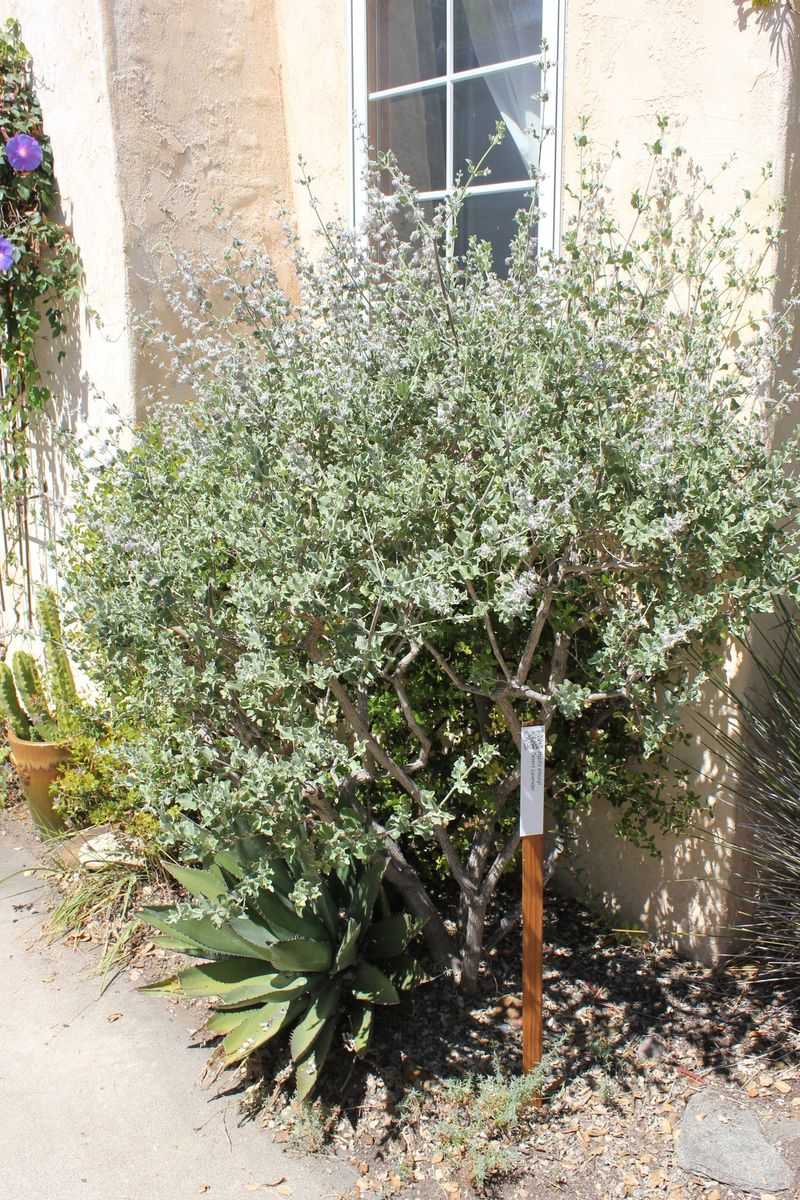
Once desert lavender is settled in, pulling back on water is one of the best things you can do for it. Overwatering established plants causes more problems than drought does.
Root rot is a real risk in soils that stay wet too long. Roots need oxygen as much as moisture, and saturated soil cuts off that air supply.
Plants may start looking yellow or droopy, which is easy to misread as a sign they need more water when the opposite is true.
A good rule of thumb is to water deeply but infrequently. Let the soil dry out noticeably between sessions.
During cooler months, established plants may need water only once or twice a month, or possibly less depending on rainfall.
Automatic irrigation systems are convenient but can work against desert plants if schedules are not adjusted seasonally.
Running sprinklers on a summer schedule through winter often leads to overwatered, stressed plants that look worse than they should.
Watch the plant rather than the calendar. Slightly wilted or curled leaves during peak afternoon heat are not always a concern.
Check soil moisture a few inches down before deciding to water. If it still feels damp, hold off.
Established desert lavender in Arizona landscapes can go weeks without supplemental irrigation during cooler months.
7. Light Pruning Keeps Plants Compact
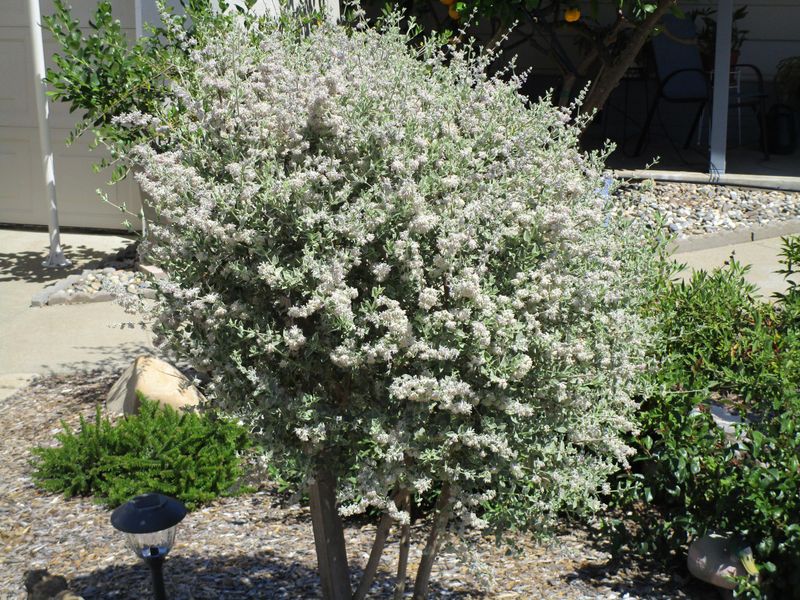
Left completely untouched, desert lavender can get a little rangy after a few years. Light pruning once or twice a year keeps it looking intentional rather than overgrown.
Right after the main spring bloom is a natural time to trim. Cutting stems back by about one-third encourages fresh growth and can trigger a second round of flowers later in the season.
Avoid cutting into old woody stems, as recovery from heavy pruning can be slow and unpredictable.
Hand pruners work fine for most plants. Clean cuts heal faster than torn stems, so sharp blades matter more than people often expect.
Shape matters for curb appeal. A rounded, mounded form looks tidy and fits well in most front yard layouts.
Pruning lightly and evenly around the outside of the plant, rather than cutting straight across the top, helps maintain that natural dome shape over time.
In Arizona, a light cleanup trim in early fall can also help the plant head into cooler months in better shape. Removing damaged or crossing branches improves airflow and reduces spots where moisture might linger on the foliage.
Pruning does not need to be a major project. Spending twenty minutes once or twice a year is genuinely enough for most established plants.