The One July Lawn Task Texas Homeowners Skip That They Always Regret By September
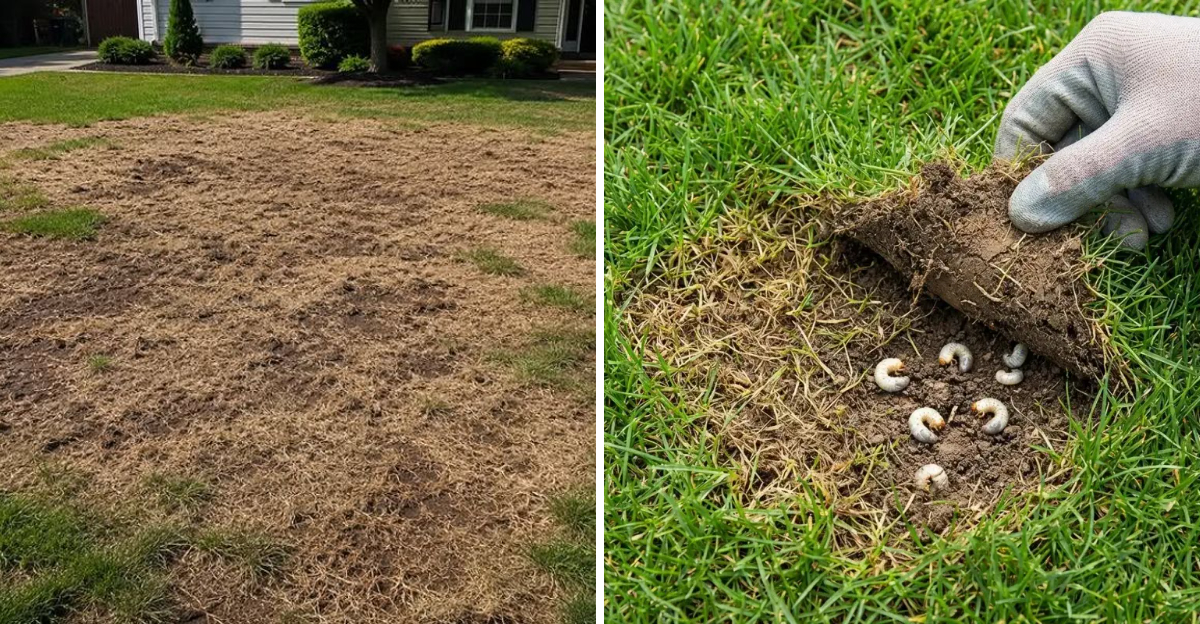
By July, most Texas homeowners have settled into their summer lawn routine. Water on schedule, mow when it needs it, try to keep things alive through the heat. It feels like enough. And for most of the season, it holds.
But September has a way of revealing exactly what went wrong in July, and for a lot of Texas homeowners, the regret traces back to one specific task they skipped when the summer was at its most demanding.
It’s not a complicated task. It’s not even a particularly time consuming one. But it’s the kind of thing that gets pushed to the back of the to do list during the hottest stretch of summer, when spending extra time outside feels like the last thing anyone wants to do.
And the consequences of skipping it don’t show up immediately, which makes it easy to assume everything is fine until September proves otherwise.
Getting ahead of this now still makes a difference. Here’s the July lawn task Texas homeowners consistently skip and exactly why September always reminds them they should have done it.
1. The Task Is Checking The Lawn For White Grubs
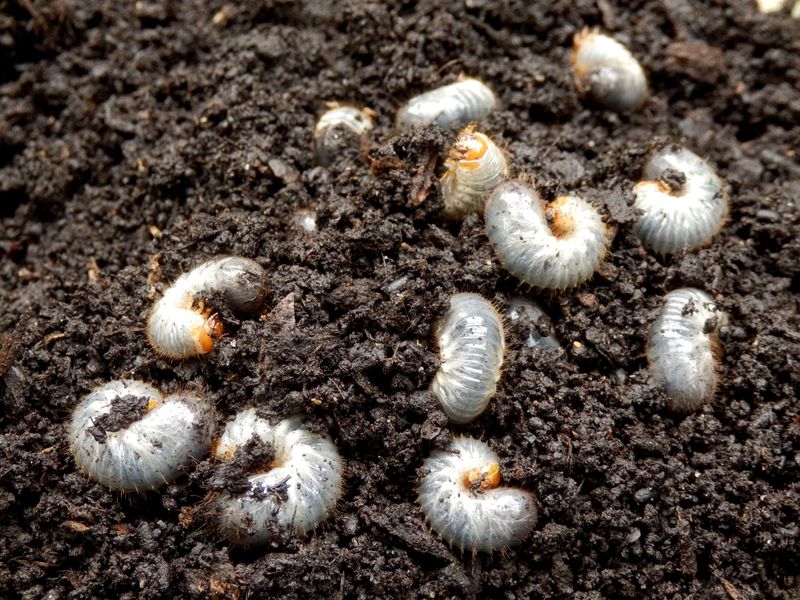
Most people have never seen a white grub up close, and that is exactly why they are so easy to overlook. White grubs are the larval stage of certain May and June beetles, as well as chafer beetles.
They spend weeks underground before most homeowners ever suspect a thing. These larvae feed on turfgrass roots just below the soil surface. Because they stay hidden, your lawn can look mostly fine while the root system is slowly being lost.
By the time the grass starts showing stress, the damage underneath is often already serious.
Texas is home to many scarab beetle species. However, only a handful of them commonly cause significant turf damage.
The most troublesome ones in Texas lawns include species of Phyllophaga, also known as May beetles, along with masked chafers and green June beetles.
Green June beetles are a little different because their larvae feed on organic matter rather than roots. Still, their tunneling activity can disrupt the soil and stress the grass.
Knowing which species you are dealing with helps you choose the right response. Checking for white grubs in July is not complicated. It just requires getting down on your knees and taking a closer look.
A small amount of effort now can save you a lot of frustration and expense later in the season.
Skipping this inspection is the most common mistake Texas homeowners make. The problem is invisible until it is not, and by then, controlling it becomes much harder. A quick check in early July puts you ahead of the problem before it gets out of hand.
2. Why July Is The Critical Window In Much Of Texas
Timing really is everything when it comes to grub control. Adult beetles in Texas emerge, mate, and lay their eggs starting as early as late May in South Texas.
Your Texas Garden Changes Every Week. Your Plan Should Too.
Gardening in Texas changes quickly throughout the season. Every Friday you’ll receive a simple weekly plan showing exactly what to plant, prune, fertilize, harvest, and protect so you never miss the right timing.
In North Texas, this process stretches into early July. That window matters more than most homeowners realize.
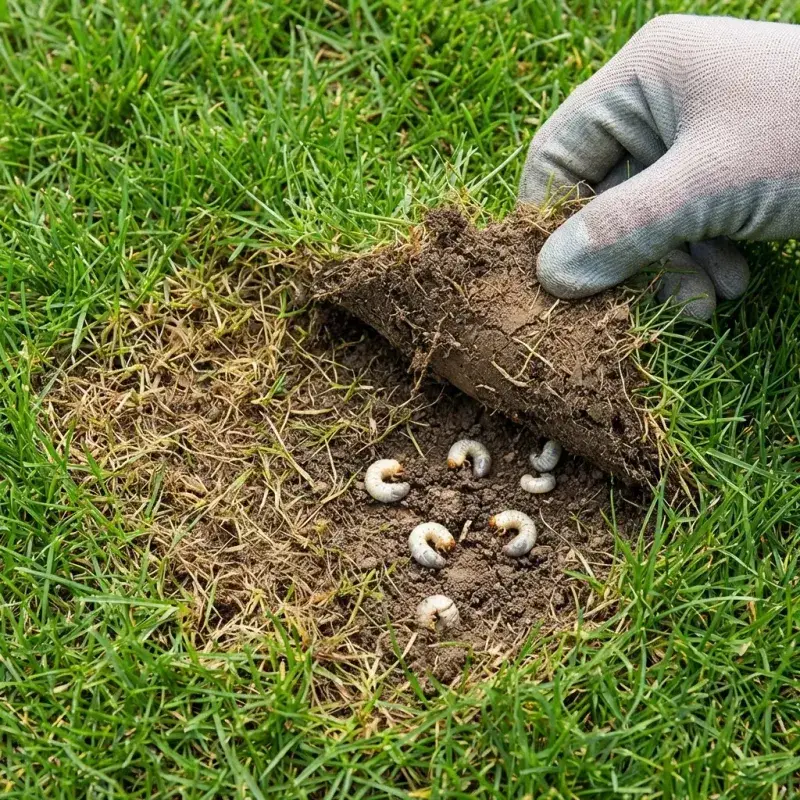
Once those eggs hatch, the tiny larvae immediately begin feeding on grass roots. They are small and soft at this stage, which also makes them far easier to control with treatment products. Waiting even a few weeks can change the situation significantly.
For North Texas homeowners, early July is generally the best time to apply a preventive grub treatment if one is needed. Central Texas guidance from Texas A&M commonly places the ideal treatment window in early to mid-July.
Missing this window by even two or three weeks can reduce how well products work. South Texas lawns often reach this larval stage earlier than the rest of the state. If you live in the Rio Grande Valley or surrounding areas, July treatment may already be running late.
Checking your lawn in June is a smarter move if you are in South Texas. Understanding your region within Texas is an important part of getting the timing right.
A homeowner in Lubbock and a homeowner in McAllen are dealing with the same pest but on very different schedules. Treating at the wrong time, even with the right product, can lead to disappointing results.
July is the month when action makes the biggest difference for most of the state. Mark your calendar, stay aware of local beetle activity, and do not let this window pass without at least checking your lawn.
3. How To Inspect The Lawn Before Applying Anything
Before you reach for any product, take time to actually inspect your lawn. Treating blindly wastes money and puts unnecessary chemicals on your property.
A proper inspection takes about fifteen to twenty minutes and gives you real information to work with.
Start by selecting several widely separated spots across your lawn. Make sure to include the edges of any areas that look thin, brown, or stressed.
Grubs often concentrate in certain zones, so checking multiple locations gives you a much more accurate picture.
Use a hand trowel or a flat spade to cut a small section of turf roughly three to four inches across and about four inches deep. Carefully lift the section like a small flap.
Look through the soil and root zone for creamy-white, C-shaped larvae with brown heads and six distinct legs near the front of their bodies.
After you finish inspecting each section, place the turf back into position and press it down firmly. Water the area after you are done.
This helps the grass recover quickly and reduces stress on the roots you disturbed during the inspection.
One soil plug is never enough to judge the whole lawn. Sampling at least four to six spots gives you a far more reliable count.
Grub populations can vary quite a bit from one part of the yard to another, so spread your inspection out as much as possible.
Write down how many grubs you find in each sample area. This helps you decide whether treatment is actually necessary.
Good information leads to smarter decisions, and smarter decisions lead to a healthier lawn without unnecessary expense.
4. The Signs That Grubs Are Already Damaging Roots
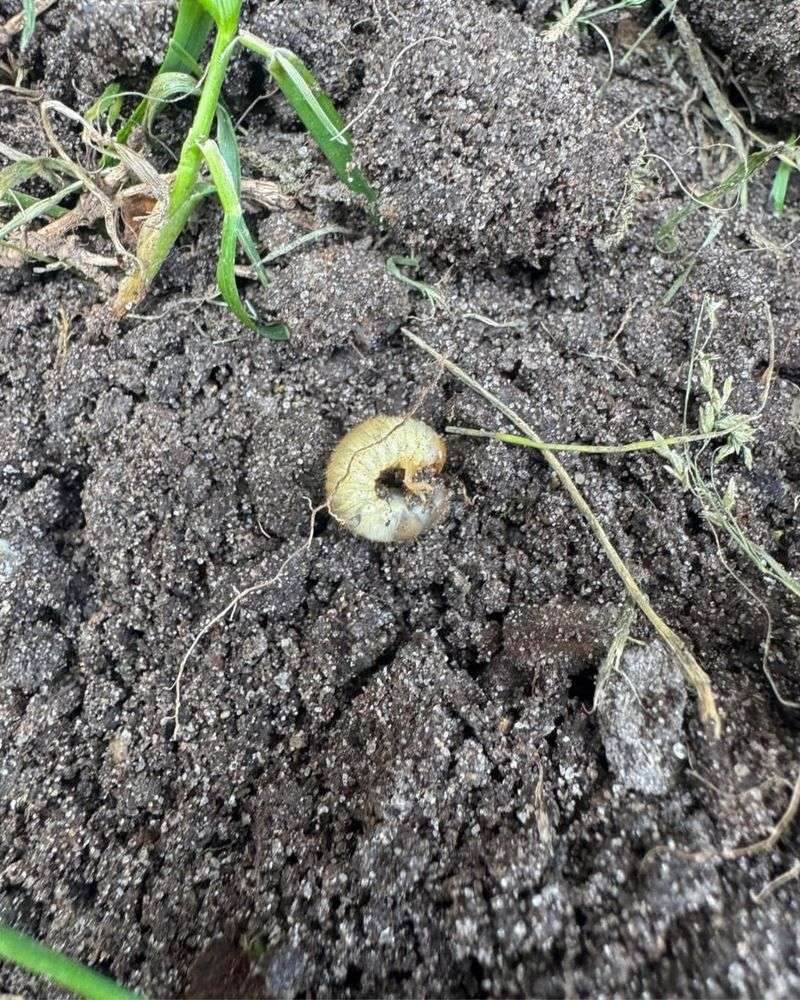
Spotting grub damage early is tricky because the signs look a lot like other common lawn problems. Knowing what to watch for helps you narrow down the cause before you start treating for the wrong thing.
The lawn will tell you what is happening if you know how to read it.
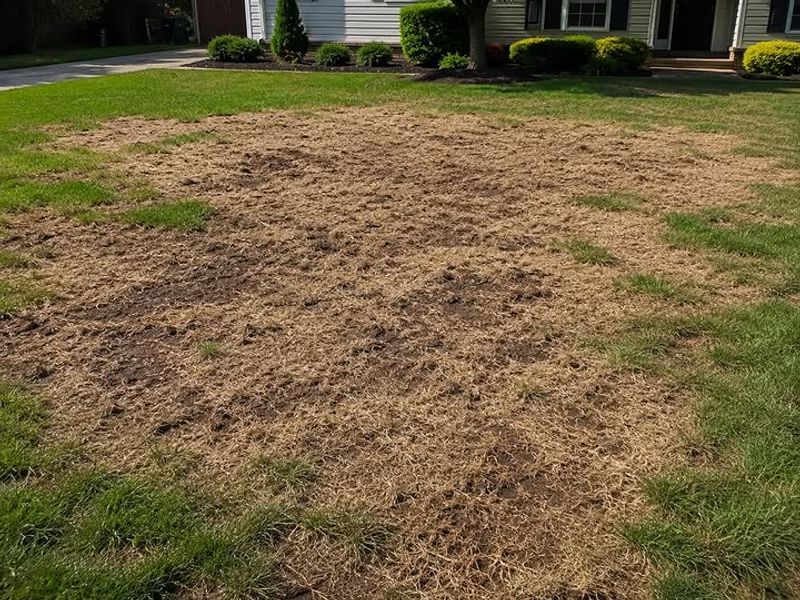
Watch for irregular patches of thinning, yellowing, or browning grass that seem to spread or worsen as summer goes on. These patches often appear randomly rather than in straight lines or uniform shapes.
They tend to look worse during hot, dry stretches even when the rest of the lawn is being watered regularly.
One of the most telling signs is turf that pulls away from the soil with very little effort. Healthy grass has a strong root system that holds it firmly in place.
When grubs have eaten through the roots, the grass lifts up almost like a loose piece of carpet.
Keep an eye on wildlife activity in your yard. Skunks, armadillos, and birds digging into the lawn are a strong signal that something is living in the soil below.
These animals have a remarkable ability to detect grubs, and their digging often causes almost as much visible damage as the grubs themselves.
Do not assume brown grass automatically means grubs. Drought stress, fungal diseases like take-all root rot, and chinch bug damage can all produce similar-looking symptoms.
Always confirm grub presence with a proper soil inspection before drawing any conclusions.
Accurate diagnosis saves time, money, and effort. Getting it right from the start puts you in a much stronger position to protect your lawn for the rest of the season.
5. When Treatment Is And Is Not Justified
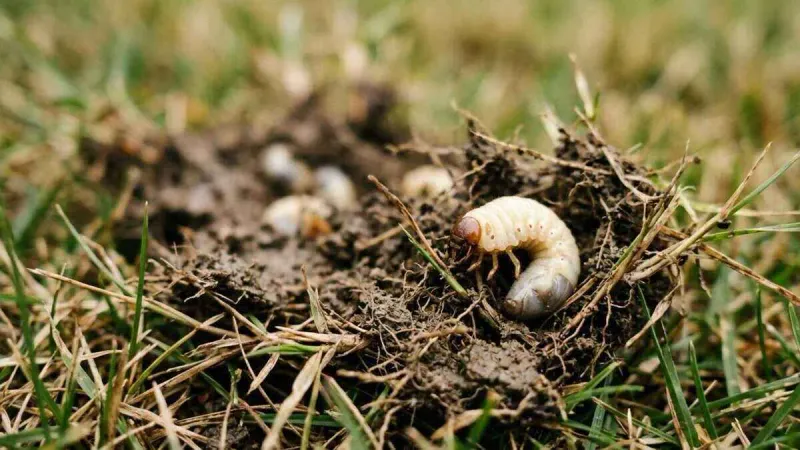
Not every lawn with a few grubs needs to be treated. That might sound surprising, but it is true.
Many healthy lawns can handle a small grub population without showing any real damage. The decision to treat should always be based on facts, not fear.
Texas A&M commonly cites approximately five to ten grubs per square foot as the population threshold at which damage may begin to occur.
If your inspection turns up fewer than five grubs per square foot across most of your sample areas, treatment is often not necessary. Healthy, well-maintained turf can tolerate lower populations without much visible impact.
Some lawns tolerate higher populations better than others. Factors like grass type, soil health, irrigation habits, and recent weather all play a role.
Grub numbers, visible damage, and the property’s history should all be considered together before making a treatment decision.
If your lawn has experienced confirmed grub damage in past summers, a properly timed preventive application may make sense this July.
Preventive products work best when applied before the eggs hatch or very shortly after. They are far less effective once the larvae have grown larger.
Lawns with no history of grub problems and no current evidence of infestation should not receive automatic annual insecticide applications.
Routine preventive treatments without any evidence of a problem can disrupt beneficial soil organisms and add unnecessary chemical load to your yard and local environment.
Smart lawn care means treating when it is genuinely needed and holding off when it is not. That approach protects your lawn, your budget, and the environment around your home all at the same time.
6. Why Waiting Until September Can Make Control Harder
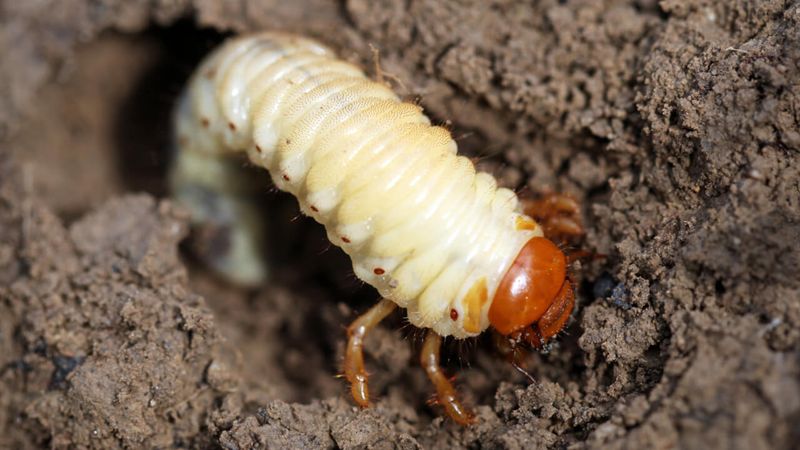
September is a tough month to realize you have a grub problem. By then, the larvae have been feeding for weeks and have grown considerably.
Bigger grubs are tougher to control, and the root damage they leave behind is already done. Waiting is the most common and most costly mistake Texas homeowners make.
White grubs grow steadily throughout the summer. As they get larger, they consume more roots and move deeper into the soil.
Products that work well on young, newly hatched larvae become far less effective against mature third-instar grubs. The biology of the pest works against you the longer you wait.
By late summer or early fall, widespread thinning and browning may finally become obvious across large areas of the lawn. At that point, even a successful treatment may not restore the grass before cooler weather arrives.
The lawn may need overseeding or resodding to recover fully, which adds significant cost and effort.
Acting in July, when the larvae are young and close to the surface, gives control products the best possible chance to work. The root zone is also easier to reach with irrigation at this time of year, which helps move product where it needs to go.
Always use a grub-control product that is specifically labeled for your lawn type and the pest species you are targeting. Read the label carefully and follow the timing directions exactly.
When the label requires irrigation after application, water the product into the root zone right away.
July action leads to September success. Skipping this one task now almost always means dealing with a much bigger, more expensive problem just a few months down the road.