The Summer Gardening Habit That Makes Georgia Mosquito Problems Worse
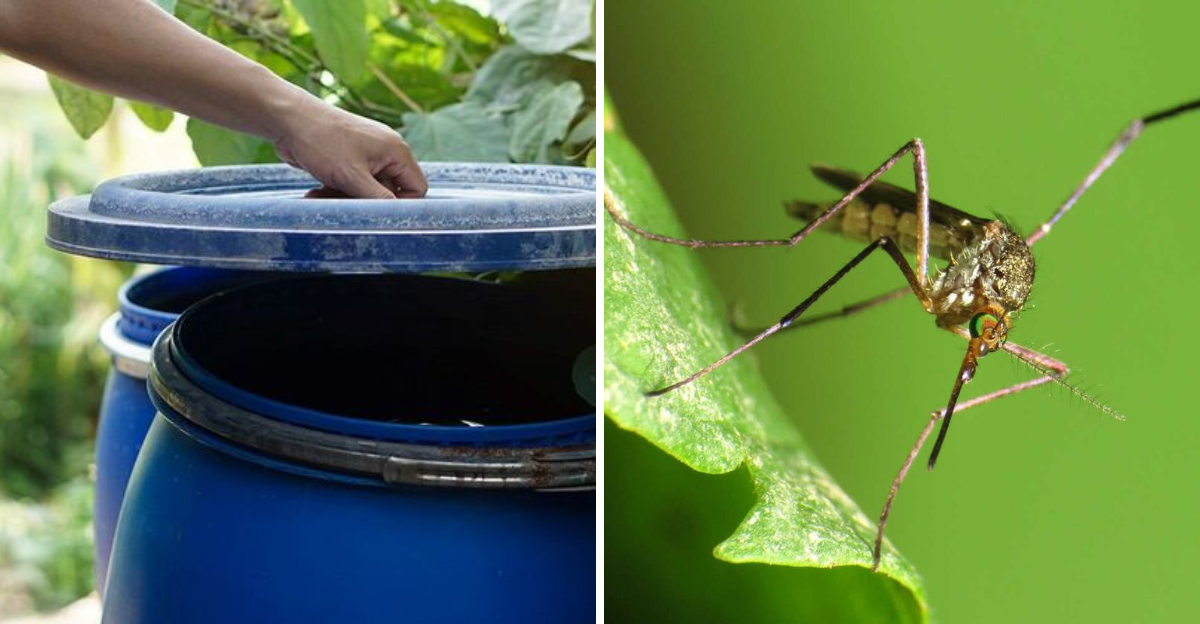
Most people blame mosquitoes on summer weather, but one common gardening habit often makes the problem much worse. If you’re unknowingly creating the perfect conditions, those bites may never let up.
Georgia gardens can quickly become mosquito magnets when small mistakes add up. Break that routine before it becomes another frustrating summer battle.
A few simple changes can make your outdoor space far more enjoyable. You do not need expensive gadgets or harsh sprays.
You just need to stop feeding the problem without realizing it. Once you know what to avoid, relaxing outside feels much better.
Your garden should attract butterflies, not clouds of buzzing pests.
Fix this habit now and enjoy your yard with fewer itchy evenings all season long without giving mosquitoes an open invitation anymore to thrive.
1. Overwatering Creates Better Breeding Conditions
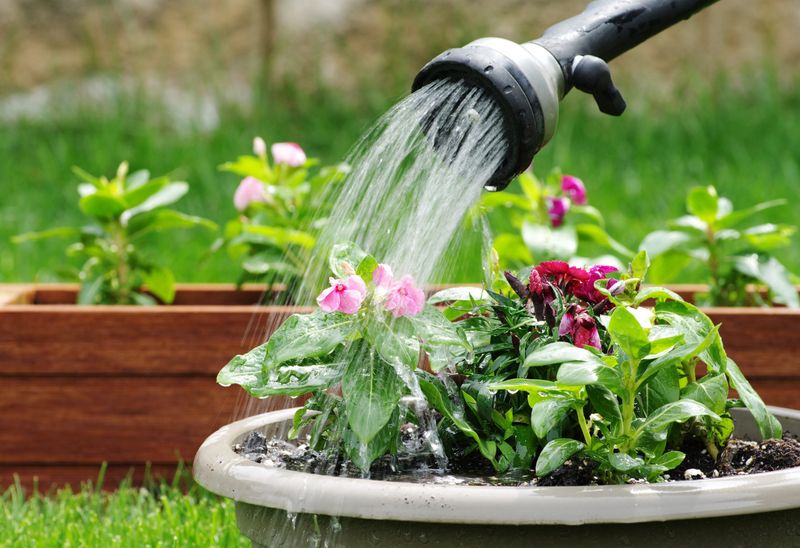
Soggy soil is basically a welcome mat for mosquitoes. When you water your garden more than your plants actually need, that extra moisture sits on the surface and pools in low spots.
Mosquitoes can lay eggs in surprisingly small amounts of water, including thin films of moisture sitting on compacted soil.
Overwatering is one of the most common gardening mistakes in hot, humid climates. It feels natural to want to give plants extra water when temperatures spike.
However, most established garden plants handle heat better than they handle root rot from too much moisture.
Check your soil before watering. Push a finger about an inch into the soil near your plants.
If it still feels damp, hold off for another day. Raised beds tend to drain better than flat ground beds, which helps reduce standing moisture significantly.
Watering in the early morning is generally better than watering at night. Morning watering gives the soil surface time to dry out before evening, which is when mosquitoes are most active.
Wet soil at dusk creates conditions that are much more favorable for mosquito activity near your garden beds.
Cutting back on how often you water, without stressing your plants, is one of the most practical steps you can take.
2. Empty Plant Saucers Before Mosquitoes Multiply
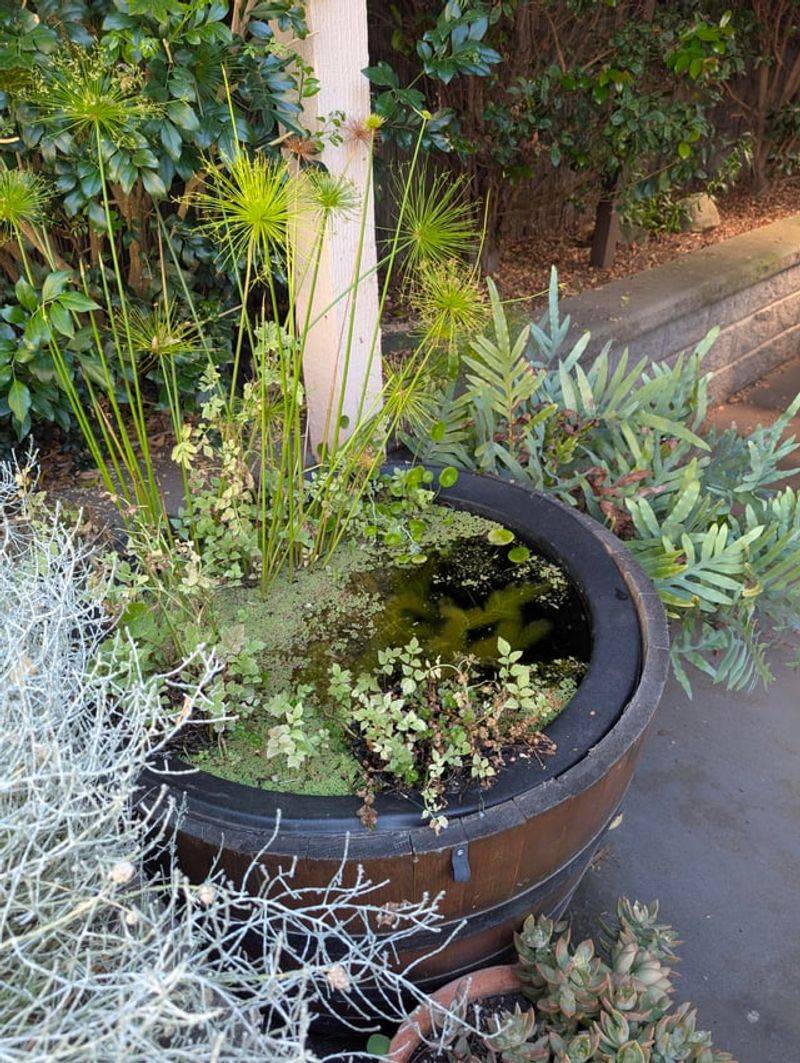
Plant saucers are sneaky little mosquito traps. They sit right under your potted plants, collect water every time you water or it rains, and then just sit there quietly doing nothing useful.
Within a few days, that trapped water becomes a potential breeding spot.
Most gardeners do not think twice about saucers. They seem harmless and even helpful since they catch overflow and protect surfaces.
But a saucer holding even a half inch of water for more than a few days can support mosquito egg development under warm summer conditions.
Get into the habit of tipping saucers after every watering session. It takes about ten seconds per pot and makes a noticeable difference over time.
If you have a lot of potted plants on a porch or patio, do a quick check every couple of days during the warmer months.
Some gardeners switch to self-watering pots with sealed reservoirs instead of open saucers. These keep water contained in a way that mosquitoes cannot easily access.
Your Georgia Garden Changes Every Week. Your Plan Should Too.
Gardening in Georgia changes quickly throughout the season. Every Friday you’ll receive a simple weekly plan showing exactly what to plant, prune, fertilize, harvest, and protect so you never miss the right timing.
Another option is placing a thin layer of sand in the saucer so water absorbs rather than pools on the surface.
Porch and patio gardens are popular in Georgia, and they often have more saucers than in-ground gardens. Keeping those saucers dry is one of the simplest habits you can build this summer.
3. Fix Low Spots Where Rainwater Stays Too Long
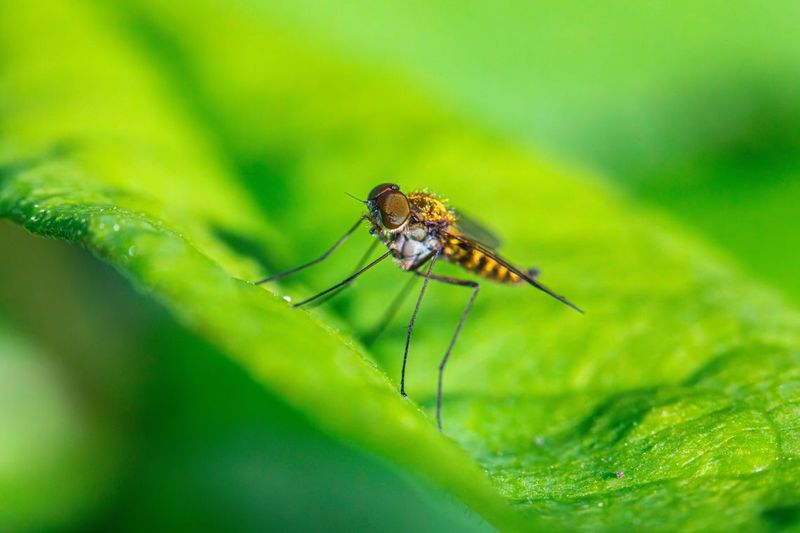
After a summer rainstorm, walk around your yard and watch where the water goes. Low spots that hold water for more than a day or two are worth paying attention to, especially near your garden beds.
Standing water in those depressions is one of the more overlooked mosquito contributors in residential yards.
Grading issues are common in older neighborhoods. Over time, soil settles and creates uneven surfaces that collect runoff.
These low spots may not seem like a big deal, but they can hold water long enough for mosquito eggs to hatch and larvae to develop in warm weather.
Filling low spots with topsoil or a sand and soil mix is a straightforward fix. Tamp it down firmly and reseed or resod if needed.
The goal is to encourage water to drain away rather than pool. Even a gentle slope away from your garden beds can help significantly.
French drains are another solid option for yards with persistent drainage issues. These are trenches filled with gravel and a perforated pipe that redirect water underground and away from problem areas.
They require more effort to install but can solve recurring pooling issues for years.
Gardeners who grow vegetables or flowers in flat areas should pay extra attention to soil compaction. Compacted soil slows drainage considerably.
4. Clean Birdbaths Often During Hot Weather
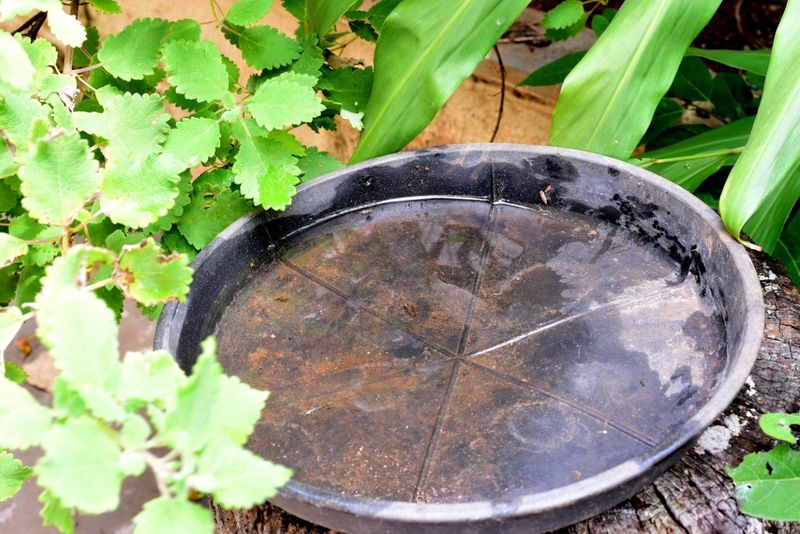
Birdbaths are beautiful garden additions, but they require regular maintenance to avoid becoming mosquito nurseries. Water that sits undisturbed in a birdbath for several days gets warm, stagnant, and increasingly attractive to egg-laying mosquitoes.
It happens faster than most people expect during summer heat.
Scrubbing and refilling your birdbath every two to three days during hot weather is a reasonable routine. A stiff brush and plain water are usually enough to break up any buildup on the basin surface.
Avoid soap or harsh cleaners since residue can affect birds that drink from it.
Adding a small solar-powered fountain or wiggler to your birdbath is worth considering. Moving water is much less appealing to mosquitoes than still water.
These devices are inexpensive, easy to use, and can extend the time between full cleanings while still keeping the water in motion.
Placement matters too. Birdbaths in shaded, sheltered spots tend to stay warmer and stagnate faster than those in open areas with some air circulation.
Positioning your birdbath where it gets morning sun and a bit of breeze can slow algae growth and reduce how quickly the water becomes problematic.
Birdbaths are worth keeping because birds are natural insect feeders. Some bird species consume large numbers of insects, including mosquitoes.
5. Store Buckets And Watering Cans Upside Down
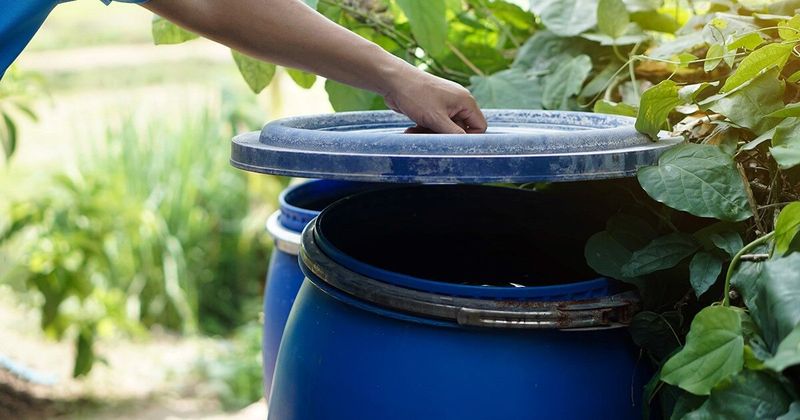
Leaving a bucket outside right-side up is basically setting out a mosquito trap. Rain fills it, sun warms it, and within days you have standing water sitting in your own backyard.
Watering cans left with water inside are just as problematic and often go unnoticed for longer.
Flipping containers upside down when not in use is one of the fastest habits to build. It costs nothing and takes almost no effort.
Any container that can collect rainwater, including old pots, buckets, bins, or trays, should be stored in a way that prevents water from pooling inside.
Garden sheds are worth organizing with this in mind. Hanging watering cans on hooks or storing them on their sides prevents residual water from sitting in the spout or base.
Buckets stacked upside down on a shelf or hook stay dry and ready to use without creating a water collection problem.
Seasonal items like large tubs or storage bins used occasionally should be covered or turned over when not in active use.
Even a tight-fitting lid with a slight indentation can collect enough water to cause issues if left unchecked for several days during rainy stretches.
Gardeners in the South often accumulate a surprising number of containers over the years. Taking a slow walk around your yard and identifying every container that could collect water is a useful exercise.
6. Trim Back Dense Plants Near Damp Areas
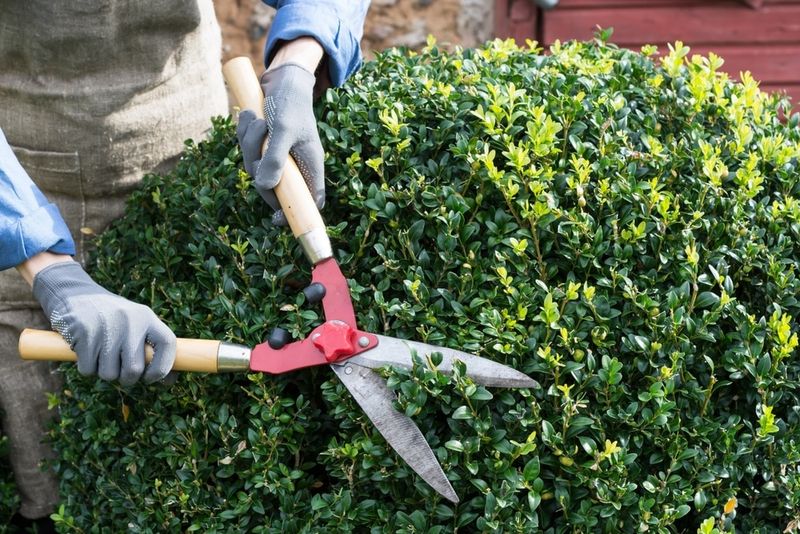
Thick, overgrown plants near damp soil or drainage areas create shaded, humid pockets that mosquitoes actively seek out during the day. Cutting back that dense growth reduces the shelter mosquitoes use to rest between feeding periods.
Less cover means fewer mosquitoes hanging around your garden space.
Shrubs, ornamental grasses, and sprawling ground covers are common culprits. When these plants grow thick and low to the ground, the interior stays cool and moist even on hot days.
Mosquitoes rest in that humid interior and then move out to feed in the evening when conditions suit them.
Pruning does not require being aggressive with your plants. Thinning out interior branches and lifting the canopy of low-growing shrubs improves airflow without changing the overall shape dramatically.
Better airflow helps the soil underneath dry out faster after watering or rain.
Pay extra attention to areas where plants grow close to downspouts, drainage channels, or shaded fence lines. Moisture tends to linger in those spots, and dense plant growth makes conditions even more favorable for mosquito resting habitat.
Keeping those zones trimmed and open helps break that cycle.
Georgia summers get long and plants grow fast, so trimming once and forgetting about it is not a realistic plan. A light trim every few weeks during peak growing season keeps dense spots manageable.
7. Water Only As Much As Your Plants Need
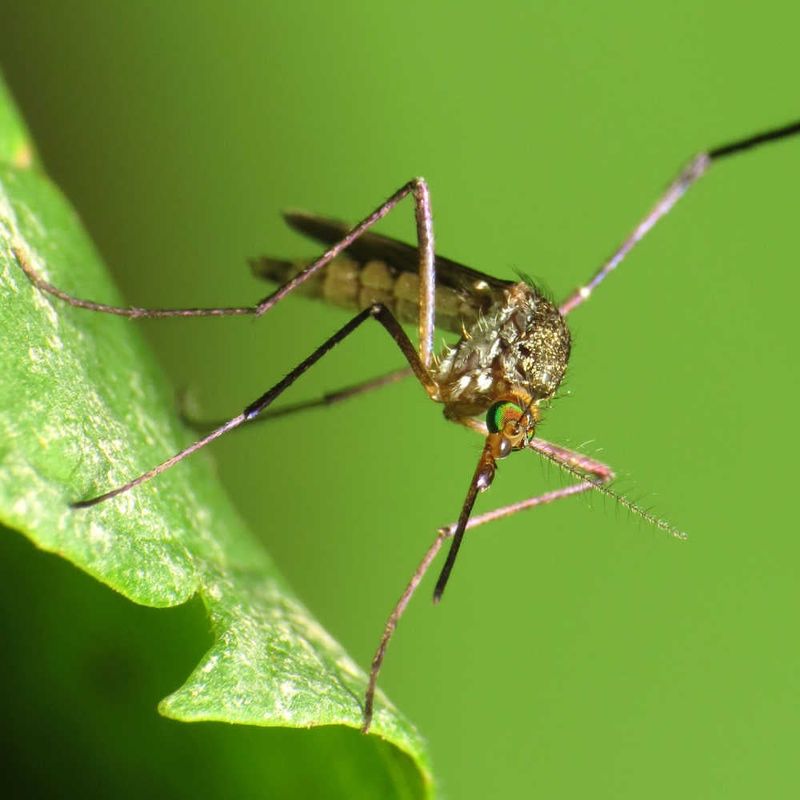
Watering on a fixed schedule regardless of actual soil conditions is a habit that often creates more problems than it solves. Plants do not need water on a clock.
They need water when the soil gets dry enough to require it, and that varies based on temperature, rainfall, and plant type.
A simple soil check before watering saves water and reduces the surface moisture that mosquitoes benefit from. Push a finger about an inch into the soil near your plant roots.
If it feels moist, skip watering for that day. If it feels dry, water thoroughly but not excessively.
Drip irrigation systems are worth considering for larger garden beds. Drip lines deliver water directly to root zones with minimal surface wetting.
Less moisture on the soil surface means fewer opportunities for water to pool or sit long enough to attract egg-laying mosquitoes near your plants.
Mulching garden beds helps retain soil moisture so plants need less frequent watering overall. A two to three inch layer of wood chip mulch or straw slows evaporation and keeps roots cooler during hot spells.
Watering less often while keeping plants healthy is a practical balance that also helps limit surface moisture.
Matching your watering habits to what your plants actually need takes a little observation at first. Over time it becomes intuitive.