The Indiana Yard Mistakes That Keep Roots Heat-Stressed All Summer Long
Heat changes your lawn in ways you’d never expect this season. Indiana humidity traps moisture exactly where your roots can’t handle it.
Your lawn isn’t thirsty; it’s struggling from mistakes you never see.
Pavement radiates warmth long after sunset, taxing your grass roots below. Watering more often feels safe, but it hides damage under your lawn.
Roots weaken first, then your color fades, then bare patches appear.
Clay soil across Indiana holds heat differently than you’d expect. Small errors compound quickly, turning your healthy grass into a mess.
Fertilizer timing matters more than you assume during summer heat.
Mowing height alone can decide your yard’s fate in August. Every choice you make now shapes what your lawn becomes later.
Ignoring these patterns costs you more than money this season. Nothing about this waits for you.
Once you see this clearly, you won’t look away, and everything moves forward from here.
1. Watering Too Shallow And Too Often
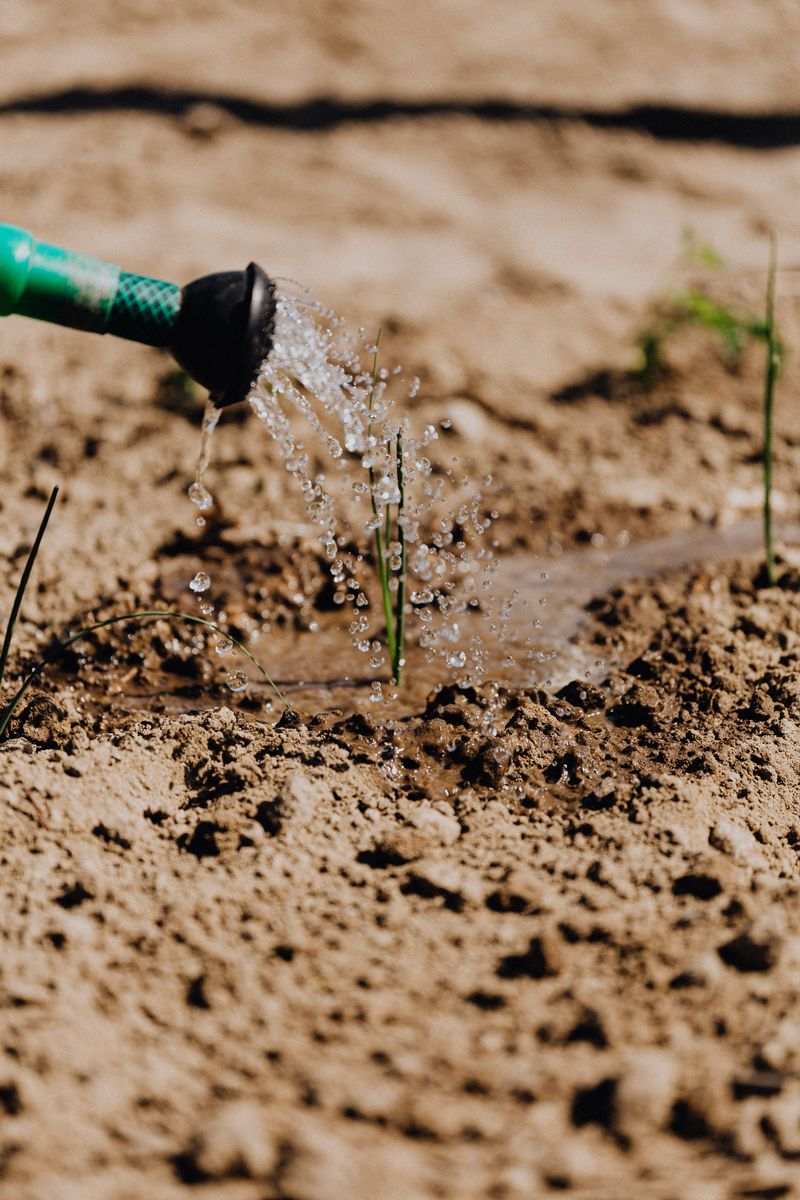
Shallow watering is one of the sneakiest root heat stress mistakes you can make. You turn on the sprinkler, the grass looks wet, and you feel like a responsible homeowner.
But here is the problem: those roots never go deep. They stay near the surface, where summer heat raises soil temperature significantly.
Deep roots are your lawn’s built-in survival system. When roots only grow two inches down, any hot afternoon can undo recent growth quickly.
The fix is simpler than most people expect. Water less often but for longer stretches each session.
Aim for about an inch of water, two to three times per week. That pushes moisture down four to six inches, where soil temperatures stay cooler and roots can actually thrive
A screwdriver test tells you everything. Push one into the ground after watering; if it stops at two inches, you are not watering long enough.
Indiana clay soil makes this worse because it absorbs water slowly. Watering too fast causes runoff before moisture ever reaches root level.
Breaking your watering session into two shorter cycles, spaced thirty minutes apart, lets clay absorb each round fully. Your roots will start chasing water downward instead of waiting near the surface.
Once roots go deep, your lawn handles heat waves with far more resilience. Shallow watering feels productive but leaves roots exposed to the worst of summer.
2. Mowing The Lawn Too Short In Summer
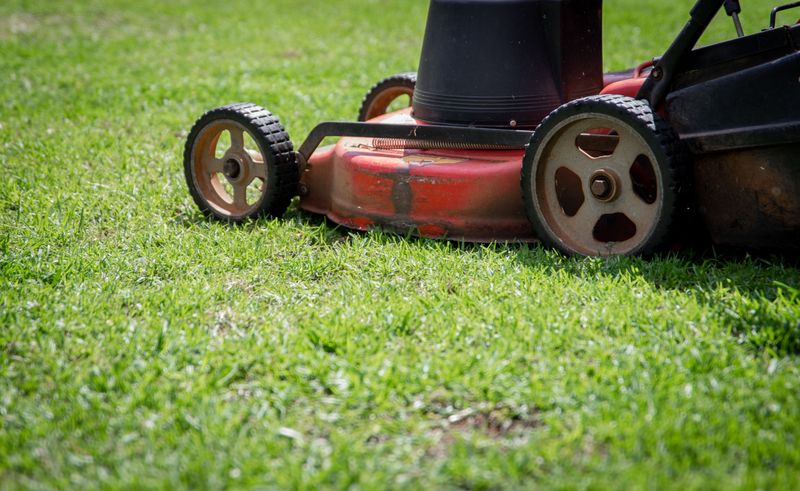
Cutting grass very short can feel productive in the moment. Short grass looks tidy, and you think you are buying yourself more days between mows.
What you are actually doing is stripping away the only shade your roots have. Grass blades shade the soil, blocking direct sun from hitting the ground below.
When you cut too low, soil temperatures can rise noticeably higher than shaded ground. That extra heat is exactly what sends roots into stress mode.
Indiana lawns in summer need grass kept at three to four inches tall. That height keeps the crown of the plant protected and the soil beneath it cooler.
Your Indiana Garden Changes Every Week. Your Plan Should Too.
Gardening in Indiana changes quickly throughout the season. Every Friday you’ll receive a simple weekly plan showing exactly what to plant, prune, fertilize, harvest, and protect so you never miss the right timing.
Tall grass also retains moisture longer between watering sessions. Every inch of blade height you preserve is another layer of insulation working for you.
The one-third rule is your best friend here. Never remove more than one-third of the blade in a single mow.
If your grass got away from you and grew long, bring it down gradually over several mowing sessions. Cutting it all at once shocks the plant and exposes roots suddenly to full sun.
Keep your mower blades sharp too. Dull blades tear grass rather than cut it cleanly, leaving ragged edges that lose moisture faster.
A well-mowed lawn at the right height is one of the easiest ways to fight root heat stress. That small height adjustment pays off all summer long.
3. Skipping Mulch Around Root Zones
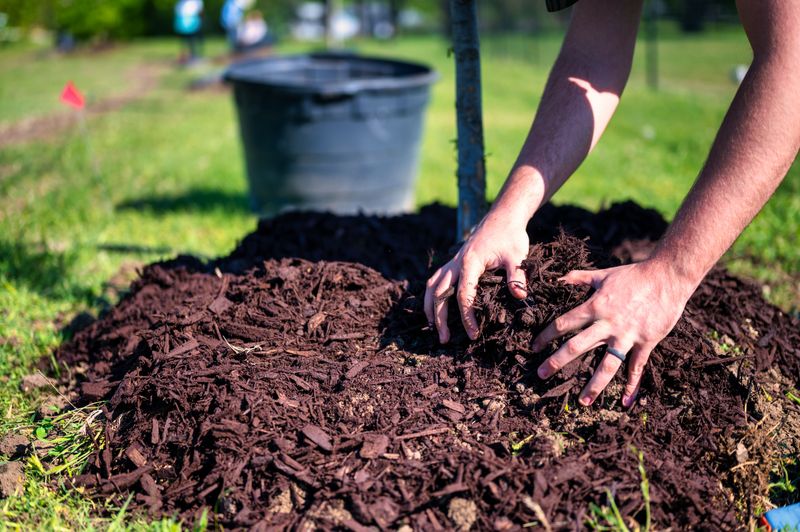
Bare soil in summer leaves roots more exposed to rising temperatures. Without any covering, the ground absorbs sunlight all day and holds that warmth long into the night.
Mulch changes everything about how root zones handle Indiana heat. A two-to-four-inch layer of organic mulch can significantly lower soil temperature.
That is not a small difference. That gap between hot and cool soil determines whether your plants struggle or flourish through July and August.
Wood chips, shredded bark, and leaf compost all work well. Each type breaks down over time and adds nutrients back into the soil as a bonus.
Place mulch around trees, shrubs, and garden beds, keeping it a few inches away from the actual trunk or stem. Mulch piled against a trunk holds moisture there and invites rot.
The goal is to cover the root zone, which extends out to the drip line of the plant. Most homeowners only mulch right next to the trunk, leaving the majority of roots unprotected.
Reapply mulch every spring before summer heat arrives. Over winter, it breaks down and thins out, so a fresh layer each year keeps protection consistent.
Mulching also suppresses weeds, which compete with your plants for the water you are carefully delivering. Fewer weeds mean more moisture reaching stressed roots.
Skipping mulch is one of the most common root heat stress oversights in Indiana yards. Adding it costs very little but protects enormously.
4. Fertilizing During Peak Heat Stress
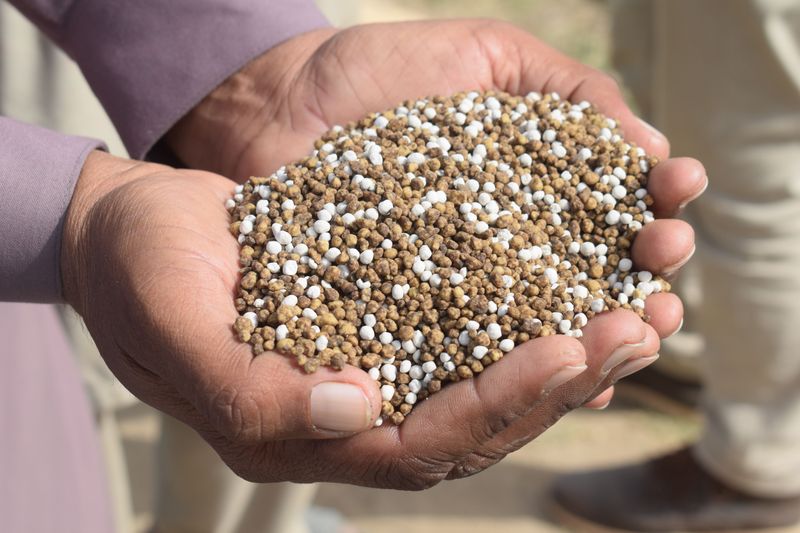
Reaching for fertilizer when your lawn looks rough feels logical. Something is wrong, so you feed it, right?
Fertilizing during a heat wave can add further strain to already stressed roots.
Nitrogen-heavy fertilizers force new growth, and that growth demands water your plant does not have right now.
It’s similar to demanding exertion from someone during illness. The demand far exceeds what the body can deliver.
Roots under heat stress are already struggling to pull moisture from hot, dry soil. Adding a fertilizer surge forces top growth while roots fall further behind.
The result is often burned tips, yellowed blades, and a lawn that looks worse than before you started. Fertilizer burn shows up fast in hot weather.
Indiana lawns generally do best with fertilizer in early spring and again in early fall. Those windows give grass strong roots before heat arrives and recovery time after it passes.
If you want to support your lawn during summer without causing harm, a light application of slow-release fertilizer in late spring works well. Slow-release products feed gradually and do not spike growth suddenly.
Soil testing is worth doing before any fertilizer application. Indiana soils vary widely, and you may be adding nutrients your yard does not even need.
Hold off on any feeding during extended periods of high heat. Patience during heat stress saves roots from unnecessary strain.
5. Compacting Soil With Heavy Foot Traffic
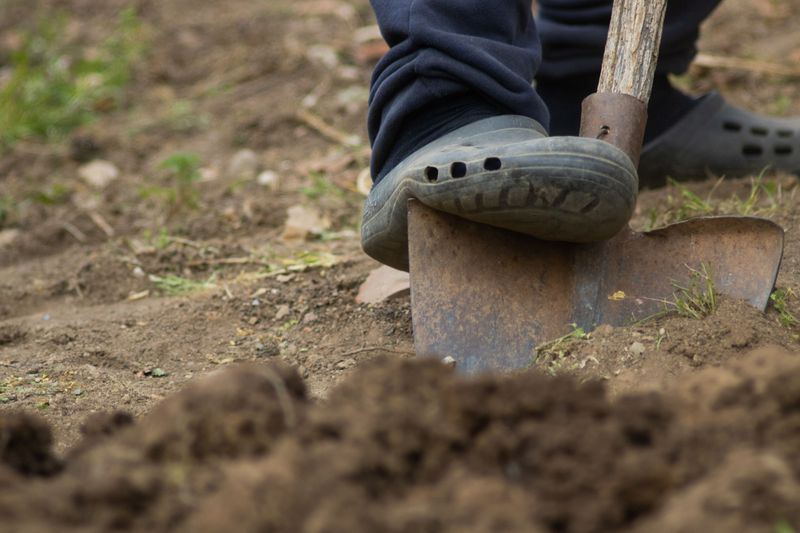
Soil compaction is one of those problems that builds quietly beneath your feet. Every step, every lawn chair drag, every kids game on the grass pushes soil particles tighter together.
Compacted soil blocks water from moving down to root level. Instead of soaking in, water runs across the surface and drains away before roots ever benefit.
Air pockets disappear in compacted ground too. Roots need oxygen just as much as water, and dense soil cuts off both supply lines at once.
During Indiana summers, compacted soil heats up faster and holds that heat longer. The combination of poor drainage and high temperature creates a root environment that is unfavorable for healthy growth.
Core aeration is the most effective solution. A core aerator pulls small plugs of soil out of the ground, opening channels for air, water, and nutrients to reach root zones.
Fall is the ideal time for aeration in Indiana, but a spring pass also helps before summer stress begins. Some lawns benefit from aeration twice a year.
For high-traffic areas, consider laying stepping stones or a defined path. Concentrating foot traffic on hard surfaces protects the surrounding grass from repeated compression.
Avoid walking on the lawn when soil is saturated after rain. Wet soil compacts far more easily than dry ground, and one muddy afternoon can undo months of care.
Fixing compaction gives roots room to breathe and grow deeper, which is exactly what they need to handle summer heat stress with strength.
6. Ignoring Early Signs Of Wilting
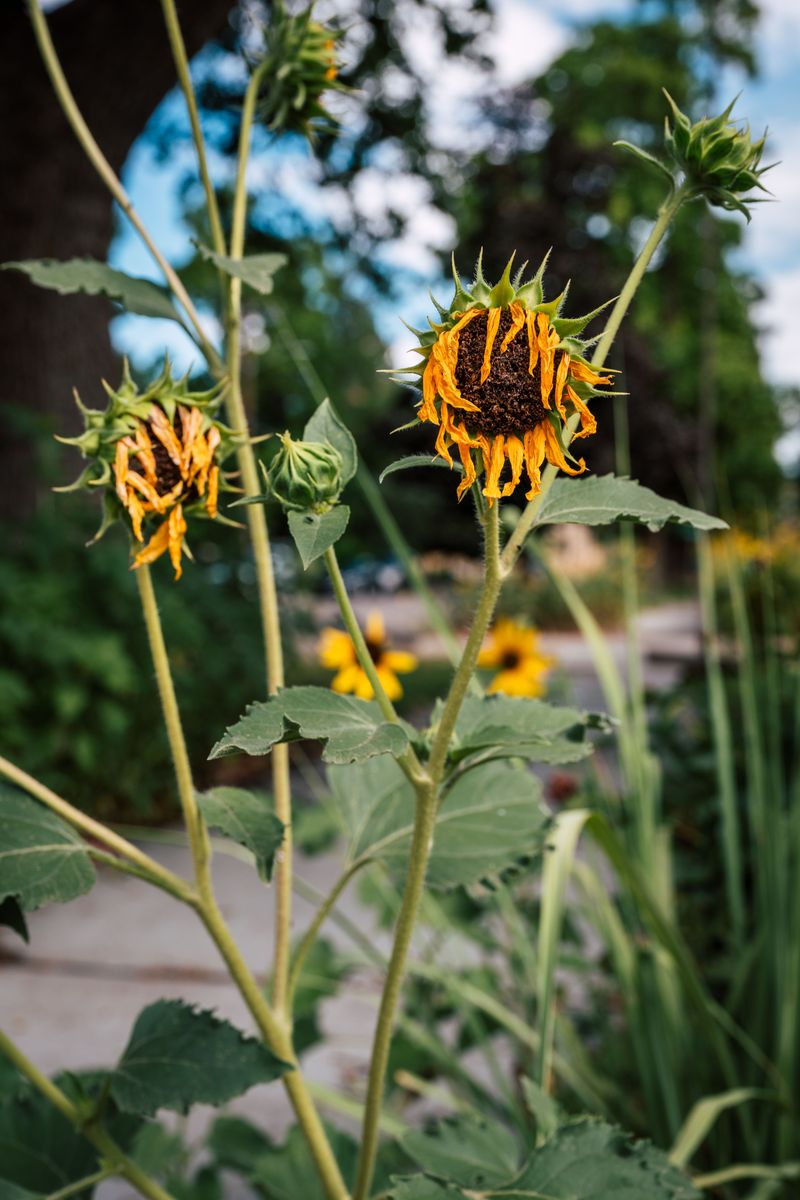
Your lawn tells you it is struggling long before it turns brown. Most homeowners miss the early signals and wait until the damage is already done.
One of the clearest early signs is footprint persistence. Walk across your grass and look back; if the blades stay flat instead of springing up, the grass is losing turgor pressure.
Turgor pressure is basically the internal water tension that keeps blades upright. When it drops, blades fold inward and stay down, which is the plant conserving moisture.
Bluish-gray color is another warning. Healthy grass is bright green; stressed grass shifts toward a dull grayish tone before yellowing ever begins.
Catching these signals early gives you a real window to act. A deep watering session at this stage can reverse the stress before roots experience lasting harm.
Water in the early morning when temperatures are lowest. Watering at night keeps blades wet too long, which invites fungal problems on top of heat issues.
Indiana summers can shift from comfortable to extreme in just a few days. Checking your lawn every morning during hot stretches takes thirty seconds and gives you early warning every time.
Do not wait for the lawn to look crispy before responding. By that point, root damage has already occurred and recovery takes weeks instead of days.
Paying attention to early wilting signals is one of the most powerful tools against root heat stress. Seeing the problem early means solving it early.
7. Planting New Roots In Scorching Afternoon Sun
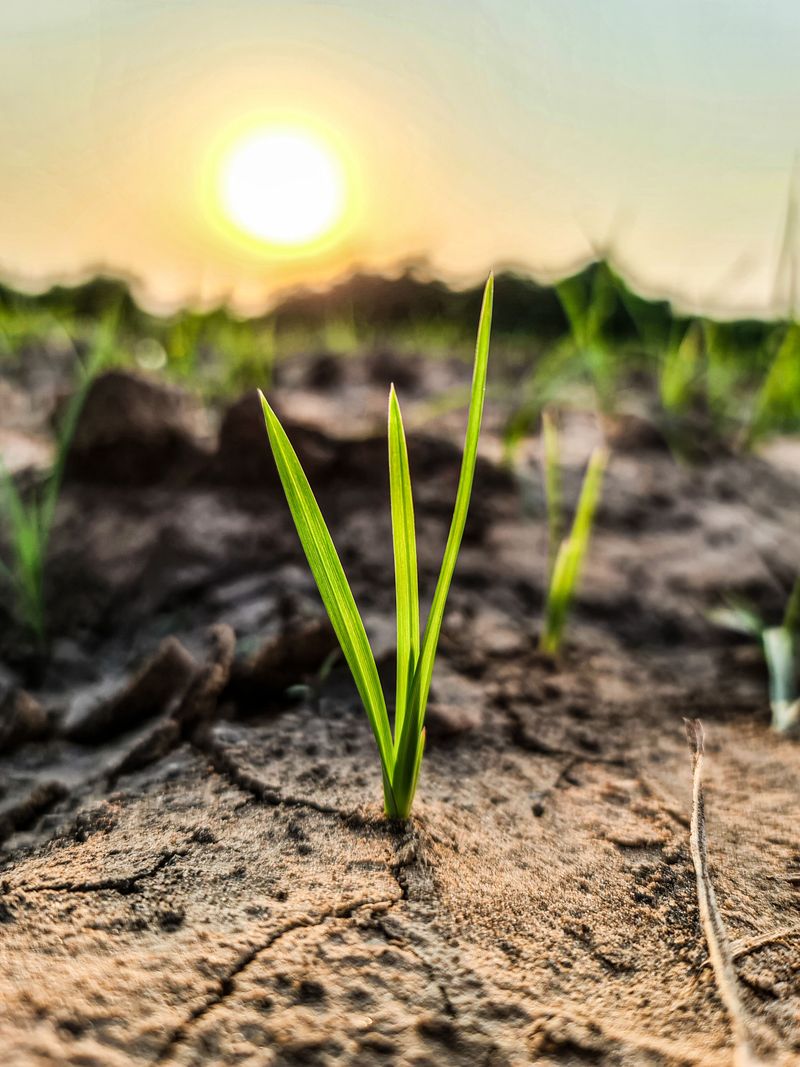
Planting on a blazing July afternoon is setting your new plants up for an immediate fight. Transplant shock is already a challenge; adding peak heat makes recovery more difficult from the start.
New roots have not yet established connections with surrounding soil. They cannot pull water efficiently, and afternoon sun pushes their moisture demand beyond what they can meet.
The best time to plant in Indiana summers is either early morning or evening. Cooler air temperatures reduce stress on new transplants while they begin anchoring into unfamiliar ground.
Overcast days are golden opportunities for planting. Cloud cover lowers soil surface temperature significantly and gives new roots a gentler introduction to their new home.
After planting, water deeply and immediately. Do not wait until the next morning; roots need moisture contact with surrounding soil right away to begin recovery from transplant shock.
Shade cloth is a worthwhile investment for new plantings during summer. Draping it over freshly planted areas for the first week reduces sun intensity without blocking light entirely.
Choose native Indiana plants when possible. Species adapted to local conditions handle heat stress with far more natural resilience than exotic varieties bred for cooler climates.
Avoid planting during extended heat waves with consistently high temperatures. Even evening planting during those stretches leaves roots in soil that is still radiating stored heat.
Timing your planting thoughtfully protects new roots from the kind of heat stress that may be difficult to reverse with watering alone.
8. Overlooking Poor Drainage After Storms
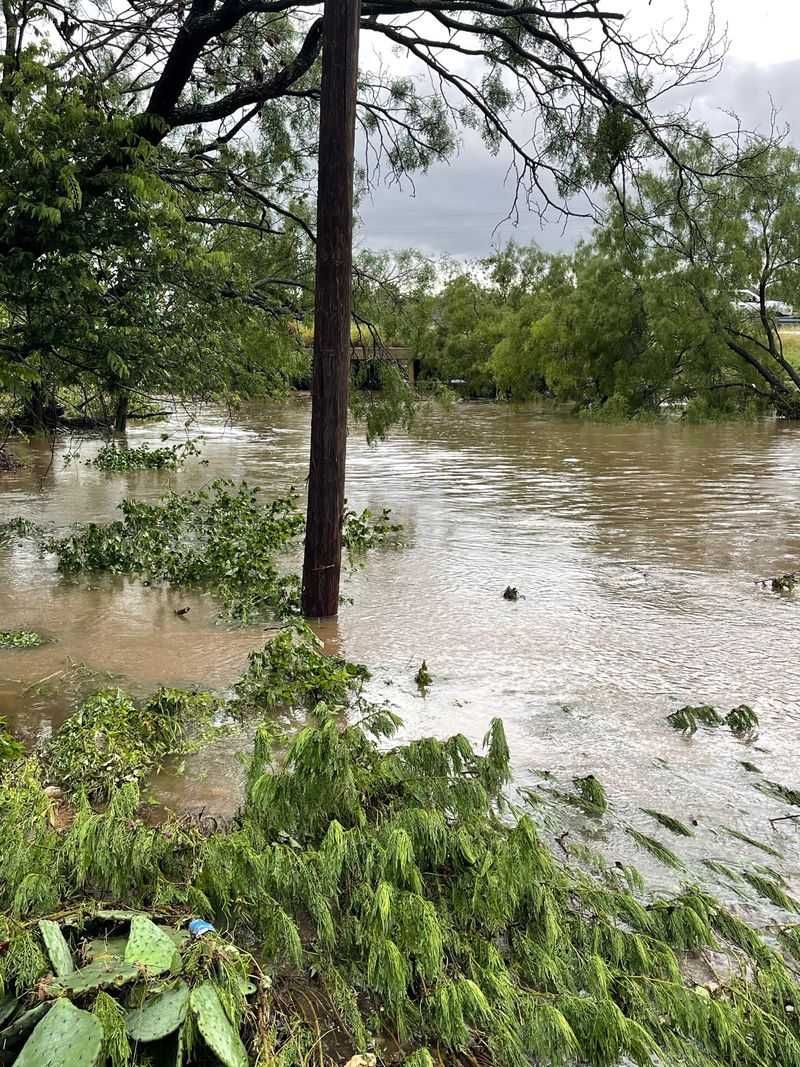
Standing water after a storm looks harmless, but roots sitting in waterlogged soil face a serious threat. Saturated soil squeezes out all available oxygen, leaving roots struggling within hours.
Indiana storms can produce heavy rainfall in a short period. If your yard has low spots or compacted areas, that water has nowhere to go except around your roots.
Here is the part that surprises most people: waterlogged roots and heat-stressed roots show nearly identical symptoms. Both cause wilting, yellowing, and decline.
When a heat wave follows a major storm, roots that spent days in saturated soil are already weakened. They enter the heat event compromised, which makes recovery far harder.
Grading your yard to direct water away from plant beds and low areas is a long-term fix worth the effort. Even small slope adjustments of a few inches change drainage dramatically.
French drains are another practical solution for chronically wet areas. They channel excess water underground and away from root zones before saturation sets in.
Raised garden beds offer built-in drainage advantages. Elevating root zones even six inches above grade keeps them above the water table during heavy rain events.
After every major storm, walk your yard and note where water pools. Those spots are your most vulnerable areas for both root heat stress and root rot.
Addressing drainage is one of the most overlooked fixes for root heat stress in Indiana yards. Healthy drainage means roots stay strong enough to handle whatever summer throws next.