More Bats Over Your Texas Backyard Means Fewer Mosquitoes After Summer Storms
A Texas yard feels different after a summer storm.
The air turns heavy, the grass shines, and every forgotten saucer, bucket, gutter dip, and low spot suddenly matters. As dusk settles in, tiny flying insects begin rising from damp corners of the yard.
Then the night hunters arrive.
Dark shapes cut through the humid air in quick, sharp turns. They dip above the roofline, sweep past trees, and vanish again before your eyes can follow.
Their timing is no accident. After rain, flying insects become easier to find, and the backyard food web gets busy fast.
That is exciting to watch.
It can also be easy to misunderstand. More nighttime activity overhead does suggest that insects are plentiful, but it does not mean your mosquito problem is handled.
Standing water still needs attention, and personal protection still matters during peak mosquito hours.
So what does more bat activity over a Texas backyard really mean after summer storms?
It means the nighttime insect hunt is on, but smart mosquito control still starts on the ground.
1. Bats Join The Night Shift
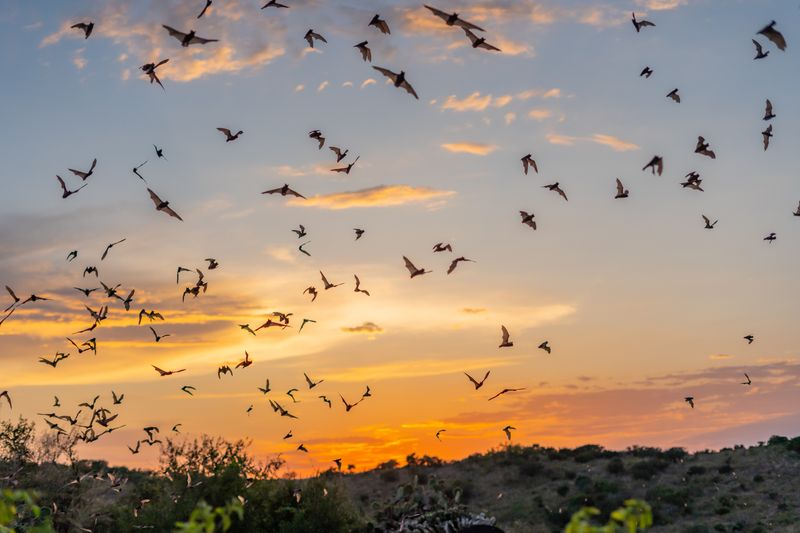
Bats are the nighttime visitors behind those sharp turns overhead.
In Texas, they are a familiar and valuable part of summer evenings. Right as the sky dims, insect-eating bats begin hunting above yards, streets, fields, rivers, bridges, and tree lines.
Their flight looks almost playful. One moment they dart left, the next they drop low, then sweep back upward in a quick arc.
That movement is feeding behavior. Bats are following insects through the air, adjusting constantly as their prey moves.
After storms, the timing makes sense. Rain, humidity, and warm temperatures can send many flying insects into the air at once.
Mosquitoes may be part of that mix. So are moths, beetles, midges, crane flies, and other insects that become active around dusk.
Texas is especially bat-rich. The state supports many bat species, and some areas are famous for large colonies.
Mexican free-tailed bats are among the best-known. They gather in huge numbers in parts of Texas and often roost under bridges, in caves, or in suitable structures.
Smaller backyard sightings may come from local roosts nearby. Trees, bridges, buildings, and other sheltered spaces can all support different bat activity.
A few bats overhead is good news.
It means your yard is part of a living nighttime system, even though those winged hunters are only one piece of mosquito control.
2. Storms Trigger Fresh Mosquito Hatches
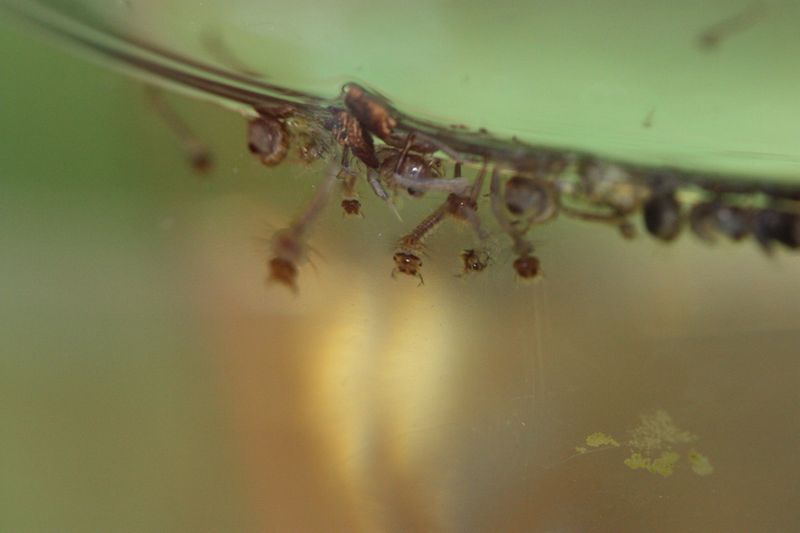
Rain can restart the mosquito cycle quickly.
A summer storm may feel like relief after hot weather, but the water it leaves behind can turn a backyard into a breeding zone. Mosquitoes do not need a pond or a swamp to get started.
Small water pockets are enough. Pot saucers, buckets, tarps, clogged gutters, toys, plant trays, birdbaths, and wheelbarrows can all hold water after rain.
Some mosquitoes use tiny containers. A small amount of standing water near the house can support a new generation.
Warm weather speeds everything up. In Texas summer heat, mosquito development can move quickly from egg to adult.
Your Texas Garden Changes Every Week. Your Plan Should Too.
Gardening in Texas changes quickly throughout the season. Every Friday you’ll receive a simple weekly plan showing exactly what to plant, prune, fertilize, harvest, and protect so you never miss the right timing.
That is why the days after rain matter. Waiting a week can give larvae time to grow before you ever notice them.
Floodwater mosquitoes respond to soaked low areas. Eggs may wait in dry spots until water returns.
Container mosquitoes are sneakier. They thrive in human-made objects around patios, porches, sheds, and garden beds.
Bats may feed overhead, but they cannot inspect saucers. They do not empty buckets, clear gutters, or tip water out of forgotten containers.
Walk the yard after storms. Check low corners, fence lines, storage areas, and shaded spots where water lingers.
Repeat the check several days later. New puddles and hidden containers can appear after dripping roofs, irrigation, or shifting debris.
Mosquito control starts before mosquitoes fly.
The best time to act is while the problem is still sitting quietly in water.
3. Echolocation Finds Flying Insects
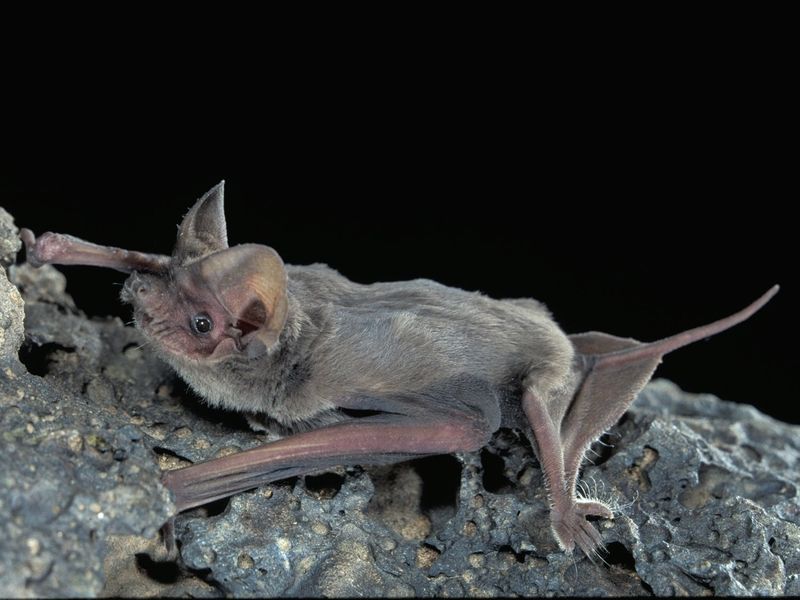
Bats hunt with a skill that almost sounds impossible.
They fly through darkness while tracking tiny moving insects in open air. They do this through echolocation, sending out high-frequency sounds and listening for the echoes that bounce back.
Those echoes build a map. A bat can detect nearby objects, flying insects, branches, walls, water, and open space while moving fast.
That is why their flight looks so precise. The sudden turns are not random. Each one follows a target or avoids an obstacle.
Porch lights can concentrate prey. Insects gathering around lights may draw bats close to homes, patios, and rooflines.
Tree edges are useful hunting zones too. Insects often move along canopies, and bats follow those active edges.
Water attracts insects. Ponds, creeks, pools, and damp areas can become busy feeding spaces after rain.
Mosquitoes are small targets. Bats can catch them, but they are not the only insects available.
Larger insects may be more rewarding. Moths and beetles offer more food energy than a tiny mosquito.
That does not make bats unhelpful. It means their feeding is broader than the mosquito-only version people sometimes imagine.
Their job is aerial insect hunting.
They respond to what is flying, abundant, and worth catching in the moment.
4. Moths Make Up Many Meals
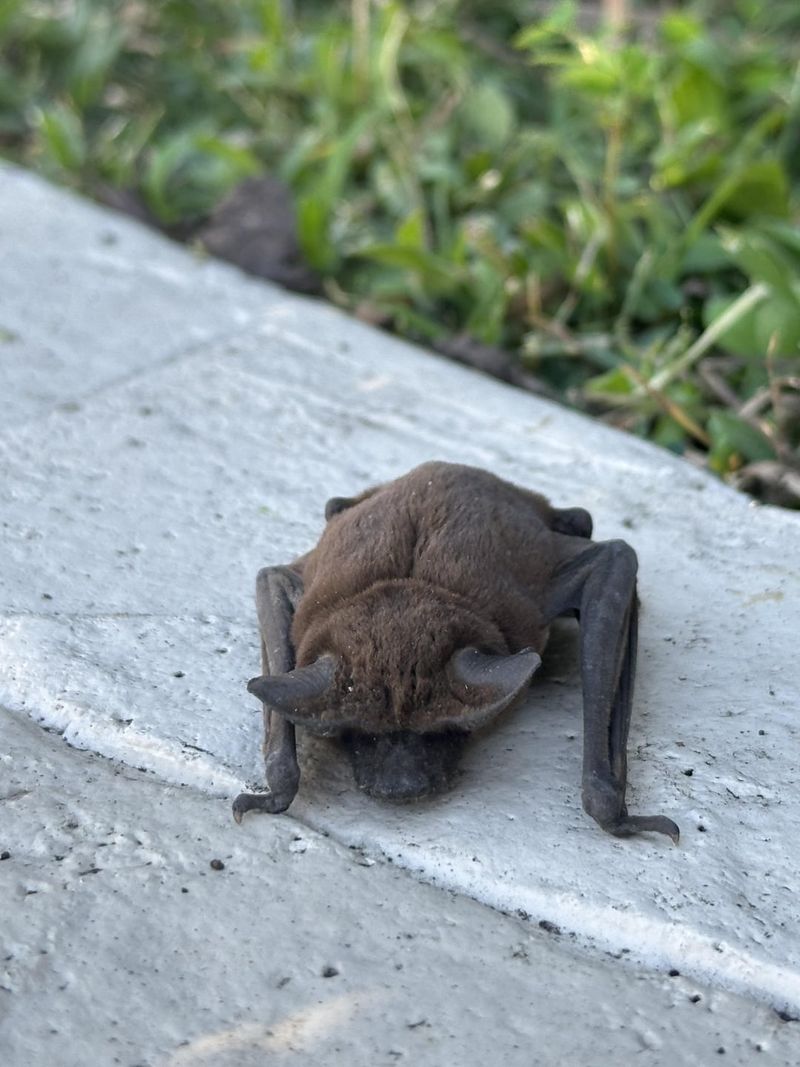
Mosquitoes get most of the attention, but bats eat far more than that.
Many insect-eating bats feed heavily on moths, beetles, midges, flies, and other night-flying insects. After a Texas storm, the air may be full of options.
Moths are especially important. They are common, active at night, and often much larger than mosquitoes.
A moth gives more energy per catch. For a hunting bat, that matters during a long feeding period.
Beetles can be part of the diet too. Many species fly at night and become available above lawns, fields, and gardens.
Termite swarms may attract feeding activity. When winged insects emerge after rain, bats can take advantage of the sudden abundance.
Mosquitoes still count. Bats may catch them, especially when mosquitoes are plentiful and flying in active zones.
But bats are not mosquito specialists. They do not fly over a yard with a checklist and remove only biting insects.
That broader diet is valuable. Fewer moths and beetles can mean less pressure from certain agricultural and garden pests.
The food web is bigger than one nuisance insect. Bats help balance many flying insect populations at night.
That is one reason they deserve appreciation beyond mosquito control.
A backyard with bats is not guaranteed to be bite-free, but it is part of a healthier nighttime ecosystem.
5. More Bats Suggest Nearby Roosts
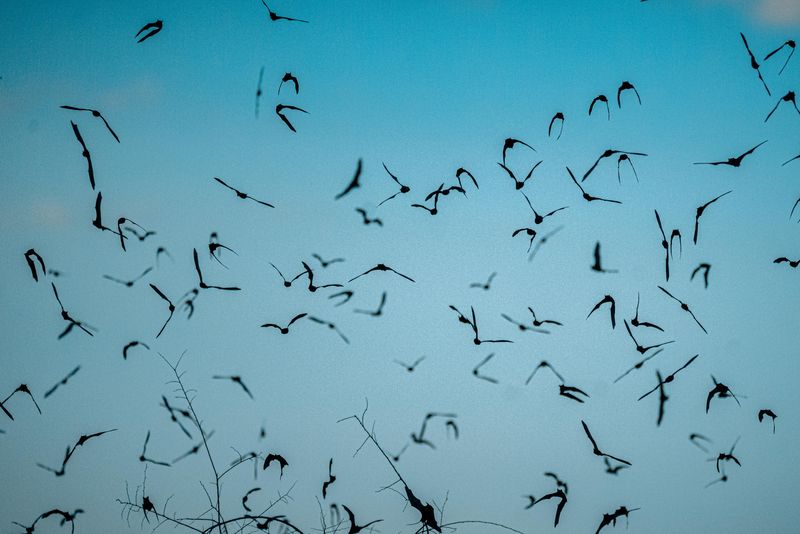
Repeated bat activity often means shelter is nearby.
Bats need safe places to rest during the day. When you see them over the same yard night after night, a roost may be somewhere in the neighborhood.
Bridges are common roosting spots. In Texas, some bat colonies use the undersides of bridges and overpasses.
Buildings can provide openings too. Gaps in siding, fascia, vents, chimneys, or older structures may offer shelter.
Trees matter as well. Loose bark, hollow trunks, and cavities can support smaller roosts.
A nearby water source may increase activity. Creeks, ponds, lakes, drainage channels, and wetland edges can attract insects and the bats that follow them.
Look for evening emergence. A steady stream of bats leaving one spot at dusk can reveal a roost location.
Droppings can be a clue. Bat droppings may collect below a roost and often crumble easily with shiny insect fragments inside.
Do not disturb an active roost. Watching from a distance is fine, but handling or harassing bats is unsafe and harmful.
Binoculars make observation easier. You can enjoy the activity without getting close.
Roosts may shift with the season. Migration, pup rearing, weather, and insect abundance can all change how many bats you see.
A busy sky tells you something.
It suggests bats have shelter close enough to make your yard part of their nightly route.
6. Standing Water Still Needs Removal
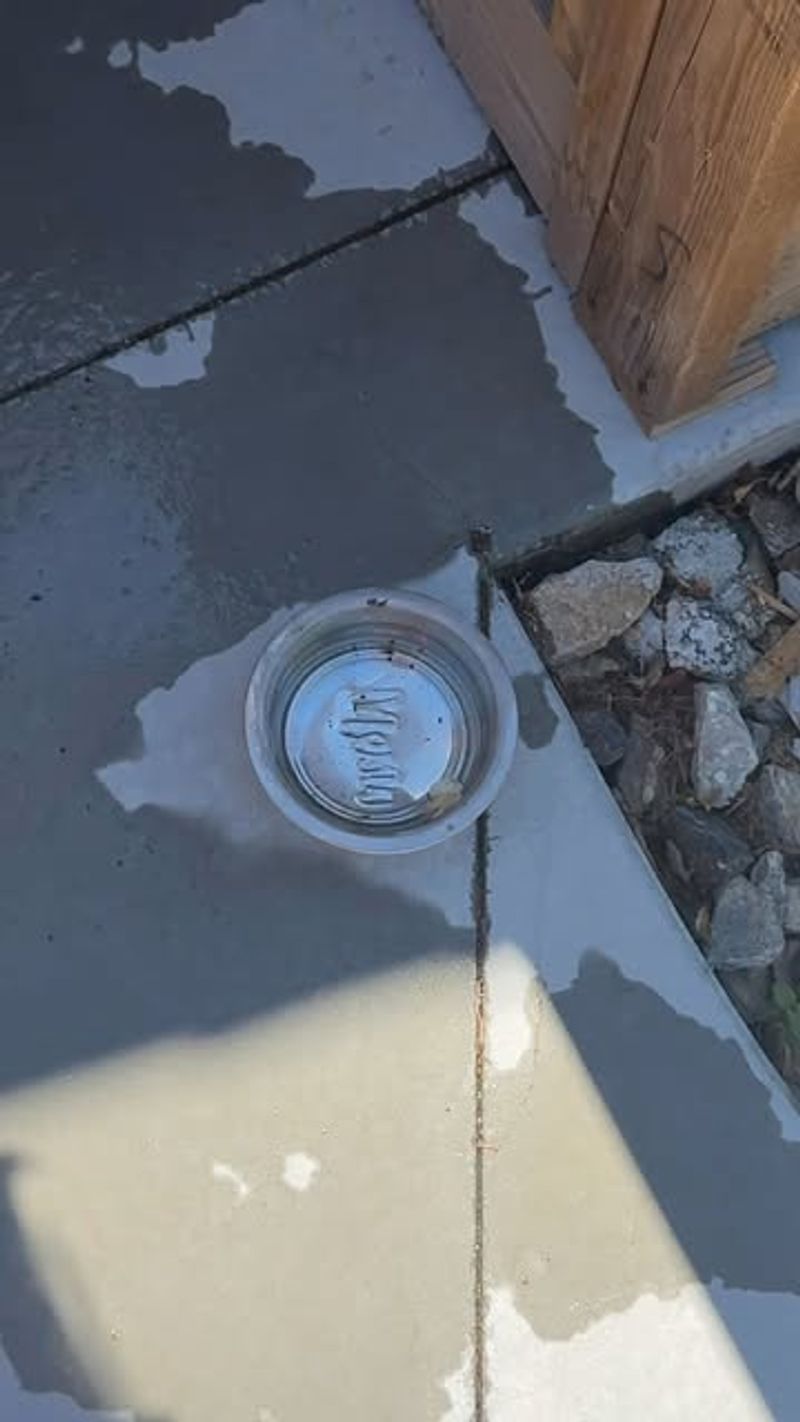
Bats cannot solve water left in the yard.
That is the part homeowners should remember after every storm. Adult mosquitoes flying at dusk are only the visible stage. The next wave may already be developing in standing water.
Start with containers. Flip buckets, trays, lids, toys, saucers, and wheelbarrows so they cannot collect rain.
Check gutters. Leaves and debris can hold water long after the storm has passed.
Look under decks and shrubs. Hidden objects in shaded areas often keep water longer than open lawn spaces.
Refresh birdbaths often. Clean water for birds is fine, but it should not sit unchanged long enough for mosquitoes to develop.
Cover rain barrels. Fine mesh or a tight lid keeps mosquitoes from using stored water.
Empty plant saucers. A watered container garden can breed mosquitoes even during dry weeks.
Treat water that cannot be drained. Mosquito dunks containing Bti can help in ponds, rain barrels, or other standing water when used according to the label.
Walk slowly. The missed container is usually the one tucked behind the shed or hidden under leaves.
Make it weekly. Regular checks matter more than one frantic cleanup after biting gets bad.
Bats may reduce some flying insects.
Removing standing water stops mosquitoes before they ever become part of the evening swarm.
7. Keep Roosts Away From Living Spaces
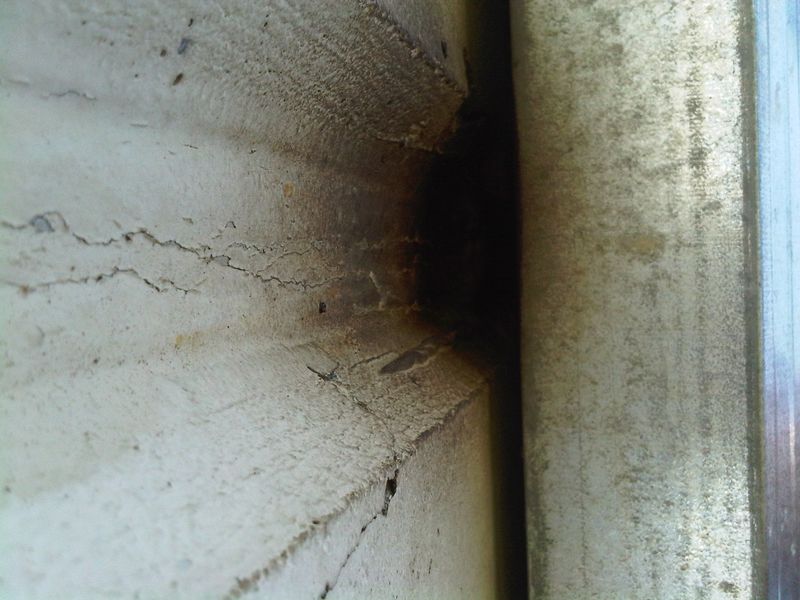
Bats overhead are welcome. Bats inside the house require caution.
A bat in a backyard is doing normal bat things. A bat in a bedroom, hallway, attic, or living room needs a calm and careful response, especially because direct contact can raise health concerns.
Do not handle bats barehanded. Even a grounded or tired bat should be treated with care.
Open an exit when possible. A bat flying inside may leave through an open exterior door or window when the room is quiet.
Keep people and pets away. Close interior doors and give the animal a clear route outside.
Call public health when exposure is possible. A bat found in a room where someone was sleeping, a child was present, or contact may have occurred should be reported for guidance.
Do not ignore a possible bite or scratch. Bat teeth are small, and contact is not always obvious.
Attic roosts need professional handling. Sealing openings at the wrong time can trap bats inside.
Maternity season matters. Young bats that cannot yet fly may be present during warm months, so exclusion timing must be handled carefully.
Use wildlife professionals familiar with bat rules. Safe exclusion protects the home and the animals.
Seal entry points after proper exclusion. Gaps around vents, chimneys, fascia, siding, and pipes should be repaired.
The goal is coexistence with boundaries.
Bats belong in the night sky, not in your living space.
8. Use Bat Houses With Care
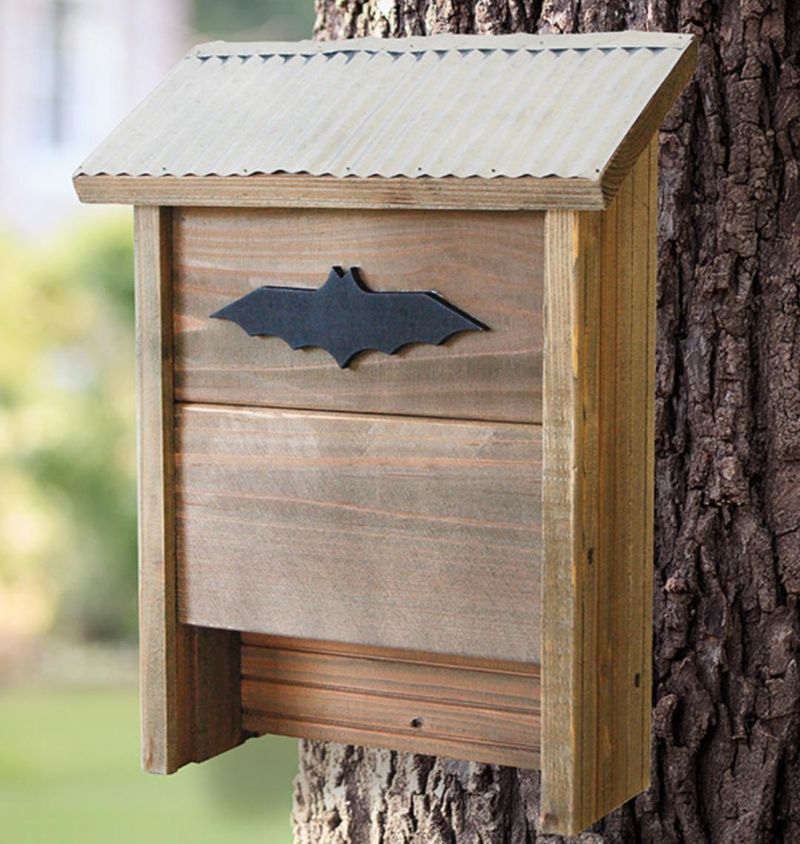
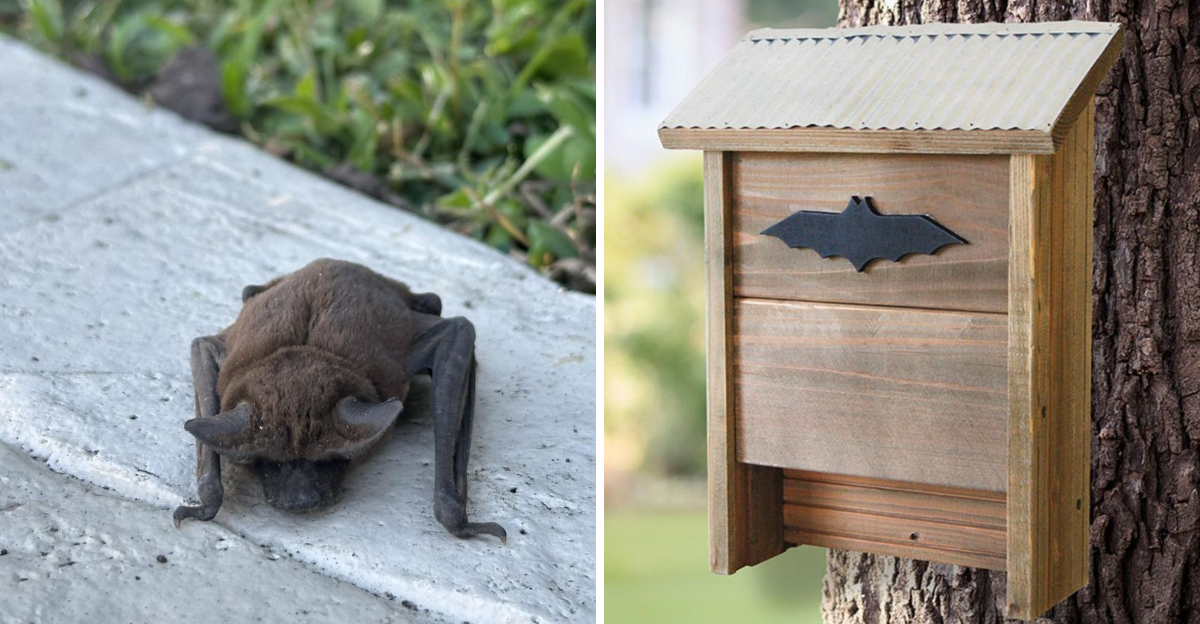
A bat house is habitat, not an instant mosquito fix.
It can be a wonderful backyard addition when placed correctly, but it should not be treated like a plug-in pest-control device.
Bats choose roosts based on warmth, location, safety, height, nearby habitat, and local population behavior.
Height matters. Bat houses usually work best when mounted well above the ground. Poles and buildings are often better than trees. Trees can be too shaded and easier for predators to climb.
Sun exposure is important. In many Texas settings, bats prefer warm roosts with several hours of direct sun.
Do not place one over a patio. Droppings can collect below an occupied house, so choose a spot over open ground, mulch, or a garden bed.
Avoid bright disturbance. A bat house placed beside heavy nighttime lighting may be less attractive.
Keep the flight path open. Bats need room to approach and leave the house safely.
Be patient. Occupancy may take months, longer, or may never happen in some yards.
Do not move it constantly. Frequent relocation can reset any chance of discovery.
A good bat house still needs mosquito control nearby. Standing water removal remains essential.
Enjoy the habitat value.
A bat house invites fascinating wildlife, but it does not replace the work of managing water and protecting yourself from bites.