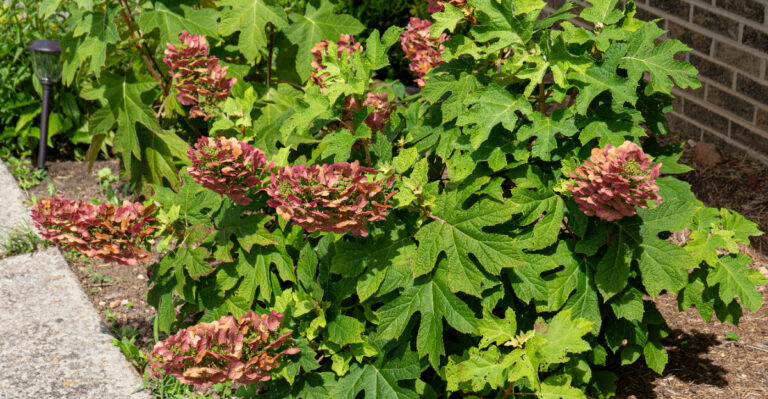
The Native North Carolina Perennial That Feeds Monarchs When Everything Else Is Done Blooming
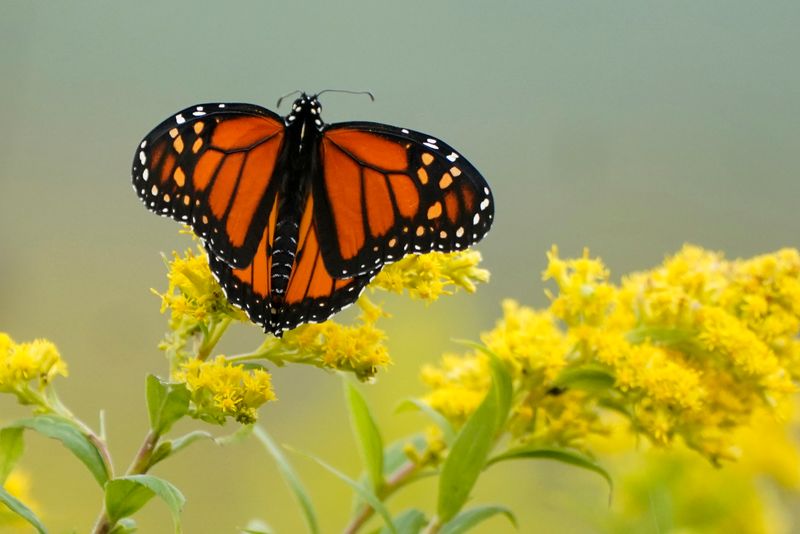
Walk through a North Carolina yard in late September and you will notice something: most of the flowers that carried pollinators through summer have gone quiet. The coneflowers are done, the bee balm is spent, and the garden can feel oddly still just when monarch butterflies are passing through on their way south. Rough-leaf goldenrod, Solidago rugosa, is a native perennial that blooms right in that gap, offering nectar to adult monarchs and dozens of other pollinators. It is not the only flower still standing, and it is not a complete monarch habitat by itself, but it is a practical statewide choice that earns its spot in a North Carolina garden.
A Strong Late-Season Native Choice, Not the Last Flower Standing
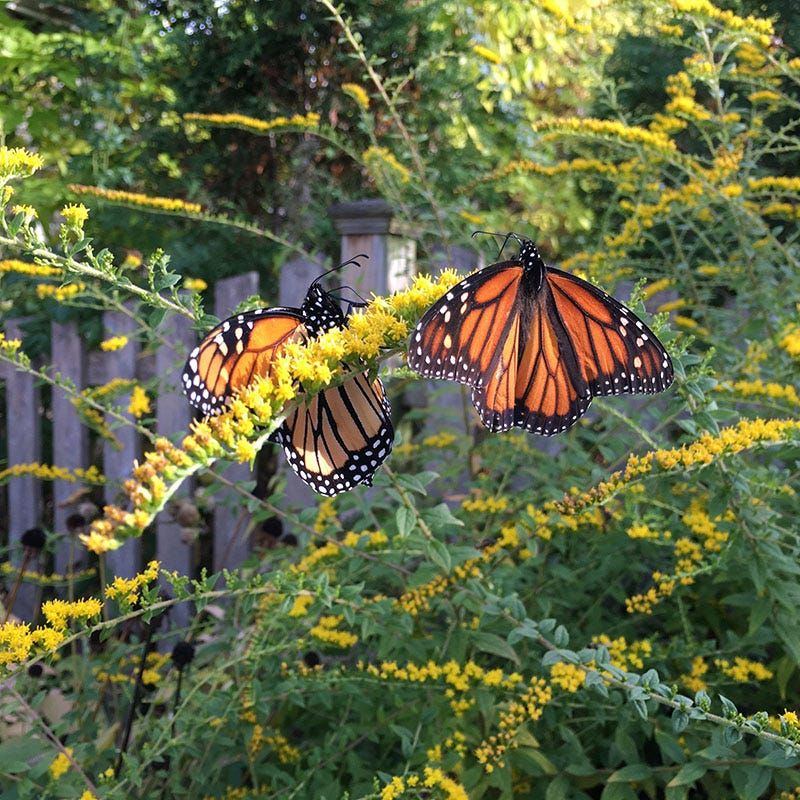
Rough-leaf goldenrod, Solidago rugosa, shows up when a lot of garden favorites have already called it a season. Its arching stems carry dense clusters of small yellow flowers that open in late summer and stretch into early fall, landing squarely in the window when many popular ornamentals have gone quiet. NC State Extension’s plant profile for Solidago rugosa confirms it as a native perennial found across the mountains, Piedmont, and Coastal Plain, making it a genuinely statewide option rather than a regional specialty.
That broad native range matters for North Carolina gardeners because the plant already knows how to handle the state’s swings: muggy Piedmont summers, sandy Coastal Plain soils, and mountain elevations where nights cool fast in September. It is not a perfect fit for every corner of every yard, but its adaptability across regions is one of the reasons it earns a practical recommendation rather than a niche one.
NC Cooperative Extension connects goldenrod directly with migrating monarchs and native bees, describing it as vital to pollinators during the late-season period when few other plants are producing nectar at the same scale. That said, calling it the last flower blooming would be too strong. Asters, ironweed, climbing aster, and mistflower can all overlap with or outlast goldenrod depending on the site, the year, and the weather. The honest case for rough-leaf goldenrod is that it reliably fills a real late-season gap and that NC State’s native plant guidance backs its use statewide.
That combination of timing, range, and Extension support makes it the strongest single recommendation for a monarch-focused fall garden.
Monarch Adults Need Nectar, While Caterpillars Need Milkweed
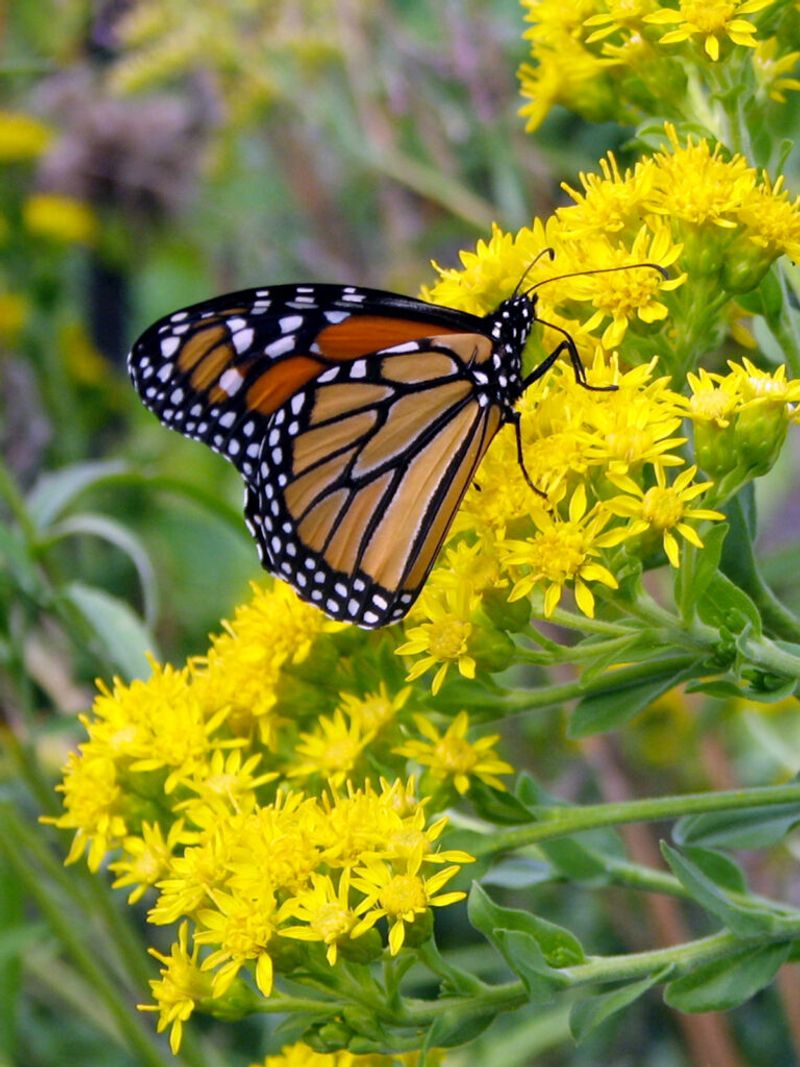
Here is where a lot of well-meaning garden advice goes sideways. Monarchs have two completely different food needs depending on their life stage, and mixing them up leads to planting decisions that do not actually help. Adult monarchs are nectar feeders. They fuel their migration by visiting flowers, and goldenrod, asters, milkweed blooms, and many other fall plants can supply that fuel.
Caterpillars are a different story entirely.
Monarch larvae require milkweed as a host plant. They eat the leaves, grow through their instars on the plant, and cannot complete development on goldenrod or any other nectar source. Rough-leaf goldenrod does not feed caterpillars, and no amount of goldenrod planted in a yard changes that biological reality. North Carolina’s butterfly records show monarchs active in the state from early April through most of November, with September and October especially tied to the southbound migration.
Your North Carolina Garden Changes Every Week. Your Plan Should Too.
Gardening in North Carolina changes quickly throughout the season. Every Friday you’ll receive a simple weekly plan showing exactly what to plant, prune, fertilize, harvest, and protect so you never miss the right timing.
Those fall travelers are adults fueling up, not caterpillars looking for milkweed.
So rough-leaf goldenrod earns its place as an adult nectar source during migration season, not as a complete monarch habitat. Planting it does not guarantee monarch visits either. Actual sightings depend on migration conditions, regional abundance, surrounding habitat, and weather patterns in a given year. Xerces Society guidance on Mid-Atlantic monarch nectar plants reinforces the case for diverse nectar sources across the season rather than relying on any single plant to carry the load.
Goldenrod is a meaningful piece of that picture, not the whole frame.
North Carolina’s Regions Shift Bloom And Migration Timing
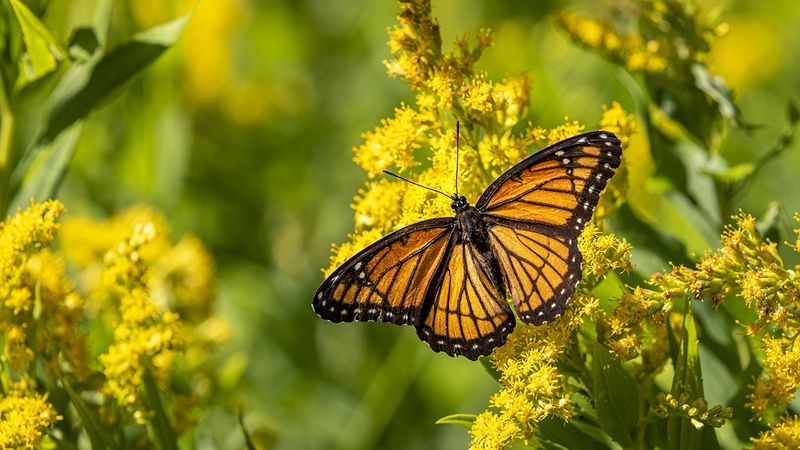
Bloom timing and monarch timing are both moving targets across North Carolina, and treating either one as a fixed date sets up disappointment. Butterfly records from North Carolina’s natural heritage program place the main southbound migration in September and October as a general pattern, not a calendar guarantee. In the western mountains, the National Park Service notes a typical passage window of mid-September through late October in the Smokies. That window shifts depending on elevation, weather, and what is actually blooming in a given year.
At higher elevations, rough-leaf goldenrod may reach peak bloom earlier and fade faster as frost arrives ahead of schedule. A mountain gardener near Asheville or Boone works with a tighter window than someone in the Piedmont Triad or the Sandhills. Down in the Coastal Plain, sandy soils and longer growing seasons stretch that window out, though a hurricane or an early cold snap can reset things fast. The practical takeaway is to watch your own yard, note when goldenrod peaks locally, and plan companion plants that extend coverage before and after.
Two plants deserve a specific regional mention here. Eastern aromatic aster, Symphyotrichum oblongifolium, is native across North Carolina and NC State describes it as one of the last flowers blooming before a heavy frost, making it a strong companion or alternative when the goal is pushing color as late as possible. Along the coast, northern seaside goldenrod,
Solidago sempervirens, is a better fit than rough-leaf goldenrod because it tolerates salt spray, sandy soil, and occasional wetness that rough-leaf goldenrod was not built for. Match the goldenrod to the ground it will actually stand in.Plant Rough-Leaf Goldenrod Where It Can Mature
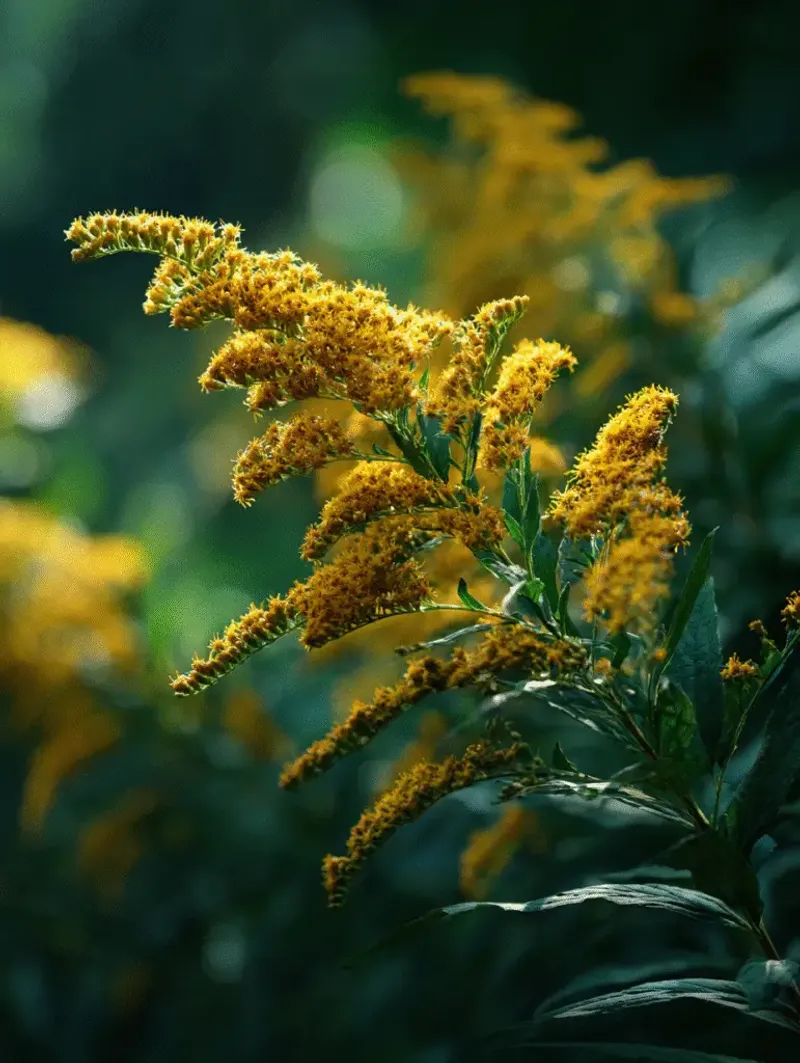
Rough-leaf goldenrod is genuinely forgiving, but forgiving is not the same as maintenance-free. Give it the right spot and it will reward you with arching yellow flower stems that can reach 2 to 5 feet tall, depending on soil richness and moisture. Squeeze it into a narrow bed beside azaleas or hydrangeas and it will compete poorly, bloom weakly, or get shaded out before it has a chance to show what it can do.
NC State’s plant profile for rough-leaf goldenrod lists full sun to light shade and moist to occasionally dry soils as the general comfort zone. Aim for at least 6 hours of direct sun when you can manage it. The plant handles Piedmont loam and Coastal Plain sand reasonably well, but it performs best when it is not sitting in standing water or baking in compacted red clay with no organic matter. A rain garden edge, a meadow border, or the middle-to-back position of a naturalized bed gives it room to arch outward as the flower stems develop without flopping onto smaller neighbors.
Mountain gardeners should pick a sunny opening and expect bloom timing to shift with elevation and the first frost date, which can arrive weeks earlier at 3,500 feet than it does in Charlotte. In the Piedmont, a spot that gets afternoon shade during the hottest part of summer can actually help the plant stay hydrated without requiring constant supplemental watering. Wherever you plant it, water consistently through the first growing season while roots establish, then step back and let it settle in. Space plants roughly 2 to 3 feet apart so each one has room to develop its full spread without crowding.
Some goldenrod species, including tall goldenrod, can spread aggressively and become too much for a small bed, so confirm you are working with rough-leaf goldenrod specifically before you commit to a tight space.
Pair Goldenrod With A Season-Long Bloom Sequence
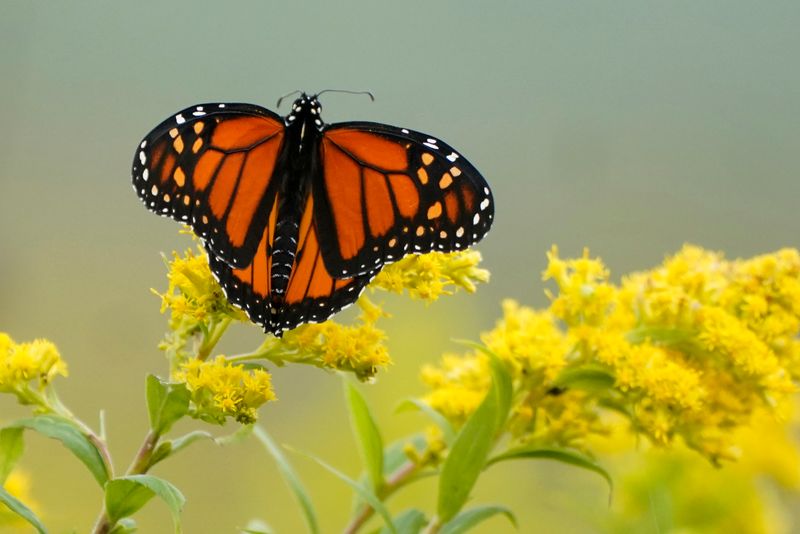
One plant cannot carry a pollinator garden by itself, and rough-leaf goldenrod was never meant to. The stronger approach is building a sequence of overlapping blooms that keeps nectar available from spring through the first hard frost. Think of goldenrod as the anchor for the late-summer-to-early-fall chapter, then fill in the chapters before and after it with plants suited to your specific soil, light, and region.
Xerces Society’s Mid-Atlantic monarch nectar plant guidance recommends diverse nectar sources that overlap across the season rather than betting on a single species. In North Carolina, that means pairing goldenrod with native milkweeds for the summer caterpillar season, Joe-Pye weed and ironweed for mid-to-late summer, and blazing star or narrow-leaf sunflower for the transition into fall. NC State’s native plant handbook identifies rough-leaf goldenrod, Joe-Pye weed, narrow-leaf sunflower, grass-leaf blazing star, calico aster, and New York ironweed as fall-blooming native perennials worth considering together.
Eastern aromatic aster deserves a closer look as a companion. It grows about 1 to 3 feet tall and wide, tolerates clay, loam, and sand, and NC State describes it as blooming from late summer until the first hard frost. In some yards and some years, aromatic aster will still be open after goldenrod has peaked and faded, which means it can genuinely extend the late-season window rather than just duplicating it. Combine the two and you have a reliable late-summer-through-frost stretch of color and nectar without depending on either plant alone to carry the whole job.
Match every companion to your actual soil drainage and light before you buy, because a plant in the wrong spot will underperform no matter how well it works somewhere else in the state.
Protect Late Flowers From Unnecessary Pesticides
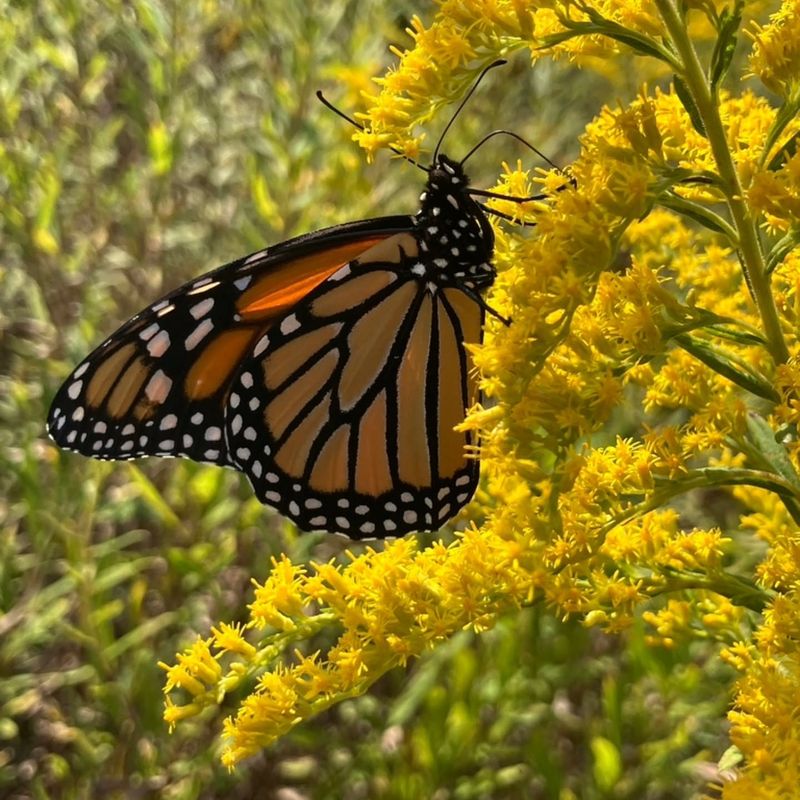
You put real effort into getting late-season flowers established, and a single careless spray can undermine months of work in an afternoon. Pollinators visiting open goldenrod or aster flowers are vulnerable, and the timing of fall monarch migration makes that window especially high-stakes. The first step before reaching for any product is to correctly identify what you are actually dealing with. Many insects on goldenrod are beneficial, and treating a harmless visitor as a pest wastes money and causes real damage.
NC State Extension’s integrated pest management guidance recommends identifying the pest first, using nonchemical methods where practical, and treating pesticides as a last resort rather than a first response. If a genuine pest problem requires treatment, follow the product label exactly, target the application to the affected area, minimize drift onto neighboring plants, and avoid spraying open flowers while pollinators are actively visiting. Morning applications before peak pollinator activity are generally better than spraying mid-afternoon, but timing alone does not make a product safe.
NC State’s pollination and IPM guidance warns that systemic insecticides can move into leaves, pollen, and nectar, meaning a plant treated weeks earlier can still expose visiting monarchs and bees. Xerces Society’s monarch nectar plant research reinforces that point and adds that products marketed as organic are not automatically harmless to pollinators. Evening applications can reduce exposure for some bee species, but bloom status, product persistence, and toxicity still matter more than the clock. When you buy plants from a nursery, ask whether they were treated with systemic insecticides before you brought them home, because that residue can persist well into the first season of bloom.
Use Goldenrod as One Layer of Monarch Habitat
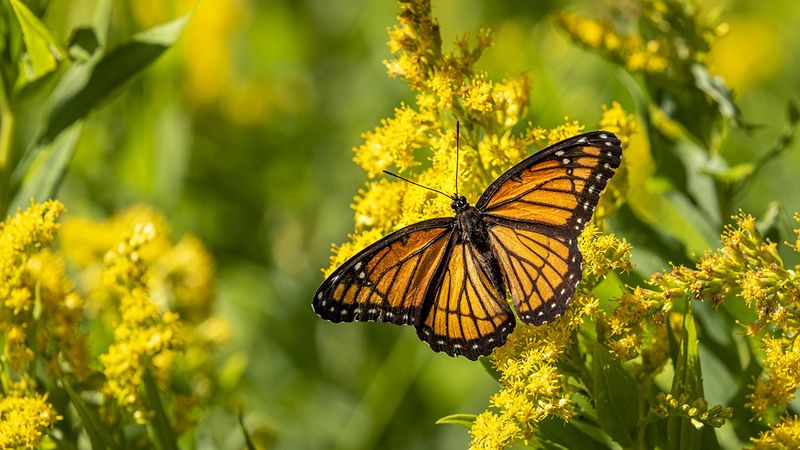
Rough-leaf goldenrod earns its place in a North Carolina yard as a reliable late-season nectar layer for adult monarchs and a wide range of native bees and butterflies. That is a real and meaningful contribution, and it is worth planting for that reason alone. But it works best as one piece of a larger picture rather than a standalone solution.
Add regionally native milkweed to support the caterpillar stage that goldenrod cannot address. Xerces recommends milkweed species native to your specific region rather than a one-size-fits-all default, because regional natives are better matched to local monarch breeding cycles and do not carry the overwintering concerns associated with non-native species in warmer climates. Fill in the spring and summer chapters with earlier nectar plants so pollinators have food throughout the growing season, not just in September.
Whether monarchs actually show up in your yard on a given fall depends on migration conditions, surrounding habitat, and weather, none of which a garden planting controls. North Carolina’s butterfly records confirm the fall migration as a real and recurring pattern, but no yard is guaranteed a visit in any particular year. Your practical next steps are straightforward: choose a sunny spot with decent drainage, allow the plant enough room to reach its full 2-to-5-foot spread, protect the blooms from unnecessary pesticide applications, and observe which plants in your specific yard keep food available longest. NC State’s native plant resources can help you match companions to your region and soil.
The best monarch habitat is the one that keeps something blooming from April through frost, and rough-leaf goldenrod is a strong place to anchor the fall end of that chain.