This Is How To Get Japanese Beetles Out Of Your Ohio Roses For Good
Ohio roses can look perfect one week and shredded the next.
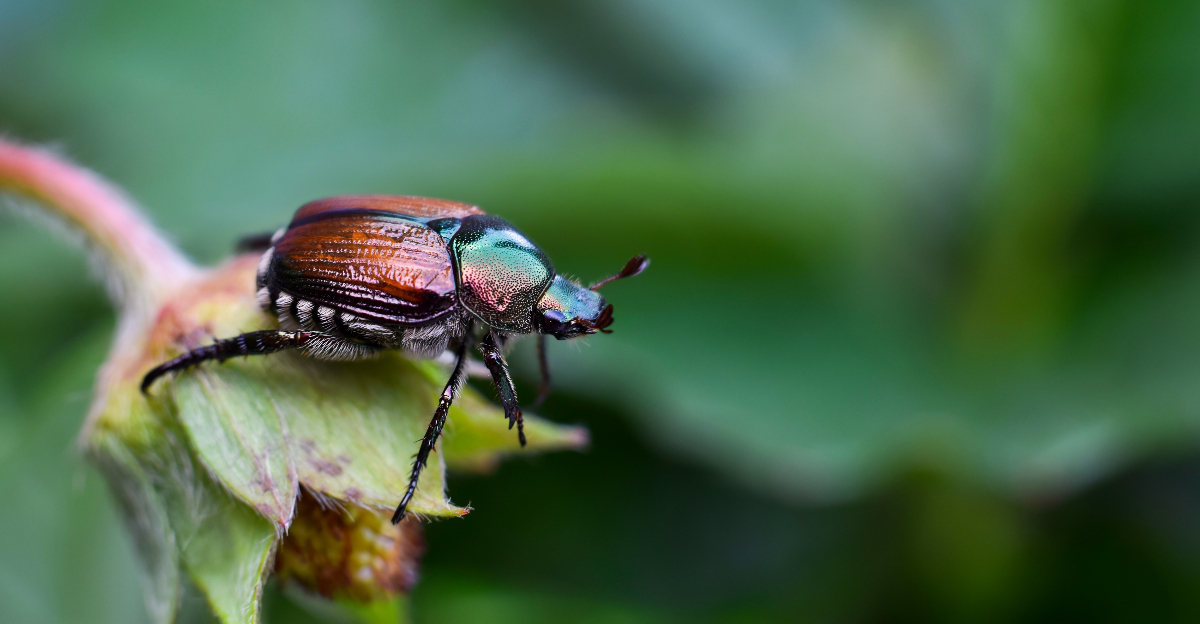
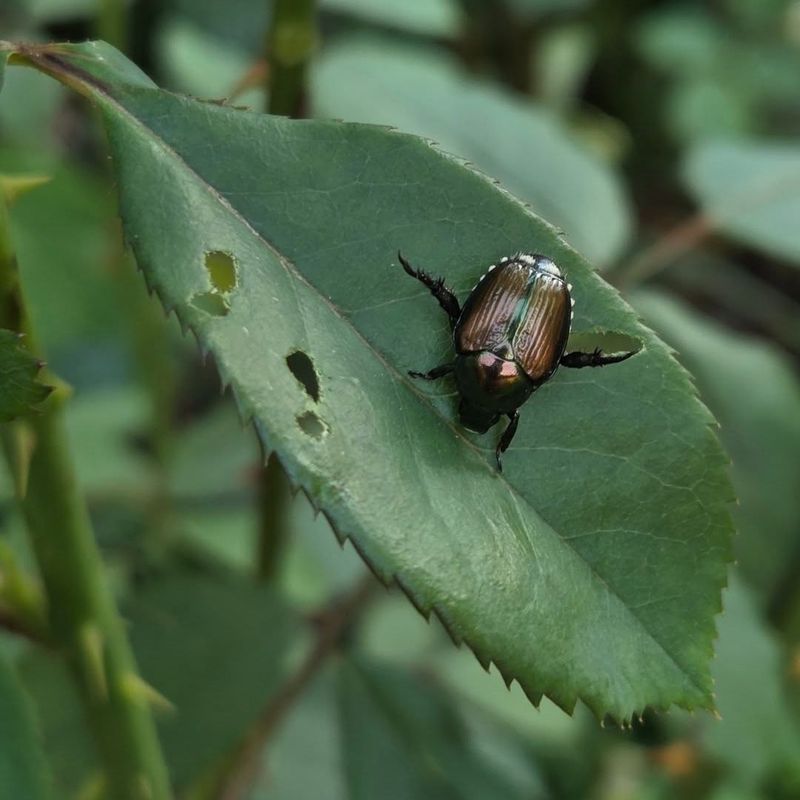
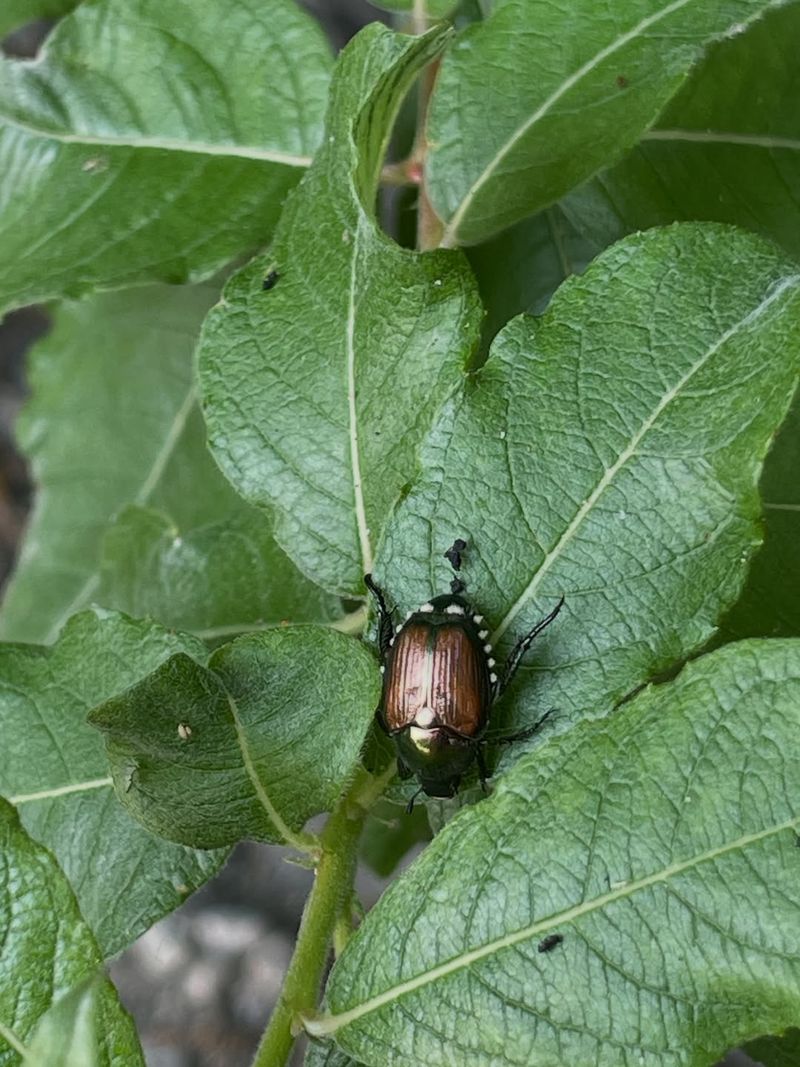
Japanese beetles do not nibble politely. They arrive in shiny copper-and-green clusters, chew petals into ragged scraps, and turn leaves into lace while the gardener stands there holding pruners and trying not to take it personally.
The most annoying part is that one morning of effort will not end the season. New adults can fly in from nearby lawns, fields, and gardens for weeks.
That does not mean you are helpless.
A strong routine can keep damage manageable and stop your roses from becoming the neighborhood feeding station.
The secret is timing, repetition, and knowing where beetles gather first. Skip the panic spray. Start with the simple moves that remove insects, reduce scent cues, protect fresh growth, and keep pollinators safer.
So how do you actually get ahead of Japanese beetles before your rose bed turns into confetti?
Start early, carry soapy water, and make the garden less rewarding for every new beetle that drops in.
1. Handpick Beetles Early In The Morning
Morning gives rose gardeners the upper hand.
Japanese beetles are much easier to deal with before the sun warms the garden and gets them moving. In the cool early hours, they often sit sluggishly on petals, buds, and upper leaves.
That is the moment to act, not after lunch when they are alert, flying, and far more annoying.
Walk the roses with a wide container of soapy water. Hold it below each beetle-covered bloom or leaf, then tap the stem lightly.
Many beetles drop straight down as a defense response, which works beautifully when the bucket is already waiting.
Do not grab every beetle with your fingers unless you enjoy making the job messier than necessary. A tap is faster and cleaner.
Focus first on open blooms, flower clusters, and fresh buds. Beetles prefer tender, fragrant tissue, and feeding groups can attract more beetles to the same plant.
Removing the first arrivals helps interrupt that gathering effect before your favorite rose becomes the main table at the buffet.
Peak activity in Ohio often starts in early summer and can continue for several weeks, so consistency matters more than one heroic cleanup. A quick morning patrol every day during the busiest stretch can make a visible difference.
Bring the same route, same bucket, and same calm attitude.
Japanese beetle season rewards repetition. The gardener who shows up early usually wins more roses.
2. Drop Them Into Soapy Water
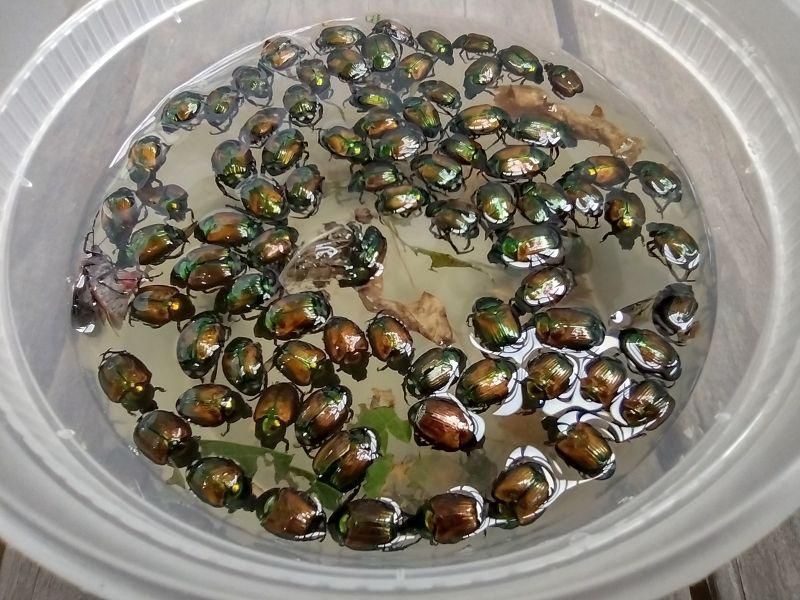
The soapy water bucket is not fancy, but it works.
A few squirts of liquid dish soap in a container of water breaks the surface tension, so beetles that fall in cannot climb out and return to the bloom.
It is simple, cheap, and useful in a rose garden where you want control without coating every flower in chemicals.
Use a wide-mouth bowl, coffee can, or small bucket. Wider is better because beetles do not always drop perfectly. Hold the container directly beneath the stem before you tap.
That placement matters. If you shake beetles onto the mulch, many recover and crawl right back up the plant. Then you have done calisthenics for no reason.
Your Ohio Garden Changes Every Week. Your Plan Should Too.
Gardening in Ohio changes quickly throughout the season. Every Friday you’ll receive a simple weekly plan showing exactly what to plant, prune, fertilize, harvest, and protect so you never miss the right timing.
Work slowly around each rose. Check the top of open flowers, the undersides of petals, leaf clusters near bloom tips, and the sunny side of the shrub. Beetles often feed in groups, so clearing one bloom thoroughly can remove a surprising number at once.
After the patrol, leave the container covered or set it aside away from pets and children until the beetles are finished. Dispose of the contents away from the rose bed.
Avoid pouring strong soapy water over rose roots or garden soil day after day. Small accidental splashes are not the issue. Repeated dumping in the same bed is unnecessary and unhelpful.
Rinse the bucket and reset it for tomorrow.
This method will not stop new beetles from arriving, but it removes the ones currently chewing. During peak flight, that daily removal is one of the most reliable low-risk tools you have.
3. Keep Beetle Traps Away From Roses
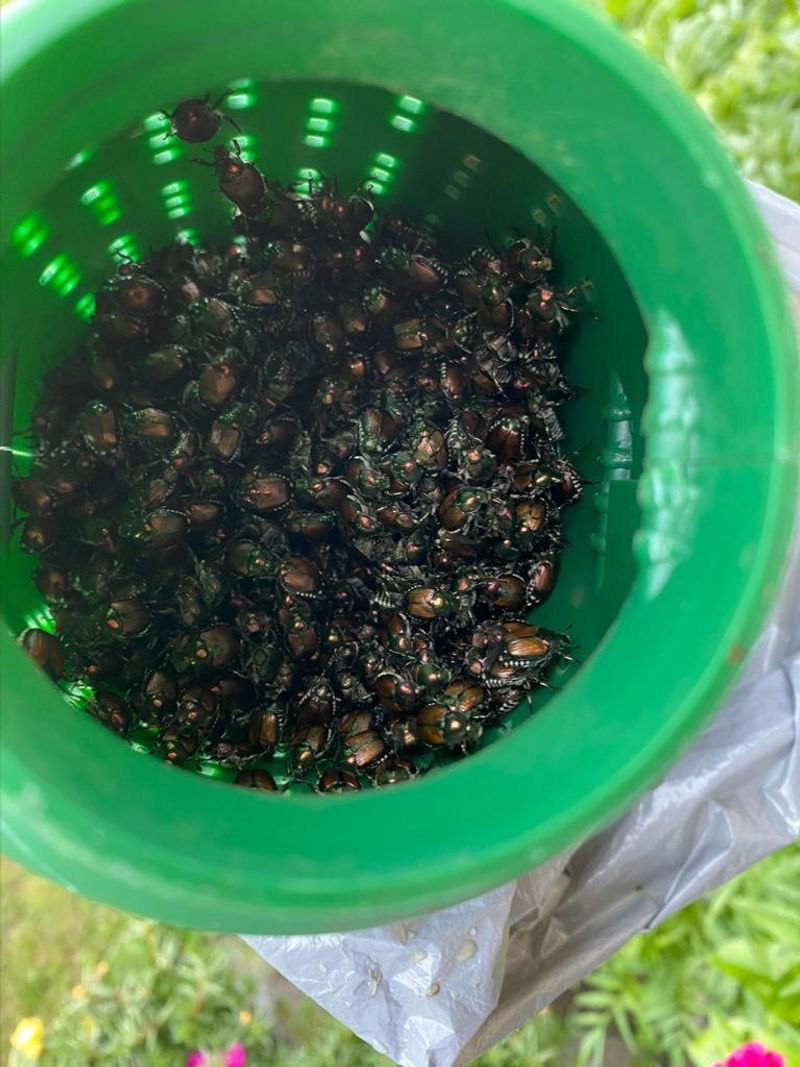
Japanese beetle traps feel satisfying for about five minutes.
The bag fills. The gardener feels victorious. Then more beetles arrive, and the roses somehow look worse. That is because the lure is doing exactly what it was designed to do: attracting beetles from the surrounding area.
The problem is location.
Traps use powerful scents that draw adults in, but they may pull more beetles toward the yard than they actually capture. If the trap sits near roses, the plants can become the waiting room for every beetle that misses the bag.
Do not hang traps beside the rose bed. Do not hang them on the arbor covered in roses. Do not place one in the middle of the garden and hope the beetles choose the plastic bag over fragrant flowers.
If you use a trap at all, place it far from the roses, preferably at the far edge of the property and downwind from the plants you want to protect. More distance is better.
Empty trap bags often during heavy activity. A full bag can stop catching well and may create odors that make the whole situation less pleasant.
For many home gardeners, traps work better as monitoring tools than as the main control plan. They can tell you beetles are active, but they do not replace handpicking, bloom cleanup, and scouting.
The trap is not the hero. Placement is the whole story.
Used badly, it invites trouble. Used carefully, it may have a limited role away from the roses.
4. Remove Spent Blooms That Draw Clusters
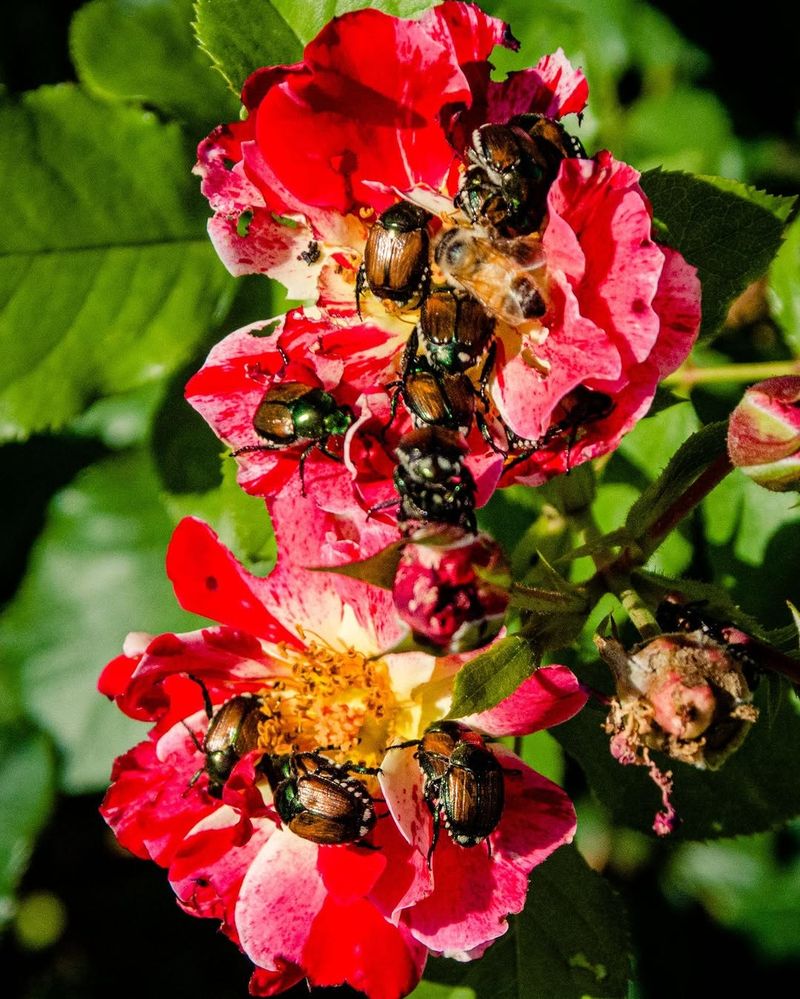
A fading rose bloom can become a beetle magnet.
Damaged petals, opened flowers, and decaying floral tissue give off scent cues that Japanese beetles seem happy to follow.
Once a few beetles start feeding, the cluster can build quickly, and the bloom turns from pretty to shredded before the gardener finishes coffee.
Deadheading is not just cosmetic during beetle season. It removes the flowers most likely to draw feeding groups.
Walk the roses with clean pruners and a bag. Snip off blooms that are fully spent, badly chewed, or packed with beetles. Drop the cut material straight into the bag instead of tossing it under the shrub.
Leaving damaged flowers on the ground keeps scent and insects near the plant. That is the opposite of the plan.
Cut just above a healthy leaf set when possible. Avoid removing large amounts of good foliage during midsummer because the rose needs leaves to recover from feeding stress and keep producing energy.
This is not the moment for a dramatic reshaping job. It is a targeted cleanup.
Deadhead lightly but often during the beetle flight window. A daily or every-other-day pass keeps old blooms from stacking up and reduces the number of attractive feeding sites.
Pair this with morning handpicking. Knock beetles into soapy water first, then remove the ruined blooms that would keep calling more in.
The rose will look tidier, the scent cues drop, and the next flush of flowers gets a cleaner start.
Small cuts can change the whole rhythm of the outbreak.
5. Protect Tender New Growth First
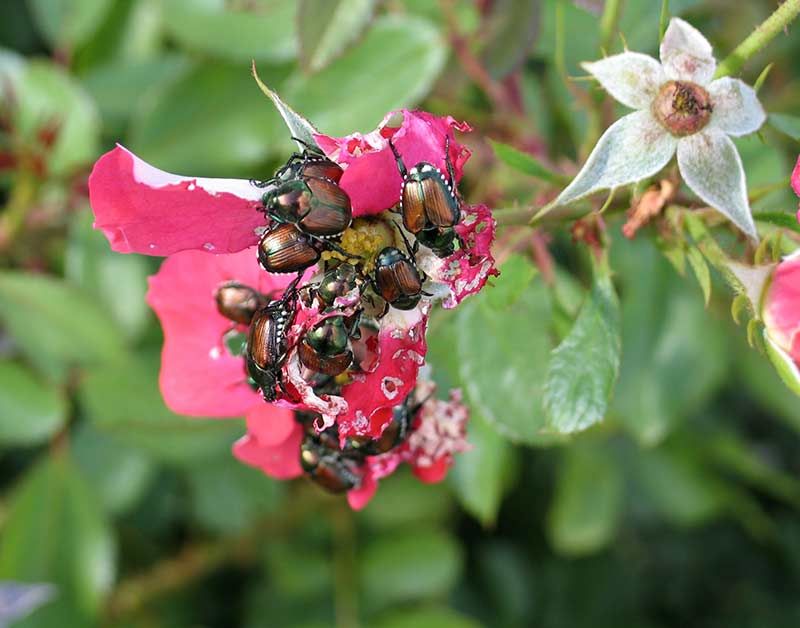
Japanese beetles know the good stuff.
They often move straight for fresh buds, open flowers, and tender new leaves. Older, tougher foliage lower on the plant may still get chewed, but the soft growth usually takes the worst attention first.
That gives you a scouting order.
Start at the top and outside of each rose, where new growth and blooms are easiest to reach. Look at buds just cracking open, petals that are still soft, and fresh leaf clusters that emerged during the past week.
Remove beetles from those areas first. Protecting new growth matters because it preserves the next bloom cycle and keeps the plant from losing its most productive tissue.
A few holes on older leaves may look ugly, but bud damage steals flowers before they open.
For special blooms, temporary physical protection can help. Fine mesh bags or lightweight fabric can cover individual buds for a short stretch, especially if you are trying to save flowers for a wedding, cutting garden, or favorite display.
Do not leave covers on in a way that traps heat or blocks airflow too long. Remove or adjust them so the plant does not trade beetle damage for heat stress.
Keep roses deeply watered during dry spells. Stressed plants may still survive beetle feeding, but they recover more slowly and push weaker new growth.
Mulch helps keep the root zone steadier, but keep mulch away from the crown.
Feed roses appropriately, not excessively. Too much soft, lush growth can be easier for pests to chew.
Protect the tender parts first, and the plant has a much better chance of looking good after the beetle rush passes.
6. Set A Clear Damage Limit
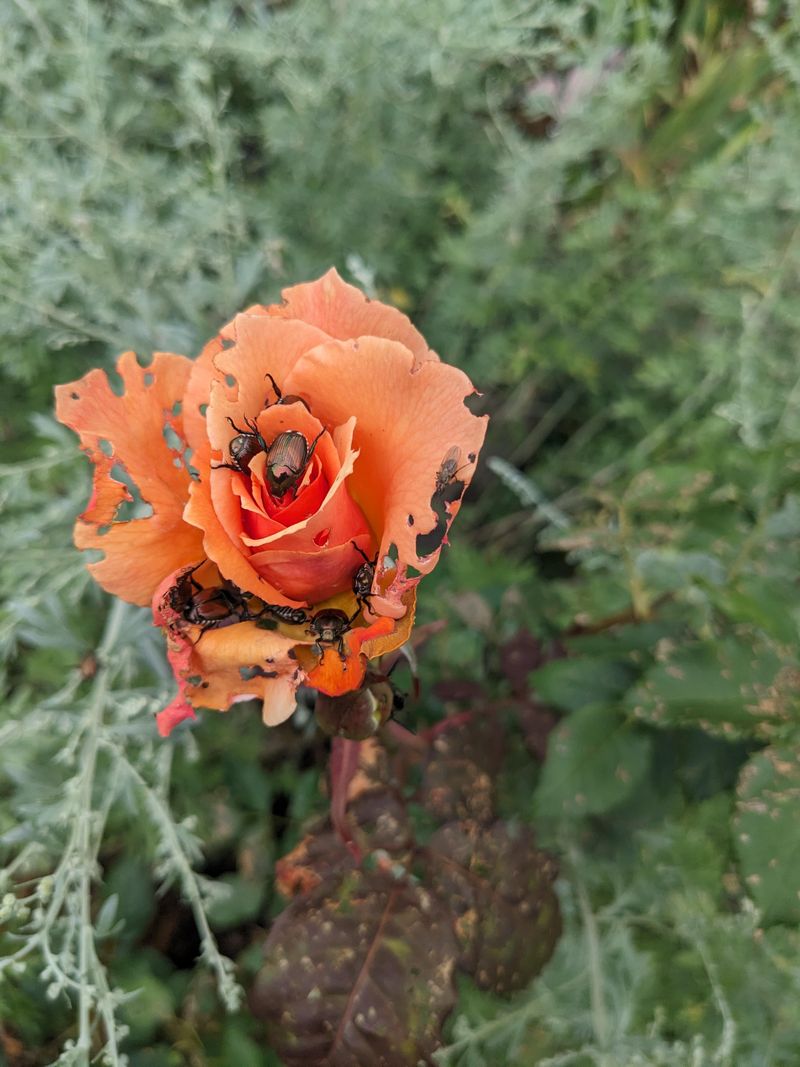
Japanese beetle damage looks worse than it always is.
Skeletonized leaves can make a rose seem doomed, especially when you have spent months pruning, feeding, and waiting for flowers. The instinct is to spray immediately. A better move is to decide what level of damage actually requires more action.
Established roses can usually tolerate some feeding. They may look ragged for a while, then push new growth when pressure fades. The goal is not a perfect, untouched plant through every week of summer.
The goal is keeping damage below the point where blooms, new growth, and overall vigor suffer too much.
Set your own threshold before panic starts. Light chewing on older foliage may be acceptable. Beetles packed into buds or covering several canes may not be.
That distinction helps you respond with proportion.
Handpicking is enough for light to moderate pressure when you can keep up with it. More serious feeding may call for tighter scouting, heavier bloom cleanup, or a careful review of labeled products.
Avoid treating every small hole like an emergency. Broad sprays can harm bees, lacewings, lady beetles, parasitic wasps, and other garden allies. Roses attract plenty of insects besides Japanese beetles, and not all of them are causing trouble.
Check plant health too. A mature, well-watered rose in good soil can handle more chewing than a newly planted shrub already struggling through heat and drought.
Your damage limit is not surrender. It is a decision tool.
It keeps the gardener from turning a temporary beetle problem into a bigger garden imbalance.
7. Use Only Products Labeled For Roses
Sprays are not all the same, and roses are not a place for guesswork.
If you decide a product is needed, the label has to match the plant, the pest, and the way you plan to use it. That label is not a suggestion. It is the rulebook for safe and legal use.
Choose only products labeled for roses or ornamental plants and Japanese beetles. Read the entire label before buying, not after the beetles are already partying on the blooms.
Pay close attention to pollinator warnings. Roses in bloom can attract bees and other beneficial insects, and many products can harm them if sprayed on open flowers.
Avoid applying insecticides to blooms whenever possible. If a labeled treatment is needed, target foliage where the product is allowed, and follow timing directions exactly.
Even lower-impact products can cause harm when used carelessly. Neem-based sprays, spinosad, pyrethrins, and other options all have specific restrictions, reapplication intervals, and pollinator precautions.
Evening applications may reduce contact with active bees, but they do not erase risk. Open flowers can still expose pollinators the next day.
Never mix products casually. Never increase the rate because the beetles look smug. More is not smarter.
Test any product on a small area first if the rose variety is sensitive or already heat-stressed. Hot weather can increase the chance of leaf injury from some sprays.
When uncertain, contact your county Extension office before treating.
A careful product choice can protect roses. A careless one can set back the garden’s helpful insects and still leave beetles flying in from next door.
8. Expect New Arrivals And Keep Scouting
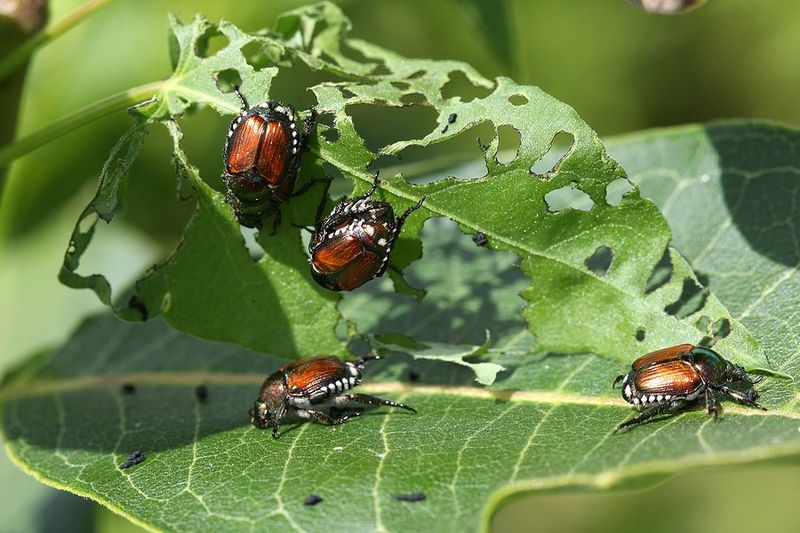
Japanese beetles do not respect property lines.
You can clear every rose in the morning and still find new adults later in the week. They fly in from lawns, fields, roadsides, neighboring gardens, and places you cannot control.
That is why the phrase “for good” needs a practical meaning in an Ohio rose bed.
You are not removing every beetle from the landscape forever. You are building a routine that keeps them from taking over your roses.
Scout daily during peak flight if possible. Every other day is still better than waiting until the damage is obvious from the porch.
Check the same plants each time. Beetles often return to favorite varieties, sunnier canes, and heavily blooming sections. Those patterns help you work faster.
Keep a simple note on your phone with first sighting, peak numbers, and the week activity starts to drop. Next year, that record can tell you when to begin patrols before damage gets ahead of you.
Do not forget plant care after the beetles fade. Water during drought, remove badly damaged flowers, and keep roses healthy enough to rebound.
Grub treatments in lawns are a separate decision and should be based on actual turf problems, not just beetles on roses. Adult beetles can come from beyond your yard, so treating grass without evidence may not solve the rose problem.
The season usually passes. The roses can recover.
The gardener who keeps scouting, removing, deadheading, and making careful choices is the one who gets the best blooms through the beetle chaos.