Stop Watering Your Michigan Garden In The Evening During High Humidity
A muggy Michigan evening can make one garden chore feel perfectly timed.
The sun drops lower. The air cools a little. Your tomatoes look thirsty. The hose feels like the obvious next move.
Then the garden stays wet for hours.
That quiet detail can matter more than the amount of water you used. Leaves coated at dusk may sit damp through the night, especially when humidity already hangs over the beds and air barely moves between crowded plants.
The roots wanted a drink. The leaves got an overnight bath.
That difference can change what happens next.
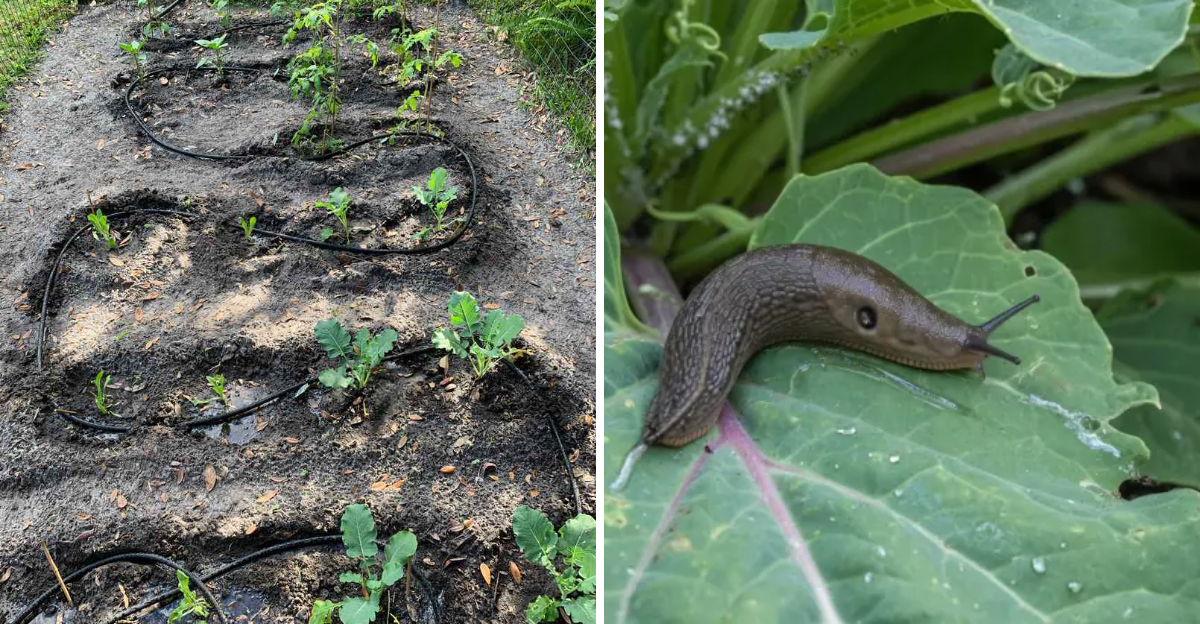
Some diseases love long stretches of leaf moisture. Slugs appreciate the same setup. Splash from the soil can add another problem before breakfast.
So should the hose stay rolled up after dinner?
Not always.
The smarter change is about where the water lands and how long leaves stay wet afterward. One small shift in timing can make humid Michigan nights much less welcoming to garden trouble, without leaving thirsty plants waiting until tomorrow morning.
1. Stop Wetting Leaves Before Nightfall

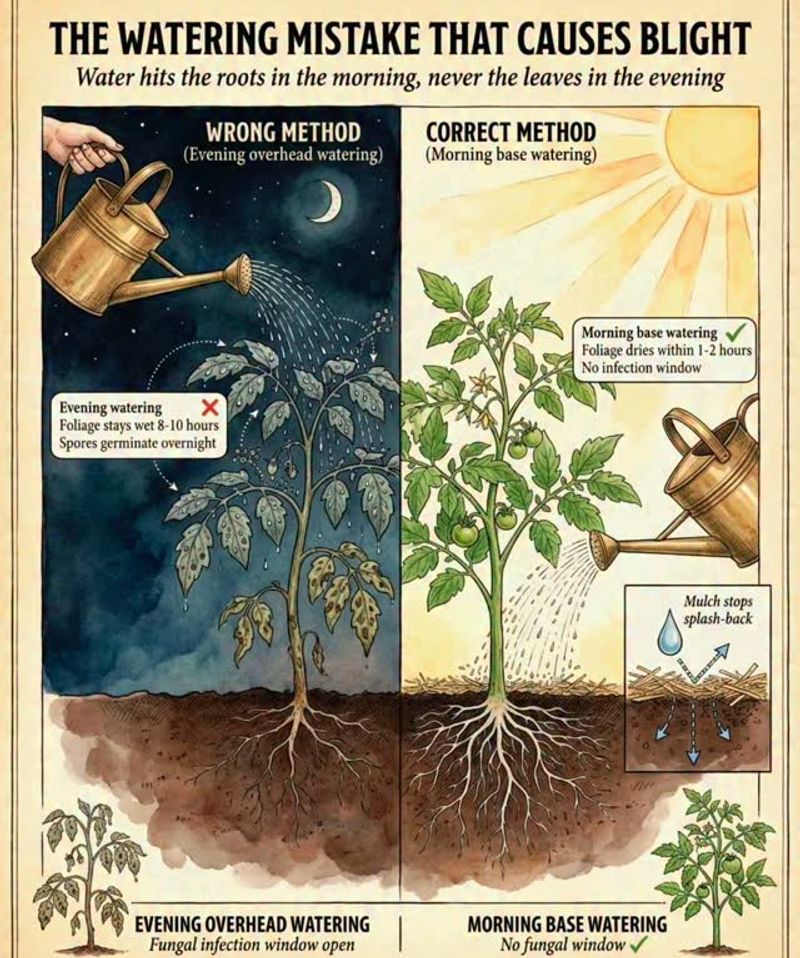
Your vegetables need water at the roots, not a bedtime shower across the leaves.
Late overhead irrigation can leave tomato, pepper, bean, and squash foliage damp long after sunset. High humidity slows evaporation even more. A wet leaf at dusk may still hold moisture hours later, especially inside a dense bed.
That long damp stretch gives fungal spores a friendlier surface.
Morning irrigation changes the setup. Water that reaches foliage has daylight, warmer air, and more breeze to help it dry. The soil still gets the moisture plants need, but leaves spend less time coated with water.
Aim overhead spray early enough for foliage to dry well before evening.
You can make this easier on yourself too. A drip line or soaker hose sends water straight toward the root zone. That removes much of the leaf-wetness problem and gives you more freedom on the clock.
Take a look at your usual hose routine. A wide spray feels fast, but much of that water lands where the plant cannot use it directly.
A low stream near the soil does the useful work with less drama.
Michigan humidity already provides plenty of moisture in the air. Your tomato leaves do not need you to tuck them in with an extra wet blanket.
2. Shorten The Overnight Wetness Window
The hose is not the only source of moisture after sunset.
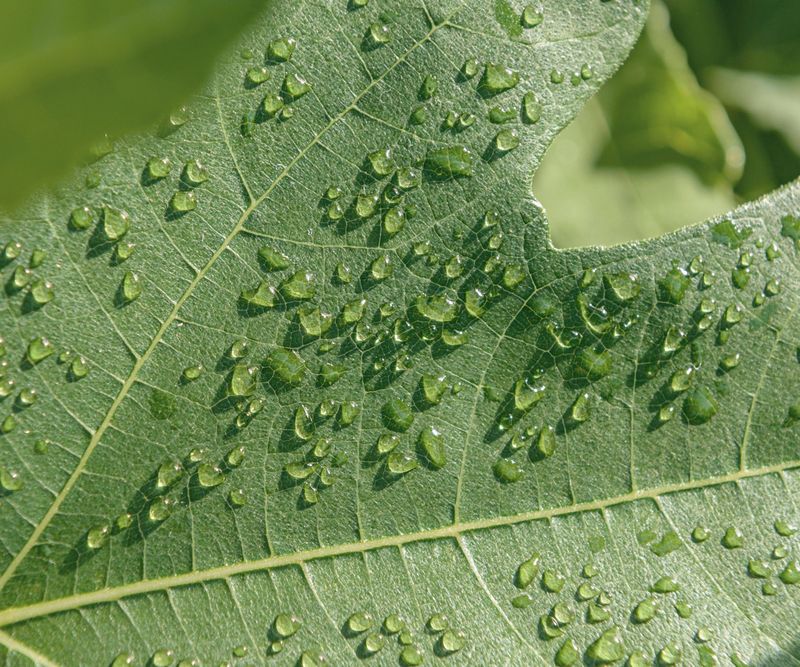
Dew can settle across a Michigan garden during humid summer nights. Add a late sprinkler session, and leaves may start the night wet before natural moisture even arrives.
That extra time can matter.
Several fungal diseases need a certain span of leaf moisture before infection becomes more likely. A shorter wet period gives spores less opportunity to settle into plant tissue.
Move irrigation to the morning, and you remove several damp hours from the schedule.
Now give the air some help.
Crowded tomato vines, packed pepper plants, weeds, and sprawling stems can trap humid air close to foliage. Open space lets small breezes pass through and helps leaves dry faster after dew or rain.
Your Michigan Garden Changes Every Week. Your Plan Should Too.
Gardening in Michigan changes quickly throughout the season. Every Friday you’ll receive a simple weekly plan showing exactly what to plant, prune, fertilize, harvest, and protect so you never miss the right timing.
Keep paths clear. Support tall crops with cages, stakes, or trellises. Give mature plants the room listed for their variety rather than squeezing one more transplant into the row.
You know how midsummer enthusiasm works. Four tiny tomato starts look harmless in May. By July, they have formed a leafy apartment complex with no hallway.
A little space can solve more than a visual mess. It shortens the time moisture sits between leaves.
The goal is not a perfectly dry garden every night. Michigan weather gets a vote. Your job is simply to stop adding extra wet hours when the air already supplies plenty.
3. Block Gray Mold From Easy Conditions
Gray mold loves an easy entrance.
Old flower petals, bruised stems, soft tissue, and rough cuts can give Botrytis cinerea a convenient place to settle. Add damp foliage and stagnant humid air, and the fungus gets an even better deal.
The clue often looks unmistakably messy.
Affected tissue can develop dusty gray-brown fuzz that resembles a tiny patch of ash. Spores from that growth can move to nearby damp surfaces through air currents or physical contact.
Start with cleanup.
Remove spent blossoms, yellow leaves, bruised stems, and soft plant tissue before they collect moisture inside the canopy. Place suspect material in the trash rather than leave it beneath the plants.
Your garden does not need a fungal snack bar under every tomato cage.
Keep foliage as dry as practical too. Root-zone irrigation helps because water enters the soil without coating leaves and flowers.
Air movement adds another layer of protection. Thin only the obvious interior clutter and keep plants supported so stems do not collapse into one dense mass.
Long cloudy stretches can still raise gray mold risk, even with good habits. No single garden chore controls every condition.
The useful strategy is to remove the easy opportunities.
Dryer foliage, cleaner plants, and better air leave Botrytis with fewer soft targets. That is far more useful than a late-night hose routine that rolls out the welcome mat.
4. Reduce Blight Friendly Splashing
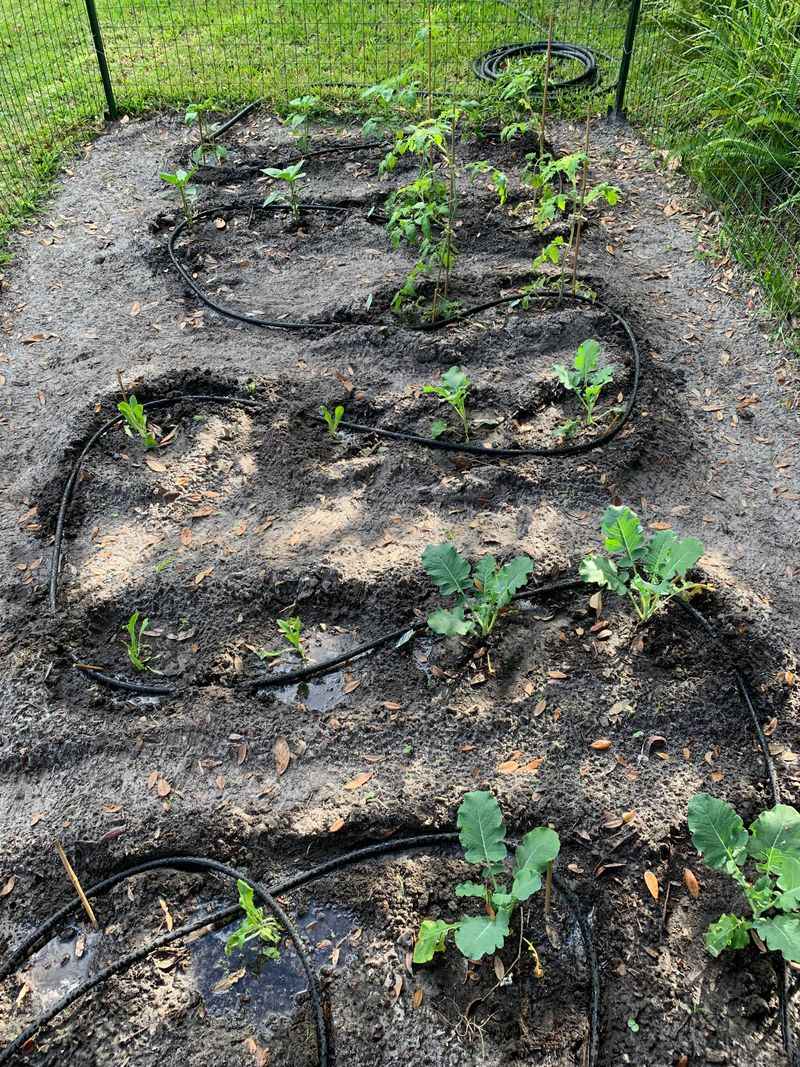
A hard stream of water can turn ordinary soil into a disease delivery service.
Drops hit the ground, bounce back up, and carry soil particles or infected debris onto the lowest tomato and potato leaves. Some disease spores can travel through that splash.
Early blight often takes advantage of this route.
The lowest leaves sit closest to the launch point, so they commonly show trouble first. A little distance between foliage and soil can reduce the number of easy landing spots.
Once tomato plants have enough healthy growth, remove the lowest leaves that crowd the soil surface. Keep plenty of foliage above for plant energy and fruit protection.
Then cover the ground.
A layer of straw, shredded leaves, or wood chips can soften the impact of irrigation and rain. Two to three inches often creates a useful barrier while it also helps soil hold moisture.
You get two jobs from one layer. Garden mulch loves efficiency almost as much as gardeners do.
A drip line or soaker hose improves the setup further. Water enters the bed slowly instead of striking bare soil from above.
Place the water where roots can reach it, then let mulch keep the surface calmer.
Rain can still splash during storms, of course. You cannot put an umbrella over every tomato.
You can control the hose, though. Less artificial splash means fewer chances for soil and old plant debris to reach the leaves before breakfast.
5. Open Dense Foliage To Morning Air
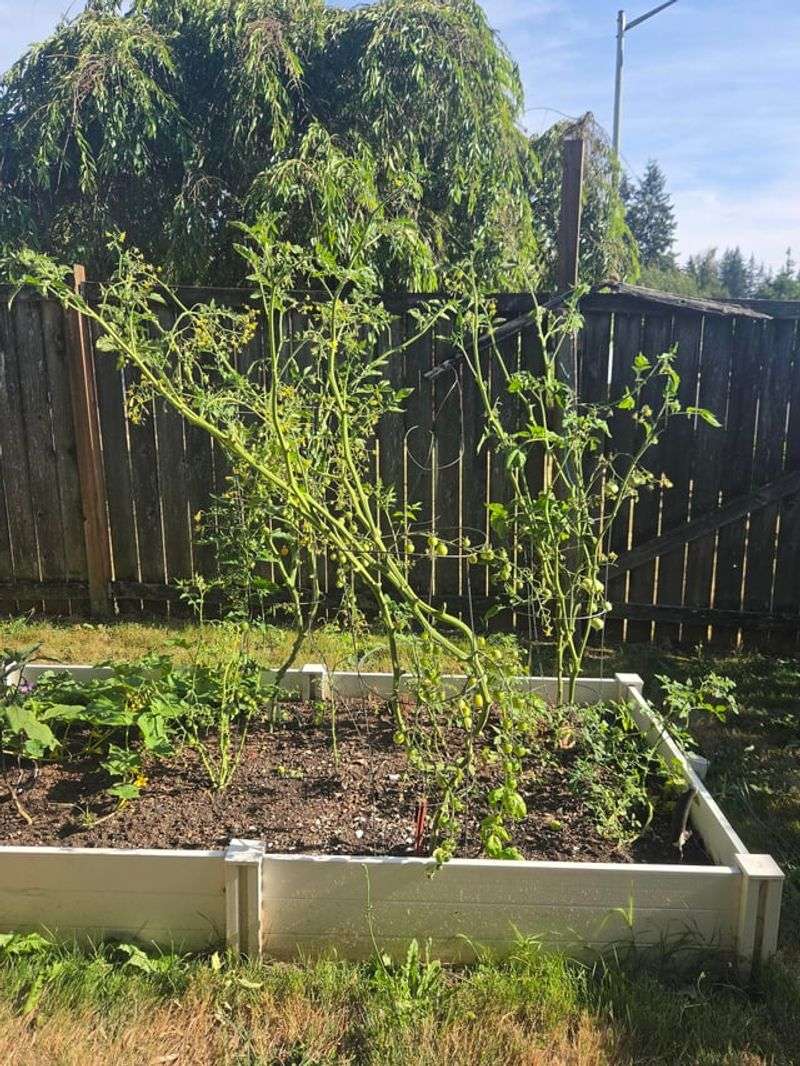
A lush vegetable bed can become too successful for its own good.
By midsummer, tomato branches overlap, squash leaves claim the walkway, peppers press shoulder to shoulder, and weeds fill the last pockets of open ground. Humid air gets trapped inside all that foliage.
Leaves then dry much more slowly.
Plant spacing starts the fix. Give crops enough room for their mature size, not the cute transplant size they had in May.
Support helps too.
Cages and stakes lift tomato stems away from the soil and separate leaves from nearby plants. Trellises can keep vines from forming a damp pile across the bed.
For indeterminate tomatoes, selective removal of a few crowded shoots can open the center. Keep the job modest. A bare plant has its own problems under strong summer sun.
Do not forget the weeds.
They compete for resources, but they also add another layer of leaves near the soil. Clear paths and bed edges allow more air to move through the lower canopy.
Midseason fertilizer deserves restraint as well. Too much nitrogen can push soft, dense leaf growth that takes longer to dry.
Walk through the garden early one humid morning. You can often feel the difference between an open row and a packed one.
Your vegetables need neighbors, not roommates. Give every plant a little elbow room, and morning air can do far more of the drying work for free.
6. Make Nighttime Moisture Less Inviting To Slugs
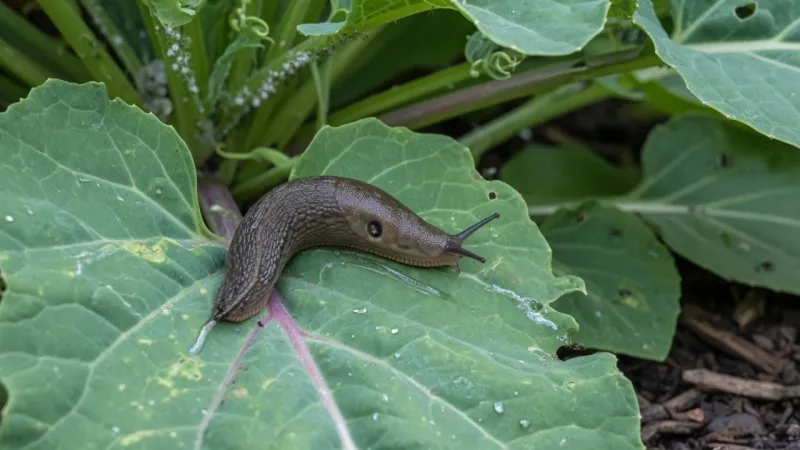
Slugs appreciate a damp evening almost as much as a gardener appreciates a ripe tomato.
They become active after dark and favor cool, moist surfaces. Late overhead irrigation can wet leaves, mulch, paths, and soil right before their busiest hours.
Morning water changes that timing.
The root zone gets moisture, while the surface has the rest of the day to lose some of its dampness. That will not erase every slug from the garden, but it can make conditions less inviting at night.
Habitat matters just as much.
Pull thick mulch back from plant crowns. Remove old boards, empty pots, weeds, and debris that create cool hiding places against damp soil.
Check those sheltered spots early in the day.
You may find the culprits tucked underneath, looking remarkably innocent for creatures that treated your lettuce like an all-night buffet.
Hand removal can help in a small garden. Focus on the places where damage and slug activity already appear rather than patrol every inch of the yard.
Iron phosphate bait can also provide another option. Follow the product label carefully and use only the amount directed.
Do not dry the garden so severely that plants become stressed. Healthy roots still need steady moisture.
The useful compromise is simple. Put water into the soil earlier, then let the surface become less cozy before darkness arrives. Your plants get a drink. The slugs get a less luxurious reservation.
7. Move Irrigation To The Root Zone
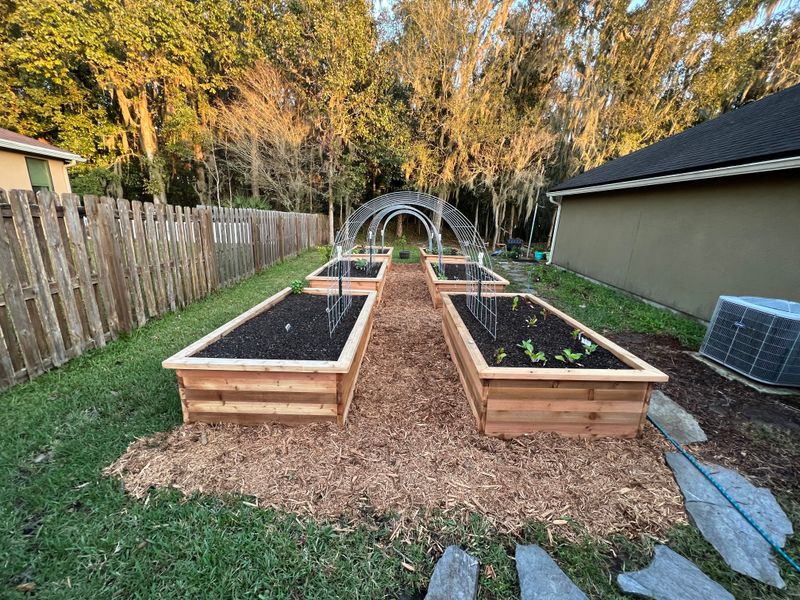
A tomato plant does not care how dramatic your hose spray looks.
Its roots are the part that needs the drink.
Drip emitters, soaker hoses, and a watering can aimed low can place moisture where the plant can actually use it. Leaves stay much drier, and less water disappears from the surface through evaporation or stray spray.
Keep emitters a few inches away from the main stem.
Constant moisture directly against the crown can create its own trouble, especially around peppers, squash, and other plants with sensitive stem bases.
Check the soil before another round.
Push a finger about one or two inches into a container or raised bed. Dry soil at that depth often signals the need for water. Damp soil tells you the hose can take the morning off.
For in-ground beds, aim for a deeper soak rather than quick daily splashes.
Moisture that reaches six to eight inches into the soil can encourage roots to explore deeper layers. Those roots have better access to water during hot, dry periods than a shallow root system near the surface.
Containers and raised beds deserve extra attention because they can dry faster during hot Michigan weather.
A wilted container on a scorching afternoon may need help before morning. Direct the water at the soil and spare the leaves.
No ceremony required. The roots are underground, but they still know where the good service is.