The Invasive Flowers You’ll Regret Planting In Oregon Yards
A flower bed can become a problem long after the first season of blooms is over. Some ornamentals spread so easily that a small planting escapes into lawns, roadsides, streambanks, or nearby natural areas before anyone realizes what is happening.
Once established, they may crowd out native plants and turn routine garden maintenance into years of removal work.
The tricky part is that many of these flowers are attractive enough to keep getting planted, shared, and passed between neighbors.
Their beauty hides how aggressively they reproduce or how far their seeds can travel. That makes plant choice especially important in Oregon, where disturbed soil and wet winters can help certain species gain ground quickly.
A little research before planting can save a lot of frustration later, especially when the prettiest option on the nursery bench is also the one most likely to escape.
1. Butterfly Bush Spreads Beyond The Garden
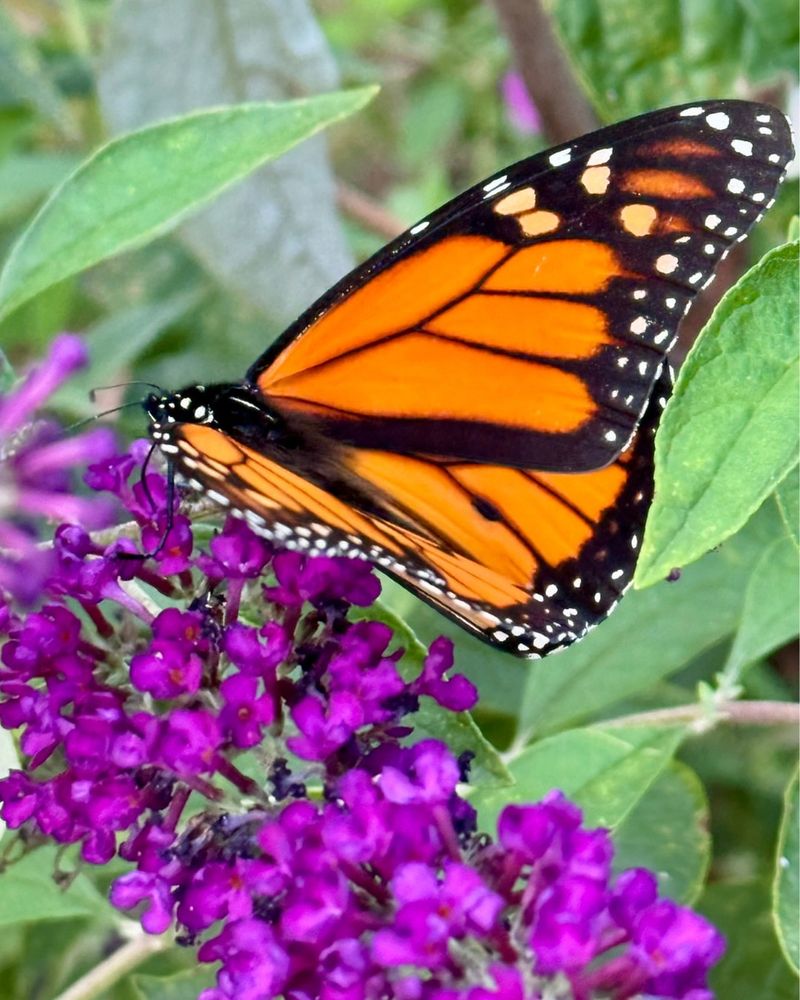
Few plants fool gardeners quite like this one. Butterfly bush looks like a pollinator paradise, with long purple or pink flower spikes covered in butterflies on a warm summer afternoon.
It is easy to grow, drought tolerant, and blooms for months. That combination makes it one of the most popular shrubs sold in nurseries across the country.
Here is the catch: each plant can produce up to 40,000 tiny seeds per season. Those seeds are light enough to float on the wind and land in roadsides, riverbanks, and open fields far from your yard.
Once established in the wild, it crowds out native shrubs and plants that local wildlife actually depend on for food and shelter.
Our state has already placed Buddleja davidii on its list of regulated plants in many counties. Some nurseries still sell sterile varieties, which are considered safer.
However, even those should be watched closely. If you want to support butterflies the right way, try planting native options like red flowering currant or Oregon grape instead.
They feed caterpillars and native bees, not just the adult butterflies that visit for nectar. Removing an established butterfly bush takes repeated cutting and root removal over several seasons.
Save yourself the trouble and choose a native alternative from the start.
2. Purple Loosestrife Takes Over Wet Soil
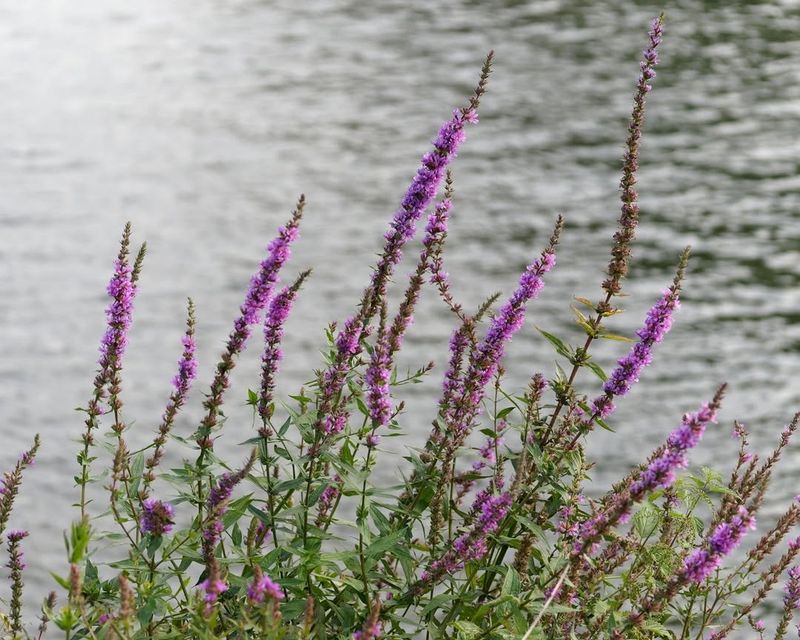
Walk along almost any wetland in our state during summer and you might spot tall spikes of bright magenta-purple flowers.
Purple loosestrife looks stunning growing near water, which is exactly why people started planting it in water gardens decades ago. The problem is that it does not stay put.
A single mature plant can release more than two million seeds per year. Those seeds travel easily through water, on animal fur, and on muddy boots.
Once it takes hold in a wetland, it forms thick, single-species stands that crowd out cattails, sedges, and native marsh plants.
That loss of plant diversity affects birds, fish, and insects that rely on native wetland plants for food and nesting.
Purple loosestrife is listed as a Class B noxious weed in our state, meaning it is actively managed in many areas. Some counties even run volunteer removal programs to pull it from public lands every summer.
Your Oregon Garden Changes Every Week. Your Plan Should Too.
Gardening in Oregon changes quickly throughout the season. Every Friday you’ll receive a simple weekly plan showing exactly what to plant, prune, fertilize, harvest, and protect so you never miss the right timing.
Planting it is not just bad for the environment, it is also illegal in many parts of the Pacific Northwest. If you love the look of tall, colorful flowers near a water feature, try swamp milkweed or blue flag iris instead.
Both are native options that support local wildlife without the risk of escaping into natural areas. Choosing the right plant from the start saves a lot of headache later.
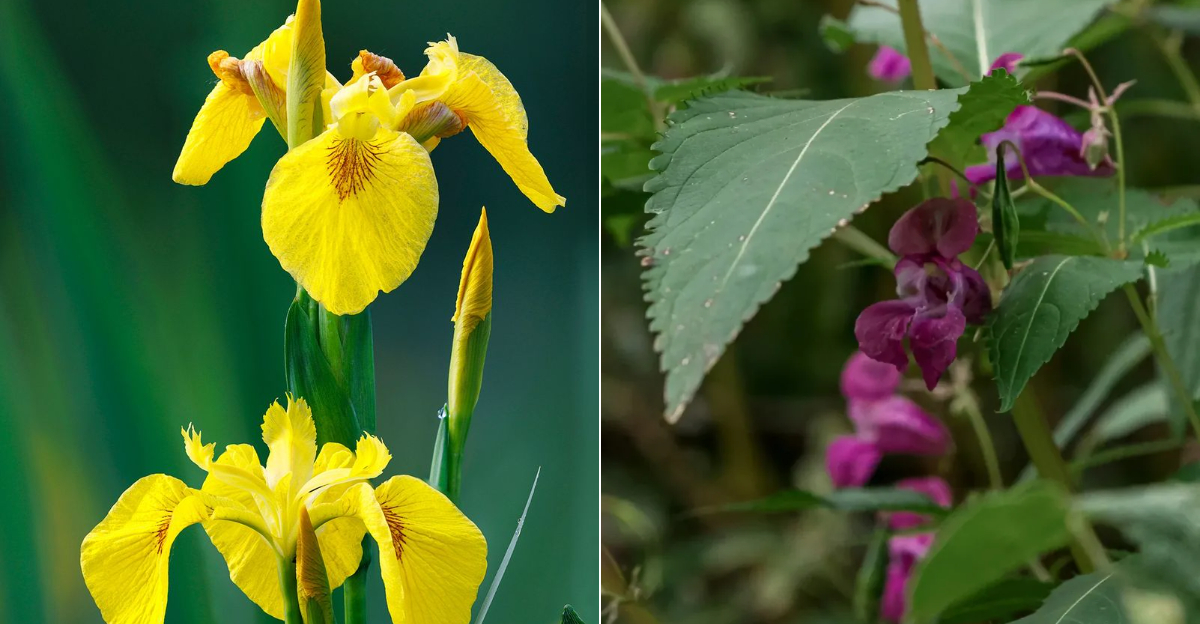
3. Yellow Flag Iris Escapes Water Gardens
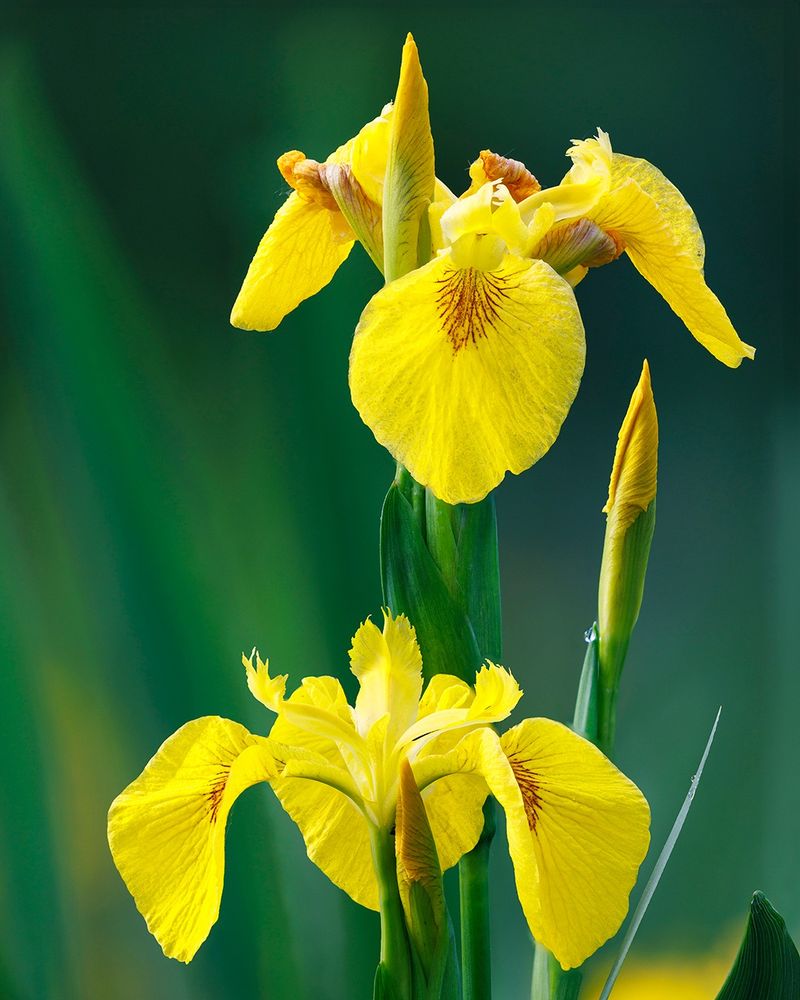
Bright yellow blooms and sword-shaped leaves make yellow flag iris one of the most eye-catching plants you can put near a backyard pond. Gardeners have loved it for generations, and it is still widely sold at garden centers.
But what looks elegant in a water feature can quickly become a serious problem in local waterways.
Once yellow flag iris escapes into a natural stream or wetland, it spreads through both seeds and underground rhizomes. The rhizomes are thick and tough, making the plant nearly impossible to remove once it gets established.
It forms dense mats along stream banks that block water flow, reduce habitat for native fish, and crowd out plants that ducks and other wetland birds depend on.
Our state has flagged this plant as a serious concern in many river corridors. Even if your pond is lined and contained, heavy rains can wash seeds or plant fragments into nearby drainage areas.
From there, they make their way into natural waterways surprisingly fast. The plant is also toxic to livestock and pets, adding another reason to reconsider planting it.
A much safer choice for a water garden is the native blue flag iris, which provides similar visual appeal without the invasive risk.
Swapping one iris for another is a simple step that makes a real difference for local streams and wetlands. Your pond can still be beautiful without the ecological cost.
4. Policeman’s Helmet Crowds Shady Streamsides
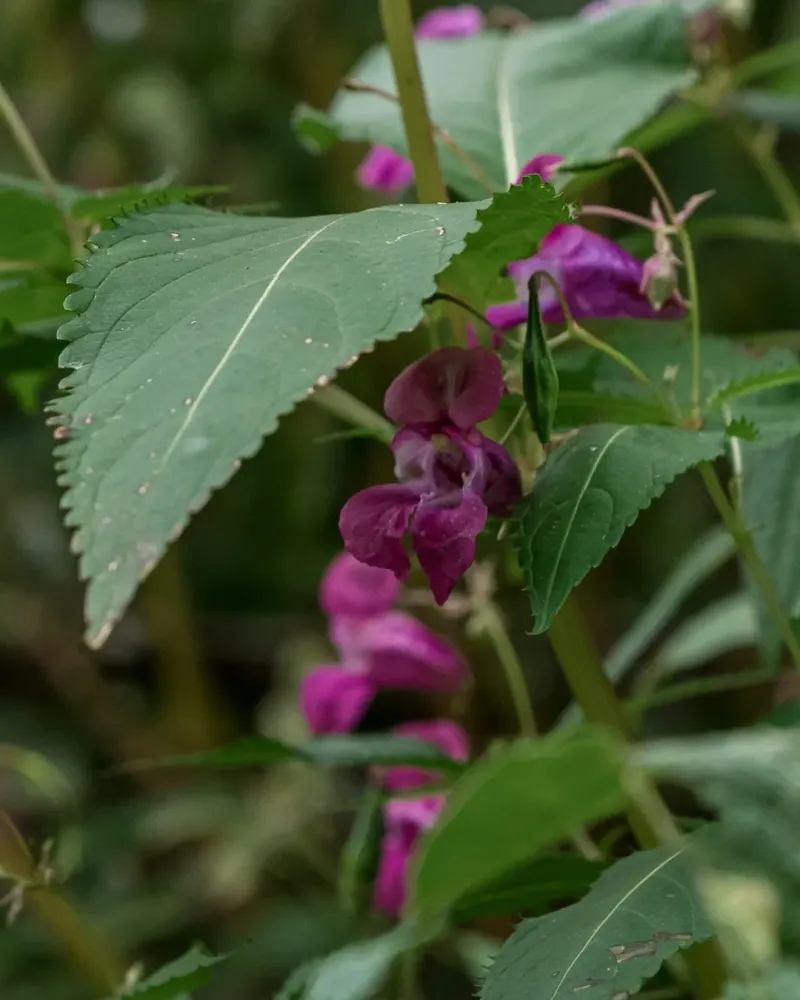
Named for the shape of its flowers, policeman’s helmet might be one of the most aggressive annual plants in our state.
It grows fast, reaches up to six feet tall, and produces seed pods that explode when touched, launching seeds several feet in every direction.
That quirky detail might seem fun, but it is exactly what makes this plant so hard to control.
Also known as Impatiens glandulifera, it thrives in shady, moist areas along streams and forest edges. It forms dense stands that shade out native wildflowers and small shrubs before they have a chance to grow.
Because it is an annual, it must regrow from seed each year, but it produces so many seeds that populations explode quickly. One patch can become a massive colony in just two or three growing seasons.
Removal is possible but labor-intensive. Plants must be pulled before they set seed, and the work needs to happen every year to keep populations from rebounding.
In many parts of western Oregon, volunteer groups spend full weekends pulling this plant from river corridors. It arrived in our state as a garden ornamental, and it has never looked back.
If you want a tall, shade-tolerant bloomer for a moist corner of your yard, try native options like goatsbeard or red elderberry.
Both provide structure and wildlife value without the risk of turning your streamside into a monoculture of one pushy plant.
5. Lesser Celandine Forms A Spring Carpet Fast
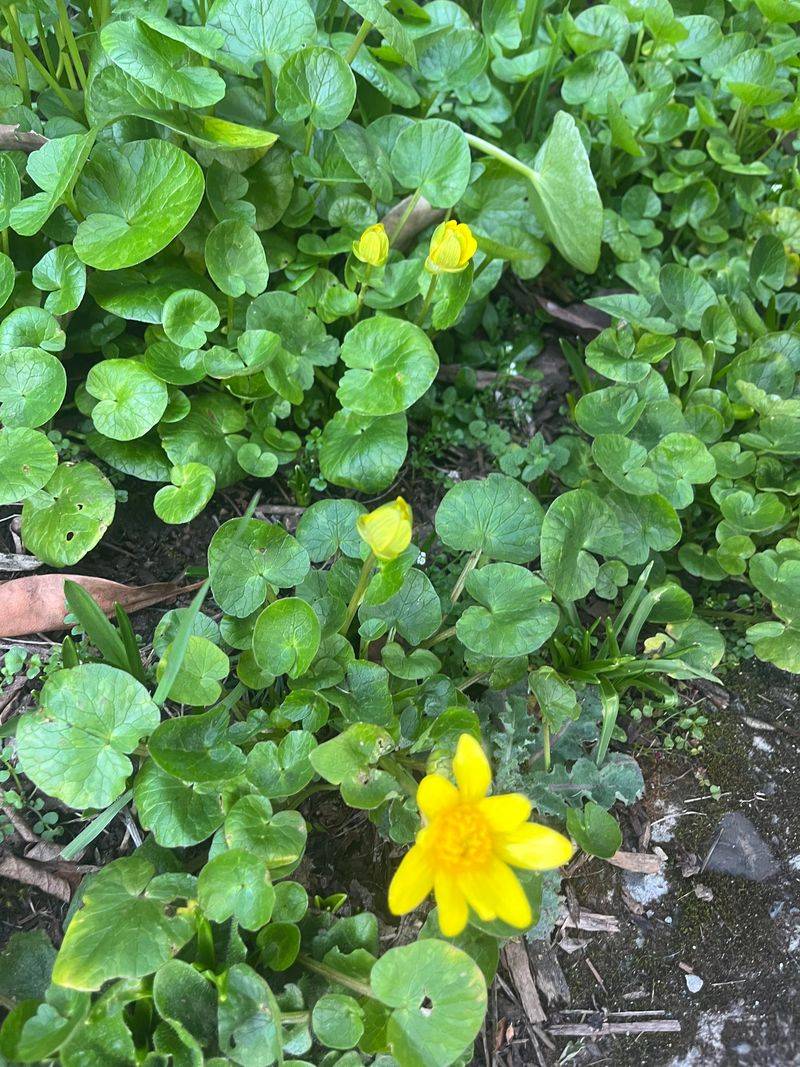
Every spring, lesser celandine emerges from the soil before most other plants have woken up. Its shiny, heart-shaped leaves and cheerful yellow flowers look charming in early March, and that early show is part of why it became popular in gardens.
But by the time other plants start growing, lesser celandine has already claimed the ground beneath them.
The problem is how completely it takes over. It spreads through tiny underground tubers that break apart easily when you try to dig them up.
Each fragment left in the soil can grow into a new plant. It also produces seeds that spread to new areas through water and soil movement.
Within a few years, a small patch can blanket an entire shaded yard or forest floor.
Native spring wildflowers like trillium, bleeding heart, and wild ginger cannot compete with this kind of coverage.
Lesser celandine essentially outcompetes them for light and space during the critical early weeks of spring growth.
Once those native plants are gone from an area, they are very difficult to bring back. Removal requires digging out every tuber, which is tedious and rarely complete on the first try.
Most experts recommend repeated treatment over multiple years. If you love early spring color, plant native camas bulbs or wood violets instead.
They bloom at the same time, support native pollinators, and will not take over your neighbor’s yard by next April.
6. Garlic Mustard Blooms Before It Takes Over
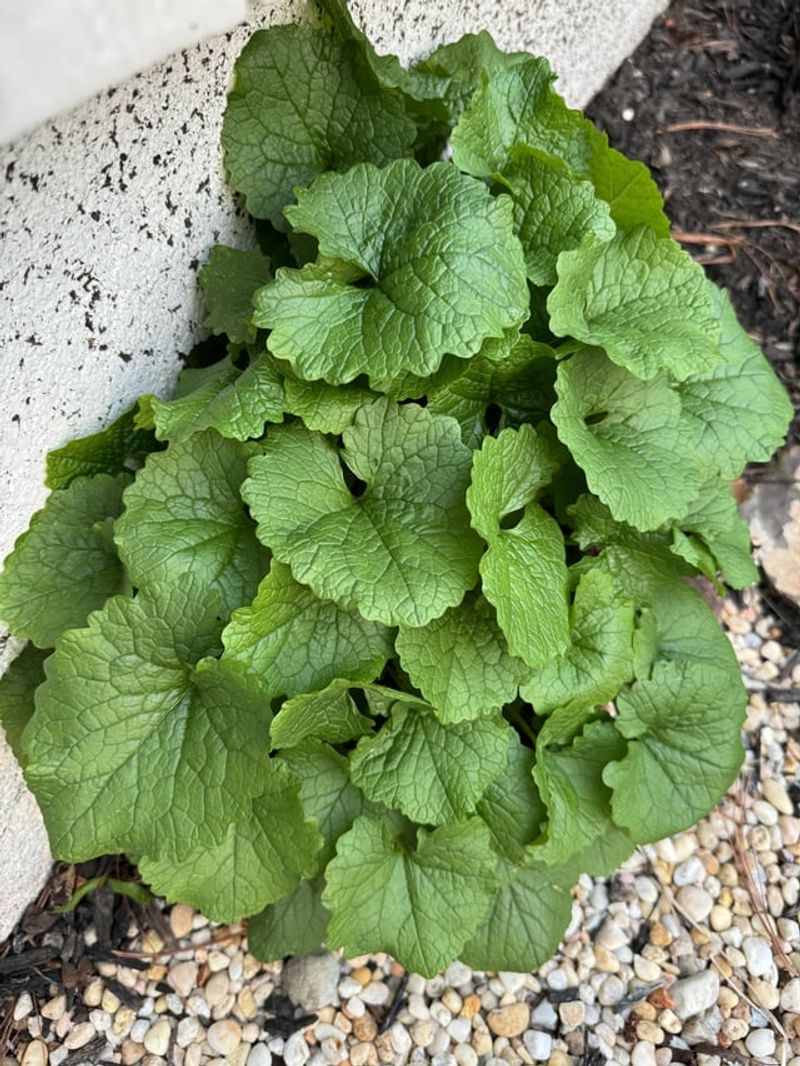
Garlic mustard is a sneaky one. It starts as a low rosette of leaves in its first year, looking harmless and easy to overlook.
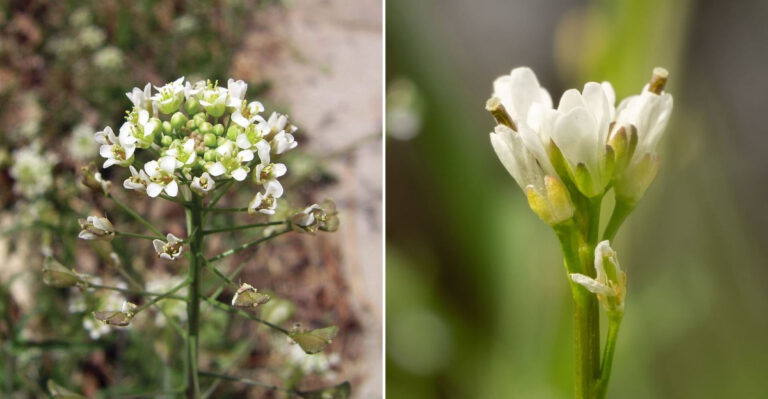
In the second year, it shoots up, produces clusters of small white flowers, and sets hundreds of seeds before most people realize what they are dealing with. By then, it has already spread to places you did not plan for.
What makes garlic mustard especially problematic is that it releases chemicals into the soil that disrupt the underground fungal networks native trees depend on. Those networks, called mycorrhizal fungi, help trees absorb water and nutrients.
When garlic mustard moves in, it essentially poisons the soil ecosystem for native forest plants.
Studies have shown that areas heavily invaded by garlic mustard have fewer native wildflowers and tree seedlings over time.
It arrived in North America as a food plant brought by European settlers and has been spreading ever since.
Our state has seen increasing populations in shaded areas along trails, roadsides, and stream corridors.
Pulling it by hand works, but it must be done before the seeds mature, typically in late spring. Bag the plants and put them in the trash, not the compost pile, since seeds can survive composting.
Garlic mustard is not a common ornamental, but it hitchhikes in on soil, shoes, and equipment. Knowing how to identify it early makes a big difference in keeping it from spreading through your property and beyond.
7. Italian Arum Hides Behind Pretty Berries
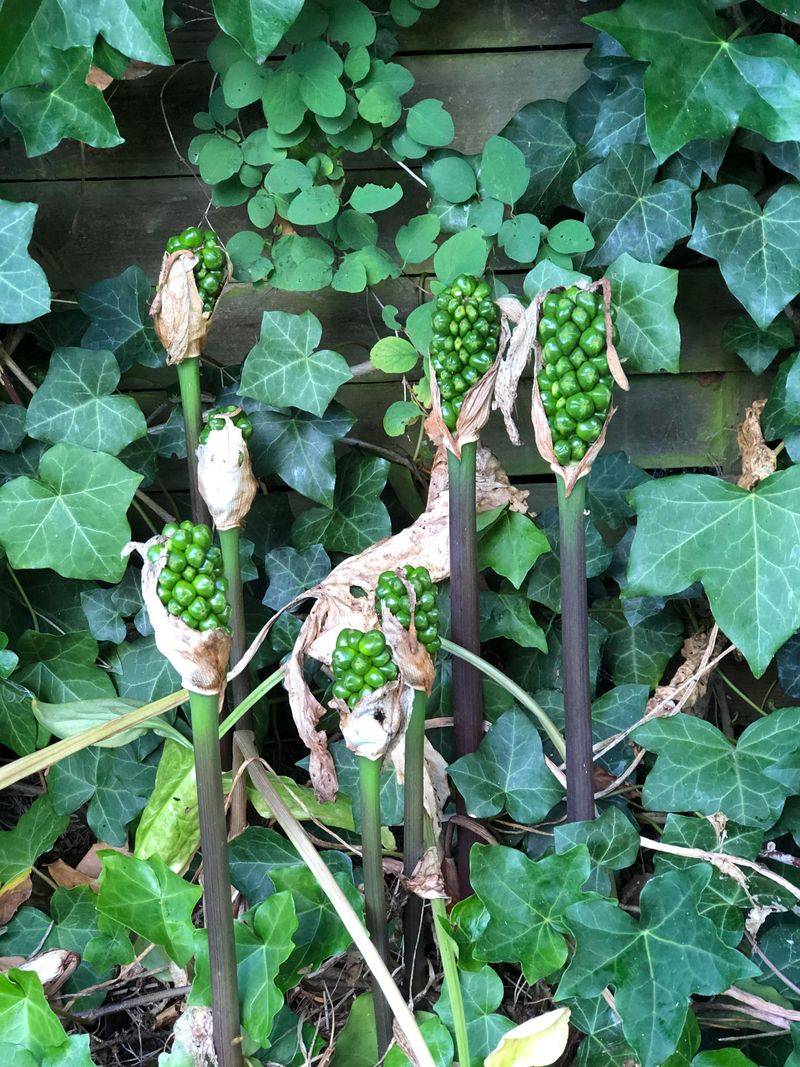
At first glance, Italian arum seems like the perfect shade garden plant. It has glossy, arrow-shaped leaves with silvery markings, creamy white flowers in spring, and then bright orange-red berries in summer.
Nurseries often sell it as a low-maintenance ground cover for difficult shady spots. It checks a lot of boxes on paper.
What the plant tag rarely mentions is that those attractive berries are toxic to humans and animals, and birds love to eat them. When birds eat the berries, they spread the seeds into natural areas far from your yard.
The plant also spreads underground through tubers that multiply steadily each year. What starts as a small clump can become a large colony that shades out native wildflowers and ferns.
Italian arum has become a growing concern in shaded neighborhoods and natural areas across western Oregon. It is particularly problematic in older neighborhoods with mature tree canopies, where it thrives in the deep shade under large conifers.
Once established, it is very hard to remove because the tubers break apart easily and regrow from small fragments. Many gardeners have spent years trying to eliminate patches that started from a single plant.
If you need a shade-tolerant ground cover, try native wild ginger or sword fern instead. Both handle deep shade well, support local insects, and will not send seeds flying into the forest behind your house through a bird’s digestive system.
8. Dame’s Rocket Self-Sows Too Freely
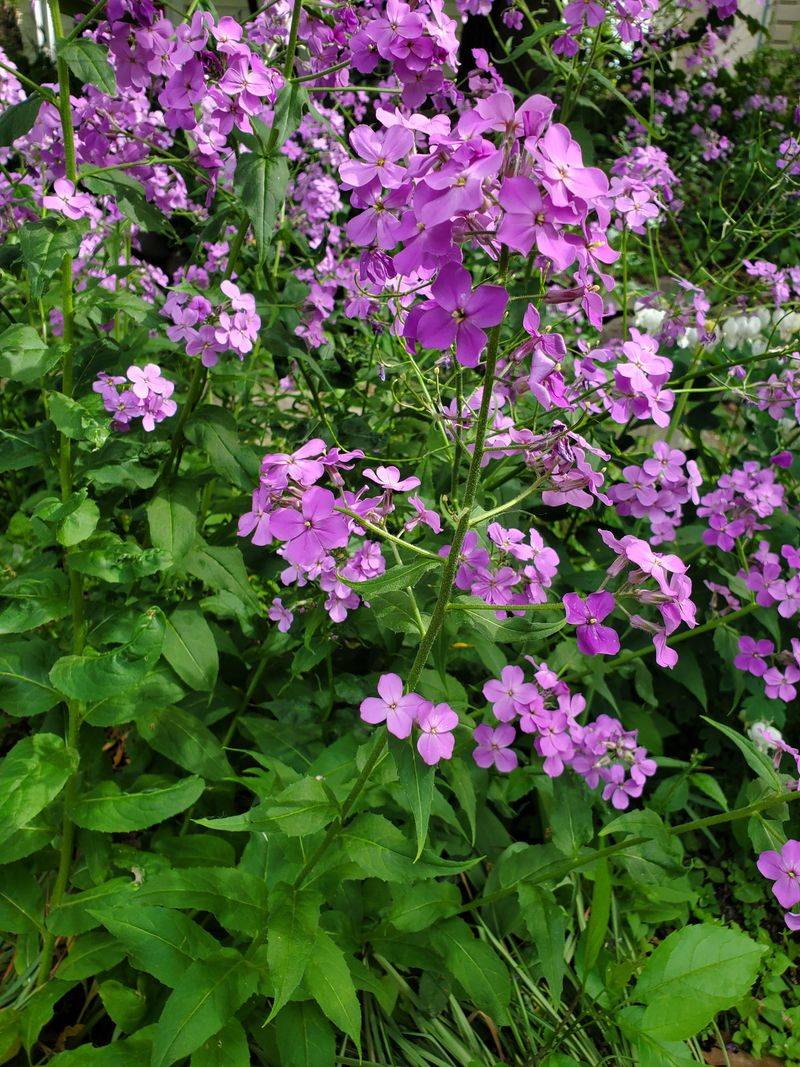
Many people mistake dame’s rocket for a native wildflower. Its clusters of purple, pink, or white flowers look similar to garden phlox, and it blooms in late spring when roadsides are at their most colorful.
It has even been included in wildflower seed mixes sold at hardware stores, which has helped it spread far and wide across our state.
Dame’s rocket is a biennial, meaning it takes two years to flower. In its second year, it produces large quantities of seeds that scatter easily in the wind.
It thrives in disturbed soil, open woodlands, and roadsides, exactly the kinds of places where native wildflowers are already struggling. Once it moves into an area, it competes directly with native species for space, light, and pollinators.
One easy way to tell dame’s rocket apart from native phlox is to count the petals. Dame’s rocket has four petals, while phlox has five.
That small detail can help you spot it before it gets out of hand. Removing plants before they set seed is the most effective control method, but you need to stay consistent because seeds can remain viable in the soil for several years.
Avoid buying wildflower mixes unless you can confirm they are free of invasive species. If you love the look of spring color along a path or fence line, native lupine or clarkia are beautiful alternatives that support local bees without the self-seeding problem.