What It Means When A Possum Shows Up In Your Texas Yard
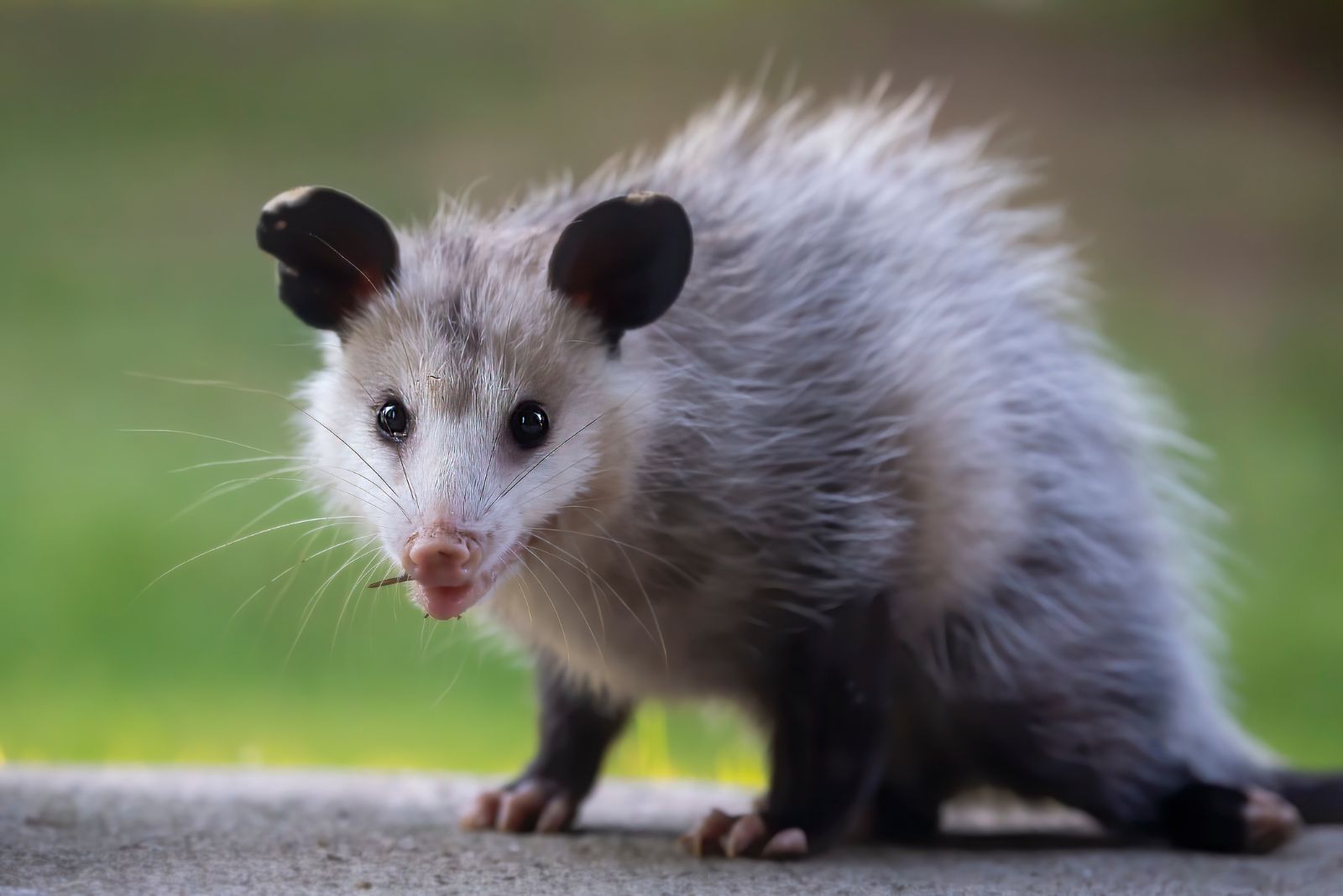
A possum wandering through your Texas yard after dark is one of those wildlife encounters that tends to produce a strong reaction. Most people are not immediately charmed.
The pale face, the slow deliberate movement, the tendency to freeze and stare back at you with an expression that suggests neither of you planned this. It’s not exactly a crowd pleasing entrance. But possums deserve a second look. Seriously.
These animals have one of the most underrated ecological resumes of any wildlife that regularly visits Texas yards.
What they do on a nightly basis, quietly and without any fanfare, is genuinely valuable to the health of your garden, your local tick population, and the broader environment around your home.
Beyond the practical, possums carry symbolic and cultural meaning across several traditions with deep roots in Texas history. A possum showing up in your yard is not just a random nocturnal encounter.
It tends to mean something about the conditions your property is creating and occasionally something more personal than that.
1. Your Yard Probably Offers An Easy Food Source
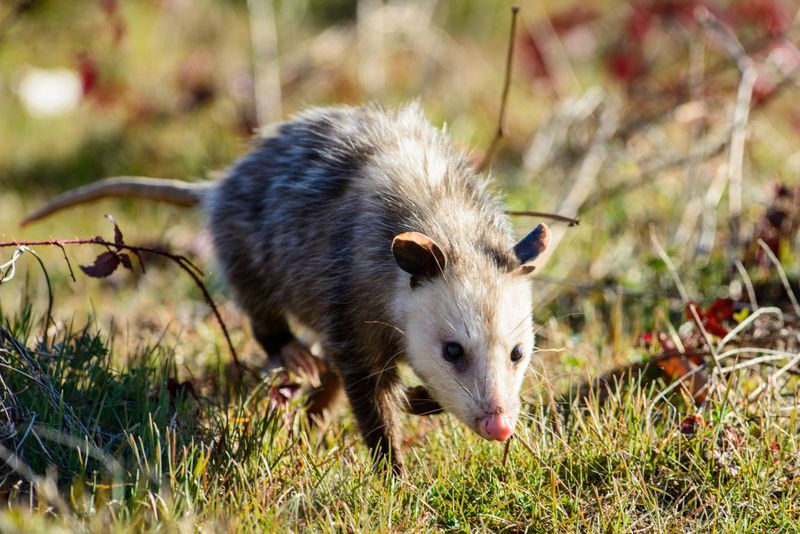
Picture this: you flip on your back porch light and spot a fuzzy, pointy-nosed creature rooting around near your garden.
Before you call anyone, know that the animal Texans casually call a “possum” is actually the Virginia opossum, scientifically known as Didelphis virginiana.
It is North America’s only native marsupial, and it has been living alongside people for a very long time.
Opossums are opportunistic omnivores, which means they eat just about anything they can find. Fallen fruit, vegetables, garbage, compost piles, pet food left outside, insects, and snails are all fair game for a hungry opossum on a warm Texas night.
Your yard likely has at least one of these things, and that is exactly what drew it in. A nighttime visit usually means the animal found something worth foraging for. It does not mean your property has an infestation or that something is seriously wrong.
Opossums are solitary animals that tend to move around a lot, so one visit does not automatically lead to another.
The simplest fix is removing whatever attracted it. Bring pet food bowls inside before dark. Secure trash can lids tightly. Pick up fallen fruit from the ground around trees. Clean out your compost bin regularly or use a sealed container.
Once the easy food source disappears, the opossum has little reason to come back. Think of it like leaving a snack on the sidewalk.
If the snack is gone, so is the visitor. Managing your yard’s food sources is the most effective and humane way to keep opossums from turning your space into their regular dinner spot.
2. It May Simply Be Passing Through At Night
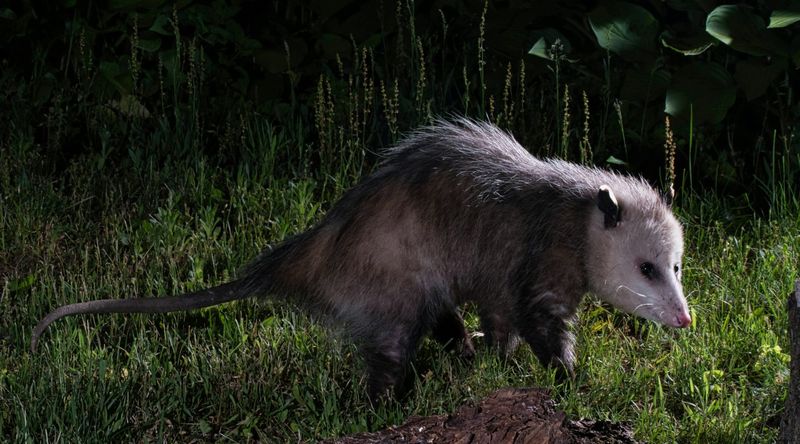
Not every opossum sighting means you have a new permanent neighbor. Opossums commonly travel through urban and suburban landscapes as part of their natural nightly routine.
They are primarily active after dark, quietly moving through neighborhoods while most people are fast asleep.
Your Texas Garden Changes Every Week. Your Plan Should Too.
Gardening in Texas changes quickly throughout the season. Every Friday you’ll receive a simple weekly plan showing exactly what to plant, prune, fertilize, harvest, and protect so you never miss the right timing.
Seeing one cross your lawn or slip through your garden at night can be completely normal wildlife behavior. Opossums do not have fixed territories the way some animals do.
Instead, they roam fairly wide areas in search of food and shelter, following whatever path seems safe and rewarding that particular night.
A single sighting does not necessarily mean an opossum is living or nesting in your yard. It may have simply cut through your space on the way to somewhere else entirely.
Fences, open gates, and gaps beneath structures are all common travel routes for these nighttime wanderers.
Texas has a large and healthy opossum population, especially in areas where neighborhoods border green spaces, creeks, or wooded patches.
If you live near any of those environments, occasional opossum sightings are honestly pretty expected. They are a natural part of the local wildlife community.
Watching one pass through can actually be a pretty cool experience if you give it space. Opossums are slow-moving, non-aggressive animals that typically want nothing to do with people.
They are far more interested in finding their next meal than in causing trouble. If you spot one, stay calm, keep pets indoors, and let it continue on its way.
Chances are good it will be gone within a few minutes, and you may never see that particular animal again.
3. Repeated Visits Could Mean Your Yard Has Good Shelter
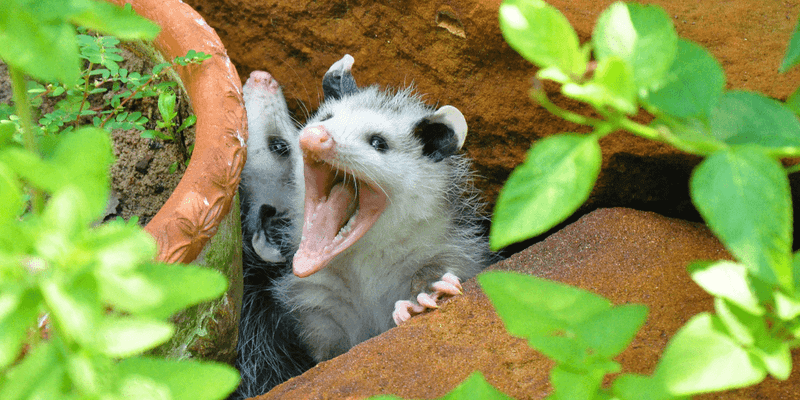
One visit is easy to brush off. But when the same opossum keeps showing up night after night, or you notice one disappearing beneath your deck, shed, or porch, that is a different situation worth paying attention to.
Opossums may shelter beneath low structures that offer darkness, protection from the weather, and a sense of security.
Your property might be providing a perfectly comfortable resting or den site without you even realizing it.
Gaps beneath porches, loose skirting around sheds, and open crawl spaces are all prime real estate for a nesting opossum. Female opossums with young are especially motivated to find safe, enclosed spaces.
If you suspect an opossum has moved in, the worst thing you can do is immediately seal the opening. You could accidentally trap an animal inside, which creates a much bigger problem.
Instead, watch the entry point over several evenings to see when the animal comes and goes.
A simple and effective trick is loosely stuffing the opening with newspaper or leaves. If the material stays undisturbed for several nights, the space is likely empty and safe to seal properly.
If it gets pushed out, the animal is still using the space and you should wait a bit longer. Once you are confident the opossum has moved on, seal the entry point with durable materials like hardware cloth or wood. Add a one-way exclusion door if needed.
For situations involving young animals or repeated access issues, reaching out to a Texas wildlife professional is a smart and responsible choice that avoids unnecessary stress for both you and the animal.
4. It Can Actually Be Eating Some Things Gardeners Don’t Want
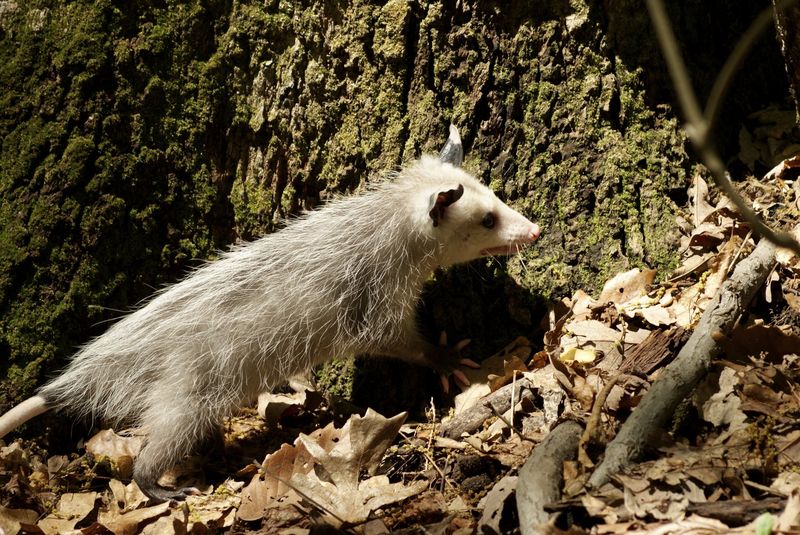
Here is something that might surprise you: that opossum nosing around your garden beds might actually be doing you a small favor.
Opossums have a broad diet that includes various invertebrates such as snails, slugs, beetles, and other insects that gardeners often consider pests.
So while they are out foraging, they sometimes clean up creatures that would otherwise chew through your plants.
That said, it is important to keep realistic expectations. You may have seen claims online suggesting that opossums wipe out massive numbers of ticks, making them some kind of super pest-control machine.
That popular story has spread widely across the internet, but the science behind it is much shakier than most people realize. Researchers have found that opossums do eat ticks, but the dramatic numbers often cited in viral posts are not firmly supported by field studies.
Think of an opossum as a native omnivore doing its own thing, not a guaranteed biological pest-control service. It will eat what is available and what appeals to it that night.
Sometimes that means snails threatening your tomatoes. Other times it means your strawberries or fallen peaches.
Opossums are not picky, and they will absolutely eat garden produce if it is accessible. So while there may be some accidental benefits to their presence, there can also be some minor frustrations for gardeners.
Row covers, raised beds with secure lids, and motion-activated lights can help protect vulnerable plants without harming the animal.
The bottom line is that opossums play a real role in the local ecosystem. Appreciating what they do while protecting what matters to you is a balanced and sensible approach for any Texas gardener.
5. Seeing One Doesn’t Automatically Mean Rabies
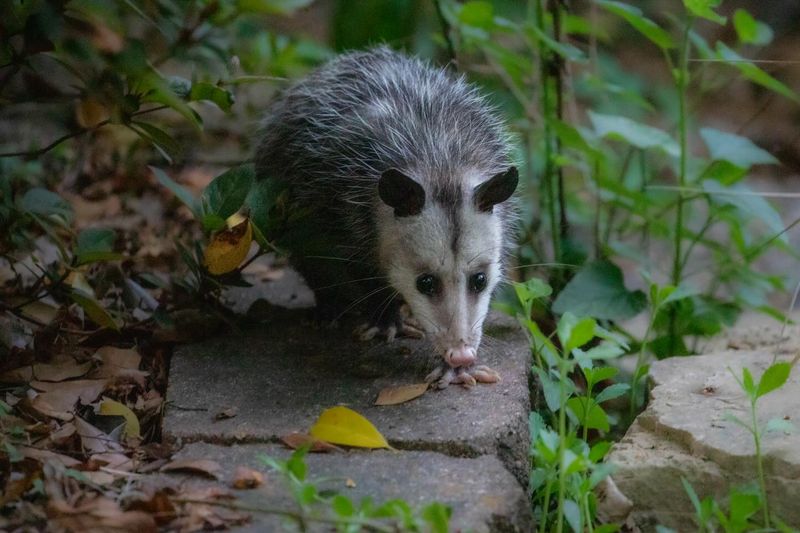
A lot of people see a wild animal at night and immediately worry about rabies. That fear is understandable, but when it comes to opossums, the risk is actually very low compared to many other wild mammals.
Opossums rarely carry rabies, especially when compared to major U.S. wildlife reservoirs like bats, raccoons, skunks, and foxes.
The CDC has specifically noted that animals like opossums hardly ever have rabies. One reason scientists believe this is true is that opossums have a lower body temperature than most mammals, which may make it harder for the rabies virus to survive and spread inside them.
That does not mean zero risk, but it does mean a healthy opossum walking through your yard is not automatically a rabies threat.
Still, common sense matters here. Any wild mammal can potentially carry disease or defend itself when it feels cornered or threatened.
Homeowners should never handle an opossum, try to corner one, or encourage pets to approach one. Keeping a safe distance protects both you and the animal.
An opossum that is acting strangely, moving in circles, appearing seriously injured, or making unusual sounds deserves a professional response rather than hands-on intervention.
Contact your local animal control office or a permitted Texas wildlife rehabilitator if you encounter an animal that seems genuinely unwell or distressed.
Playing it safe is always smart. But there is no need to panic every time you spot a healthy opossum quietly moving through your yard.
Most of the time, it is just an ordinary wild animal going about its night, completely uninterested in you or your family. Calm observation from a distance is usually all the response needed.
6. Frequent Visits Are A Sign To Remove Attractants – Not Feed It
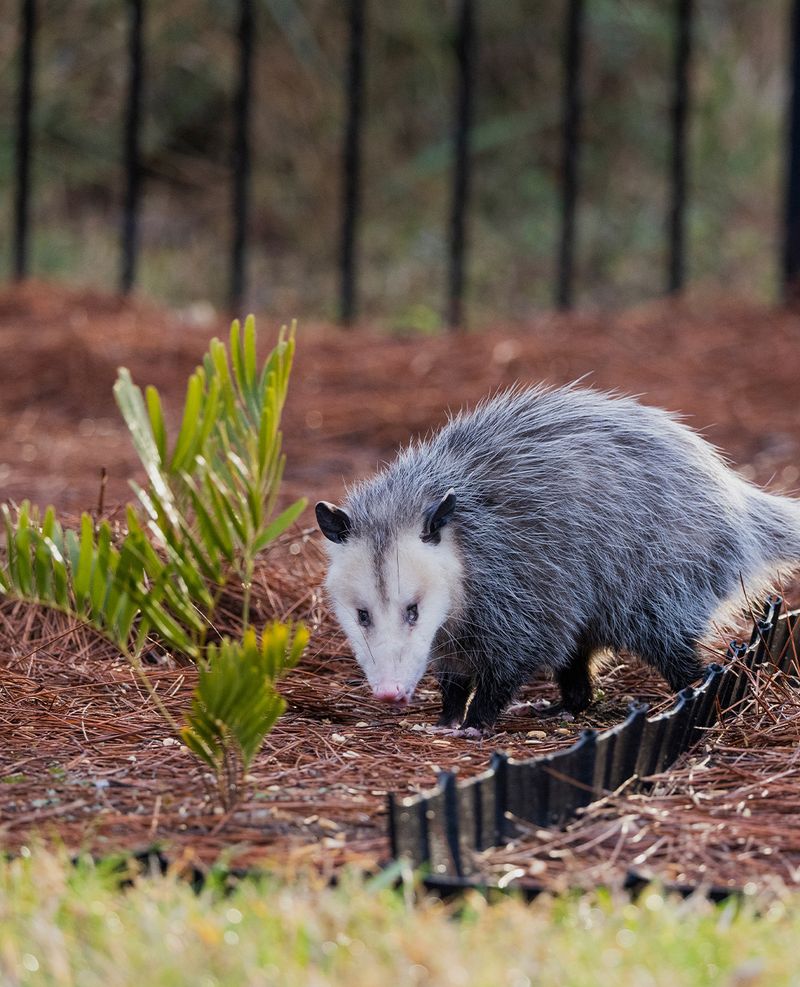
Seeing an opossum once is one thing. Seeing one every single night is a clear signal that your yard is offering something it really likes, and that is worth addressing.
Texas Parks and Wildlife strongly advises people not to feed wildlife, and that includes opossums. Feeding them, even unintentionally, encourages them to keep coming back and can make them bolder around people over time.
The good news is that making your yard less appealing is pretty straightforward. Bring pet food bowls inside before dark every evening.
Secure garbage can lids with bungee cords or locking clips. Clean up fallen fruit from beneath trees as soon as possible. If you use a compost bin, switch to a sealed, animal-resistant model.
Restricting access to potential shelter spots also helps. Cap off openings beneath porches, sheds, and decks using hardware cloth or solid wood once you are sure no animals are inside.
Motion-activated lights or sprinklers can also discourage nighttime visits without causing the animal any harm.
If you discover what appears to be an injured or orphaned opossum, resist the urge to pick it up or bring it inside. Keep your distance and contact a permitted Texas wildlife rehabilitator instead.
These trained professionals know how to assess and care for wild animals safely. Trying to raise or treat a wild opossum yourself is not only risky for you but is also illegal without proper permits in Texas.
The big takeaway here is simple and reassuring. A healthy opossum quietly moving through a Texas yard is usually wildlife doing exactly what wildlife does.
With a few easy adjustments, you can coexist peacefully without turning your yard into a nightly opossum destination.