The Texas Garden Plants Grasshoppers Target Most Aggressively At The End Of August
Grasshoppers in late August Texas gardens are not the casual visitors they seem earlier in the season.
By the end of August, populations that have been building all summer reach their peak numbers and their peak appetite, and the feeding pressure on garden plants during this stretch can be genuinely alarming for Texas gardeners who weren’t expecting it to intensify this much so late in the season.
Grasshoppers are not equal opportunity eaters. They have clear favorites.
And in late August, when populations are largest and natural forage outside the garden has been reduced by drought and heat, those preferences translate into concentrated, aggressive feeding on specific plants that can go from healthy to severely damaged in a surprisingly short window of time.
Knowing which plants grasshoppers target most aggressively at the end of August gives you a real advantage. You can watch more closely, act faster, and protect what’s most at risk before the damage spirals past the point where it’s easy to address.
1. Lettuce
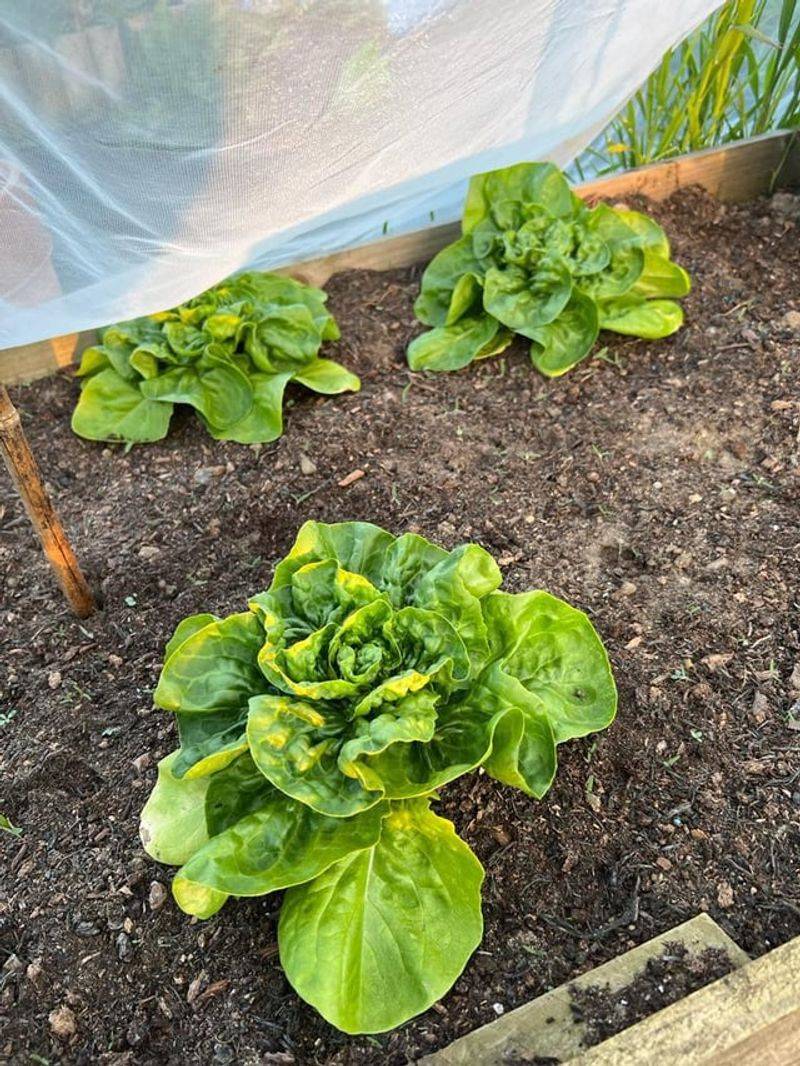
Walk through a Texas garden in late August and you will almost always find grasshoppers on the lettuce first. Lettuce is one of their top targets, and it is easy to understand why.
The leaves are broad, tender, and full of moisture, which makes them incredibly easy to chew through. Grasshoppers do not have to work hard for a meal when lettuce is around.
The damage usually starts along the leaf edges and moves inward fast. Within a day or two of a grasshopper invasion, a full row of lettuce can look ragged and torn.
Because the leaves are so soft, even young grasshopper nymphs can feed on them without any trouble. Adult grasshoppers can strip a plant down to almost nothing in just a few hours of heavy feeding.
Protecting lettuce in late summer takes some real effort. Row covers made of lightweight fabric are one of the most effective options.
They create a physical barrier that grasshoppers simply cannot get through. Make sure the edges are secured tightly to the ground so there are no gaps.
Neem oil sprays can also help, though they work better as a deterrent than a cure after damage has already started.
Planting lettuce in a shadier spot can also reduce grasshopper pressure slightly, since grasshoppers prefer warm, sunny areas. Some Texas gardeners choose to skip late-summer lettuce altogether and wait for fall planting when grasshopper populations naturally drop off.
If you do grow it now, check your plants every single morning and remove any grasshoppers you spot by hand. Staying consistent with monitoring is the most reliable way to keep your lettuce from being wiped out before the season ends.
2. Carrots
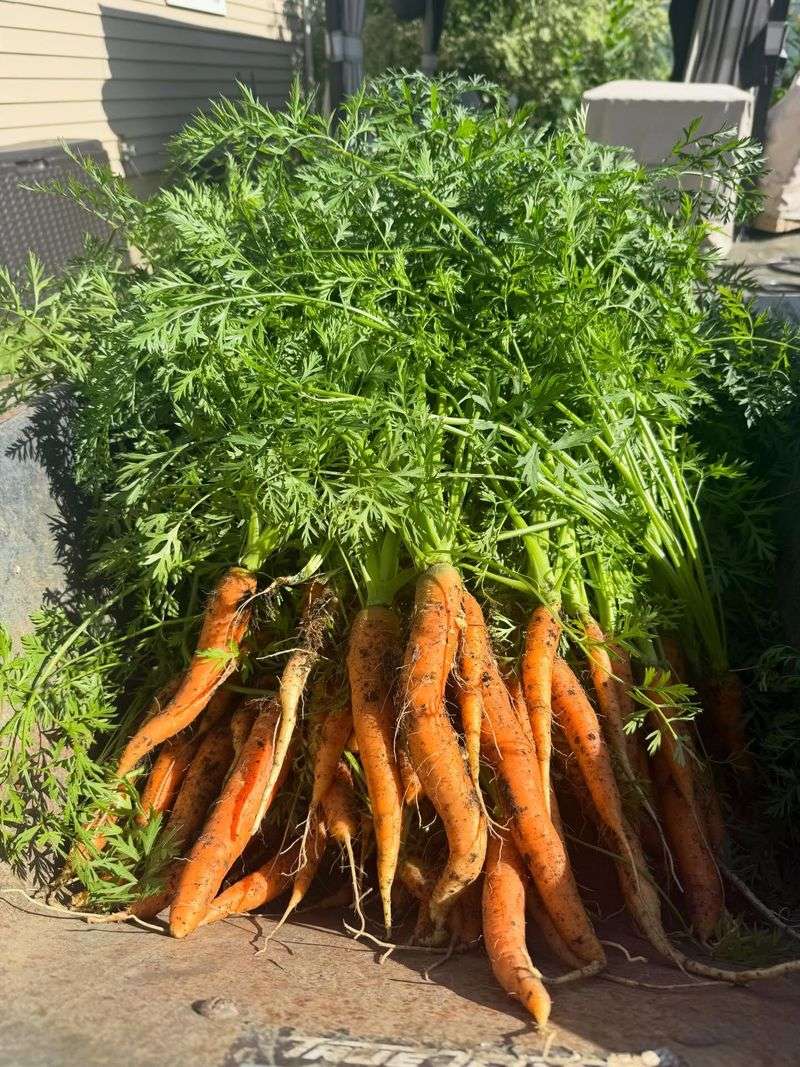
Carrots might seem like an odd grasshopper target at first. After all, the part most people care about is buried underground.
But grasshoppers are not going after the root. They are going after the lacy, feathery green tops that grow above the soil, and they can do real harm up there.
Your Texas Garden Changes Every Week. Your Plan Should Too.
Gardening in Texas changes quickly throughout the season. Every Friday you’ll receive a simple weekly plan showing exactly what to plant, prune, fertilize, harvest, and protect so you never miss the right timing.
The carrot tops are surprisingly nutritious and easy to chew. Grasshoppers will flock to them in late August, especially when other food sources are getting scarce from the heat and drought.
When the tops get heavily chewed, the plant loses its ability to photosynthesize properly. That means the carrot root underground stops growing the way it should, which results in smaller, weaker harvests.
One thing many gardeners do not realize is that carrot tops can regrow after light feeding damage. So if you catch the problem early and remove the grasshoppers before the damage gets too severe, your carrots may still recover reasonably well.
The key word there is early. Waiting too long usually means the tops get stripped bare, and recovery becomes much slower or does not happen at all.
Row covers work well for carrots too, and since the plants are low to the ground, covering them is fairly simple. You can also try companion planting with strongly scented herbs like basil or sage nearby, since grasshoppers tend to avoid areas with intense smells.
Kaolin clay sprays are another option worth trying. They coat the leaves with a fine white powder that makes feeding less appealing to the insects.
Checking your carrot bed daily during peak grasshopper season is the smartest habit you can build to protect your harvest.
3. Beans
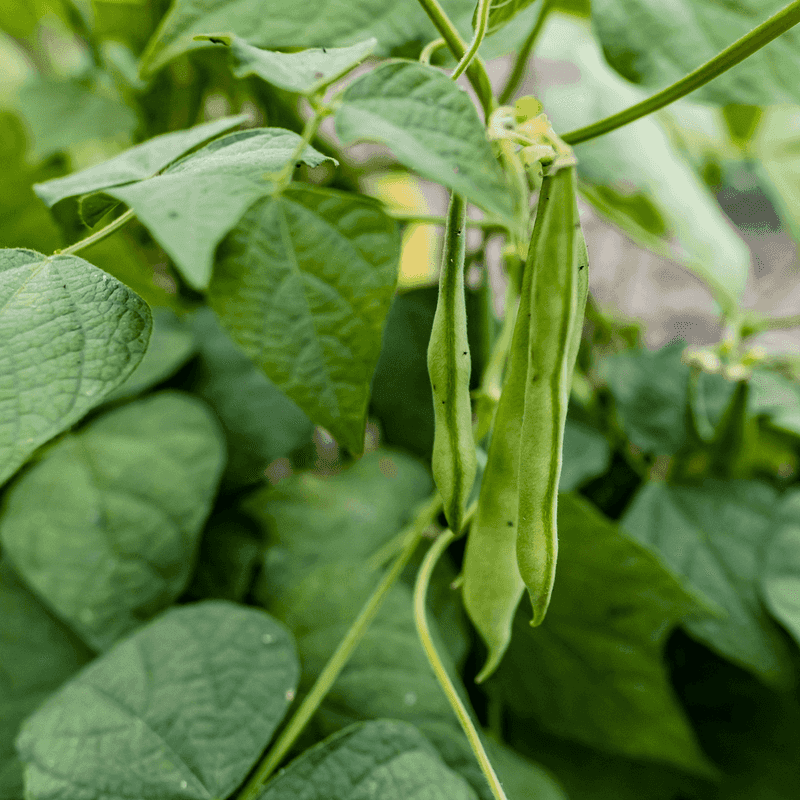
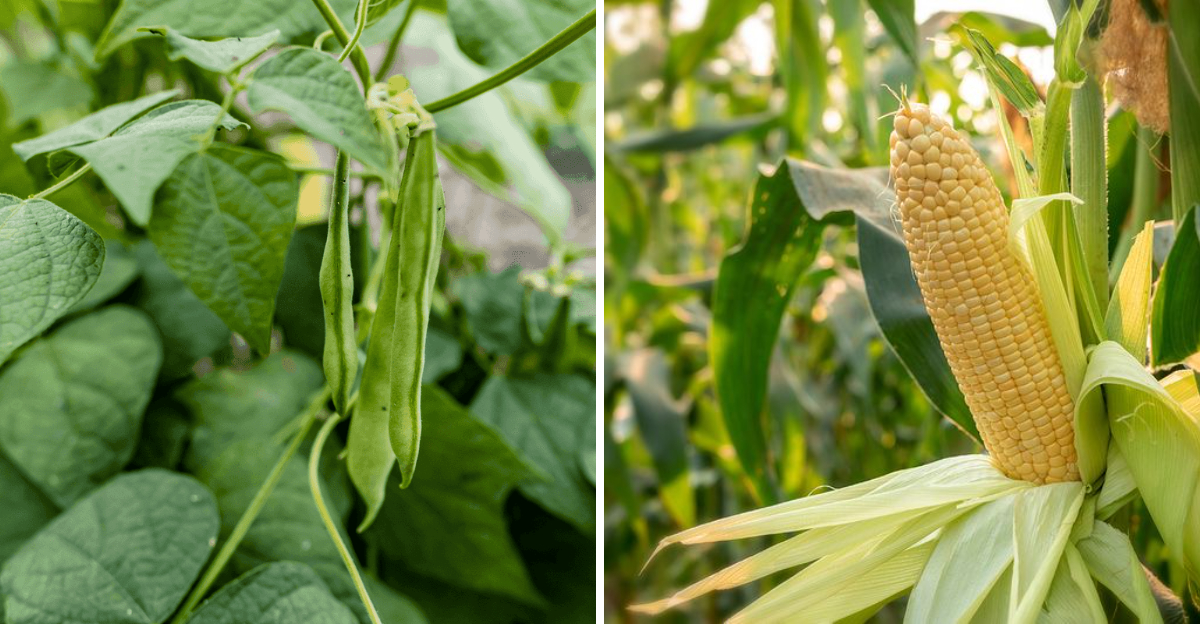
Few garden plants are as vulnerable to grasshopper pressure as beans. A healthy bean patch can look full and lush one day and nearly bare the next once a swarm moves in.
Grasshoppers love beans for their broad, flat leaves that are simple to grip and chew. Both bush beans and pole beans are at risk, and the damage can be startling in how fast it spreads.
The feeding typically starts on the outer leaves and moves quickly toward the center of the plant. Stems can also get chewed, which is even more serious because a damaged stem can stop the entire plant from functioning.
When stems are compromised, the plant cannot move water and nutrients properly, and the whole thing begins to weaken fast. Bean pods themselves can get nibbled too, which ruins them for harvest.
One of the best things you can do for your bean patch is act quickly at the first sign of trouble. Do not wait to see how bad it gets.
Set up row covers as soon as you notice grasshopper activity in your garden. Inspect plants in the early morning when grasshoppers are cooler and slower, making them easier to catch and remove by hand.
Spinosad, an organic insecticide made from naturally occurring soil bacteria, is another solid option for beans. It is considered safe for use on edible crops and works well against grasshoppers when applied correctly.
Always follow the label directions and avoid spraying during peak pollinator hours. Keeping the area around your bean patch free of tall weeds and dry grasses also helps, since grasshoppers love to hide and breed in those spots before moving into your garden.
4. Sweet Corn
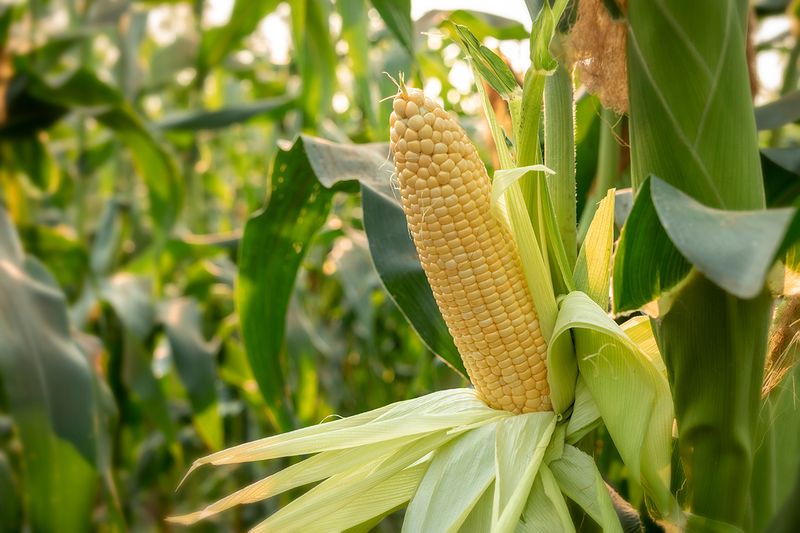
Sweet corn is one of those garden staples that feels almost magical to grow. Watching the stalks shoot up and the ears fill out is genuinely satisfying.
But by late August in Texas, grasshoppers have their eyes on your corn patch, and they can cause damage that goes well beyond cosmetic leaf chewing.
Grasshoppers feed heavily on corn leaves, slicing long strips out of them as they work their way up and down the stalk. The leaves end up looking shredded, with jagged edges and bare patches.
While corn is a tough plant and can handle some leaf loss, heavy defoliation during the ear-filling stage is a real problem. The plant needs those leaves to capture sunlight and convert it into energy for the developing ears.
Even worse, grasshoppers sometimes get into the husks and feed directly on developing kernels. That kind of damage is harder to spot from the outside but can ruin ears that looked perfectly fine until you pulled back the husk at harvest time.
Checking the tips of ears for entry points and chewed silk is a good habit during peak grasshopper season.
Taller corn plants can be tricky to cover with row covers, but you can still protect younger plants early in the season before they get too big. For mature plants, sticky traps placed around the perimeter of the patch can catch some grasshoppers before they get too far in.
Diatomaceous earth sprinkled around the base of stalks creates an irritating barrier that slows grasshoppers down. Staying on top of weed removal around your corn patch also reduces the nearby habitat grasshoppers use before moving in.
5. Onions
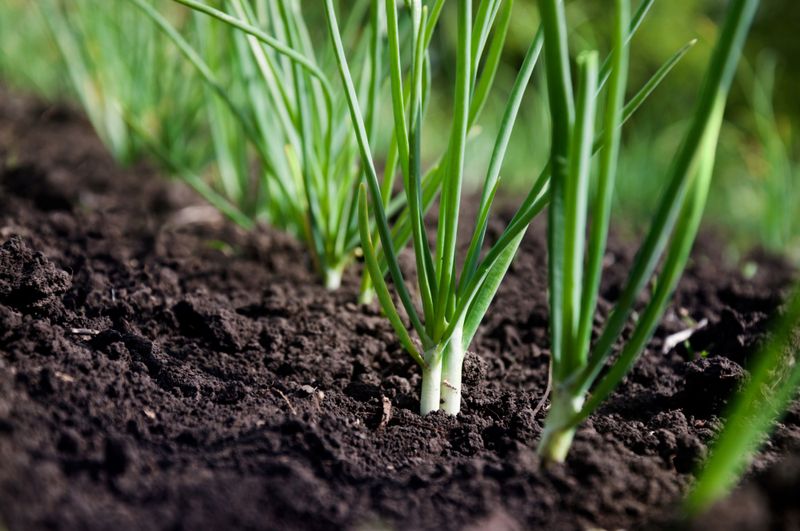
Onions might seem like they would repel grasshoppers with their strong smell, but that is not really how it works in late August Texas. When grasshopper populations are large enough and food is competitive, onions get targeted right alongside lettuce and beans.
The green stalks are the main target, not the bulb underground.
Grasshoppers chew through the hollow green tops of onion plants, leaving them ragged or completely cut off. When the tops are lost, the plant cannot photosynthesize, and the bulb stops growing.
Onions that lose their tops too early end up being small and underdeveloped at harvest. For gardeners who have been tending their onions all season, that kind of late-summer setback is genuinely frustrating.
The good news is that onions are fairly resilient and can sometimes regrow tops if the damage is not too severe. Catching the problem early gives the plant a fighting chance.
Morning inspections are especially useful with onions because the stalks make grasshoppers easy to spot when they are sitting still in the cooler morning air.
Row covers are still one of the most reliable protective tools, even for onions. You can also try surrounding your onion beds with plants that grasshoppers tend to avoid, like cilantro or calendula.
Some gardeners report success with garlic spray applied directly to the onion tops as a deterrent, though results can vary. Keeping soil around the onion bed cultivated and loose also helps, since grasshoppers prefer to lay eggs in firm, undisturbed soil.
Disrupting that habitat around your garden reduces the next generation of grasshoppers before they even hatch.
6. Alfalfa
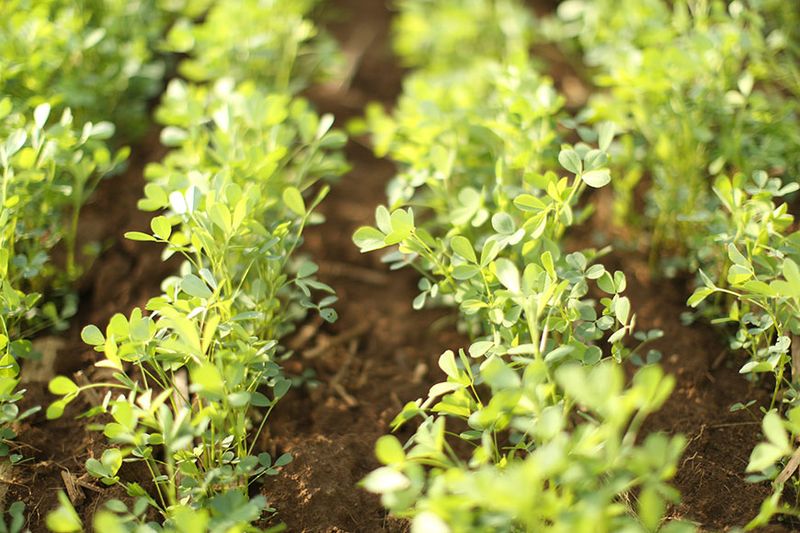
Here is something not every Texas gardener thinks about: what is growing near your garden matters just as much as what is growing in it. Alfalfa and clover patches close to a vegetable garden act like a grasshopper magnet.
Grasshoppers are extremely attracted to alfalfa, and any patch of it nearby can pull large numbers of them directly toward your garden beds.
Alfalfa is a high-protein, nutrient-rich plant that grasshoppers find irresistible. Farmers have known this for a long time, which is why commercial alfalfa fields in Texas suffer some of the most intense grasshopper pressure of any crop in the state.
For home gardeners, the concern is slightly different. If you or a neighbor has alfalfa or clover growing nearby, that patch can build up grasshopper populations quickly, and once those populations get large enough, the insects spread outward into whatever else is available.
Managing alfalfa near a garden means staying proactive. Mowing alfalfa or clover regularly reduces the habitat grasshoppers prefer.
Tall, dense, undisturbed vegetation is where they feel most comfortable and where they breed most successfully. Cutting it back regularly disrupts that cycle and pushes populations down over time.
If you cannot control what is growing on neighboring property, focus on creating a buffer zone around your garden. Bare soil or gravel paths around garden beds give grasshoppers less cover to sneak through.
Encouraging natural predators like birds, toads, and beneficial insects also helps keep grasshopper numbers in check.
Setting up a birdbath or leaving a shallow dish of water nearby can attract insect-eating birds that will happily patrol your garden for free every single day.
7. Zinnias
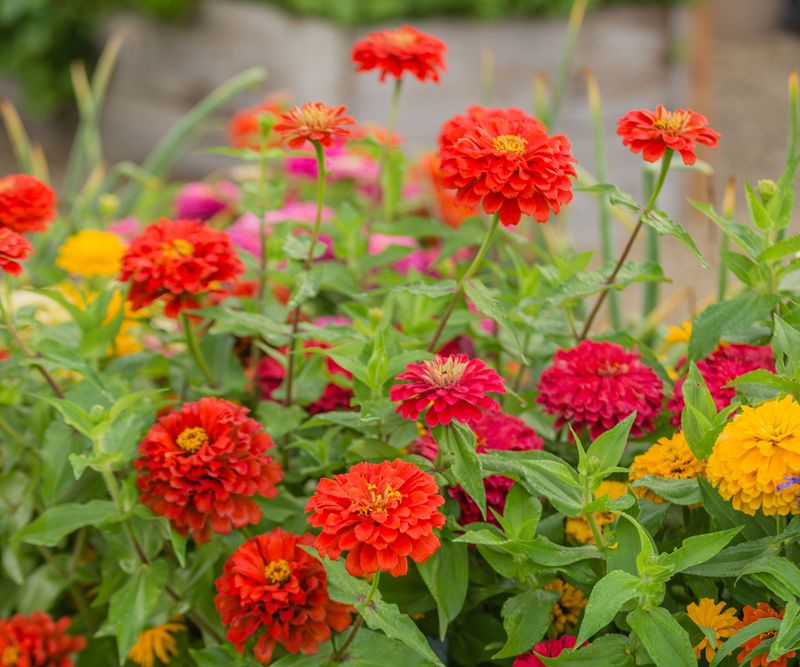
Gardeners who grow zinnias for their cheerful bursts of summer color often get an unpleasant surprise in late August: grasshoppers love them too. Zinnias have broad, soft leaves and large, open petals that are easy targets for chewing insects.
By the end of summer, when grasshopper populations are at their highest, even the flower beds are not safe.
The damage on zinnias is hard to miss. Petals get chewed down to ragged stubs, leaves develop large irregular holes, and stems can show bite marks that weaken the whole plant.
A zinnia patch that was beautiful a week ago can look sad and beaten up fast once grasshoppers move in. For gardeners who put real effort into their flower beds, this kind of damage hits differently than vegetable loss.
Zinnias are actually pretty tough plants and can push out new blooms even after significant damage if the main stem stays intact. Deadheading regularly and removing damaged blooms encourages the plant to keep producing.
Keeping the area around zinnia beds tidy and free of dry, weedy growth reduces grasshopper pressure from the edges inward.
Neem oil spray applied in the early morning is one of the gentler options for ornamental flowers because it does not harm most beneficial insects when applied correctly.
Floating row covers are less practical for flowering plants since pollinators need access to the blooms, so targeted hand removal becomes more important.
Going out each morning with a bucket of soapy water and dropping grasshoppers in is a low-cost, effective method that many Texas flower gardeners swear by. Staying consistent with it through late August can make a real difference in how your zinnias look going into fall.