What Florida Yards Do In August Decides If Fireflies Show Up Next May
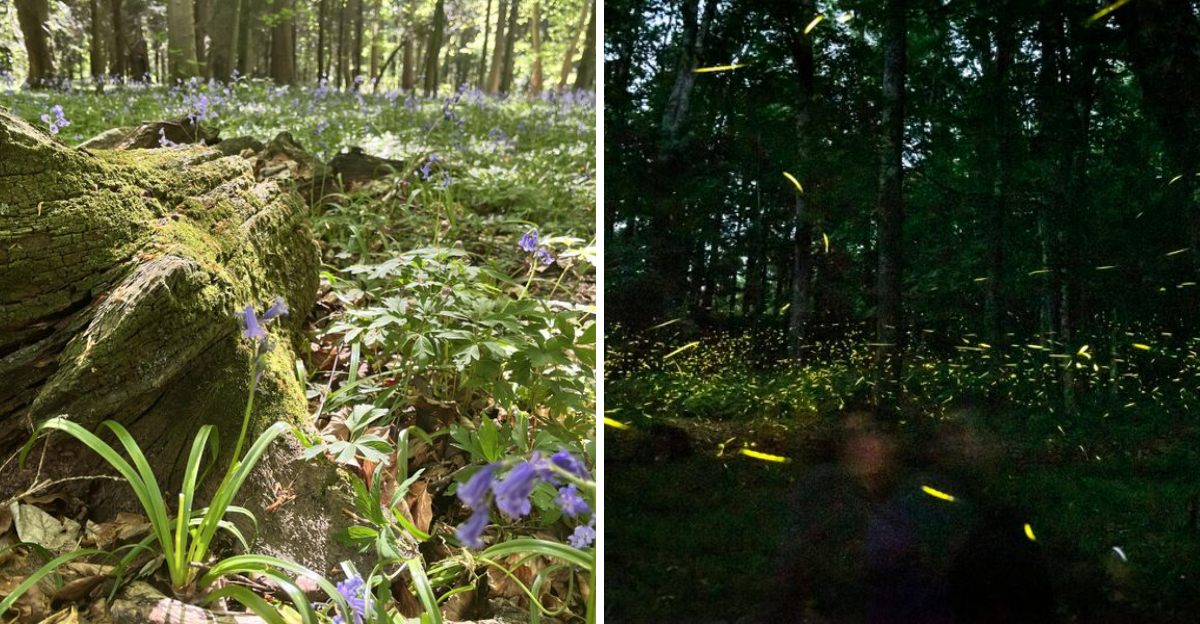
Next May’s fireflies are being built right now. Not in spring when the first flash appears.
Not in the warm weeks before they emerge. Right now, in August, in the leaf litter and soil of Florida yards that are either setting up the right conditions or systematically destroying them on a maintenance schedule.
Firefly larvae spend nearly a year underground. August is when the decisions made above ground either protect that process or end it.
A yard that gets managed a certain way in August shows up in May with fireflies. A yard that does not shows up with nothing, and no amount of good intentions in spring changes what August already decided.
The connection between what happens to a Florida yard this month and what lights it up next May is direct, specific, and almost never discussed in any firefly guide worth reading. August is the firefly season nobody talks about.
1. Leave The Leaf Litter Alone
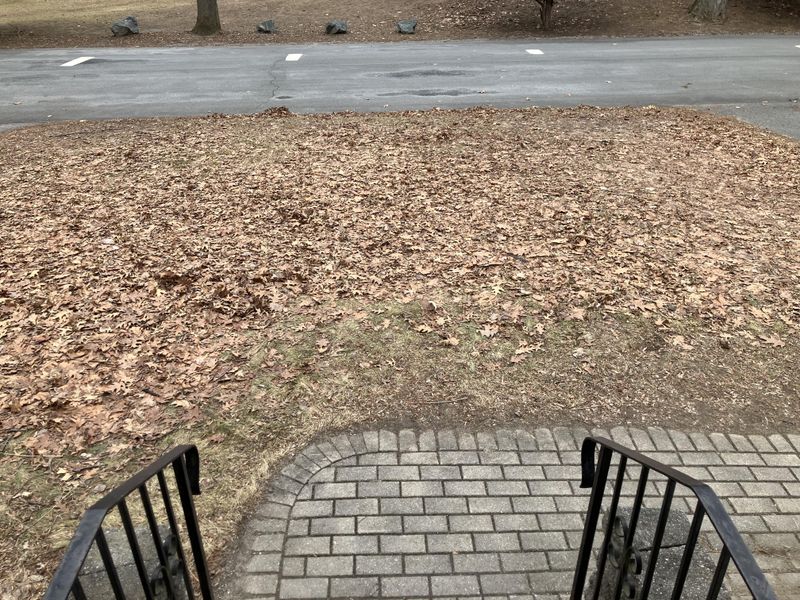
Most homeowners rake with confidence, bagging every fallen leaf before it has a chance to settle. That habit keeps lawns looking sharp, but it also removes something that ground-dwelling insects quietly depend on.
Firefly larvae spend their early lives at or near ground level, where moist leaf litter and loose organic material offer both shelter and hunting ground. Removing all of it strips away structure they may rely on.
University of Florida IFAS Extension notes that leaf litter supports a wide range of soil organisms. These include snails, slugs, and worms that firefly larvae are known to eat.
A yard cleared of every leaf is also a yard with fewer of those prey animals. The connection is indirect but real.
Leaving some leaf accumulation under shrubs, around tree bases, or along fence lines does not mean abandoning yard care. A tidy lawn can coexist with a few informal areas where leaves are allowed to break down naturally.
Those spots tend to hold moisture longer than bare soil, which suits both larvae and their prey during dry stretches.
Thoughtful retention is different from neglect. Letting leaves pile against a house foundation or block drainage causes problems.
But a modest layer in a back corner or garden bed costs nothing and quietly keeps the habitat chain intact through the cooler months ahead.
2. Let One Corner Grow Wild
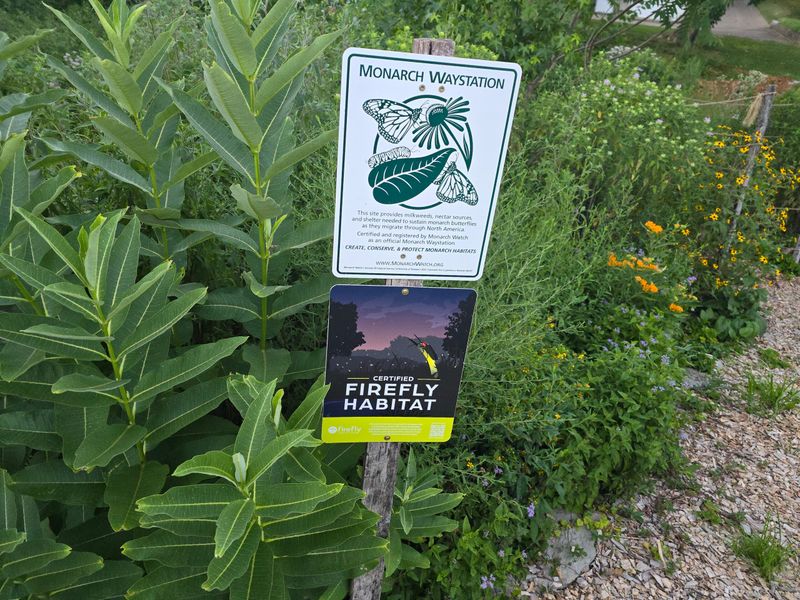
A perfectly edged lawn from fence to fence may look orderly, but it offers insects very little habitat. Many species need vertical structure, dense ground cover, or varied plant layers to complete their life cycles.
Fireflies are not lawn insects. They tend to favor areas with taller vegetation, native plants, and the kind of layered habitat that a closely mowed monoculture simply cannot provide.
Setting aside even a small corner for less-managed growth can make a noticeable difference in habitat diversity. Native bunch grasses, low shrubs, and flowering ground covers create useful habitat structure.
They give insects places to shelter, forage, and move through the landscape without constant exposure. Research from university extension programs consistently points to native plant diversity as a driver of insect community richness.
Your Florida Garden Changes Every Week. Your Plan Should Too.
Gardening in Florida changes quickly throughout the season. Every Friday you’ll receive a simple weekly plan showing exactly what to plant, prune, fertilize, harvest, and protect so you never miss the right timing.
Homeowners who want an orderly yard can still achieve this without surrendering the whole property. A defined bed along a back fence, a naturalistic strip beside a shed, or a small meadow patch near a tree line can all serve the purpose.
Clear edging around the wild corner signals intention rather than neglect, which matters in neighborhoods with HOA rules.
Keeping invasive plants out of that corner is important. Florida has many aggressive non-native species that crowd out natives quickly.
Choosing plants native to your region keeps the space ecologically useful and manageable at the same time.
3. Mow Less Where Larvae Hide
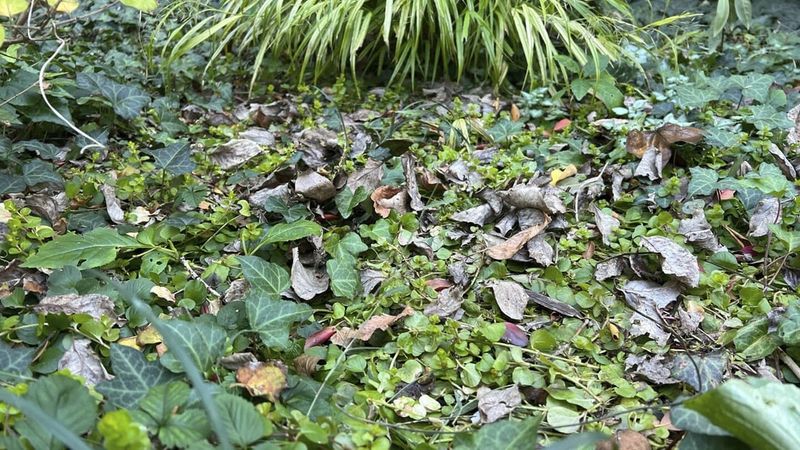
Running a mower across every inch of a yard every week is one of the most routine summer habits in American neighborhoods. It is also one that compresses and disturbs ground-level habitat more thoroughly than most people realize.
Firefly larvae live in and around soil, leaf litter, and low vegetation. Repeatedly cutting areas very short removes the cover and moisture retention that ground-level microhabitats depend on.
Larvae are not sitting on top of grass blades waiting to be clipped. The concern is what frequent mowing removes over time.
That includes ground cover, soil moisture, organic material, and the structural complexity that sheltered habitats provide.
A lawn mowed to a half-inch every five days is a very different environment from one with a few areas left at three or four inches between cuts.
Practical adjustments do not require giving up lawn maintenance entirely. Raise the mower deck in selected areas or extend the interval between cuts in less-used parts of the yard.
Leaving a strip along a fence unmowed can also preserve habitat without dramatically changing how the yard looks from the street.
The goal is reducing disturbance in spots where larvae are most likely to be present, such as near moist garden edges, beneath trees, or along naturalistic borders.
Small changes in mowing patterns, sustained over many months, can add up to meaningfully better conditions.
4. Keep A Damp Corner From Drying Out
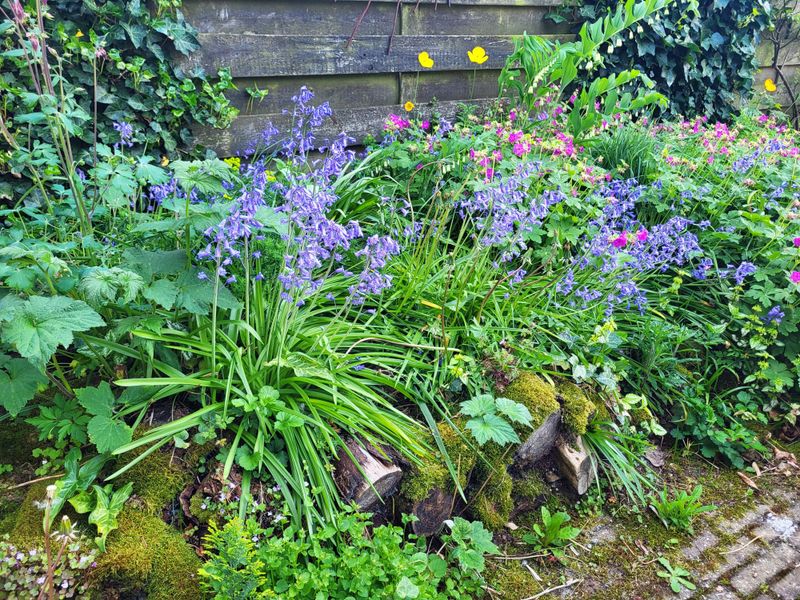
Across most of their known range, fireflies show a strong preference for habitats near water. Wooded stream edges, pond margins, wetland borders, and shaded garden areas with consistently moist soil tend to support more firefly activity than dry, open turf.
That preference connects to both the adults, who gather near water sources, and the larvae, whose prey animals are more abundant in damp environments.
Snails and slugs, which firefly larvae are documented to feed on, thrive in moist, shaded spots.
A garden corner that stays consistently damp under tree canopy or beside a rain garden supports a much richer food web than a patch of dry, compacted soil in full sun.
Maintaining that moisture through plant cover and shade is more sustainable than relying on irrigation.
Dense ground covers, low shrubs, and a good layer of organic mulch all help soil retain moisture between rain events. In Florida, summer rainfall is frequent, but heat and sandy soils can dry things out quickly between storms.
Keeping some plant canopy over moist areas helps slow that drying process naturally.
Standing water is a separate issue and not something to encourage. Stagnant pools breed mosquitoes and create their own problems.
The goal is moist, well-structured soil with active plant cover, not a waterlogged corner that becomes a breeding ground for pests.
5. Skip The Broad Yard Sprays
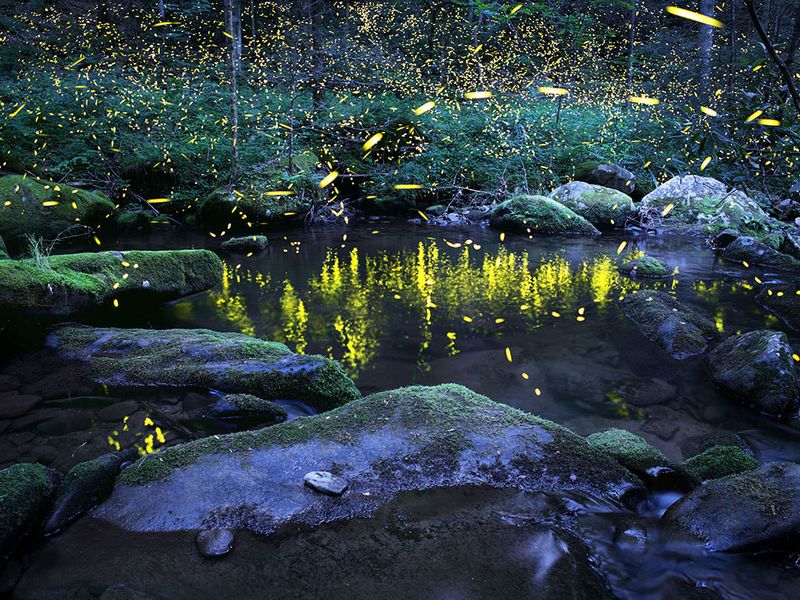
Grab-and-spray is a common response to any insect spotted in a yard. A mosquito on the patio, a caterpillar on a shrub, or a few aphids on a rose can trigger an immediate response.
Homeowners may reach for a broad-spectrum insecticide and coat everything in range. The problem is that broad applications rarely stop at the target pest.
They move through the environment, affecting insects at every stage of development, including ones doing useful work out of sight.
Fireflies are insects. Their larvae are active predators in the soil food web, and the adults rely on a functioning nighttime ecosystem.
Pesticide applications that reduce overall insect populations also reduce the prey and habitat quality that firefly larvae depend on. The Fish and Wildlife Service and university extension programs recommend integrated pest management.
This approach addresses specific pest problems while reducing unnecessary collateral effects.
Integrated pest management means identifying the actual pest, confirming it needs treatment, and choosing the most targeted method available.
Spot treatments, physical removal, and biological controls are all options that cause less disruption to non-target insects than blanket spraying.
Serious infestations sometimes do require chemical intervention, and no one is suggesting ignoring a genuine problem.
Cutting back on routine preventive spraying is a straightforward way to protect the broader insect community. This is especially useful in areas where firefly larvae are likely to be active.
6. Leave Fallen Logs In Place
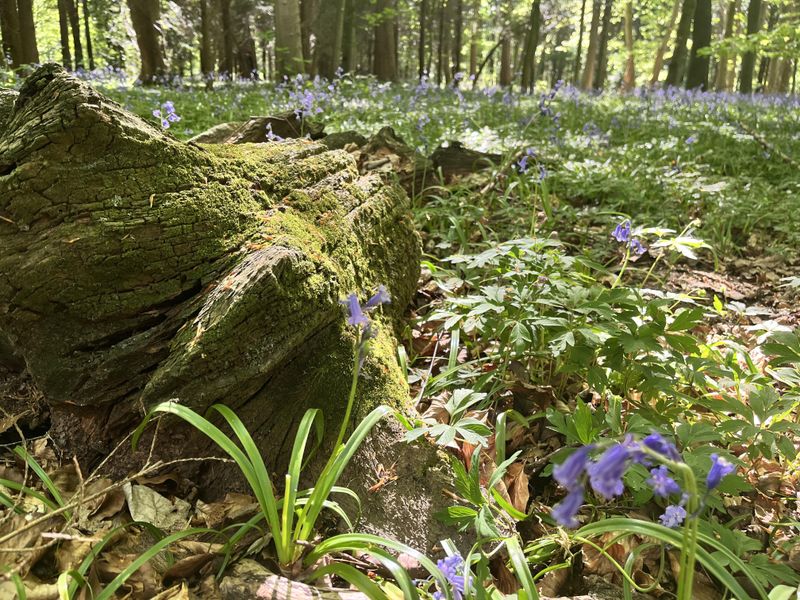
A rotting log at the back of a yard is easy to dismiss as yard waste waiting to be hauled off. Ecologically, it is something else entirely.
Decaying wood supports an entire community of organisms, from fungi and beetles to worms and the soft-bodied invertebrates that form the base of many insect food webs.
Some firefly species, particularly those associated with wooded habitats, have been documented using moist rotting wood as larval habitat.
The Firefly Atlas project collects citizen observations across North America. Its records show that firefly diversity tends to be higher around intact woody debris, leaf litter, and moist soil edges.
A spotless yard with no logs, no litter, and no natural debris is structurally simpler and supports fewer species overall.
Not every firefly species uses logs, and habitat needs vary considerably across the more than 150 firefly species found in North America.
The point is not that every log hosts larvae, but that removing all woody debris eliminates one more microhabitat from a yard that may already offer limited options.
Placement matters. A log tucked against a back fence or nestled into a garden bed is very different from debris leaning against a house foundation.
Keeping decaying wood away from structures and out of drainage paths lets it serve as habitat without creating maintenance problems. One weathered log in the right spot costs nothing to leave in place.
7. Turn Porch Lights Off At Night
Adult fireflies communicate almost entirely through light. Each species produces a specific flash pattern, and males and females exchange those signals to find each other during the brief window when adults are active.
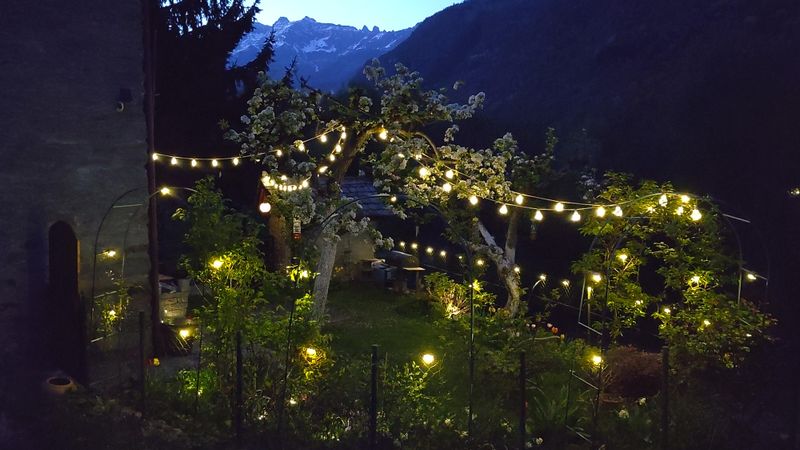
That system depends on darkness. Bright outdoor lighting does not just illuminate a yard.
It creates a background glow that competes directly with the bioluminescent signals fireflies are trying to send and receive.
Peer-reviewed research cited by conservation organizations has found that artificial light at night can reduce firefly flash activity. It can also disrupt mating behavior.
A yard flooded with light from dusk to midnight gives fireflies far fewer usable hours to communicate. Over a breeding season, that reduction in signaling opportunity can affect how successfully adults find mates.
Practical adjustments do not require living in complete darkness. Turning off porch lights that are not needed for safety is the simplest step.
Motion-activated fixtures provide light when it is actually needed and stay off otherwise. Shielded or downward-directed fixtures reduce sky glow and light spread into garden areas.
Amber or warm-toned bulbs, while not a perfect solution, produce less of the blue-spectrum light that appears most disruptive to insect behavior.
A single porch bulb is not the sole reason fireflies may be absent from a Florida neighborhood. But lighting habits across an entire yard, sustained every night through the active season, can meaningfully shape how usable that space is for adults trying to breed.
8. Make August Count For Next Year’s Glow
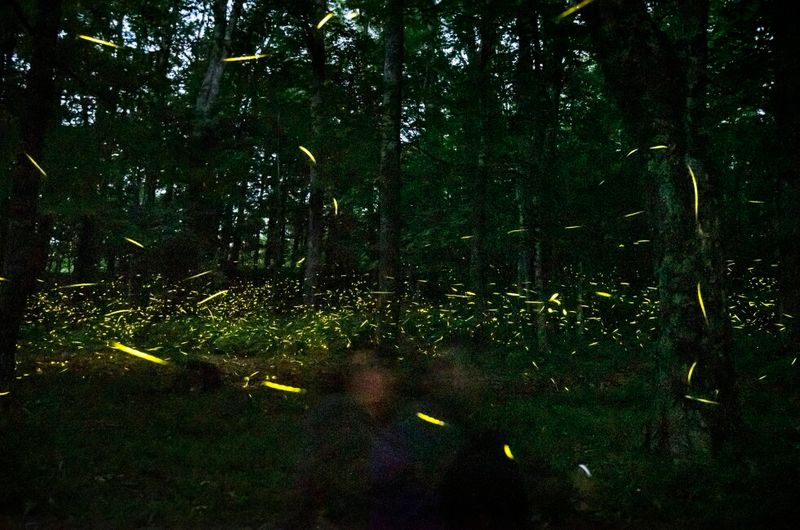
Late spring firefly displays are not produced by anything a homeowner does in the week before adults appear.
They are the result of conditions that built up over many months, through the larval stage, the pupal stage, and the long quiet period that most people never think about.
August is part of that timeline for many species, and the habitat a yard offers during those hidden months shapes what the yard can support later.
Several habitat features support different parts of what fireflies and their prey need. These include leaf litter, reduced mowing, moist shaded soil, native vegetation, limited pesticide use, decaying wood, and darker nights.
No single action is a guaranteed solution, and firefly activity depends on species, weather, regional conditions, and factors well beyond any one yard.
Florida has a genuinely rich firefly fauna. UF/IFAS Extension resources note that the state supports multiple firefly species with varying habitat preferences and seasonal activity windows.
Viewing periods can extend beyond May into summer depending on the species and location. The goal of habitat-friendly yard care is not to engineer a specific display on a specific night.
Protecting the quiet parts of a yard now gives them a chance to support fireflies later. That might mean preserving a damp corner, a leaf pile under an oak, or a log that no one moved.
That is not a guarantee. But it is how opportunity gets made.