The Mistake That Makes Lantana Lace Bug Problems Worse For Texas Gardeners No Matter What They Try
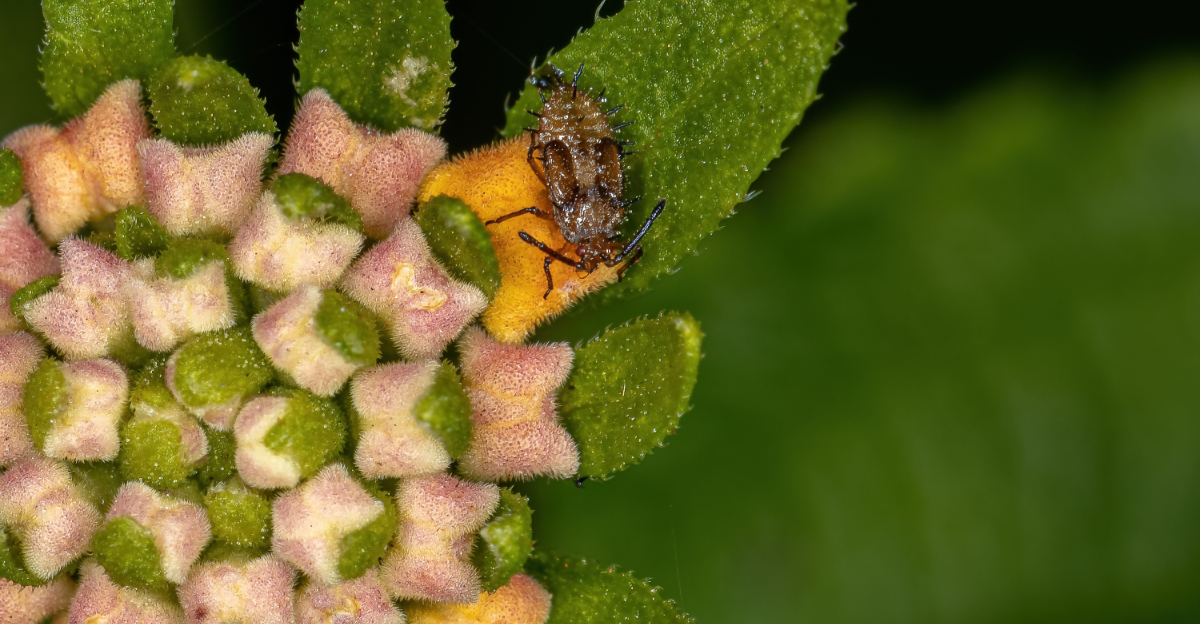
Lantana lace bugs have a talent for making Texas gardeners feel like they’re losing a fight they should easily win. Leaves turn pale and speckled within days, and every spray seems to buy only a short truce before the damage returns.
What keeps this pest thriving isn’t a weak product or bad timing. It’s something happening on the plant itself, day after day, completely unrelated to what’s being sprayed on it.
One ordinary habit, repeated without a second thought, quietly rolls out the welcome mat for these bugs to settle in and multiply. Most Texas gardeners rarely connect the two.
Correct that pattern, and the same treatments that felt useless before finally start doing their job.
Overwatering Feeds The Problem From The Roots Up

Your lantana is sitting in far too much water, and lace bugs love it. Overwatering is the single biggest mistake that makes lantana lace bug infestations spiral out of control.
When soil stays wet for too long, lantana roots struggle to absorb nutrients properly. A nutrient-starved plant produces softer, weaker leaf tissue.
Lace bugs target that weak tissue first. Soft, stressed leaves are easier to pierce and feed on than healthy, firm ones.
Wet conditions also create a humid microclimate around your plant. That humidity is basically a welcome mat for lace bug colonies to settle in and multiply fast.
Healthy lantana is naturally drought-tolerant and tough. It thrives in hot, dry conditions that most pests find uncomfortable and hard to survive in.
But overwatered lantana loses much of that toughness. The plant becomes a buffet instead of staying strong, and no spray fixes a buffet.
Many Texas gardeners water on a fixed schedule without checking the soil first. That habit ignores what the plant actually needs on any given day.
Rainfall, humidity, and season all change how fast soil dries out. Ignoring those factors means you are almost certainly overwatering during warm months.
The roots sitting in soggy soil also become susceptible to fungal issues. Fungal root stress weakens the plant even further, compounding the lace bug problem.
Fixing lantana lace bug damage starts with putting down the hose and stepping back to reassess your entire watering routine from scratch.
This Habit Makes Lace Bugs Harder To Control
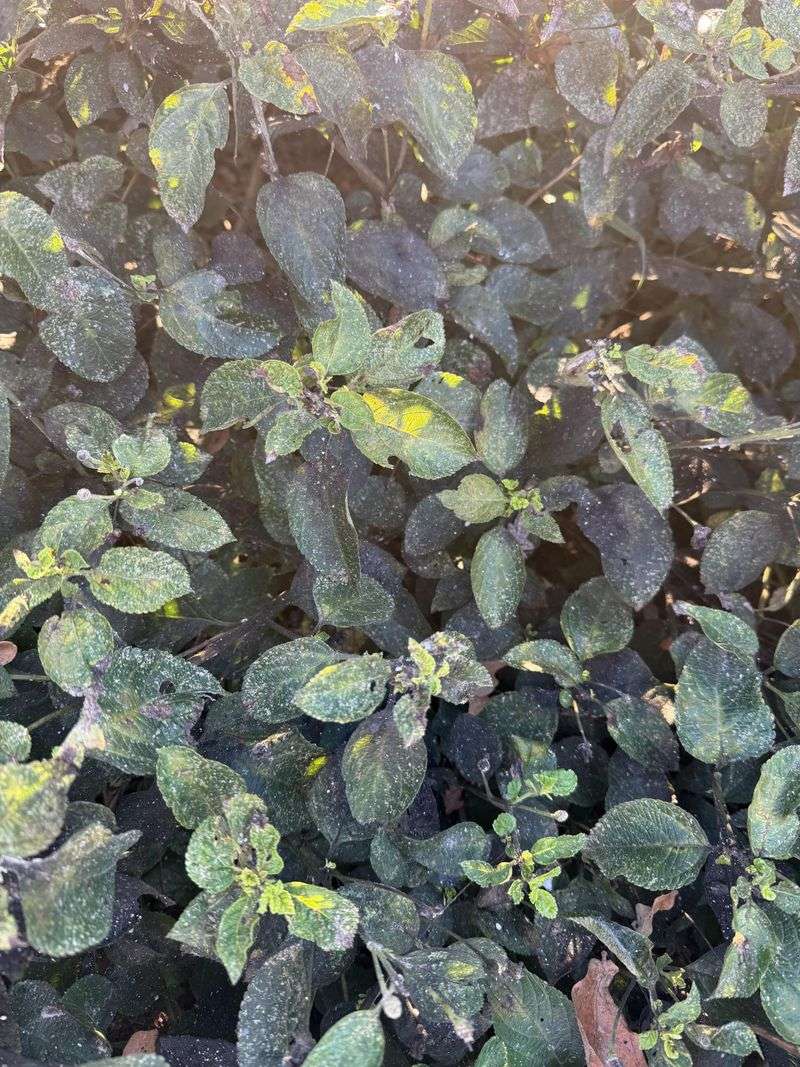
Spraying a stressed plant treats the surface while the deeper issue keeps building underground.
Overwatered lantana cannot move water and nutrients efficiently through its stems. That sluggish circulation means systemic insecticides travel poorly through the plant.
Contact sprays wash off faster when leaves are already wet from frequent watering. Reapplication becomes a constant, exhausting cycle with little lasting effect.
Lace bugs reproduce rapidly under humid, warm conditions near wet soil. A single generation can multiply quickly once conditions stay warm and humid.
When the environment stays moist and the plant stays weak, each new generation of lace bugs finds ideal feeding conditions waiting for them. The population rebounds faster than treatments can knock it down.
Beneficial predatory insects like lacewings and assassin bugs prefer drier conditions. Overwatered gardens drive away the very insects that would naturally control lace bug populations.
Your Texas Garden Changes Every Week. Your Plan Should Too.
Gardening in Texas changes quickly throughout the season. Every Friday you’ll receive a simple weekly plan showing exactly what to plant, prune, fertilize, harvest, and protect so you never miss the right timing.
Pesticide resistance also builds faster when populations are large and constantly regenerating. Fewer individuals survive each spray, but enough remain to breed and pass on tolerance.
That resistance accumulates generation after generation, making chemical treatments progressively less effective over time. Texas gardeners end up spending more money for diminishing results.
The lantana lace bug problem feels unsolvable because the root cause is never addressed. Correcting the watering habit changes the entire equation for pest management.
Signs You’ve Been Making This Mistake Unknowingly
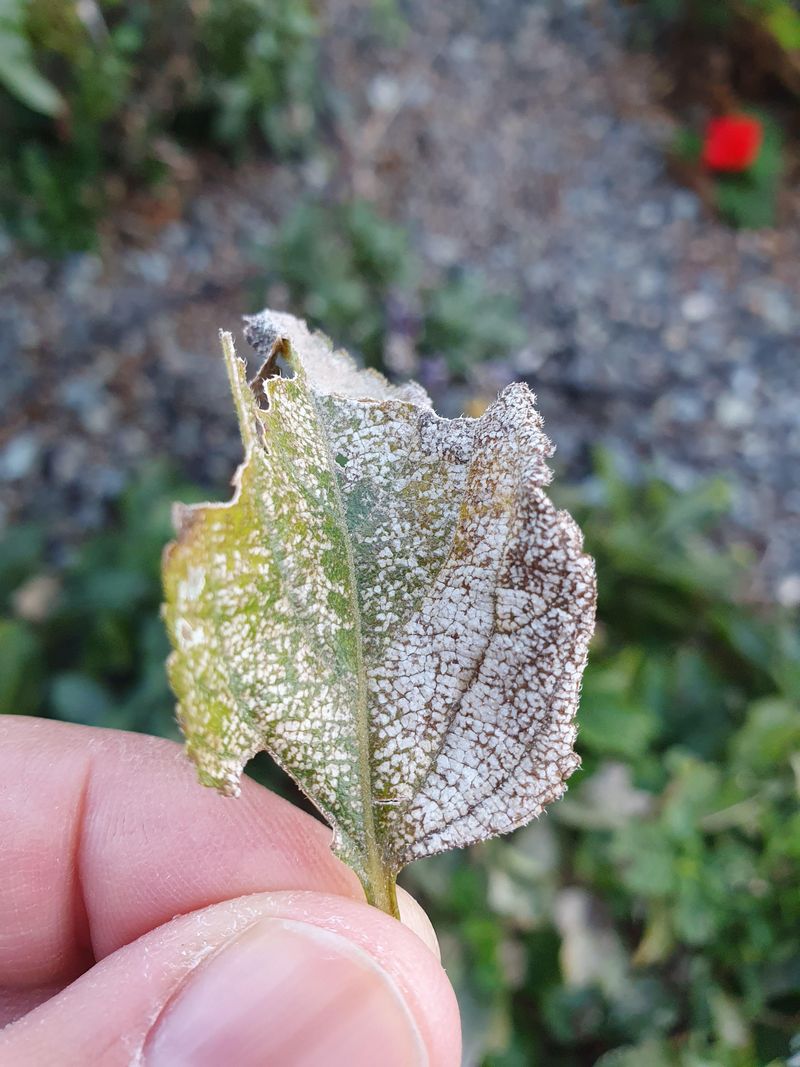
Most gardeners do not realize they are overwatering because the signs look exactly like other problems. Yellowing leaves, for example, can mean too much water or too little.
Check the soil about two inches below the surface before assuming anything. If it feels wet or even damp more than two days after watering, that is a red flag.
Lace bug stippling on leaves looks like tiny pale dots scattered across the upper surface. If you also see dark droppings and shed skins on the undersides, lace bugs are actively feeding.
Now look at the base of your plant. Consistently dark, compacted, or mossy soil around the stem signals chronic overwatering in that spot.
Leaves that curl downward or feel limp despite adequate sun are another clue. That limpness often comes from root stress caused by waterlogged soil, not actual thirst.
Fungus gnats hovering around the base of your lantana are a telltale sign too. Those insects breed primarily in wet soil and confirm that moisture levels are too high.
Lantana that grows slowly or stops blooming during warm months is also suspicious. A healthy, well-watered lantana in hot Texas summer should be covered in colorful flowers and new growth.
If your plant looks tired, pale, and pest-ridden despite regular care, the care itself may be the issue. Recognizing these signs early saves the plant and stops the lantana lace bug cycle before it gets worse.
Correcting Watering Without Shocking The Plant
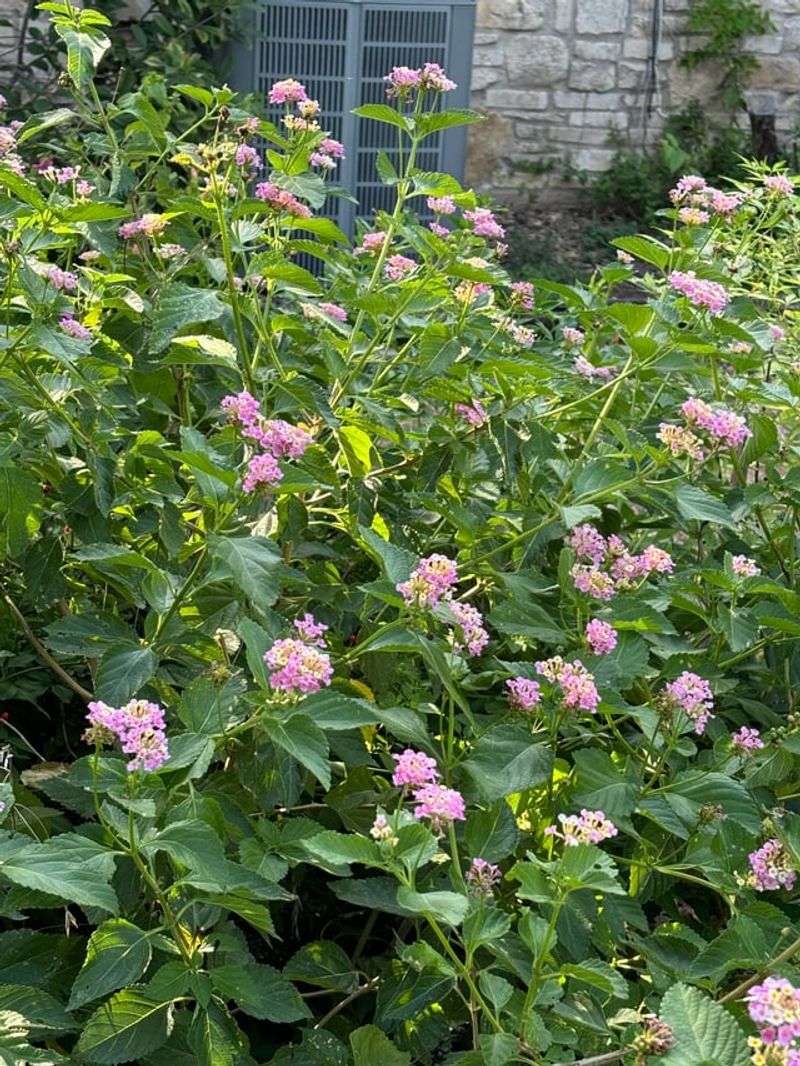
Pulling back on water too fast can stress a plant that has adapted to wet conditions. A gradual adjustment is smarter and safer for your lantana’s recovery.
Start by stretching your watering intervals by two to three days longer than usual. Watch the plant closely and check soil moisture before adding any water at all.
A simple wooden chopstick pushed two inches into the soil works as a free moisture meter. If it comes out clean and dry, it is time to water.
Water deeply but infrequently rather than shallowly and often. Deep watering encourages roots to grow downward where soil dries out more slowly and naturally.
Morning watering is far better than evening for lantana. Morning moisture evaporates through the day, reducing the humid conditions that lace bugs prefer around foliage.
Improve drainage if your planting bed holds water after rain. Adding coarse sand or organic compost to heavy clay soil helps water move through faster.
A two-inch layer of mulch around the base regulates moisture without trapping excess water. Keep mulch a few inches away from the stem to allow airflow at soil level.
Texas heat makes drainage even more critical, so container-grown lantana needs pots with multiple drainage holes. Empty saucers after rain or watering so roots never sit in standing water overnight.
Within two to three weeks of correcting your routine, lantana typically rebounds with firmer leaves and stronger stems. That recovery makes the plant far more resistant to future lantana lace bug attacks.
Treatments That Actually Work Once This Is Fixed
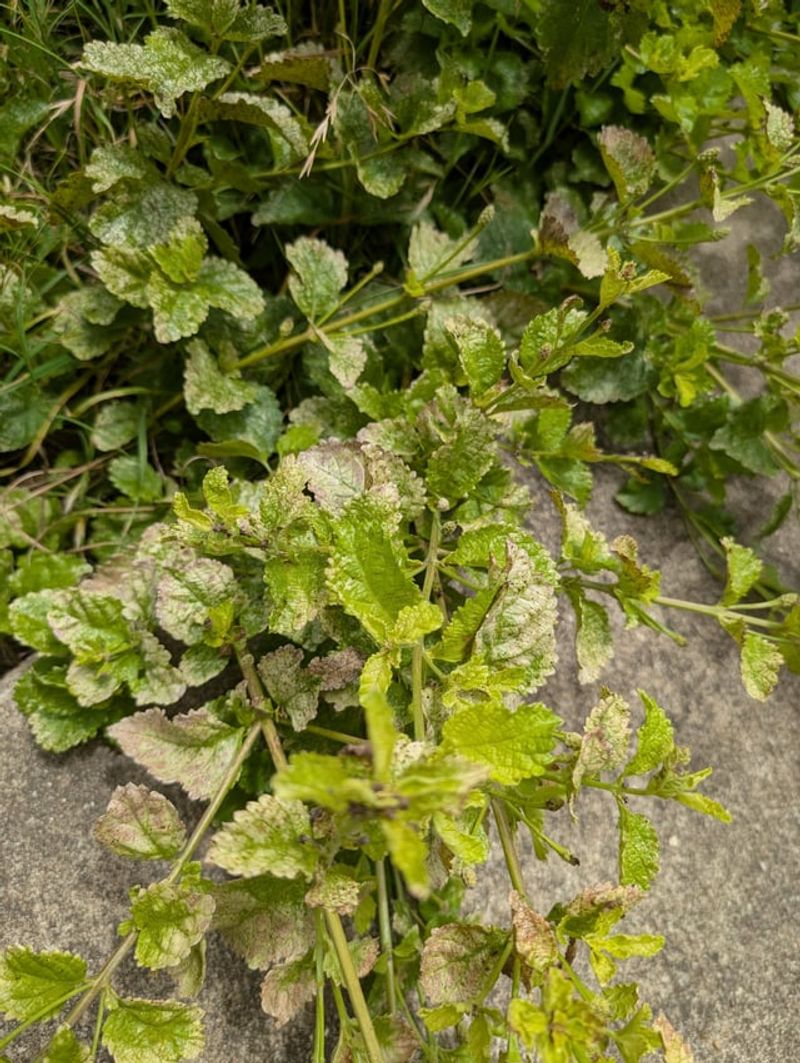
After watering is under control, treatments finally have a chance to work the way they are supposed to. A healthier plant can actually defend itself and respond to pest management.
Neem oil is one of the most effective options for lace bugs on lantana. It disrupts the pest’s life cycle and works as a repellent, not just a contact treatment.
Apply neem oil in the early morning or late evening to avoid leaf burn. Mix one to two tablespoons per gallon of water with a few drops of dish soap to help it stick.
Focus the spray on the undersides of leaves where lace bugs actually live and feed. Spraying only the tops of leaves wastes product and misses the colony entirely.
Insecticidal soap spray is another solid choice for moderate infestations. It suffocates soft-bodied insects on contact and breaks down quickly without harming soil biology.
For heavy infestations that resist organic options, a systemic insecticide with imidacloprid can be applied to the soil. The plant absorbs it and delivers the treatment directly through its tissue to feeding insects.
Repeat any treatment every seven to ten days for at least three cycles. That schedule targets newly hatched nymphs before they mature and reproduce again.
Encourage natural predators by planting nearby flowers that attract lacewings and parasitic wasps. A balanced garden ecosystem keeps lantana lace bug populations from rebounding after treatment ends.
Keeping Lace Bugs From Coming Back
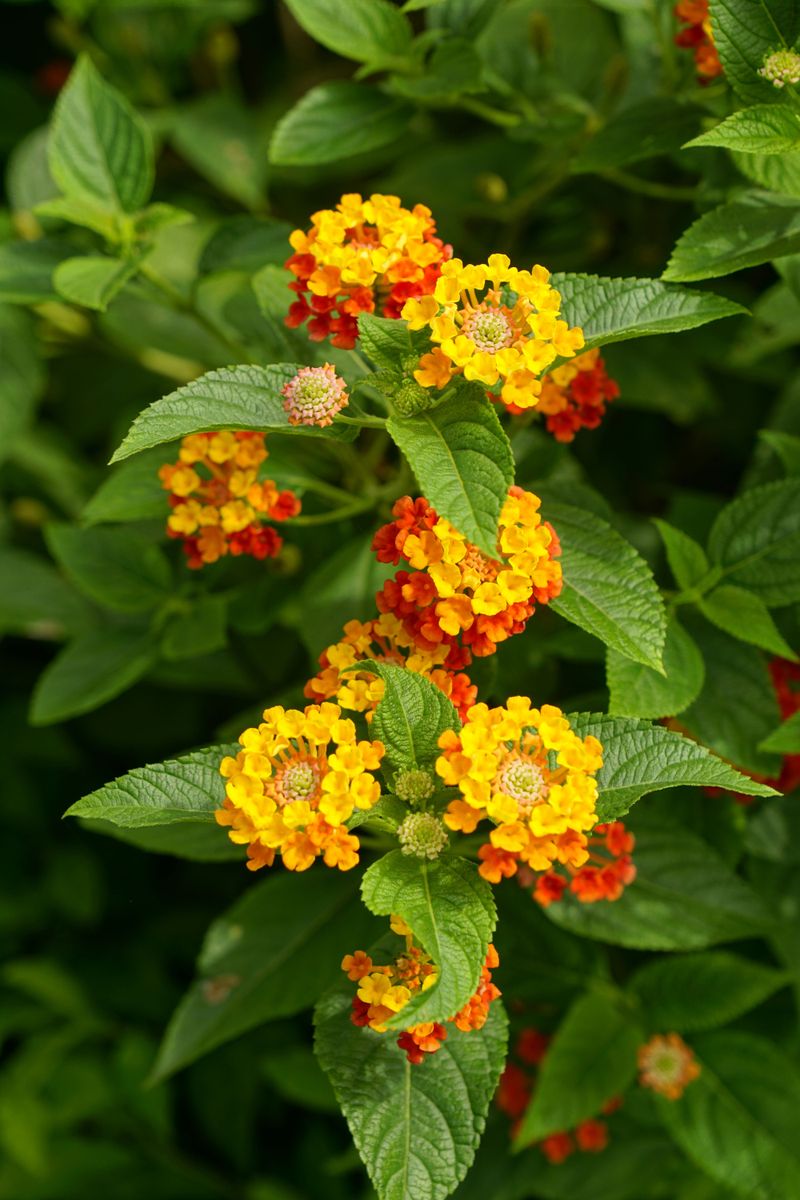
Prevention is a whole lot easier than treatment, especially with a pest as persistent as the lantana lace bug. Getting ahead of the problem saves time, money, and frustration.
Plant lantana in full sun locations with excellent drainage from the start. Lace bugs thrive in shaded, humid spots, so bright and breezy conditions work against them naturally.
Avoid overhead irrigation systems that wet foliage regularly. Drip irrigation or soaker hoses deliver water directly to roots without creating the leaf moisture that pests prefer.
Inspect your plants every week during Texas spring and summer months when lace bug activity peaks. Catching a small colony early means you can wipe them off by hand before populations explode.
Prune out heavily damaged stems at the end of the season. Removing those stems also removes overwintering eggs that would hatch into a fresh infestation come spring.
Fertilize lightly with a balanced, slow-release formula rather than high-nitrogen options. Too much nitrogen pushes soft, lush growth that attracts piercing insects like lace bugs.
Rotate your treatment products each season to prevent resistance from building up. Alternating between neem oil, insecticidal soap, and systemic options keeps the pest population from adapting.
A well-maintained lantana that gets the right amount of water, sun, and airflow rarely suffers serious pest damage. Keeping the lantana lace bug away for good is mostly about creating conditions where it simply cannot thrive.