Grow These 8 Missouri Natives To Keep Pollinators Thriving This Fall
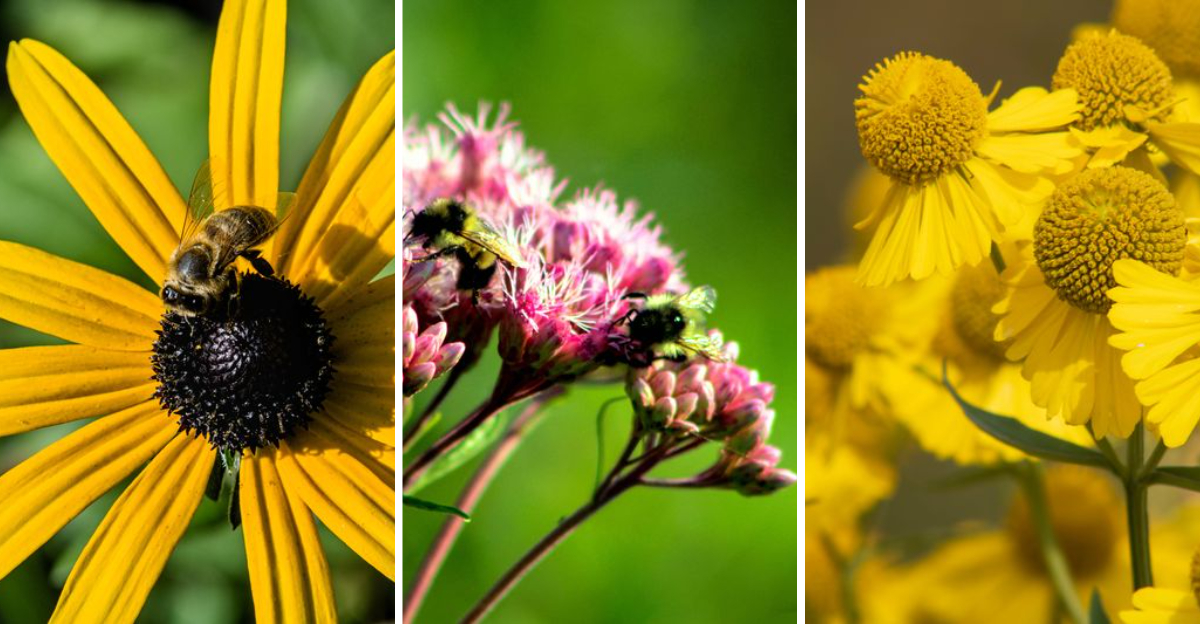
Winter arrives quietly, but pollinators feel it first. Bees don’t stop working just because summer fades. Butterflies keep searching for nectar while gardens grow quiet.
Missouri’s late bloomers hold an answer few people ever mention. Most gardeners stop planting once fall quietly begins, leaving local wildlife behind.
Native flowers change that pattern entirely, offering nourishment when it counts. Asters, goldenrod, and ironweed aren’t afterthoughts; they’re essential.
Beneath that quiet shift, Missouri’s landscape relies heavily on these final weeks of nectar. Moths need shelter too, not just sweetness. Every single bloom you choose now shapes outcomes for months ahead.
Nothing about this season should feel finished. Your choices today ripple straight into next spring’s local population. Timing alone separates a thriving habitat from a struggling one.
Somewhere between summer’s end and winter’s arrival, your yard decides who flourishes. What comes next determines whether your garden supports life or lets it fade.
1. Aromatic Aster Blooms Late And Draws Bees
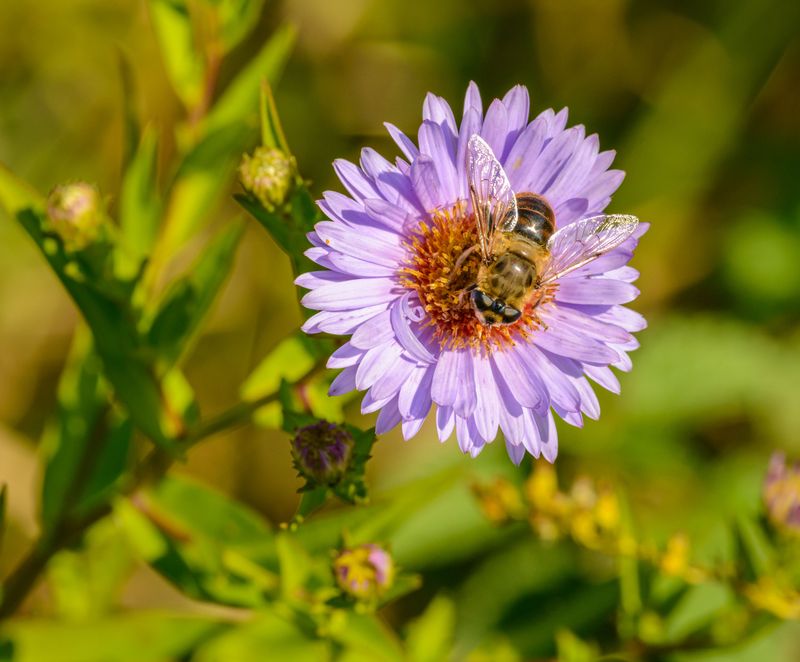
Purple petals and a golden center make aromatic aster one of fall’s best surprises. This native wildflower blooms when most other plants have already called it quits for the season.
Bees are strongly attracted to it. Honey bees, bumblebees, and sweat bees all flock to aromatic aster because it is one of the last reliable nectar sources of the season.
Aromatic aster grows well in dry, rocky soil and thrives in full sun. You do not need to baby it or water it constantly, which makes it a dream plant for low-maintenance gardeners.
Plant it along a sunny border or hillside and let it spread naturally. It forms attractive clumps that fill space beautifully and require almost no intervention from you once established.
The scent is mild but pleasant, especially when you brush against the leaves. That fragrance is actually where its common name comes from, and it adds a sensory bonus to your fall garden walk.
Aromatic aster can grow up to three feet tall in the right conditions. Pairing it with goldenrod or blazing star creates a pollinator-friendly planting that looks stunning from late summer through October.
Growing Missouri natives like aromatic aster signals to local bees that your yard is a safe and reliable food source. Once they find it, they will keep coming back year after year.
2. Goldenrod Feeds Pollinators Through Early Fall
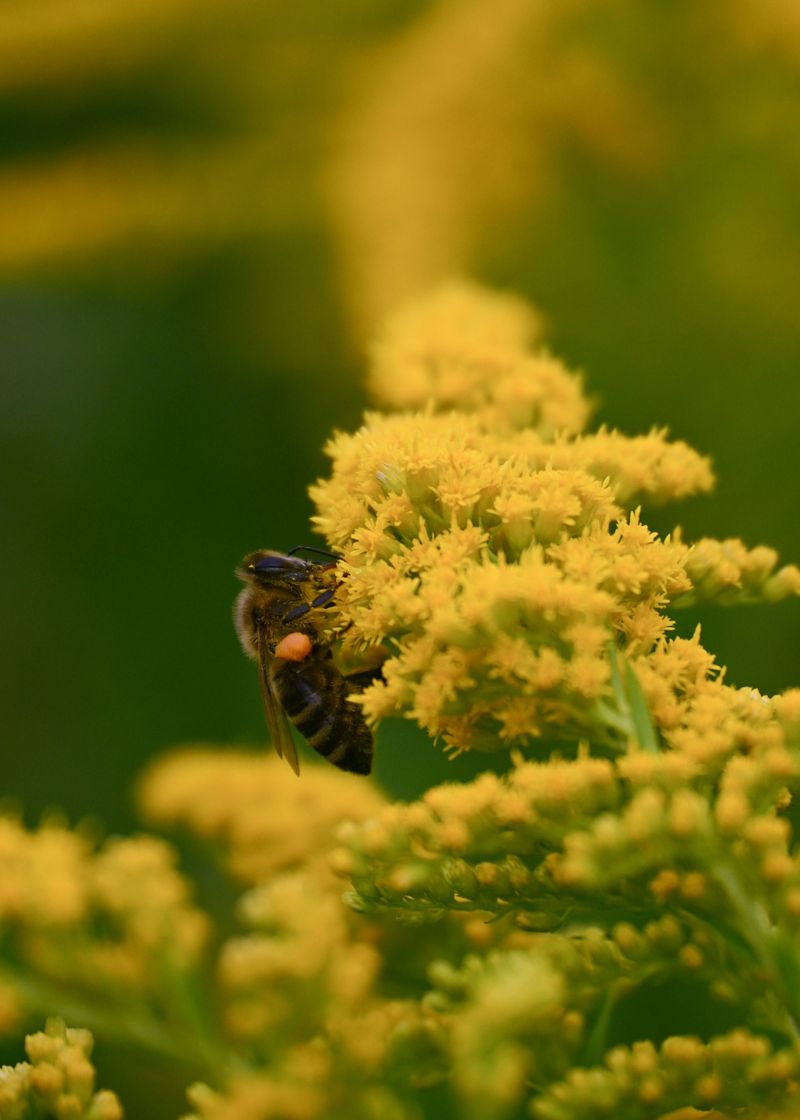
Goldenrod has a bad reputation it does not deserve. Many people blame it for fall allergies, but the real culprit is ragweed, which blooms at the same time.
Goldenrod is actually insect-pollinated, meaning its pollen is too heavy to float through the air and bother your nose. Bugs carry it from flower to flower, which is exactly what makes it so valuable to pollinators.
This plant produces an enormous amount of nectar. Bumblebees, honeybees, beetles, wasps, and even some flies all depend on goldenrod to fuel up before cold weather shuts everything down.
Several Missouri-native goldenrod species exist, including stiff goldenrod and showy goldenrod. Both grow well in average garden soil and handle drought better than most ornamental plants you might buy at a nursery.
Your Missouri Garden Changes Every Week. Your Plan Should Too.
Gardening in Missouri changes quickly throughout the season. Every Friday you’ll receive a simple weekly plan showing exactly what to plant, prune, fertilize, harvest, and protect so you never miss the right timing.
The bright yellow flower clusters are genuinely beautiful and add a warm, sunny glow to any fall garden. Goldenrod pairs especially well with purple asters for a classic autumn color contrast.
Plant it in full sun and give it room to spread. Some species can get aggressive, so dividing clumps every few years keeps growth manageable and the plants healthy.
Goldenrod also supports a wide range of caterpillar species, making it a valuable plant for the entire food web. Feeding pollinators through early fall is one of the most impactful things a Missouri gardener can do, and goldenrod makes it effortless.
3. New England Aster Attracts Butterflies And Moths
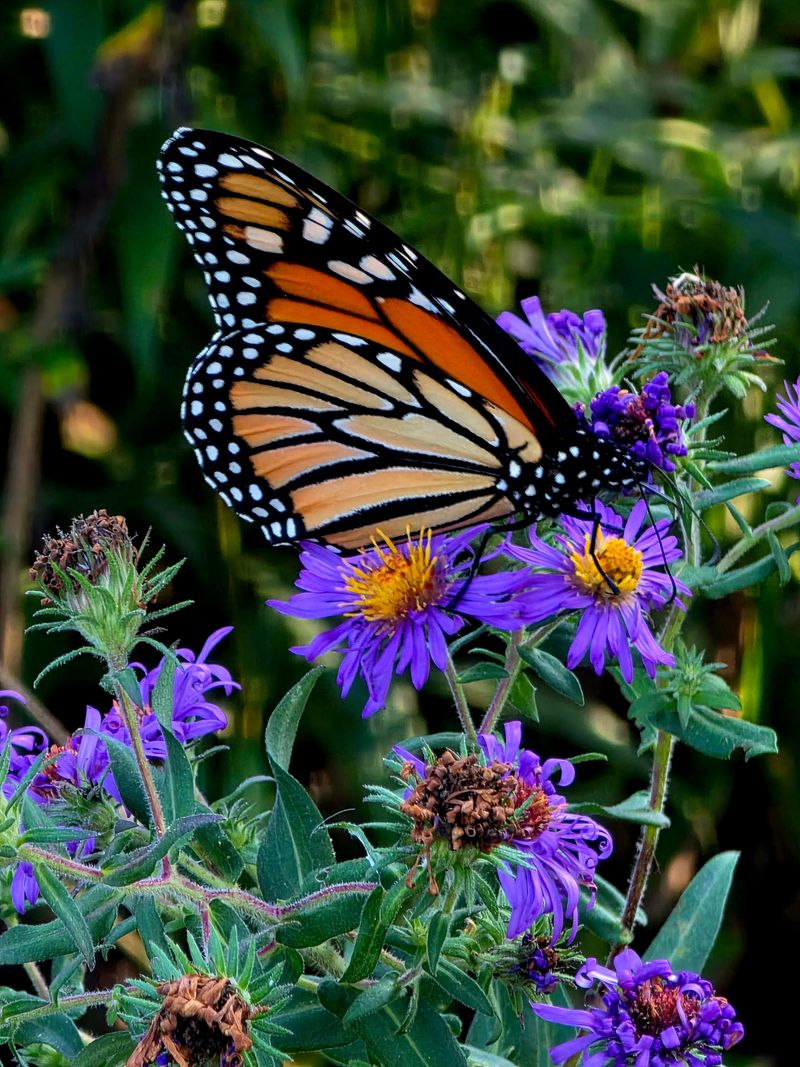
Walk past a New England aster in full bloom and you will notice it immediately. The deep purple flowers are almost electric, and the crowd of butterflies visiting them makes the whole plant seem alive with movement.
Monarch butterflies rely heavily on New England aster during their fall migration south. Fueling up on nectar from these blooms gives them the energy they need for their long journey to Mexico.
Moths also visit New England aster after dark, which makes it a round-the-clock pollinator magnet. A single plant can support an impressive variety of species just by staying in bloom through October.
This native grows best in moist, well-drained soil with full to partial sun. It can get tall, sometimes reaching five or six feet, so planting it toward the back of a border works well.
Removing spent blooms is optional. Leaving the seed heads intact provides food for birds like goldfinches and sparrows well into winter, giving your garden double duty as a wildlife habitat.
New England aster does spread over time, but dividing it in spring keeps the clumps manageable and actually encourages more vigorous blooming the following season.
If you want one plant that genuinely benefits pollinators, this is a strong option. Growing Missouri natives like New England aster means you are supporting species that need reliable food sources during an important time of year.
4. Wild Bergamot Supports Bees Into Late Summer
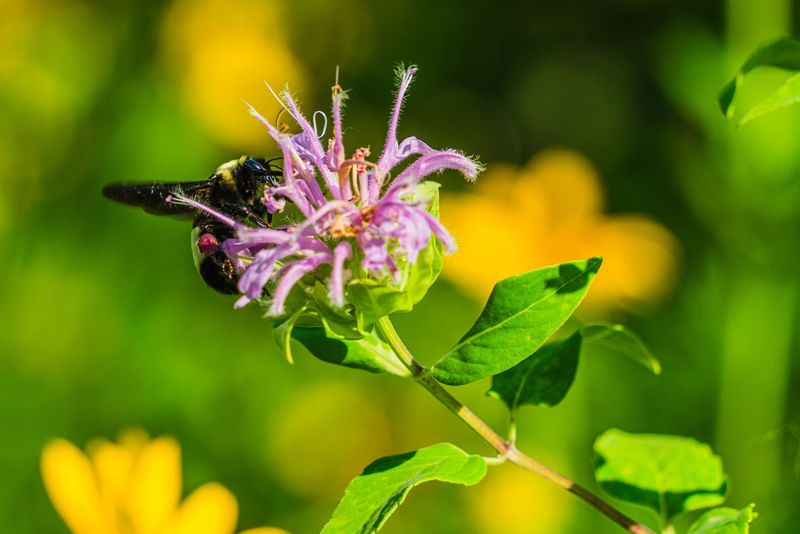
Wild bergamot smells incredible. Crush a leaf between your fingers and you get a clean, herby scent that is part mint, part oregano, and entirely addictive.
That fragrance is no accident. It signals to bees and other pollinators that nectar is available, and they respond consistently to that signal.
Bumblebees especially love wild bergamot. The flower structure is perfectly designed for long-tongued bees to reach the nectar, giving native bee species a clear advantage over shorter-tongued competitors.
This plant blooms from midsummer through late August in most parts of the state. That timing bridges a critical gap between early summer flowers and the aster-and-goldenrod season that kicks off in September.
Wild bergamot handles dry conditions with ease. Once established in a sunny spot, it rarely needs supplemental watering, making it ideal for gardeners who want beauty without constant maintenance.
The lavender-pink flower clusters look stunning in a mixed native planting. Pair wild bergamot with black-eyed Susan or coneflower for a prairie-inspired garden that works hard for pollinators from June through fall.
Plants spread slowly through rhizomes, forming tidy clumps that are easy to manage. Cutting stems back by half in late spring encourages bushier growth and delays bloom time slightly, extending the window of nectar availability.
Supporting bees into late summer with wild bergamot means your yard stays productive for pollinators long before the fall season officially gets underway.
5. Black-Eyed Susan Offers Nectar Through Early Fall
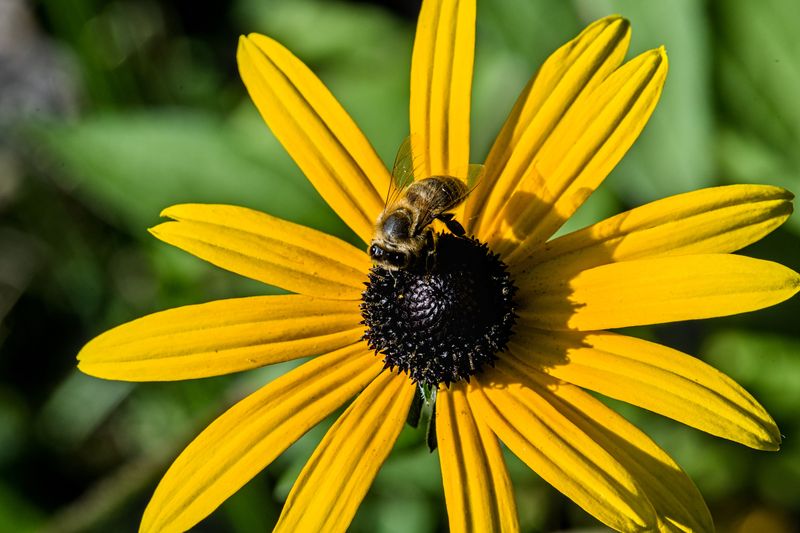
Few flowers are as instantly recognizable as the black-eyed Susan. Those golden-yellow petals and dark chocolate centers are practically the official face of the American meadow garden.
Beyond looking cheerful, black-eyed Susan is a serious nectar producer. Bees, beetles, and butterflies all visit the blooms regularly, and the plant keeps producing flowers well into September in most Missouri gardens.
The seeds that follow the blooms are just as valuable as the flowers themselves. Goldfinches and chickadees pick the seed heads clean throughout fall and winter, so leaving spent stalks standing benefits birds long after the last petal drops.
Black-eyed Susan grows in almost any soil type and tolerates both drought and occasional flooding. That adaptability makes it one of the easiest Missouri natives to establish, even for first-time native plant gardeners.
Plant it in full sun for the best bloom production. In shadier spots it will still grow, but the flower count drops noticeably and the stems tend to flop without support.
This plant self-seeds readily, so one small patch can expand into a generous colony over a few seasons. Thin seedlings in spring if the spread becomes more than you want to manage.
Black-eyed Susan also works beautifully in containers if garden space is limited. A large pot on a sunny patio can attract just as many pollinators as a full garden bed, proving that even small spaces can make a real difference for local wildlife.
6. Joe-Pye Weed Brings In Native Bee Species
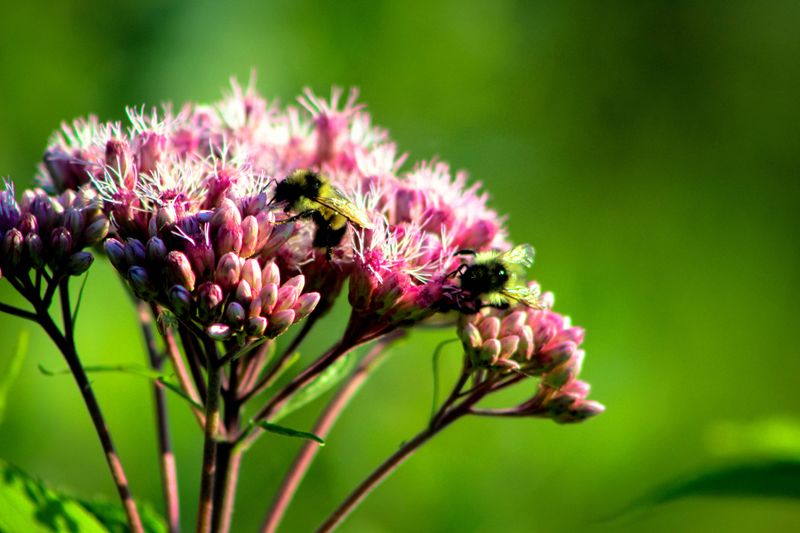
Joe-Pye weed sounds like a backyard nuisance, but do not let the name fool you. This towering native is one of the most bee-friendly plants you can grow in a Missouri garden.
Native bee species flock to its fuzzy, dusty-pink flower clusters from midsummer through early fall. Bumblebees in particular are strongly drawn to it, spending long stretches of time moving methodically from bloom to bloom.
The plant itself is impressive. Joe-Pye weed can reach seven feet tall in moist, fertile soil, creating a dramatic vertical element that adds structure and scale to any native garden planting.
Smaller cultivated varieties are available if full-size plants feel too ambitious for your space. Look for compact selections like Little Joe, which tops out around four feet and fits more comfortably into suburban garden settings.
Moist soil is where Joe-Pye weed truly shines. Plant it near a rain garden, a low-lying area, or along a pond edge where it can soak up extra moisture without competing with drought-tolerant neighbors.
The dried seed heads hold their shape beautifully through winter. Leaving them standing provides texture in the off-season and gives birds another food source when pickings are slim in colder months.
Joe-Pye weed also supports specialist native bees that depend on specific plant families for pollen. Bringing in native bee species with this one plant can meaningfully increase the biodiversity of your entire yard.
7. Blazing Star Provides Late-Season Nectar Sources
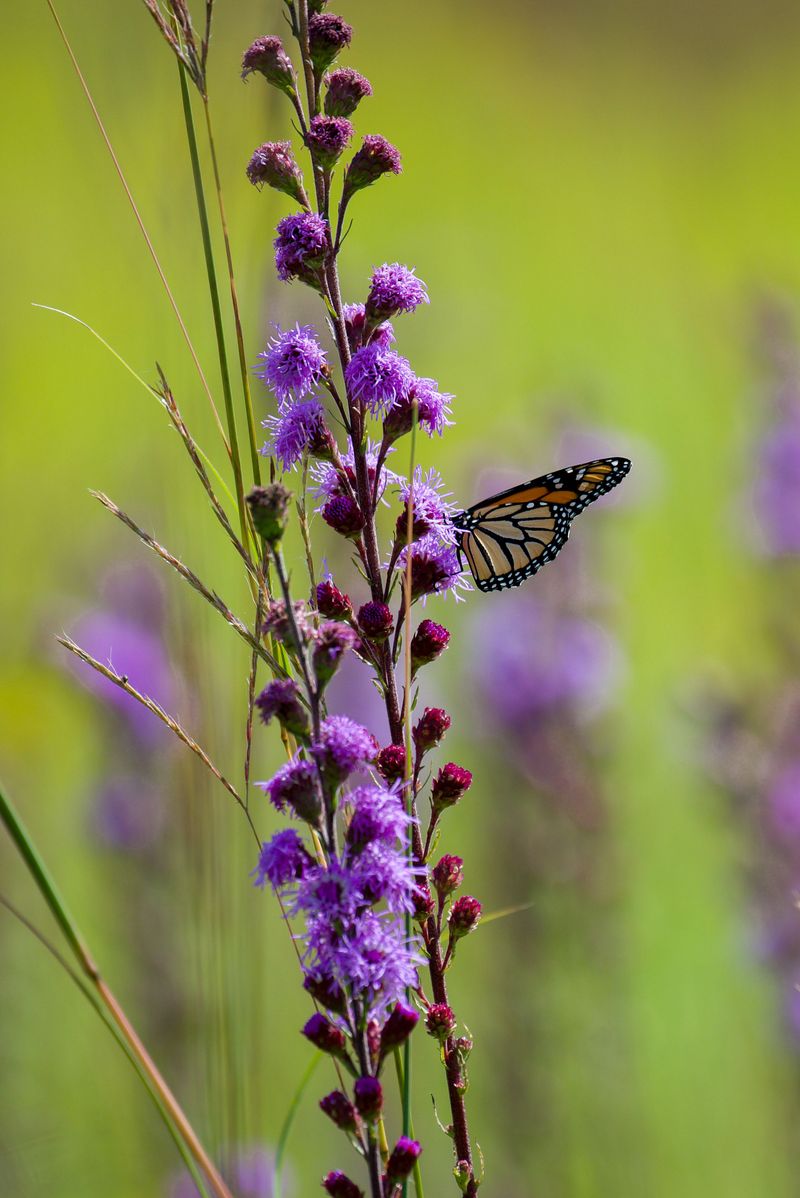
Blazing star earns its name the moment it blooms. Those tall, vivid purple spikes rise dramatically and quickly attract pollinators with their bold color and rich nectar reward.
Monarch butterflies are among its biggest fans. During their fall migration, monarchs actively seek out blazing star for the high-energy nectar that powers their long trip south to overwintering grounds in Mexico.
What makes blazing star unusual is how it blooms from the top of the spike downward. Most flowering plants bloom from the bottom up, but blazing star flips the script, creating a cascading display that lasts several weeks.
Several native species grow well in Missouri, including rough blazing star and prairie blazing star. Both prefer well-drained, sandy or rocky soil and full sun, thriving in conditions where many other plants struggle.
Once established, blazing star is extremely drought-tolerant. It grows from a corm, which stores energy underground and allows the plant to bounce back reliably each spring without much help from you.
The dried seed heads attract finches and sparrows well into winter. Leaving stalks standing after bloom is over gives birds a food source and adds interesting texture to a dormant garden.
Blazing star provides late-season nectar sources that many pollinators rely on. Planting even a small cluster of these spiky beauties can make your Missouri garden a valuable food source during one of the lower-nectar periods of the season.
8. Sneezeweed Extends Bloom Time Into October
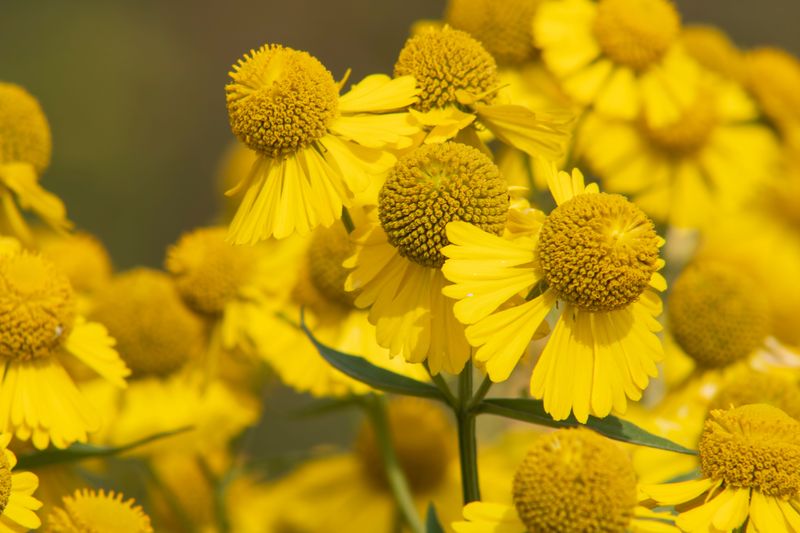
Sneezeweed sounds alarming, but it will not make you sneeze. The name comes from an old practice of drying the leaves and using them to make sneezing powder, which has nothing to do with the living plant in your garden.
What sneezeweed will do is keep your garden buzzing long after most other flowers have faded. It blooms from late summer through October, making it one of the latest-flowering native plants available to Missouri gardeners.
The flowers are cheerful and distinctive. Bright yellow petals ring a raised, globe-shaped center, giving each bloom a quirky, almost cartoon-like appearance that stands out beautifully against fall foliage.
Bees, beetles, and small butterflies all visit sneezeweed regularly. The open flower structure makes nectar and pollen accessible to a wide range of pollinator body types, which increases the diversity of visitors you will see in your garden.
Sneezeweed prefers moist soil and tolerates wet conditions better than most native plants. Plant it near a water feature, along a stream edge, or in a low spot in the yard where water tends to collect after rain.
Pinching stems back in early summer encourages bushier growth and more flower production. A single pinched plant can produce dozens of blooms by fall, which means more food for pollinators over a longer period.
Growing Missouri natives like sneezeweed through October genuinely benefits local wildlife. Your garden becomes an important stop for pollinators preparing for winter, which can meaningfully support their survival through the season.