This Texas Snake Can Eat Up To 190 Mice Per Year
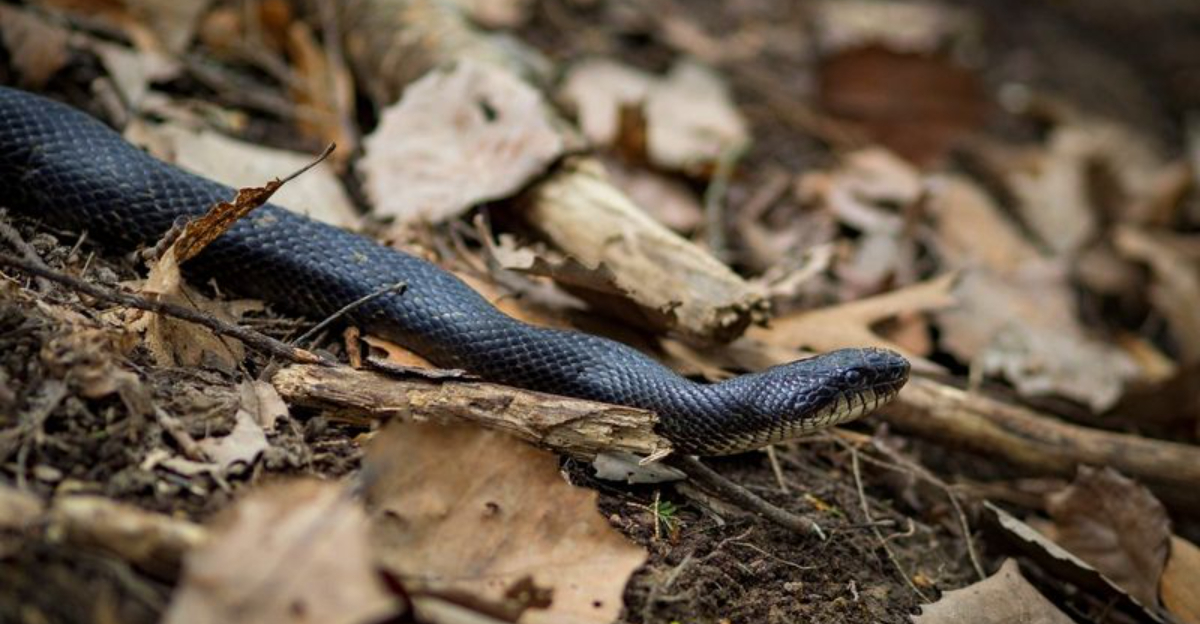
Most Texas homeowners see a snake in the yard and react the same way. Back up, look for something to use as a barrier, and start thinking about how to get rid of it.
The instinct is understandable. But for one particular Texas snake, that reaction is costing homeowners one of the most effective and completely free forms of rodent control available anywhere in the state. This snake eats mice. A lot of them.
Research suggests a single individual can consume up to 190 mice in a single year, working quietly and consistently through the seasons when rodent activity peaks. No traps, no bait stations, no monthly pest control visits.
Just a snake doing what it evolved to do, and doing it with an efficiency that no product on the market can honestly match.
For Texas homeowners dealing with ongoing mouse problems, understanding which snake this is, what it looks like, and why it’s worth protecting rather than removing could genuinely change how the situation plays out on your property.
Western Ratsnakes Are Serious Rodent Hunters
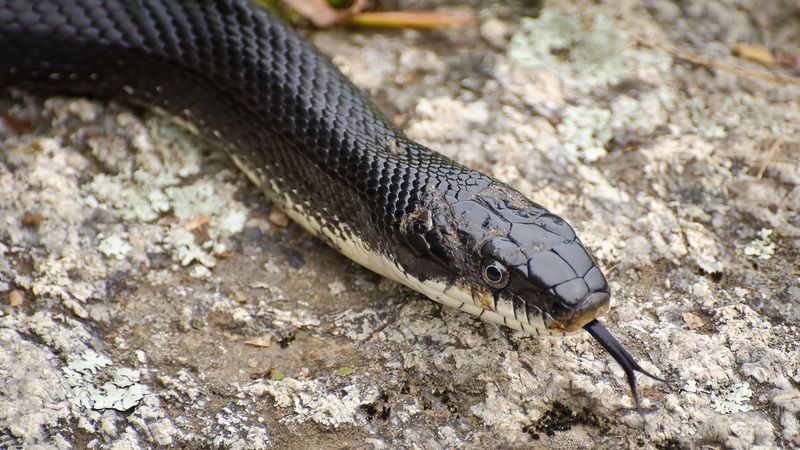
Few animals work as hard at keeping rodent populations in check as the western ratsnake. Known scientifically as Pantherophis obsoletus, this snake is also commonly called the black rat snake.
It is one of the most widespread and recognizable snakes in Texas, showing up in forests, farmlands, and suburban yards alike.
What makes this snake so impressive is its appetite. A single western ratsnake can consume up to 190 mice in a single year.
That is a remarkable number when you think about how quickly a mouse population can grow. Mice reproduce fast, so having a natural predator nearby makes a real difference.
Mice, rats, and other small mammals make up the bulk of a ratsnake’s diet. The snake uses its keen sense of smell and heat sensitivity to track down prey with impressive accuracy. It is patient, stealthy, and surprisingly fast when it strikes.
For farmers and homeowners dealing with rodent problems, a ratsnake on the property can be better than any trap. No bait needed, no cleanup required, and no ongoing cost. The snake simply does what it was built to do.
Western ratsnakes are also long-lived reptiles. They can reach lengths of four to six feet, sometimes even longer.
Their size and dark coloring can look intimidating, but these snakes are actually quite shy around people. They would much rather focus on their next meal than interact with humans.
They Often Show Up Where Rodents Are Active
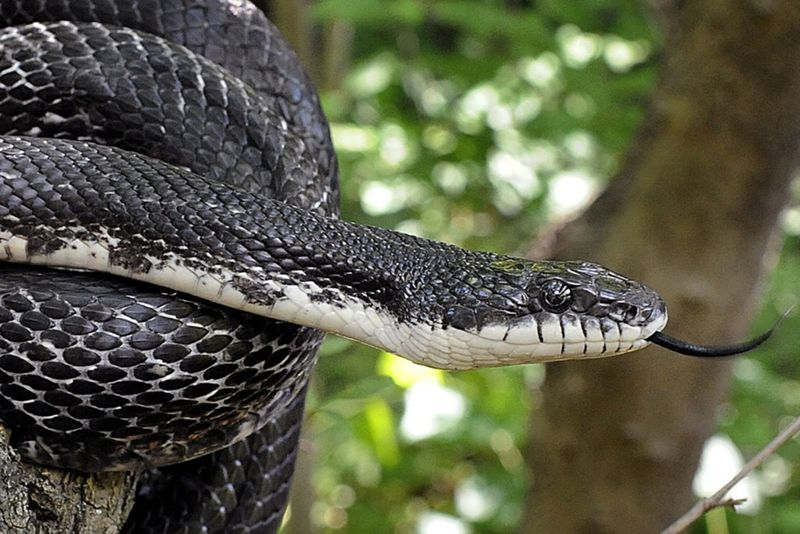
Spotting a western ratsnake near your shed, barn, or woodpile is not just a random event. These snakes follow the food, and wherever rodents gather, ratsnakes are likely to show up sooner or later.
They are drawn to the same places that attract mice and rats, which makes certain spots on a property almost like a buffet for them.
Barns are a classic hotspot. Stored grain and animal feed attract mice, and mice attract ratsnakes.
The same goes for woodpiles, which offer shelter for both rodents and the snakes that hunt them. Feed-storage areas, old outbuildings, and cluttered garages are also common places to find one.
Your Texas Garden Changes Every Week. Your Plan Should Too.
Gardening in Texas changes quickly throughout the season. Every Friday you’ll receive a simple weekly plan showing exactly what to plant, prune, fertilize, harvest, and protect so you never miss the right timing.
A sighting in one of these areas is actually a strong sign that the snake has found a reliable hunting ground. It is not lost or wandering.
It has likely been visiting that spot regularly, quietly reducing the local rodent population one meal at a time.
Homeowners sometimes panic when they see a large snake near the house, but context matters a lot. If the snake is near a shed full of birdseed or a barn with livestock feed, it is almost certainly there because rodents are there too. The snake is doing its job.
Rather than viewing the sighting as a problem, think of it as useful information. The snake is telling you where rodent activity is highest on your property.
That knowledge can help you take steps to store food more securely and reduce conditions that attract rodents in the first place.
They Help Control More Than Just Mice
Most people know that ratsnakes eat mice, but their menu goes well beyond that. Western ratsnakes are opportunistic hunters, which means they will take advantage of whatever prey is available in their territory.
This flexibility makes them especially valuable as natural pest managers across a wide range of environments.
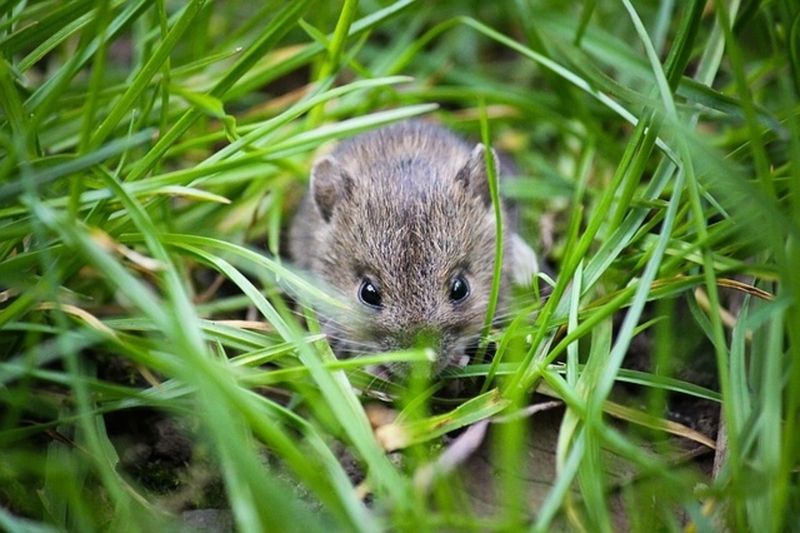
Voles are one of the other animals ratsnakes frequently target. Voles can cause serious damage to lawns and gardens by tunneling underground and chewing through plant roots.
Having a ratsnake patrolling the area can help keep vole numbers from getting out of hand without any effort from the homeowner.
Small birds and eggs also appear on the ratsnake’s menu, especially during nesting season. This is partly why ratsnakes are such skilled climbers.
They can scale trees and reach elevated nests that many other ground-based predators simply cannot access. While bird lovers might not love this fact, it is a natural part of how ecosystems stay balanced.
Ratsnakes are also known to eat other small reptiles and even insects on occasion. Their varied diet means they interact with many parts of the local food web.
Removing them from an area can sometimes lead to unexpected increases in pest populations that most people never even connected to the snake.
On farms and larger rural properties, these snakes serve as a broad-spectrum pest controller. They reduce the need for traps, poisons, and other interventions that can have unintended side effects on the environment.
A ratsnake is essentially a self-sufficient, low-maintenance pest management system that has been perfected over millions of years.
They Are Excellent Climbers
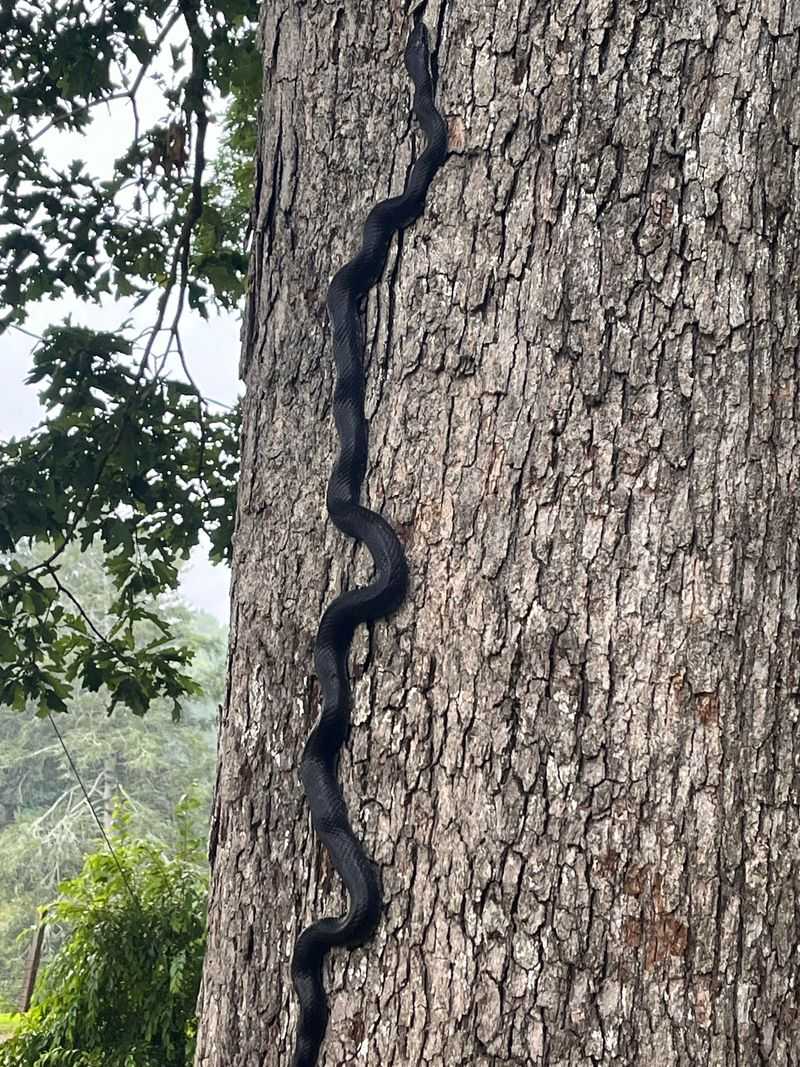
Watch a western ratsnake move up a tree or fence post and you will quickly understand why these animals are so successful. Their ability to climb is genuinely impressive.
Unlike many snakes that stay close to the ground, ratsnakes are built for vertical movement and use this skill regularly while hunting.
Their scales play a big role in this ability. The edges of a ratsnake’s belly scales grip rough surfaces like tiny anchors, allowing the snake to push itself upward with surprising control.
Bark, wooden fencing, brick walls, and even stucco surfaces can all be scaled with ease. Some ratsnakes have even been spotted climbing the sides of buildings.
Climbing opens up a whole new world of hunting opportunities. Bird nests tucked into tree branches, squirrel caches in hollow trunks, and sheltered spots under roof eaves all become accessible to a ratsnake that can climb.
This is one reason they are found in such a wide variety of environments across Texas.
Did you know that western ratsnakes have been observed climbing to heights of over 30 feet in some cases? That puts them well above the reach of most ground-level threats and gives them access to prey that other predators simply cannot reach.
It is a serious competitive advantage. For property owners, this climbing ability means ratsnakes might occasionally show up in unexpected places like inside a barn loft or near a chicken coop. Understanding why they climb helps explain what they are after.
They are following food, not looking for trouble, and they will usually move on once they have found what they came for.
They Are Nonvenomous
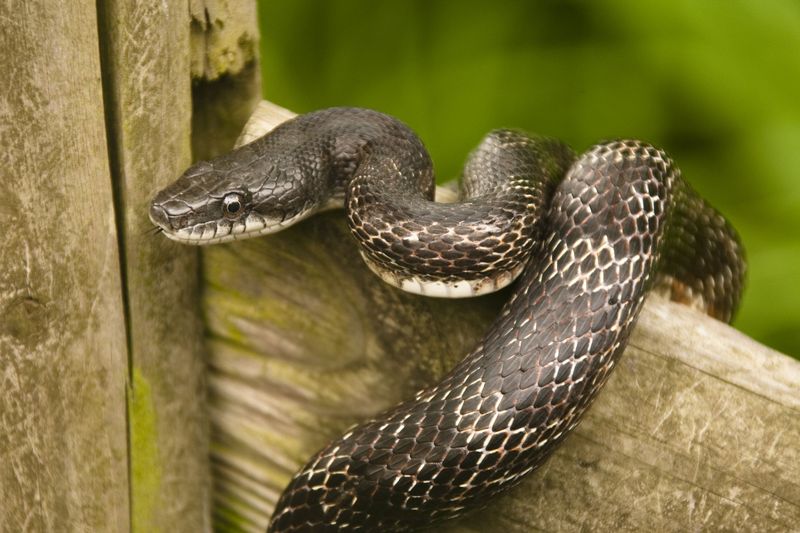
One of the most reassuring facts about western ratsnakes is that they carry no venom at all. These are completely nonvenomous snakes, which means a bite, while unpleasant, poses no serious medical risk to a healthy adult.
For anyone who has ever frozen in fear at the sight of a large snake, this is genuinely good news.
Ratsnakes subdue their prey through constriction, not venom. When a ratsnake catches a mouse, it wraps its body around the animal and squeezes tightly enough to stop its breathing.
It is a highly effective technique that requires no chemical assistance whatsoever. The snake’s muscular body does all the work.
Around people, ratsnakes behave very differently than they do around prey. Their first instinct when they encounter a human is almost always to escape.
They rely heavily on camouflage and staying still to avoid being noticed. If given enough space and time, most ratsnakes will simply move away on their own without any confrontation.
When cornered or handled roughly, a ratsnake may vibrate its tail, release a musky odor, or attempt to bite as a last resort. These are defensive behaviors, not signs of aggression.
The snake is scared, not angry. Giving it room to retreat is usually all it takes to resolve the situation peacefully.
Knowing that ratsnakes are nonvenomous can make a big difference in how people respond to seeing one. Instead of reacting out of fear, you can take a breath and give the snake the space it needs.
Most encounters end without any drama when people stay calm and let the snake move on naturally.
A Ratsnake In The Yard Usually Doesn’t Need Removing
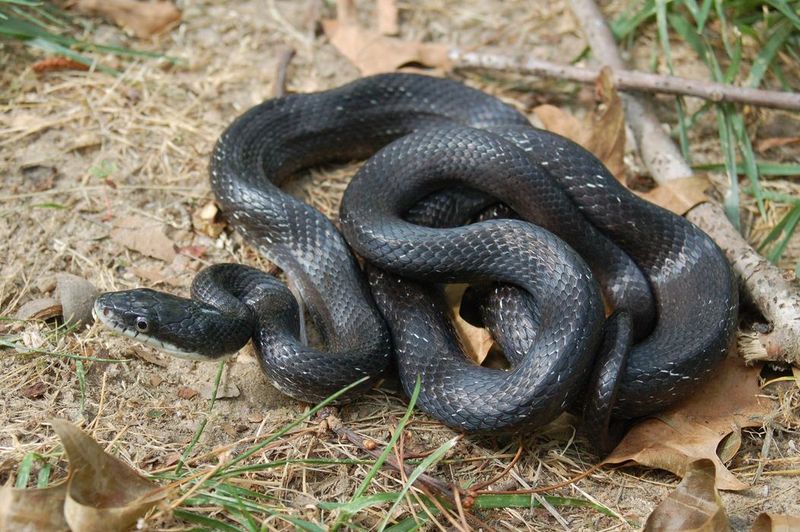
Finding a western ratsnake in your yard can feel alarming at first, but in most cases, the best thing you can do is simply leave it alone. If the snake is outdoors, not blocking an entrance, and not creating an immediate issue, giving it space is the smartest and easiest option.
These snakes rarely stay in one spot for long. Ratsnakes are transient hunters. They move through an area, check it for prey, and then continue on their way.
A snake you see today may be completely gone by tomorrow morning. Trying to chase it away or relocate it is usually unnecessary and can actually stress the animal, sometimes causing it to behave more defensively than it otherwise would.
Keeping rodents under control is one of the best long-term strategies for reducing snake visits. Ratsnakes follow mice and rats, so a property with fewer rodents is naturally less attractive to the snakes that hunt them.
Sealing up gaps in sheds and outbuildings, storing pet food in secure containers, and cleaning up debris piles can all help reduce rodent activity.
If a ratsnake does end up inside a structure and needs to be moved, contacting a local wildlife removal professional or your county extension office is a good first step. They can help safely relocate the snake without harm to either the animal or the person handling it.
Western ratsnakes are a natural and beneficial part of the Texas landscape. Treating them with a little patience and respect goes a long way.
They are not a threat to your household. They are quiet, efficient workers doing a job that most people would rather not handle themselves.