Why Yellowjacket Swarms Are Getting Worse In Texas Yards And What Gardeners Can Do
Yellowjackets in Texas yards go from a background presence to a genuine problem at a very specific point in the season, and that point tends to arrive faster and more aggressively than most homeowners expect.
If yellowjacket activity around your property has been escalating recently, the timing is not accidental.
There are real and specific reasons why swarms intensify at this point in the year, and understanding them gives you a meaningful advantage in managing the situation before it becomes dangerous.
Late season yellowjacket behavior is different from what you see earlier in the year. More aggressive, less predictable, and far less tolerant of disturbance near nesting sites.
The conditions driving that change are happening right now in Texas yards across the state, and gardeners who spend time outdoors are in the zone where encounters become most likely.
Understanding why yellowjacket populations peak when they do, what’s making them more reactive, and which garden practices are inadvertently drawing them closer to outdoor living spaces are all worth knowing before the season reaches its most intense point.
1. Colonies Are Reaching Their Largest Size
By late summer and into fall, yellowjacket colonies have had months to grow, and the results can be startling. A single nest that started with just one queen in the spring can balloon to contain thousands of workers before the season ends.
That is a lot of stinging insects sharing one small space, and they are not shy about protecting it.
Most people do not realize how large a colony can get until something disturbs the nest. Yellowjackets are fiercely protective of their home, and even a small vibration nearby can trigger a defensive response.
Lawnmowers, foot traffic, and even loud noises can set them off if the nest is close enough. Gardeners should pay close attention to any area where they notice repeated wasp activity.
If yellowjackets seem to be flying in and out of the same spot in the ground, under a deck, or inside a wall, there is likely a nest nearby. Avoid poking around or trying to investigate too closely.
The smartest move is to keep your distance and mark the area so others know not to wander near it. Do not try to cover the entrance or disturb it on your own. A large, established colony is not something to handle without proper help.
Watch for nest activity in late afternoon when workers are most active and easier to track. Early identification gives you more options and keeps everyone safer.
Reaching out to a licensed pest professional early in the season, before the colony reaches its peak size, is always a smarter and more effective approach than waiting until fall.
2. They Are Searching More Aggressively For Sugary Food
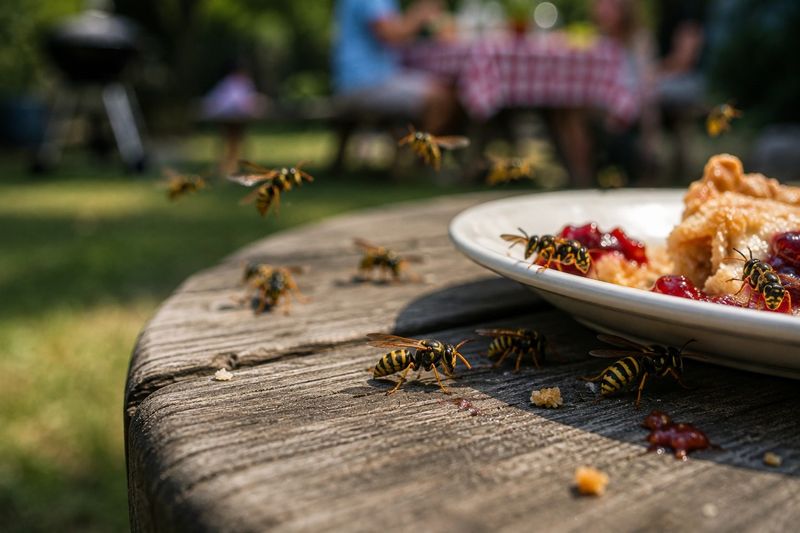
Yellowjackets have a serious sweet tooth, and as summer heats up, they become much bolder about finding sugary snacks.
Fallen fruit, open soda cans, juice boxes, and even the residue left on a sticky spoon can attract them from surprisingly far away. Outdoor meals and backyard cookouts are prime targets during peak season.
Your Texas Garden Changes Every Week. Your Plan Should Too.
Gardening in Texas changes quickly throughout the season. Every Friday you’ll receive a simple weekly plan showing exactly what to plant, prune, fertilize, harvest, and protect so you never miss the right timing.
What makes this behavior feel more aggressive is that the colony is growing and needs more food to sustain itself. Worker yellowjackets are constantly scouting for resources, and they are not polite about competing for a meal.
If one finds a food source, others follow quickly, turning a peaceful picnic into a buzzing problem.
Gardeners should make a habit of picking up ripe or fallen fruit as soon as possible. Leaving peaches, figs, or tomatoes on the ground is basically sending an invitation.
Even a small amount of rotting fruit can attract a surprising number of foragers within minutes.
Keeping food and drinks covered during outdoor meals is a simple but effective habit. Use lids on cups, keep plates covered when not eating, and never leave sweet drinks unattended on a table or porch railing.
Yellowjackets can crawl inside open cans without being noticed, which creates a real hazard.
Rinse out any dishes, jars, or containers that held sweet food before leaving them outside. A quick rinse goes a long way toward reducing the scent trail that draws foragers in.
Small changes in how you handle food outdoors can make your yard noticeably less attractive to these persistent insects all season long.
3. Garbage Cans Are Becoming Feeding Stations
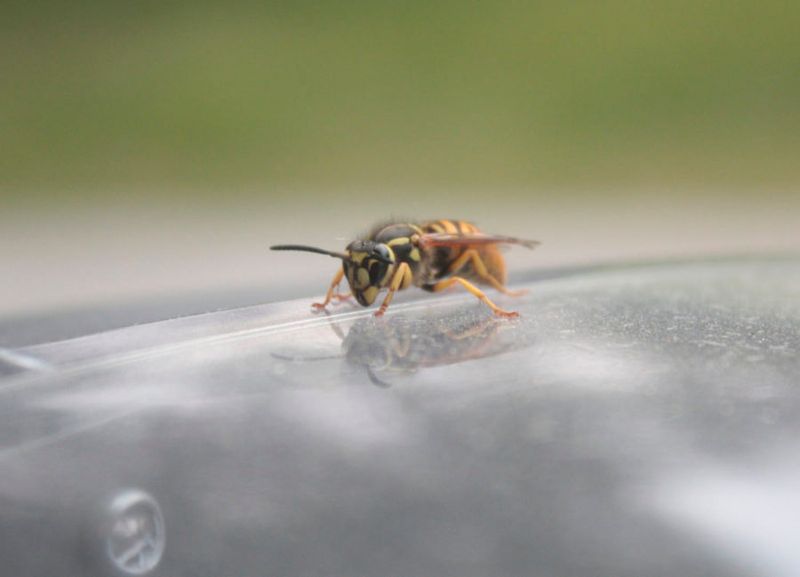
Trash cans might not seem glamorous, but to a yellowjacket, an outdoor garbage bin is basically an all-you-can-eat buffet. Sweet drink residue, food scraps, and sticky wrappers left inside unsealed containers are more than enough to draw large numbers of foragers.
Once they find a reliable food source, they keep coming back. Many Texas homeowners do not realize their trash cans are part of the problem until they notice heavy wasp activity near the bin. Yellowjackets are persistent and resourceful.
They will squeeze into gaps around a loose lid or hover near the rim waiting for access. A trash can that is not properly sealed is an open invitation.
The fix is straightforward. Use trash cans that have tight-fitting, locking lids, especially during summer and fall when yellowjacket activity peaks.
Make sure the lid closes completely after every use, and check that it has not shifted or warped in the heat.
Rinsing out the inside of the can regularly also helps. Even a small residue of soda or juice at the bottom can create a scent that lingers and attracts foragers.
A quick rinse with a garden hose once a week can reduce that smell significantly and make the bin much less interesting to passing yellowjackets.
If you have a recycling bin, the same rules apply. Rinse out bottles and cans before tossing them in.
Do not let sugary residue sit and ferment in a warm container. These small steps add up quickly and can make a noticeable difference in how many yellowjackets are drawn to your property each week.
4. Underground Nests Are Easy To Disturb
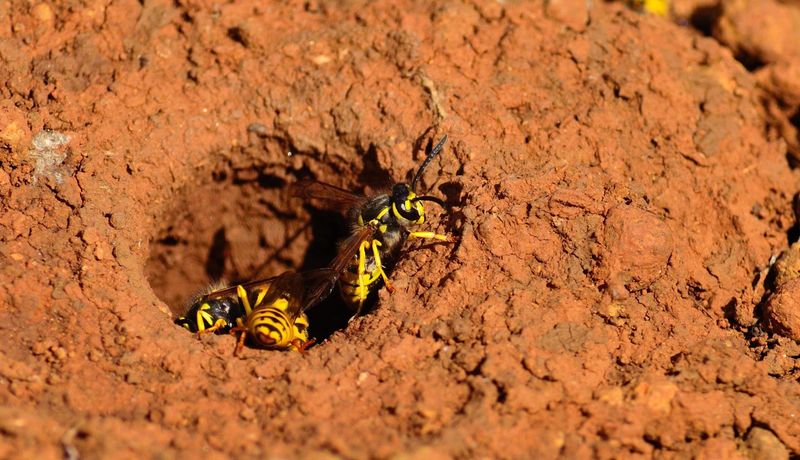
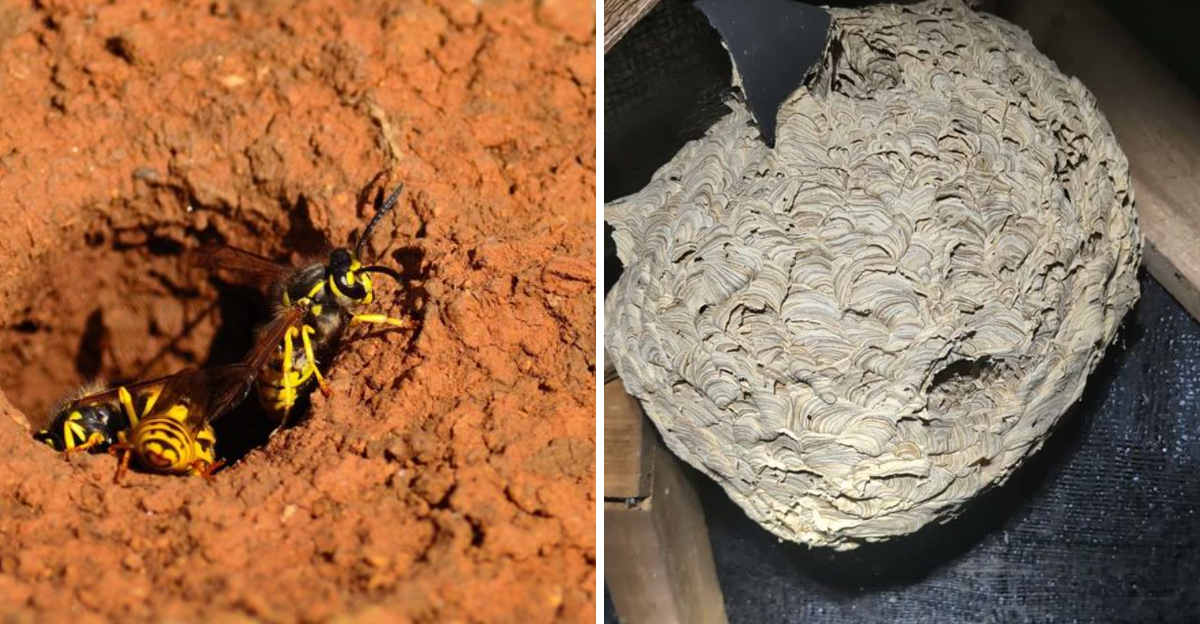
Southern yellowjackets are well known for building their nests underground. They often take over abandoned rodent burrows or natural cavities in the soil, which makes their nests nearly invisible until someone gets too close.
This is one of the main reasons gardeners and lawn care workers get stung without any warning.
Running a lawnmower over a hidden nest entrance can trigger an immediate and intense defensive reaction. The vibration alone is enough to send hundreds of workers rushing out.
Weed trimmers, shovels, and even heavy footsteps can have the same effect if the nest is just beneath the surface of the soil.
Before mowing or trimming in any area of your yard, take a few minutes to watch for repeated wasp traffic.
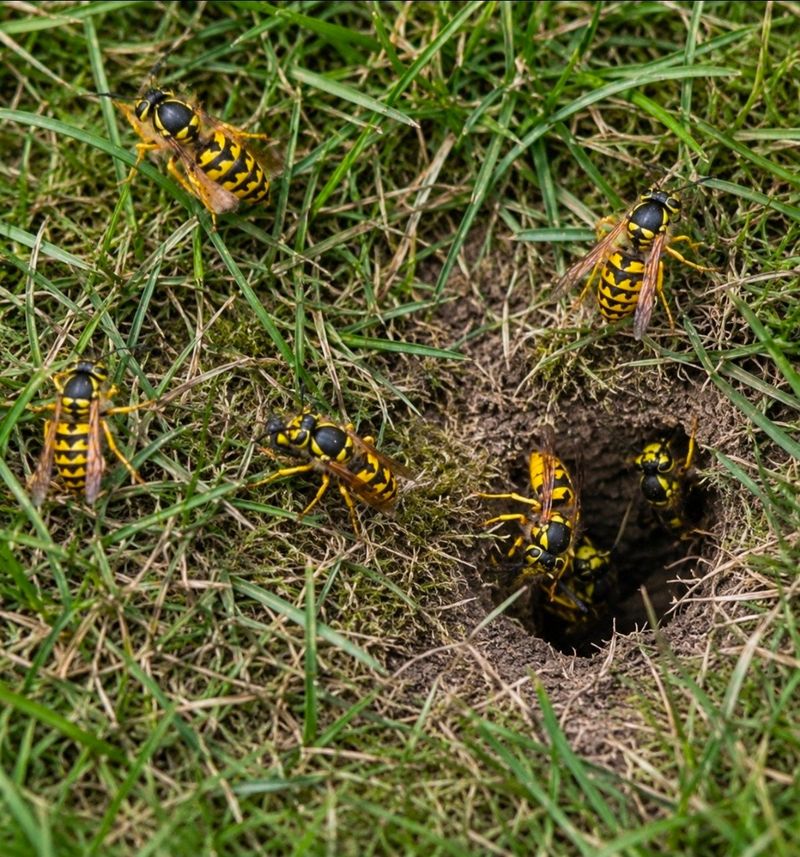
If you see yellowjackets flying low to the ground and disappearing into the same spot repeatedly, that is a strong sign of an underground nest nearby. Trust what you observe and stay away from that area.
Mark the location clearly with a flag or a visible object so that anyone else working in the yard knows to avoid it.
This is especially important if children or pets use the space regularly. A small marker takes seconds to place and can prevent a very painful encounter.
Gardens are especially tricky because yellowjackets can nest beneath mulch, near plant beds, or under garden borders without being obvious. Slow down when working near ground level and always wear closed-toe shoes in the garden.
Being a little more careful and observant can save you from an unexpected and painful surprise during an otherwise pleasant afternoon outside.
5. Hot, Dry Weather Can Send Them Looking For Water
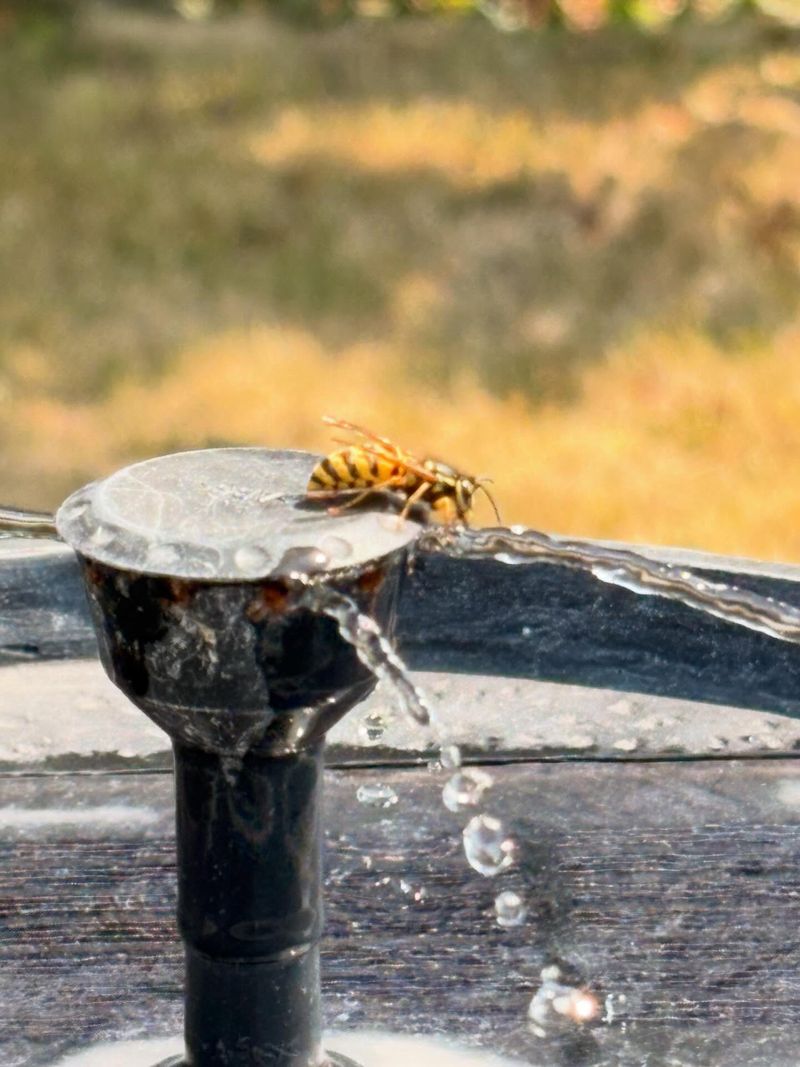
Texas summers are notoriously hot and dry, and yellowjackets feel that heat just like everyone else. When natural water sources dry up, foragers start searching for moisture wherever they can find it.
That means your yard could suddenly become a destination even if you have never had a food problem before.
Leaky irrigation lines, dripping hose bibs, and pet water bowls are all common attractants during dry spells.
Even a small puddle near an air conditioning unit or a damp patch of soil under a garden hose can draw thirsty foragers from a surprising distance. Water is just as attractive to them as food when conditions get dry enough.
Checking your yard for unnecessary moisture sources is a smart habit during summer. Walk around and look for dripping faucets, irrigation leaks, or areas where water tends to pool.
Fixing these issues not only saves water but also removes one more reason for yellowjackets to spend time near your home.
Pet water bowls are a trickier situation since pets need fresh water available, especially in the heat. Try placing bowls in a shaded area away from the main activity zones of the yard and refresh the water frequently.
Moving the bowl slightly every few days can also help disrupt any foraging patterns that have already formed.
Standing water in plant saucers, birdbaths, and garden containers can also be a draw. Emptying saucers after watering and refreshing birdbath water regularly reduces the appeal.
Small adjustments to how you manage moisture in your yard can quietly make the space less welcoming to foraging yellowjackets throughout the hottest months of the year.
6. Large Nests Can Become Dangerous To Remove Yourself
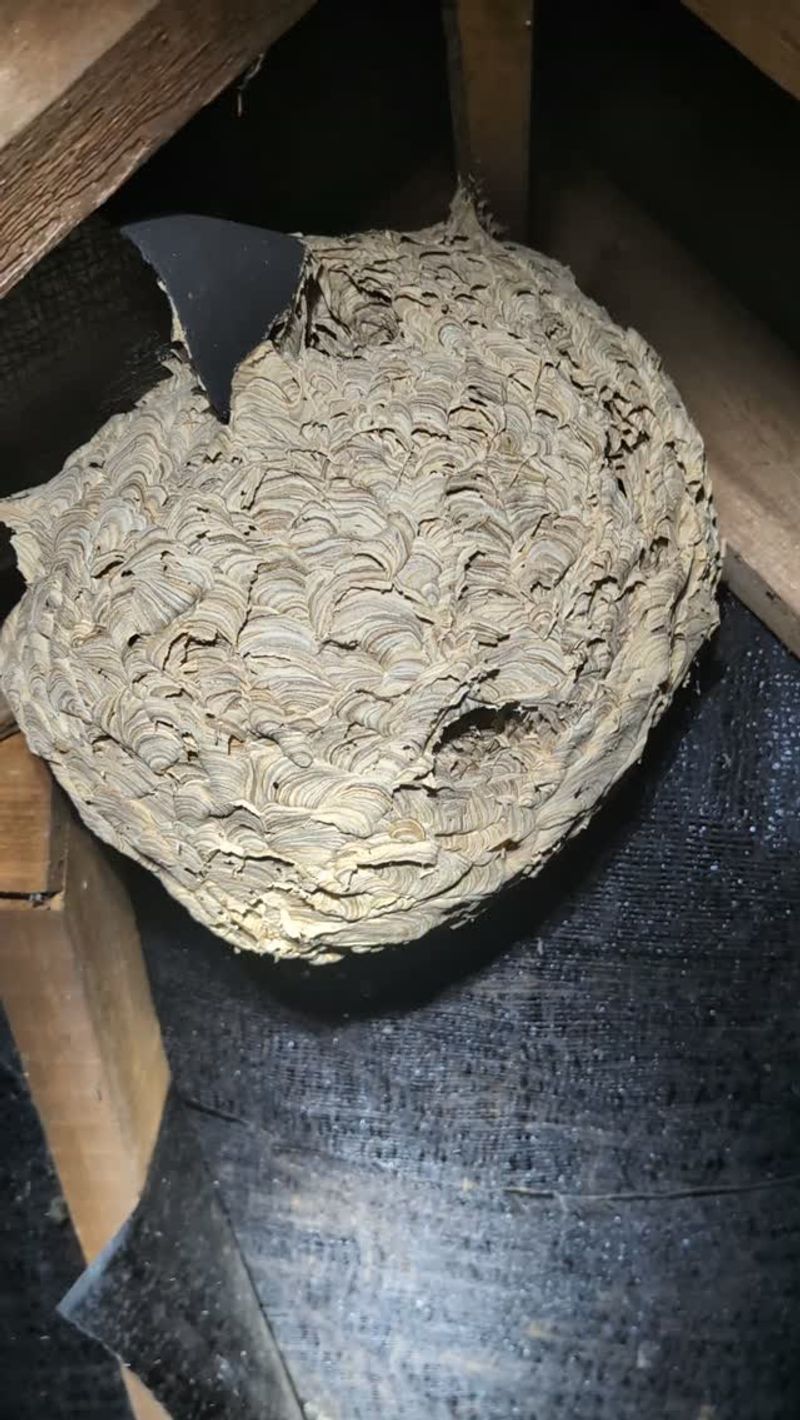
Yellowjackets are not passive insects. When they feel their colony is threatened, they respond quickly and in large numbers.
Unlike honeybees, yellowjackets can sting multiple times without losing their stinger, which means a single disturbed nest can result in many stings in a very short amount of time. That makes established nests genuinely hazardous to handle on your own.
Nests located near doorways, walkways, play areas, or high-traffic spots in the yard are especially concerning. Workers patrol the area around the colony and may react to anyone who gets too close, even if that person is just passing by.
The closer the nest is to where people spend time, the greater the risk of an accidental encounter.
Store-bought sprays may seem like a quick fix, but they often do not reach deep enough into an underground or wall-void nest to be fully effective. A partially treated nest can actually make things worse by agitating the colony without resolving the problem.
Incomplete treatment may scatter workers temporarily while leaving the core of the nest intact and active.
A licensed pest professional has the right equipment, protective gear, and products to handle the job safely and thoroughly. They can assess the size and location of the nest and choose the most appropriate treatment method.
Hiring a professional is especially important for nests that are large, hidden inside structures, or located in spots that are hard to access safely.
Waiting until fall when colonies naturally decline is one option for low-risk locations, but nests near busy areas should be addressed promptly. Do not wait and hope the problem resolves itself when a professional can handle it safely and effectively right now.