This Missouri Glade Bloomer Refuses To Stop Flowering Into Fall
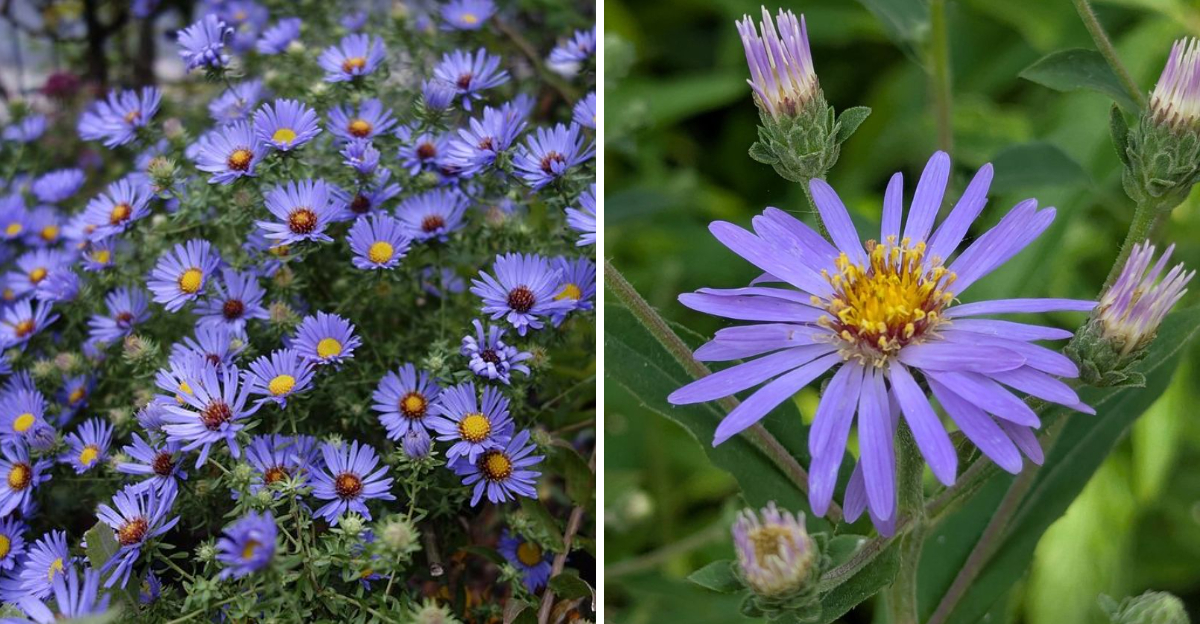
Frost ends most wildflowers, yet this bloom keeps returning every year. You walk a rocky Missouri glade in October, expecting brown and gray.
Purple appears everywhere instead, dense and unusually resilient against the fading season. This flower tolerates thin soil, drought, and neglect.
Missouri’s toughest terrain quickly becomes its favorite home. Bees swarm it eagerly, hunting the season’s very last drops of nectar. Butterflies linger too, drawn to that stubborn lavender glow you can’t ignore.
Leaves barely show beneath all those crowded blooms. Gardeners who spot it rarely walk away unimpressed by its stubborn charm.
Watching a plant thrive while everything else fades feels rebellious. No fertilizer, no babying, no patience required from you.
Color keeps spreading fast across the landscape while other blooms fade. Wildlife keeps arriving while momentum keeps building through the cold. Skip this plant and you will miss autumn’s boldest secret.
What Is The Aromatic Aster
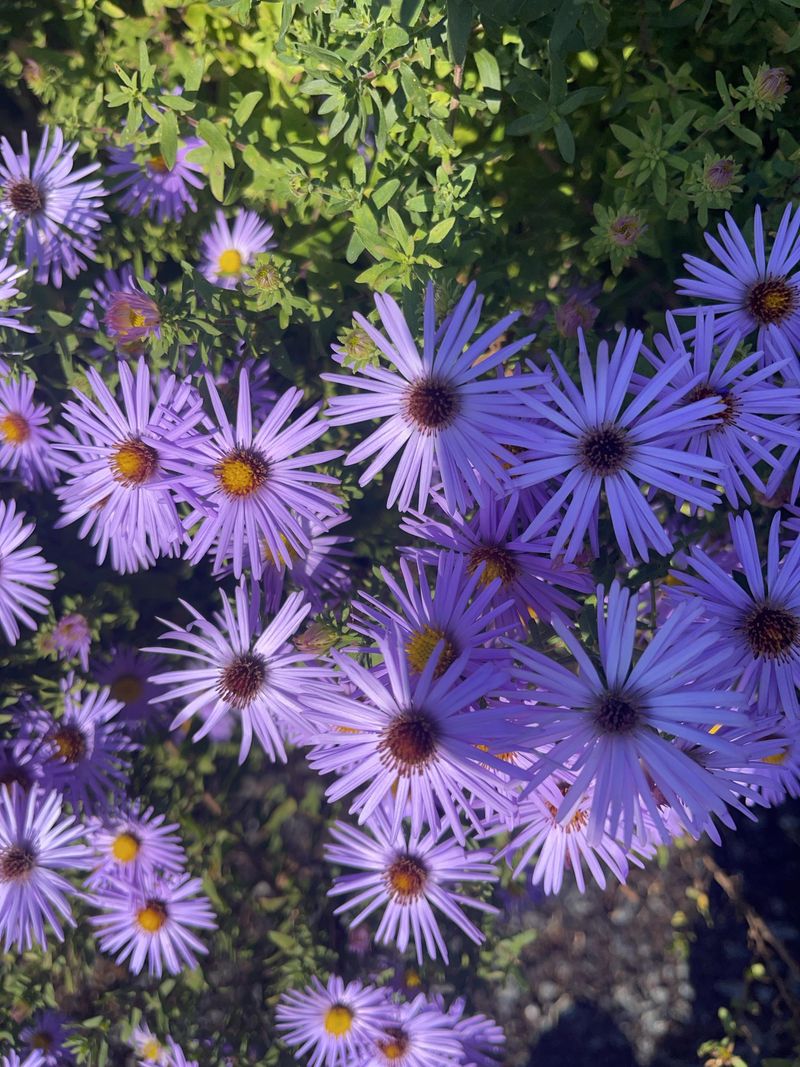
Aromatic aster is one of those plants that stops you mid-hike. Its flowers are small, but the sheer number of blooms makes the whole plant look like a purple fireworks show.
Scientifically called Symphyotrichum oblongifolium, this native perennial belongs to the aster family. It grows in a tidy, rounded mound that typically reaches one to two feet tall, occasionally taller.
The leaves are narrow and slightly rough to the touch. When you crush them between your fingers, they release a pleasant, spicy fragrance that explains the “aromatic” part of the name.
Unlike many wildflowers that bloom once and fade, aromatic aster holds its flowers for weeks. It typically starts blooming in September and keeps going strong through October, sometimes into November.
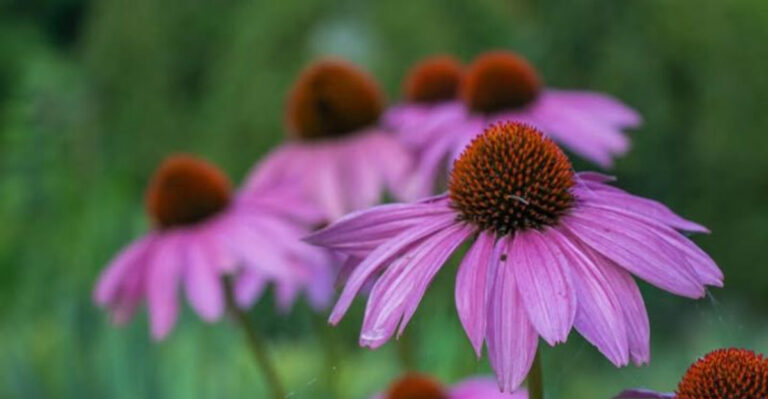
The flowers are a rich lavender-purple with bright yellow centers. That color combination is eye-catching against the tan and brown tones of a late-season landscape.
This Missouri glade bloomer is native to much of the central and eastern United States. It is especially well-adapted to the Ozark region, where rocky, well-drained glades are common.
Gardeners often call it a sleeper plant because it looks fairly unremarkable through spring and summer. Then fall arrives, and suddenly the whole plant produces a burst of color that draws attention.
Why It Blooms Later Than Other Glade Flowers
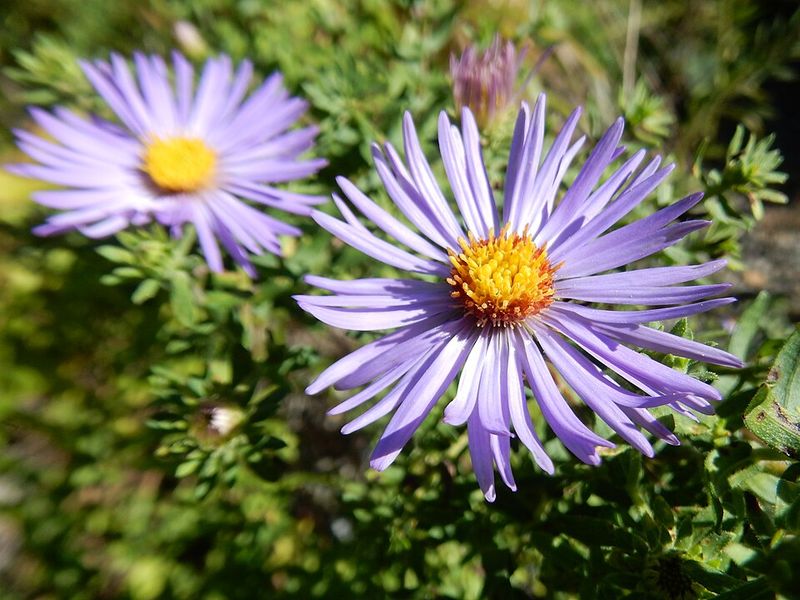
Most wildflowers are finished by August. Aromatic aster is just getting warmed up when the calendar flips to September.
The reason comes down to how this plant evolved. It developed on open, rocky glades where summer heat is intense and drought is common.
To handle those harsh conditions, it puts most of its energy into root development and leaf growth during the warmer months. Blooming gets saved for the cooler, more forgiving days of fall.
This strategy is effective from a survival standpoint. Fewer plants are competing for pollinators in autumn, so aromatic aster gets more attention from bees and butterflies.
The cooler temperatures also help flowers last longer on the plant. A bloom that might fade in two days during August can hold for a week or more in October.
Your Missouri Garden Changes Every Week. Your Plan Should Too.
Gardening in Missouri changes quickly throughout the season. Every Friday you’ll receive a simple weekly plan showing exactly what to plant, prune, fertilize, harvest, and protect so you never miss the right timing.
Shorter daylight hours trigger the plant to shift into flowering mode. This photoperiod response is common among asters and goldenrods, which is why they tend to bloom together in fall.
Gardeners who plant aromatic aster often feel rewarded in a season when most of their other perennials have gone quiet. That burst of late color feels almost defiant against the coming cold.
The plant’s timing also aligns perfectly with migrating monarch butterflies passing through the Midwest. That overlap reflects a pattern shaped by long-term coevolution with pollinators.
Where It Thrives In Missouri’s Landscape
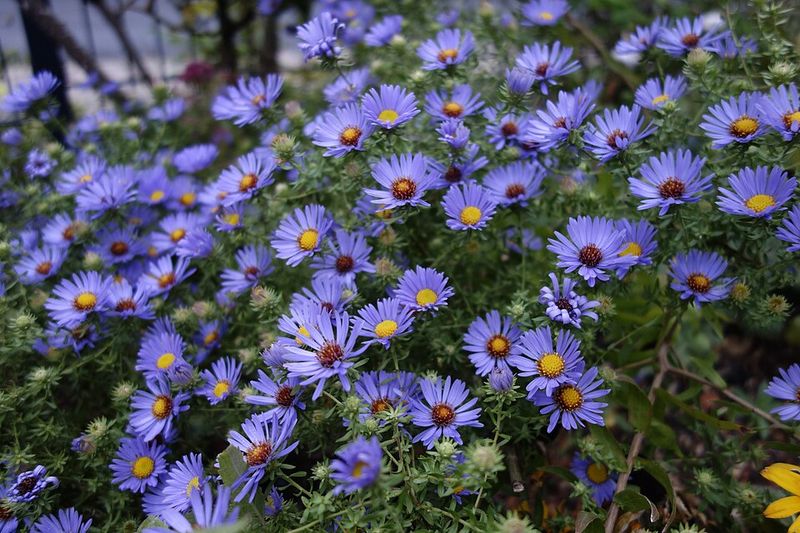
Rocky, sun-exposed, and dry – that is the kind of real estate aromatic aster calls home. Most plants would struggle in these conditions, but this one flourishes.
Missouri’s dolomite and limestone glades are its natural habitat. These open, treeless patches sit on thin soils over bedrock, creating harsh growing conditions that filter out weaker plants.
The Ozark region of southern and central Missouri hosts some of the best natural populations. You can spot aromatic aster along roadsides, cedar glades, and rocky bluff edges across the region.
Full sun is non-negotiable for this plant. It grows on south and west-facing slopes where sunlight hits hardest and longest throughout the day. Drainage is equally important. Standing water or heavy clay soils will cause the roots to rot quickly.
Beyond natural glades, this plant also colonizes disturbed areas like gravel roadsides and old quarry edges. It is a pioneer species that moves into tough spots and stabilizes the soil.
Missouri’s glade-rich state parks and conservation areas feature natural communities where aromatic aster can often be found alongside plants like little bluestem grass and prickly pear cactus.
Seeing it in its native setting gives you a real sense of its toughness. A plant that can survive on a sun-scorched rock ledge will absolutely thrive in your garden with a little thoughtful placement.
How It Supports Pollinators Into Fall
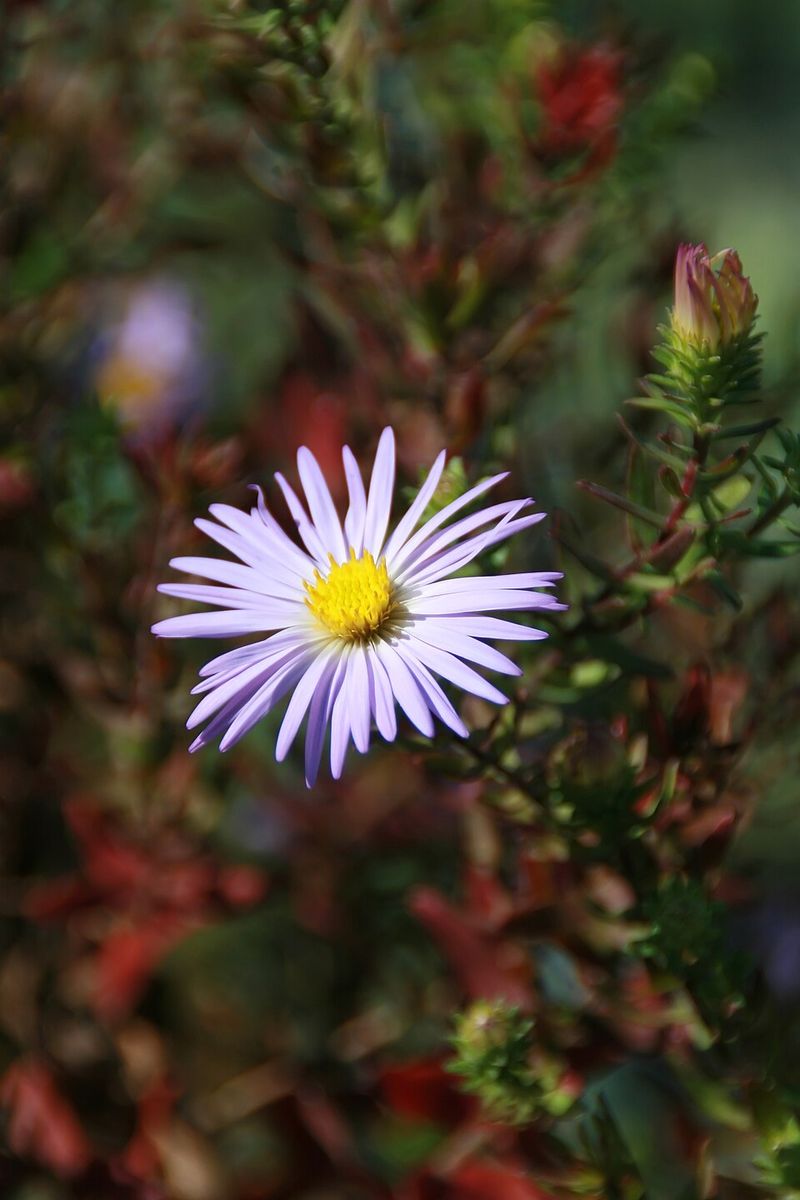
By October, most gardens have gone quiet for pollinators. Aromatic aster continues supporting pollinators anyway.
The flowers produce both nectar and pollen well into the season. That makes them a critical food source for insects preparing for winter or long migrations.
Monarch butterflies famously pass through Missouri in September and October on their way to Mexico. Aromatic aster blooms at exactly the right time to fuel those incredible journeys.
Bumblebees are frequent visitors too. These fuzzy workers need late-season food sources to help their queens build up fat reserves before the cold sets in.
Smaller native bees, including sweat bees and mining bees, also rely heavily on aster flowers in fall. Many of these species are specialists that prefer asters over other plant families.
Skippers and painted lady butterflies round out the visitor list. On a warm October afternoon, a blooming aromatic aster can look like a steady stream of pollinator visits.
The plant’s open, daisy-style flowers make nectar easy to access for insects of all sizes. That accessibility is one reason so many different species use it.
Planting aromatic aster is one of the most impactful things a home gardener can do for local wildlife. One plant can support dozens of species during a season when food is genuinely scarce.
Growing Conditions It Needs To Flourish
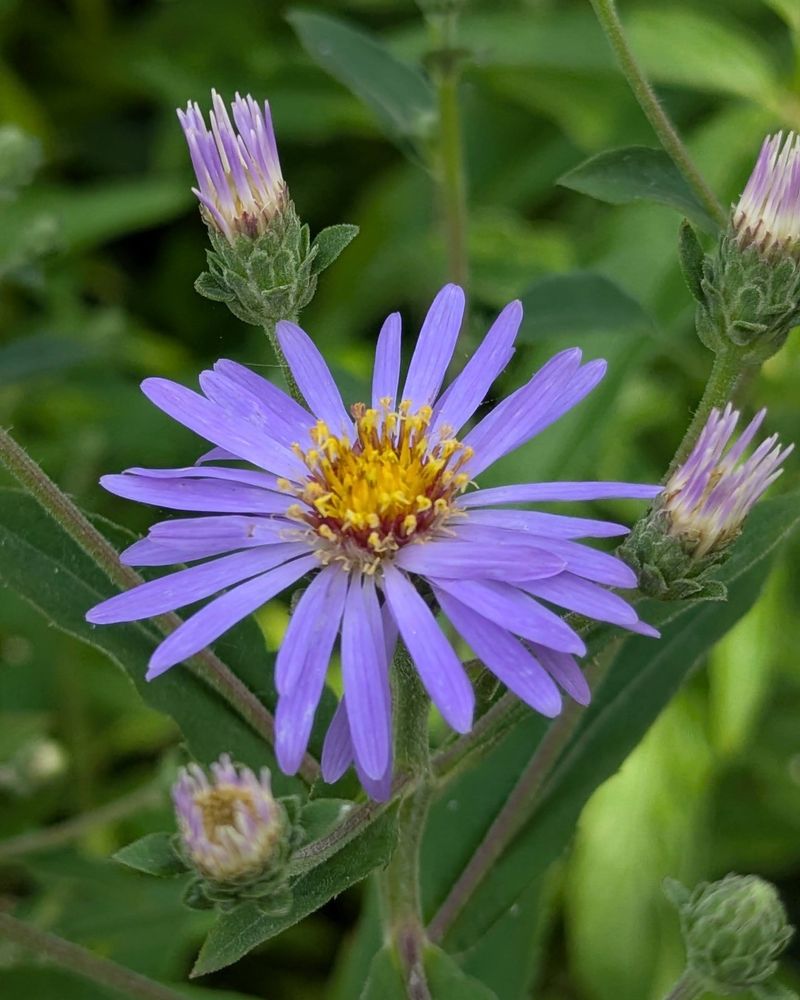
Growing aromatic aster is refreshingly simple once you understand what it wants. Give it sun, skip the rich soil, and mostly leave it alone.
Full sun is the top requirement. At least six hours of direct sunlight per day keeps the plant compact, floriferous, and healthy.
Soil quality is where most gardeners get tripped up. Aromatic aster actually prefers poor, lean, well-drained soil over the rich amended stuff most plants love.
Fertile soil causes the plant to grow tall and floppy, which makes it look messy and reduces flower production. Lean soil keeps it tight, mounded, and loaded with blooms.
Water needs are low once the plant is established. During its first season, give it regular moisture to help roots settle in.
After that first year, supplemental watering is rarely needed except during extreme drought. This plant was built for dry spells and handles them better than most perennials.
Pruning is optional but helpful. Cutting the plant back by about half in late May or early June encourages a bushier shape and more flower stems come fall.
Avoid heavy mulching around the base. A light layer of gravel mulch mimics the plant’s natural rocky habitat and helps prevent crown rot in wet winters.
No fertilizer is needed, and pesticides should be avoided entirely. Keeping the growing conditions simple is the best way to help this Missouri glade bloomer reach its full potential.
Adding It To Your Own Garden
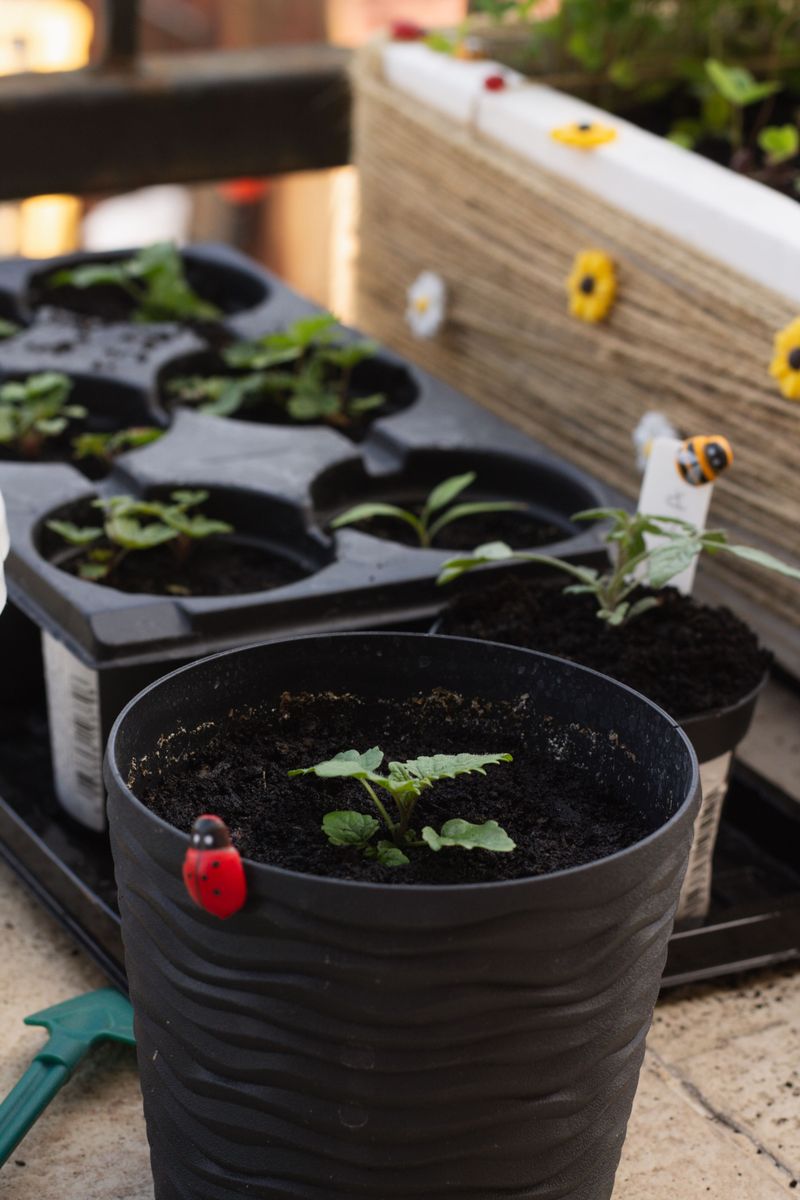
Adding aromatic aster to a home garden is one of those decisions many gardeners find rewarding come October.
Start by choosing a spot with full sun and decent drainage. A slope, raised bed, or gravel garden works especially well for mimicking the plant’s natural habitat.
Container growing is also an option for gardeners with limited space. Use a well-draining potting mix and a container with plenty of drainage holes to keep roots happy.
Pair aromatic aster with other fall-blooming natives for a dynamic seasonal display. Goldenrod, little bluestem grass, and prairie dropseed all make excellent companions that share similar growing needs.
Purchase plants from a reputable native plant nursery whenever possible. Locally sourced plants from the Midwest region tend to be best adapted to local conditions.
Plant in spring or early fall for best results. Spring planting gives roots a full season to establish before the plant needs to support a big flower show.
Division is easy if you want more plants over time. Dig up an established clump in early spring, split it into sections, and replant immediately with a little water to settle things in.
Aromatic aster spreads by seed and rhizome; in favorable garden conditions it can form dense colonies over time, though it is not considered invasive. This Missouri glade bloomer earns its place in any garden that values beauty, wildlife, and seasonal staying power.