What To Do If You’re Bitten By A Black Widow In Your Texas Garden
There’s a moment every Texas gardener knows well. You reach behind a stack of clay pots, and something brushes your knuckles.
Most of the time it’s a leaf, a root, or your own imagination working overtime. Every so often, though, it’s a resident with a shiny back and a very bad attitude.
Gardens in Texas are warm, cluttered, and shaded in all the right places, which makes them prime real estate for a certain glossy tenant. She doesn’t want a fight, but she will defend her corner if your hand lands on it.
So what happens in the minutes and hours after that sharp little pinch? Having a plan ready turns panic into action.
1. Step Away Slowly And Take A Breath
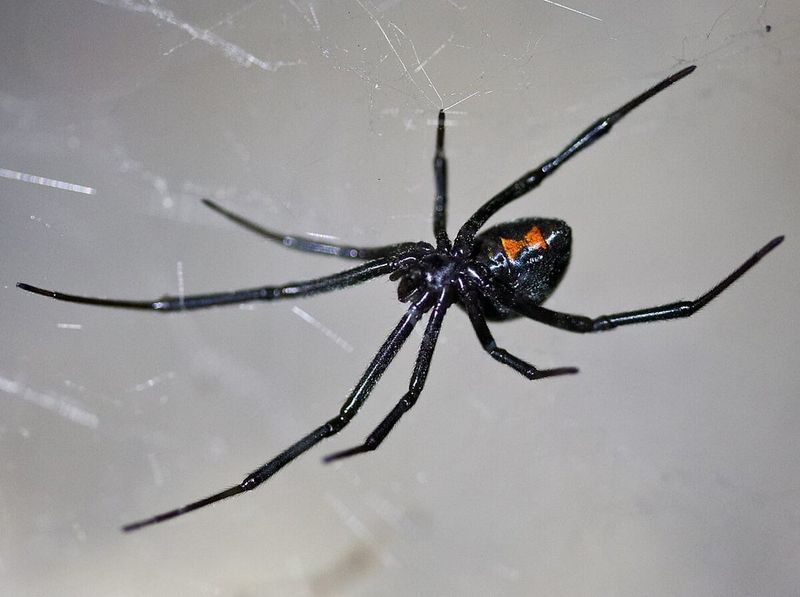
The first instinct after a sharp sting on your hand is to flail, shake, and shout. Understandable, but flailing is how people trip over a wheelbarrow and turn a small problem into a bigger one.
Back away from the spot where you were working. If the spider is still clinging to your glove or sleeve, brush it off gently rather than swatting at it, since a second defensive bite is possible while it’s still in contact with you.
Now sit down somewhere shady. Texas heat plus a rush of adrenaline can make you lightheaded on its own, and you want a clear head for the next few steps.
Slow, steady breathing genuinely helps here. A racing heart pushes blood, and anything in it, around your body faster, so calming down is practical, not just comforting.
Say out loud what happened, even if you’re alone in the yard. Naming the time of the bite helps you remember it later when someone asks how long ago it occurred.
Fun fact about these spiders: they’re famously shy and prefer retreating into a funnel of messy web over confronting anything larger than a cricket. Nearly every garden bite happens because a hand or foot pressed into a hiding place unannounced.
Keep in mind that serious reactions are uncommon, and Texas hospitals see these cases regularly and handle them well. Your calm first two minutes set the tone for everything that follows.
2. Try To Identify The Spider Without Chasing It
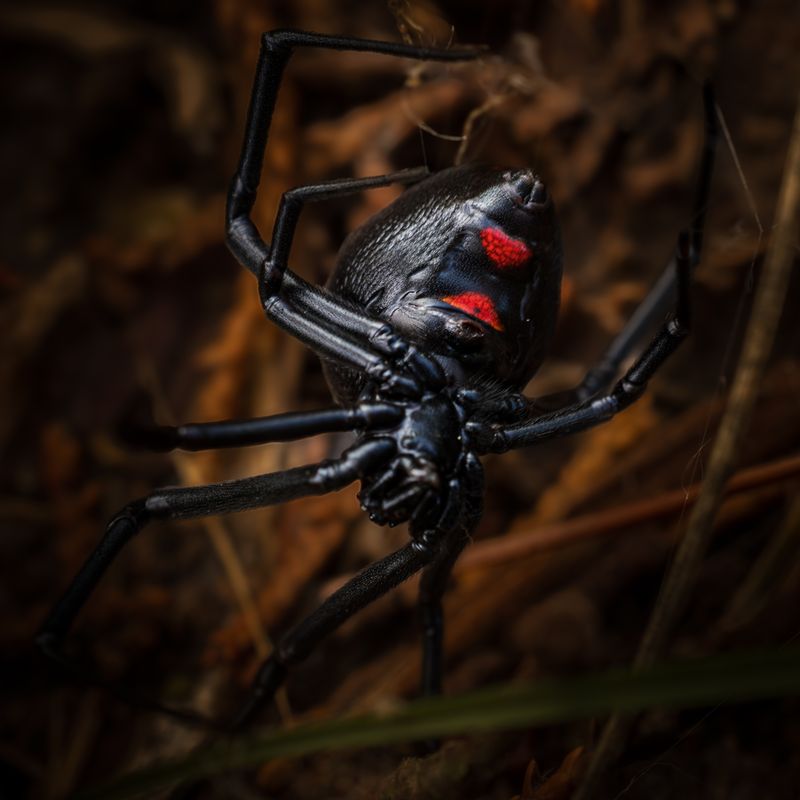
Identification matters more than most people realize, because treatment advice changes depending on which eight-legged neighbor you met. A wolf spider bite and a widow bite are handled very differently.
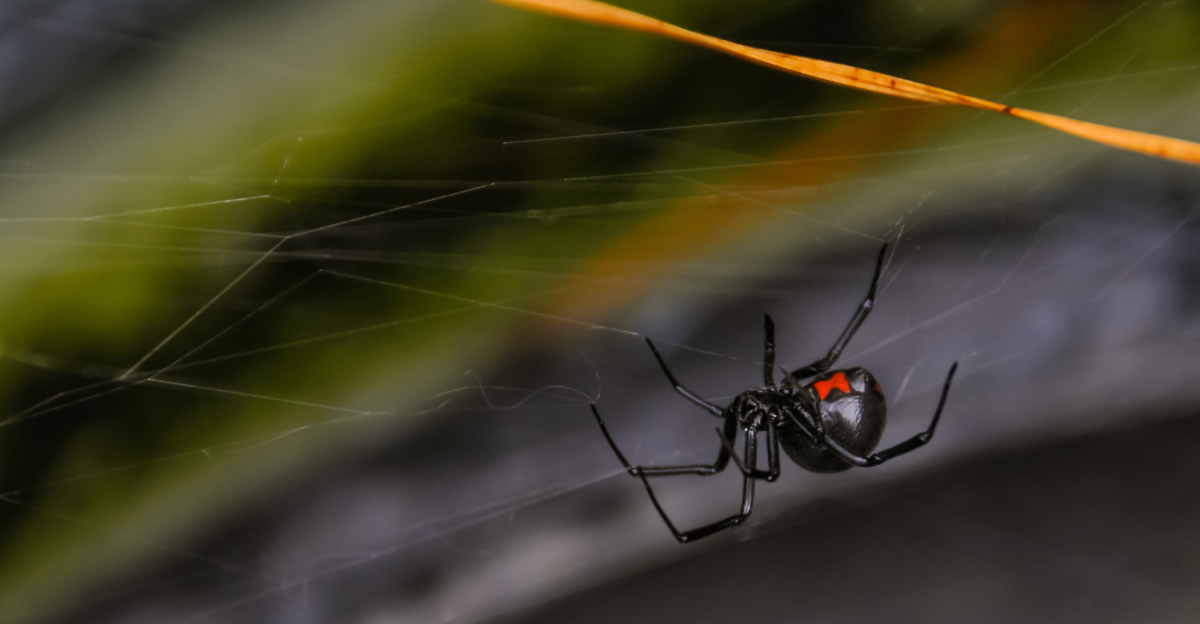
Look for the signature features: a round, glossy body about the size of a large pea, jet-black legs, and a red or orange hourglass shape on the underside of the abdomen. Texas is home to both the southern black widow and the western black widow, and both carry that hourglass.
You may also spot a messy, irregular web rather than the neat spiral of a garden orb weaver. Widow webs feel unusually strong and sticky when brushed.
If the spider is sitting still and you have a jar or clear container handy, trapping it is genuinely useful for the doctor. Slide a piece of cardboard underneath and cap it, no bare hands involved.
Your Texas Garden Changes Every Week. Your Plan Should Too.
Gardening in Texas changes quickly throughout the season. Every Friday you’ll receive a simple weekly plan showing exactly what to plant, prune, fertilize, harvest, and protect so you never miss the right timing.
Don’t go digging through the mulch pile hunting for her. Reaching blindly into the same crevice is how people collect a second bite, and no identification is worth that.
A quick phone photo from a safe distance works just as well as a captured specimen. Zoom in with the camera rather than leaning in with your face.
Write down where the bite happened too, whether it was under a pot rim, inside a shed, or in a coiled hose. That context helps confirm the likely culprit and reminds you which spot to clear out later.
3. Wash The Bite Area With Soap And Water
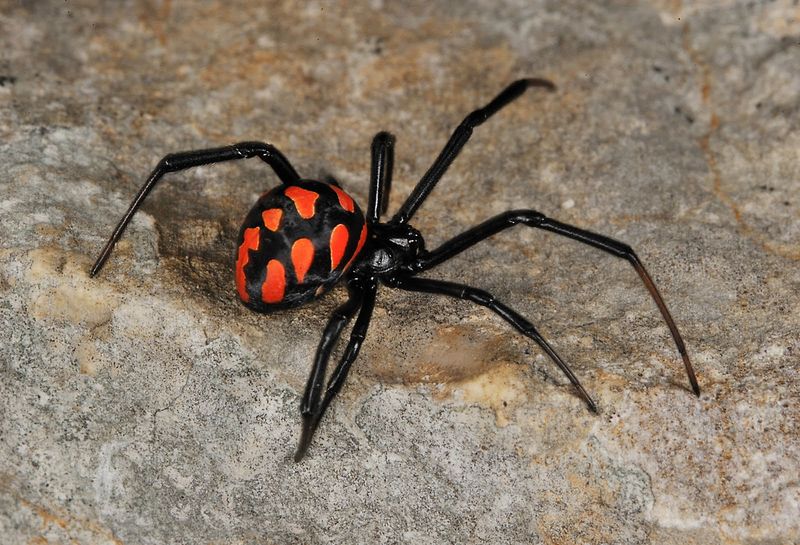
Soap and water may sound too simple to matter, but it’s the single most recommended first move by poison centers across the country. Garden soil carries bacteria, and a puncture wound is an open door.
Use lukewarm water and ordinary hand soap. Wash for a solid twenty or thirty seconds, letting the water run over the area rather than scrubbing hard at it.
Pat the spot dry with a clean towel or paper towel. Skip the dish rags that have been living in your garden shed since spring.
Isopropyl solution, hydrogen peroxide, and bleach are all unnecessary and can irritate the tissue further. Plain soap does the job without adding chemical burn to your list of complaints.
Once dry, a thin layer of antibiotic ointment and a simple bandage is reasonable. That covers the wound while you sort out the rest of your response.
Watch the site over the following days for spreading redness, warmth, or oozing, which point toward infection rather than venom. Infection is actually the more common complication people run into after any spider bite.
One thing worth mentioning: widow bites often leave two tiny puncture marks close together, sometimes with a pale center ringed by red. Some people barely see anything at all, which is why symptoms matter more than appearance.
Cleaning the area also gives you a clearer look at what you’re dealing with. Dirt and mulch smudges can hide or exaggerate what’s really happening on your skin.
4. Apply A Cold Pack, Not Heat
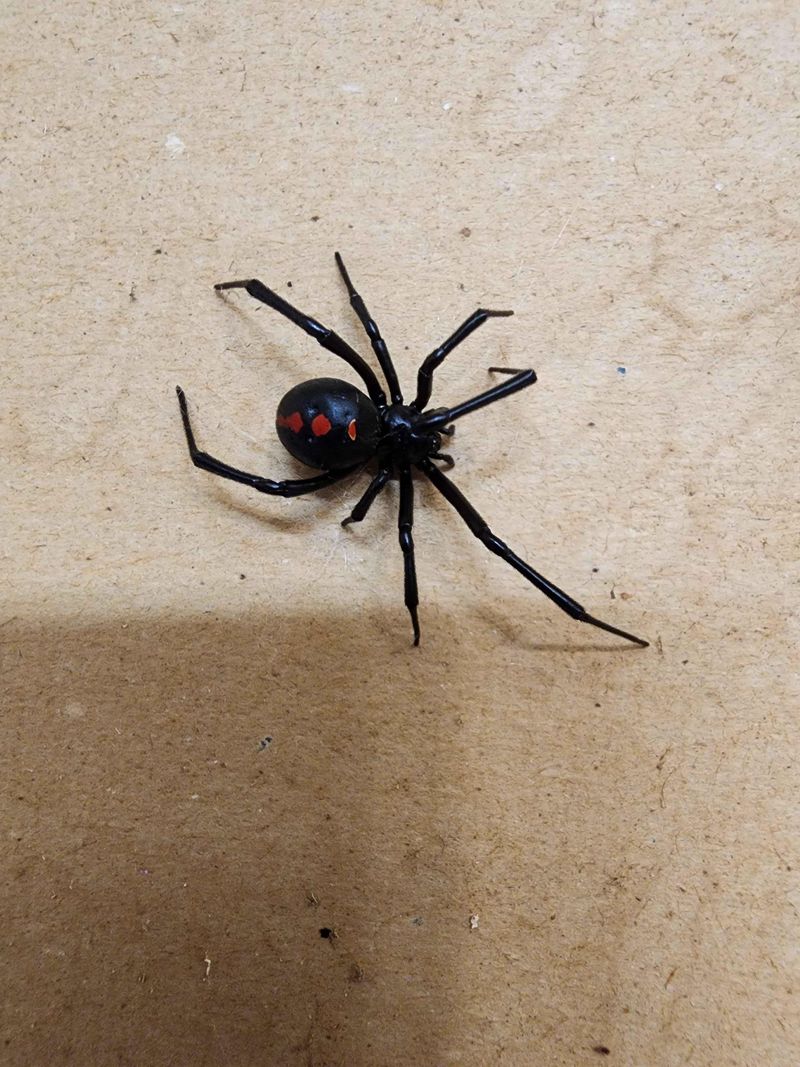
Cold is your friend in the early hours. A chilled compress narrows the small blood vessels near the bite, which slows how quickly venom spreads and dulls the ache at the same time.
Grab an ice pack, a bag of frozen peas, or ice cubes in a zip bag. Wrap it in a thin towel first so you’re not putting frozen plastic directly against skin.
Ten to fifteen minutes on, then a break of the same length, is a good rhythm. Repeat over the first several hours as needed.
Heating pads, hot compresses, and warm soaks go in the do-not-do column. Warmth widens vessels and can speed the venom along instead of holding it in place.
Old-fashioned advice about cutting the wound, sucking out venom, or tying a tourniquet has been retired for good reason. Those methods cause tissue damage without removing anything meaningful.
Raise the bitten limb slightly if it’s on an arm or leg, keeping it comfortable rather than propped awkwardly high. Reducing swelling makes the whole experience more bearable.
Skip anything that dulls your senses, tempting as it sounds after a rough afternoon. It can mask symptoms you need to notice clearly.
Over-the-counter pain relievers like acetaminophen or ibuprofen are generally fine for adults, assuming you can normally take them. Follow the label, and let the medical professionals adjust things once you’re in touch with them.
5. Call Poison Control Right Away
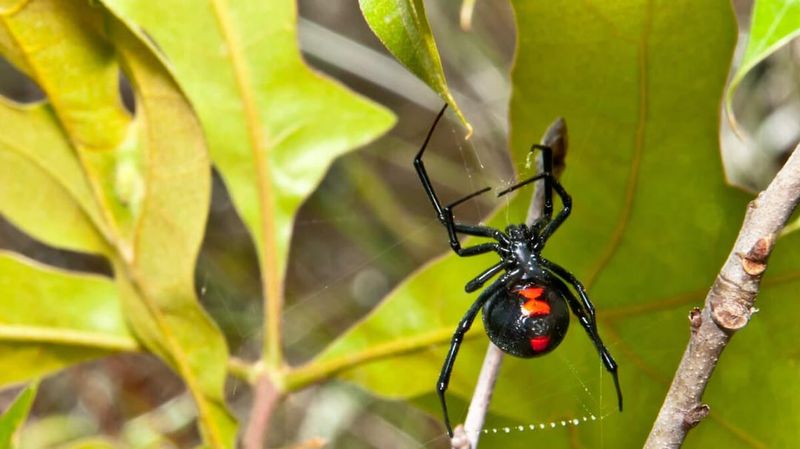
Here’s the number worth taping inside your garage door: 1-800-222-1222 reaches the Texas Poison Center Network and connects you with a trained specialist. The call is free, confidential, and available around the clock.
These specialists talk people through spider bites constantly. They’ll ask your age, weight, where the bite is, what the spider looked like, and what you’re feeling.
Based on those answers, they’ll tell you if home care is enough or if you need an emergency room. Getting that guidance early saves you hours of anxious guessing.
You don’t need to be certain it was a widow to call. Describe what you saw, and they’ll help narrow it down.
Keep the phone nearby afterward, since they sometimes suggest a follow-up call to check how symptoms are progressing. Write down whatever they tell you, because pain and adrenaline scramble memory.
Texas poison centers actually track these cases, and their data helps public health folks understand seasonal patterns. Late summer and early fall bring the most spider calls statewide, which lines up neatly with harvest cleanup season.
If the person bitten is a young child, someone pregnant, an older adult, or anyone with heart or blood pressure conditions, mention that immediately. Those groups get expedited advice and are more likely to be sent in for evaluation.
Saving the number in your phone right now takes ten seconds. Future you, standing in the tomato patch, will be grateful.
6. Watch For Cramping, Sweating, And Muscle Pain
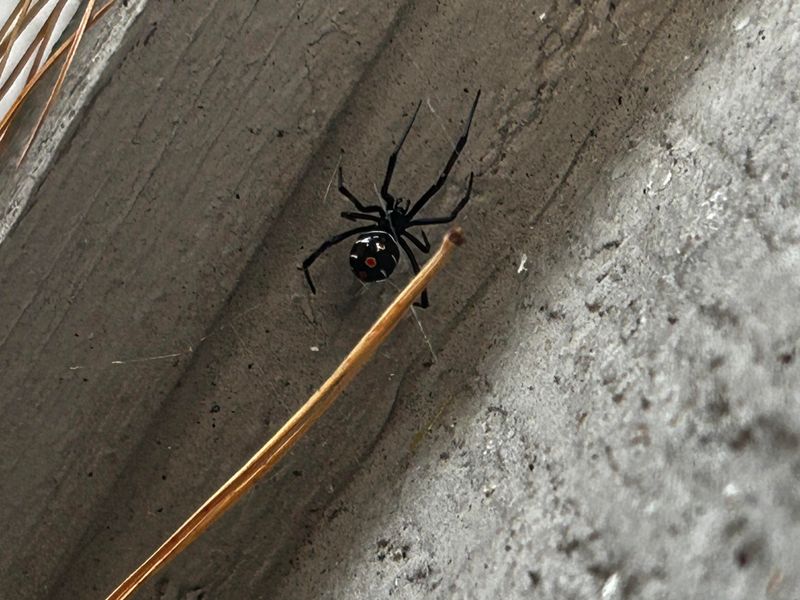
The bite itself can feel like a pinprick, or barely register. What comes later is the part that gets people’s attention.
Widow venom targets the nervous system, and the hallmark sign is cramping muscle pain that spreads outward from the bite. Someone bitten on the hand may feel it move up the arm and settle in the chest or back.
Abdominal cramping is common enough that widow bites have been mistaken for appendicitis in emergency rooms. The belly can go rigid and tender without any stomach illness behind it.
Other symptoms to note: heavy sweating, chills, nausea, headache, restlessness, tremors, and raised blood pressure. Some folks report a strange achiness in the jaw or eyelid swelling.
Timing usually runs one to three hours after the bite for symptoms to build, peaking somewhere in the first day. Discomfort can linger for a few days as things settle.
Jot down when each symptom starts on your phone’s notes app. Doctors love a timeline, and it helps them judge severity.
Trouble breathing, chest tightness, a swollen face or throat, fainting, or severe uncontrolled pain means it’s time for 911 or the nearest ER without waiting. Those are not symptoms to sleep on.
Serious outcomes from these bites are genuinely rare in healthy adults, and antivenom exists for the cases that need it. Most people recover fully with pain management, muscle relaxers, and a bit of monitoring.
7. Keep Kids And Pets Away From The Area
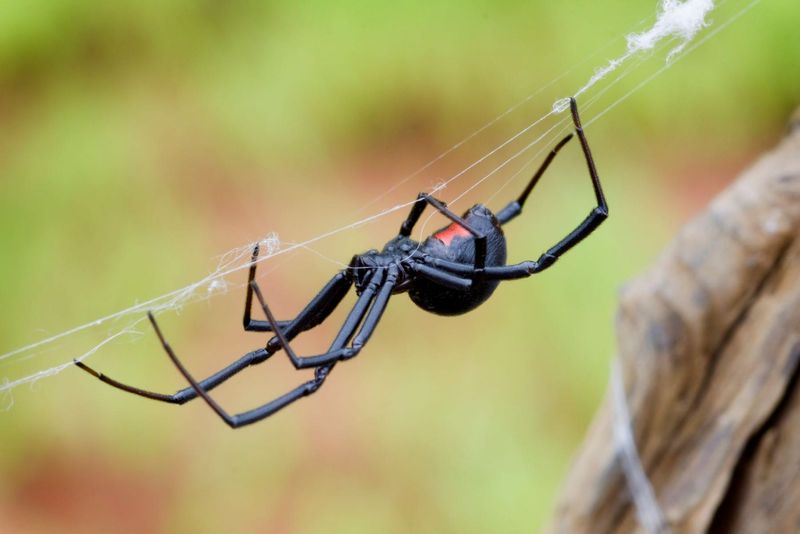
Small hands and curious noses are drawn to the same spots a widow chooses: stacked pots, woodpiles, and shadowy corners under the porch. Kids and pets rarely notice a web until they’re already close to it.
Walk the yard with children before letting them dig, plant, or play near sheds and stone walls. Point out any web that looks messy or unusually strong, and explain that it’s off-limits.
Dogs and cats investigate with their paws and noses, which puts them at real risk too. A bite on a pet’s face or paw can cause drooling, muscle stiffness, and restlessness within a few hours.
If a pet shows sudden weakness, trembling, or a hunched posture after time outside, call a veterinarian right away rather than waiting to see if it passes. Vets can treat these bites effectively when caught early.
Fence off firewood piles and storage areas if young children play unsupervised nearby. A simple barrier keeps small hands out of the exact spots widows prefer.
Teach kids to tell an adult right away if something bites or stings them, instead of brushing it off. Early reporting means faster treatment and less worry all around.
Pet bowls, toys, and bedding left outside can become hiding spots too. Bringing those items in at night removes one more overlooked shelter.
A few minutes of yard-proofing goes a long way. It lets the whole family, four-legged members included, enjoy the garden without an unpleasant surprise.
8. Clear Out Hiding Spots So It Doesn’t Happen Twice
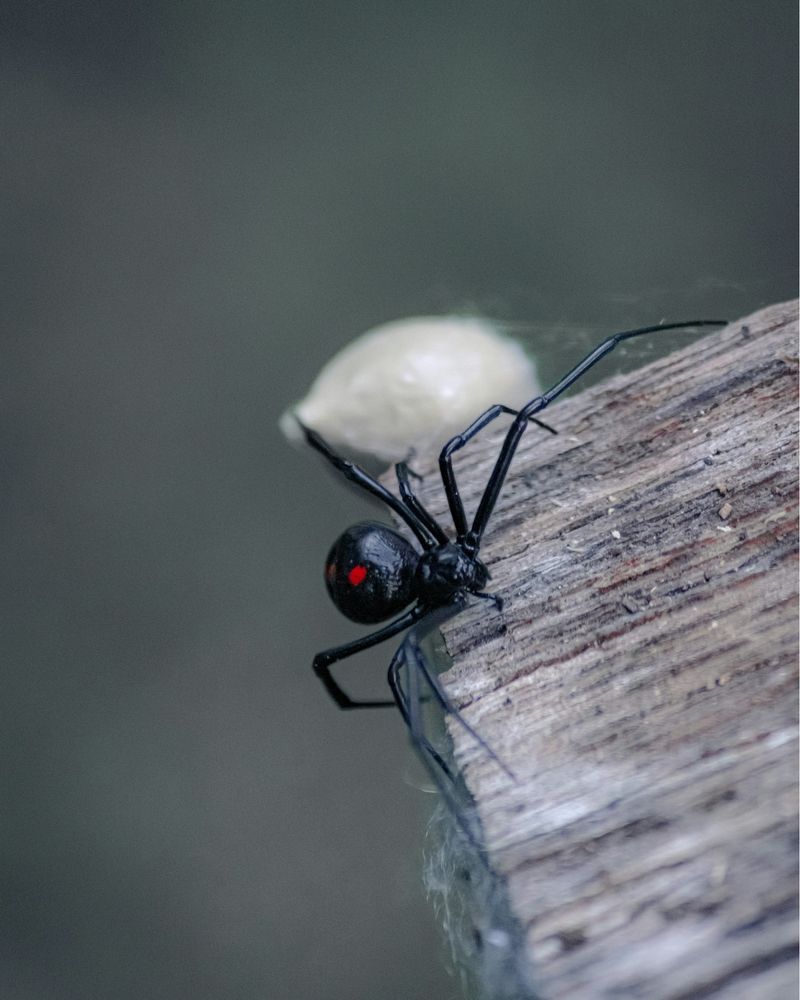
Once you’re patched up, the garden deserves a walkthrough. Widows are homebodies, and where there’s one, there are usually more tucked nearby.
They favor dark, undisturbed, low-to-the-ground spaces: the underside of stacked pots, gaps in stone walls, coiled hoses, firewood piles, meter boxes, and the corners of sheds. Anywhere your hand goes in blind is worth suspicion.
Start wearing thick leather or rubber-coated gloves for every task, not just the messy ones. Closed shoes matter too, since bare feet in mulch are asking for trouble.
Tap or nudge objects with a trowel handle before lifting them. That extra second gives any resident the chance to scurry off rather than defend.
Store pots upside down and off the ground, keep firewood away from the house, and elevate anything that’s been sitting flat since last season. Removing clutter removes the invitation.
A stiff broom or shop vacuum handles webs and egg sacs in sheds and garages without chemicals. Egg sacs look like small tan or cream-colored papery spheres, and clearing them prevents a whole new generation.
Sweeping down webs regularly along fence lines and under benches discourages new tenants from settling in. Outdoor lighting attracts insects, which attracts spiders, so swapping to yellow bulbs helps too.
Texas gardens will keep hosting spiders, and honestly, most of them earn their keep by eating pests. The goal isn’t a spider-free yard, just one where you and they stay out of each other’s way.