The Best Drought-Tolerant Trees To Plant In Pennsylvania This Fall
Fall planting in Pennsylvania is one of the smartest moves a homeowner can make, and trees are where that advantage shows most clearly.
Trees planted now establish through the cooler weeks ahead, develop root systems before the ground freezes, and arrive next spring already settled rather than spending half the growing season recovering from transplant stress.
As Pennsylvania summers grow hotter and drier, drought tolerance has moved from a nice to have quality to an essential one in tree selection.
A tree that depends on regular supplemental irrigation through dry stretches is a long term commitment that an increasing number of homeowners are no longer willing to make.
The right drought tolerant trees handle Pennsylvania’s variable rainfall, establish without constant intervention, and deliver beauty and ecological value for decades without demanding more than the climate naturally provides.
Here are the best drought tolerant trees to plant in Pennsylvania this fall and why each one is worth the investment.
1. Bur Oak
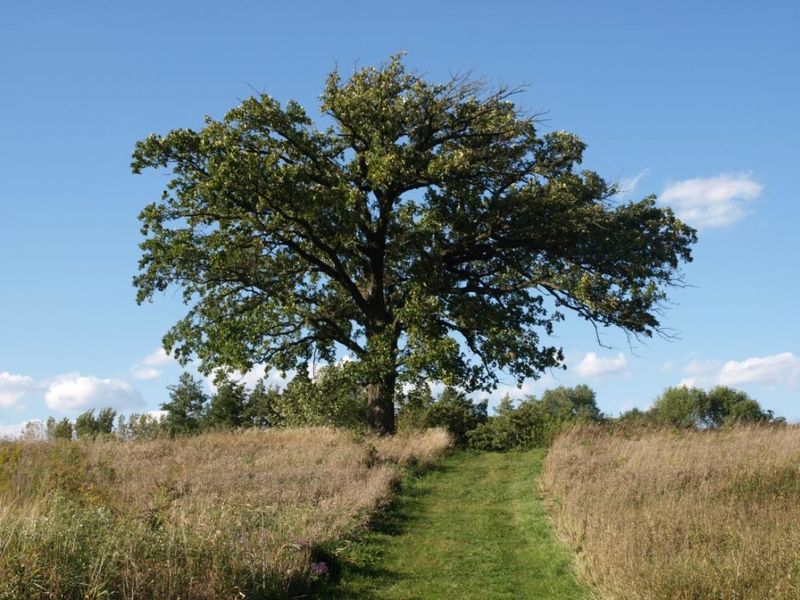
Few trees feel as sturdy and dependable as the Bur Oak. Its thick, corky bark and deep roots make it one of the toughest shade trees you can grow in Pennsylvania.
Once this oak settles in, it barely notices a dry summer. The roots dig down far to find water, so you rarely need to reach for the hose. That deep reach is exactly why it shrugs off drought so well.
Bur Oaks grow big, so give them room to stretch. Plant one in an open spot away from your house and power lines.
Over time it can reach 60 to 80 feet tall with a wide, rounded crown that throws cool shade across your yard.
Fall planting works great here. Dig a wide hole, keep the top of the root ball level with the ground, and water it well for the first year while roots get established. After that, it mostly takes care of itself.
Wildlife loves this tree too. The large acorns feed squirrels, deer, and birds all through fall and winter. If you enjoy watching critters, a Bur Oak becomes a busy gathering spot.
Here is a fun bit of history. Bur Oaks can live for 200 to 300 years, meaning the one you plant may shade your great-grandkids someday. That kind of staying power makes it a true legacy tree.
For patient gardeners who want strength and beauty, this oak is hard to beat. It grows slowly but rewards you with generations of shade and character.
2. Eastern Red Cedar
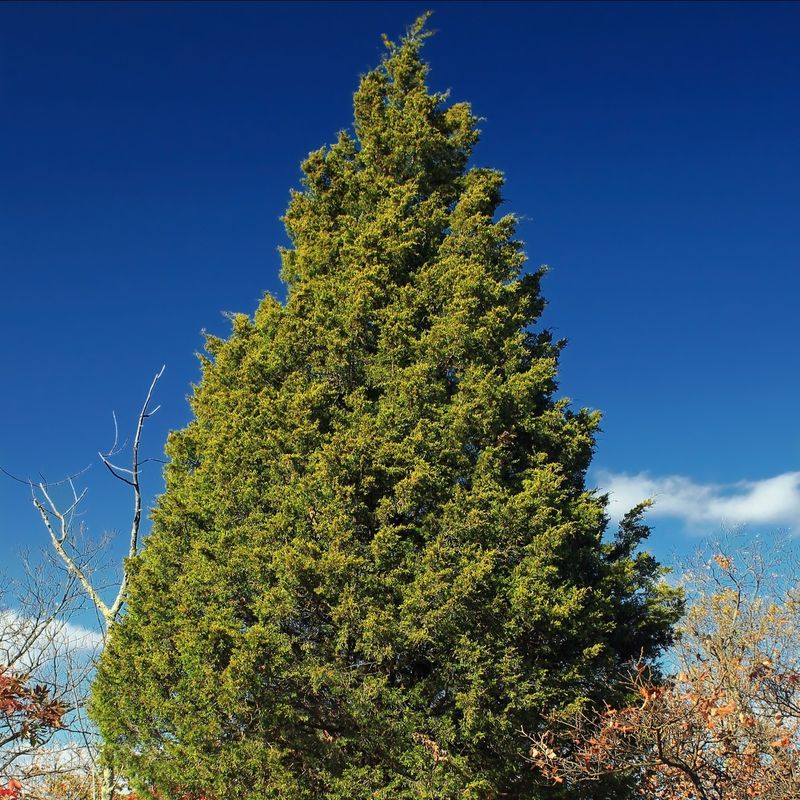
Talk about a survivor. The Eastern Red Cedar grows in some of the roughest, driest spots in Pennsylvania, from rocky hillsides to abandoned fields.
This evergreen keeps its color all year, giving your yard a splash of green even in the coldest months. The dense foliage also blocks wind, so it works well as a natural privacy screen or windbreak along a property line.
Drought barely fazes it. Once the roots take hold, this cedar handles heat, poor soil, and long dry stretches like a champ.
Your Pennsylvania Garden Changes Every Week. Your Plan Should Too.
Gardening in Pennsylvania changes quickly throughout the season. Every Friday you’ll receive a simple weekly plan showing exactly what to plant, prune, fertilize, harvest, and protect so you never miss the right timing.
It is one of the easiest trees to keep happy with almost no fussing.
Plant it in a sunny, open area during fall. It is not picky about soil, but it does want good drainage and plenty of light.
Space several a few feet apart if you want a living fence.
Birds treat this tree like a diner. The small blue berries feed robins, waxwings, and other songbirds through winter.
You may spot cardinals nesting inside the thick branches too.
One thing to know: Eastern Red Cedar can carry cedar-apple rust, which affects nearby apple trees. If you grow apples, plant this cedar a good distance away to keep both plants healthy.
Here is a neat fact. The fragrant wood is the same stuff used to line cedar chests and closets because its smell keeps moths away.
Rub a broken twig and you will catch that familiar scent.
For a tough, year-round green tree that asks for little, this native pick is a reliable winner in any Pennsylvania landscape.
3. Kentucky Coffeetree
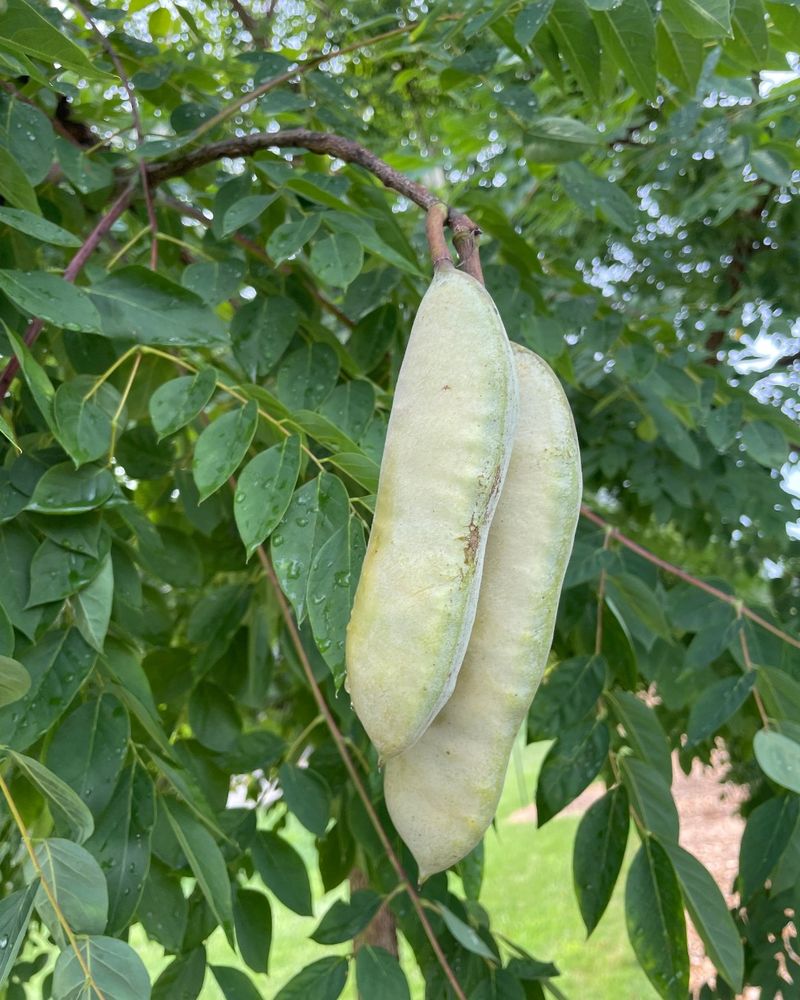
Here is a tree with a quirky name and an even more interesting story. Early settlers once roasted its seeds as a coffee substitute, which is how the Kentucky Coffeetree got its title.
Beyond the fun history, this tree is a real workhorse in dry conditions. It handles drought, city pollution, and tough clay soil without complaint.
That toughness makes it a smart choice for spots where fussier trees struggle.
The look is striking. In summer, huge feathery leaves cast dappled shade, and in fall they turn a soft yellow.
Winter reveals bold, chunky bark and a bare, sculptural shape that stands out against the sky.
Give it a sunny spot with room to grow, since it can reach 60 to 75 feet tall. Fall is a great time to plant because the roots have all winter to settle before the first hot summer arrives.
Watering is simple. Keep the soil moist for the first season, then step back and let it fend for itself.
Established trees rarely need extra water even during a dry July.
One handy trait is how clean it stays. The Kentucky Coffeetree resists most pests and diseases, so you spend less time spraying and worrying.
Choose a seedless male variety if you want to skip the large pods that drop in fall. Nurseries often sell these to keep yard cleanup easy.
For gardeners who like a tree with personality, strong looks, and low upkeep, this native beauty delivers season after season with almost no effort on your part.
4. Honeylocust
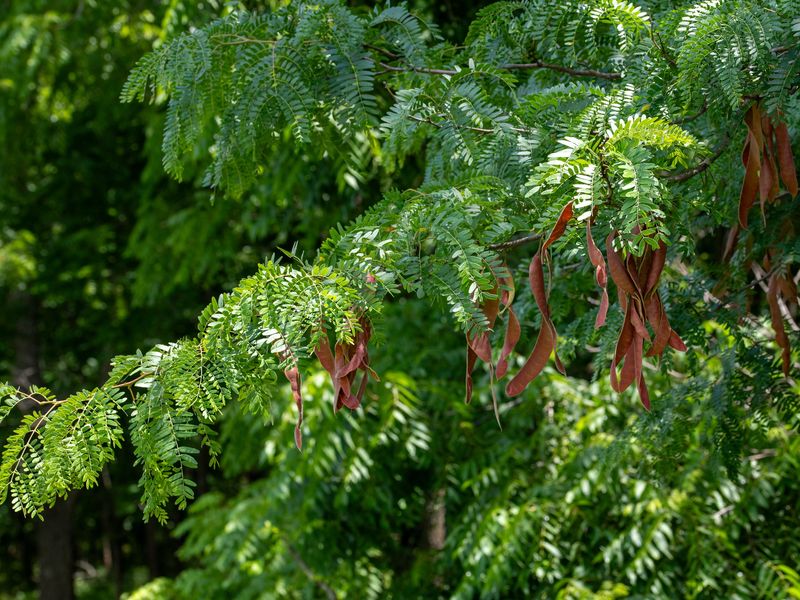
If you want shade without a heavy, dark canopy, the Honeylocust is your friend. Its tiny leaflets create a light, dappled shade that lets grass and flowers grow happily underneath.
Toughness is this tree’s middle name. It tolerates drought, road salt, poor soil, and city grime, which is why you see it lining so many streets and parking lots.
If it can handle a busy sidewalk, it can handle your backyard.
Fall planting suits it well. Set it in full sun with decent drainage, water it through the first season, and it quickly becomes self-reliant.
Established trees stay green even when rain goes missing for weeks.
The fall color is a cheerful golden yellow that lights up the yard before the leaves drop. Because the leaflets are so small, cleanup in autumn is a breeze compared to bigger-leaved trees.
Look for thornless, seedless types when you shop. Wild Honeylocusts have sharp thorns and messy pods, but nursery varieties like Shademaster and Skyline skip both of those headaches.
Growth is fairly quick, so you will not wait forever for shade. Many reach 30 to 50 feet, making them a good fit for medium and large yards alike.
Here is a sweet detail behind the name. The tree produces pods with a sugary pulp inside that wildlife enjoys, which is where the honey part comes from.
For a fast-growing, easy-care shade tree that thrives through dry spells and rough conditions, the Honeylocust checks all the boxes for Pennsylvania yards.
5. American Hornbeam
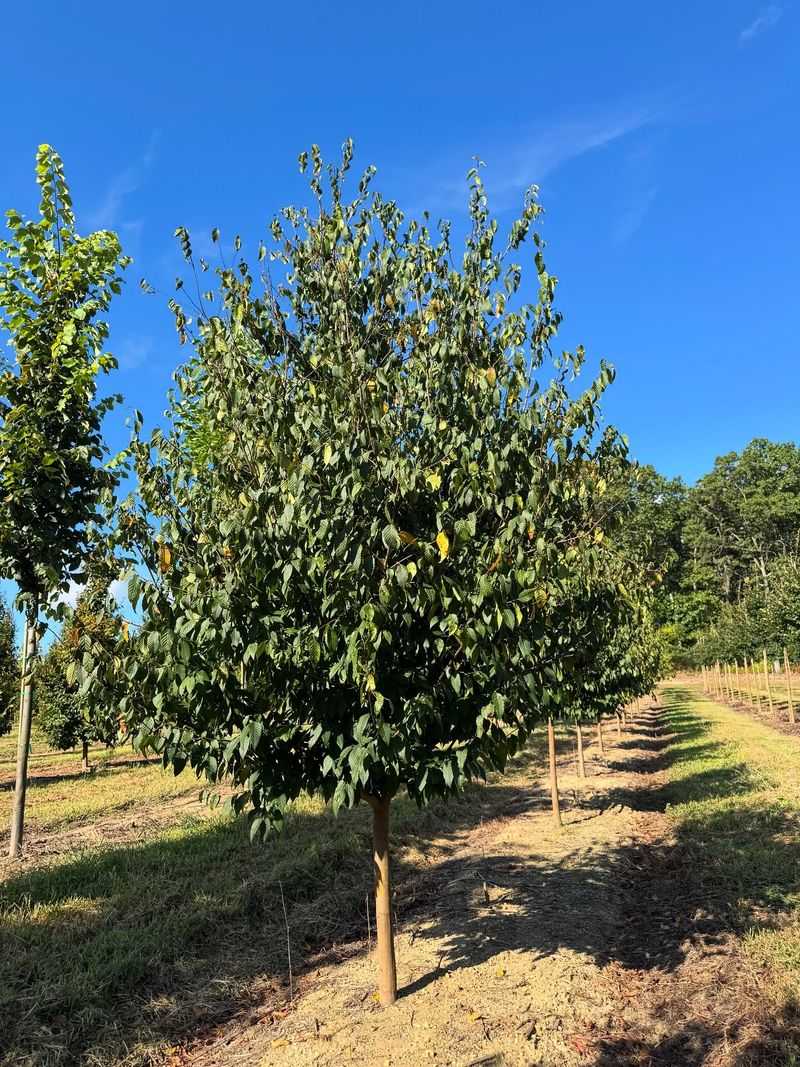
Some trees are quietly amazing, and the American Hornbeam is one of them. Its smooth gray bark ripples like flexed muscles, earning it the nickname musclewood.
Do not let its calm look fool you. Once established, this tree handles dry spells with ease and grows comfortably in both sun and shade.
That flexibility makes it a great pick for tricky spots in your yard.
Size is a big plus here. The American Hornbeam usually stays between 20 and 30 feet tall, so it fits nicely under power lines or in smaller yards where a giant oak would feel crowded.
Autumn brings a beautiful show. The leaves shift to warm shades of orange, red, and yellow, adding rich color to your landscape before winter sets in.
Plant it in fall and keep the soil moist during the first year. This native tree naturally grows near woodland edges, so it appreciates a spot that is not baked in harsh afternoon sun, though it adapts well.
Birds and small animals nibble the little seed clusters it produces, adding a bit of life to a quiet corner of your yard. It is a peaceful tree that invites wildlife without much mess.
The wood is famously hard and dense, which is why old-timers used it for tool handles and wagon parts. That strength shows why the tree stands up so well to storms and stress.
For a compact, hardy, and gorgeous tree that fits small spaces and shrugs off drought, the American Hornbeam deserves a spot on your list.
6. Ginkgo
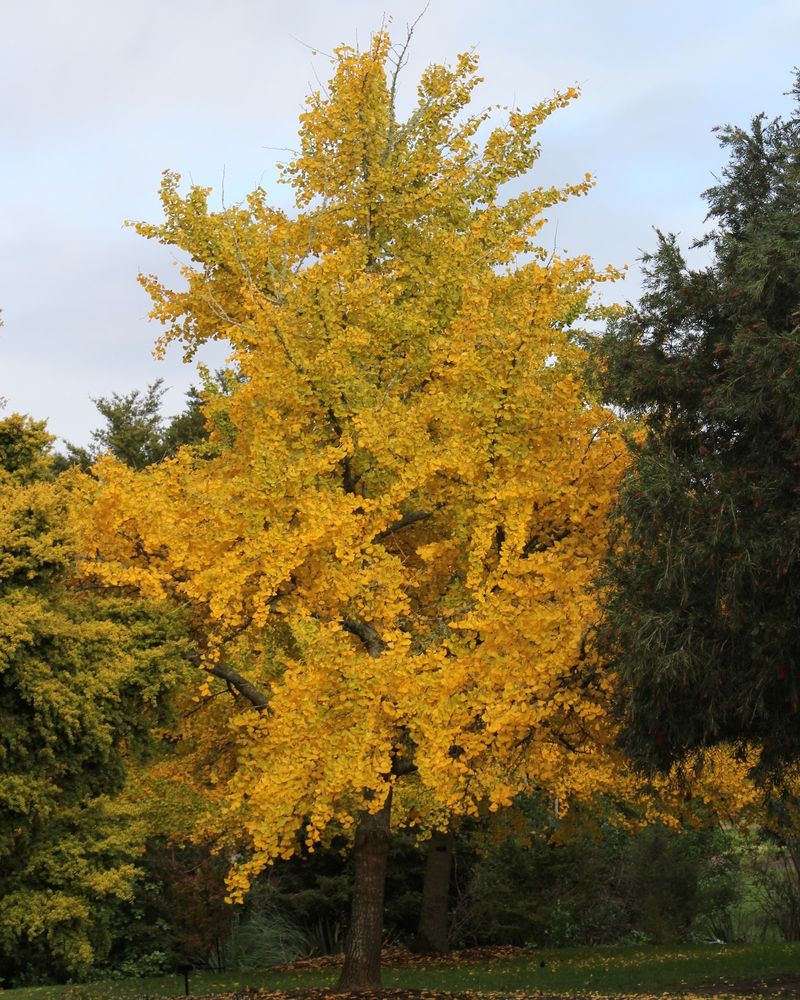
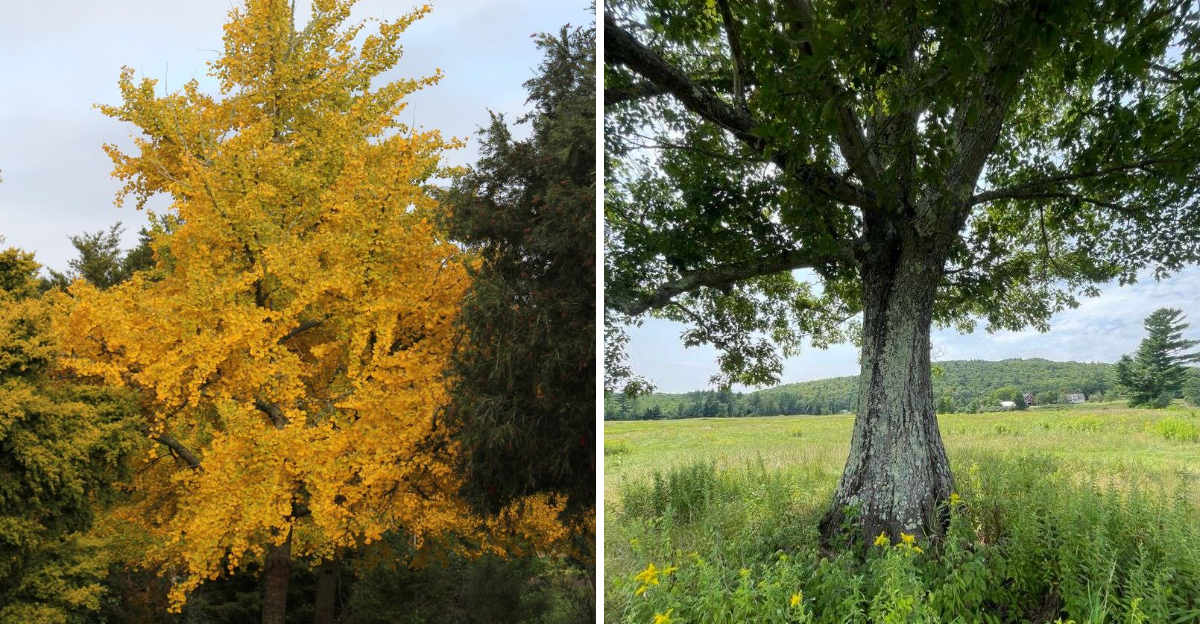
Meet a living fossil. The Ginkgo has been around for over 200 million years, which means it shared the planet with dinosaurs and still thrives today.
Its fan-shaped leaves are unlike anything else in your yard, and in fall they turn a jaw-dropping golden yellow. On a sunny autumn day, a Ginkgo practically glows.
Toughness is a big reason people love this tree. It shrugs off drought, pollution, pests, and poor soil, making it one of the most reliable choices for both city and country settings.
Plant it in a sunny spot in fall and give it steady water during the first year. After that, it grows slowly but steadily with very little care from you.
Here is an important shopping tip. Always buy a male Ginkgo.
Female trees drop fruit that smells truly awful, and nurseries sell named male varieties like Autumn Gold to help you avoid that stinky surprise.
Patience pays off with this one. Growth is on the slow side, but the payoff is a striking, long-lived tree that can thrive for centuries with almost no problems.
Another neat trait is how the leaves fall. Ginkgos often drop nearly all their golden leaves within a day or two, leaving a bright carpet that looks like fallen sunshine.
The tree resists insects and diseases so well that it barely needs any attention once settled. That easy nature makes it perfect for busy homeowners.
For a one-of-a-kind tree with ancient roots, stunning fall color, and rock-solid toughness, the Ginkgo is a standout choice for Pennsylvania.
7. Northern Red Oak
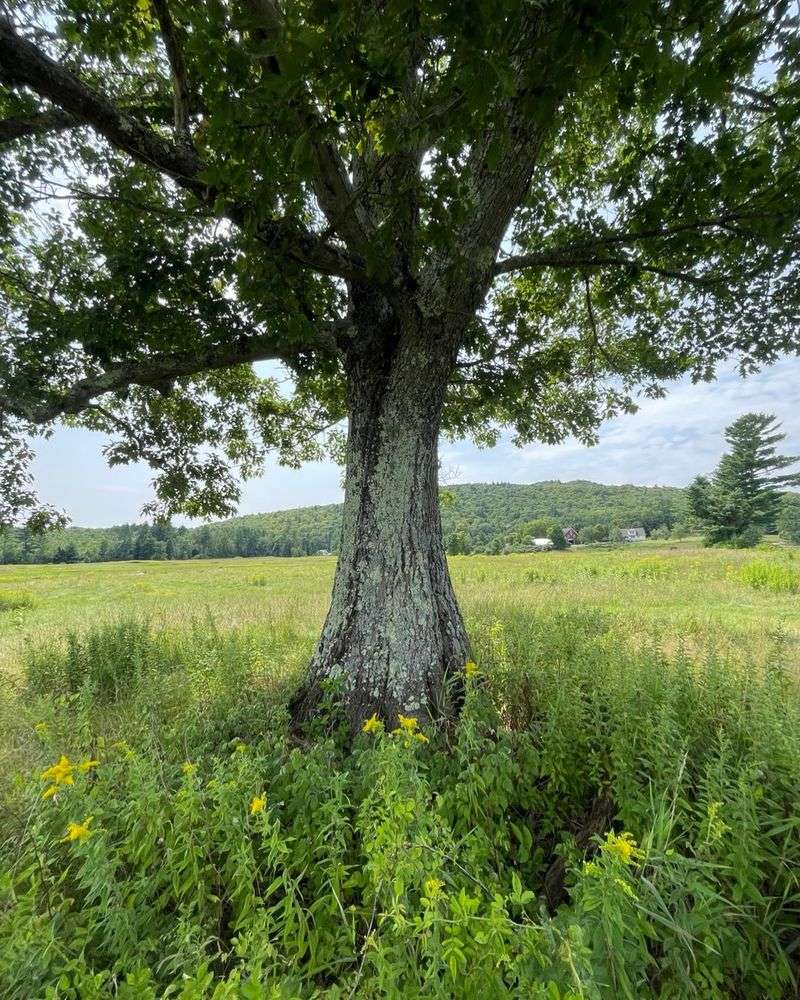
Grand and dependable, the Northern Red Oak is a classic Pennsylvania native and an important tree in the state’s forests.
This oak grows faster than many of its cousins, giving you shade sooner rather than later. It can reach 60 to 75 feet tall with a wide, rounded crown that covers a big area.
Drought is no match for its strong root system. Once the tree is established, it pulls water from deep in the soil and stays healthy through long dry stretches with little help.
Fall is the ideal time to plant one. Choose a sunny, open spot, water it well the first season, and watch it settle in before summer heat returns.
The autumn color is the real showstopper. Leaves turn rich shades of red and rusty brown, giving your yard a warm, cozy glow as the season winds down.
Wildlife counts on this tree too. The acorns feed deer, squirrels, turkeys, and jays, making it a busy hub of activity during fall and winter months.
Growth habits stay tidy and strong. The Northern Red Oak resists many common problems and handles wind and storms thanks to its solid branch structure.
Give it space to spread and it will reward you for decades. These oaks commonly live well past 150 years, becoming a lasting part of your landscape.
For a fast-growing, storm-tough shade tree with brilliant fall color and deep local roots, the Northern Red Oak is a proud and practical choice for any Pennsylvania homeowner.