This October Mistake Can Leave Georgia Pansies Struggling Before Winter
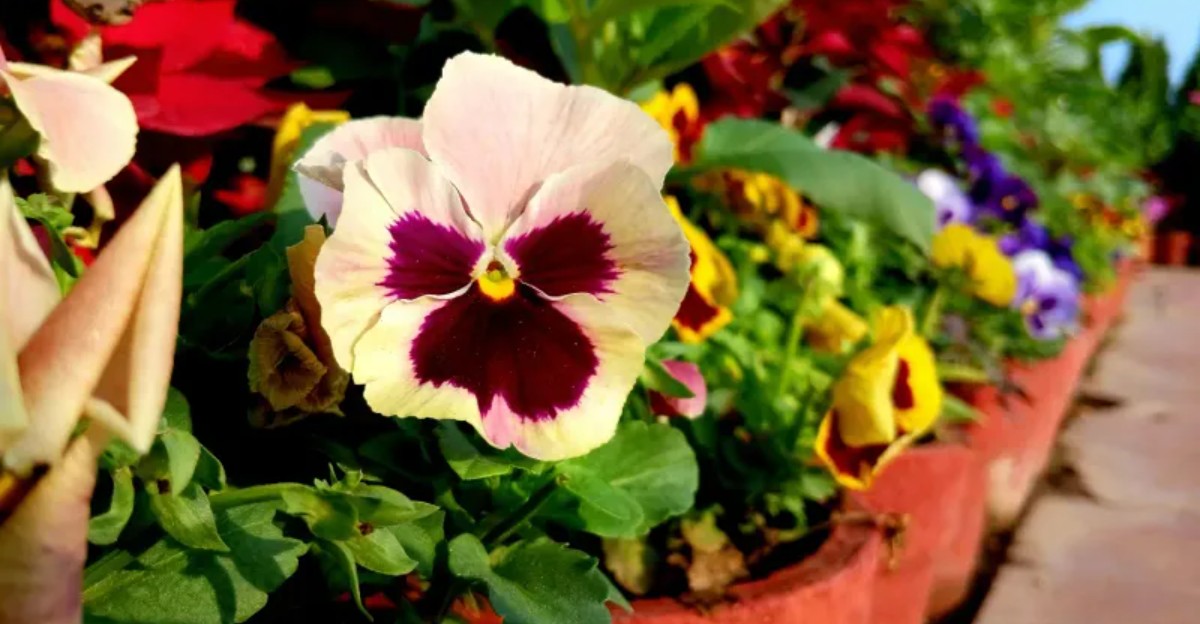
Pansies look tough enough to handle cool weather, which makes October planting seem hard to get wrong. Yet one common choice can leave them struggling before winter settles in.
The trouble often begins while the weather feels comfortable for working outside.
Warm soil and lingering afternoon heat can affect how newly planted pansies establish. Across Georgia, October conditions can change enough that timing deserves more attention than the calendar suggests.
That is why rushing the job can work against the colorful display you want later.
Give your pansies the right start, and they can head toward colder weeks with stronger roots. The important part is knowing which October mistake can interfere with that process.
Catch it before planting, and your flower beds will have a better chance of staying colorful.
1. October Does Not Mean Every Pansy Is Ready For Planting
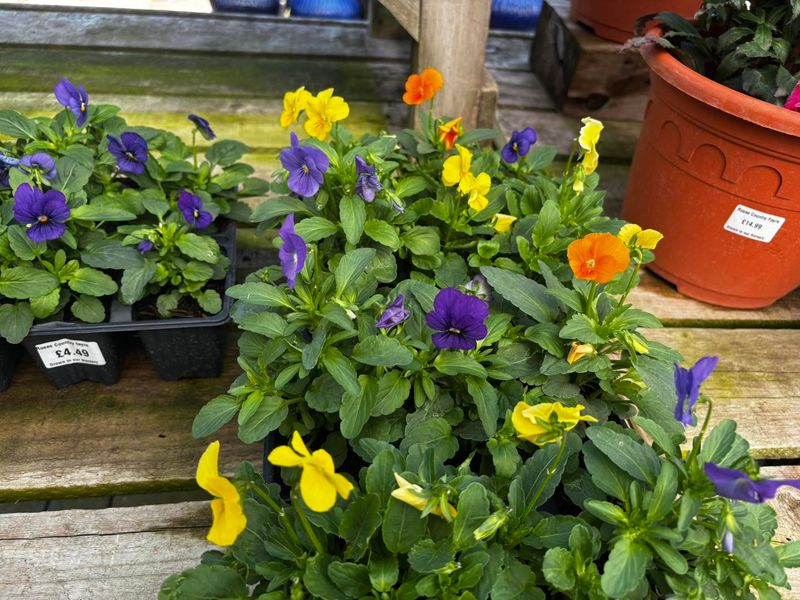
Store shelves fill up long before the weather cooperates. Retailers stock pansies on a schedule built around shopping habits, not around soil conditions in your backyard.
Early October in Georgia can still bring afternoon highs in the mid-80s. Those days feel pleasant to us, but they push young pansies harder than most gardeners realize.
A plant sitting in a nursery flat is not the same as a plant settled into a warm bed.
Nursery stock usually spends its early life under shade cloth with steady irrigation. Moving straight from that setup into full afternoon sun can stress the roots quickly.
Check the actual forecast instead of the calendar page.
If daytime temperatures are still running well above the mid-70s for a week straight, holding off usually makes sense. You can keep the flats in a shady spot and water them lightly until conditions ease.
Buying early is fine, though. Selection tends to be best in the first couple of weeks, and colors sell out fast.
Just separate the shopping trip from the planting day.
Keep purchased plants out of standing water while they wait, since soggy flats invite root problems. A quick morning watering is usually enough during that holding period.
Waiting a week or two rarely costs you blooms, and it often saves you from replacing plants later.
2. Planting Too Early Can Leave Pansies Weak And Stretched
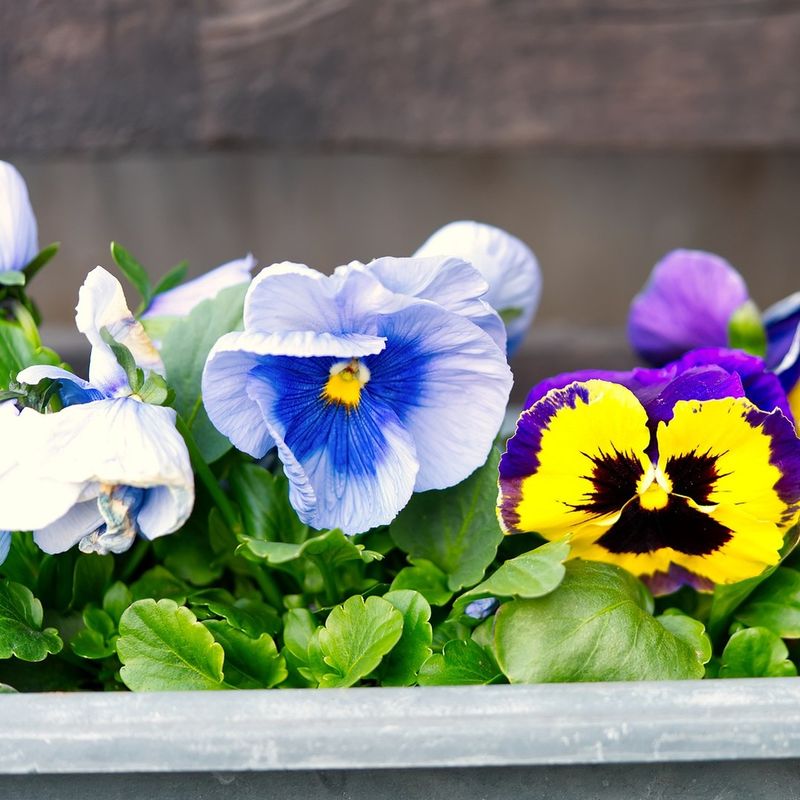
Leggy pansies are a warm-weather problem, not a light problem. Heat pushes stem growth faster than the plant can thicken those stems, and the result is floppy, gangly foliage.
Instead of compact mounds, you end up with plants that lean sideways after the first heavy rain.
Warm nights are the bigger culprit. When temperatures stay above the upper 60s after dark, pansies keep growing at a pace their root systems cannot support.
Flowers may still appear, which fools people into thinking everything is fine.
Blooms on a stretched plant tend to sit on thin stalks and fade quickly. The display looks thin rather than full.
Pinching back leggy growth can help somewhat, and removing the longest stems encourages branching lower down. It will not fully undo heat stress, though.
Your Georgia Garden Changes Every Week. Your Plan Should Too.
Gardening in Georgia changes quickly throughout the season. Every Friday you’ll receive a simple weekly plan showing exactly what to plant, prune, fertilize, harvest, and protect so you never miss the right timing.
Fertilizer makes it worse if applied during that warm stretch.
Feeding a plant that is already growing too fast simply adds more soft tissue. Wait until the weather cools before starting a regular feeding routine.
Gardeners across Georgia often notice the difference clearly when they plant half a bed in early October and the other half three weeks later. The later group usually stays tighter and holds up better through winter.
Compact growth going into December generally means more flowers when the weather turns mild again.
3. Warm Soil Makes It Harder For Pansies To Settle In
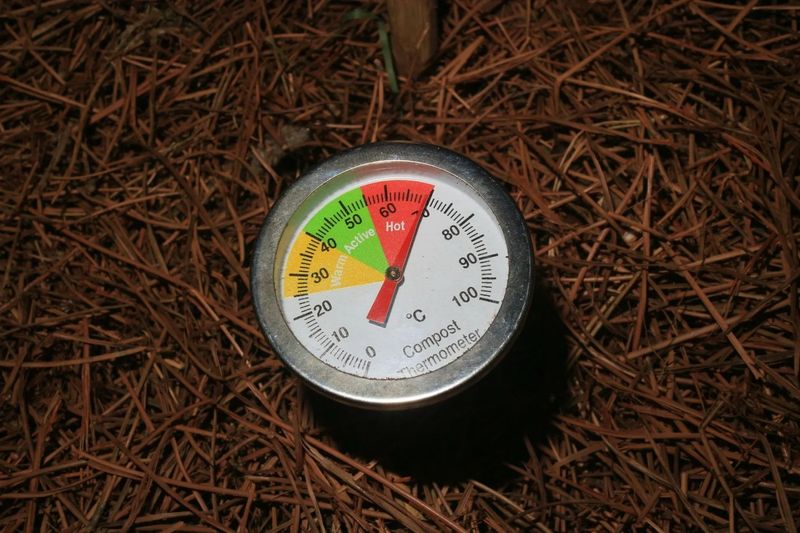
Soil holds heat stubbornly. Air can cool off after a front passes, yet the top few inches of a sunny bed may stay warm for another week or more.
That lag catches a lot of gardeners off guard in fall.
Pansy roots prefer soil somewhere in the 45 to 65 degree range for steady establishment. Above that, root growth slows while the top of the plant keeps pushing.
An inexpensive soil thermometer removes the guesswork entirely.
Push it about three inches down in the middle of the afternoon, since that gives you the warmest honest reading. Take it in the same spot for a few days to spot the trend.
Beds against brick walls or near driveways run hotter than open lawn areas. Those spots may need an extra week or two of waiting.
Mulch helps once plants are in the ground.
A thin layer of pine straw, roughly an inch, moderates soil temperature swings without smothering the crowns. Pile it too thick and you trap moisture around the stems.
Warm soil also encourages certain root rot organisms that thrive in heat and moisture together. Cooling conditions reduce that pressure noticeably.
Across the warmer parts of Georgia, patience with soil temperature usually separates beds that thrive from beds that limp along until spring.
4. The Right Planting Window Changes Across Georgia
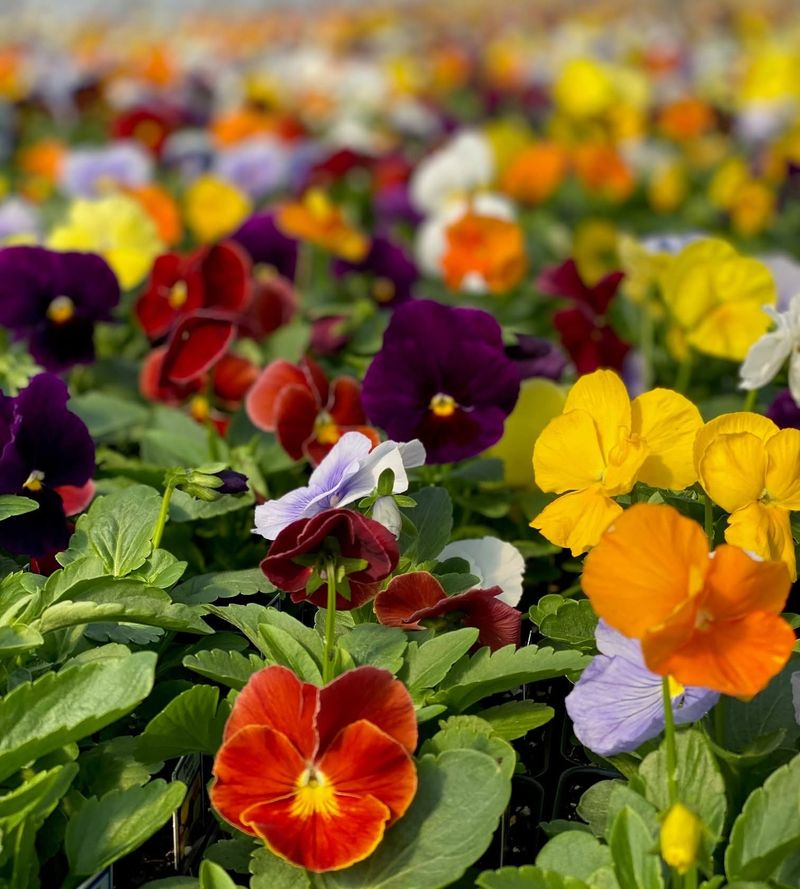
One planting date does not fit the whole state. Elevation and distance from the coast create real differences in when pansies settle in comfortably.
North Georgia mountain counties cool off first, sometimes by late September or the opening days of October.
Gardeners around Atlanta and the Piedmont generally do well from mid to late October. Soil in that region tends to stay warm through the first couple of weeks.
Farther south, the window shifts later.
Areas near Macon, Albany, and Savannah often see better results from late October into November. Planting there in early October frequently produces stretched, tired plants.
Frost dates offer a rough guide but not the whole picture, since soil cooling matters more for pansies than the first light freeze.
Aim to plant about four to six weeks before your area’s first expected frost.
That gives roots time to spread while soil still has some warmth left in it. Cutting it much closer can leave plants poorly anchored.
Microclimates within a single yard also shift things. A north-facing bed cools faster than a south-facing slope, and both may need slightly different timing.
Local extension offices publish regional planting guidance, which is worth checking if you have recently moved to a new part of the state.
Keep notes each year, because your own yard becomes the most reliable reference over time.
5. Healthy Roots Matter Before Colder Weather Arrives
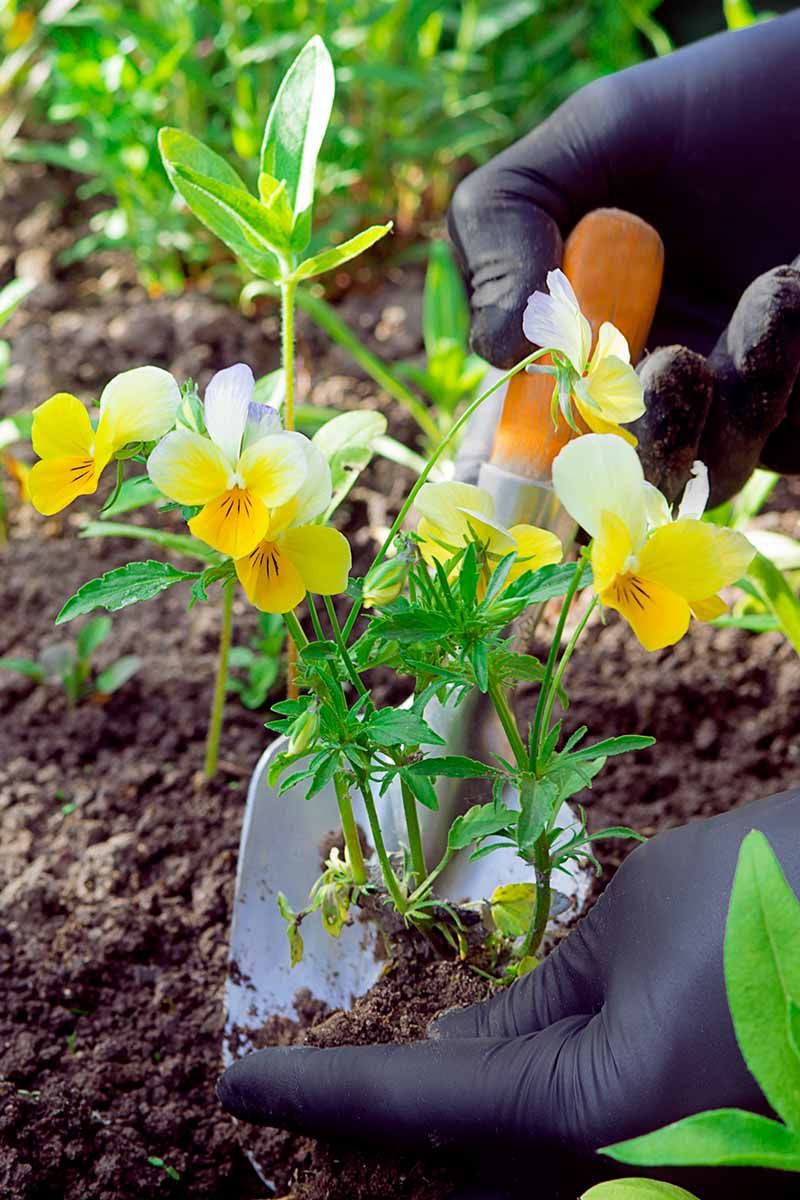
Roots do the winter work. Foliage may look impressive in November, but what happens underground decides how well pansies hold up in January.
Plants need several weeks of decent root growth before soil temperatures drop into the low 40s.
Loosening the root ball slightly at planting helps. Cell-pack pansies often come out with roots circling the bottom, and gently teasing those apart encourages outward growth.
Plant at the same depth as the container, no deeper.
Burying the crown invites rot, especially during wet spells. The soil line should sit right where it was in the pot.
Water thoroughly the first time to settle the soil around the roots, then taper to deep, less frequent watering.
Shallow daily sprinkling keeps roots near the surface where cold hits hardest.
Once nights turn cool, a fertilizer with nitrate nitrogen supports growth better than ammonium forms, since pansies take up nitrate more readily in cold soil. Many products sold for winter annuals in Georgia are formulated with that in mind.
Spacing matters too. Six to eight inches between plants gives roots room without leaving bare gaps in the bed.
Well-rooted pansies bounce back from hard freezes surprisingly fast, often perking up within a day once temperatures rise.
Rushed planting skips that establishment period and shows up later as sparse, uneven blooming.
6. Good Drainage Helps Protect Pansies During Wet Fall Weather
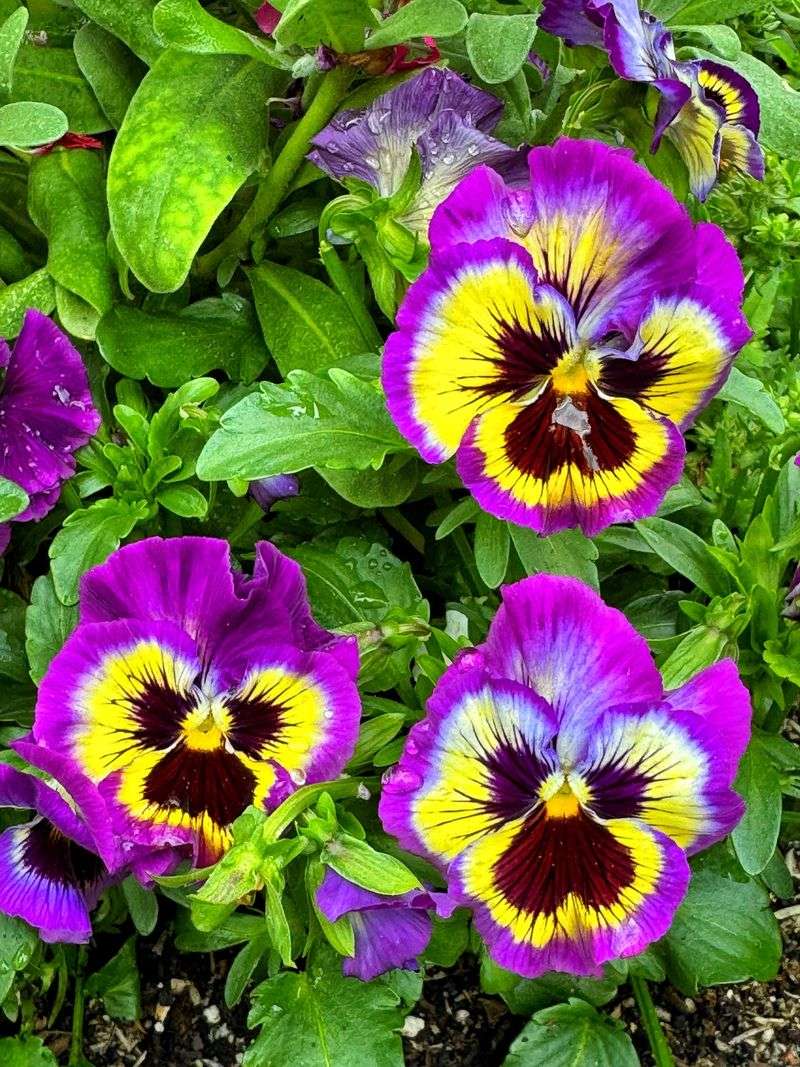
Soggy soil causes more pansy trouble than cold ever does. Fall rain in the Southeast can arrive in heavy stretches, and clay beds hold that water far too long.
Roots sitting in saturated soil cannot take in oxygen, which weakens the whole plant.
Raising beds a few inches makes a noticeable difference. Even four to six inches of extra height moves water away from the crown zone.
Compost worked into heavy clay improves structure over time.
Two or three inches tilled into the top six to eight inches of soil helps water move through rather than pool. Skip the habit of digging a small hole and filling it with potting mix, since that creates a bathtub effect.
Watch where water collects after a storm.
Low spots that stay muddy for hours are poor pansy locations, no matter how good the light is there. Container plantings work well in those areas instead.
Containers need drainage holes that actually drain, and saucers left full of water defeat the purpose entirely.
Red clay soils common through much of Georgia respond well to organic matter added year after year rather than all at once.
Pine bark fines are another useful amendment, and they break down slower than compost.
Good drainage also reduces the fungal pressure that shows up during mild, damp winter weeks.
7. Waiting For Cooler Conditions Gives Pansies A Better Start
Patience is the cheapest garden tool available. Holding off two or three weeks costs nothing and often produces plants that look better for months.
Cooler air and cooler soil together let pansies build sturdy growth instead of soft, stretched stems.
Watch for a pattern rather than a single cool morning. Several consecutive days with highs in the low 70s and nights in the 50s signal a good window.
Passing cold fronts that reverse within two days are not reliable indicators.
Plants set out during genuinely cool weather tend to stay compact, flower more evenly, and recover faster after freezes.
Late plantings still perform well, and pansies installed in early November across much of the state often catch up quickly.
They may bloom a little later at first, though the trade-off is usually worth it.
Deadheading spent flowers keeps energy going into new buds rather than seed production. A quick pass every week or so is plenty.
Light feeding through mild winter stretches supports steady blooming, since growth slows but does not stop in Georgia’s climate.
Expect a lull during the coldest weeks, which is normal and not a sign of failure.
Come February and March, well-timed pansies typically put on their strongest show, and that is when the earlier wait pays off most clearly.