What Georgia Gardeners Should Know Before Planting Tulip Bulbs This Fall
Tulips can tempt you to start planting as soon as bulbs appear in garden centers each fall. In Georgia, however, successful spring flowers require careful planning.
The challenge begins with the warmer winters that separate this region from colder tulip country.
Many tulips need a longer cold period than local conditions reliably provide. That means the preparation before planting can matter just as much as choosing bulbs.
Your planting date deserves attention too, because rushing them into warm soil can work against you.
Give the bulbs the conditions they need first, then place them where spring growth has a strong chance. Tulips can be worth the extra planning when you understand their seasonal needs.
Get those details right this fall, and the spring display can reward your patience beautifully.
1. Tulips Need A Cold Period Before Their Spring Flowers Appear
Cold is the trigger. Without weeks of chilly soil, a tulip bulb may push up foliage in spring and skip the flower entirely.
Tulips carry a flower bud inside them already. Cold temperatures signal that bud to finish developing, and warm soil delays the whole process.
Most tulip types want roughly 12 to 14 weeks of temperatures near 40 to 45 degrees. In parts of Georgia, winter alone may not reliably deliver that stretch, especially in the southern half of the state.
That gap is why some gardeners pre-chill bulbs in a refrigerator for six to ten weeks before planting. Keep them away from ripening fruit, since ethylene gas can damage the bud inside.
Bulbs bought from Southern garden centers are sometimes pre-cooled already. Check the label or ask, because chilling twice is unnecessary.
North Georgia mountain gardens usually get closer to natural chilling, so extra refrigeration matters less there.
Mulching the bed with two inches of pine straw after planting helps keep soil temperatures steadier through warm winter spells.
Results still vary with the season. A stretch of unusually warm January weather can shorten flower stems or make blooms open faster than you expected.
Species tulips and Darwin hybrids tend to handle warmer winters better than fussy display types, which is worth remembering at the store.
2. Planting Time Can Shift With Local Fall Temperatures
September planting is a common mistake here. Soil stays too warm, and bulbs sitting in warm ground are more likely to rot before roots form.
Wait until soil settles around 55 degrees at a six-inch depth. A cheap soil thermometer takes the guesswork out of it.
Across much of Georgia, that usually lands somewhere between mid-November and mid-December, though the calendar shifts year to year.
Piedmont and mountain gardens often cool off two or three weeks earlier than coastal areas. Neighbors just an hour away may plant on a different schedule entirely.
Nighttime lows are a decent clue when you have no thermometer. Once evenings hold steadily in the 40s, conditions are usually workable.
Late planting is generally safer than early planting in warm regions.
Bulbs can go in through December and even early January if the ground has not frozen, which is rare in most of the state.
Your Georgia Garden Changes Every Week. Your Plan Should Too.
Gardening in Georgia changes quickly throughout the season. Every Friday you’ll receive a simple weekly plan showing exactly what to plant, prune, fertilize, harvest, and protect so you never miss the right timing.
Store bulbs somewhere cool and dry while you wait. A garage shelf works, but a refrigerator crisper drawer is better if you are also chilling them.
Skip the temptation to plant during a random warm spell in October. One cool week does not mean the soil has cooled through.
Watch the forecast, dig when the weather turns, and the bulbs will settle in fine.
3. Firm Healthy Bulbs Give You A Better Start
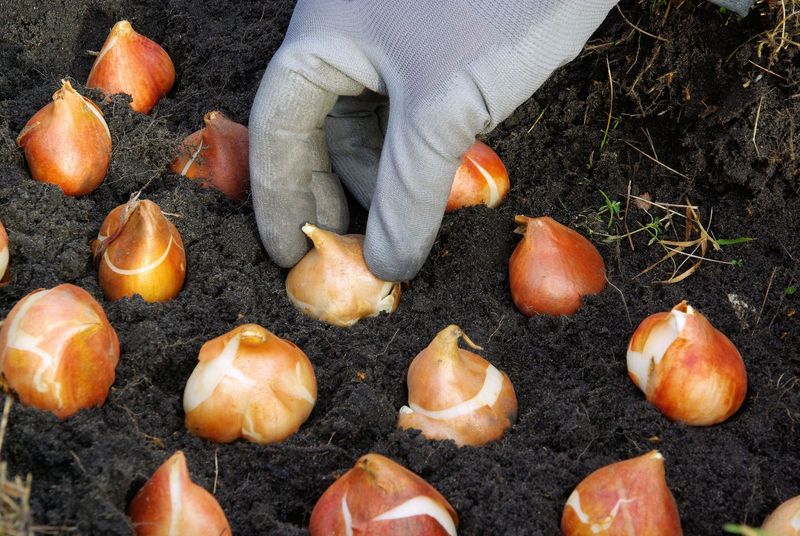
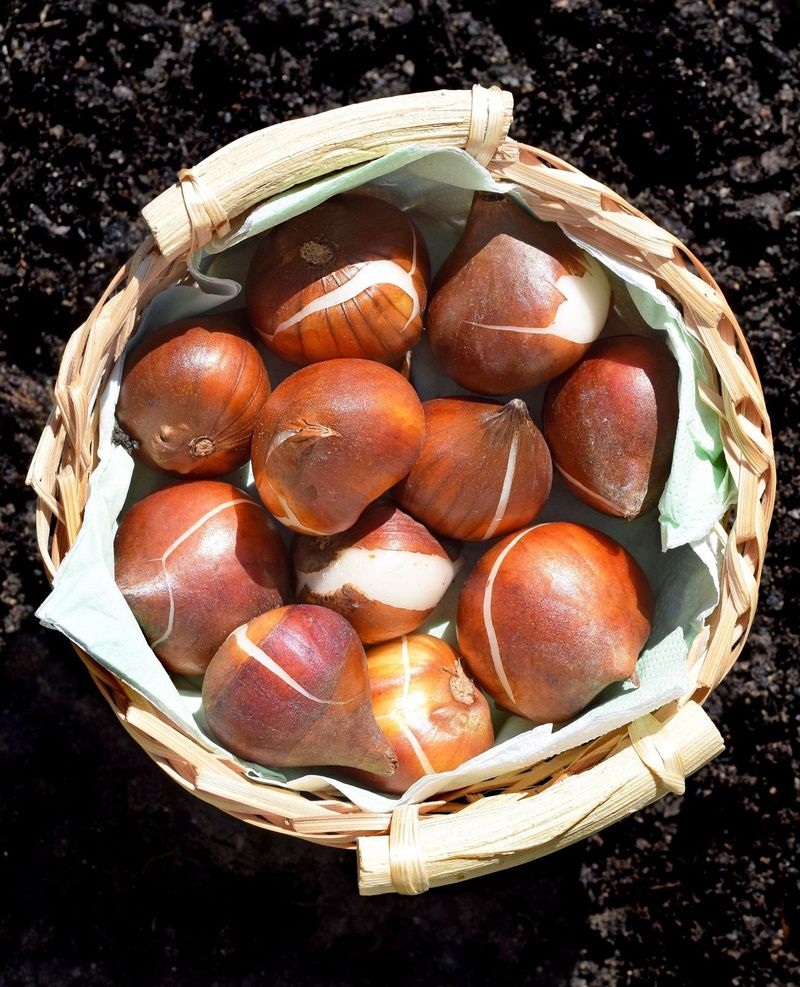
Squeeze before you buy. A good tulip bulb feels firm and heavy, like a small onion straight from the pantry.
Soft spots, mushy bases, or blue-green mold are reasons to put a bulb back in the bin.
Size matters more than most people realize. Bigger bulbs store more energy, and that usually translates into taller stems and fuller flowers the first spring.
Bulb size is often listed in centimeters on packaging, and 12 centimeters or larger is a solid choice for garden beds.
Missing papery skin is not a problem. A little flaking happens during shipping and does not hurt performance.
Skip anything already sprouting a long pale shoot, since that growth came at the cost of stored energy.
Buying early gives you the best selection, but storage conditions afterward matter just as much. Warm garages and sealed plastic bags encourage mold.
Mesh bags or open paper sacks in a cool room work well while you wait for planting weather in Georgia.
Clearance bulbs in late December can still be worth grabbing if they feel solid. Check them carefully, because bulbs left in warm retail displays often dry out.
Honest expectations help too. Even excellent bulbs perform differently depending on soil, drainage, and the weather that particular spring.
4. Choose A Sunny Spot Where Water Drains Away Easily
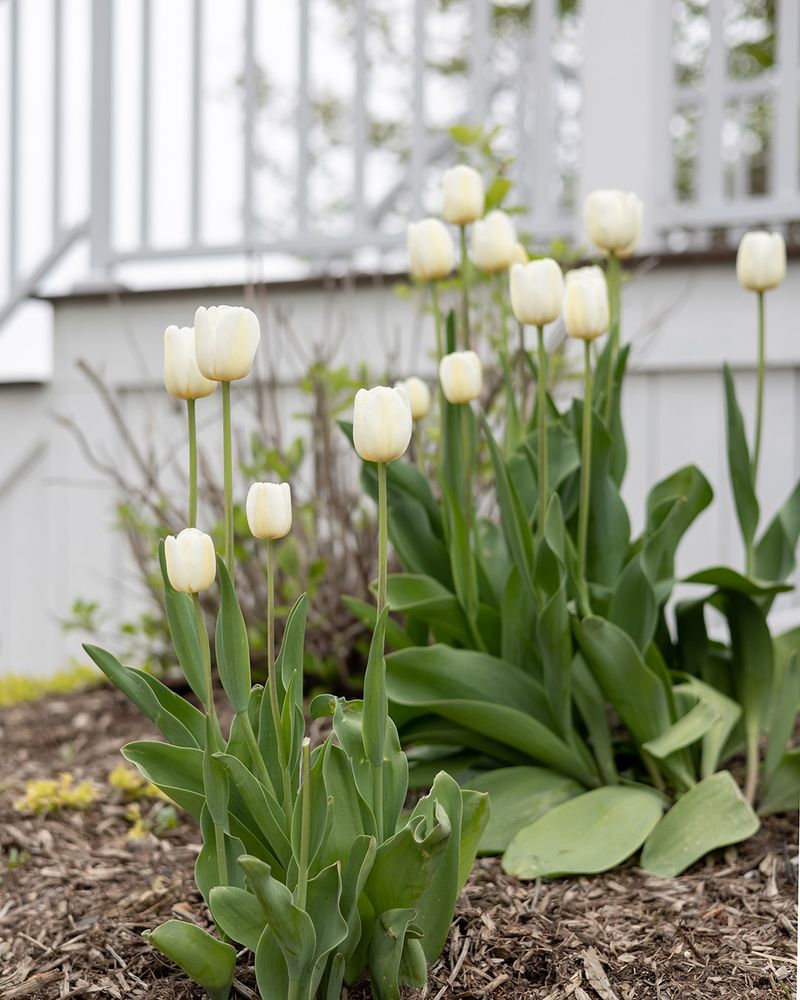
Soggy soil is the biggest threat to tulips in the South. Bulbs sitting in wet clay through a rainy winter rarely make it to spring in good shape.
Red clay holds water stubbornly, and much of the state has plenty of it.
Pick a spot that gets at least six hours of direct sun. Morning sun with light afternoon shade also works and can help blooms last a bit longer.
Avoid low areas where puddles linger after storms. If water stands for hours, look elsewhere or build the bed up.
Raised beds solve drainage problems faster than anything else. Even four inches of extra height makes a noticeable difference.
Mixing compost or pine bark fines into heavy clay improves structure over time.
Steer clear of spots under downspouts or beside irrigated lawns, since tulips prefer drier soil once they go dormant in summer.
Sloped beds are a quiet advantage in north Georgia yards, where hillsides shed water naturally.
Tree roots compete hard for moisture and nutrients, so keep beds away from large maples and oaks when possible.
Drainage cannot be judged from the surface alone. Dig a small test hole, fill it with water, and see how long it takes to empty.
5. Planting Depth Depends On The Size Of Your Bulbs
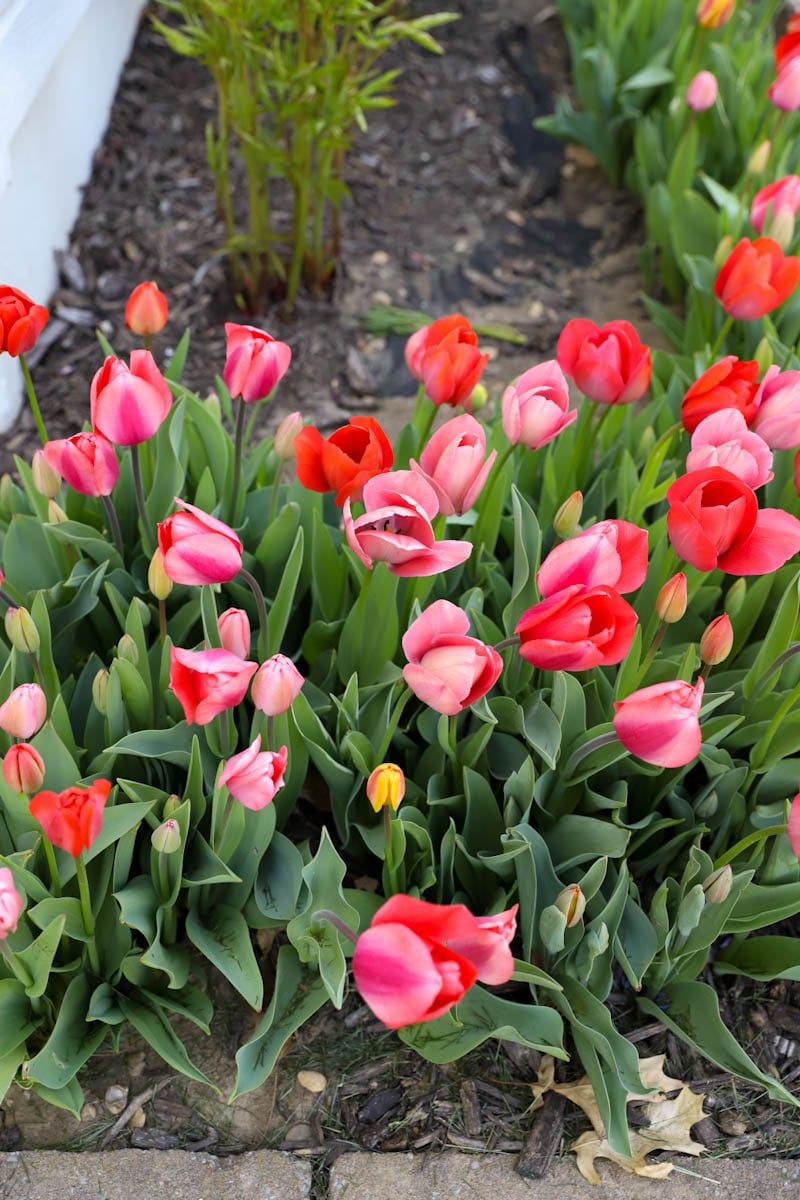
Depth is not one number. Bigger bulbs go deeper, smaller ones stay shallower, and guessing usually leads to floppy stems.
A reliable rule is to plant each bulb about three times its own height.
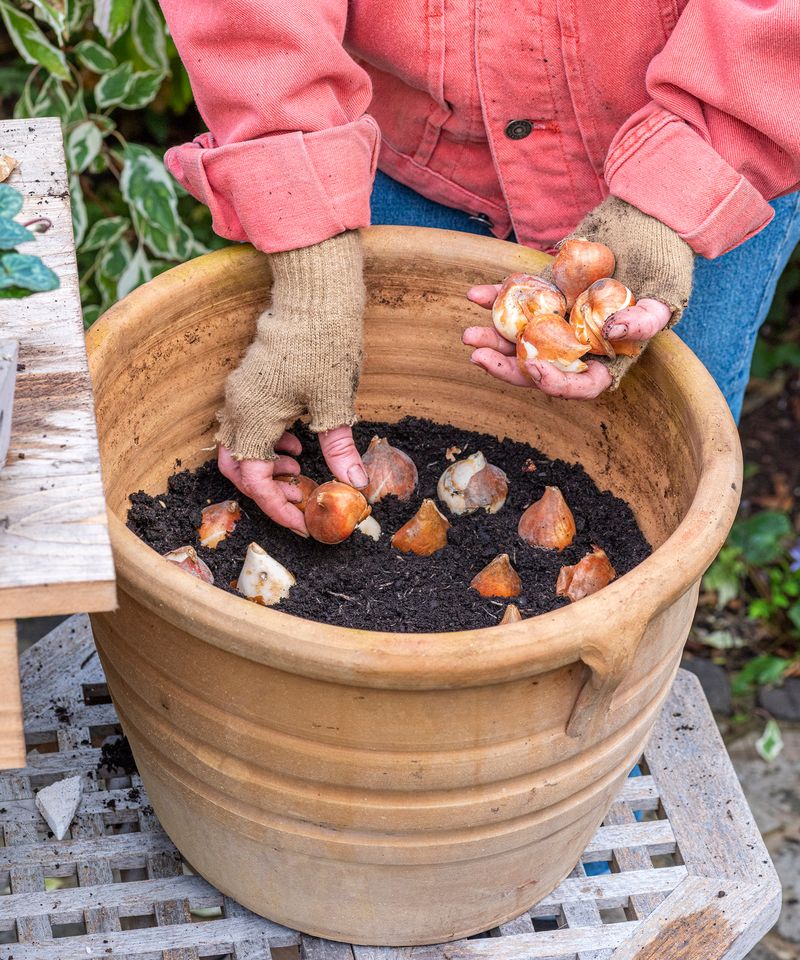
Standard large tulips land around six to eight inches deep, measured from the base of the bulb to the soil surface.
Deeper planting offers real benefits in warm climates. Soil temperatures stay cooler and steadier a few inches down, which suits tulips well.
Point the tapered end up and the flat, rooty end down.
Space bulbs four to six inches apart for a full look without crowding. Tight clumps compete for water and can encourage disease.
Digging one wide trench is faster than making dozens of individual holes, and spacing comes out more even.
Water once after planting to settle the soil, then leave the bed alone unless fall turns unusually dry.
Squirrels and chipmunks dig up freshly planted bulbs in many Georgia neighborhoods, so a layer of chicken wire under the mulch can help.
Bone meal is optional and sometimes attracts digging animals. A balanced bulb fertilizer worked into the soil below the bulbs is a simpler choice.
Mark the spot with a plant tag, because bare soil looks identical in February.
6. Tulips May Not Return As Strongly The Following Year
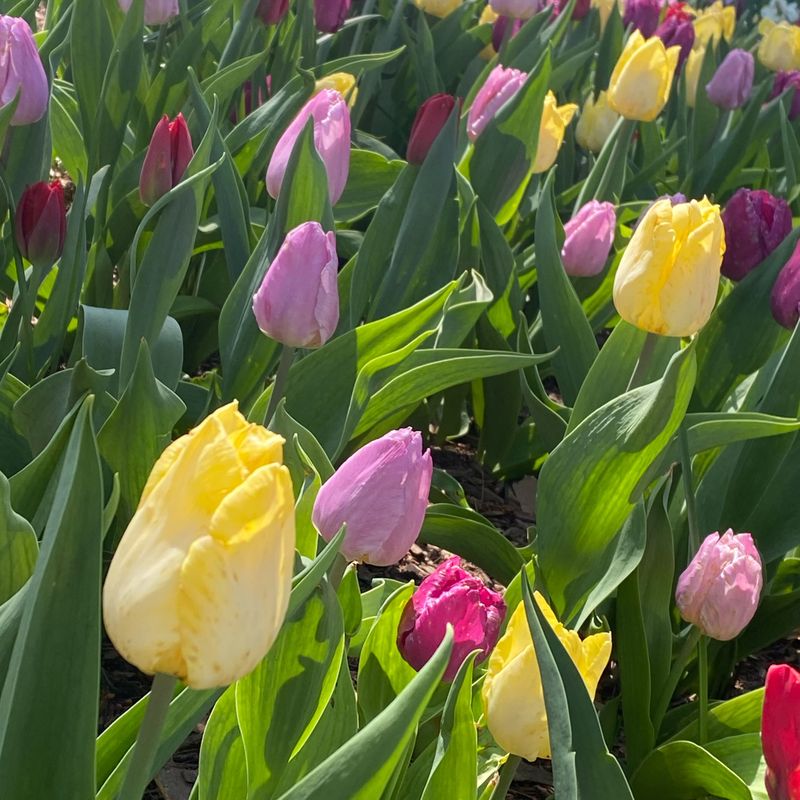
Year two is often a letdown. Foliage comes back, flowers shrink, and some bulbs skip blooming altogether.
Tulips evolved in regions with cold winters and dry summers, which is close to the opposite of Southern weather.
Warm, humid summers push bulbs to break down instead of resting properly underground. Wet soil during dormancy adds to the problem.
Insufficient winter chilling plays a role too. Without enough cold, the bulb cannot build a strong flower bud for the next season.
Hybrid tulips bred for big first-year blooms tend to fade fastest.
Some types hold on better than others. Species tulips, Darwin hybrids, and certain Triumph varieties occasionally return for a few springs in Georgia gardens.
Letting foliage yellow naturally after blooming gives bulbs their best chance at storing energy. Cutting leaves early works against you.
Results vary widely from yard to yard, and drainage seems to matter as much as variety.
Gardeners in cooler mountain counties usually report better repeat blooming than those closer to the coast.
There is no reliable trick that turns tulips into dependable perennials in warm zones.
Knowing that ahead of time changes how you shop and how much you spend. Plan for a strong first spring rather than counting on many.
7. Treating Tulips As Annuals Can Give More Reliable Spring Color
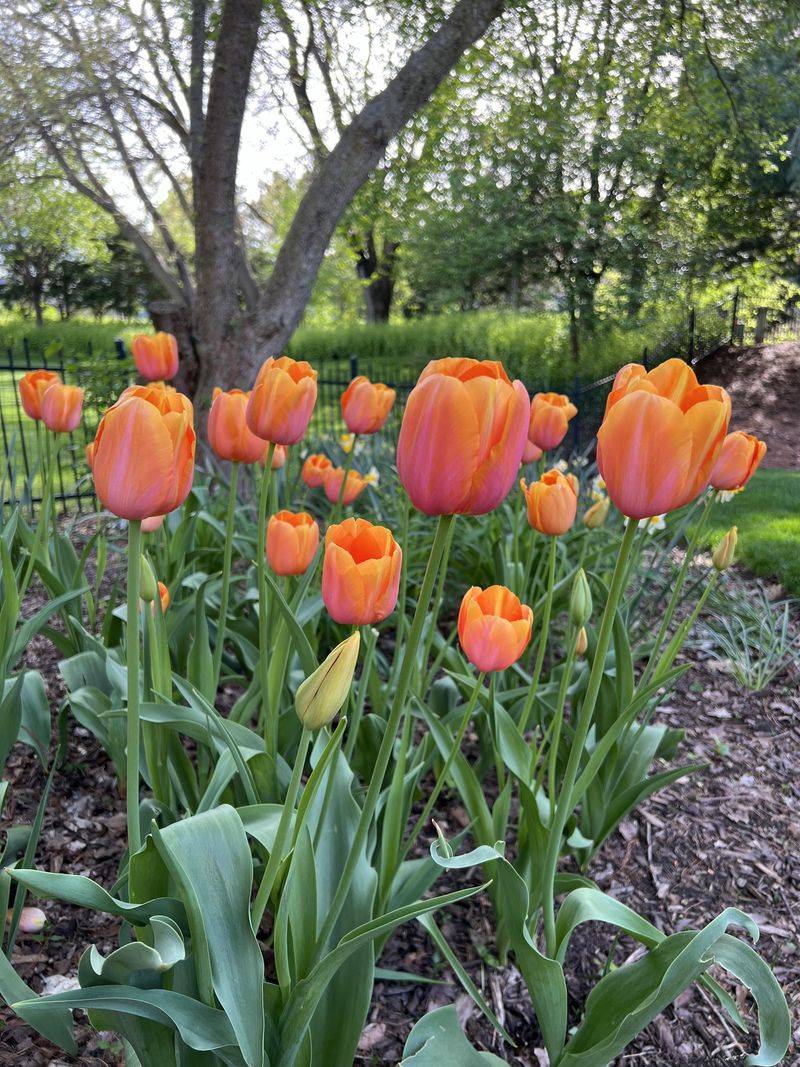
Plenty of Southern gardeners plant tulips fresh every fall and never look back. Consistent color beats waiting on unreliable returns.
Treating them as annuals sounds wasteful, but it removes most of the frustration.
Buying in bulk brings the cost down considerably. Fifty or a hundred bulbs of one color make a stronger display than a scattered mix.
After blooms fade, dig the bulbs and free the space for summer annuals like zinnias or lantana.
Containers work beautifully with this approach. Pots can be moved into shade, chilled more easily, and emptied without disturbing a bed.
Layering tulips over pansies or violas in the same bed stretches the season and hides bare soil while you wait.
Public gardens across Georgia use this method every year, which is why their spring displays look so even and full.
Some gardeners still keep a small experimental patch to see which varieties hang on. Both approaches can share the same yard.
Order early for the best variety selection, then hold the bulbs cool until planting weather arrives.
Mixing in daffodils gives you something dependable alongside the tulips, since daffodils naturalize well in much of the region.
Spring color is the goal, and planting fresh bulbs is the most predictable way to get it.