Pinch Your Arizona Fig Tree This Way For A Cautious Summer Tip Removal
Backyard fig trees in Phoenix and Tucson can push out a lot of leafy growth during the summer, and some growers wonder whether a quick tip removal might nudge the tree toward heavier fruiting. A limited pinch, done carefully on a few selected shoots, is worth knowing about, but it is not a guaranteed path to a bigger harvest.
Arizona heat, drought stress, and your tree’s current condition all play a bigger role in the outcome than any single pruning move.
Treat the pinch as an option, not a harvest guarantee
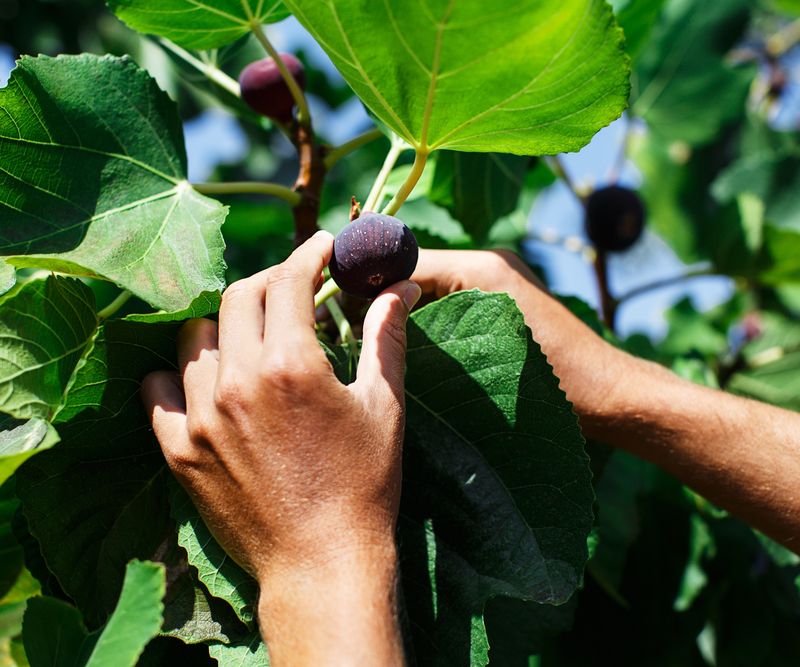
Figs are forgiving trees that produce fruit without any special pruning at all. University of Arizona Cooperative Extension guidance makes clear that figs generally need little pruning, and the main reasons to prune are managing tree size, improving access, maintaining canopy structure, and removing damaged wood.
A limited tip pinch is a small operation layered on top of that foundation, not a replacement for it.
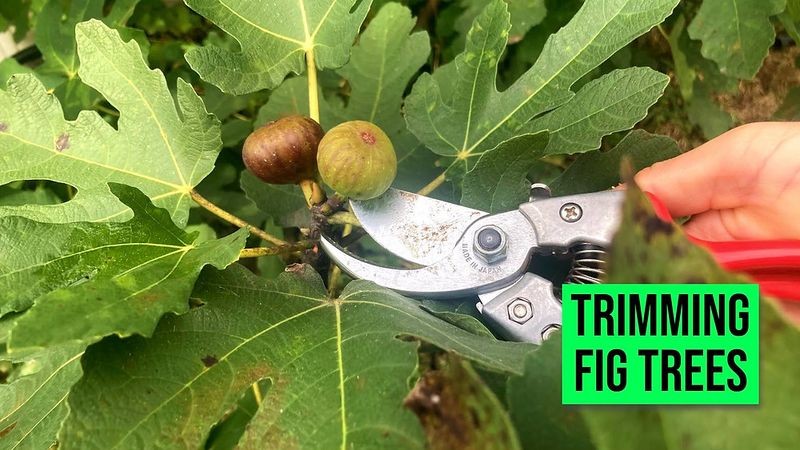
What the pinch involves is simple: you remove only the soft terminal growing tip from a young, vigorous shoot. That is a reasonable description of what may happen, but it is not a promise of a larger harvest.
For Arizona growers, the honest framing is that a selective tip pinch is an optional, low-intensity experiment on a few shoots. It is not heavy summer pruning, it does not force the tree to redirect all of its resources into fruit, and it does not substitute for adequate irrigation or the structural pruning that belongs in a different season.
Approach it as one small tool among many, and keep your expectations proportional to the size of the cut.
Make one small cut on a suitable shoot
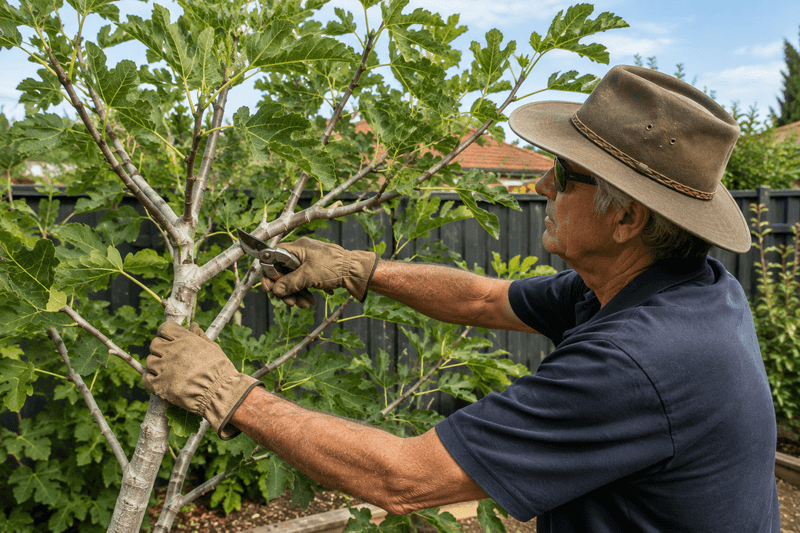
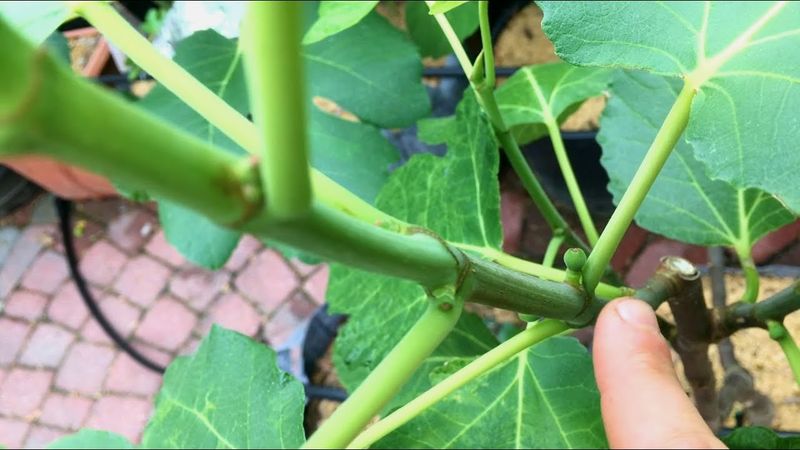
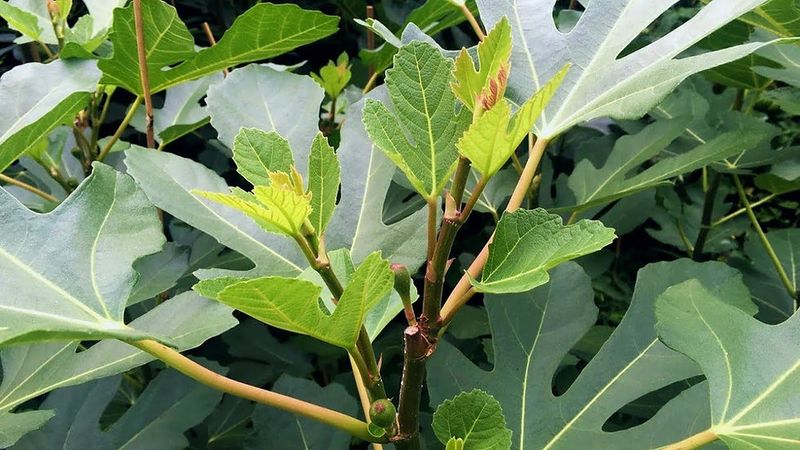
Selecting the right shoot matters more than the timing on the calendar. Look for a young, actively growing shoot that is still soft and pliable at the tip, not a woody branch or a mature stem carrying fruit.
The shoot should have developed approximately five to six leaves before you touch it.
Once you have found a suitable candidate, pinch or snip off only the very tip of the shoot, the soft, tender portion at the end that is still unfurling. UC Marin Master Gardener guidance places this operation while new limbs are actively growing and before midsummer, but that calendar window is a general recommendation from California trials, not an Arizona-specific rule.
Current tree health and weather conditions in your yard should carry more weight than any fixed date.
Keep the cut small and deliberate. Do not remove mature leafy growth, do not cut back into older woody tissue, and do not work your way through every shoot on the tree.
Select only a few of the most vigorous tips, make a clean removal, and stop. The goal is a minor adjustment to a handful of shoots, not a canopy overhaul.
If a shoot already shows a developing fig near its base, leave that shoot alone entirely so you do not risk removing potential fruit.
Your Arizona Garden Changes Every Week. Your Plan Should Too.
Gardening in Arizona changes quickly throughout the season. Every Friday you’ll receive a simple weekly plan showing exactly what to plant, prune, fertilize, harvest, and protect so you never miss the right timing.
Let weather and tree condition decide the timing
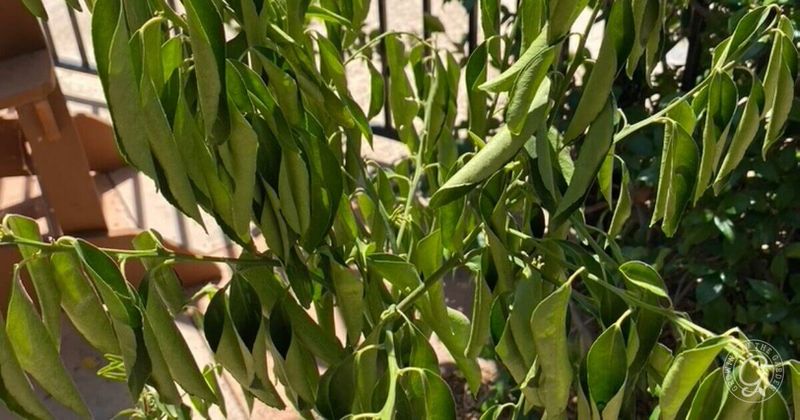
Before picking up any tool, take a close look at the tree and check the forecast. A fig showing wilted or curling leaves, dry soil at the root zone, or sunburned bark is already under stress, and adding any pruning to that situation will make things worse, not better.
A heat wave in Phoenix or Tucson is a hard stop. Temperatures consistently above 110 degrees Fahrenheit push even a healthy fig to its limits, and a small canopy wound during that stretch adds unnecessary risk.
Wait for a stretch of milder summer days, ideally before the worst of July and August heat locks in, and confirm that the soil is adequately moist before you make any cut.
Deep, thorough irrigation through the full active root zone is what supports fruit size and production during summer. University of Arizona fig guidance recommends watering deeply rather than relying on shallow, frequent wetting, with the interval adjusted for soil type, tree size, and seasonal heat.
Adequate water is a prerequisite for any summer tip work, but providing it does not make the tree immune to heat stress or prove that pinching conserves water. The UC timing suggestion of before midsummer is a useful reference point, but Arizona conditions must override a calendar rule whenever the tree or weather says otherwise.
Protect shoots that may carry the later crop
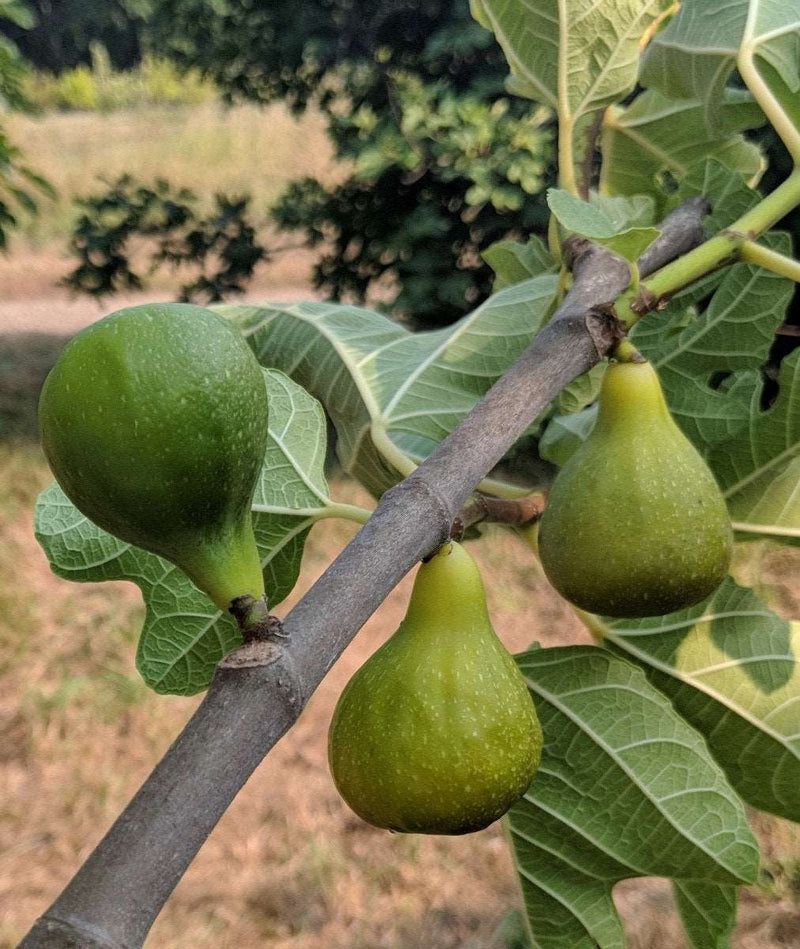
Arizona fig trees in the low desert can carry two distinct fruiting opportunities across the season. An early crop may develop on older wood from the previous year, while a second crop can form on the current season’s new growth.
Removing too much of that new growth before the second crop sets reduces the number of shoots available to carry fruit and can delay or shrink what would have been a productive later flush.
Selective pinching on a few vigorous tips is a very different operation from pinching every shoot or stripping back new growth broadly. The practical rule is to pinch only the shoots that are clearly running long and vegetative, and to leave alone any shoot that already shows a developing fig or that appears positioned to set fruit.
Cultivar habits add another layer to this decision. Brown Turkey and Black Mission both perform reasonably well in the low desert, but their fruiting patterns on new versus older wood differ, and a pinch that suits one cultivar may not suit another.
If you are unsure how your specific tree fruits, observe it through one full season before experimenting with tip removal on the shoots that produce your main crop.
Interpret harvest results with realistic expectations
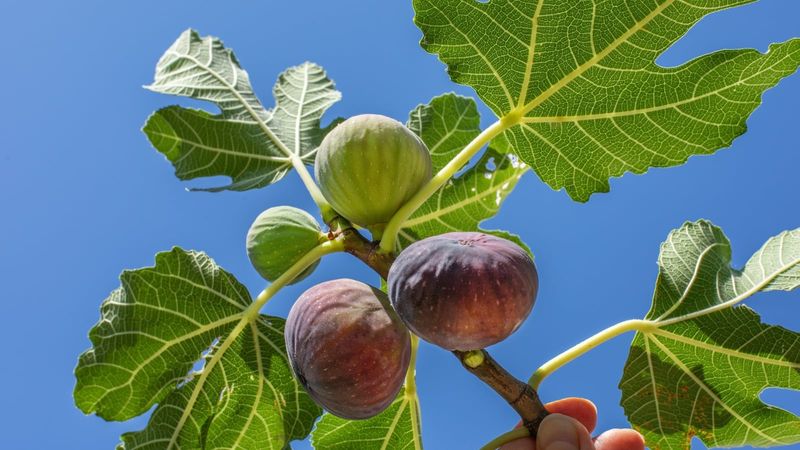
A bigger harvest is not one single thing. Fruit count, total production weight, individual fruit size, and ripening date are separate outcomes that can move in different directions after a pinch.
Treating any one of them as proof of an overall improvement leads to misleading conclusions.
More fruit, smaller fruit, and a later harvest all at once is a mixed result, not a straightforward improvement, and which outcome matters most depends on what the grower actually wants from the tree.
Commercial research from Brazil adds a different angle. A 2024 trial on the Roxo de Valinhos cultivar found that repeated shoot management, lopping after the 16th leaf and again after later six-leaf flushes, increased fruit weight, fruit number, and overall production.
Reserve major pruning for the appropriate season
A summer tip pinch is a minor operation, and it should stay that way. Any heavier cutting, removing scaffold branches, shortening major limbs, or thinning back a significant portion of the canopy, belongs in a different season and for different reasons.
Mixing the two up risks exposing the tree to sunscald and unnecessary stress during the most demanding months of the year.
For growers in southern Arizona, the University of Arizona AZ2106-2024 figs publication recommends deferring substantial pruning until after the second crop has been harvested. In colder parts of the state, the safer approach is to wait until the coldest part of winter has passed before making structural cuts.
Both timings protect the tree from the worst seasonal stresses and keep the productive wood intact through the fruiting period.
Figs do not require special pruning to produce fruit, as University of Arizona fig guidance confirms, and the main jobs pruning actually accomplishes are managing size, improving access, maintaining canopy structure, removing damaged wood, and influencing crop timing. Keeping that scope in mind helps prevent the summer pinch from expanding into something much larger than the tree needs.
Evaluate the result without overclaiming
After trying a limited pinch on a few shoots, pay attention to what actually happens rather than assuming the technique worked. Count fruit on the pinched shoots versus unpinched ones, note approximate fruit size at harvest, record the date the first ripe figs appear, and compare total production across the whole tree to previous seasons.
Keeping those four measures separate gives a clearer picture than a general impression of whether the crop felt bigger or smaller.
Many variables shape the outcome: cultivar, which crop type the shoot was carrying, how old the shoot was, how well the tree was irrigated, soil fertility, ambient heat during fruit development, and the specific timing of the pinch. Any one of those factors can outweigh the mechanical effect of removing a shoot tip.
The pinch works alongside sound care, not instead of it, and a tree that is drought-stressed, poorly fed, or heat-damaged will not respond well regardless of when or how carefully the tip was removed.
UC guidance on the light pinch and Arizona cautions about heat and drought together point toward the same practical conclusion: try it carefully on a healthy, well-watered tree during a suitable weather window, keep the operation small, and let the tree’s actual performance across a season or two tell you whether it is worth repeating. A fig that fruits reliably year after year is already doing its job well.