Why Hummingbirds Chase Each Other Away From Ohio Feeders
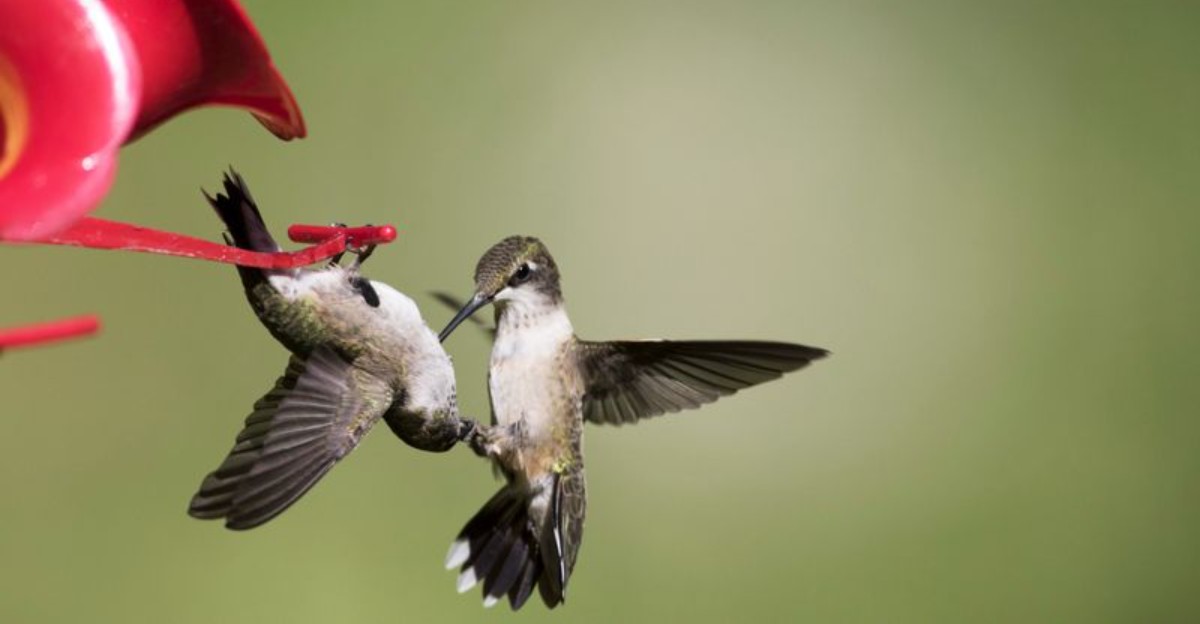
You hung the feeder expecting a peaceful rotation of hummingbirds, everyone taking a turn at the ports. Instead you got a turf war, one bird slamming into another mid-flight, chasing it off before it even gets a sip.
Nothing about this is random. Ohio’s feeder traffic spikes hard this time of year, right as birds pack on fuel before heading south.
That spike is exactly what turns one bird into a tiny, furious landlord. It picks a favorite perch, claims the whole feeder as territory, and treats every other hummingbird as an intruder that needs to leave immediately.
The more traffic the feeder attracts, the more aggressive that bird gets. That aggression looks like chaos from the porch, but it’s really just one bird trying to survive a migration that doesn’t leave room for sharing.
1. Territorial Instinct Runs Deep
Long before anyone hung a glass bottle full of sugar water in a Cleveland backyard, hummingbirds were staking claims on flower patches. That habit did not disappear when feeders showed up.
A ruby-throated hummingbird treats a patch of nectar the way a shopkeeper treats a cash register. Anything that comes near gets challenged, sized up, and usually escorted out.
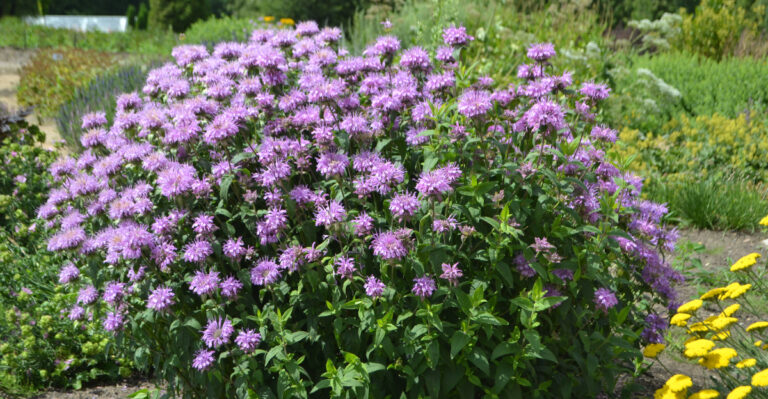
Ohio yards make the behavior easy to spot because the birds pick clear boundaries. One may claim the feeder by the porch while another rules the bee balm along the fence line.
The chasing usually involves loud chirping, sharp dives, and quick loops around trees. Actual contact is rare, since bluffing costs far less energy than a real scuffle.
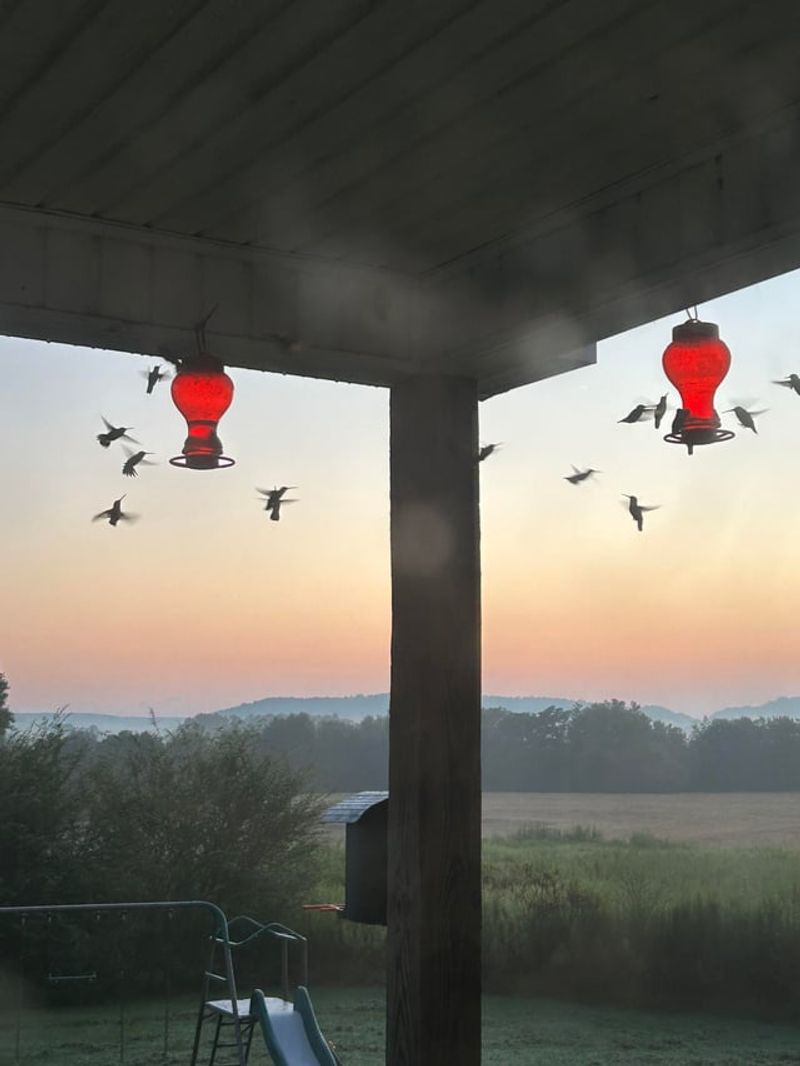
You can work with the instinct instead of fighting it. Hang two or three feeders where the birds cannot see one from the other, such as opposite corners of the house or on either side of a garage.
Out of sight really does mean out of mind for these birds. A guard cannot defend what it cannot watch, so more visitors slip in for a drink.
Fun detail: territory sizes shift through the season, shrinking when flowers bloom heavily and expanding when nectar gets scarce in late summer.
2. Sky-High Energy Demands
Imagine burning through your breakfast in about twenty minutes and needing another one right away. That is roughly the daily reality for a hummingbird.
Their tiny bodies run at an incredible pace, with extremely fast wingbeats and high energy demands.
A ruby-throated hummingbird may visit hundreds of flowers and feeder ports in a single day. Missing a few feeding sessions leaves very little wiggle room in the fuel tank.
Because the stakes feel so high, sharing does not come naturally. Every sip another bird takes registers as fuel that could have gone into its own reserves.
Ohio summers bring hot afternoons and cool mornings, and both stretch the energy budget in different ways. Cool nights are handled with torpor, a deep rest state that slows the body down, but mornings begin with an urgent need to refuel.
Keeping your nectar fresh helps more than most people expect. In July heat, change the mixture every other day so nobody wastes energy on cloudy, spoiled sugar water.
Your Ohio Garden Changes Every Week. Your Plan Should Too.
Gardening in Ohio changes quickly throughout the season. Every Friday you’ll receive a simple weekly plan showing exactly what to plant, prune, fertilize, harvest, and protect so you never miss the right timing.
Stick with a simple four parts water to one part plain white sugar, skip the dye, and let the birds spend their calories on flying rather than searching.
3. Feeders Look Like A Jackpot
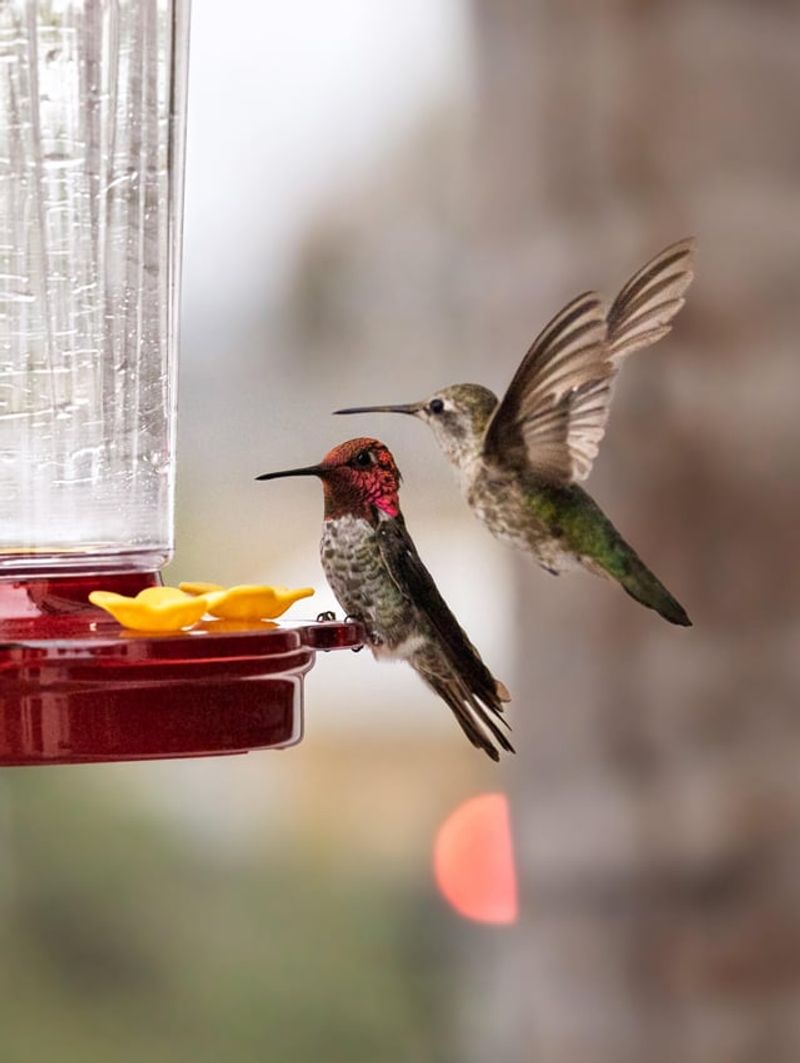
Picture a meadow where nectar is spread across thousands of scattered blossoms. Now picture all of it poured into one bright red container hanging three feet off your deck.
From a bird’s point of view, that feeder is the richest flower patch it has ever found. Wealth like that is worth guarding.
Natural nectar sources drain quickly and refill slowly, which spreads birds out over a wide area. A feeder never seems to run low, so one bird plants itself nearby and treats the whole thing as private property.
Gardeners often notice the pattern within days of putting a feeder up. A single dominant bird claims the ports and turns the yard into a no-fly zone for rivals.
Smaller feeders with fewer ports can actually reduce squabbles, since they look less like a prize worth defending. Several modest feeders beat one enormous one nearly every time.
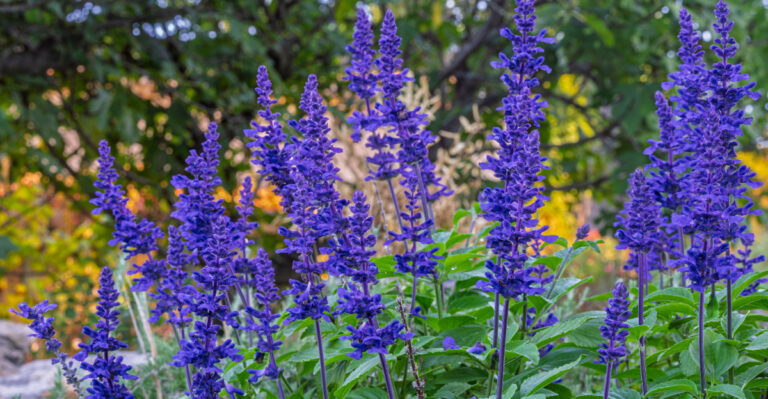
Planting real flowers also spreads the wealth around. Cardinal flower, trumpet honeysuckle, bee balm, and jewelweed all thrive in Ohio and pull attention away from the feeder.
The more scattered your nectar sources, the harder it becomes for any bird to police them. That is when your yard finally starts hosting a crowd instead of a lone bouncer.
4. Guarding Food Saves Precious Fuel
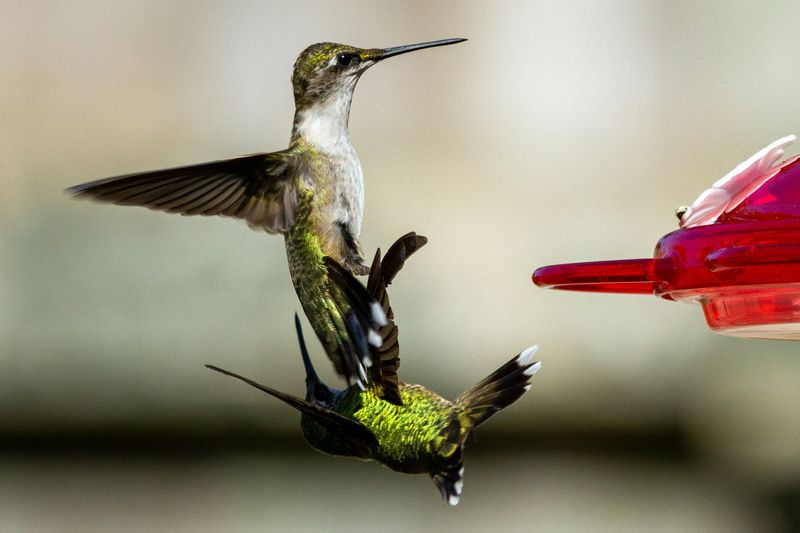
There is real math behind all that chasing. Defending one reliable food source usually costs less energy than hunting for a brand new one.
Flying across a neighborhood to find unfamiliar flowers burns calories with no guaranteed payoff. Sitting on a twig and shooing off a rival now and then is the cheaper option.
This behavior follows a simple tradeoff: if guarding a food source takes less energy than finding a new one, defending it makes sense. When the payoff outweighs the effort, they guard.
When it does not, they wander.
You can watch the calculation shift right in your backyard. When too many birds arrive for one individual to chase away, more birds may manage to sneak in for quick feeding.
That tipping point is the secret behind crowded feeders. Some folks hang four or five feeders close together on purpose, overwhelming the bully until it stops trying.
Both strategies work, so pick the one that fits your space. Scattered feeders create separate small territories, while clustered feeders break the defense entirely.
Either way, the birds are not being mean. Every dive and squeak is a tiny calculation about survival, made hundreds of times a day by a creature that weighs about as much as a couple of paper clips.
5. Sorting Out Who Ranks Where
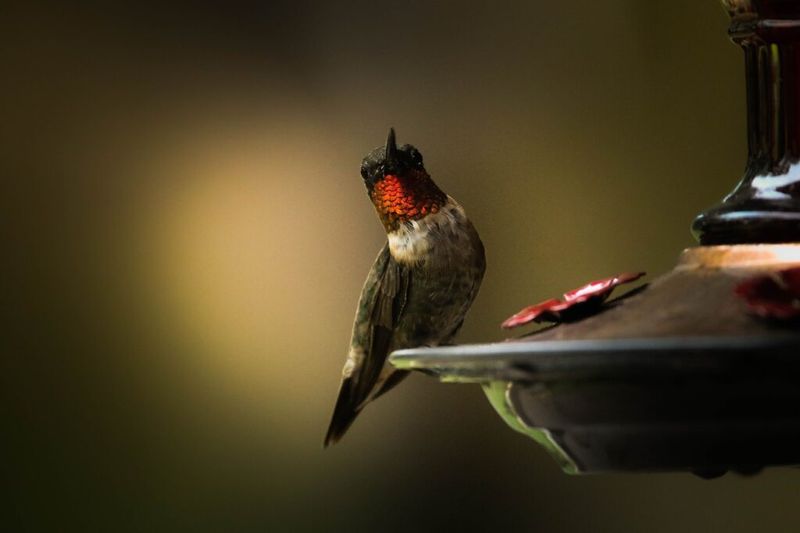
Watch a busy feeder for an hour and a pecking order starts to appear. Certain birds sip freely while others hover at the edges waiting for a gap.
Those aerial chases are basically negotiations. Once ranks get settled, the lower birds stop challenging and start using clever timing instead.
Adult males with flashy ruby throats often sit near the top of the ladder in Ohio yards. Females and young birds tend to visit during quick windows when the boss is distracted or resting.
Some subordinates become downright sneaky about it. They approach low through shrubs, grab a two-second sip, and vanish before the guard turns around.
Understanding the hierarchy makes feeder watching far more fun. You start recognizing individuals by their tactics rather than just their colors.
Helping the underdogs is simple enough. Add a feeder around a corner, behind a shed, or on the shady side of the yard where the dominant bird rarely patrols.
Low perches near those hidden feeders give shy birds a place to rest and watch. A slender branch, a tomato cage wire, or a thin dowel works fine.
Over a few weeks the whole social scene settles down, and your yard becomes a working neighborhood rather than a battleground.
6. Breeding Season Turns Up The Volume
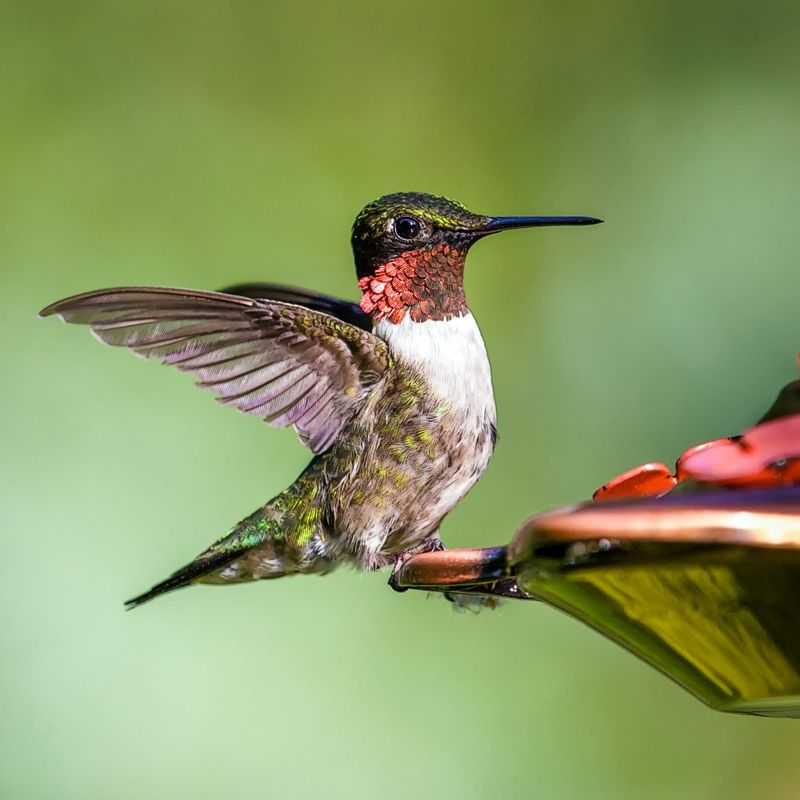
Late May through July brings the loudest drama of the whole Ohio season. Male ruby-throats arrive with one goal, and food is only half of it.
A territory stocked with dependable nectar is attractive real estate. Holding it improves a male’s odds of catching a female’s attention.
Courtship includes a wild pendulum flight where the male swings back and forth in a giant U shape, wings buzzing loudly at the bottom of each swoop. Rival males get chased off before they can steal the spotlight.
Females deal with pressure of their own. After building a walnut-sized nest of plant down and spider silk, a mother needs steady fuel for herself and her two chicks.
She may guard a feeder just as fiercely as any male, especially one close to her nesting tree. Ohio nests often sit on thin branches ten to twenty feet up in maples, oaks, or sycamores.
During these weeks, extra feeders spread widely around the property make a genuine difference. Nesting females get quiet access without wasting energy on constant standoffs.
Keep a few blooming natives near quiet corners too. Protein matters as much as sugar, since parents feed their young plenty of tiny insects and spiders.
7. Fall Migration Raises The Stakes
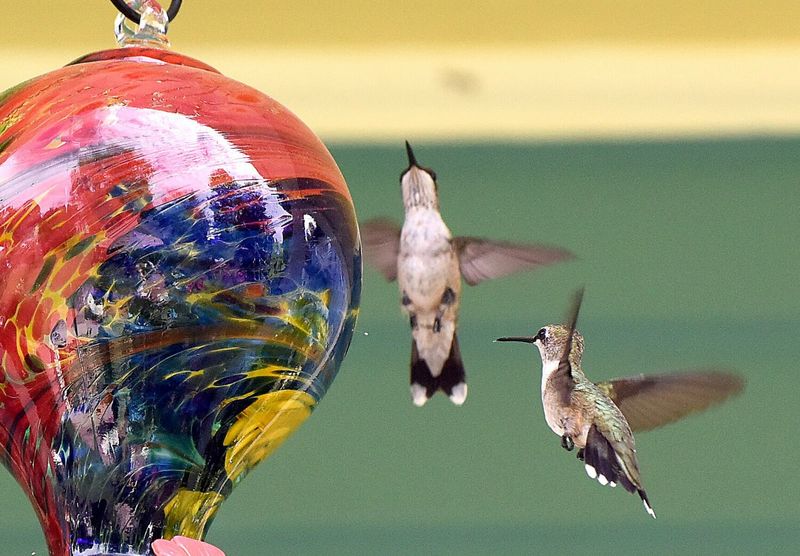
Come late August, something shifts in the backyard mood. The birds get pushier, the chases get longer, and the feeder empties faster.
Migration is the reason. Ruby-throats leaving Ohio face a journey to Central America, including a long nonstop stretch over the Gulf of Mexico.
To manage that trip they build substantial fat reserves that fuel long migration flights. Every sip counts toward that goal, which makes them far less willing to share.
Young birds hatched that summer add to the crowd. Feeders in September can host more visitors than at any other point in the year.
Keeping feeders full through late fall helps travelers passing through from farther north. Leaving them up does not hold anyone back, since day length and instinct control departure timing, not the availability of sugar water.
Many birders keep at least one feeder going into November. That is when western strays sometimes turn up looking for a rest stop.
Clean feeders every few days even as temperatures drop, and consider bringing one in overnight during freezes so it thaws by morning. A tired migrant arriving at dawn will thank you by sticking around for a while.
8. Some Birds Are Just Bolder
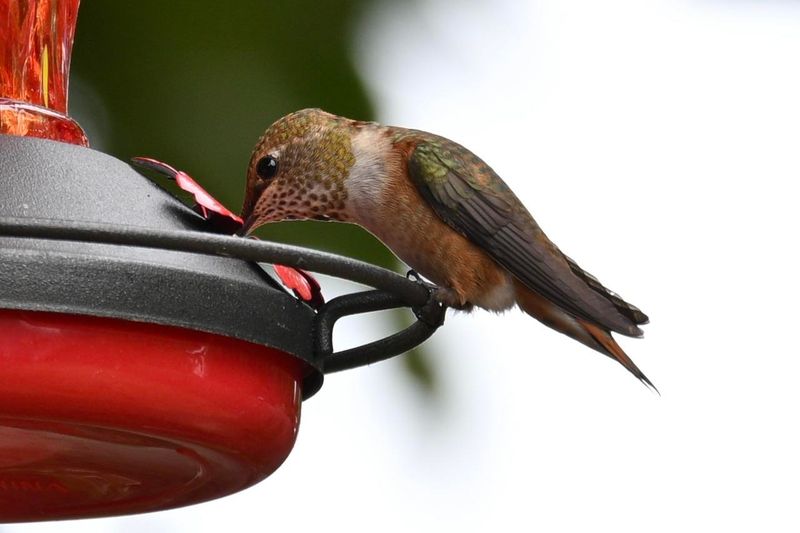
Personality is not just a human thing. Spend a season watching your feeder and you will meet birds with wildly different attitudes.
One may patrol like a security guard on overtime while another shares the same port without blinking. Both are healthy ruby-throats, just wired differently.
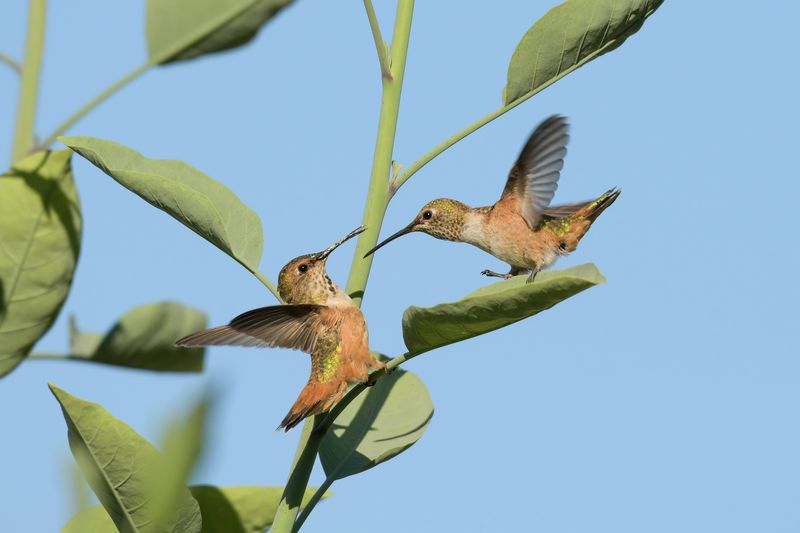
Ohio also gets occasional visits from a genuine troublemaker. The rufous hummingbird, a western species, has become a regular fall and early winter stray in the state, and it has a reputation for taking over feeders.
Copper-orange and slightly stockier than a ruby-throat, a rufous will run off birds larger than itself without hesitation. If your November feeder suddenly has a bossy orange visitor, take photos and report the sighting to local birding groups.
Bold individuals tend to hold prime spots, but they cannot be everywhere. That is why the layout of your yard matters more than the temperament of any single bird.
Try placing feeders at different heights, some tucked under eaves and others out in the open. Variety gives cautious birds options that suit their comfort level.
Watching individual quirks unfold over a summer is honestly the best part. You stop seeing generic hummingbirds and start recognizing regulars with habits of their own.
9. Perches Come With The Property
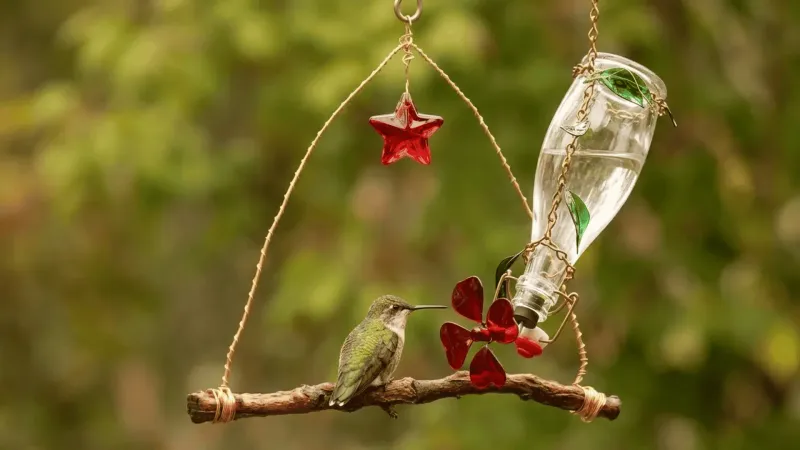
Here is a detail plenty of feeder watchers miss: the fight is often about a branch, not the bottle. A good lookout perch is prime real estate.
From a bare twig eight or ten feet above the feeder, a hummingbird can rest, digest, and monitor everything at once. Sitting burns a fraction of the energy that hovering does.
The guard bird usually returns to the same exact spot dozens of times a day. Approach that twig and you will get buzzed just as fast as if you touched the feeder itself.
Ohio yards with a single tall shrub or one withered branch near the feeder tend to see the fiercest patrolling. There is only one throne, so everyone wants it.
Adding perches changes the dynamic in a hurry. Thin dowels, bamboo stakes, or a few bare twigs zip-tied to a shepherd hook all work nicely.
Place them around the yard rather than clustered in one area. Extra lookouts mean extra birds can rest without stepping on anyone’s claim.
Try it for a couple of weeks and watch what happens. Chases usually shorten, more birds linger, and your backyard turns into a much livelier little show.