Those Tiny Red Bumps Around Your Ankles After Arizona Yard Work? Here’s The Bug That Did It
You come inside after a few hours of pulling weeds or trimming brush, and by evening your ankles are covered in small, intensely itchy red bumps. It is one of the most common complaints among Phoenix and Tucson gardeners, especially during and after monsoon season.
The most likely culprit is a chigger, but the rash alone cannot tell you that for certain, and knowing the difference between possible causes can save you a lot of frustration.
Chiggers fit the pattern, but the rash cannot prove it
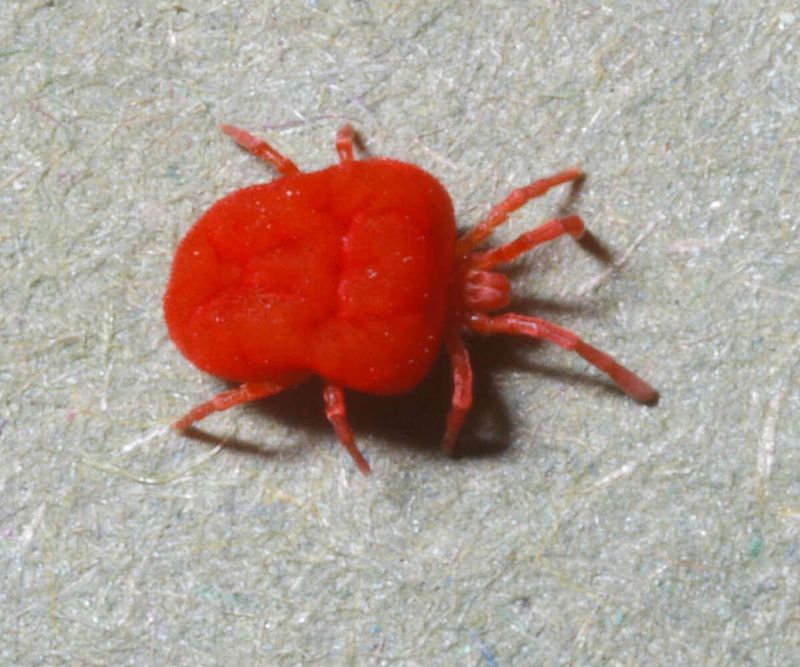
After a yard-work session leaves you with clustered, intensely itchy red bumps around your ankles, chiggers are a reasonable first suspect, but they are not the only possibility. Appearance alone cannot confirm the cause, and University of Arizona Extension materials on bite identification make clear that many bite reactions are difficult to attribute without actually finding the organism responsible.
Treating chiggers as a plausible, best-fitting explanation based on your exposure and surroundings is a more useful starting point than assuming a definite diagnosis.
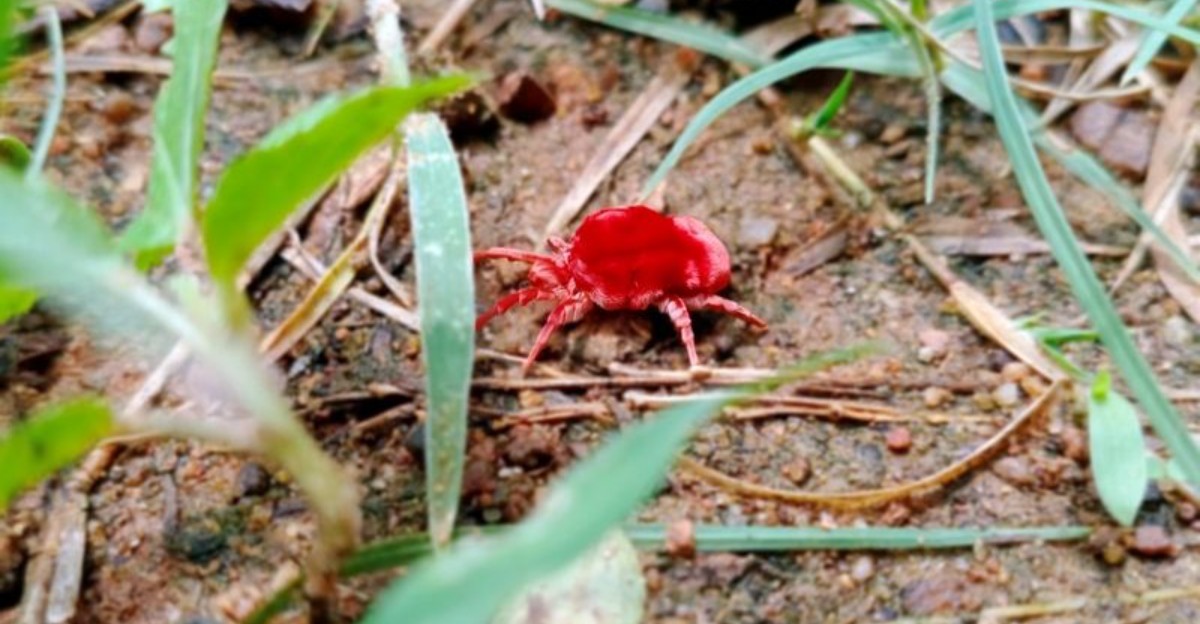
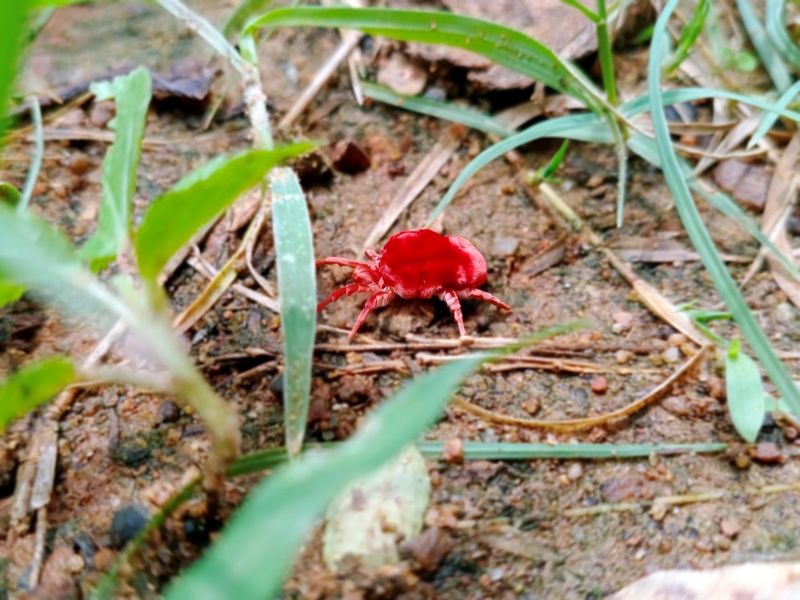
Chiggers are not insects. They are the larval stage of trombiculid mites, a type of arachnid, and they are nearly invisible to the naked eye.
A common myth holds that they burrow under the skin, but that is false. According to CDC Emerging Infectious Diseases research on trombiculosis, chigger larvae attach at the skin surface and inject digestive enzymes that liquefy skin cells, which they then consume.
The intense itching and raised welts are your immune system reacting to those enzymes, not a sign that something is living beneath your skin.
They do not drink blood, either. That distinction matters because it changes how you think about the reaction and the risk.
The practical takeaway is to use your exposure history and yard conditions as clues, not the rash itself, when trying to narrow down what bit you.
Why yard work can leave bumps around the ankles
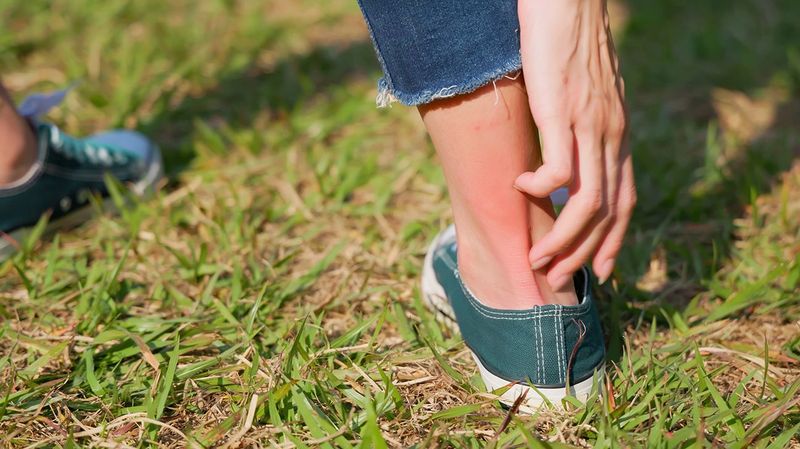
Chigger larvae do not seek out humans on purpose. They cluster on grass blades, weed stems, brush, and other low vegetation, waiting for a warm-blooded host to brush past.
When someone walks through or kneels in an infested patch during yard work, larvae transfer quickly onto exposed skin or clothing and begin migrating toward a feeding site.
Ankles are a classic location because they are often the first part of the body to contact low vegetation, and because sock bands, shoe edges, and pant cuffs create a snug barrier where larvae tend to stop and feed. According to University of Florida IFAS Extension guidance on chiggers, waistbands, knees, and other areas where clothing fits tightly against the skin are also common reaction sites.
If your bumps are clustered right at the sock line, that pattern fits the chigger hypothesis well.
Even so, ankle clusters are compatible with chiggers but cannot distinguish them conclusively from flea bites, mosquito reactions, or contact dermatitis, all of which can appear in similar locations. The location narrows the list of likely causes without closing it.
Paying attention to where in the yard you were working, what the vegetation looked like, and whether the area was dry or moist will help you build a more complete picture of what you encountered.
Your Arizona Garden Changes Every Week. Your Plan Should Too.
Gardening in Arizona changes quickly throughout the season. Every Friday you’ll receive a simple weekly plan showing exactly what to plant, prune, fertilize, harvest, and protect so you never miss the right timing.
Inspect vegetation and wildlife-friendly pockets
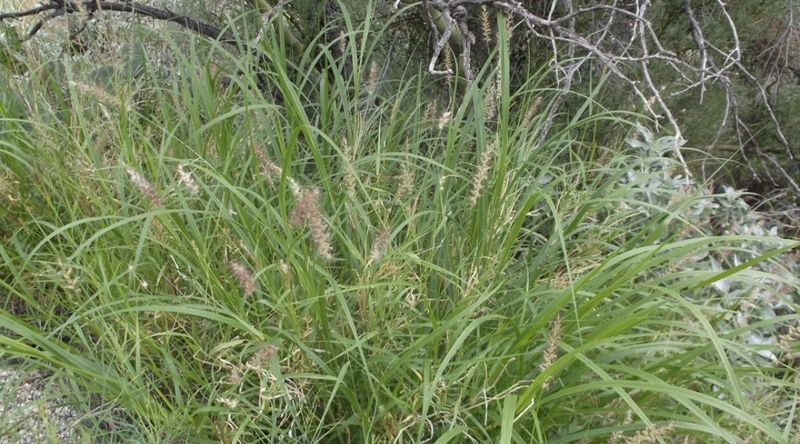
Not every low-desert Arizona yard supports chiggers. Maintained, dry xeriscape with little vegetation cover is less favorable than areas with tall grass, weedy growth, brush piles, or dense plantings.
When trying to trace the source of ankle bumps, walk the yard and look for spots where vegetation has grown unmanaged, where weeds have taken hold along a wall or fence line, or where brush has accumulated near a storage area or compost pile.
Wildlife activity matters too. Small mammals like pack rats and ground squirrels, birds, and lizards can all serve as hosts that sustain chigger populations in a yard.
If you have noticed rodent activity near a shed or dense vegetation near a block wall, those pockets are worth examining as possible sources. Texas A&M AgriLife Extension notes that chigger populations tend to be patchy rather than spread evenly across a property, so one corner of the yard might be problematic while the rest is not.
Monsoon timing adds context but does not confirm the diagnosis. Arizona Extension reports that chigger prevalence tends to increase during monsoon conditions, which makes sense given the vegetation growth and increased wildlife activity that come with summer rains.
However, the exact species present, their abundance, and whether your specific yard supports them depend on local vegetation, moisture, elevation, and animal hosts. Monsoon season raises the probability; it does not prove the cause.
Wet landscaping may point to no-see-ums
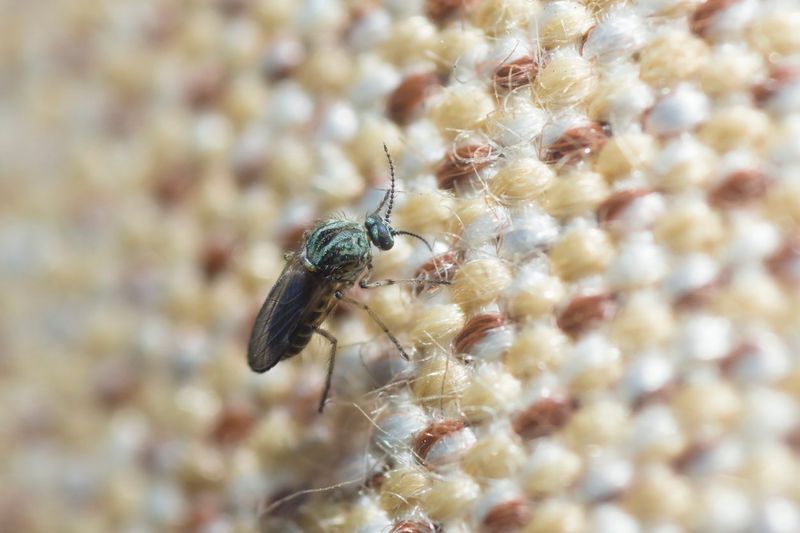
Biting midges, commonly called no-see-ums, are the most useful alternative to consider when ankle bumps follow yard work in a well-irrigated or poorly drained Arizona yard. They are so small they can pass through standard window screens, and their bites produce small, intensely itchy red welts that can look nearly identical to chigger reactions.
According to University of Arizona Extension guidance on no-see-ums, they breed in over-irrigated turf, wet mulch, poorly drained ground, tree holes, and other sites where moisture collects and organic matter is present.
The environmental clue is the key distinction. If your yard has standing water after irrigation, soggy mulch beds, low spots that do not drain well, or drip emitters that keep soil consistently wet, no-see-ums become a stronger hypothesis than chiggers.
Conversely, if your reaction followed work in tall weeds, dry brush, or an overgrown corner with little standing moisture, chiggers fit the pattern better.
Fleas, mosquitoes, ticks, contact dermatitis, and other skin conditions can all produce ankle bumps that resemble either of these reactions. Habitat clues narrow the possibilities, but they do not deliver a diagnosis.
If you find an attached tick rather than a suspected bite, that situation calls for a different response entirely. CDC guidance on tick bites recommends prompt removal with fine-tipped tweezers and monitoring for rash or fever in the days that follow.
Wash off exposure and manage the itching

Heading inside after yard work in a suspected chigger area, the first practical step is to shower or bathe with soap and water as soon as possible and change out of the clothing you wore outside. Chigger larvae may not attach and begin feeding immediately, so washing promptly can remove unattached or recently attached larvae before the reaction fully develops.
Iowa State University Extension guidance on chiggers notes that the skin reaction can still appear even after washing, because the immune response to the enzymes already injected may take hours to become visible.
Once the itching starts, avoid scratching. It feels satisfying in the moment but breaks the skin surface and opens the door to a secondary bacterial infection.
Over-the-counter hydrocortisone cream or calamine lotion can help reduce the itch without damaging the skin. Mayo Clinic guidance on summer skin irritants supports these topical options as reasonable first-line relief for insect and mite reactions.
Ordinary chigger or no-see-um reactions stay localized and improve over several days. If symptoms are getting worse rather than better, or if you notice signs beyond normal itching, that is a signal to move from home care to medical evaluation.
Fever, spreading redness, warmth, pus, or streaking around a bite site are not typical of a simple chigger reaction and should not be managed with calamine alone.
Protect skin during the next yard-work session
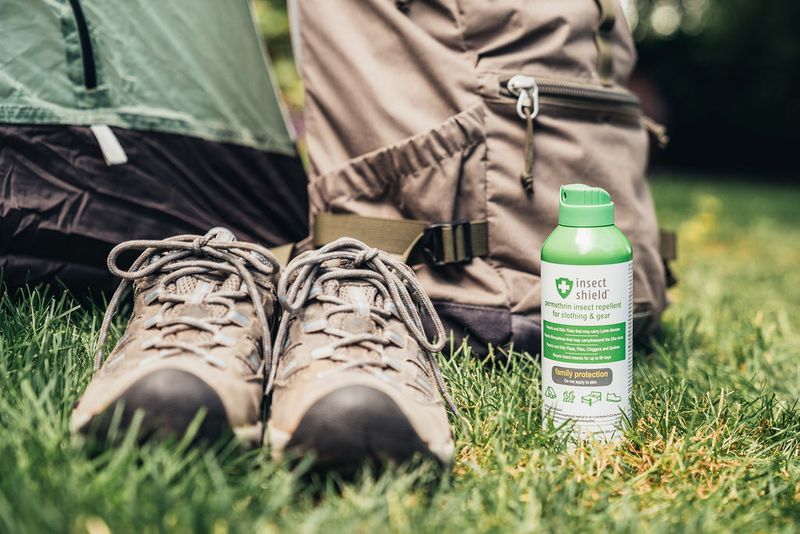
Covering up before you head into the yard is the most straightforward way to reduce chigger exposure. Wear long pants, socks that cover the ankle, and closed shoes whenever you plan to work in brush, tall grass, or any vegetation that has not been recently trimmed.
Tucking your pant legs into your socks or boots eliminates the gap at the ankle where larvae commonly find exposed skin, which is exactly the location where most reactions appear.
Repellents add another layer of protection, but product selection matters. Use only an EPA-registered repellent whose label specifically includes the pest you are trying to repel and the surface you intend to apply it to.
University of Arizona Extension guidance on repellents confirms that product labels are the authoritative source for correct use, and following them is not optional when it comes to safety and effectiveness.
Permethrin-based products deserve a specific note. According to EPA guidance on repellent-treated clothing, permethrin is intended for application to clothing, boots, and gear, not directly to skin.
If you treat clothing with permethrin, follow the product label carefully and allow the treated items to dry completely before wearing them. Applying permethrin to skin is unsafe and ineffective.
When in doubt about which repellent fits your situation, the product label is the resource to consult, not general online recommendations.
Change the habitat instead of blanket-spraying the yard
Targeted yard changes tend to be more useful than reaching for a pesticide sprayer, especially when you are not certain which arthropod is responsible. Start with the areas where you were working when the reaction occurred.
Trimming routinely used paths and lawn areas, clearing tall weeds along walls or fence lines, and removing brush piles can reduce the dense, unmanaged vegetation that chiggers favor.
If your yard shows signs of over-irrigation, wet mulch, or poor drainage, address those conditions as a separate priority. Arizona Extension guidance on no-see-ums points to moist landscape sites as their primary breeding habitat, so correcting standing moisture and improving drainage can reduce no-see-um pressure at the same time.
These are complementary steps, not competing ones, because both arthropods are addressed by managing their respective habitat clues.
Pesticide use requires more caution than it sometimes gets. Texas A&M AgriLife Extension notes that chigger populations can be patchy, wildlife-associated, and variable from season to season, which means a single broad treatment may miss the source entirely while exposing people, pets, and beneficial organisms unnecessarily.
Ask Extension guidance on chigger control points out that botanical oils may kill a chigger only when the spray contacts it directly, with no reliable residual effect to expect afterward. Any pesticide decision should follow verified identification of the pest and careful reading of the product label.
The monsoon season may increase overall arthropod activity, but that alone is not a reason to treat an entire yard without knowing what you are targeting.
Know which symptoms need medical attention
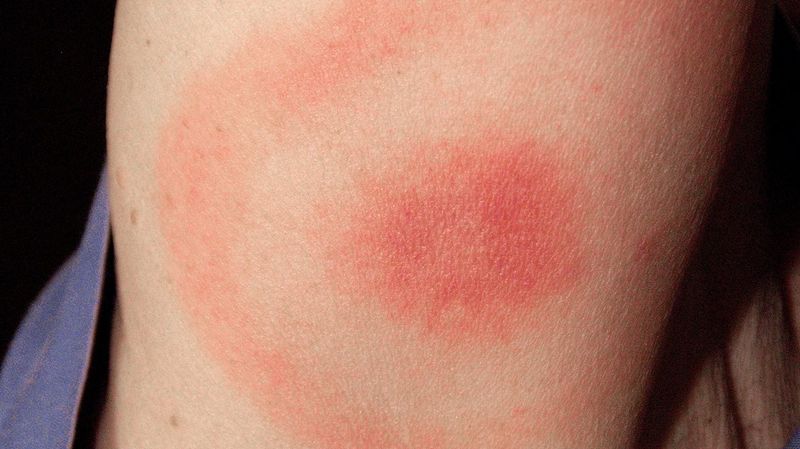
Most chigger or no-see-um reactions are miserable but manageable at home. The itching peaks within a day or two and fades over about a week.
What should change your plan is any symptom that goes beyond ordinary itching and localized redness.
Seek medical care if you develop fever, severe headache, body aches, a spreading rash, a dark scab-like lesion at a bite site, worsening pain, pus, warmth, streaking, or any sign of an allergic reaction such as swelling of the face or throat. These signs may indicate a secondary skin infection, a different arthropod exposure, or a skin condition that is not bite-related at all.
CDC guidance on mosquito bites and related arthropod reactions consistently identifies spreading infection and systemic symptoms as the threshold for professional evaluation.
Scrub typhus occasionally comes up in online searches about chigger bites, but CDC data makes clear it is not a routine concern from a Phoenix or Tucson yard exposure. The disease is concentrated mainly in parts of Asia-Pacific and specific regions outside the American Southwest.
If you found an attached tick rather than a suspected bite mark, that is a separate situation requiring prompt removal and monitoring per CDC tick-bite guidance, not a situation to dismiss as a chigger reaction. Your vegetation and moisture conditions are useful clues for narrowing down the cause of ankle bumps, but they are a starting point for smart prevention, not a substitute for medical judgment when symptoms escalate.