Why Do Wasps Get More Aggressive Around Texas Porches In Fall
All summer long, your back porch in Texas was a quiet place to sit with sweet tea and watch the sun go down without much interruption.
Then October rolls around, and suddenly wasps are circling your glass, landing on the rim of the trash can, and refusing to leave when you wave your hand at them.
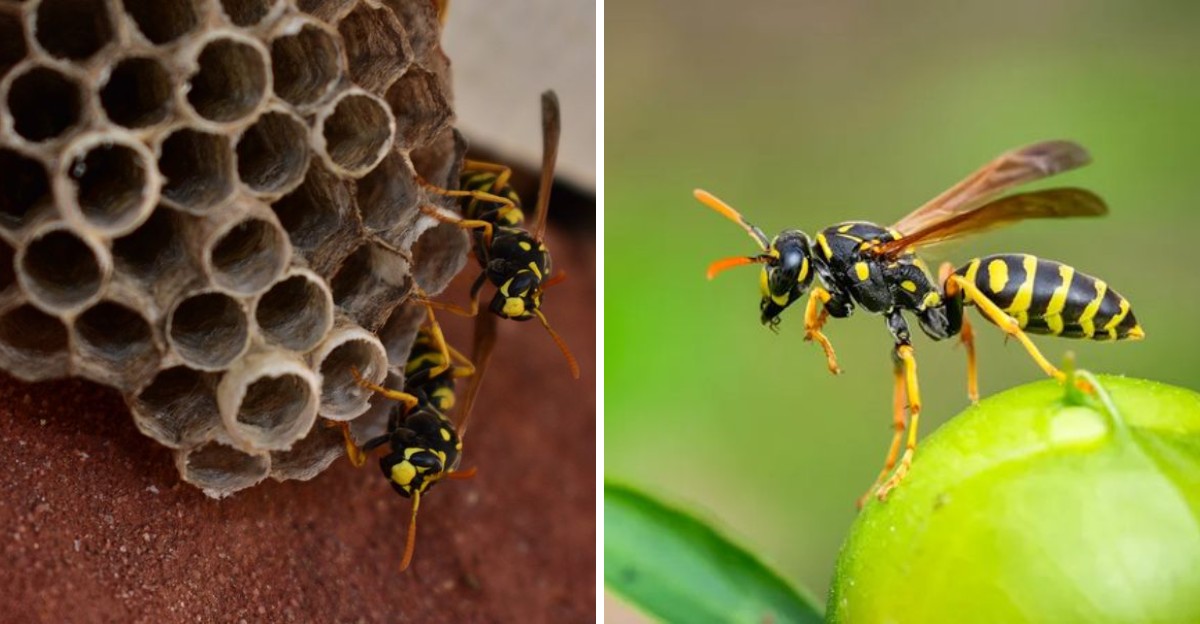
That change is not your imagination, and it is not random either. Paper wasps and yellowjackets follow a yearly cycle that shifts hard right about now.
Most people assume the wasps are simply getting meaner as the weather cools, when something more specific is actually driving the whole shift.
Fall happens to be the exact point where their numbers peak and their food cravings change, which puts them right where people are sitting outside.
1. Colonies Reach Their Largest Size
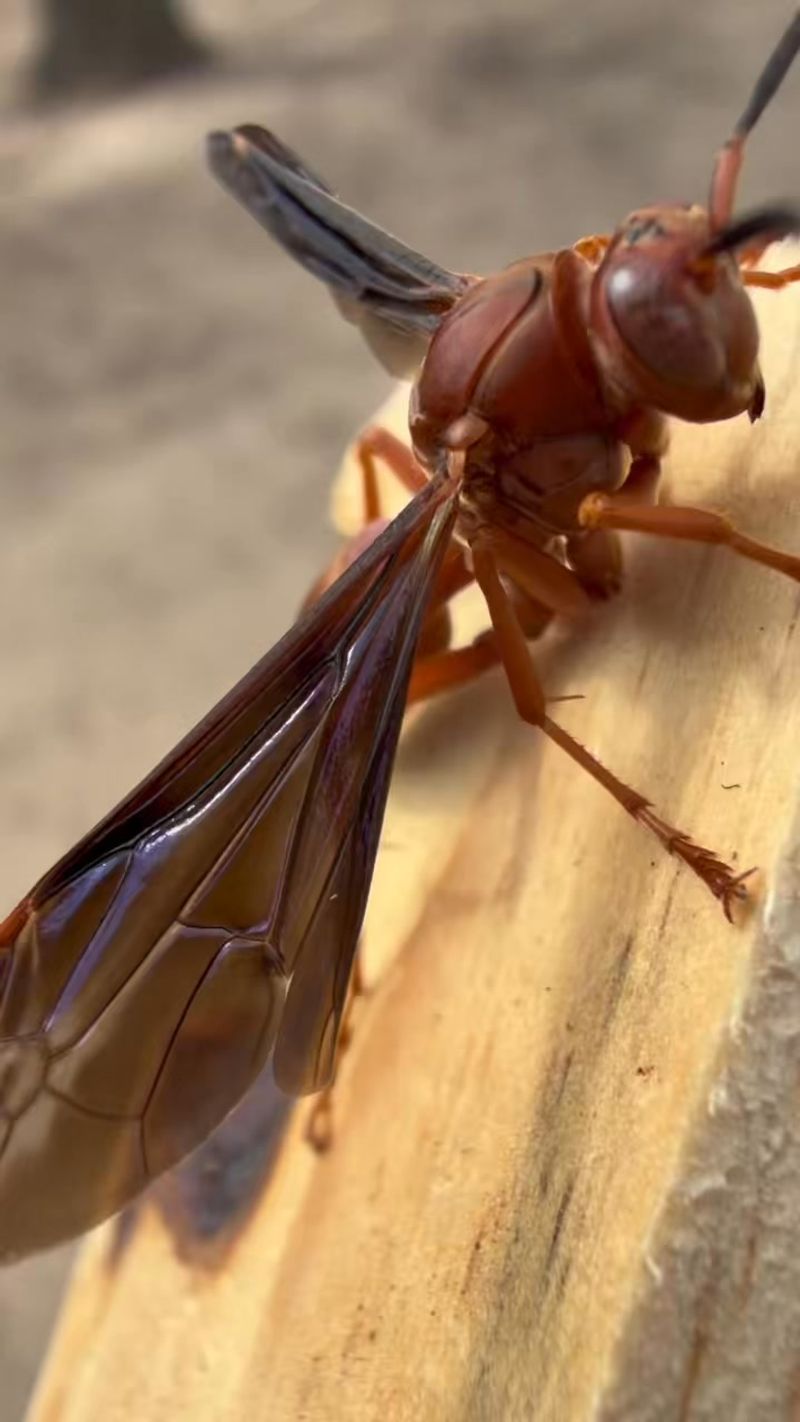
Picture a small apartment that started with one tenant in April and holds a few hundred by October. That is roughly what happens inside a paper wasp or yellowjacket nest.
Everything begins with a single fertilized queen who survived winter tucked in a wall void or woodpile. She builds a few cells by herself, raises the first batch of workers.
From that point on, the nest grows in a steady curve. Each new group of workers raises the next group, so the population climbs faster through summer.
Texas A&M AgriLife Extension notes that colonies hit their maximum size in late summer and early fall, exactly when homeowners start noticing them everywhere.
More wasps in the neighborhood means more encounters, even if no individual wasp has changed its attitude at all. Sheer numbers explain a big chunk of what feels like boldness.
Worth knowing here. The colony is also producing next year’s queens and males during this stretch, so foraging pressure runs high through fall.
Walk your porch line in early spring instead, when a lone queen is starting out fresh. Knocking down a nest the size of a quarter is far simpler than dealing with a crowded one.
2. Food Sources Shift From Protein To Sugar
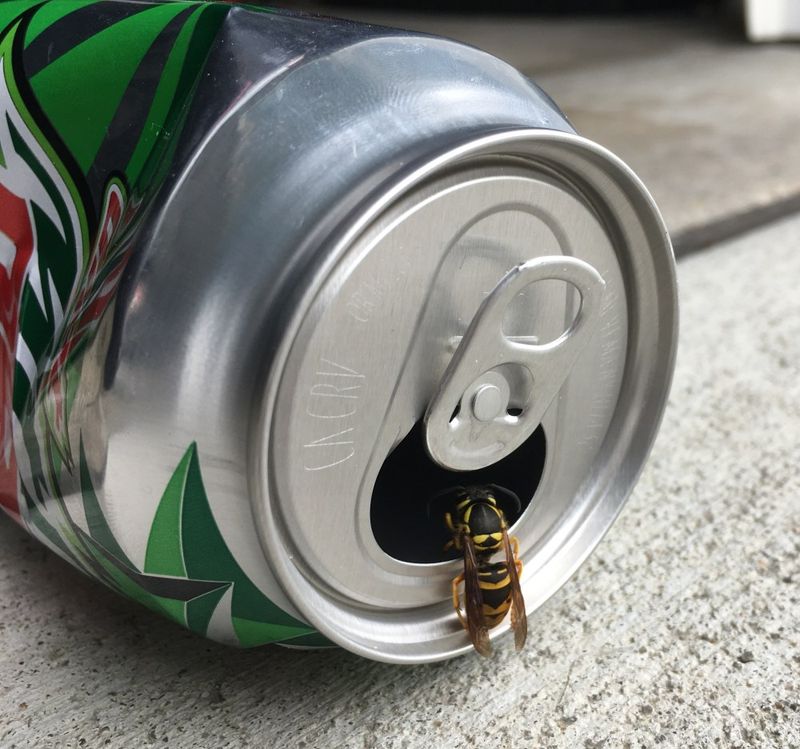
Ever wonder why a wasp that ignored your hamburger in June is suddenly obsessed with your soda in October? The answer sits in what the colony needs at each point.
Through spring and summer, adult workers hunt caterpillars, flies, spiders, and other soft-bodied prey. Those protein meals are not for the adults, they feed developing larvae back at the nest.
The adults themselves run on carbohydrates, mostly nectar and a sugary liquid the larvae produce in return for food.
Texas A&M AgriLife Extension describes a clear late-season shift toward scavenging sweets. With fewer larvae in the nest, that internal sugar supply dries up fast.
Fallen figs, overripe pecan drops, hummingbird feeders, spilled lemonade, and open recycling bins all become targets during this stretch. Yellowjackets earn their reputation here.
Practical move worth trying. Keep drinks in covered cups outside, especially cans where a wasp can crawl inside unseen by anyone.
Pick up fallen fruit under trees within a day or two, and pull hummingbird feeders in if they are dripping anywhere near the porch.
Your Texas Garden Changes Every Week. Your Plan Should Too.
Gardening in Texas changes quickly throughout the season. Every Friday you’ll receive a simple weekly plan showing exactly what to plant, prune, fertilize, harvest, and protect so you never miss the right timing.
3. Fewer Larvae Mean Less Colony Discipline
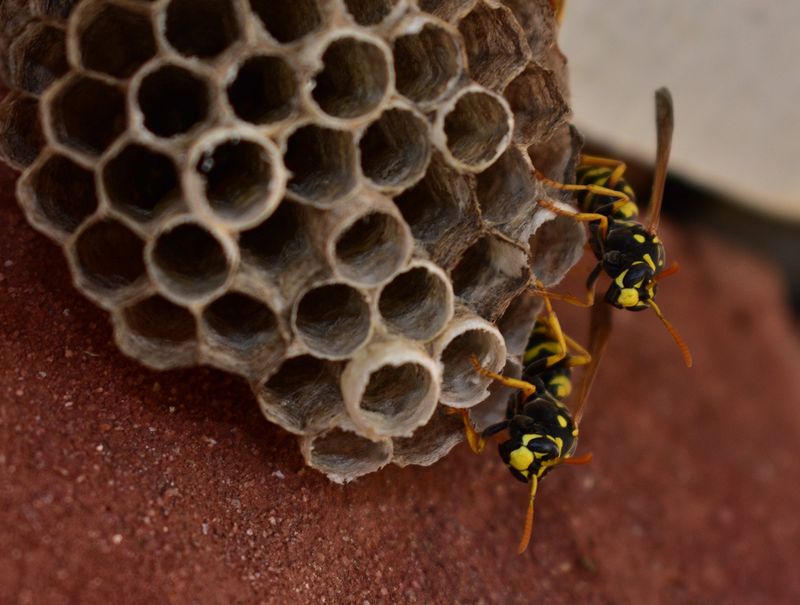
Inside a healthy summer nest, larvae act like a built-in job assignment board for the whole colony. Hungry grubs signal constantly, and workers respond by flying out.
That feedback loop keeps foraging focused and purposeful throughout the season. Workers are on a mission, and they mostly ignore people unless bothered directly.
Late in the season the queen slows down or stops laying eggs entirely. The remaining brood finishes developing, cells empty out, and the nursery goes quiet.
Suddenly there are hundreds of adult workers with no grubs to feed and no sugary secretion coming back. Their daily routine loses its structure completely.
Researchers connect this stage with more scavenging behavior and a noticeable willingness to approach humans, food, and trash cans. Workers wander further and linger longer.
To be fair here, whether a wasp is truly angrier or just hungrier and less busy is hard to measure precisely.
Avoid swatting during this window entirely. Fast movements and crushed wasps can release alarm chemicals that pull nestmates in from nearby.
4. Porches Offer Easy Access To Food
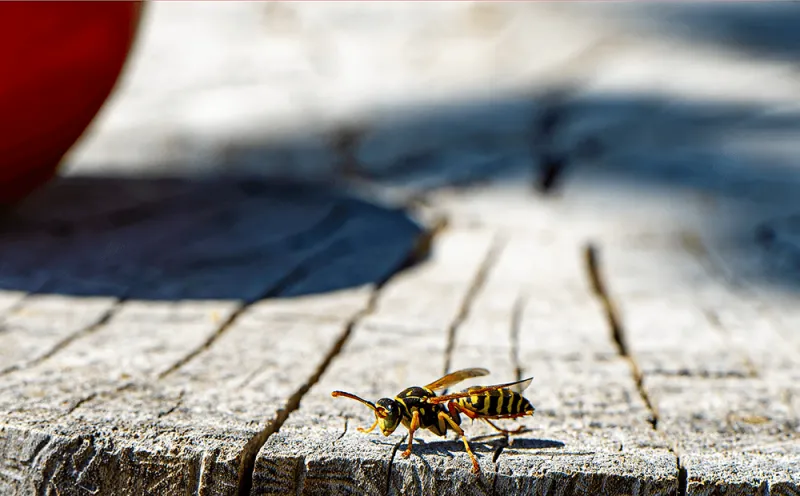
Of all the spots on a property, the porch may as well have a neon sign for hungry wasps passing through. Food, drinks, shade, and shelter sit in one convenient package.
Think about what usually lives out there in a Texas fall. Grills with grease trays, coolers with melted ice, dog bowls, trash cans, and hummingbird feeders all overlap in one space.
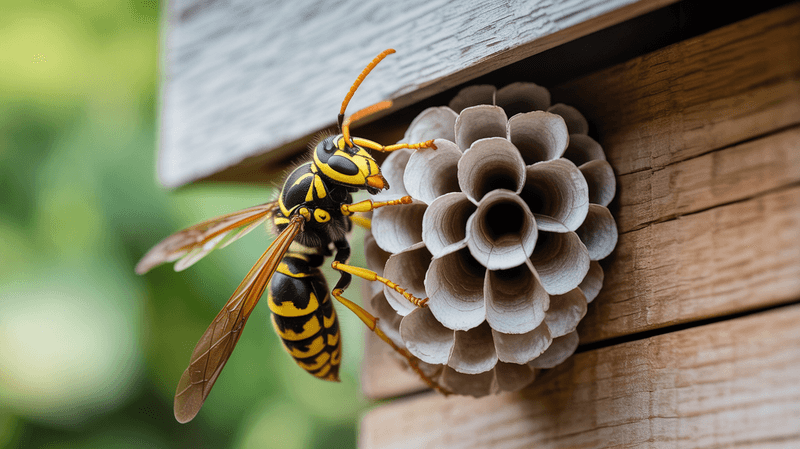
Covered porches also give wasps protection from wind and sun while they scout the area. Ceiling corners and porch furniture undersides are classic nesting spots to begin with.
Pair a nearby nest with a steady sugar buffet, and you get repeat traffic. Wasps learn productive locations and return to them consistently over time.
Cleaning up makes a real difference here. Wipe tables after meals, use trash cans with tight lids, rinse bins occasionally, and move recycling away from seating.
Sweep up fallen fruit, keep pet food inside, and clean the grill once it cools down. Sealing gaps around porch light fixtures cuts down on nesting too.
5. Warm Texas Falls Extend Their Season
A November afternoon in Houston can hit eighty degrees while Chicago is scraping frost off windshields entirely. That gap explains a lot about wasp season in this state.
Wasp activity tracks temperature closely throughout the year. Cold mornings slow them down, and hard freezes end colonies, but Texas often delays both by weeks.
In cooler states, the fall scavenging window might last from late August into early October. Across much of Texas, wasps can stay busy into November or December.
South Texas sometimes sees paper wasps active in mild stretches all winter, going quiet during cold snaps and reappearing on warm days.
What that means for homeowners is simple enough. Do not assume the calendar flipping to October ends the problem entirely.
Keep porch food management going later than you think necessary, and keep checking eaves and light fixtures for activity.
Panhandle and North Texas residents get relief sooner since freezes arrive earlier. Central Texas usually lands somewhere in the middle range.
6. Disturbing Nests Triggers A Group Response
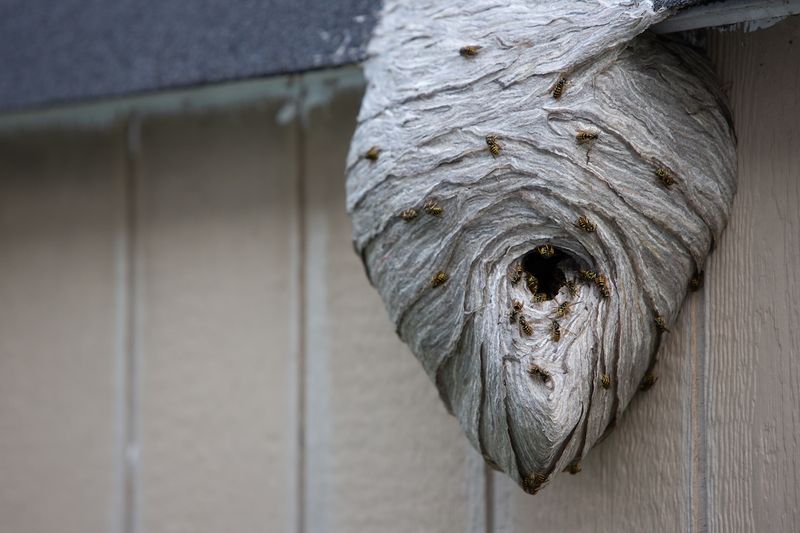
One wasp flying past your head is an annoyance at most. A dozen coming at once is a genuinely bad afternoon, and the difference usually comes down to proximity.
Defense is a group job for these insects. When a nest is bumped, sprayed poorly, or vibrated by a slamming door, guard wasps respond and release alarm pheromones fast.
Yellowjackets take this further than paper wasps and can pursue a perceived threat a surprising distance across a yard. Unlike honey bees, wasps do not lose their stingers.
Fall raises the stakes because the colony is at its largest, meaning more defenders are available to respond to any disturbance.
Hidden ground nests in Texas yards create the classic ambush, where a lawn mower or rake sets off the whole colony without warning to anyone.
Safe approach worth following. Identify nest locations before doing yard work, especially under eaves and near hose reels tucked in corners.
Large yellowjacket colonies, nests inside walls, and any situation involving allergies belong to a licensed professional handling it instead.
7. Activity Fades Once Real Cold Arrives
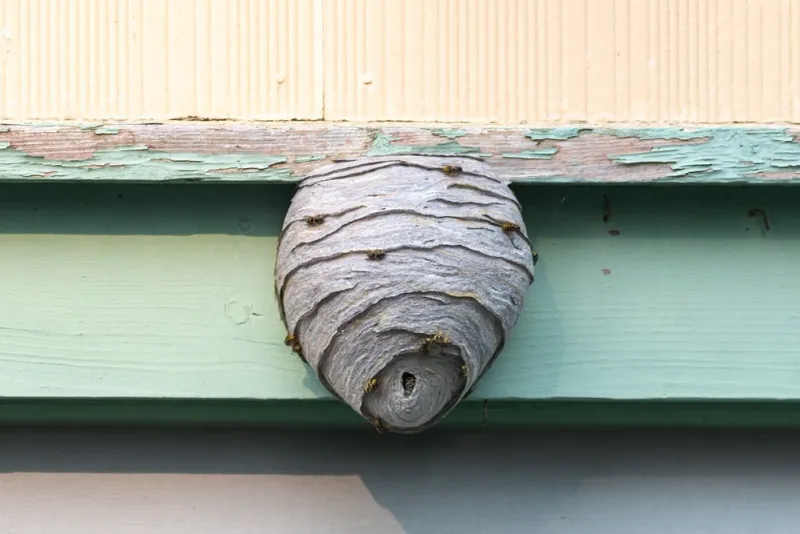
Here is the encouraging part of the story worth remembering. None of this lasts through the whole year. The wasps crowding your porch in October are living out the final chapter.
Once consistent cold weather arrives, workers stop foraging, and freezing temperatures finish the job completely. The entire worker population fades off along with the old queen.
Only the newly mated queens survive the winter ahead. They tuck themselves into sheltered spots such as wall voids and stacks of firewood, then wait out the cold.
Nests are not reused the following year at all. That gray paper structure under your eave will sit empty all winter, so you can safely knock it down.
Timing differs across the state considerably. North Texas usually gets there by late November or December, while the Valley may not see a solid stop until January.
Winter is the smart season for prevention work around the house. Seal gaps around soffits, screen attic vents, and clear clutter where queens might shelter.
Come spring, do a slow walk around the porch every couple of weeks looking for small starter nests with one lone wasp. Handling it then takes seconds of effort.
8. Landscaping Choices Can Attract Or Deter Wasps
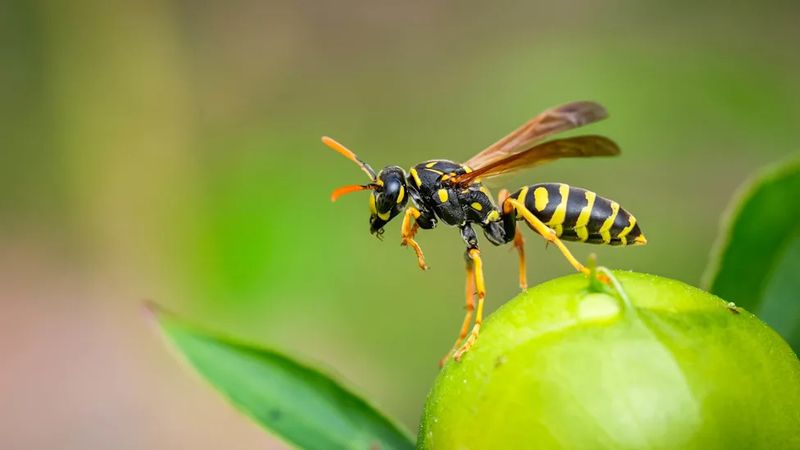
What grows around a Texas porch quietly influences how many wasps show up there each fall, though most homeowners never connect their plant choices to the problem at all.
Flowering plants that bloom late into the season, especially fragrant or nectar-rich varieties, pull foraging wasps toward that part of the yard simply by offering an easy meal nearby.
Fruit trees deserve particular attention here. Figs, pears, and other soft fruits that drop and split open on the ground become an irresistible sugar source once wasps shift away from hunting protein in early fall.
Dense shrubs and thick vines growing against a house or fence create sheltered, wind-protected pockets that paper wasps favor for building nests, so trimming that growth back a few inches from siding removes a common nesting opportunity before it starts.
Mulch piles and dense ground cover near a porch can also shelter ground-nesting yellowjackets, especially in loose, undisturbed soil where a queen can tunnel in undetected during spring.
None of this means ripping out every flowering plant or fruit tree near a patio, since the goal is simply awareness rather than elimination of anything that makes a yard enjoyable to sit in.
Positioning heavily fragrant or fruit-bearing plants farther from seating areas, while keeping less attractive greenery like ferns or ornamental grasses closer to the porch itself, reduces incidental wasp traffic without sacrificing landscaping entirely.
Combined with the food and trash habits already covered, thinking through plant placement rounds out a fuller picture of what actually draws wasps toward one specific corner of a yard over another.
9. Traps Can Help, But Come With Limitations
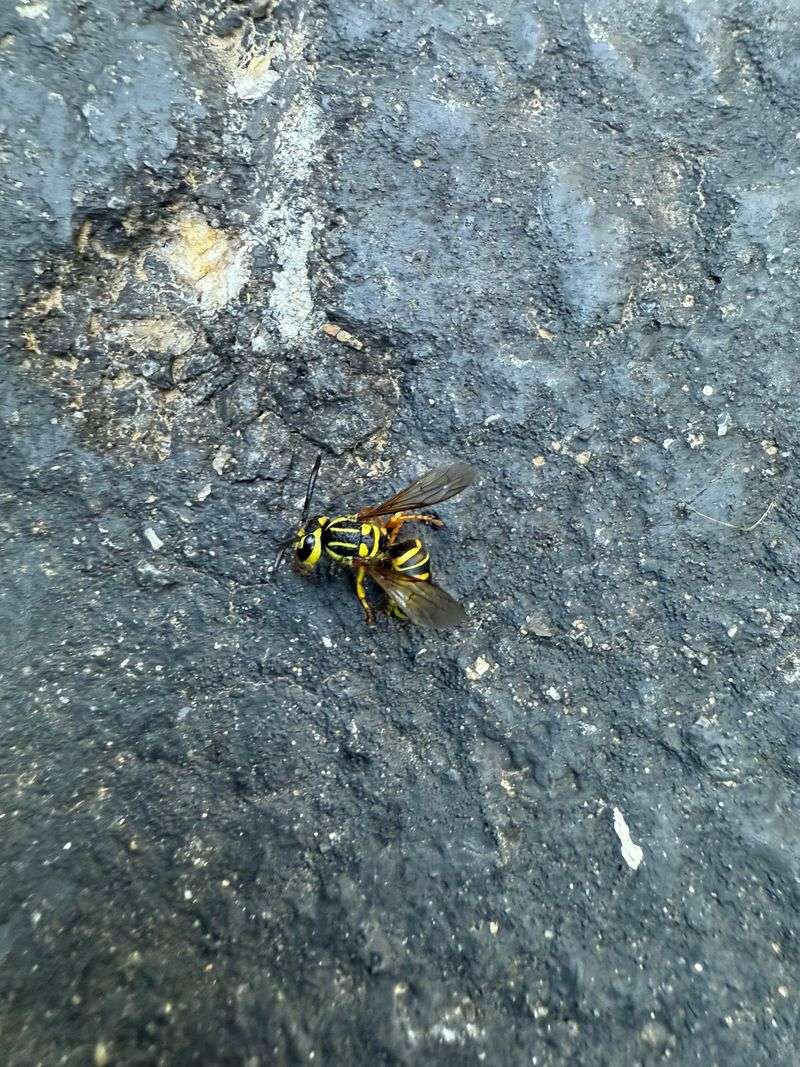
Commercial wasp traps, whether store-bought or homemade from a plastic bottle and sugar water, offer homeowners a hands-off way to reduce wasp numbers around a porch without directly confronting a nest.
These traps generally work by luring wasps in with a sweet attractant through a narrow opening, then relying on the insect’s difficulty finding its way back out once inside the trap.
Placement matters considerably for these traps to actually help rather than backfire on the effort. Setting a trap too close to seating areas can draw more wasps toward people rather than away from them.
A better approach positions traps along the perimeter of a yard, ideally twenty or more feet from the porch itself, intercepting foraging wasps before they ever reach the space where people gather.
Traps tend to work better as a supplement to good sanitation than as a stand-alone solution, since a single trap cannot compete with an open trash can or an uncovered soda sitting right on the table.
Emptying and refreshing the bait regularly keeps traps effective, since a trap full of trapped insects and stale liquid loses its pulling power within a week or two during peak fall activity.
Homemade traps using sugar water, fruit juice, or even leftover soda work reasonably well and cost almost nothing, making them worth trying before investing in commercial products marketed specifically for wasp control.
Traps rarely eliminate a problem entirely on their own, especially with a large nearby colony at peak size, so pairing them with the sanitation and landscaping habits covered throughout this guide gives the best overall results heading into a warm Texas fall.