The September Mowing Height That Helps Florida St. Augustine Handle Stress Better
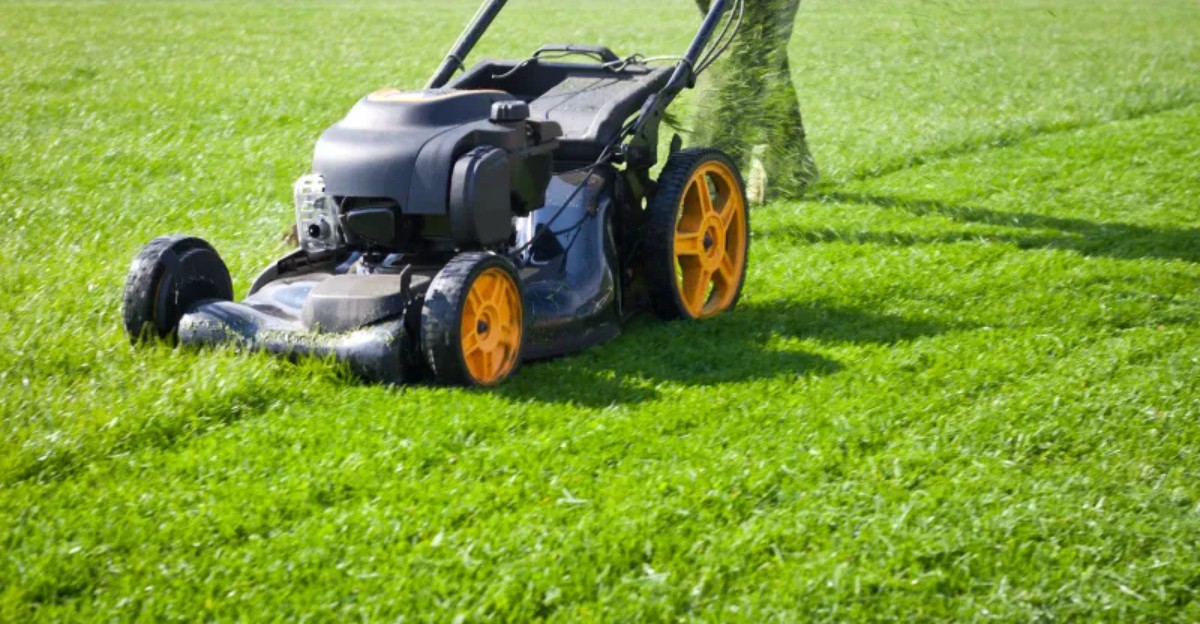
Your mower has been set on autopilot since June, and that one forgotten setting could be sabotaging your St. Augustine right now.
You’d never guess a few notches on your mower deck could carry this much weight, but St. Augustine grass plays a completely different game once September rolls in.
Keep cutting it the way you did all summer and you strip away the exact thing your lawn needs to shade its roots and hold onto moisture through Florida’s unpredictable mix of downpours and dry spells this month.
Get the height wrong in either direction and you’re asking for trouble. Cut too low and you expose roots with nothing left to protect them.
Leave it too high and you build a thick canopy that traps moisture and invites fungus to move in uninvited.
Check that deck setting before your next pass across the yard. One number you haven’t touched in months could decide whether your lawn cruises through fall or spends October playing catch-up.
1. Raise The Blade Before Heat Strikes Again
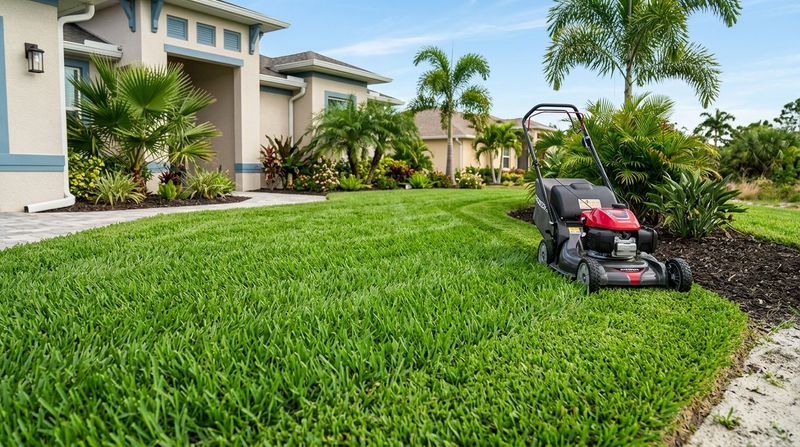
September fools a lot of Florida homeowners. The calendar says fall, but the thermometer still flirts with the low nineties most afternoons.
That is exactly why bumping your mower deck up before the next heat wave pays off. Standard St. Augustine varieties often perform well in the 3.5-to-4-inch range, especially during stressful weather periods.
Taller blades act like a living sunshade. They cover the soil surface, slow down evaporation, and keep root-zone temperatures noticeably cooler than a scalped yard sitting in full sun.
Picture standing barefoot on dark asphalt versus standing on shaded grass. Your roots feel that same difference, and cooler soil means less water loss between rain showers.
Making the change is simple. Most walk-behind mowers have a single lever or four wheel pins, and riding mowers usually have a dial near the seat.
Measure before you guess. Set the mower on a flat driveway, run a tape measure from the pavement to the bottom edge of the blade, and adjust from there.
One helpful trick: check your setting at the start of every month during warm season. Decks drift over time, especially after hauling the mower in a truck bed or bumping curbs.
Ten seconds of adjusting now saves weeks of recovery later.
2. Let Taller Grass Protect Weak Roots
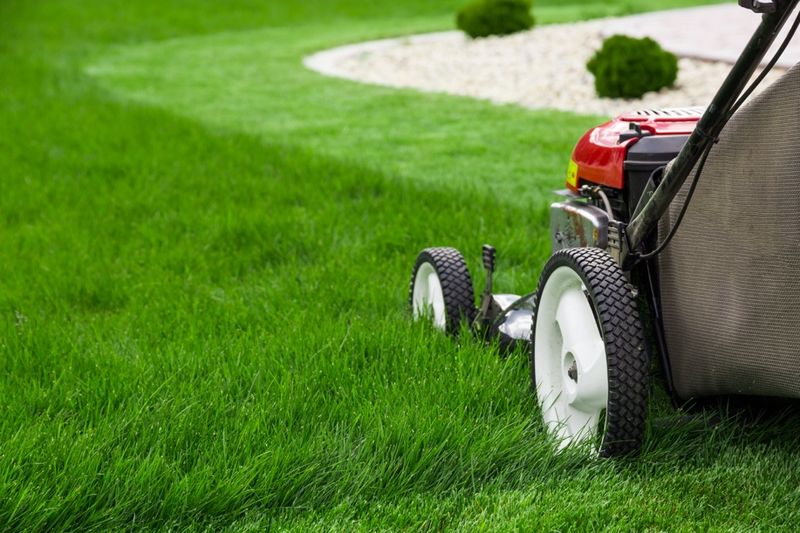
Here is a rule that surprises folks: what happens above the soil controls what happens below it. Longer leaf blades collect more sunlight, and more sunlight means more food manufactured through photosynthesis.
That extra food does not just sit around. Plants push a good share of it downward, building longer, thicker roots that reach deeper into the sand and clay.
Roots are the savings account of a lawn. When drought arrives, when chinch bugs show up, or when temperatures swing, deep roots let the turf keep pulling water and nutrients from lower soil layers.
Grass kept too short generally develops less leaf area and can become more dependent on moisture near the soil surface, especially during hot, dry periods.
Your Florida Garden Changes Every Week. Your Plan Should Too.
Gardening in Florida changes quickly throughout the season. Every Friday you’ll receive a simple weekly plan showing exactly what to plant, prune, fertilize, harvest, and protect so you never miss the right timing.
September is prime time for root building because soil stays warm and rainfall is usually generous. Warm soil plus moisture plus adequate leaf surface equals real underground growth.
You can help the process along by watering deeply but less often, roughly half an inch to three quarters of an inch per session when rain falls short.
Frequent shallow sprinkling trains roots to stay near the surface, which works against everything the taller cut is trying to accomplish.
Think of your mower as a tool that shapes root depth. Set it higher, and the roots follow.
3. Stop Cutting St. Augustine Too Short
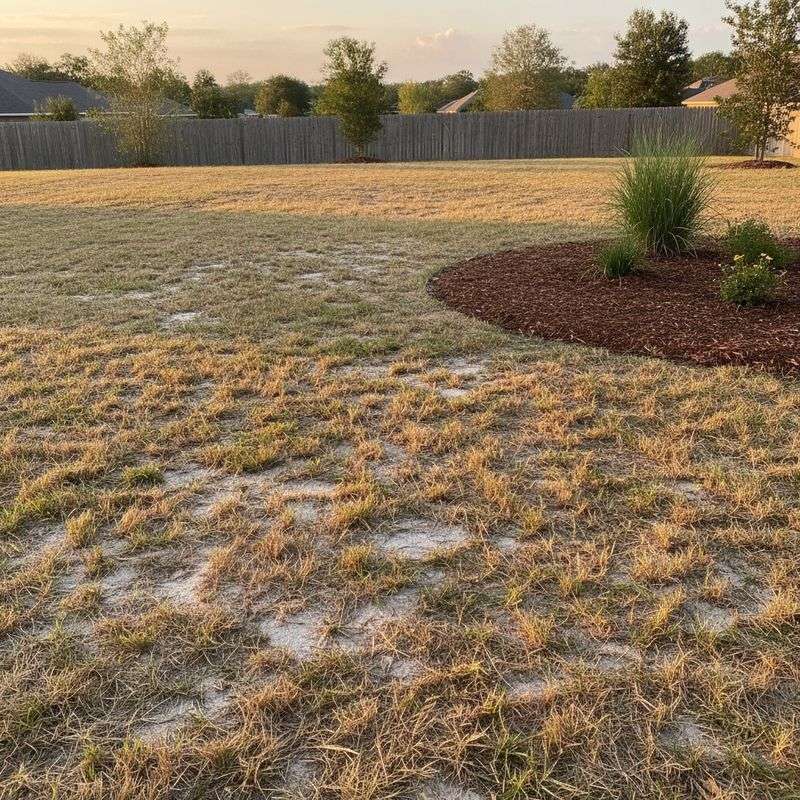
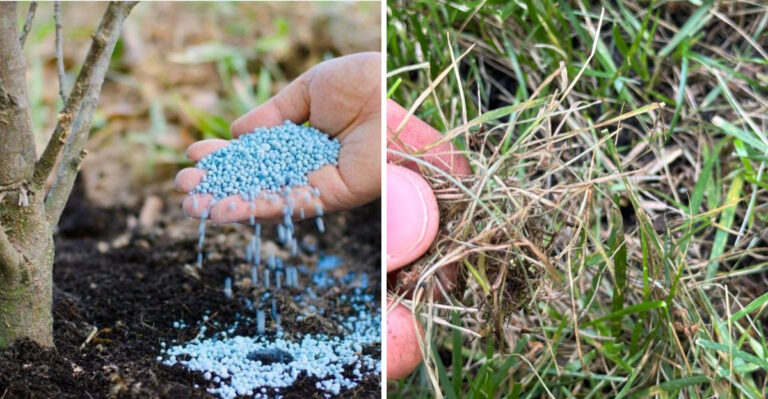
Ever notice those pale, straw-colored patches that show up a day after mowing? That is scalping, and St. Augustine is unusually prone to it.
The reason sits right on the soil surface. St. Augustine spreads by thick horizontal stems called stolons, or runners, and cutting below about 3.5 inches on standard types leaves those runners bare to direct sunlight.
Exposed stolons bake, brown out, and stop sending up new shoots. The turf thins, the canopy opens, and weed seeds finally get the light they were waiting for.
Low mowing also shortens roots. Less leaf means less energy production, and the plant responds by cutting back on underground growth just when it needs strength most.
The fix is the one-third rule. Remove no more than a third of the blade height in any single pass, which usually means mowing when growth reaches around five to six inches for a 4-inch target.
Fell behind after a rainy week? Lower the height in two stages over several days instead of chopping everything at once.
Watch out for uneven ground too. High spots and tree roots cause accidental scalping even when your deck setting is correct, so consider topdressing those bumps with sand in the growing season.
Gentle cuts keep runners covered and the canopy thick.
4. Keep More Leaf For Better Fall Recovery
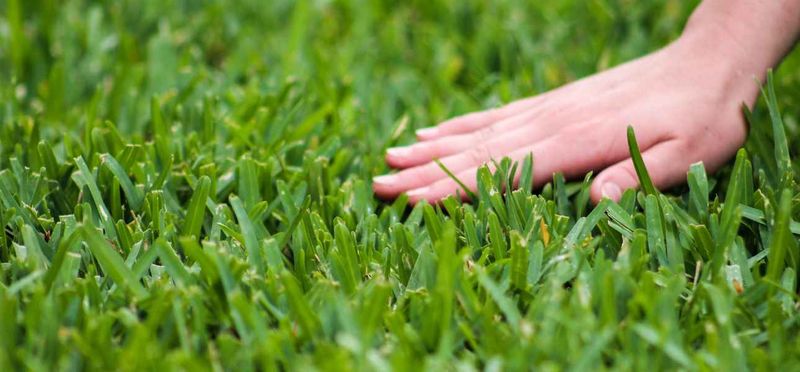
Summer takes a toll. By September, most Florida lawns are carrying the scars of flooding rain, fungus flare-ups, insect feeding, and weeks of blistering heat.
Recovery runs on energy, and energy comes from leaf surface. Every square inch of green blade works like a tiny solar panel, converting light into the sugars that repair thin areas and fill in bare patches.
Cut that leaf surface in half, and you cut the repair budget in half too. Keeping more blade standing gives the plant the resources it needs to bounce back while soil is still warm enough for active growth.
Day length matters here as well. Sunlight hours shrink steadily through fall, so grass has less time each day to gather what it needs.
Taller canopies capture more of that shrinking light supply, which is a quiet advantage nobody notices until winter arrives and the lawn looks better than the neighbor’s.
Bagging clippings during this window is usually unnecessary. Leave them in place with a mulching blade, and you return nitrogen and organic matter straight back to the soil.
Just spread them evenly. Thick clumps sitting on the canopy block light and hold dampness against the blades, which invites trouble.
More leaf, more energy, faster comeback. Pretty good trade for a higher deck setting.
5. Match The Height To Your St. Augustine Type
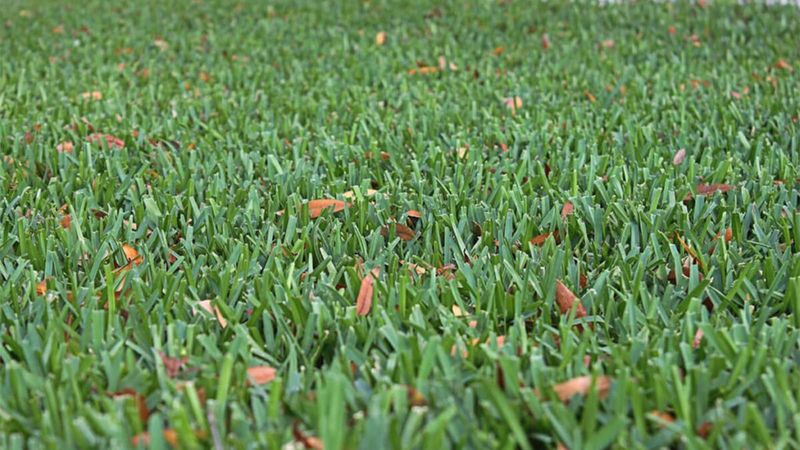
Not all St. Augustine grass wants the same haircut. Cultivar makes a real difference, and guessing can leave you either scalping or smothering your turf.
Standard varieties are the most common in Florida yards. Floratam, BitterBlue, and Classic are commonly maintained in the 3.5-to-4-inch range, depending on growing conditions and homeowner preference.
CitraBlue, a newer slow-growing release, handles a slightly shorter range of 2.5 to 3.5 inches. Its denser habit means it fills in without needing as much blade length.
Dwarf cultivars are the exception to the tall-is-better idea. Seville, Sapphire, Captiva, and Palmetto naturally grow low and compact, and 2 to 2.5 inches keeps them looking tidy rather than floppy.
Cut a dwarf type at 4 inches and it tends to lay over on itself, trapping dampness and losing that clean appearance homeowners like.
Shade changes the math again. Under oaks or on the north side of a house, mowing around 4 to 4.5 inches helps standard grass grab whatever filtered light reaches it.
Unsure which cultivar you have? Check your closing paperwork, ask the sod farm, or bring a plug to your county extension office for identification.
Knowing the name unlocks the right number, and the right number changes everything.
6. Save Thin Spots With A Smarter Cut
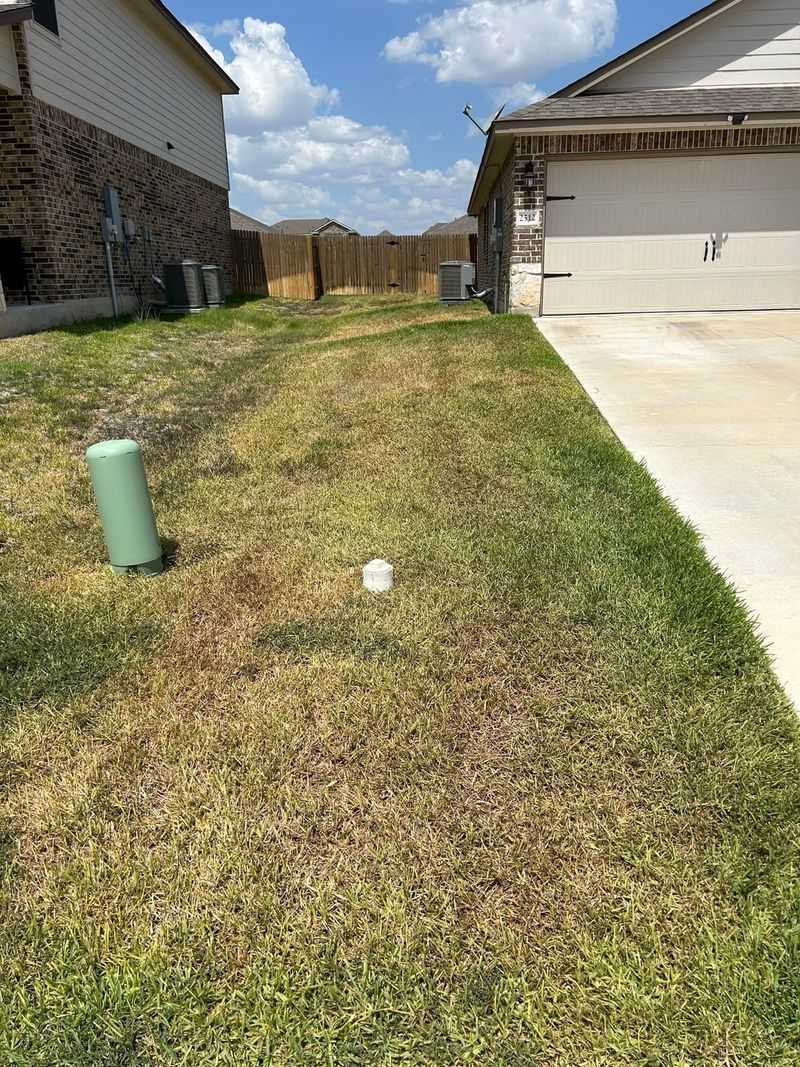
Thin patches feel like a personal insult. You water, you feed, and still there sits that scraggly area near the sidewalk looking sparse.
Mowing height often deserves a share of the blame. Short cuts in weak areas expose bare soil to sunlight, and sunlight on soil is an open invitation for crabgrass, dollarweed, and sedge.
Raising the deck to the 3.5 to 4 inch range does two jobs at once. It shades the ground so weed seeds struggle to germinate, and it lets surviving grass build the energy needed to send runners across the gap.
St. Augustine repairs itself by creeping sideways, not by seeding. Those stolons need fuel, and fuel comes from leaf surface you did not cut away.
Try skipping the thin area entirely for a mow or two. Letting it run a little longer than the rest often speeds the fill-in noticeably.
Foot traffic deserves attention as well. Stepping stones or a mulched path through a well-worn route removes the pressure that created the thin spot originally.
Check for hidden causes too, including shade from a growing shrub, a sprinkler head that stopped rotating, or insect feeding along the edge.
Higher mowing gives the grass a fighting chance to close the gap on its own.
7. Sharpen Blades Before The Next Mow
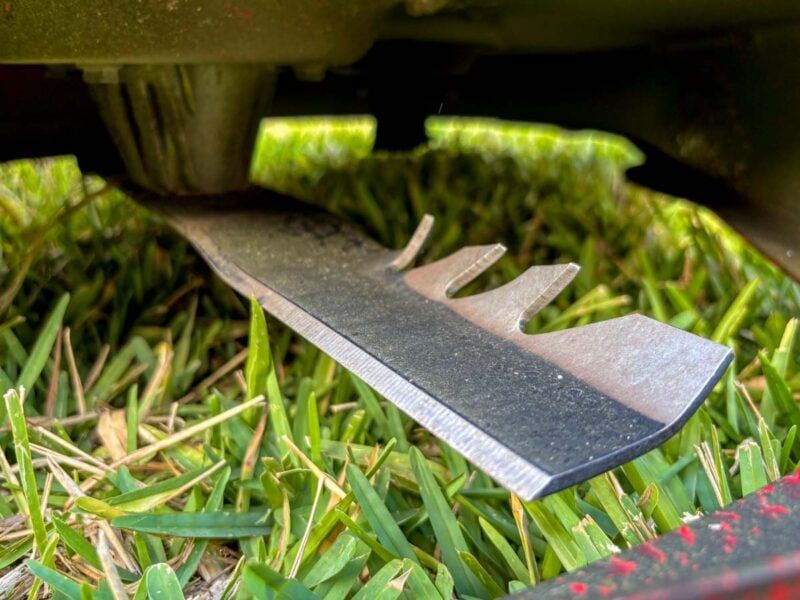
A dull blade does not cut grass. It tears it, shredding the tips into ragged, stringy ends that brown within a day.
Ever seen a lawn that looks faintly whitish or yellow right after mowing, even though the color was fine before? Those frayed tips are the culprit, and they show up most on thick-bladed St. Augustine.
Torn edges also create wounds. Open tissue gives fungal spores an easy entry point, which matters a great deal during Florida’s damp September weather.
Clean cuts seal faster, lose less moisture, and let the plant get back to growing rather than repairing. Less stress means better nutrient uptake and quicker recovery from summer wear.
Aim to sharpen at least twice per season, or roughly every 20 to 25 hours of mowing. Sandy soil dulls steel fast, so Florida yards often need more frequent attention than that.
Sharpening at home is doable with a file, a bench grinder, or an angle grinder. Disconnect the spark plug wire first, mark which side faces down, and keep the original bevel angle.
Balance matters after grinding. An uneven blade vibrates, which wears bearings and produces an uneven cut.
Not into tools? Most small engine shops handle it for a modest fee.
8. Avoid Trapping Moisture In Overgrown Turf
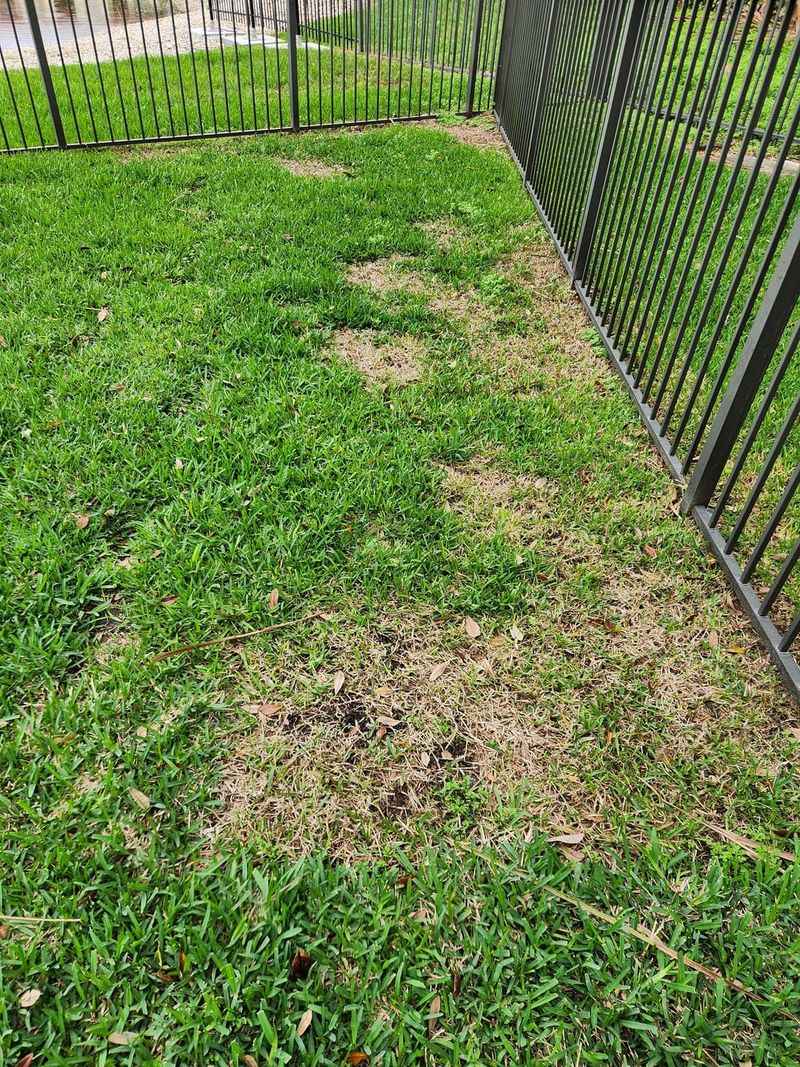
Higher is better, up to a point. Let St. Augustine run wild for three weeks during rainy season and you create a damp, shaded jungle at soil level.
Air stops moving through an overgrown canopy. Water clings to the blades long after sunrise, and brown patch and gray leaf spot love those conditions.
Overgrown turf mows badly too. Blades lay flat, the mower bogs down, and clumps of wet clippings pile up and smother whatever is underneath.
Tall unmowed grass also invites guests you would rather skip, including fire ants and the occasional snake looking for cover near the patio.
Rhythm is the answer. Through September, most Florida lawns need mowing every five to seven days, sometimes sooner after a heavy storm week.
Follow the one-third rule and you naturally stay on schedule. For a 4-inch target, mow when the canopy reaches roughly six inches.
Timing within the day helps as well. Mowing mid-morning or later, once dew has burned off, keeps clippings from sticking and reduces the chance of spreading disease across the yard.
Rain-soaked ground calls for patience. Wait a day if the soil squishes underfoot, since mower tires compact wet soil and leave ruts that linger for months.
Tall and tidy beats tall and tangled.
9. Set Your Lawn Up For Cooler Months
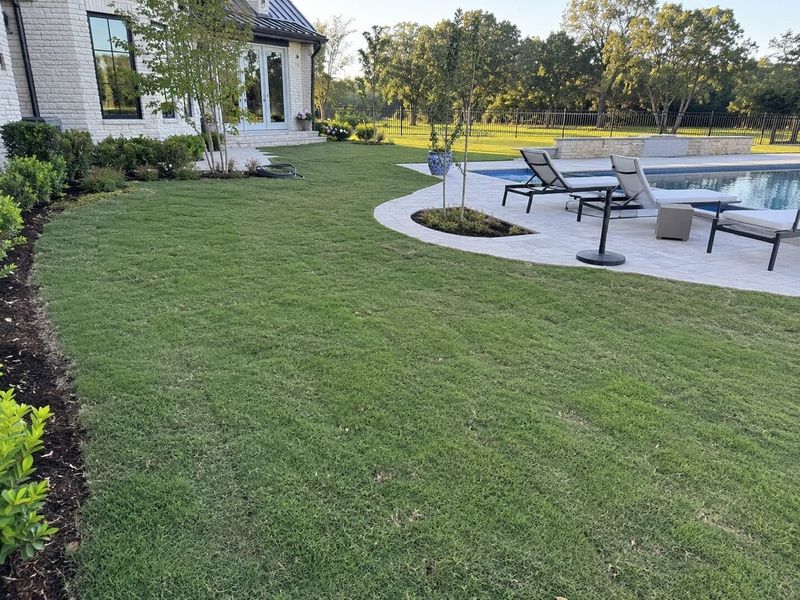
Think of September mowing as packing a suitcase for a trip your lawn is about to take. What goes in now determines how comfortable the journey feels later.
Holding that 3.5 to 4 inch height through fall keeps root growth moving while soil temperatures stay friendly. Deeper roots translate into better cold tolerance when those occasional chilly fronts sweep down the peninsula.
Growth slows as days shorten, and that is normal. From late fall through winter, Florida St. Augustine usually slows down, so mowing frequency can often be reduced as growth decreases.
Resist the urge to give the yard a short winter buzz cut. A fuller canopy insulates crowns and stolons against cold snaps and keeps weeds from grabbing open ground.
Skip heavy nitrogen once temperatures cool. Pushing tender new growth in late fall leaves it exposed to chill injury, and potassium-focused feeding generally serves the turf better.
Keep an eye on irrigation as well. Cooler air and lower evaporation mean the lawn needs water far less often, so dial back the timer rather than running summer settings all winter.
By spring, the difference shows. Lawns carried through fall at a generous height green up earlier and with fewer thin patches to patch.