Indiana Lawns Benefit More From Shredded Leaves Than From Bagged Ones
September in Indiana smells like warm apple cider, yellow school buses, and the first hint of wood smoke. Overhead, the tall trees are quietly planning their yearly surprise party for your yard.
Soon that party drops thousands of crunchy guests onto the grass, and most of us grab a rake. Then comes the sweating, the stuffing, and the slow parade of brown paper bags to the curb.
Turns out your lawn has other plans, and it’s been quietly rooting against you. Every one of those guests is hiding a free meal inside, whether you notice or not.
Your neighbors might whisper that you have gotten lazy when your curb stays bare this fall. Let them whisper while your grass throws the greenest after-party on the whole block.
Leaf Fragments Feeding Soil Biology
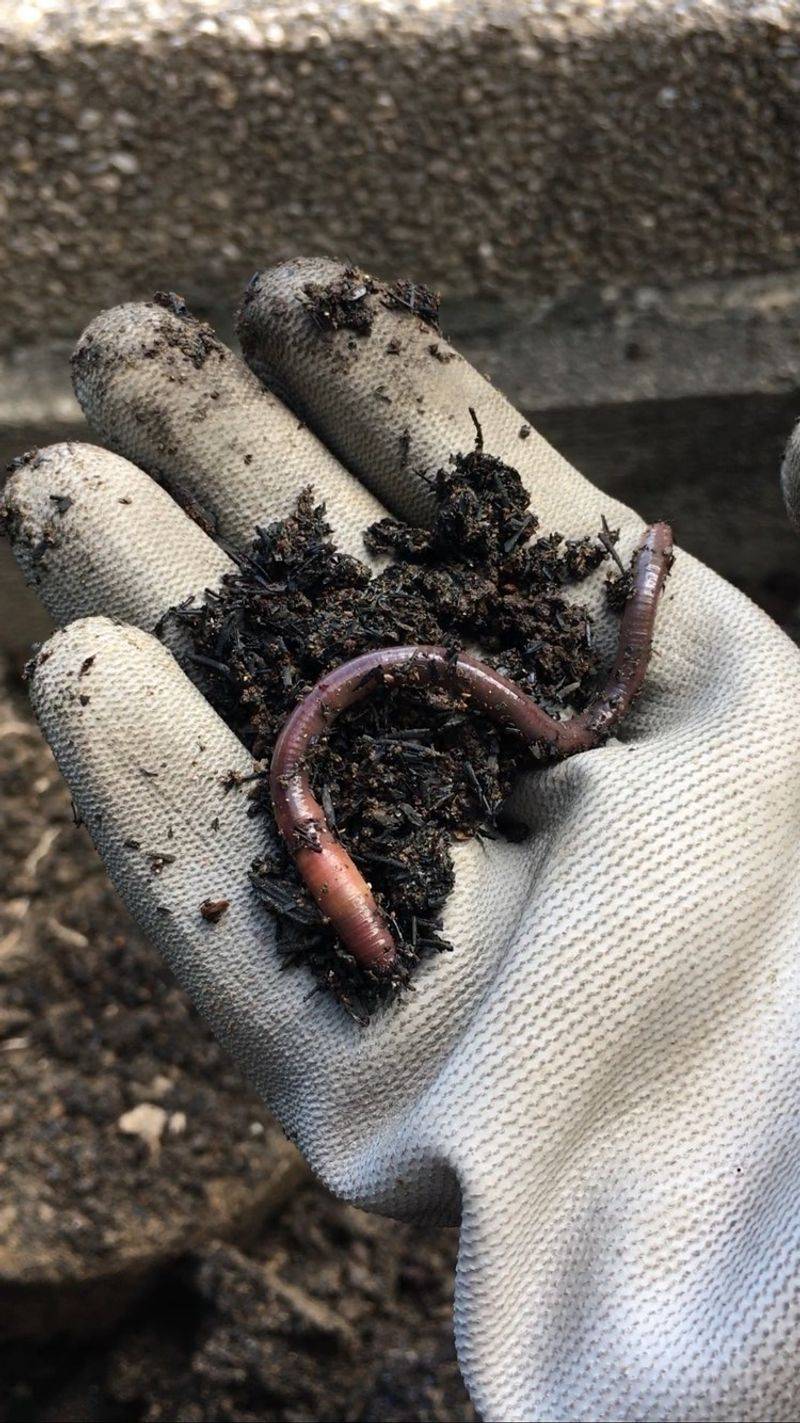
Picture a tiny underground restaurant that opens every autumn and serves one dish. Shredded leaves are that dish, and the hungry customers are earthworms, fungi, and billions of bacteria.
When a mower chops leaves into pieces about the size of a dime, they slip down between grass blades. Down there, the soil crew can reach them fast and start munching right away.
Whole leaves are a different story, because they sit on top like a soggy blanket. Microbes struggle to get a grip, so breakdown can drag on until well after spring arrives.
Earthworms love the chopped bits and pull them down into their tunnels at night, like kids sneaking snacks. Their tunnels also let air and rainwater reach grass roots more easily.
As the pieces break down, they release small amounts of nitrogen, potassium, and other nutrients. Over time, they also add organic matter that helps Indiana clay hold moisture without turning into brick.
Studies at Michigan State found years of leaf mulching caused no harm to turf. After a few years of consistent mulching, test plots showed far fewer dandelions.
Bagged leaves, on the other hand, ride away in a truck and feed nothing in your yard. You basically pay to throw out free fertilizer every single fall, which is a little silly.
So this September, treat your lawn like a client who pays you back in green. Keep the kitchen stocked, and the soil crew will pay you back in thick, green grass.
Mower Setups That Cut Leaves Small Enough
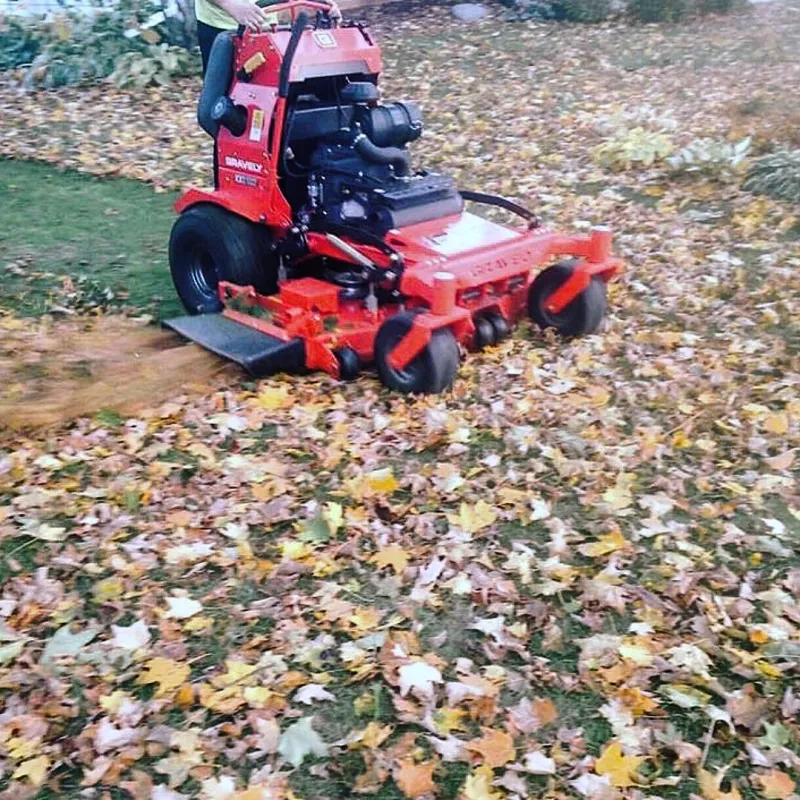
Not every mower is a leaf-chopping champion, and that surprises a lot of homeowners. A machine that handles summer grass just fine can choke on a thick October pile.
The goal is simple: leaf pieces about the size of a shirt button or smaller. Bigger chunks tend to mat together and block sunlight from the grass below.
A mulching blade is the best upgrade for most mowers, and it usually costs under thirty dollars. Its curved edges keep leaves bouncing inside the deck so they get cut again and again.
Next, close off the side chute or remove the bag, depending on your model. Many mowers come with a mulching plug that snaps right into the rear opening.
Your Indiana Garden Changes Every Week. Your Plan Should Too.
Gardening in Indiana changes quickly throughout the season. Every Friday you’ll receive a simple weekly plan showing exactly what to plant, prune, fertilize, harvest, and protect so you never miss the right timing.
Blade sharpness matters more than people think. A dull blade tears leaves into ragged strips instead of neat little flakes, so sharpen it before fall starts.
Raise the deck to around three or three and a half inches for tall fescue lawns, common across Indiana. The extra height gives leaves room to swirl and get sliced.
Engine speed should stay at full throttle, and your walking pace should slow down a bit. Think of a steady stroll rather than a race to finish before dinner.
Riding mowers and zero-turns can work too, especially with a mulching kit from the manufacturer. Check the owner manual or ask your local dealer which kit fits your deck.
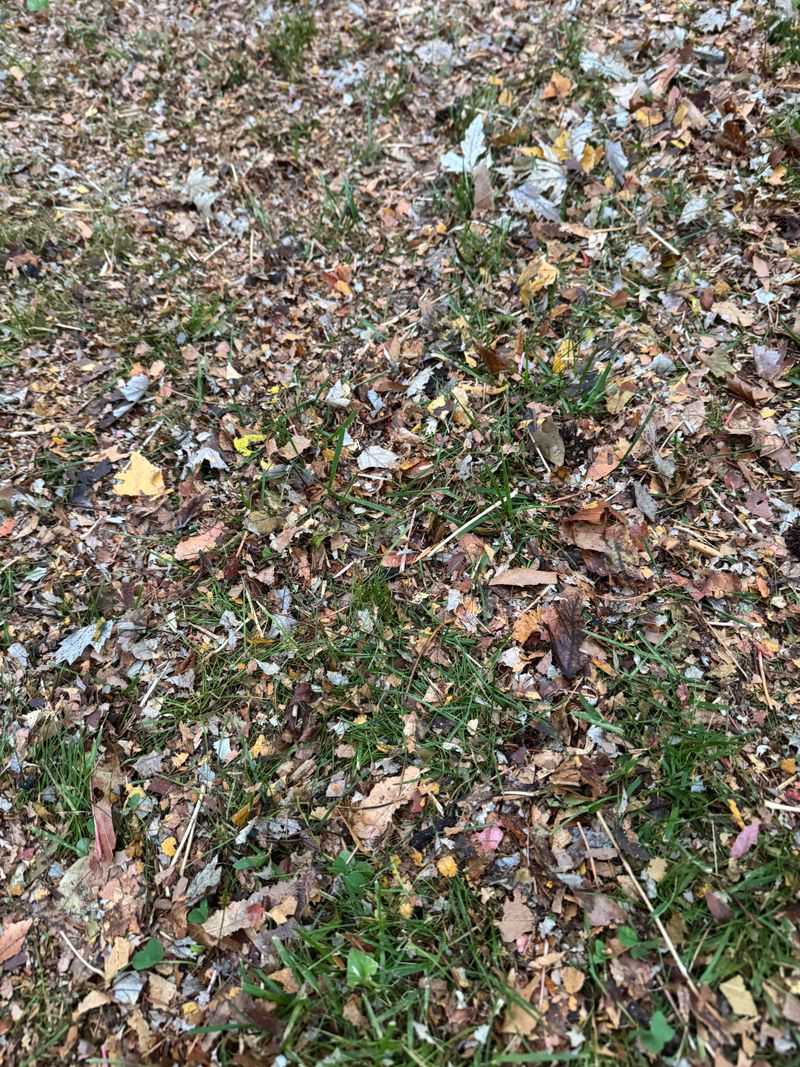
One quick test tells you if your setup works. After a pass, you should see grass blades peeking through a light sprinkle of brown flakes.
Leaf Depth A Lawn Can Absorb
Goldilocks would make a great lawn keeper, because leaf depth needs to be just right. Too little barely feeds the soil, while too much can smother the grass.
A good rule is to mow before loose leaves pile up more than a few inches deep. After shredding, that pile shrinks into a thin, crumbly layer.
The easiest check happens right after you mow. If you can still see about half of each grass blade poking through, the lawn can absorb it.
Can’t see any green at all after mowing? Then the layer is too thick, and you should mow again or rake some away.
Heavy layers trap moisture and block light, which can invite snow mold during a long Indiana winter. Grass under a soggy mat often wakes up thin and patchy in April.
Yards with big trees may need a second pass the same day. Mowing in two directions, like making a crisscross pattern, chops the pieces even smaller.
Dry leaves shred far better than wet ones, so pick a sunny afternoon when you can. Wet leaves clump, stick to the deck, and leave messy piles behind.
Shady spots deserve extra attention, since grass there grows slower and has less energy to spare. Keep the layer lighter under dense trees and near the north side of your house.
A little patience pays off here. By late fall, a lawn that got the right amount will look tidy, and the flakes will vanish within weeks.
Species Slower To Break Down
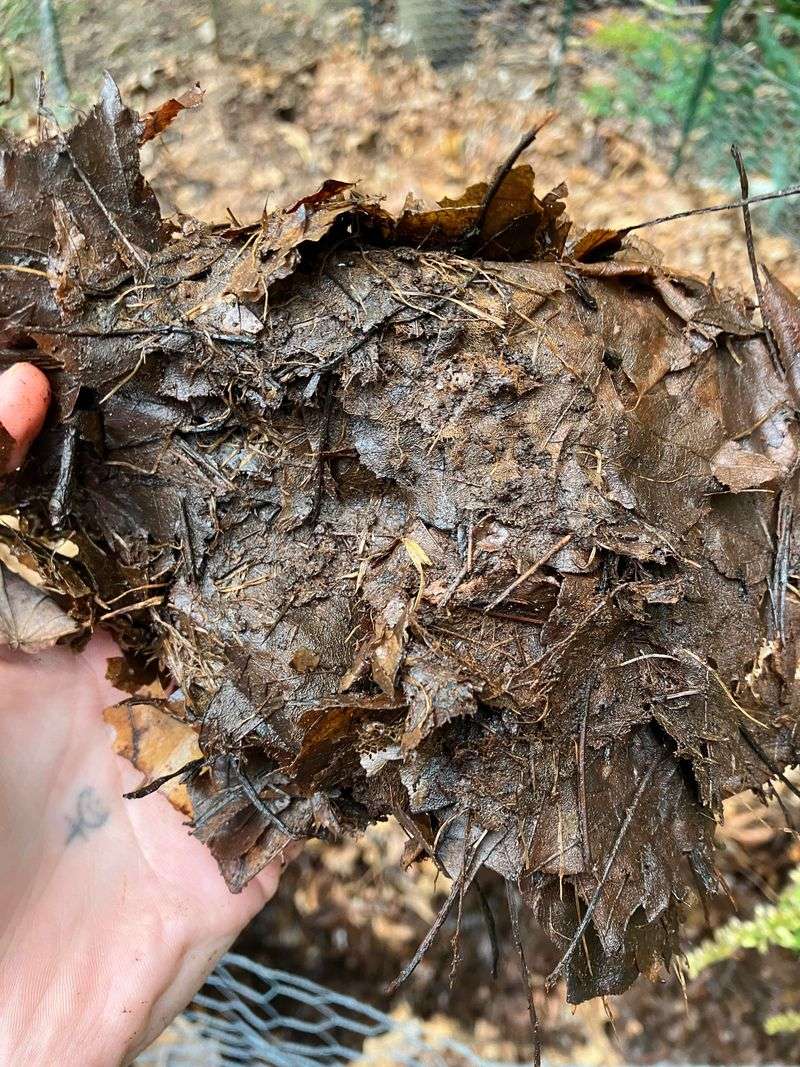
Every tree has its own personality, and some drop leaves as tough as old leather. Oaks are the stubborn kids of the Indiana yard, holding out long after maples give up.
Oak leaves are thick, waxy, and packed with tannins, natural chemicals that slow down decay. Whole oak leaves can sit around for a year or more without much change.
Sycamore leaves are another slowpoke, and they are huge, sometimes wider than a dinner plate. Beech and magnolia leaves also take their sweet time breaking apart.
On the speedy side, maple, ash, birch, and cherry leaves soften and crumble fast. Honeylocust leaflets are so tiny they almost vanish into the lawn on their own.
So what should you do with the tough guys? Shred them extra fine, because smaller pieces give microbes more edges to chew on.
A second or even third pass with the mower works wonders on oak and sycamore piles. Mixing them with softer maple leaves also helps speed things along.
Some folks worry that oak leaves will make their soil too acidic. Research shows the effect is tiny, so you can mulch them without fretting about pH.
Fun fact: many oaks cling to their brown leaves well into winter, a habit called marcescence. That means your oak cleanup may stretch longer than the maple cleanup next door.
Walnut leaves deserve a quick mention too, since they carry juglone, a compound that bothers some garden plants. Grass handles it well, so shred walnut leaves into the lawn rather than the vegetable bed.
Mulch-Mowing Passes Through October Into November
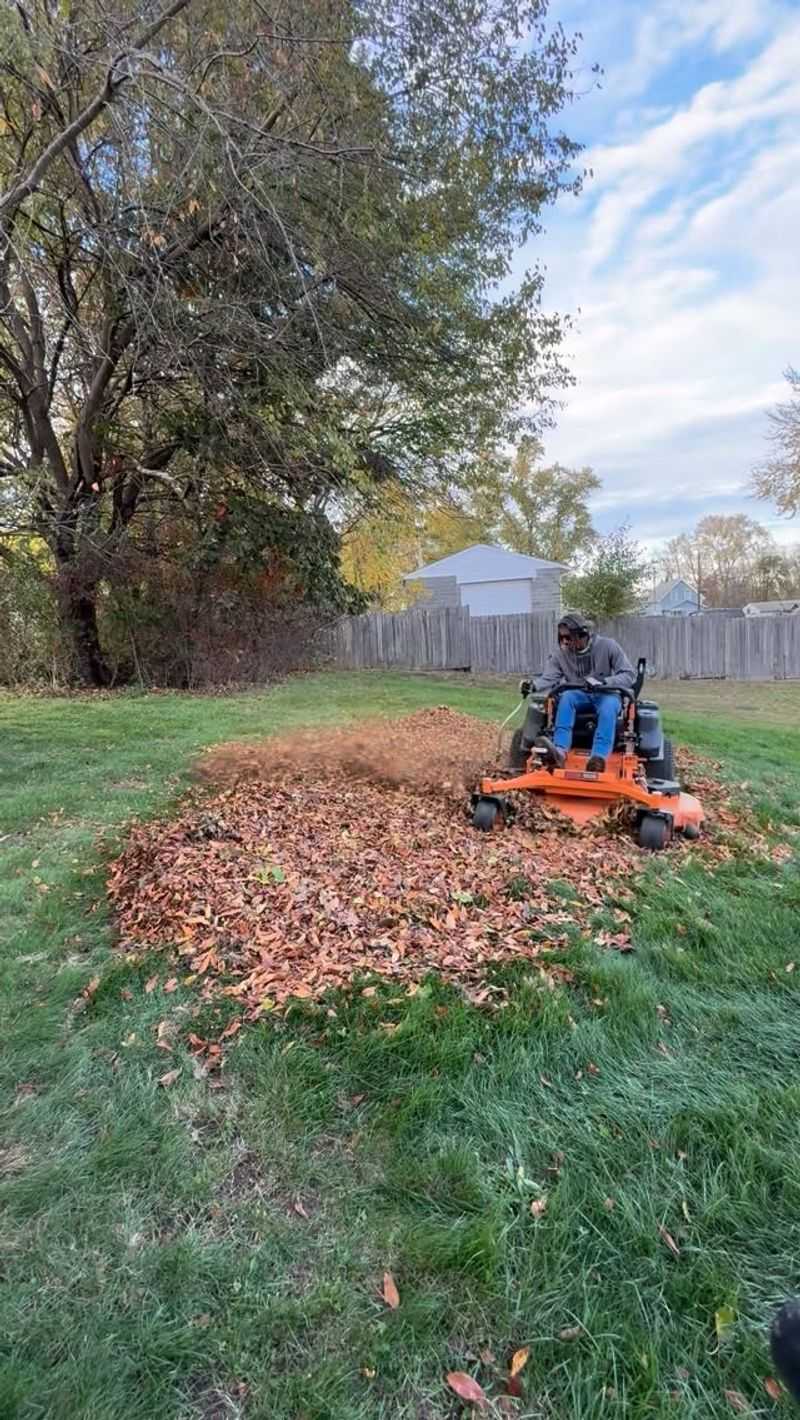
Leaf season in Indiana is a marathon, not a sprint. Trees in the northern counties start dropping in early October, while southern yards often peak closer to mid-November.
The secret is to mow often instead of waiting for one giant pile. Plan on a pass every five to seven days once leaves really start coming down.
Small, frequent passes are easier on your mower and on your back. They also keep the leaf layer thin enough for the grass to breathe.
September is the perfect time to get ready. Sharpen the blade, swap in a mulching setup, and give the lawn a fall feeding of fertilizer.
In early October, the first leaves trickle down, and a single weekly pass handles them easily. By the third week, busy trees may call for two passes a week.
Late October and early November bring the heaviest drop for most of the state. Oaks keep shedding into late November, so keep the mower handy a little longer.
Your grass is still growing during this stretch, soaking up nutrients for winter. Keep the mowing height steady around three inches, and lower it slightly for the final cut.
Rainy weeks can throw off the schedule, and that is okay. Just wait a day for things to dry, then catch up with a slower pass.
Think of each mowing as a small deposit into a soil savings account. By Thanksgiving, you will have banked weeks of free food, and your curb will stay bag-free.
Leftover Leaves Moved To Beds Or Compost
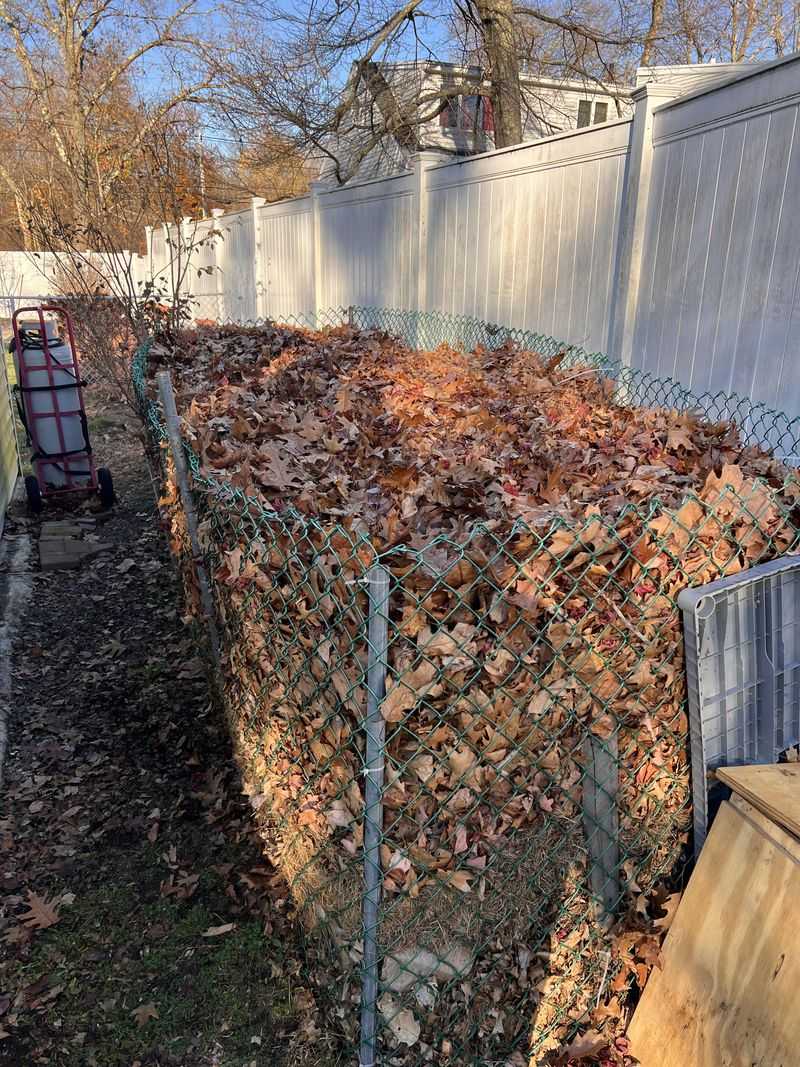
Even the best mulch-mower gets overwhelmed sometimes, especially under a giant old oak. When the lawn has had its fill, the extras still have plenty of jobs to do.
Flower beds and vegetable gardens love a cozy blanket of shredded leaves. Spread about two to three inches around shrubs and perennials to hold in moisture and block weeds.
Keep the layer a few inches away from tree trunks and plant stems. Piling leaves right against bark can trap moisture and invite rot or hungry critters.
The mower bag is handy here, so attach it and collect the chopped leaves as you go. You will end up with ready-made mulch that looks tidy and costs nothing.
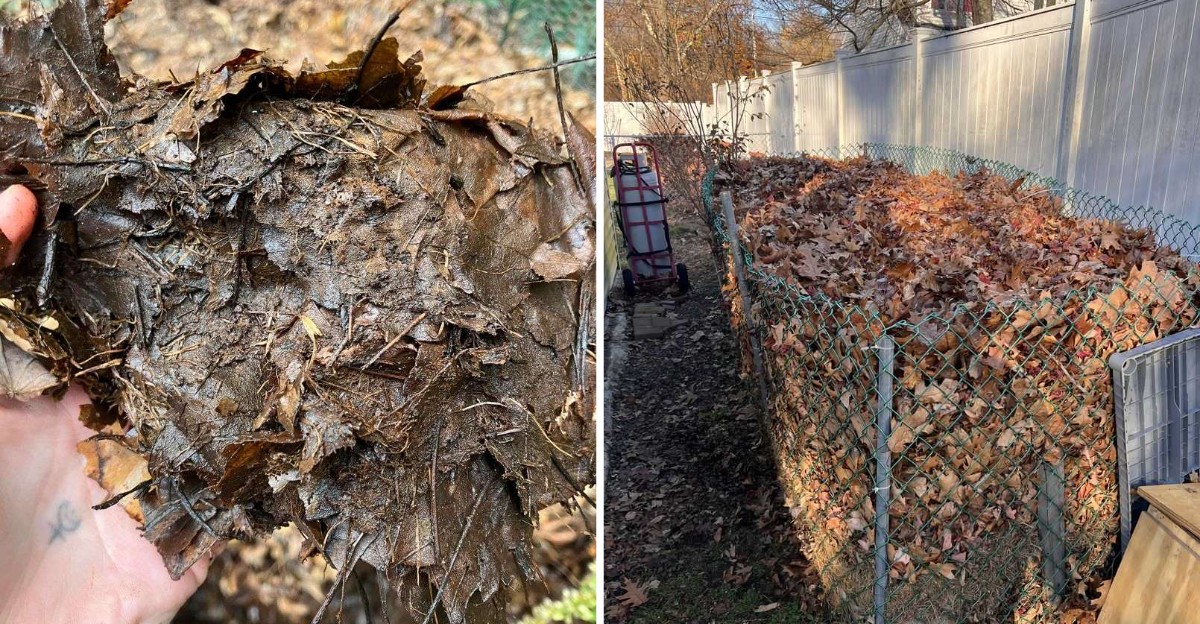
Compost piles are the other great option. Brown leaves supply carbon, which balances green stuff like grass clippings and kitchen scraps.
A good mix is roughly three parts leaves to one part green material. Turn the pile every couple of weeks, and keep it about as damp as a wrung-out sponge.
Save a few bags of dry leaves in the garage for next summer, too. Fresh grass clippings pile up fast in June, and those stored browns keep compost from getting slimy.
Leaf mold is another treat worth trying if you have patience. Pile moist shredded leaves in a corner, and in a year or two they become dark, sweet-smelling soil.
Many Indiana towns still offer curbside leaf pickup, but using your own supply keeps the goodness at home. Your garden gets fed, and the city trucks get a little break.