Missouri Gardeners Don’t Have To Throw Out Their Pepper Plants This Fall
September in Missouri smells like cut grass, warm dust, and the first sweet hint of sweater weather. Your garden, meanwhile, looks like it hosted a wild summer party and forgot to sweep up afterward.
Those glossy green stems you babied since May are still standing tall, stubborn as a mule at the state fair. They’ve clearly decided the season isn’t over just because the calendar says otherwise.
Most folks yank everything out the minute the weather lady mentions frost on the evening news. It feels responsible, like returning library books on time or flossing the night before a dentist visit.
But what if the compost pile is not the only ending for your summer superstars? What if they just need a cozy nap in the basement until the robins return?
Somebody has to tuck in the leftover party guests, so grab a blanket and practice your bedtime story voice.
A Plant That Comes Back Year After Year Instead Of Starting Over
Here is a fun surprise: peppers are actually perennials in their native home of Central and South America. They only act like annuals here because Missouri winters get far too cold for them.
Out in the wild, some pepper plants grow into woody little shrubs that live for many years. Your backyard jalapeno carries that same tough spirit hiding inside its skinny green stems.
Keeping a plant through the winter gives you a huge head start on next season. Instead of a tiny seedling in May, you get a sturdy plant with a thick, established trunk.
That older plant often flowers and fruits weeks earlier than a new one. Gardeners in Kansas City and St. Louis often see their first peppers weeks earlier than usual this way.
Hot varieties handle this process especially well, including habaneros, Thai chilies, and ghost peppers. These slow growers take ages to ripen, so a head start makes a real difference.
You also save money on seeds and transplants each spring. Better yet, you keep a beloved plant going, like a family recipe handed down from one generation to the next.
September is the perfect time to pick your best performers before the first frost arrives. Look for plants with strong stems, healthy leaves, and no signs of pests or disease.
Mid-October usually brings the first frost to much of Missouri, though northern counties can see it sooner. Watch the forecast closely and plan to act once nights dip toward 50 degrees.
The Hard Prune Down To Bare Stems
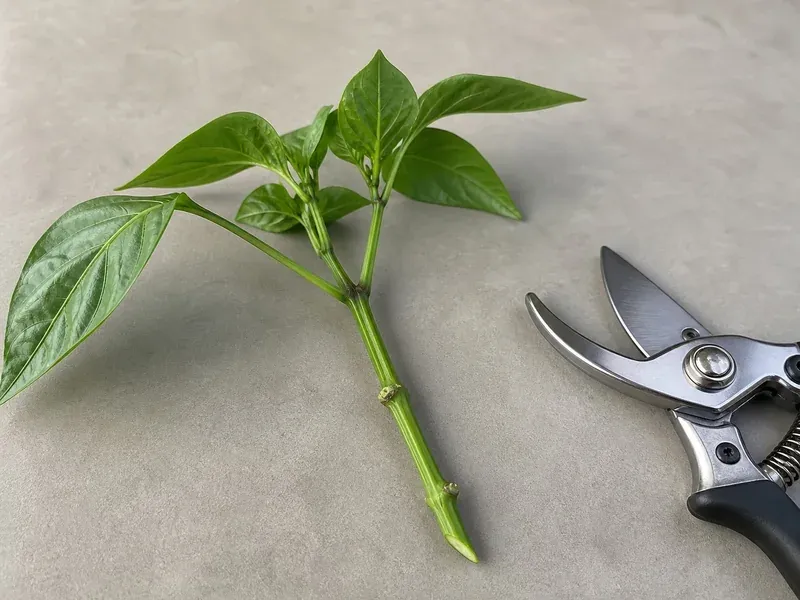
Picture giving your pepper plant the worst haircut of its life, and then feeling good about it. That is basically what happens before the big move indoors.
First, harvest every last pepper, even the tiny green ones hiding underneath. Toss them in salsa, freeze them for chili, or pickle them for a snowy afternoon treat.
Next, remove all the leaves and flowers. Leftover foliage can hide aphids, spider mites, and whiteflies that would love a free winter vacation in your house.
Your Missouri Garden Changes Every Week. Your Plan Should Too.
Gardening in Missouri changes quickly throughout the season. Every Friday you’ll receive a simple weekly plan showing exactly what to plant, prune, fertilize, harvest, and protect so you never miss the right timing.
Grab clean, sharp pruning shears and wipe the blades with a disinfecting solution first. Clean tools help stop the spread of plant diseases from one stem to another.
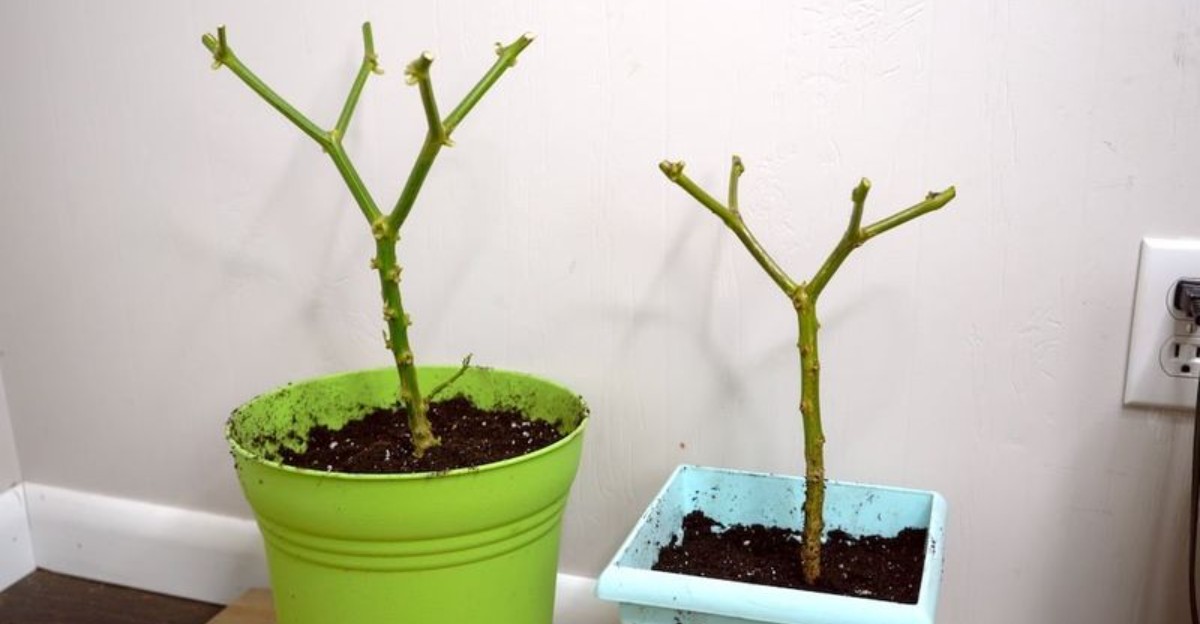
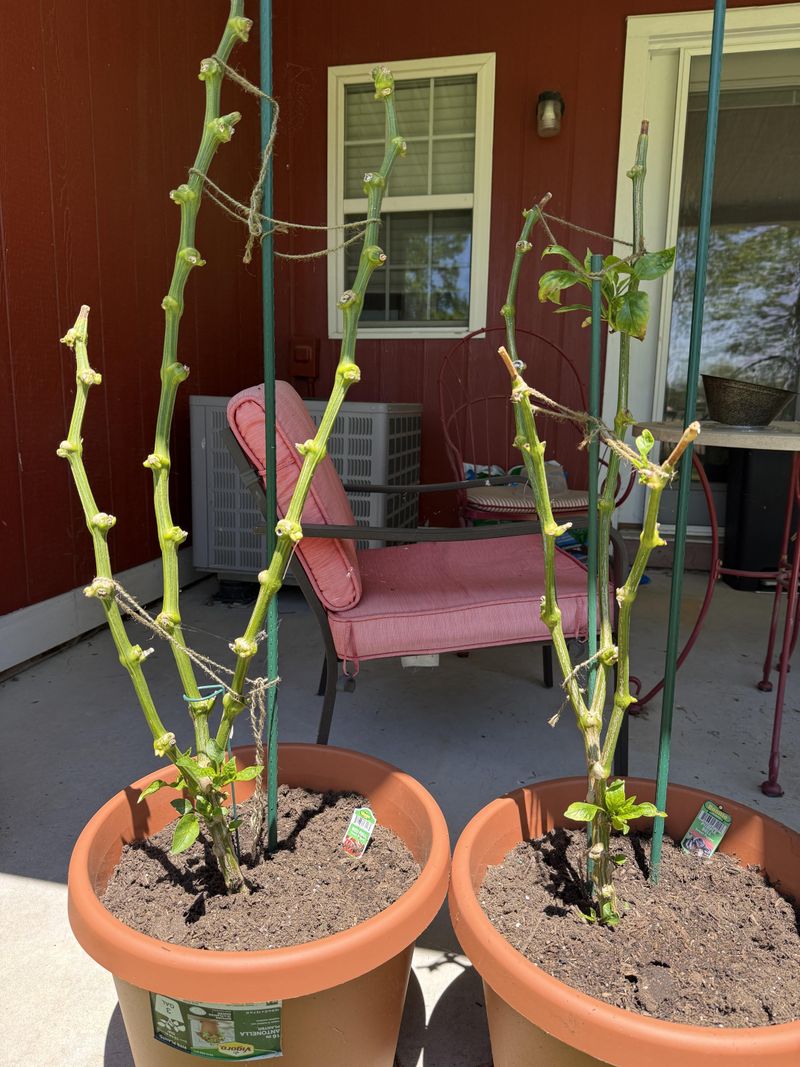
Cut the main branches back so only a Y-shaped trunk remains. Leave about two or three nodes on each branch, since new growth sprouts from those little bumps.
Most plants end up between six and twelve inches tall. It looks shocking, a bit like a stick poking out of the dirt, but the plant is fine.
Those bare stems still store energy and moisture inside them. With no leaves to feed, the plant slows down and rests instead of struggling for sunlight.
Kids often find this step hilarious, so invite them to help with the harvest part. Just keep the shears in adult hands for safety.
A quick tip from seasoned growers: prune outside on the porch or patio. Bugs and leaf bits stay outdoors where they belong, and your kitchen floor stays clean.
Root Care Before The Move Indoors
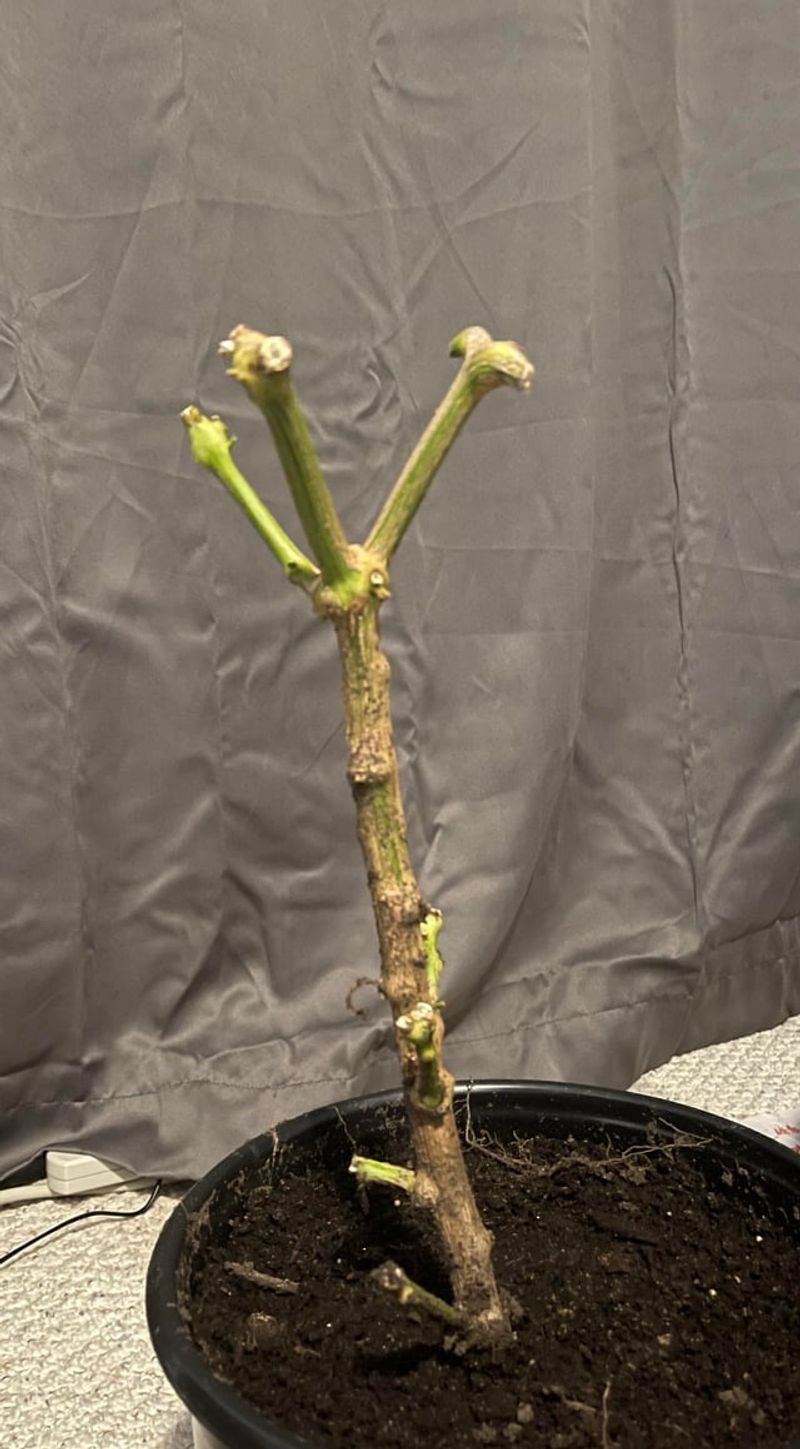
Ever tried squeezing into jeans from middle school? A pepper plant fresh from the garden bed feels the same way when you cram its roots into a pot.
Start by digging a wide circle around the plant with a garden fork or shovel. Lift gently so the root ball comes up in one piece.
Shake off most of the garden soil, then rinse the roots with a hose. Outdoor dirt can carry insect eggs, fungus, and weed seeds you do not want inside.
Now take a close look at the root system. Healthy roots look white or tan, while mushy brown ones should be snipped off.
Trim the remaining roots down to a ball about the size of your fist. Smaller roots fit a smaller pot and need less water during the resting months.
If you did not finish pruning the branches earlier, now is your chance. Match the top to the bottom, keeping the stems short so the reduced roots can support them.
Some gardeners dip the roots in water mixed with a little mild dish soap. A quick soak helps knock off hitchhiking aphids before the plant comes indoors.
Work on a cloudy day or in the shade if possible. Bright September sun can stress freshly exposed roots and dry them out in minutes.
Do not worry if the plant looks sad afterward. Peppers are tougher than they appear, and a little rough treatment now leads to a strong comeback later.
The Right Pot For The Dormant Season
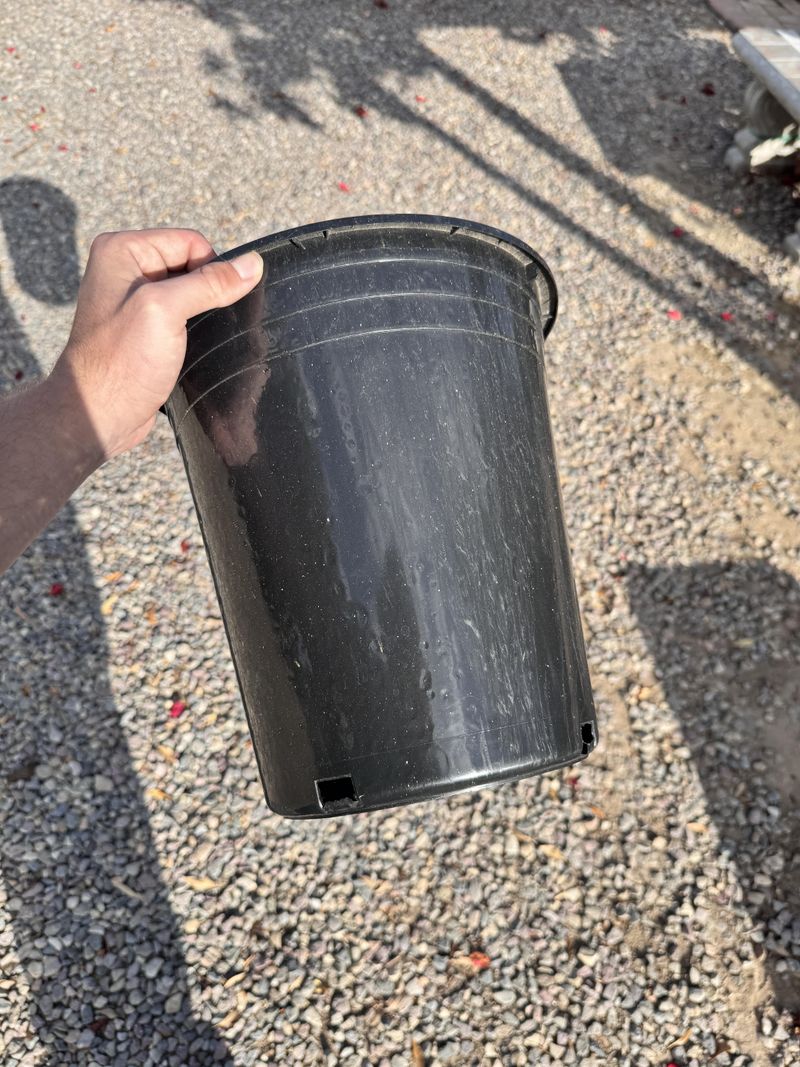
Bigger is not better when it comes to winter pots. A pepper resting through the cold months needs a snug little bed, not a mansion.
Most trimmed pepper plants fit nicely in a container six to eight inches wide. Tiny varieties like Thai chilies can squeeze into a five-inch pot with room to spare.
Extra soil in a big pot holds extra water that roots cannot use. Soggy soil sits around the roots and invites rot, fungus gnats, and moldy smells.
Drainage holes are a must, so skip any pretty container without them. Set a saucer underneath to catch drips and protect your floors or windowsill.
Plastic pots hold moisture longer, which suits dry indoor air from furnaces. Terracotta breathes well but dries fast, so you may need to check it more often.
Fill the pot with fresh, light potting mix instead of heavy garden soil. Bagged mix is cleaner and drains better, giving roots a healthy place to rest.
Leave about an inch of space between the soil line and the rim. That gap keeps water from spilling over the edge when you give the plant a drink.
Label each pot with the pepper variety and the date you brought it in. By March, those bare stems all look alike, and guessing games get old fast.
Here is a quirky bonus: small pots stack neatly on basement shelves. A dozen resting plants can fit in the space of one bulky tomato cage.
A Light Touch With Winter Watering
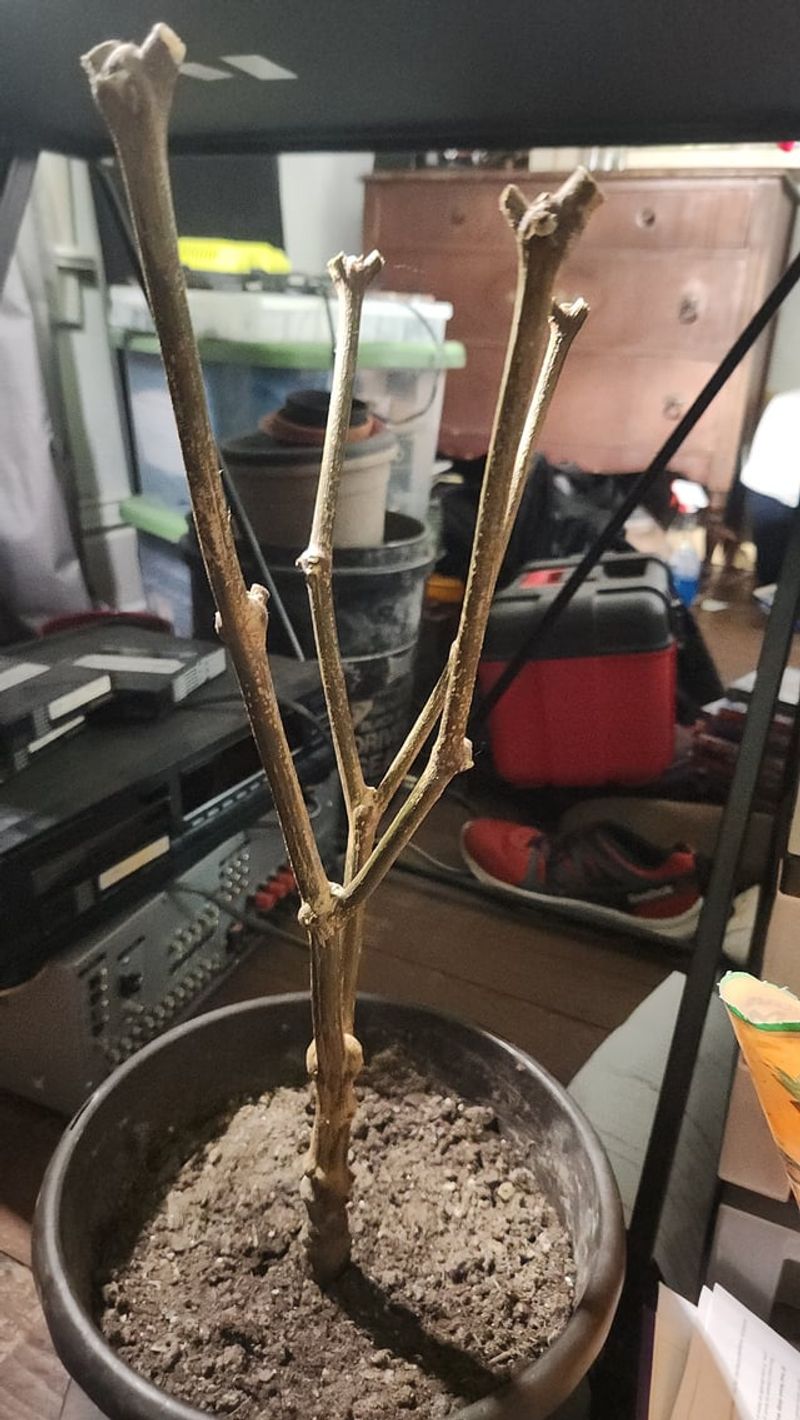
Think of a bear sleeping through winter, barely breathing but still alive. Your resting pepper works the same way, needing only tiny sips to get by.
Overwatering is the number one reason overwintered peppers fail. Without leaves, the plant drinks very little, so soggy soil lingers for weeks.
Water lightly about once every two to four weeks. The goal is to keep roots from drying into brittle threads, not to encourage growth.
The finger test works great here. Push a finger two inches into the soil, and water only when it feels dry at that depth.
Pour slowly until a small amount trickles from the drainage holes. Empty the saucer afterward so the pot does not sit in a puddle.
Cool spots between 50 and 60 degrees make watering easier. Basements, attached garages that stay above freezing, and chilly spare rooms are all good choices across Missouri.
Warmer rooms dry soil faster and may wake the plant too early. If tiny leaves sprout in January, that is okay, just keep the light low and watering steady.
Skip the fertilizer during these months. Feeding a sleeping plant is like handing a snoozing toddler a candy bar, which helps nobody.
Set a reminder on your phone or mark a calendar in the laundry room. Forgetting for a few weeks is usually fine, but months of drought can shrivel the stems.
Check the bare trunk now and then for signs of health. A firm, green-tinged stem under a scratch of bark means your plant is resting peacefully.
Back Into The Light Come Spring
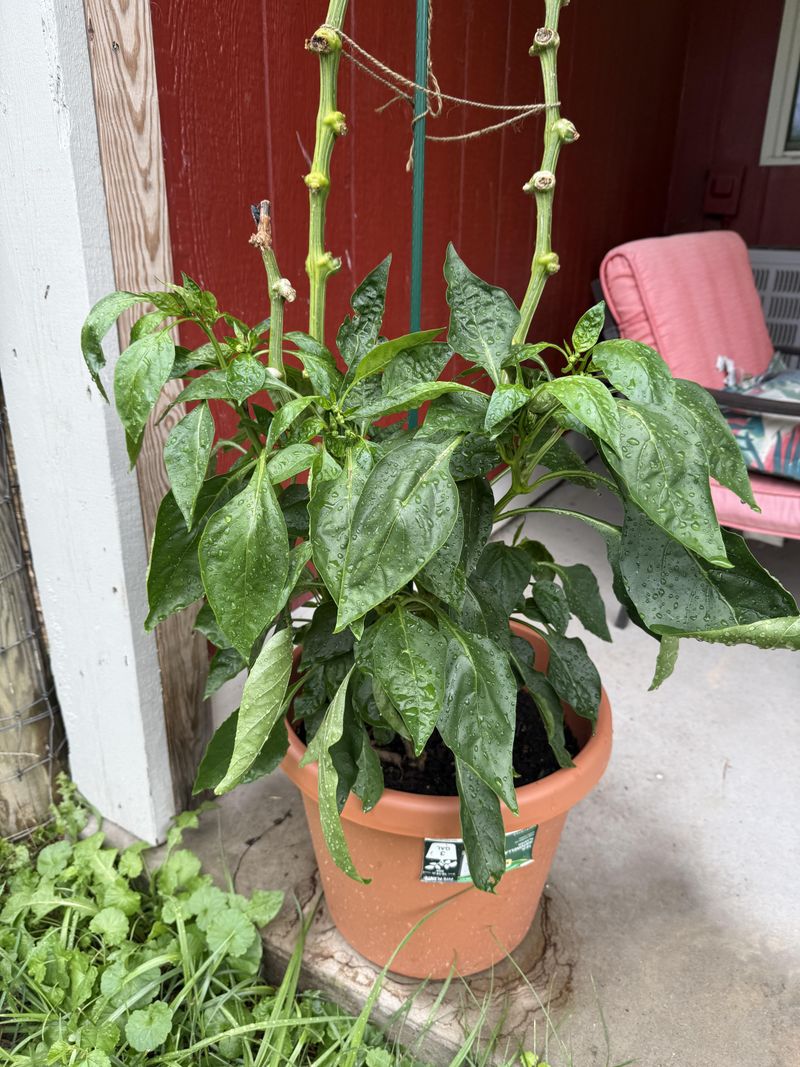
When the first daffodils pop up along Missouri roadsides, your sleepy peppers are ready for their wake-up call. Late February or early March is the sweet spot for most gardeners.
Move the pots to a sunny south-facing window or place them under a grow light. LED shop lights work well and cost less than you might expect.
Give the plants about 14 to 16 hours of light each day. A simple outlet timer handles the schedule, so you can sleep in on Saturdays.
Start watering a bit more often as the soil dries out faster. Within two or three weeks, tiny green buds should appear along those bare stems.
Once leaves unfold, feed with a diluted, balanced fertilizer every couple of weeks. This is also a good time to repot into a slightly larger container with fresh mix.
Wait until nighttime temperatures stay above 55 degrees before moving plants outdoors. In much of Missouri, that usually means mid to late May.
Harden them off first by setting pots outside for a few hours each day. Increase the time slowly over a week so leaves adjust to sun and wind.
Then plant them in the garden or keep them in large patio containers. Expect flowers sooner than your neighbors, along with plenty of bragging rights at the next backyard barbecue.
Some gardeners keep the same pepper plant going for three, four, or even five years. With each season, the trunk grows thicker and the harvest often gets bigger.