Your Florida Zoysia Lawn Looks Tired After Summer – Here’s What It Needs Now
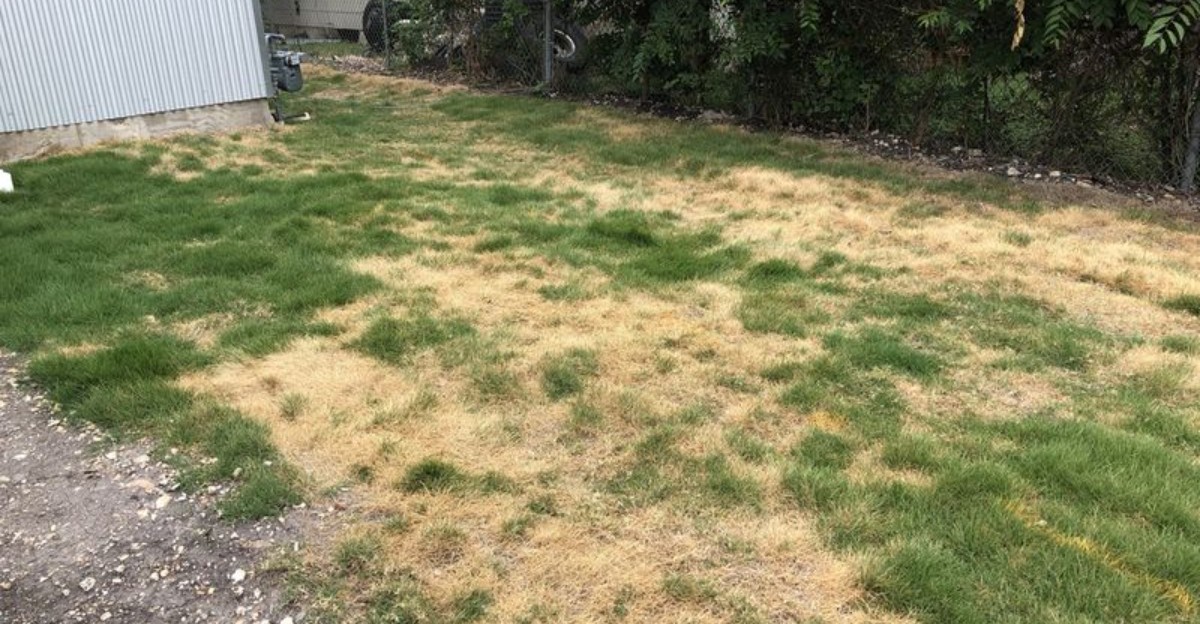
Your Florida zoysia looks like it’s been through a fight, and this month decides whether it recovers or spends fall looking worse.
Summer heat and heavy rain take a real toll, and most homeowners respond by throwing the same care at it that worked back in July.
Zoysia needs something different right now though, and sticking to a summer routine this late in the season can slow recovery instead of speeding it up.
One specific adjustment matters more than anything else on your to-do list, and skipping it means watching your lawn limp through fall instead of bouncing back the way it should.
Give your zoysia what this month actually calls for instead of repeating old habits. The difference between a lawn that recovers strong and one that stays tired all season comes down to what you do right now.
1. Let Zoysia Recover Before Pushing New Growth
Think of your lawn as a runner who just finished a long summer race. Nobody asks a tired runner to sprint again right away, and grass works the same way.
Zoysia grows hard from late spring into early fall in Florida. As temperatures dip, it naturally slows down and gets ready for a winter rest.
Many homeowners panic when they see a dull color and grab fertilizer or extra water. That rush can backfire, because pushing new growth now creates soft, tender blades.
Tender growth struggles when a cold snap rolls through. It also invites fungus, which loves lush grass in cooling weather.
So what should you do instead? Give the lawn a few weeks of steady, basic care without big changes.
Mow at a comfortable height, water only when needed, and keep traffic light on weak spots. Watch how the grass responds before adding any products.
You may notice green returning on its own after a few mild rains. That quiet bounce back is a sign the roots are doing their job underground.
Patience feels boring, but it pays off here. A rested lawn handles fall and winter much better than one pushed too hard, too fast.
Treat this season like a recovery week, and let the grass catch its breath before you ask for more.
2. Raise The Mowing Height For Fall Recovery
Here is a small trick with a big payoff: lift your mower deck a notch. Taller blades act like solar panels, catching more light to feed the roots.
Most residential Zoysia in Florida looks best between 1 and 2 inches. Fine-textured types often do well from half an inch to 1.5 inches.
Coarser varieties such as Empire can go a bit higher. Many lawns of that type look great at 2 to 2.5 inches.
In fall, letting the grass grow slightly taller encourages deeper roots. Those roots help the lawn stay sturdy through winter rest and wake up stronger in spring.
Taller turf also shades the soil. That shade holds moisture longer and makes it harder for weed seeds to sprout.
Follow the one-third rule every time you mow. Remove no more than a third of the blade length in a single cut to avoid shock.
Your Florida Garden Changes Every Week. Your Plan Should Too.
Gardening in Florida changes quickly throughout the season. Every Friday you’ll receive a simple weekly plan showing exactly what to plant, prune, fertilize, harvest, and protect so you never miss the right timing.
If the grass got shaggy during a rainy week, bring it down in steps. Cut a little, wait a few days, then cut again.
You can also mow less often now, since growth is slowing. Keep your blade sharp so it slices cleanly instead of tearing the tips.
A clean cut heals fast, and the lawn looks neater too. Your weekend chore just got a little easier.
3. Check Roots Before Adding More Fertilizer
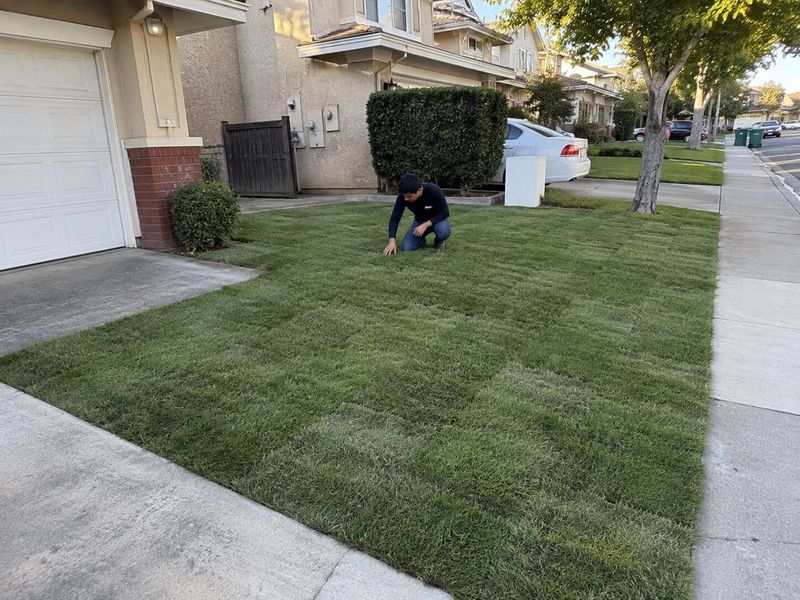
A pale lawn does not always mean a hungry lawn. Sometimes the trouble sits a few inches below your feet.
Grab a trowel and lift a small chunk of turf from a weak area. Healthy Zoysia roots look white or light tan and feel firm.
Brown, mushy, or very short roots tell a different story. Those roots may be stressed by too much water, compacted soil, or buildup of thatch.
Over-fertilizing is one of the most common mistakes with Zoysia. Too much food can thicken thatch, weaken roots, and raise the risk of large patch.
Pale or yellow blades, slow growth, and a thin, dull look may point to low nitrogen. If your lawn is already dark green, though, hold off on more.
A soil test is the smartest next step. Your local UF/IFAS Extension office can help you get one done for a small fee.
The results show what your soil truly lacks. You might find low phosphorus or potassium instead of nitrogen.
Guessing wastes money and can harm the grass. Testing lets you give the lawn exactly what it needs and nothing extra.
Fun fact: a single healthy Zoysia plant can send roots well below the surface. Protecting them now keeps your yard strong for the long haul.
4. Water Deeply Instead Of Chasing Dry Spots
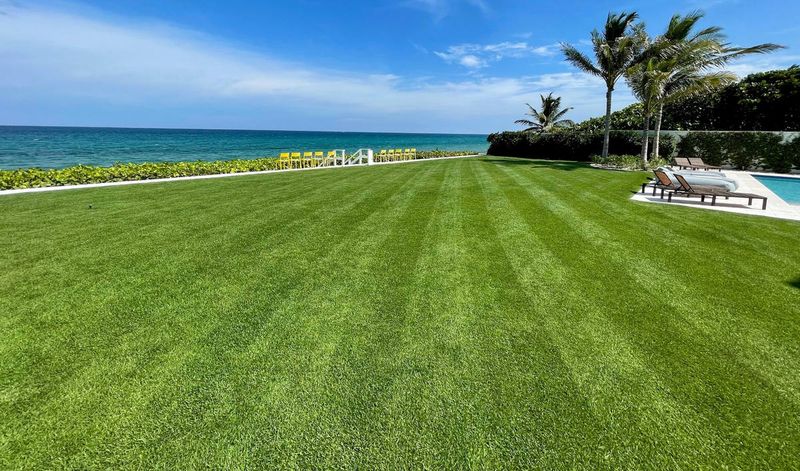
Picture yourself running around with a hose, spraying every crispy patch you see. It feels helpful, but light daily sprinkles train roots to stay lazy near the surface.
Established Zoysia needs about 1 inch of water per week, rain included. Deep, less frequent watering pushes roots downward, where moisture lasts longer.
For many Florida lawns, two sessions a week works well. Each one should deliver roughly half an inch.
Not sure how much your sprinklers put out? Set a few empty tuna cans around the yard and run the system.
Time how long it takes to fill them halfway.
Water early, between 4 a.m. and 10 a.m. Morning watering lets blades dry during the day, which lowers the chance of fungus.
Evening watering leaves grass wet all night. That damp, cool setting is exactly what disease organisms enjoy.
As fall weather cools, your lawn needs less water. Cut back on frequency and check local watering rules, since many Florida counties set specific days.
Look for signs of thirst before turning on the system. Folded blades, a bluish-gray tint, or footprints that stay visible all suggest it is time.
A few stubborn dry spots may come from sprinkler gaps instead of weather. Adjust the heads, and you might solve the problem for good.
5. Watch For Large Patch As Nights Cool
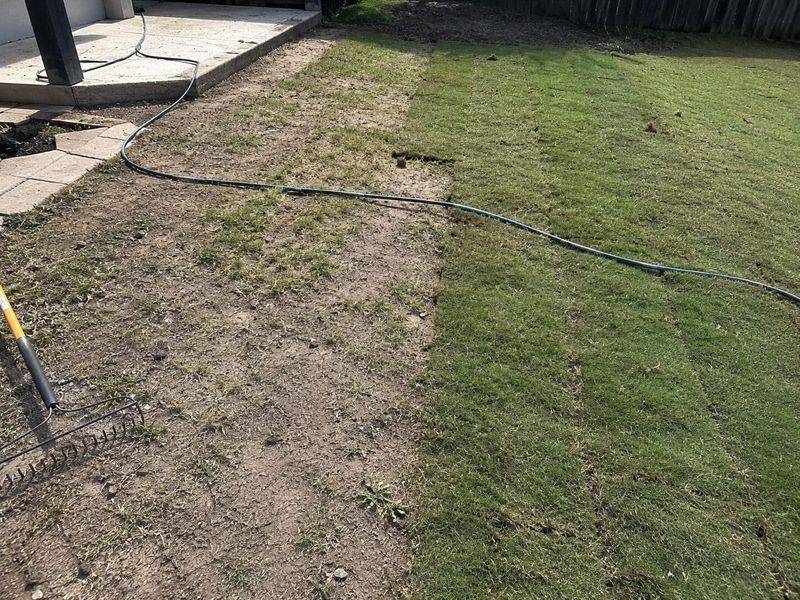
Cool nights feel great for us, but they wake up a sneaky lawn troublemaker. Large patch is a fungal disease that loves Zoysia in the South.
The culprit is a fungus called Rhizoctonia solani. It shows up as round tan or orange patches that can stretch several feet across.
When the disease is active, look for a smoke ring at the edge. That ring is a band of orange or yellow grass surrounding the patch.
Large patch often appears in fall and sometimes again in spring. It prefers lush, overfed, and overwatered turf.
Prevention starts with smart habits. Stop nitrogen fertilizer by mid-September and water only in the early morning.
Low spots that hold water are hot zones for this fungus. Improving drainage in those areas can make a real difference.
For lawns that have battled large patch before, a preventive fungicide may help. Applying it in fall and again in spring gives the best protection.
Read product labels carefully and follow the directions. Your local Extension office can suggest options that fit your area.
Patches recover slowly, so early action matters. Snap a photo when you spot one, and track whether it grows.
Catching the problem early means less repair work come spring.
6. Clear Leaves Before They Smother The Turf
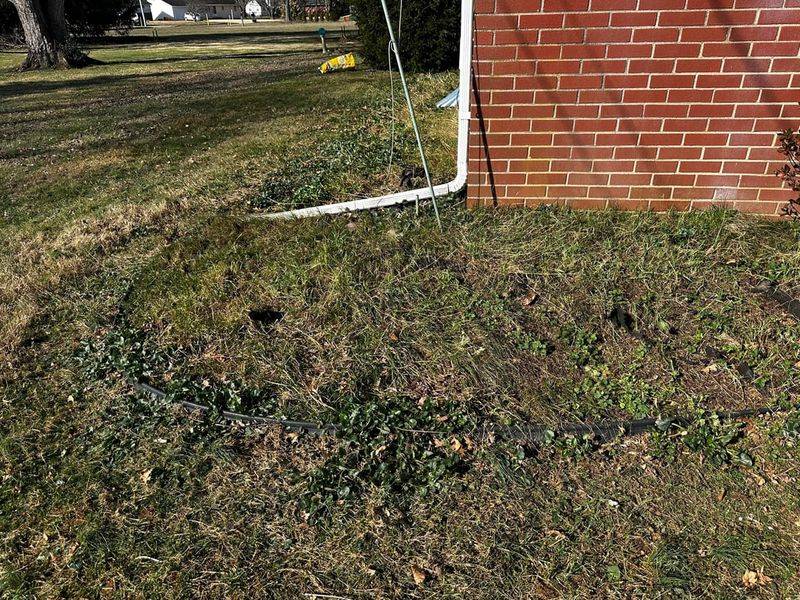
Florida may not have the dramatic fall colors of New England, but oaks and other trees still drop plenty. Those leaves can pile up faster than you expect.
A thick blanket of leaves blocks sunlight from reaching your grass. It also traps moisture, creating a damp, shady spot underneath.
That combination is a welcome mat for disease and pests. Zoysia needs light and airflow in fall to store energy for winter.
The fix is simple and even a little satisfying. Rake, blow, or mulch leaves regularly instead of waiting for a huge pile.
Mulching mowers work great here. Chop the leaves into coin-sized bits, and they will settle down between the grass blades.
Those small pieces break down and feed the soil. Think of it as free, natural lawn food from your own trees.
If leaves are too heavy for mulching, bag some for the compost bin. Your garden beds will thank you later.
Aim for a quick cleanup once a week during heavy drop periods. A few minutes now saves hours of repair later.
Bonus tip: pay extra attention to corners and fence lines. Wind tends to push leaves there, and those spots often go unnoticed until the grass underneath turns pale.
7. Skip Heavy Nitrogen As Growth Slows
Nitrogen is like an energy drink for grass. That quick boost is great in spring, but it causes problems when your lawn is trying to wind down.
In Florida, most experts suggest stopping nitrogen after mid-August or mid-September. The exact cutoff depends on where you live in the state.
Late nitrogen creates soft new growth. Those tender blades can suffer cold damage and are more likely to catch large patch.
South Florida is a bit different. In zones 10b and 11a, Zoysia may not fully rest, so some light feeding can continue.
Still, a good general rule is to stop nitrogen 6 to 8 weeks before your first expected frost. North and Central Florida homeowners should plan ahead.
So what can you feed instead? Early fall, around September or October, is a fine time for a fertilizer higher in potassium and lower in nitrogen.
Potassium strengthens roots and improves drought tolerance. It also helps grass handle cooler temperatures with less stress.
Look at the three numbers on the bag. The last number is potassium, so choose one where that figure is higher than the first.
Also check local fertilizer rules, since some Florida counties limit applications during the rainy season. A little label reading keeps your lawn and local waters healthier.
8. Repair Thin Zoysia Before Winter Arrives
Zoysia has many talents, but speed is not one of them. Unlike Bermuda, it spreads slowly, so thin spots can linger for months.
That is why early fall is a smart window for repairs. The soil is still warm enough for roots to settle in before growth slows.
Start by raking out loose debris from the weak area. Then check for causes like shade, heavy foot traffic, or poor drainage.
A light topdressing can help struggling spots recover. Use a thin mix of sand and topsoil, spread no more than a quarter inch deep.
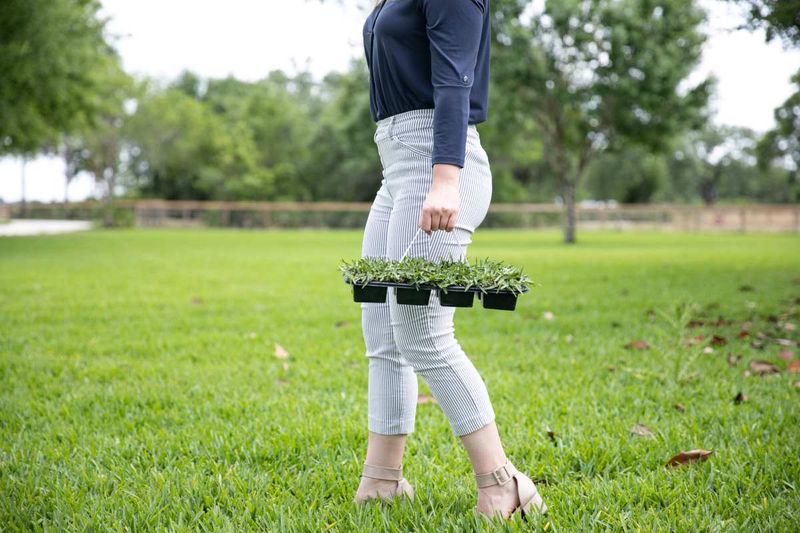
For bare patches, plugs work much better than seed. Zoysia seed is slow and unreliable, while plugs establish faster and match your existing lawn.
Space plugs about 6 to 12 inches apart. Closer spacing fills in sooner but costs a bit more.
Water new plugs regularly until they root in. After that, return to your normal deep watering schedule.
Keep kids, pets, and wheelbarrows off repaired areas for a few weeks. A couple of stakes and some string make a simple reminder.
Small sod pieces cut from a garden center roll also work well. Press them firmly into the soil so roots make good contact.
With a little care now, those gaps will start closing by spring.
9. Let Healthy Roots Carry The Lawn Through Fall
Great lawns are built from the ground down, not the top up. What happens under the soil this fall shapes how your yard looks next spring.
Strong roots help Zoysia handle cooler weather with less stress. They also store the energy the grass uses to green up when warmth returns.
Everything in this guide supports that goal. Taller mowing, deep watering, and skipping heavy nitrogen all encourage roots to grow deeper.
Potassium applied in early fall adds another layer of support. It helps the grass resist cold, drought, and general wear.
Once you have made these changes, step back and let nature work. The lawn may look quiet above ground while plenty happens below.
Resist the urge to fuss with it every weekend. A calm, steady routine is exactly what fall-season Zoysia wants.
Keep a simple notebook or phone note about what you did and when. Next year, you will know what worked and what to tweak.
By late winter, you can check a few roots again. White, firm roots mean your fall effort is paying off.
Here is a fun thought: much of a healthy lawn lives where you cannot see it. Take care of that hidden half, and the visible part will shine when spring arrives.