Will Grass Seed Germinate On Top Of Virginia Clay Soil Without Raking
Skipping the tiller sounds brilliant until you meet Virginia clay. You scatter seed across that rusty ground and hope it settles.
Rain turns the surface slick, then sun hardens it into a glossy shell. Seeds slide off that glaze, and roots meet resistance below.
Birds spot your plan from the fence and arrive for a snack. Still, your back deserves a fair hearing.
Clay holds water, so seeds that stay moist get a real chance. Tall fescue, a hardy grass, sends roots deep into compacted ground.
Fall sowing gives it cool nights and gentle rains to settle in. Cover the seed with a thin layer of straw to protect it.
Press seed firmly into bare patches, and your odds then improve noticeably. Virginia soil rewards you handsomely when you plan around its quirks. Time your sowing and watch sprouts appear.
1. Bare Clay Gives Seed A Poor Grip
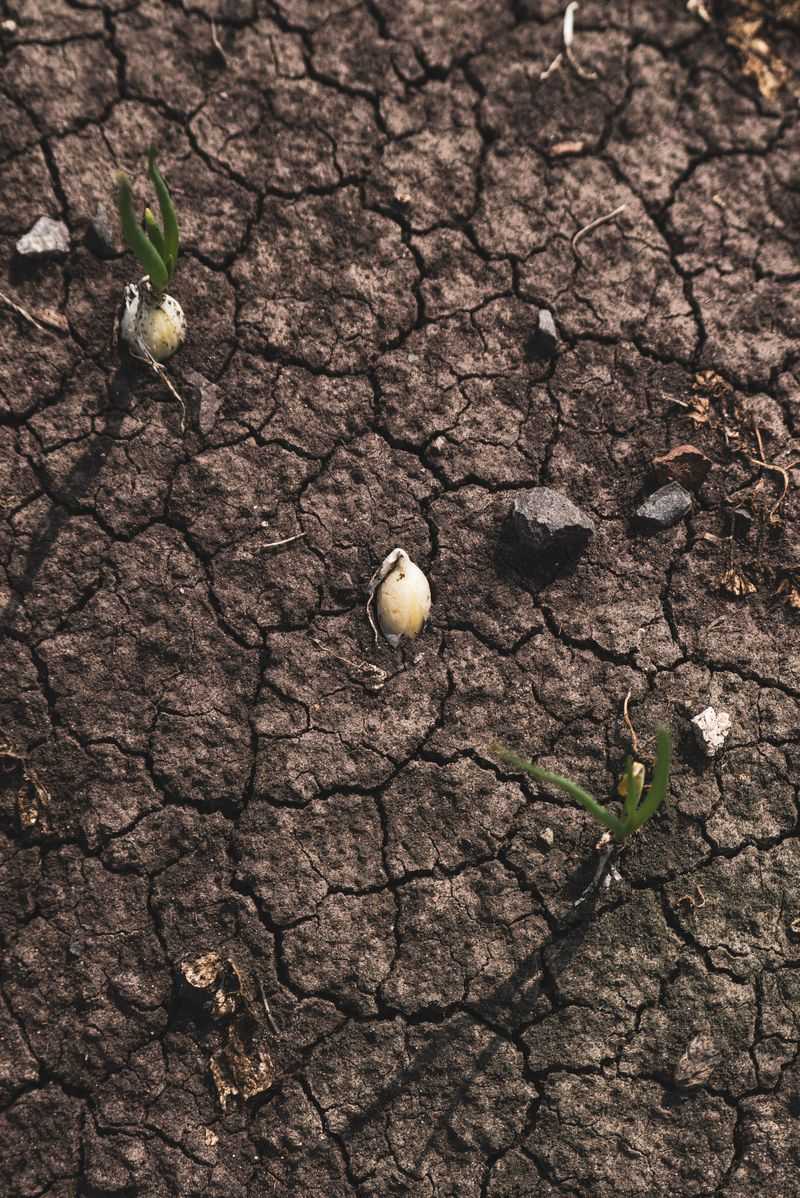
Think of tossing a handful of marbles onto a shiny kitchen counter and expecting them to stay put. Seed scattered on smooth, packed Virginia clay faces the same slippery problem.
Clay particles are tiny and flat, so they press together tightly like a deck of cards. That tight surface leaves almost no cracks for a seed to settle into.
Without a little pocket of soil around it, a seed cannot soak up steady moisture. It might swell with morning dew, then dry out by lunchtime and stall.
Some seeds will sprout anyway, especially after a long, gentle, soaking autumn rain. Still, roots that start on top often struggle to push down into that firm, sticky layer.
You may see a thin green fuzz that looks promising for a week or two. Then patches slowly thin out as baby roots fail to anchor properly in the clay.
Germination rates on untouched clay can fall noticeably below the level that the seed bag promises. That means you could pay full price for a much thinner lawn this fall.
A quick fix is to loosen just the top quarter inch with any tool you own. Even a stiff broom dragged across the yard can create helpful little grooves.
So yes, seed can sprout on bare clay, but your success is much less likely overall. A few minutes of prep work turns a risky approach into a safer one.
2. Rain Washes Unanchored Seed Downhill
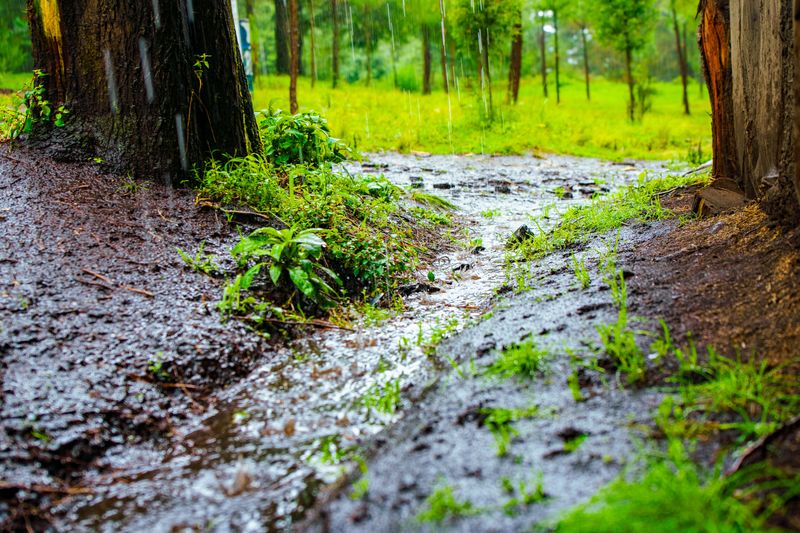
A single inch of rain delivers roughly 27,000 gallons of water to one acre of ground. On hard clay, much of that water runs off instead of sinking in.
Clay soaks up moisture slowly, so heavy storms create little rivers across the surface. Any seed sitting loose on top can ride those rivers right off your yard.
You might find a thick green stripe along the curb or the bottom of a slope. Meanwhile, the spots you actually seeded look strangely empty.
Virginia often gets steady fall rains, plus leftover storms from the hurricane season. October can bring a soaking downpour right after you finish spreading seed.
Your Virginia Garden Changes Every Week. Your Plan Should Too.
Gardening in Virginia changes quickly throughout the season. Every Friday you’ll receive a simple weekly plan showing exactly what to plant, prune, fertilize, harvest, and protect so you never miss the right timing.
Raking or scratching the soil gives seed tiny grooves to hide in during a storm. Skipping that step means the seed has nothing to hold onto.
If you still want to skip the rake, check the forecast before you start. Try to seed when a light, gentle rain is coming instead of a thunderstorm.
A thin layer of straw also helps by slowing water as it moves. Use one or two bales per 1,000 square feet so some soil peeks through.
Sloped yards need extra care because water picks up speed going downhill. Erosion control blankets made of straw and netting can hold seed in place on steep spots.
Water can truly help or hinder your seed, depending on how it moves. Give it a reason to soak in, not run away.
3. Birds Treat Loose Seed Like A Free Buffet
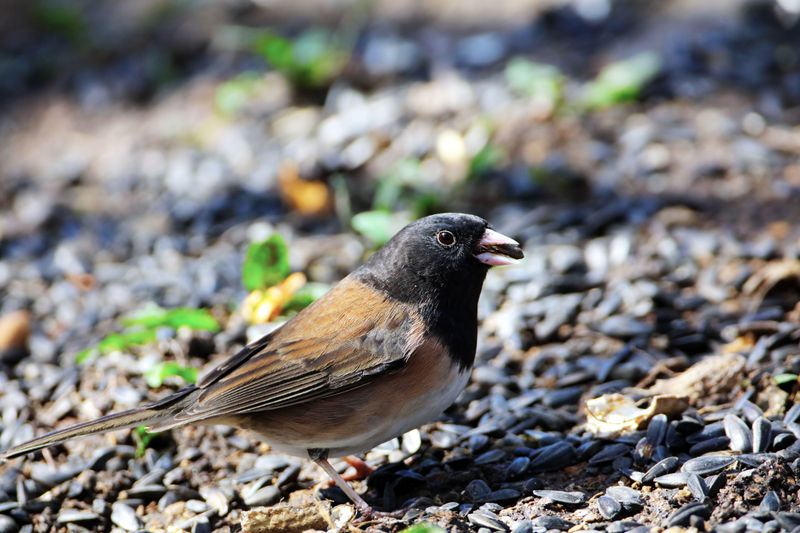
My neighbor in Richmond once seeded his front yard on a Saturday morning. By Sunday, a dozen sparrows and a pair of doves had moved in like hungry relatives.
Seed lying on top of hard clay is easy to spot and even easier to grab. Birds do not need to dig, so they snack freely from sunrise to sunset.
Mourning doves, juncos, and house finches are common culprits across Virginia in October. Juncos show up as fall migrants, which adds even more beaks to the party.
Losing some seed is normal, even on well-prepared ground. Losing a large share, though, can leave your yard looking patchy and thin by winter.
Covering the seed, even lightly, makes a meaningful difference. A thin dusting of compost or topsoil hides it from sharp eyes overhead.
Coated seed is another option worth considering for homeowners who plan to skip the rake altogether. Some coatings also hold water, which helps on dry clay.
You can also hang shiny pie tins or old CDs on stakes around the area. Movement and flashes of light may deter birds briefly, though they adapt.
Planting a bit heavier than the bag suggests gives you some insurance against hungry visitors. Just avoid overdoing it, since crowded seedlings compete for food and water.
Think of it as sharing the harvest instead of losing it. The birds get a snack, and you still get a thick, healthy lawn.
4. October Weather Gives Virginia Lawns A Head Start
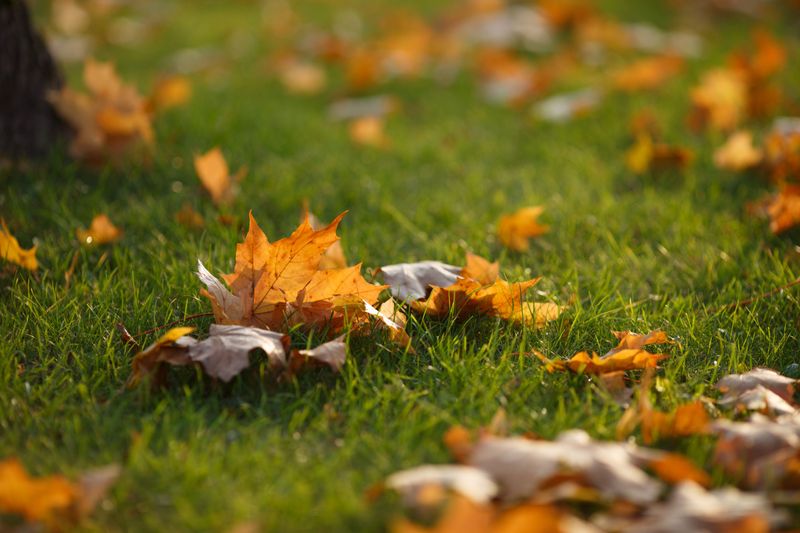
Crisp mornings, warm afternoons, and the smell of fallen leaves make October feel special in Virginia. Your lawn seems to agree, because October is a good planting window.
Cool-season tall fescue thrives across much of the state, while bluegrass prefers cooler areas. Both sprout best when soil temperatures sit between 50 and 65 degrees.
October soil often lands in that zone, depending on region. Warm ground speeds germination, and tall fescue often sprouts within seven to fourteen days.
Weeds also slow down in fall, so young grass faces less competition. Crabgrass, a summer weed, has mostly finished its life cycle by now.
Even with good timing, seed on unraked clay still has a harder job. Good weather helps, but it cannot replace solid contact with the soil.
Seed sown earlier in fall has the best shot because roots need time before frost. Extension guidance suggests finishing by mid-October in northern Virginia.
Gardeners in southern and eastern Virginia can often push that window a little later. Coastal areas stay warmer longer, giving seedlings a few extra growing weeks.
Late seeding carries more risk, since tender shoots may struggle through their first hard freeze. Roots that are only an inch long cannot handle much winter stress.
Keep a cheap soil thermometer handy to check conditions each morning. Pushing it two inches deep gives you the most useful reading.
So mark your calendar and grab that seed bag soon. Autumn offers you favorable growing conditions, so put them to good use while they last.
5. Seed-To-Soil Contact Strongly Influences Results
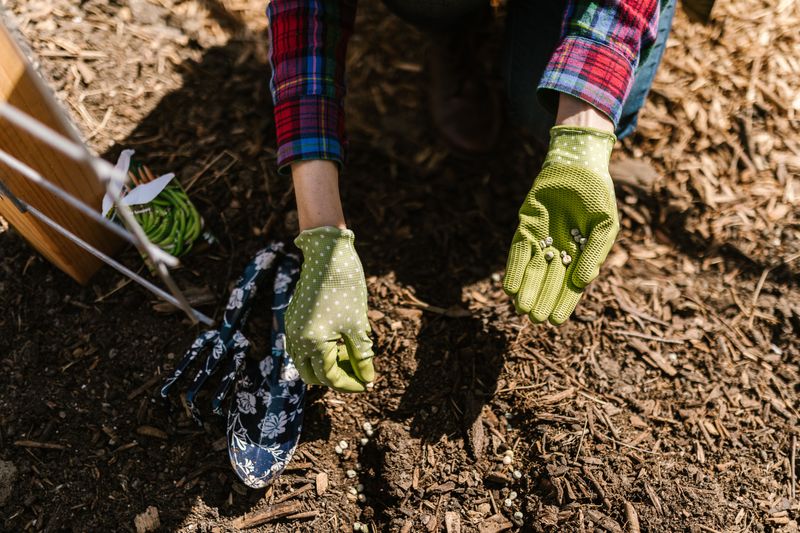
Ever tried to drink a milkshake through a straw that is not touching the shake? A seed resting above the soil is in that exact situation.
Seeds need moisture from the soil around them to wake up and grow. When they sit on top, only the bottom sliver touches anything damp.
Lawn pros call this idea seed-to-soil contact, and they treat it as a core guiding principle. More contact means faster sprouting and stronger roots.
Clay makes contact tricky because its surface often forms a hard crust. That crust acts like a lid, keeping seed perched on top instead of nestled in.
Luckily, raking is not the only way to improve the connection. Gently pressing seed down after spreading works surprisingly well on clay.
Watering right after seeding also helps settle seeds into small cracks and dips. Use a fine mist so you do not wash them away.
Spreading a quarter inch of compost on top is another handy trick. Compost holds water, feels soft, and gives seeds a cozy blanket.
A simple test can show you how well your seed is settled. Gently brush the surface, and if seeds roll easily, they need more help.
Contact matters a great deal, alongside seed quality and soil nutrition. Getting it right helps produce thicker, healthier lawns this fall.
Focus on that one detail first, and the rest becomes much easier. Your clay will feel less like a wall and more like a welcome mat.
6. Mulch Covers Seed When You Skip The Rake
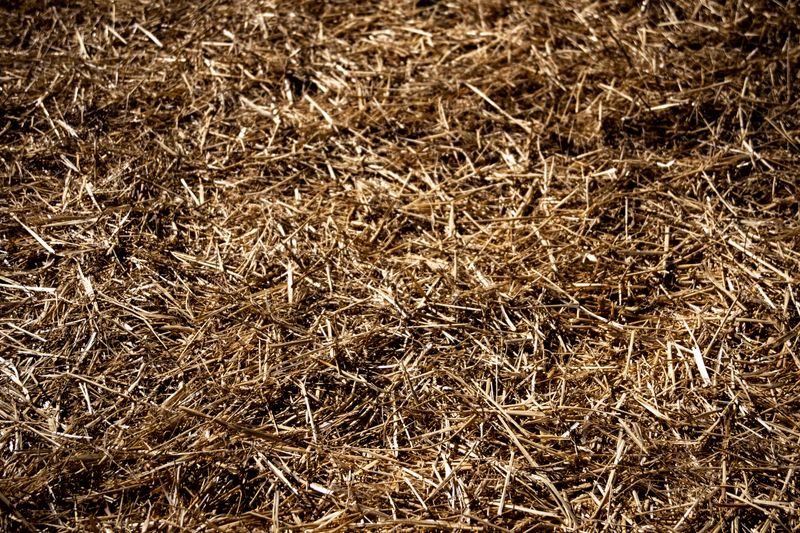
Some folks call straw a low-effort option for busy gardeners, and it works quite well. A light scatter can do much of what raking does, with far less sweat.
Straw shades the seed, holds in moisture, and hides it from snacking birds. It also reduces the impact of heavy, driving raindrops hitting bare clay.
Choose wheat straw instead of hay, since hay is packed with weed seeds. Ask the store for certified weed-free straw if you can find it.
Spread it thin enough that you can still see about half the soil underneath. Thick piles block sunlight and can stunt the tiny sprouts trying to reach up.
Peat moss is another popular choice for covering seed in small areas. It looks neat, holds plenty of water, and is easy to spread by hand.
Some bagged seed products come mixed with mulch already, like coated seed or paper pellet blends. The pellets swell up when wet and form a protective mat on top.
Compost works too, especially on clay, because it adds organic matter over time. Each season, worms pull some of it down and slowly loosen the soil.
Mulch will not fix every problem, but it buys your seed some much-needed time. That extra time is often the difference between sprouting and stalling.
Think of it as a cozy quilt for your future lawn. Tuck it in nicely, water gently, then let October rains handle the rest.
7. Core Aeration Opens Clay Without A Rake
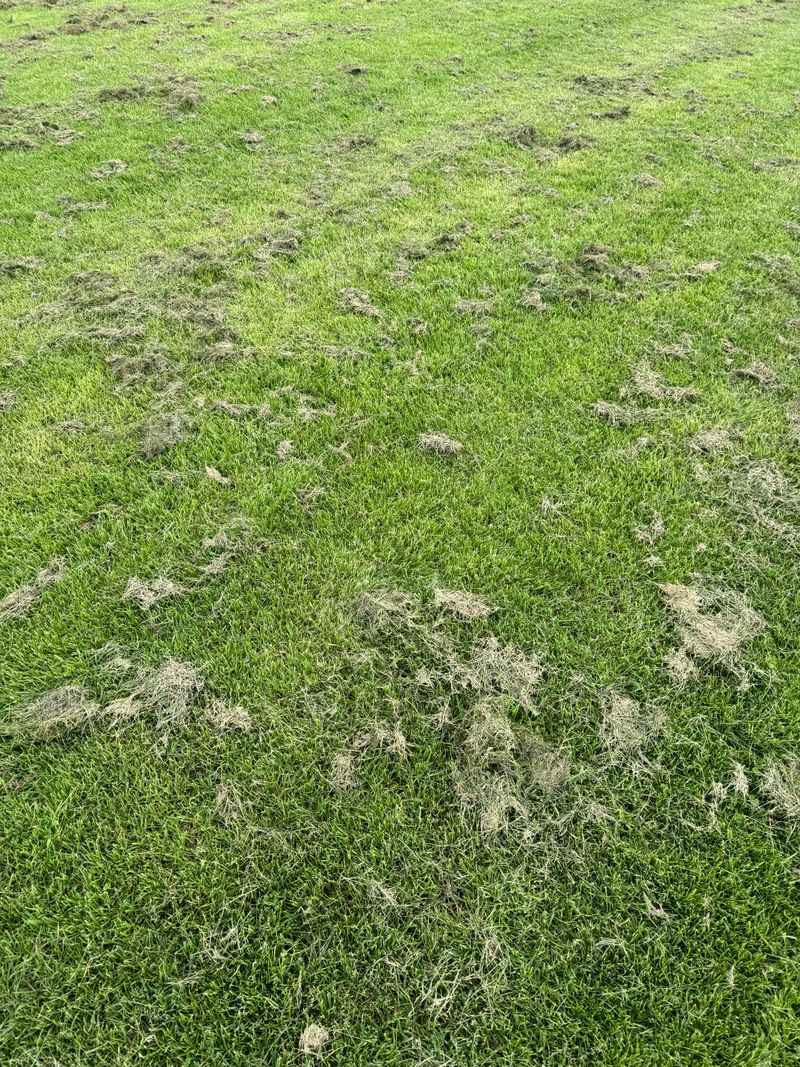
Golf courses have relied on core aeration for decades to keep putting greens lush. Your backyard can borrow the same trick to give seed a real home.
An aerator pulls out small plugs of soil, each about the size of a wine cork. That leaves thousands of little holes scattered across your lawn.
Seed that falls into those holes gets instant protection and steady moisture. Roots grow faster too, since the soil around them is suddenly looser.
Clay soil benefits more than almost any other type, because it compacts so easily. Kids playing, mowers rolling, and pets running all squeeze the ground tighter.
Many Virginia homeowners aerate and overseed in the same weekend each fall. The machine does the hard work, so no raking is needed afterward.
You can rent a core aerator from most hardware stores for around 80 to 100 dollars a day. Splitting the cost with a neighbor makes it even cheaper.
Water your yard a day before aerating so the tines can sink in deeply. Bone-dry clay can be too hard for the machine to bite into.
Leave the soil plugs on the lawn instead of raking them up. They break down within a couple of weeks and mix with the seed.
Spike aerators that just poke holes are less helpful on clay. They can actually press soil tighter around each hole, so choose the hollow-tine kind.
A single afternoon of aerating can noticeably improve your overall seeding results this fall. Repeat it yearly, and clay gets a little softer each time.
8. A Lawn Roller Presses Seed Into Place
Old-timers in the Shenandoah Valley used to say, let the cows plant the seed. Their hooves pressed it into the dirt, and the pasture filled in beautifully.
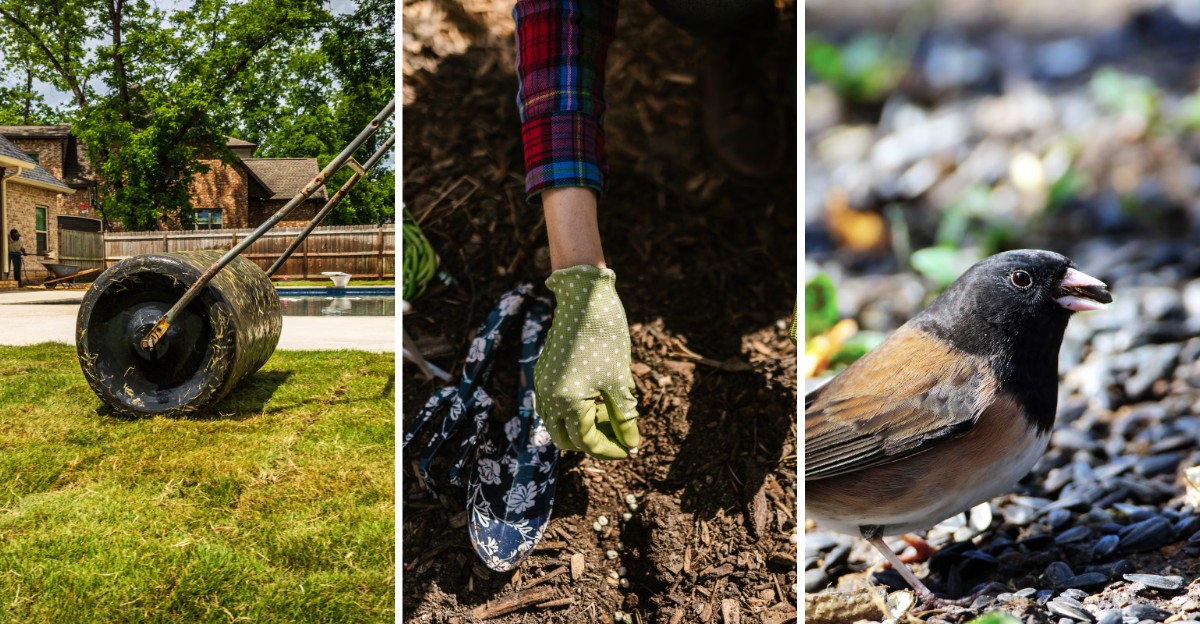
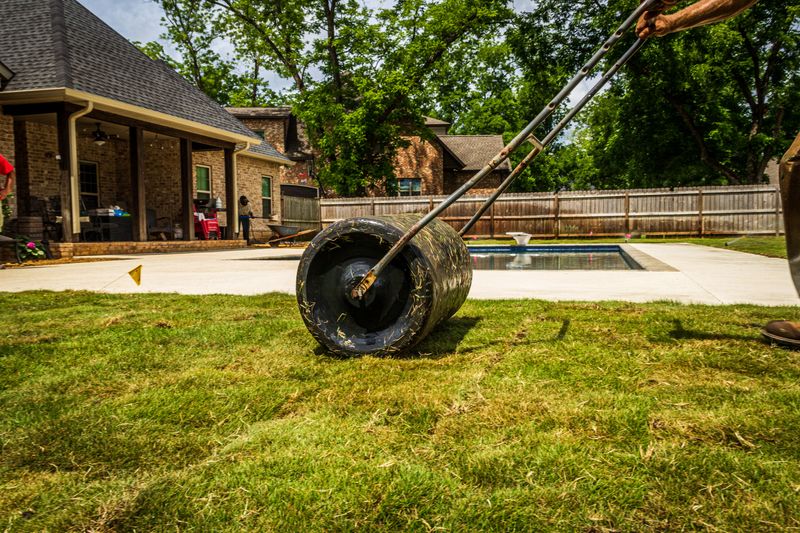
You probably do not own cows, but a lawn roller does the same job. Rolling after seeding pushes each seed snugly against the soil surface.
Lawn rollers are big drums you fill with water to adjust the weight. For seeding, fill them only about a third full so you avoid compressing the clay.
Heavy rolling on clay can squeeze out air pockets that roots need to breathe. A light pass is plenty to set seed without packing the ground tighter.
Don’t own a roller? Walking slowly over small patches in flat-soled shoes presses seed down nicely.
Some gardeners even lay a sheet of plywood down and step on it. The board spreads your weight evenly, so seeds get pressed without deep footprints.
Roll or press only when the soil is damp, not soggy. Wet clay turns into sticky paste and clings to everything it touches.
After rolling, give the yard a gentle drink of water twice a day. Keep the top inch moist until the seedlings reach about two inches tall.
Rolling costs very little and takes maybe twenty minutes for an average yard. Many hardware stores rent rollers for about 20 dollars a day.
Pair rolling with a thin layer of straw or compost, and your odds jump nicely. Your seed will finally feel like it belongs on that dense red clay.