Is Arizona Passionflower Right for Your Block Wall?
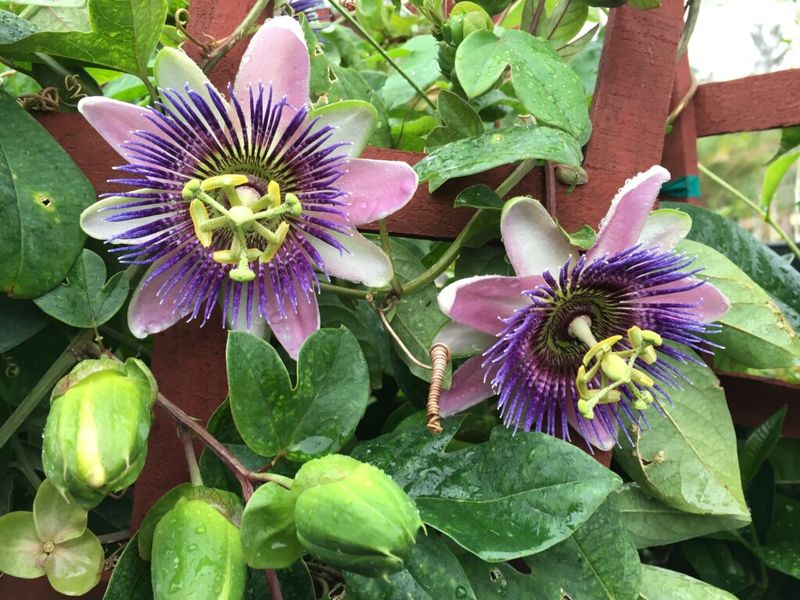
A bare block wall soaks up sun all day and throws heat and glare back at your patio. Arizona has its own native passionflower, and it comes with lacy leaves and wild-looking blooms.
It also has limits that matter before you buy one. Here is how to tell whether it fits your wall and your habits.
How much wall can this native vine cover?
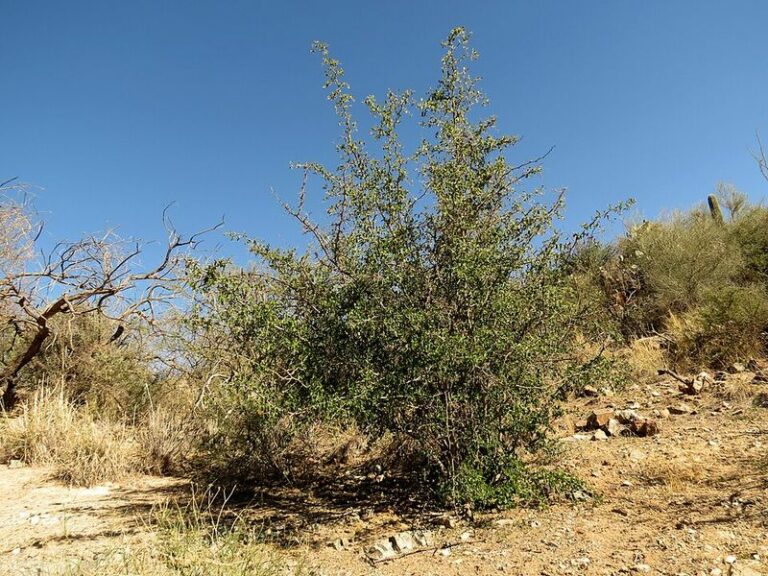
Arizona passionflower (Passiflora arizonica) is a perennial vine that climbs by tendrils. Herbarium records describe it as roughly 1.6 to 9.8 feet long, and other sources round that up to about 10 feet.
That makes it a modest plant. Picture a seasonal green patch on one section of wall, not a curtain across a 60-foot run of block.
If you want to cover a long wall, you would need several plants, and even then results will vary by site and care. Think of this vine as an accent that adds foliage and flowers where you give it room.
Also watch the label at the nursery. Many passion vines sold under generic names are bigger tropical types, and their growth claims do not apply here.
The University of Arizona Campus Arboretum lists this native as its own species, so plan around its smaller scale.
Give its tendrils a separate framework
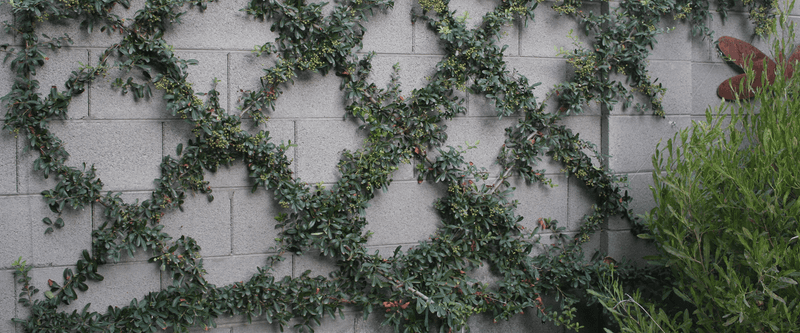
Block is smooth and hard, and tendrils cannot grab it. A passionflower left against bare masonry will sprawl on the ground or flop over its neighbors.
The plant climbs by wrapping thin tendrils around whatever it can reach, so it needs a trellis or wire to hold. University of Arizona Extension advises matching vine support to how a vine climbs, and tendrils are the key detail for this one.
For a small planting, think about a slim trellis or a few wires set a little off the wall so tendrils can wrap around them. Keep the support thin enough for tendrils to curl around.
Put it where the vine can get started near the base.
A support helps the plant climb, but it does not guarantee coverage. Check how far the vine actually reaches in its first season before you add more.
Some afternoon shade may make the site a better fit
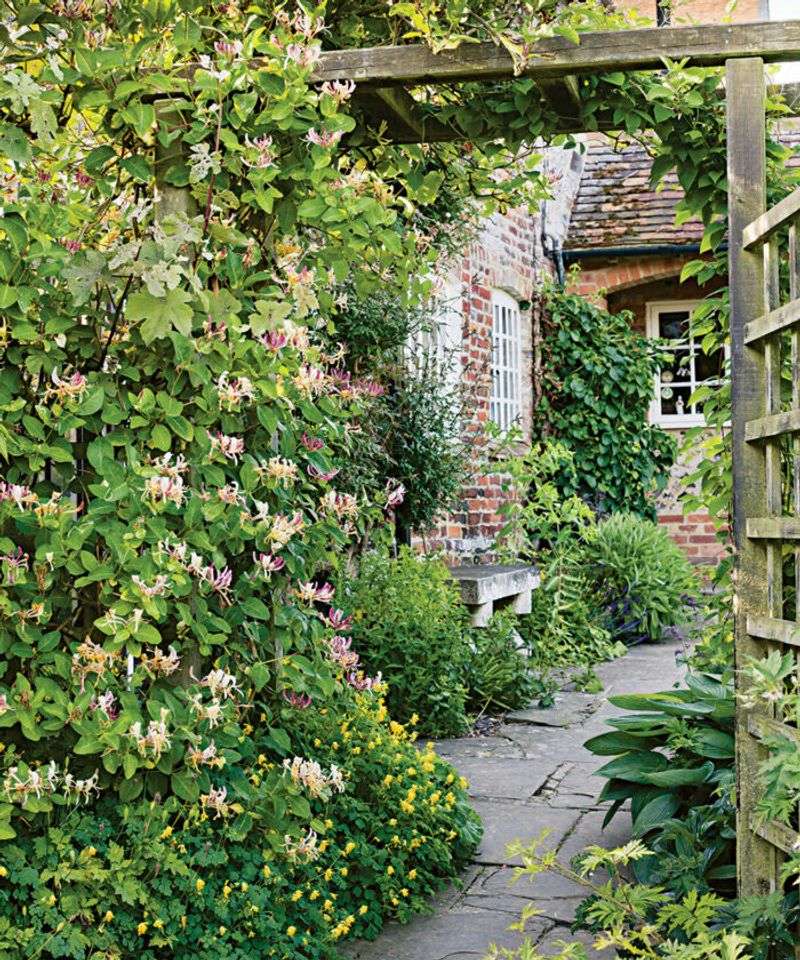
Hot block walls in Phoenix and Tucson can feel like ovens by 4 p.m. The Arboretum’s guidance for this plant is full sun with some afternoon shade, which is a hint that the harshest exposure may be a stretch.
A west- or south-facing wall may be the toughest spot. That is a cautious reading, not trial data on this species, so watch how the plant responds.
A spot that gets afternoon shade from a tree, a ramada, or a nearby structure may suit it better.
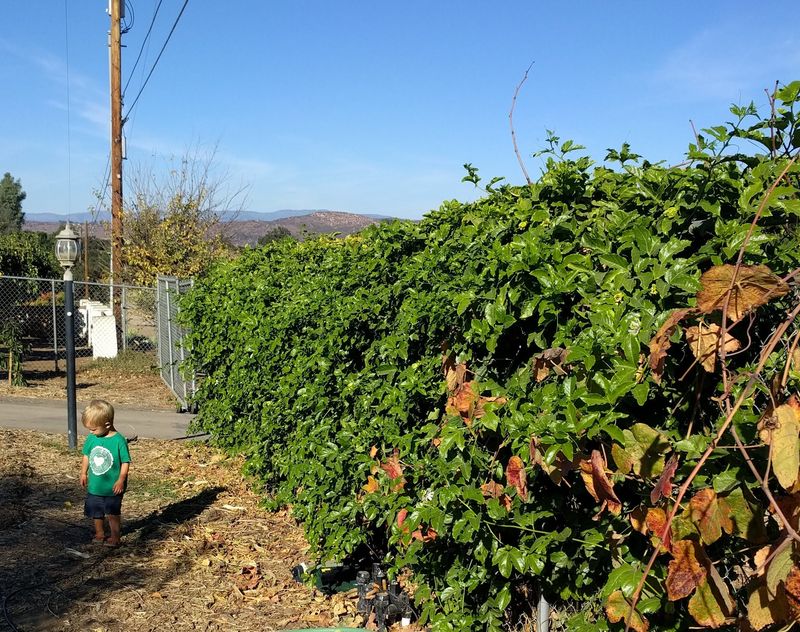
Vines along house walls can offer a curtain of greenery and may reduce reflected heat and glare, as Extension notes on landscape vines explain. That is a general benefit of foliage, not a measured temperature drop for your wall or home.
Warm-season water still matters
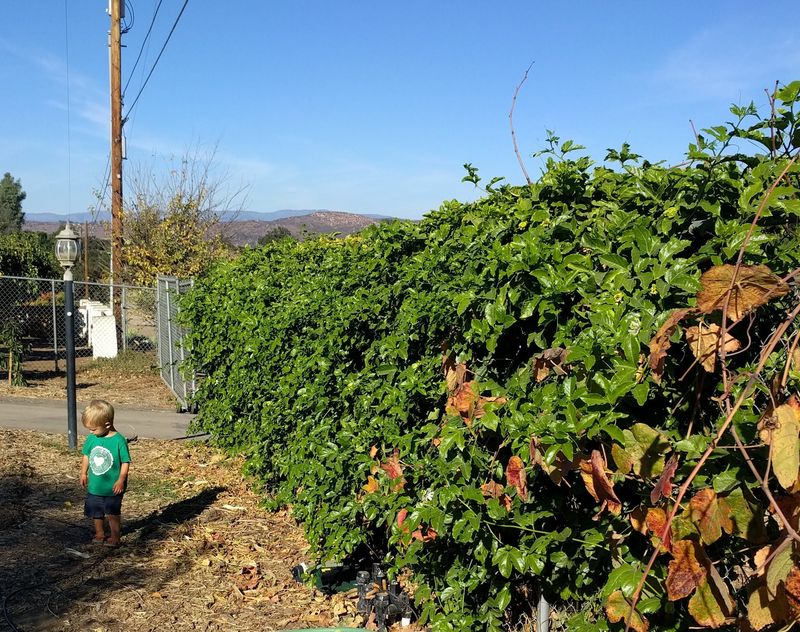
Native does not mean no irrigation. The Arboretum’s guidance is water roughly matching rainfall during warm seasons, and at least weekly watering while fruiting.
Your Arizona Garden Changes Every Week. Your Plan Should Too.
Gardening in Arizona changes quickly throughout the season. Every Friday you’ll receive a simple weekly plan showing exactly what to plant, prune, fertilize, harvest, and protect so you never miss the right timing.
That puts the plant in a middle zone. It is not a thirsty tropical, but it is not a plant to plant and forget on a hot wall either.
Your real needs will shift with the weather, soil, how long the plant has been in the ground, and how much sun the wall reflects. A new plant usually needs closer attention than an established one.
Instead of a fixed schedule, check the soil near the roots and watch the leaves. Wilting in the heat of the day can be a clue to look at moisture before the next hot spell.
A drip line to the base makes it easier to give steady water.
Could Gulf fritillaries use it?
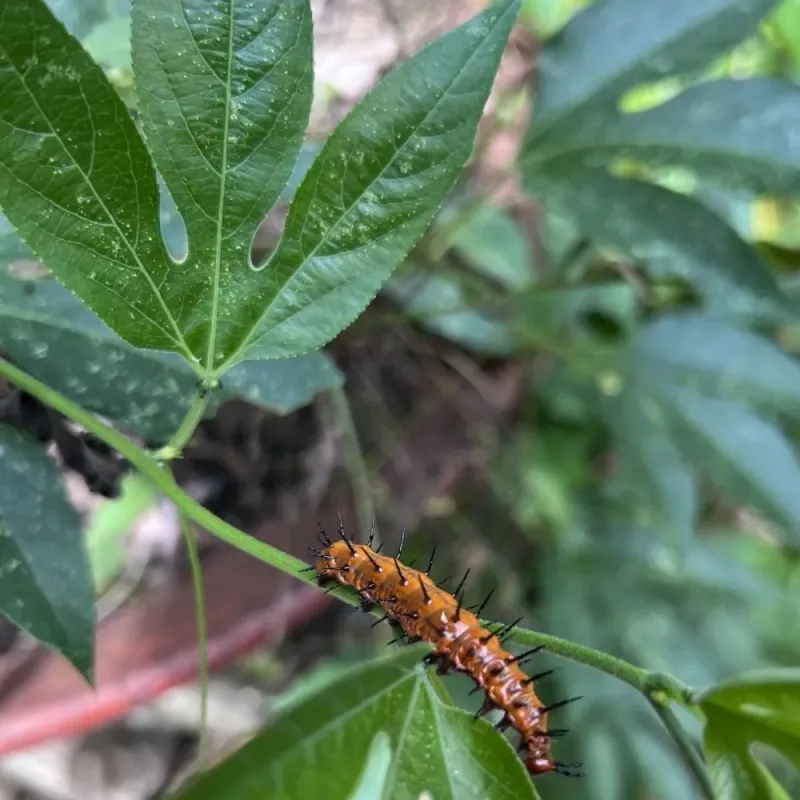
Gulf fritillary butterflies are bright orange and hard to miss. Their caterpillars feed on passion vines, and a Sonoran Desert butterfly guide notes the butterfly is common in Tucson where passion vine is used in landscaping.
So Arizona passionflower may offer potential caterpillar habitat. That information covers passion vines in general, and it does not show a special preference for this particular species.
Do not count on caterpillars or adult butterflies showing up. Whether they find your plant depends on your neighborhood, the season, and what else is nearby.
If caterpillars do arrive, expect ragged leaves. Treat that as part of the deal, and skip sprays that would harm them.
Expect possible freeze dieback and a finite lifespan
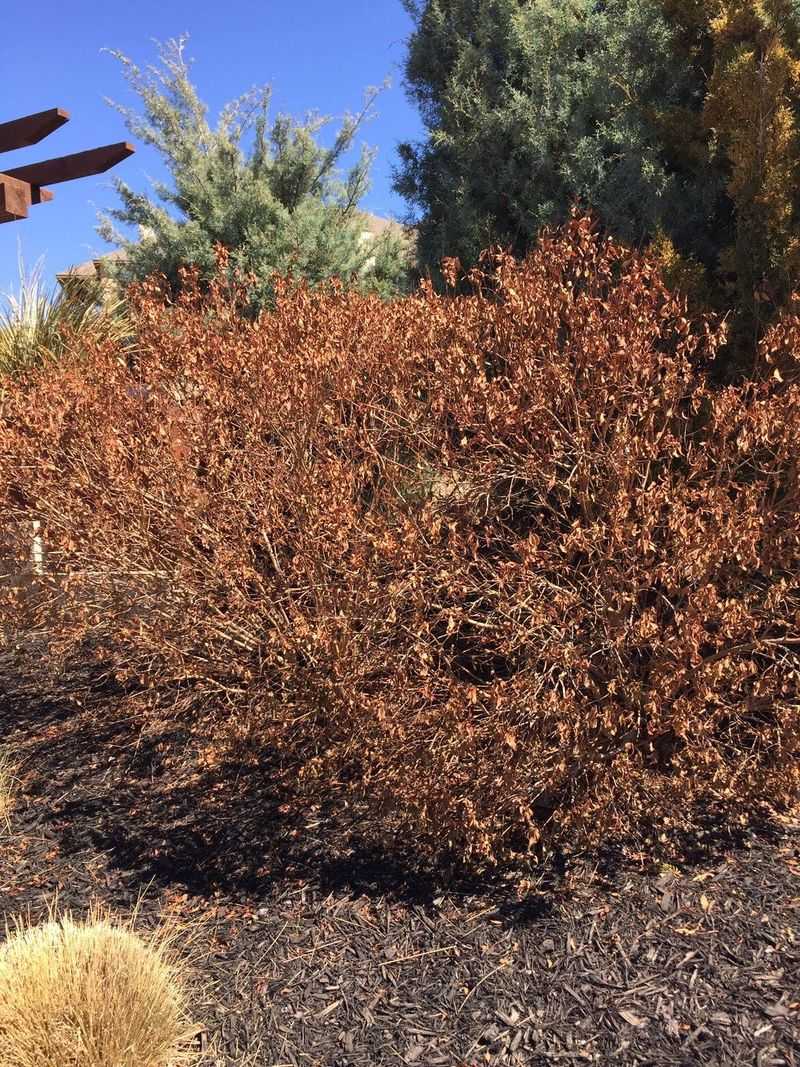
Winter can change the look of this vine. The plant may die back after hard freezes and regrow from its roots, according to the Arboretum.
A brown, bare trellis in January is not always the end. Wait until the weather warms before you pull anything out, and look for fresh shoots near the base in spring.
The Arboretum also gives an approximate lifespan of five to seven years. Your own plant could do better or worse depending on your site.
That is why it works best as a seasonal planting you refresh over time, not permanent year-round wall coverage. Plan to replace it or add a new plant down the road, and enjoy the green growth while it lasts.
Check the botanical name and keep safety in view
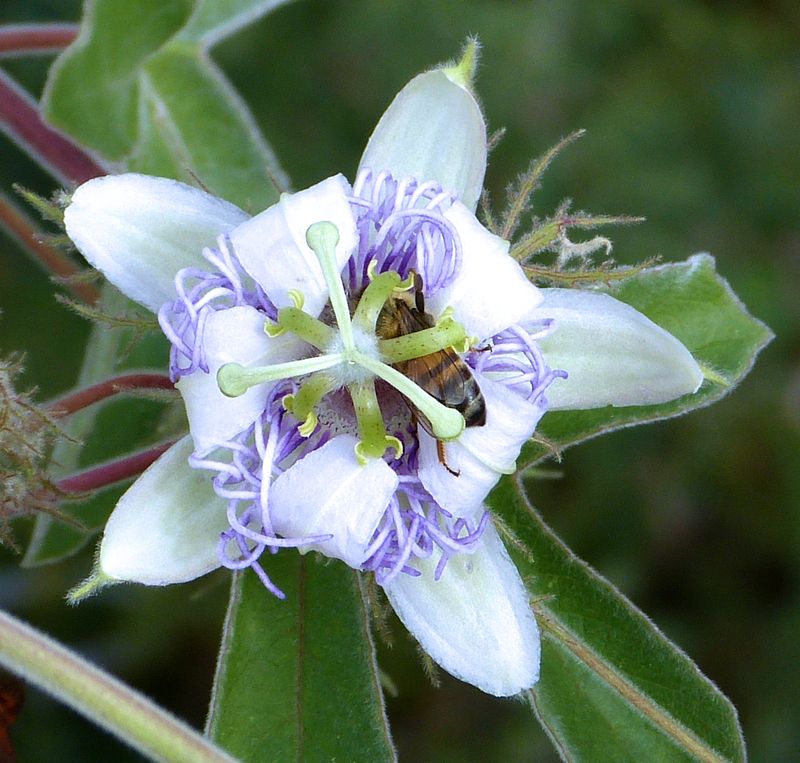
Before you buy, read the tag. You want Passiflora arizonica, which is also listed under the older name P. foetida var. arizonica, as herbarium records show.
A plant sold only as passion vine could be a much larger tropical type with different needs. Ask the nursery staff for the full botanical name, and pass if they cannot give it.
Safety matters too. The Arboretum lists this plant as toxic, with a warning that parts other than ripe fruit contain cyanide.
Do not taste or eat any part of it. If children or pets visit your yard, teach them to leave the plant alone, or choose a spot out of easy reach.
Choose it for a small, supported planting
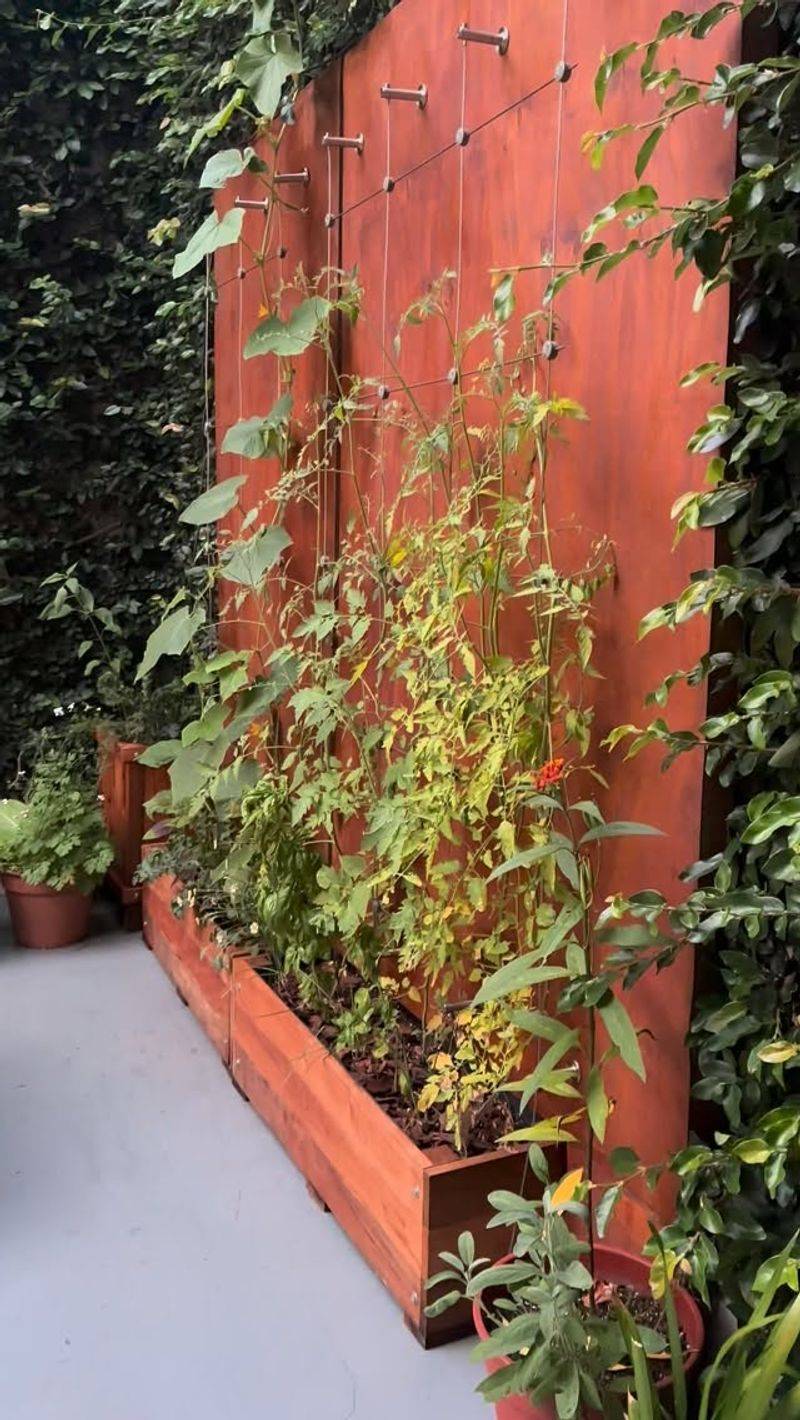
Here is a simple rule. Pick Arizona passionflower if you want a modest supported planting with seasonal foliage, flowers, and possible caterpillar habitat, and if you can give it a trellis, some afternoon shade, and steady warm-season water.
Skip it if you are counting on a guaranteed full-wall, ultra-low-water screen on an exposed low-desert wall. The Arboretum’s care notes point to a plant that needs some tending.
For a long wall, pairing a few small plantings with other options may work better. Vines can offer a leafy layer that may soften glare, as Extension guidance suggests for house walls.
Start small, watch one season, and let the plant show you what your wall can support.