The Berry Shrub In Houston Yards That Experts Want Gone
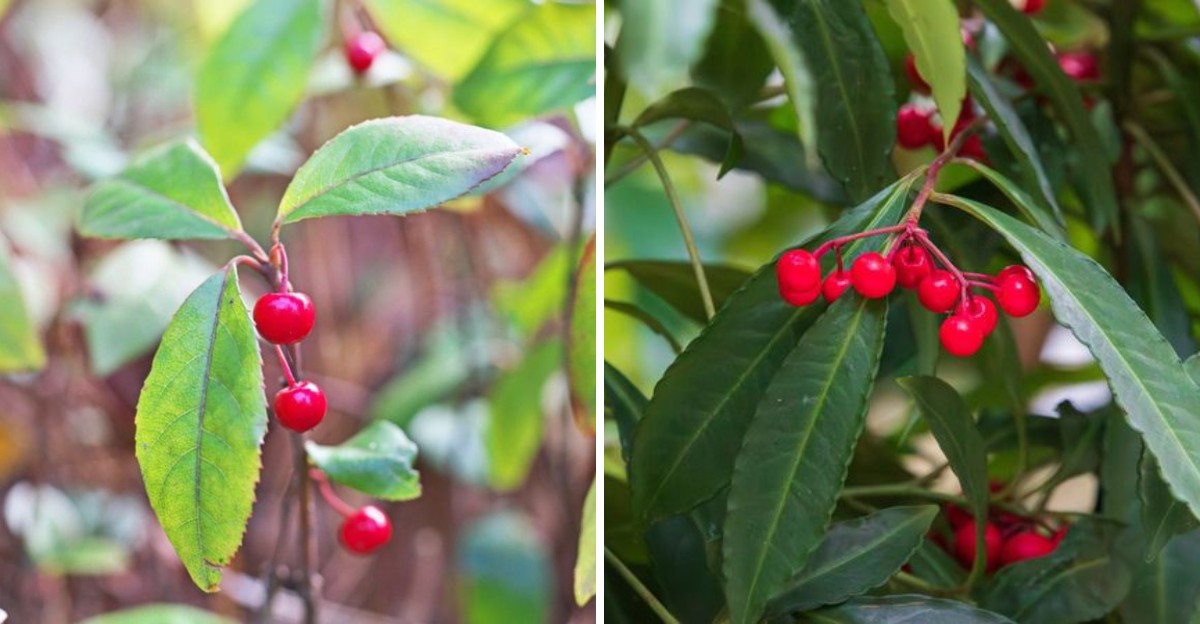
At first glance, it seems like the perfect shade plant. Glossy, dark green leaves stay fresh all year, and in fall and winter, clusters of bright red berries dangle beneath them like tiny holiday ornaments.
No wonder it found its way into so many Houston yards. The trouble starts with all those berries. Each one carries a seed, and they sprout with surprising ease.
Birds help scatter them, but plenty simply drop to the ground and grow right where they land. Over time, a single shrub can become a thick carpet of seedlings that smothers everything around it.
In the shady woods of Southeast Texas, it has already crowded out native plants that wildlife depend on.
What looks like a charming accent plant can turn into a long-term headache. Knowing how to identify it can help you keep it from spreading any further.
A Pretty Plant With A Hidden Problem
Some troublemakers wear a smile, and coral ardisia is one of them. Its scientific name is Ardisia crenata. The plant comes from East Asia, in places like Japan, China, and India.
For many years, nurseries sold it as a decorative shrub. Gardeners loved it because it thrived in shade where few other plants would grow. It also stayed green all year and showed off red berries during the holidays.
Some people even call it Christmas berry or coralberry. That second nickname causes confusion, though. A native Texas plant also goes by coralberry, and the two are not the same at all.
Here in the Houston area, the warm and humid weather suits coral ardisia perfectly. That is part of the problem. The plant has escaped from yards and moved into nearby woods, creek banks, and parks.
Experts call a plant invasive when it spreads on its own and harms the local environment. Coral ardisia fits that description well. It is listed as an invasive species in Texas, and Florida considers it one of its worst plant pests.
Many homeowners have no idea they are growing it. The shrub may have been planted years ago by a past owner. It could also have sprouted from a seed a bird dropped.
So what should you do if you find it? Start by learning about it, just like you are doing now. Then share what you know with neighbors. One informed gardener can help a whole street.
Fun fact: in some Asian countries, coral ardisia is a symbol of good luck and wealth. In Houston, it brings more trouble than fortune.
Spotting The Shrub In Your Own Backyard
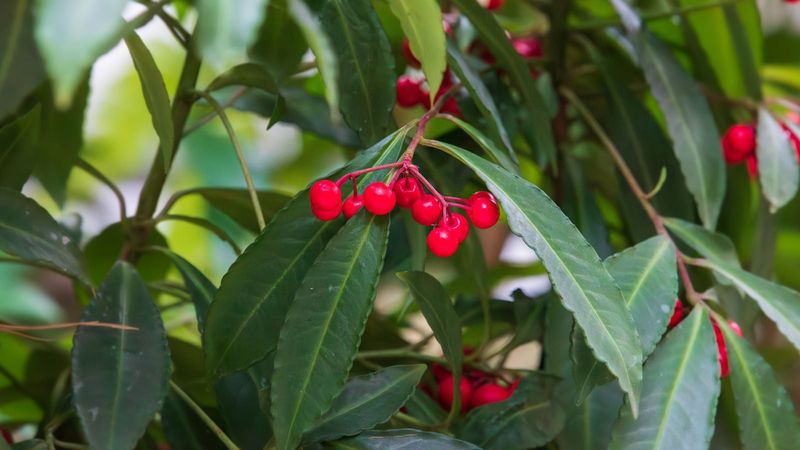
Ready for a quick plant detective lesson? Coral ardisia has a few clues that make it easy to identify once you know them. Grab your phone, step outside, and compare what you see.
First, check the size. Most plants grow about 2 to 6 feet tall. They often have a single upright stem with leaves bunched near the top, a bit like a tiny tree.
Next, look closely at the leaves. They are shiny, dark green, and thick. The edges are wavy, with little scallops that look like a pie crust.
Your Texas Garden Changes Every Week. Your Plan Should Too.
Gardening in Texas changes quickly throughout the season. Every Friday you’ll receive a simple weekly plan showing exactly what to plant, prune, fertilize, harvest, and protect so you never miss the right timing.
If you hold a leaf up to the light, you may notice small bumps along the edges. These bumps hold helpful bacteria that live with the plant. It is a neat detail that helps you confirm what you have found.
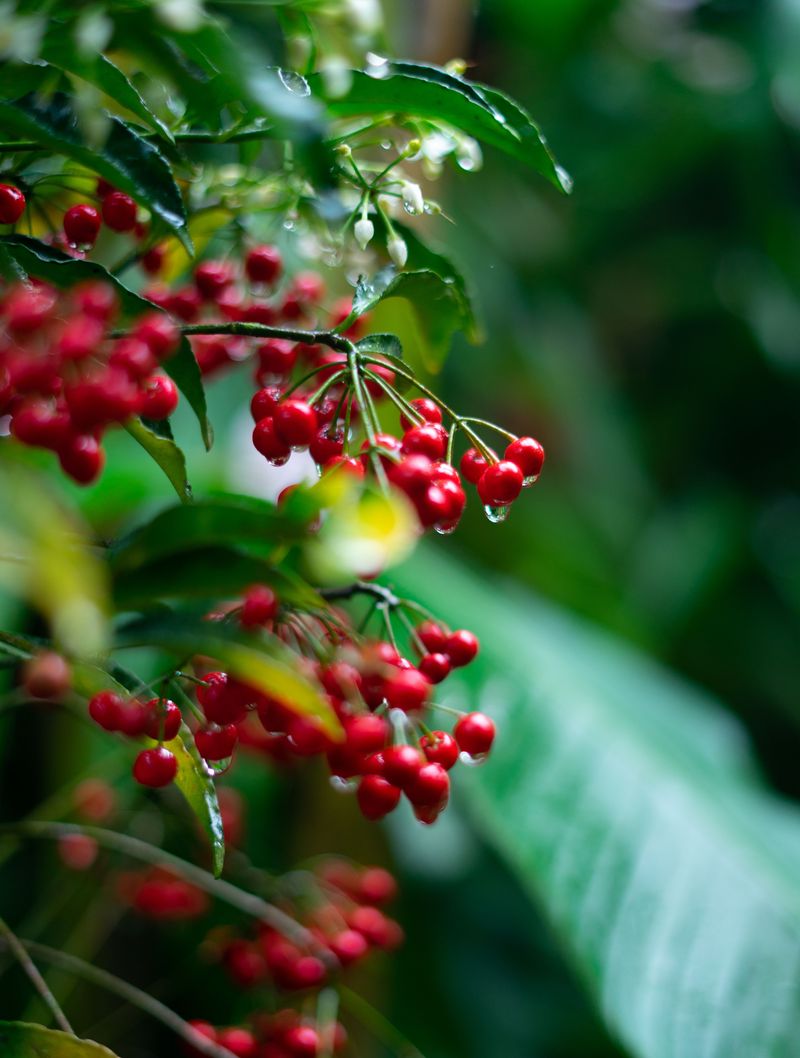
Now for the biggest clue: the berries. In fall and winter, bright red berries hang in clusters below the leaves. They droop down like tiny ornaments and can stay on the plant for months.
In spring, you might see small pink or white flowers instead. They are easy to miss. The berries are what usually catch your eye.
Also, look around the base of the shrub. Do you see lots of little seedlings? That is a strong sign of coral ardisia, since it drops seeds right beneath itself.
Not sure? Snap a few clear photos of the leaves and berries. You can send them to your local Texas A and M AgriLife Extension office for help. Free plant ID apps can also give you a good starting guess.
Why This Shrub Spreads Like Wildfire
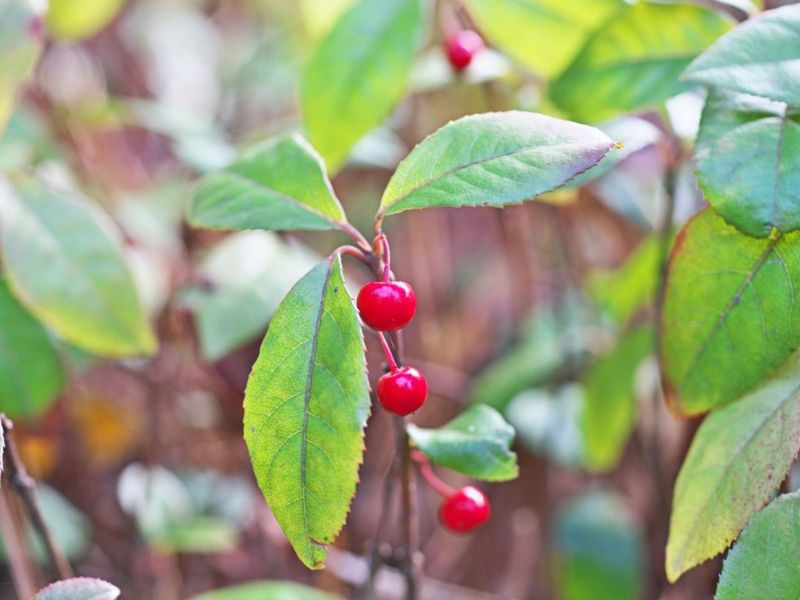
Think of every red berry as a tiny seed packet with wings. Well, borrowed wings. Birds are the main reason coral ardisia travels so far.
A single plant can make hundreds of berries each year. Birds like mockingbirds and robins gobble them up. Then they fly off and drop the seeds somewhere new, sometimes miles away.
Other animals help too. Raccoons, opossums, and squirrels may munch on fallen berries. Rain and running water can also wash seeds down slopes and into creeks.
Here is where things get tricky. Most plants need lots of sunlight to sprout. Coral ardisia seeds are happy in deep shade, which means they can grow under thick tree cover where natives struggle.
The seeds also sprout very easily. Studies in Florida found that a large share of them come up quickly. In some spots, researchers counted dozens of seedlings in a single square foot of ground.
That is why you might find coral ardisia in a corner of your yard where you never planted it. A bird probably did the planting for you. Your neighbor’s shrub could be the source.
The plant also grows back from its roots if it gets cut down. Mowing or trimming alone will not solve the problem. It just gives the plant a haircut.
So what can you do? Pick the berries off any plants you cannot remove right away. Doing so before birds find them stops the cycle. Even this small step slows the spread while you plan a bigger cleanup.
The Real Harm Hiding In Those Red Berries
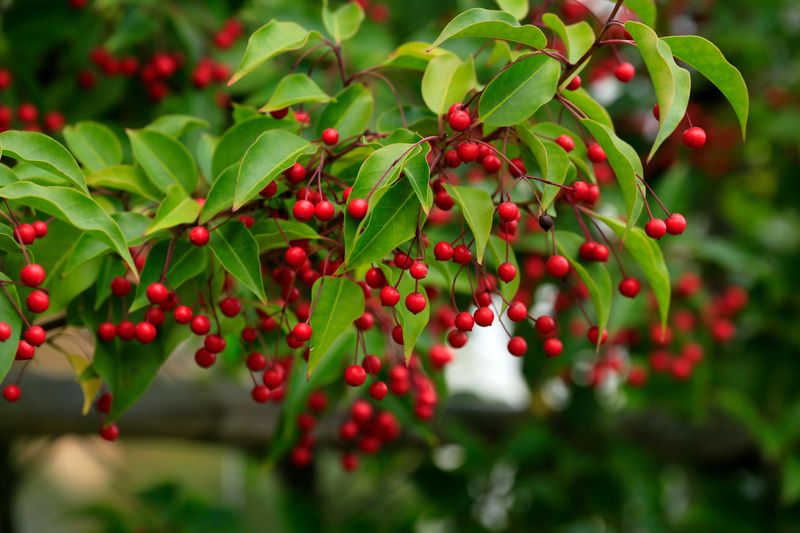
Back in the 1980s and 1990s, Florida land managers noticed something strange. Forest floors that once held many types of plants were turning into a sea of the same glossy shrub. Coral ardisia had moved in and taken over.
When the plant spreads, it forms thick patches called thickets. Hardly anything else can grow under or around them. The shrubs block light and grab water and nutrients.
Native wildflowers, ferns, and small shrubs get pushed out. Young tree seedlings also struggle to grow. Over many years, a forest without new young trees can slowly change and weaken.
Wildlife feels the effects as well. Many insects, birds, and small animals depend on native plants for food and shelter. A thicket of one foreign shrub offers far less variety.
Think of it like a grocery store that suddenly sells only one food. You could survive for a while, but it would not be healthy. Local animals face a similar problem when ardisia crowds out their usual menu.
There is another concern too. The berries and leaves are not considered safe to eat. Keep curious kids and pets away from them, just to be careful.
Houston has beautiful wooded areas along its bayous and in its parks. Places like the Big Thicket and Sam Houston National Forest are not far away. Experts want to stop coral ardisia before it spreads there as badly as it has in Florida.
Every plant removed from a backyard means fewer berries for birds to carry. That simple act helps protect the woods we all enjoy.
Pulling It Out The Smart Way
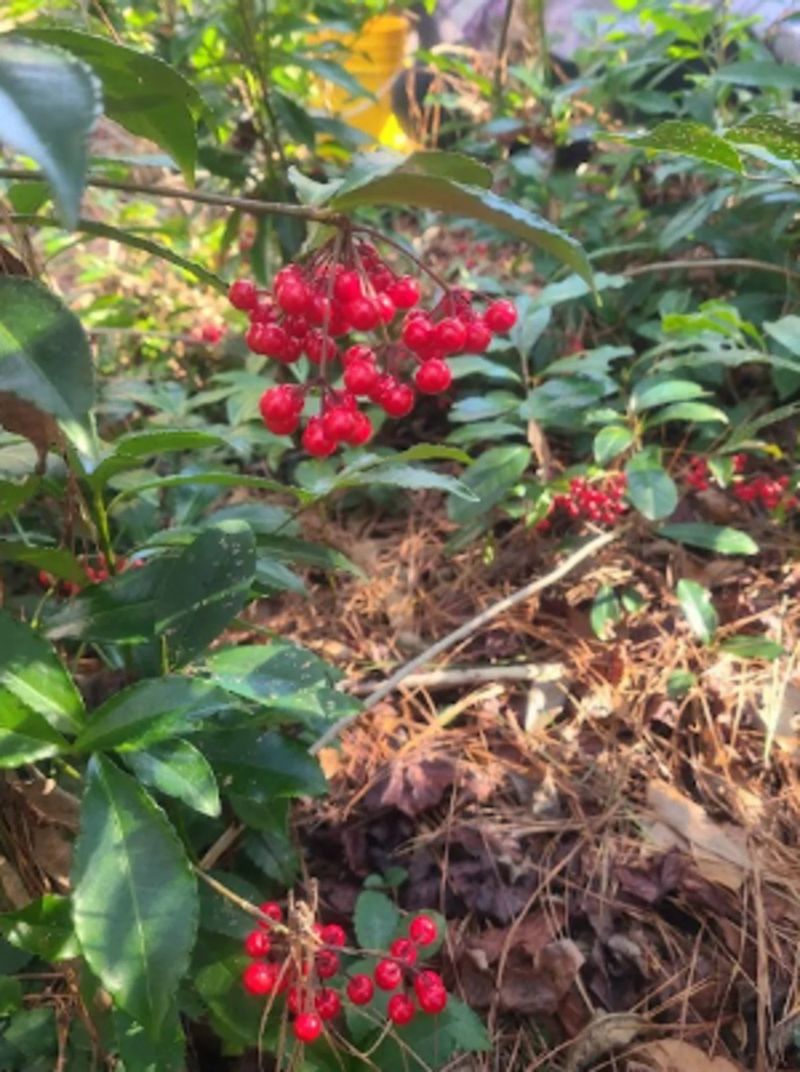
Good news first: small coral ardisia plants come out pretty easily. With a pair of gloves and a little patience, you can clear a lot in one afternoon. The trick is doing it the right way.
Pick a day after a good rain. Moist soil makes pulling much easier. Dry, hard ground tends to snap the stem and leave the roots behind.
Grab the plant low, near the soil line. Pull slowly and steadily. Try to get the whole root, because leftover pieces can sprout again.
For bigger shrubs, a garden fork or shovel helps. Loosen the soil around the base first. Then lift the plant out with as much root as possible.
Now, about those berries. Do not toss them in your compost pile. Home compost usually does not get hot enough to ruin the seeds.
Instead, put the berries and plants into a trash bag. Tie it tightly and throw it out with your regular garbage. Some people pick off the berries first so none fall during the job.
Very large patches may need extra help. Some homeowners choose a herbicide approved for woody plants. If you go that route, read the label carefully or ask a local expert for advice.
Finally, plan to check the area again. Seeds already in the soil can keep popping up for several years.
Walk the spot a few times each season and pull any new sprouts while they are tiny. It takes a bit of follow-up, but your yard and local woods will thank you.
Native Shrubs That Bring The Color Back
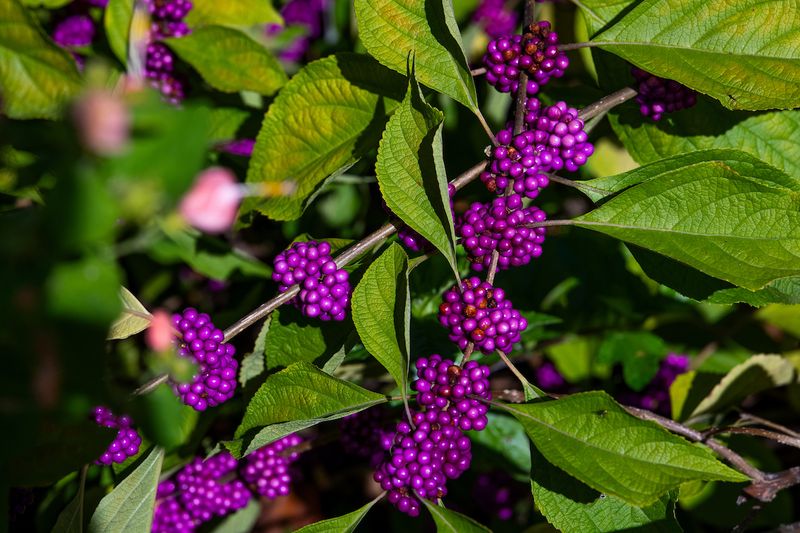
Removing coral ardisia leaves an empty spot, but that is actually exciting. You get a chance to plant something that looks great and helps local wildlife. Texas has plenty of lovely choices.
Possumhaw is a native holly that loses its leaves in winter. Its bare branches then show off bright red or orange berries. Birds like cedar waxwings flock to it.
Yaupon holly is another Texas favorite. It stays green all year and carries small red berries on female plants. It handles shade, heat, and even drought like a champ.
Want something smaller? Try native coralberry, also called Indian currant. It grows low and produces pinkish purple berries in fall. It works well as ground cover under trees.
American beautyberry is a real showstopper. Its berries are a bold, almost glowing purple. They wrap around the stems in tight clusters from late summer into fall.
Fun fact: people in the South once rubbed crushed beautyberry leaves on their skin to keep mosquitoes away. Scientists later found that the leaves really do contain bug-repelling compounds.
All of these shrubs feed native birds without spreading into forests the way ardisia does. They have grown alongside local wildlife for thousands of years. That makes them a natural fit.
Visit a native plant nursery around Houston for the best selection. Local garden centers and the Native Plant Society of Texas can also offer tips.
Ask which plants suit your amount of shade. With a little planning, your shady corner can sparkle with color and buzz with life all year.