Do This To Your Florida Poinsettia In October, Or It Won’t Turn Red By Christmas
That poinsettia sitting in your Florida yard has had a genuinely great summer. Plenty of sunshine, warm nights, humid air, all the things it loves.
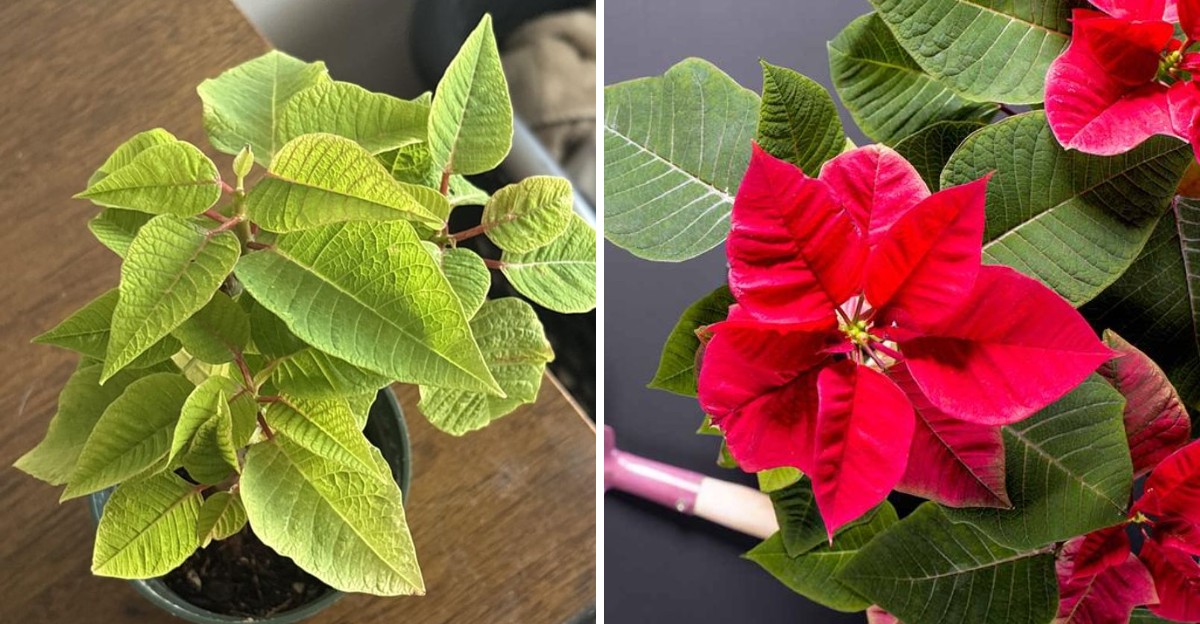
The result is a big, lush, deeply green plant that looks healthy and happy and absolutely nothing like a holiday decoration. Here is the thing though, all that color you want for Christmas is already in there.
It just needs the right signal to show up, and October is exactly when that signal needs to happen. Miss this window and the most likely outcome is a perfectly green plant sitting on your porch on December 25th, looking festive in absolutely no way whatsoever.
The good news is that triggering that holiday color transformation is genuinely simple, costs almost nothing, and mostly just requires a cardboard box and a little consistency. Your Christmas plant is counting on you this month.
1. Give Your Florida Plant Long, Dark Nights
Darkness is the magic ingredient here. Poinsettias are short-day plants, which means their colorful leaves only appear after weeks of long nights.
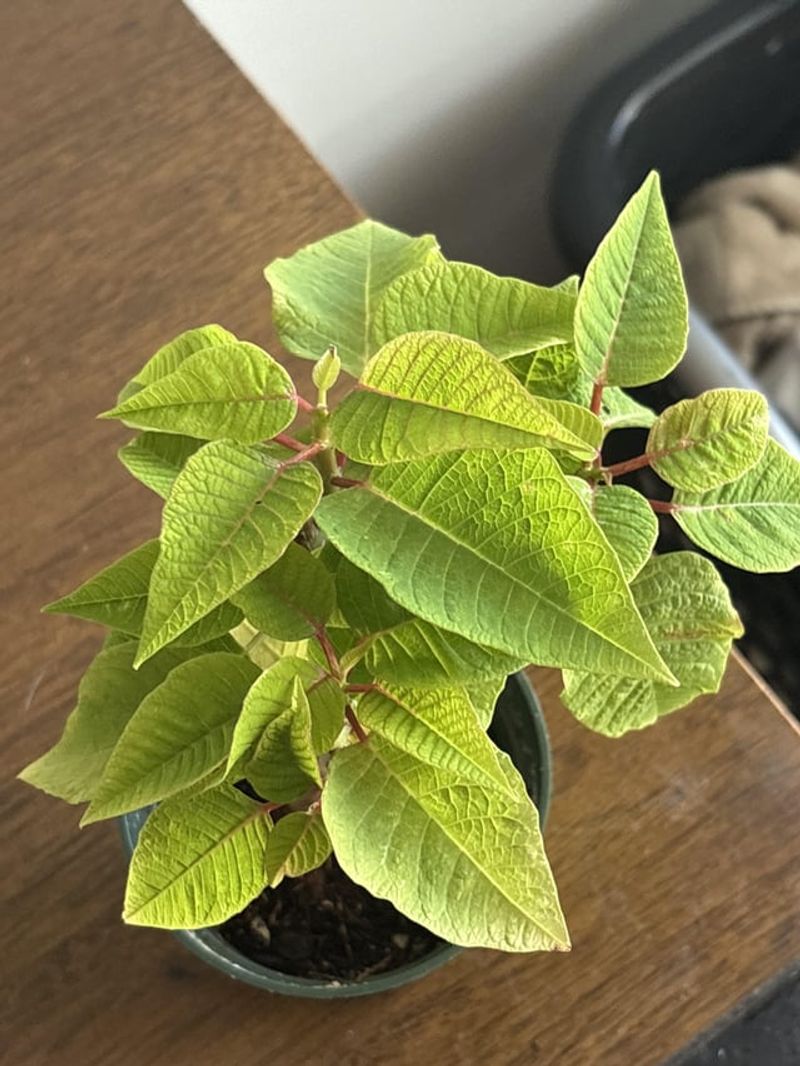
Starting around October 1, your plant needs about 14 hours of total darkness every single night. In Florida, the nights are getting longer, but not quite long enough on their own for strong color by December.
So you have to help nature along. The easiest trick is to cover the plant each evening around 5 p.m. and uncover it at 7 or 8 a.m.
A large cardboard box works great for potted plants. Some gardeners use a black trash bag or a dark closet instead, and both can do the job well.
Keep going for about eight to ten weeks. That stretch carries you right into early December, when the top leaves, called bracts, should glow red.
Here is a fun bit of history worth sharing. Poinsettias come from Mexico, where they were called Cuetlaxochitl by the Aztecs, and they bloomed naturally in winter.
Setting a phone alarm can save you a lot of guesswork. A missed night here or there will usually not ruin things, but steady habits give the boldest color.
Think of the box as a cozy bedtime routine for your plant. Tuck it in each evening, and it will reward you with a bright holiday show.
2. Block Porch Lights Near Your Florida Poinsettia
That friendly porch light might be the sneakiest problem in your yard. Even a little light at night can confuse a poinsettia and stall its color change.
Streetlights, motion lights, and glowing windows all count. Plants sense light in ways we barely notice, so even a weak beam can interrupt their dark period.
Many Florida homeowners grow poinsettias right beside the front door. It looks lovely, but the porch light shining there each night can keep the leaves stubbornly green.
Take a quick walk around your yard after sunset. Notice which spots stay truly dark and which ones get light from lamps, cars, or your neighbor’s patio.
If your plant sits in the ground, you have a few options. You can switch off nearby lights, aim them in another direction, or put them on a timer.
Your Florida Garden Changes Every Week. Your Plan Should Too.
Gardening in Florida changes quickly throughout the season. Every Friday you’ll receive a simple weekly plan showing exactly what to plant, prune, fertilize, harvest, and protect so you never miss the right timing.
A simple shield also helps a lot. Some folks hang a dark cloth or set up a small screen between the light and the plant.
Potted plants are easier, since you can move them to a darker corner. A side yard or a shaded spot by the fence often works nicely.
Small changes like these can make a huge difference. Once the light is gone, your plant can focus on its big holiday makeover.
3. Soak Up Bright Florida Sun During The Day
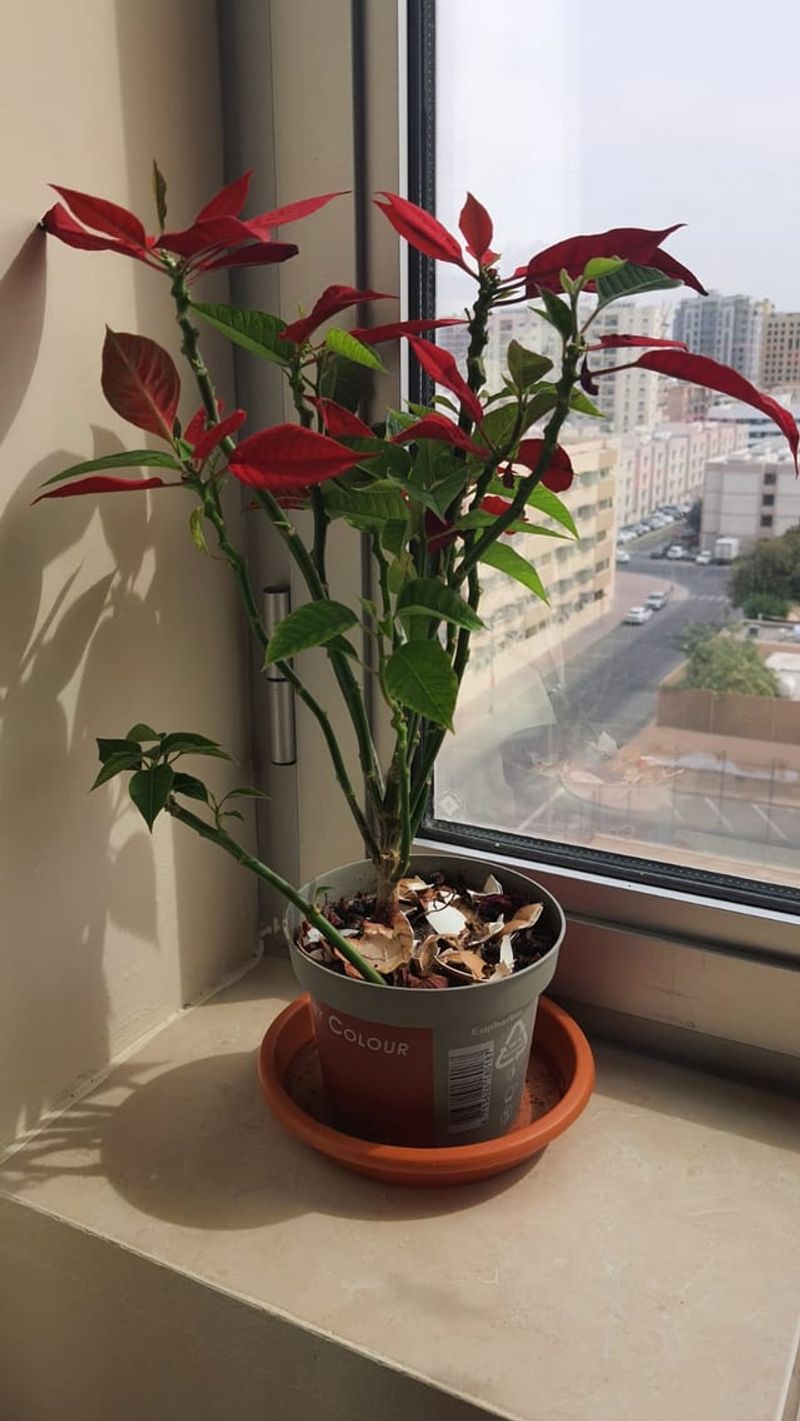
Darkness at night is only half the story. Your poinsettia also needs plenty of bright light during the day to build energy for color.
Aim for about six to eight hours of good sunlight. In Florida, morning sun with a little afternoon shade is often the sweet spot.
Why does daytime light matter so much? The plant uses sunlight to make food, and that food powers the bright bracts you want to see.
A plant kept in the box too long or in deep shade can look pale. The colors may come in weak or patchy instead of rich and full.
So remember to uncover your plant each morning. Leaving the box on past mid-morning can steal valuable sunshine hours.
If you grow poinsettias indoors, a sunny south or east window works well. Just keep the leaves from pressing against the hot glass.
Outdoor plants in the ground usually get enough light on their own. Still, trim back any overgrown shrubs or branches that are blocking the sun.
One quick tip helps here. Turn potted plants a quarter turn every few days so all sides get equal light and grow evenly.
Balanced days and dark nights work together like a team. Get both right, and your plant has everything it needs to shine.
4. Stop Pruning Your Florida Poinsettia Now
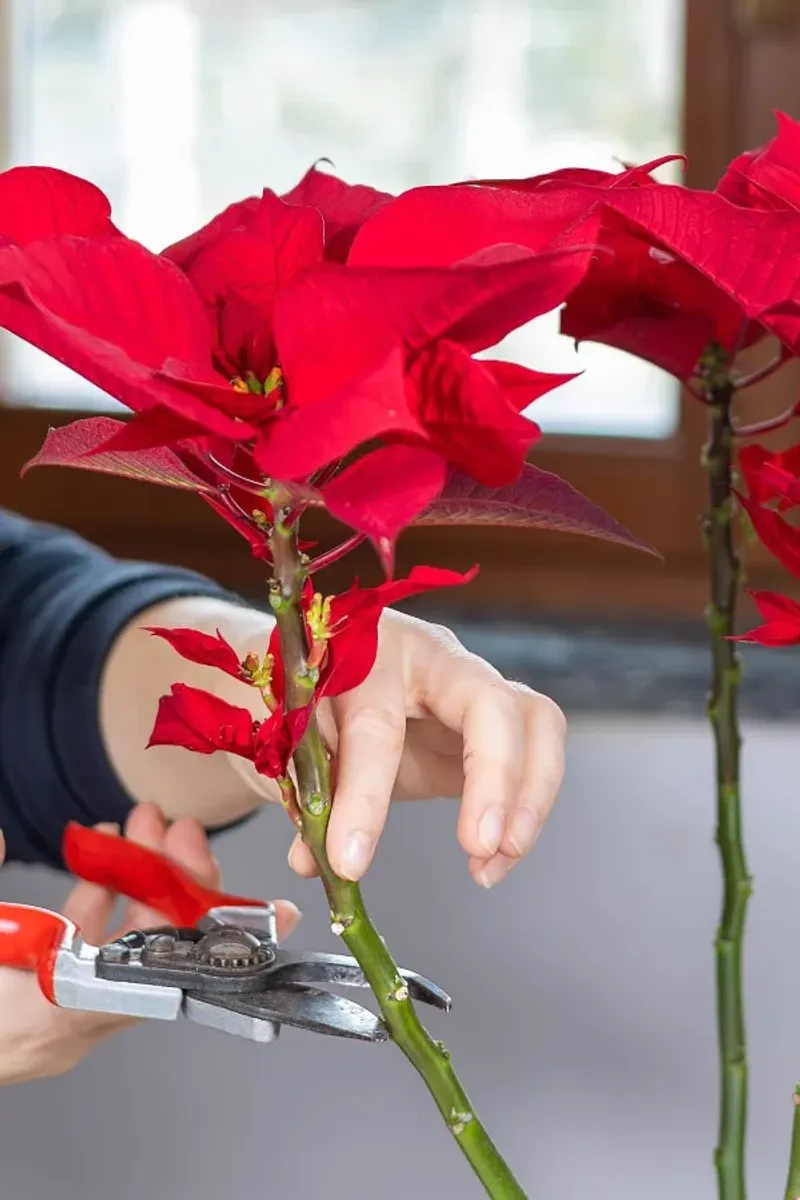
Put down those pruning shears, friend. October is the month to let your poinsettia grow freely without any more trimming.
Most Florida gardeners pinch back their plants during summer to keep them full. The usual cutoff date is around early September.
Why stop now? Each branch tip is where a colorful bract will form, and cutting it off removes a future burst of red.
If you trim in October, the plant has to grow new tips. Those fresh shoots may not have enough time to color up by the holidays.
Of course, you might see a stray branch poking out. It can be tempting to snip it, but leaving it alone usually pays off.
A lightly messy shape now often turns into a fuller display later. More tips mean more color, so think of extra branches as bonus decorations.
If a stem is broken or sick, you can still remove it. Just keep healthy branches in place.
Here is a handy way to plan ahead for next year. Mark your calendar for Labor Day as your final pinching date, and you will stay on track.
Patience is the real skill this month. Let the plant do its own thing, and save your pruning energy for spring.
5. Water Wisely As Florida Weather Shifts
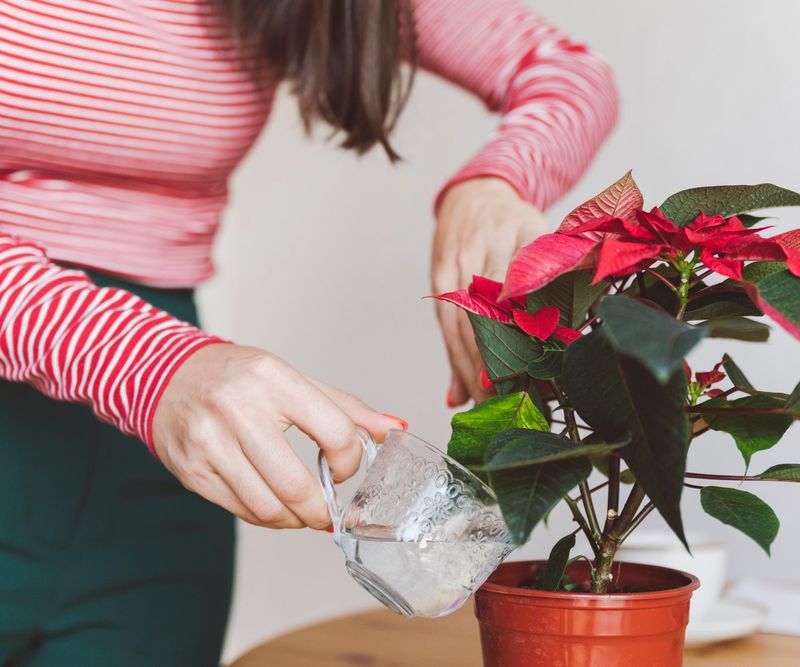
Fall in the Sunshine State can be a little unpredictable. Some weeks bring late storms, while others turn surprisingly dry.
Your poinsettia likes soil that is moist but never soggy. Too much water can cause root rot, while too little makes leaves droop and drop.
A simple finger test works best. Push your finger about an inch into the soil, and water only when it feels dry.
Potted plants dry out faster than ones in the ground. Check them every couple of days, especially during breezy or warm spells.
Make sure your pots have drainage holes. Water should flow out the bottom instead of pooling around the roots.
If a saucer sits under the pot, empty it after watering. Standing water is an open invitation for trouble.
Plants in garden beds usually do fine with natural rainfall. During a dry stretch, give them a deep soak once a week.
Try to water in the morning when you can. Leaves dry faster during the day, which helps keep fungus away.
Watch the leaves for clues, too. Yellowing lower leaves often mean too much water, while limp leaves usually signal thirst.
Steady moisture keeps your plant calm and healthy. A relaxed plant puts more energy into its holiday color.
6. Feed Your Florida Poinsettia The Right Way
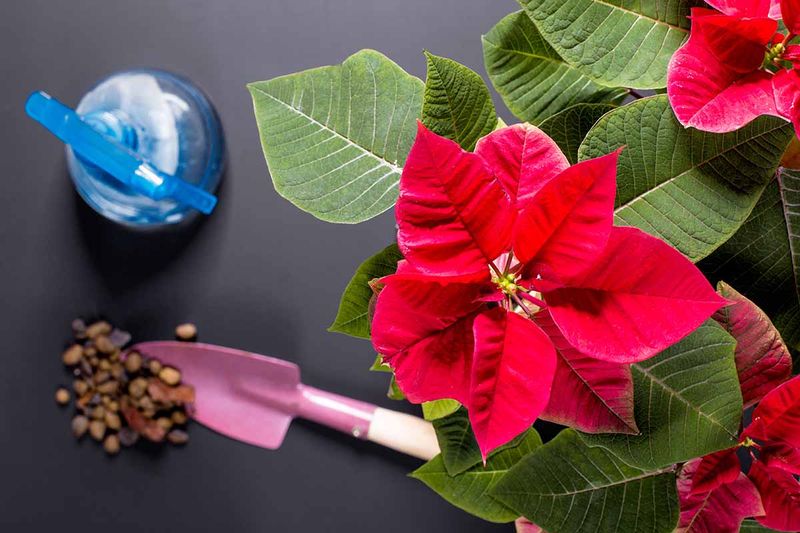
Hungry plants rarely put on a great show. A bit of food in October can help your poinsettia build strong, colorful bracts.
Use a balanced fertilizer, such as a 20-20-20 water-soluble mix. Feed about every two to four weeks, following the label directions.
Many Florida soils are sandy and drain fast. Nutrients wash away quickly, so regular feeding keeps your plant from running low.
Be careful not to overdo it. Too much fertilizer can burn roots and push out leafy green growth instead of color.
A good rule is to water the plant first, then feed it. Fertilizing dry soil can stress the roots.
Slow-release pellets are another easy choice. They feed gently over several weeks, which is great for busy gardeners.
Once the bracts start showing strong color, you can ease off. By early December, most plants need little or no fertilizer at all.
Here’s a fun fact to share at your next party. The colorful parts are not flowers, and the real blooms are the tiny yellow buds in the center.
Those little buds, called cyathia, need energy too. Smart feeding keeps them healthy so your plant looks fresh through the holidays.
7. Keep Florida Temperatures In The Comfort Zone
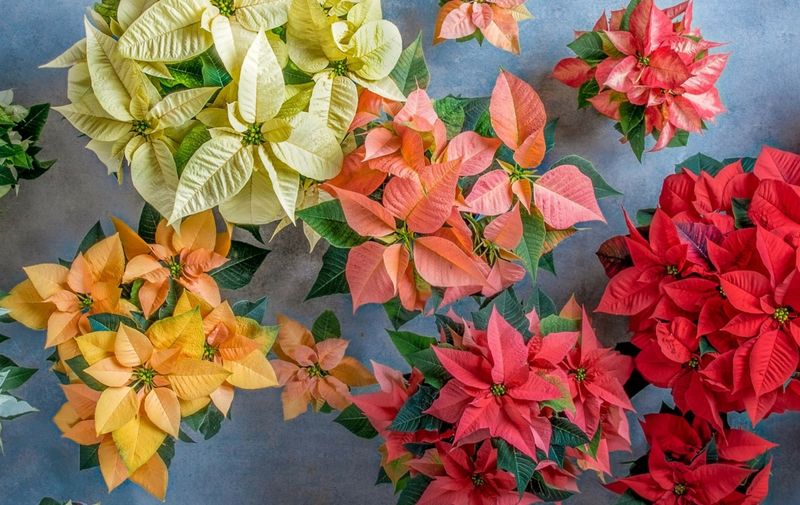
Poinsettias are a bit like Goldilocks about temperature. They want it not too hot, not too cold, but just right.
Days around 65 to 75 degrees and nights near 60 to 65 are ideal. Warm nights above 70 can slow down the color change.
In South Florida, October nights can still feel steamy. That heat may delay coloring, so a shaded or breezy spot can help.
North Florida gardeners face a different issue later in the season. A sudden cold snap can damage tender leaves.
Poinsettias dislike temperatures below 50 degrees. If a chilly night is coming, move pots indoors or cover garden plants with a frost cloth.
Indoor plants have their own challenges. Keep them away from air conditioning vents, heaters, and drafty doors.
Sudden swings in temperature can cause leaves to curl or fall off. A steady environment keeps your plant much happier.
A cheap outdoor thermometer makes life easier. Placing one near your plant helps you spot trouble before it starts.
Paying attention to the forecast is a smart habit. A few minutes of planning can protect weeks of careful work.
Comfortable temperatures let the plant focus on one job. That job is turning those green tops a festive shade of red.
8. Watch For Pests On Your Florida Poinsettia
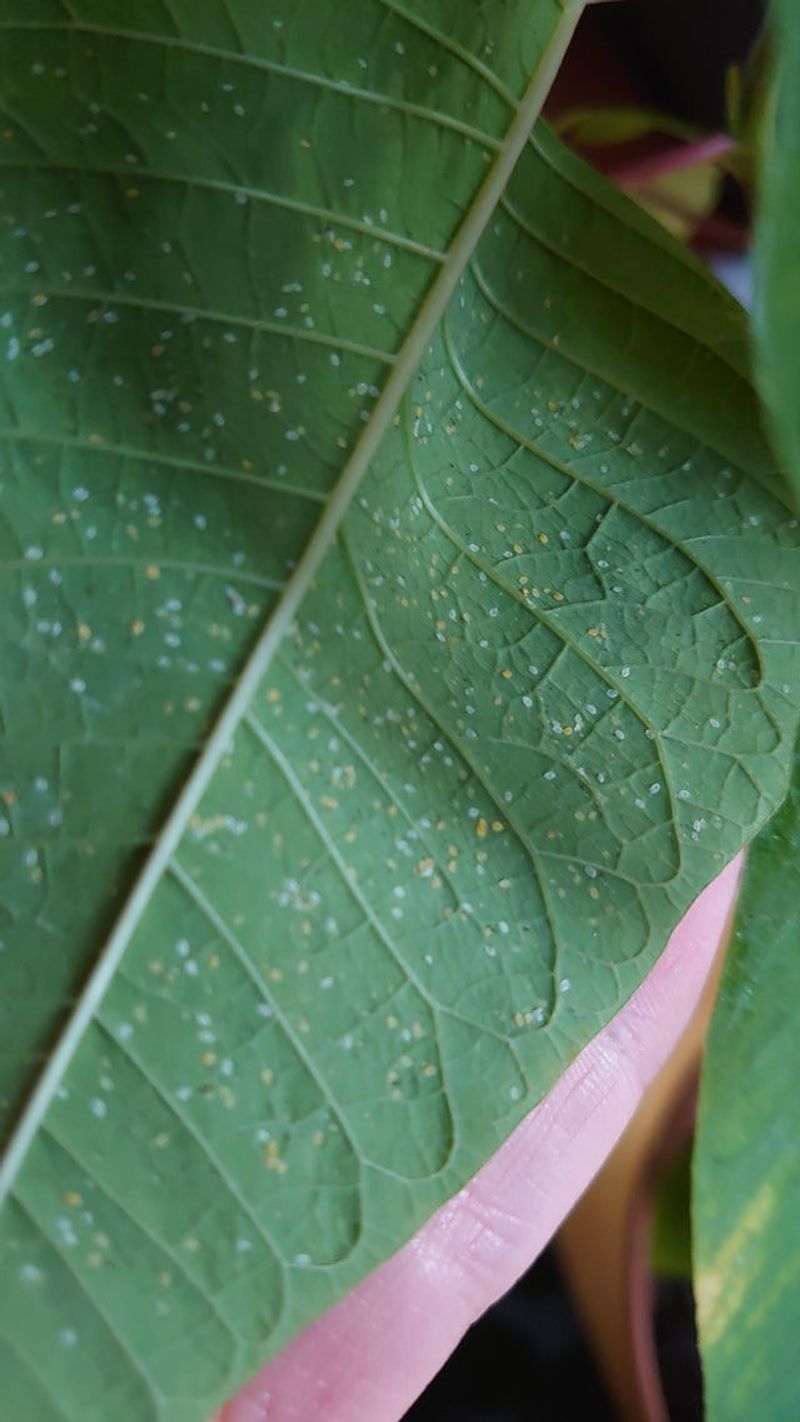
Tiny bugs love poinsettias almost as much as people do. Whiteflies are the most common troublemakers, especially in warm places.
Florida’s mild climate lets pests stay active year-round. That means October is a great time for a careful plant checkup.
Flip over a few leaves and look closely. Whiteflies hide underneath and fly up in a little cloud when disturbed.
Also look for mealybugs, which look like small bits of cotton. Spider mites leave fine webbing and speckled leaves behind.
Catching pests early makes them much easier to handle. A strong spray of water can knock many of them off.
Insecticidal soap or neem oil works well for bigger problems. Spray in the cool morning or evening to avoid leaf burn.
Yellow sticky traps are another helpful tool. Whiteflies are drawn to the color and get stuck on the card.
Healthy plants fight off bugs better. Good watering, feeding, and airflow all help keep pests from moving in.
Make pest checks part of your nightly box routine. Since you are already visiting your plant each evening, a quick peek takes only seconds.
A bug-free plant can put its full strength into coloring. Your reward will be clean, glossy bracts by the holidays.
9. Stick With The Florida Schedule Until December
Consistency is the secret every successful poinsettia grower knows. Starting strong in October is great, but finishing strong matters just as much.
The dark treatment usually lasts eight to ten weeks. Once you see solid red color on the top bracts, you can stop covering the plant.
Most Florida gardeners reach that point in early December. Some plants color sooner, while others take a little longer.
A simple chart can help you stay on track. Write the date each night and check it off after covering the plant.
Family members can pitch in too. Kids often enjoy being the official bedtime helper for the holiday plant.
If you skip a few nights, don’t panic. Just get back on schedule, and the plant will usually catch up.
After the color shows, enjoy your plant in a bright spot. Keep watering as needed, and it can stay beautiful for weeks.
Many people toss their poinsettia after the holidays. In the Sunshine State, though, you can plant it outside in spring and grow it for years.
Some backyard poinsettias grow into shrubs over six feet tall. Each fall, you can repeat the same routine for another round of holiday cheer.
Your patience pays off in the most festive way. A glowing red plant makes all those evenings worth it.